Can Rabbits Eat Zucchini and Squash? Your Safe Feeding Guide
Published on: April 9, 2026 | Last Updated: April 9, 2026
Written By: Caroline Mae Turner
Howdy y’all, yes, rabbits can eat zucchini and most summer squashes, and they often relish them as a hydrating, low-calorie treat. I reckon that sigh of relief you just let out, because nothing beats using up garden surplus without worry. I’ve spent many an afternoon on the stoop, slicing up these gourds for my own herd while watching their whiskers wiggle with anticipation.
What you’ll need:
- A fresh zucchini, yellow squash, or similar gourd
- A clean knife and cutting board for chopping
- About five minutes for preparation and feeding
By the time we’re done here, you’ll know exactly how to serve it up safely and get back to your other barnyard duties.
Understanding Gourds and Your Rabbit’s Tummy
Now, gourds belong to that big, viney family called Cucurbitaceae, which covers everything from your summer zucchini to decorative fall pumpkins. A rabbit’s digestive system is a delicate thing, built for steady munching on fibrous grasses and hays. Introducing any new food, including moist gourds, too quickly can upset that careful balance and lead to soft cecotropes or digestive stasis, which is a genuine emergency. I’ve seen it happen in my own herd when a well-meaning visitor overdid the garden treats.
Think of a rabbit’s gut like a steady, slow-moving conveyor belt that relies on constant roughage to keep things moving. The high water content in fresh gourds is lovely for hydration, especially in summer, but it’s no substitute for that essential long-stem fiber. Always offer gourds as a supplemental treat, not a staple, and never more than a tablespoon or two per two pounds of body weight a day. I reckon if you wouldn’t eat a whole watermelon in one sitting, don’t give your bunny the equivalent.
The Safe List: Which Gourds Can Rabbits Munch On?
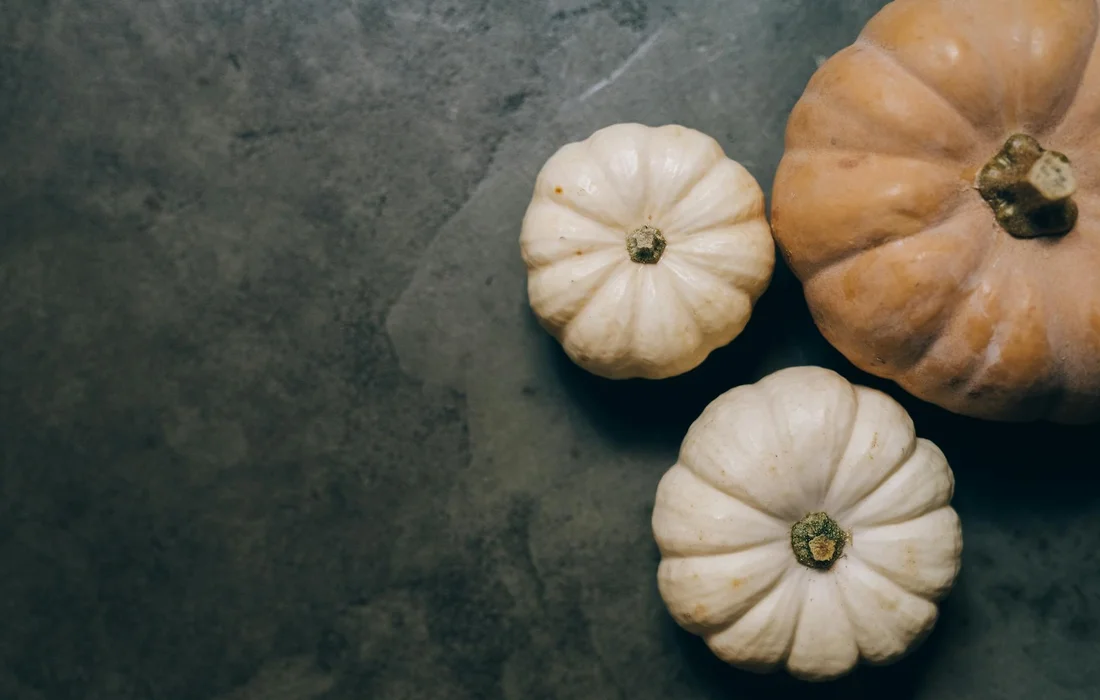
Most common culinary squashes are perfectly safe for rabbits in moderation. The key is to stick with the varieties you’d find on your own dinner plate. Steer clear of ornamental or “hard” gourds, like those used for decoration, as they can be too fibrous and may have been treated with sprays—especially when compared to other safe foods for rabbits from plants. Here’s my barn-tested list of safe options:
- Zucchini & Yellow Summer Squash: These are top-tier. Low in sugar, high in water, and my rabbits gobble up the soft seeds and tender skin.
- Butternut, Acorn, & Spaghetti Squash: Excellent winter choices. Bake or steam them first to soften the hard flesh, and always let it cool completely. Remove the tough seeds from these varieties.
- Pumpkin (pie varieties): The plain orange flesh is a fine autumn treat. Its seeds are a natural dewormer in tiny amounts-I crush one seed per rabbit weekly as a preventative measure.
- Cucumber: Technically a gourd! It’s mostly water, so it’s a refreshing snack but offers little nutritional value. Don’t let it crowd out richer greens.
For any gourd, organic or homegrown is best to avoid pesticide residue. Wash the skin thoroughly with vinegar water, and if the rind seems waxy, I always peel it off to be safe. Start with a fingernail-sized piece and watch their droppings for the next 24 hours.
Parts of the Plant: What’s Edible and What’s Not
Not every part of the gourd plant is bunny-friendly. Knowing the difference keeps your flock safe and lets you use your harvest wisely.
The flesh and skin of the fruit itself are the safest bets, provided they’re washed and served raw or cooked plain. Some fruits are safe for pet rabbits, while others are unsafe or toxic. Wild rabbits may encounter different risks when foraging. For winter squashes with hard shells, cooking is a kindness to their teeth and tummies. I often mix a spoonful of baked butternut into my older rabbit’s pellets to encourage eating.
Let’s break it down further:
- Seeds: Small, soft seeds from zucchini and summer squash are edible. Hard seeds from pumpkins or winter squash should be removed to prevent choking. A single raw pumpkin seed weekly is my go-to for parasite control.
- Leaves & Vines: This is where you must be certain. Leaves from zucchini, squash, and pumpkin plants are generally safe and packed with nutrients if they are fresh, untreated, and free from mildew. I pick young, tender leaves for my rabbits. Avoid wilted or yellowed leaves.
- Flowers: Squash blossoms are a delicious, delicate treat! Ensure they haven’t been sprayed with chemicals.
Never feed your rabbits the roots, stems, or any part of a gourd plant that looks diseased or has been treated with any chemical, herbicide, or pesticide. When in doubt, stick with the familiar fruit flesh. I’ve learned that a little caution in the garden saves a whole heap of worry later on.
From Garden to Hutch: How to Prep Squash for Bunnies
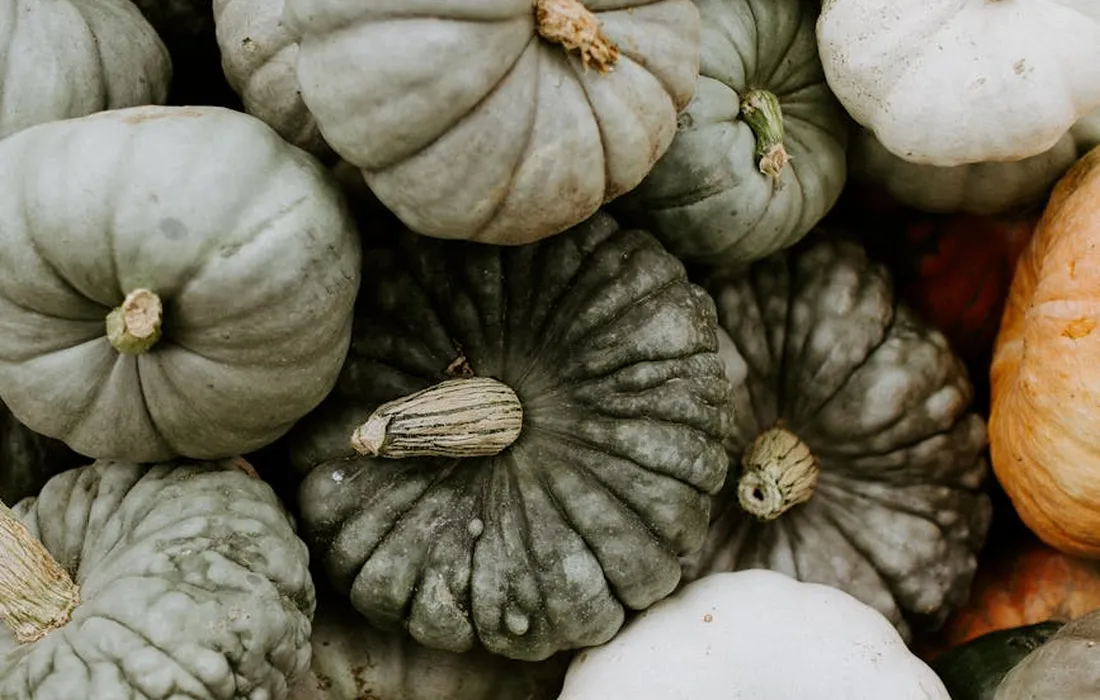
Well now, you’ve got some fine-looking squash from the patch and are fixin’ to share. Handin’ a rabbit a whole gourd is a sure way to confuse the poor thing, so a little prep work makes all the difference between a treat and a trouble. I’ve been doin’ this for years, and it’s simpler than mendin’ a fence once you know the steps.
Your Harvest Basket to the Feed Bowl
First things first, let’s talk about what you’re pickin’. Stick with young, tender zucchini, yellow summer squash, and even pumpkin flesh-but save the tough winter squash skins for your compost heap. I learned the hard way after my old buck, Thumper, turned his nose up at a piece of acorn squash rind tougher than boot leather.
Here’s my steadfast routine for gettin’ garden goods bunny-ready:
- Give it a Good Scrub: Run that squash under cool, runnin’ water. Use your fingers or a soft brush to scrub off every bit of dirt and any garden residue. We don’t use chemicals here, but if you suspect ’em, a soak in vinegar water (one part vinegar to three parts water) for a spell never hurts.
- Peel or Not to Peel: For young, organic squash, the thin skin is just fine and packed with fiber. On older, store-bought, or waxed gourds, I take a peeler to it. Better safe than sorry.
- Seeds and Guts: Scoop out the seedy center and stringy pulp from larger gourds like spaghetti squash or pumpkin. Those seeds can be a chokin’ hazard and the strings aren’t worth the gut upset. Tiny zucchini seeds? Those are usually fine left in.
- Cube it Right: Chop the flesh into half-inch cubes or thin slices. This size is perfect for nibblin’ and prevents your rabbit from takin’ too big a mouthful.
Portion Patrol and First Introductions
Even with good food, moderation is the key to a happy bunny belly. Think of squash as a flavorful side dish, not the main course of hay and greens. For a standard five-pound rabbit, a few cubes (about two tablespoons) twice a week is a mighty fine treat.
When introducin’ any new gourd, follow this path:
- Day 1: Offer one small cube.
- Day 2 & 3: Skip it, watch their droppin’s. If all’s normal, proceed.
- Day 4: Offer two small cubes.
- If digestion stays steady, you’ve found a safe weekly treat.
I keep a sealed container of pre-chopped squash in the icebox for up to three days. Wastin’ food pains my thrifty soul, so I only cut what I’ll use in a few feedings. Any piece with a hint of softness or mold gets tossed to the chickens-they ain’t near as particular.
| Type of Gourd | Prep Needed | My Notes from the Barn |
|---|---|---|
| Zucchini & Summer Squash | Wash, cube (skin on if young). | A top favorite. The high water content is splendid in summer. |
| Pumpkin Flesh (canned, plain) | Drain well, offer a teaspoon. | Great for hidin’ medicine in. Never feed the sugary pie filling. |
| Butternut & Acorn Squash | Peel tough skin, cook & mash, cool completely. | Cookin’ softens the fibers. A warm mash in winter is a special comfort. |
See, it ain’t complicated. Respectin’ the rabbit means takin’ a few extra minutes in the kitchen to ensure their meal is safe and sound. It’s the same care you’d give any creature under your stewardship. Now y’all go on and see those happy twitchin’ noses at feedin’ time.
How Much is Too Much? Serving Sizes and Frequency
Think of zucchini and summer squash as the crunchy salad of the rabbit world, not the main course. Their high water content is wonderful for hydration, but too much can lead to runny cecotropes and a bellyache for your bunny. Moderation is your best tool for keeping their digestion humming along smoothly.
For an average-sized adult rabbit (say, a 5-6 pound New Zealand), I start with a portion about the size of their own head. In practical terms, that’s roughly two heaping tablespoons of chopped squash, or a couple of thin slices. I offer this type of treat 2 to 4 times a week, rotating with other garden goodies like bell pepper tops or broccoli leaves. This rotation prevents nutrient imbalances and keeps your rabbits eagerly anticipating their next tasty surprise.
Portion Guide by Age & Size
- Kits (Under 12 weeks): Avoid. Their delicate systems need to focus on alfalfa hay and starter pellets.
- Juniors (3-6 months): Introduce slowly. A single teaspoon of grated zucchini once a week is plenty.
- Small Adults (Under 4 lbs): One tablespoon of chopped pieces, 2-3 times weekly.
- Large Adults (Over 8 lbs): Up to a quarter cup of mixed squash pieces, 3-4 times weekly.
I always serve these gourds raw and fresh from the garden after a good wash. Cooking them softens the fiber and changes the water content, which isn’t what we’re after. And the peel? Leave it on. That’s where a good bit of the fiber and nutrients live, and it gives their teeth some extra, healthy work.
A Word on Fussy Eaters and Allergies
Just like folks, every rabbit has its own tastes. I’ve had some bunnies turn their noses up at yellow squash but come running for zucchini. If you’ve got a fussy eater, don’t fret. Grate a tiny bit and mix it into their favorite leafy greens. Often, the unfamiliar texture and smell mingled with the familiar will coax them into trying it.
True allergies in rabbits are rare, but sensitivity to a new food is common. The single most important rule is to introduce any new gourd, including zucchini, one at a time and in a tiny amount. Offer just a thumbnail-sized piece on the first day. Then, watch closely for the next 12-24 hours.
Signs of trouble aren’t usually dramatic. You’re looking for subtle changes: softer-than-normal stools, a lack of interest in their hay, or a quieter demeanor in the hutch. If you see any of this, hold off on that particular veggie. You can try again in a few weeks, but sometimes you just have to accept that your rabbit prefers pumpkin leaves instead. Respecting their individual palate is part of good husbandry. Their main diet of unlimited grass hay and quality pellets will keep them perfectly healthy, even if they snub your prize-winning squash.
When Good Gourds Go Bad: Recognizing and Avoiding Risks
Now, I reckon most things on the farm are wonderful in moderation, but they can turn on you if you’re not careful. Gourds are no different. Vigilance in preparation and portion control is your best tool for keeping your bunnies hopping happily.
The Unseen Threat: Pesticides and Waxes
That beautiful, shiny zucchini from the grocery store? It might be coated in food-grade wax or, worse, carrying pesticide residues. I’ve seen it make a delicate doe’s system turn upside down. You must scrub store-bought squash under running water with a vegetable brush, and I always prefer homegrown or farmer’s-market fare where I can ask about sprays. For an extra step of safety, peeling a thin strip off offers peace of mind. These vegetable-safety basics underpin how we approach feeding zucchini, squash, and other vegetables to rabbits. Stick to small portions from unsprayed sources to stay on the safe side.
Fitting Squash into the Whole Rabbit Diet
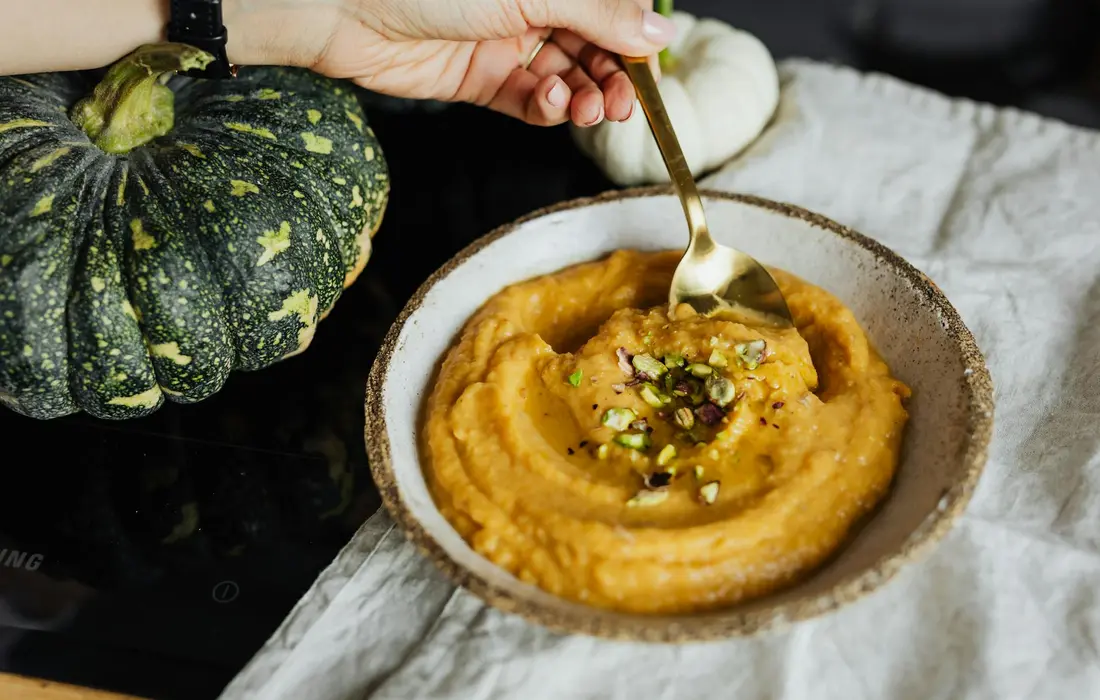
Now, let’s get down to the heart of the matter. A rabbit’s dinner plate, so to speak, needs to be built on a firm foundation. Think of squash and zucchini not as the main course, but as a flavorful side dish that adds variety and nutrients to a core diet of high-quality hay. I’ve seen many a well-meaning neighbor get tripped up by giving too many garden goodies too fast. For a quick reference, our ultimate safe veggie list offers a vetted lineup of rabbit-friendly vegetables. It helps you stay on track without guesswork.
The Pecking Order on the Bunny Menu
Your rabbit’s diet should follow a simple hierarchy, much like we plan our own meals around what’s in season and what keeps us hearty. Here’s how I break it down for my herd: If you’re looking for a practical plan, I share a domestic rabbit diet guide I use for my own rabbit. It keeps feeding simple and balanced.
- Unlimited Grass Hay: This is the bedrock, making up 80-90% of what they eat. It keeps their gut moving and teeth worn down.
- Measured Pellets: A small handful of fresh, plain pellets provides concentrated nutrients. For an average 5-pound rabbit, I stick to about 1/4 cup daily.
- Leafy Greens: A couple of cups of dark greens like romaine or kale come next, daily.
- Vegetables & Treats (Like Squash): This is where your zucchini and summer squash fit in. They’re part of this category, which should be given in rotation and moderation.
From my years in the barn, I reckon the biggest mistake is letting those plentiful summer squash crowd out the hay. A rabbit’s digestive system is a finely tuned engine that runs best on high-fiber fuel, not watery vegetables. A few slices of squash a couple times a week is a celebration, not a staple.
Portion Control: A Farmer’s Rule of Thumb
You wouldn’t feed a pig the same amount as a chicken, and you shouldn’t give a Flemish giant the same snack as a Netherland dwarf. Here’s a simple guide I follow:
- For smaller breeds (under 5 lbs): Start with one thin slice of zucchini or a few small cubes, about the size of your thumb.
- For larger breeds (5 lbs and over): You can offer two to three slices or a handful of cubes, roughly the size of a golf ball total.
Always introduce any new gourd, be it yellow squash or pattypan, in tiny amounts. Watch their droppings closely for the next 24 hours; any softness or slowdown means you need to pull back and go slower. Their gut flora is delicate, and we’re the stewards of it.
Preparation is Key to Safety
How you serve these garden treats matters just as much as how much. My method is straightforward and safe:
- Wash it Thoroughly: Scrub the skin to remove any dirt or potential pesticide residue. I grow mine organically for this very reason.
- Leave the Skin On: For zucchini and summer squash, the skin is tender and packed with nutrients. There’s no need to peel it.
- Remove the Seeds: For larger, mature squash with big, hard seeds, I scoop ’em out. The small, soft seeds in young zucchini are usually fine.
- Serve Raw and Fresh: Cooking strips away nutrients and changes the texture. Rabbits enjoy the crisp, cool crunch straight from the garden.
I remember one season my zucchini crop came in like a tidal wave. Feeding it sparingly to the rabbits was a thrifty way to prevent waste, but freezing thin slices for winter treats made our garden bounty last all year. That’s sustainable stewardship in action.
A Quick Word on Winter Squash & Gourds
Hardier varieties like butternut or acorn squash are denser and richer. Treat these more like a special dessert. I offer cooked, plain pumpkin (not pie filling!) to my rabbits in fall to help with fur digestion during molting season, but only a teaspoon-sized amount for a large breed. Always avoid ornamental gourds; they’re often bitter and can cause stomach upset.
| Type of Squash | Preparation Tip | Feeding Frequency |
|---|---|---|
| Zucchini & Summer Squash | Washed, raw, sliced with skin on | 2-3 times per week as a treat |
| Winter Squash (e.g., Butternut) | Cooked, mashed, no spices or butter | Once a week, tiny portion |
| Spaghetti Squash | Cooked, strands separated, cooled | Once a week, small forkful |
Balancing your rabbit’s menu is an act of respect for the animal. By using squash as a complementary gift from the garden, you support their health without risking the delicate balance of their digestion. It’s about working with nature, not against it, and that’s a principle that serves every creature on the homestead well.
Closing Tips
Can rabbits eat decorative gourds or pumpkins meant for fall displays?
No, rabbits should never eat decorative or ornamental gourds, as these are often treated with preservatives or pesticides and can be too fibrous. Stick to culinary varieties like pumpkin flesh or summer squashes that are fresh and untreated.
Is it safe to feed rabbits the entire gourd plant, including leaves and vines?
Yes, fresh, young leaves and vines from squash plants are safe and nutritious if they are pesticide-free. Always avoid wilted, diseased, or chemically treated parts, as these can cause digestive upset or toxicity.
How should I introduce gourds to a rabbit’s diet for the first time?
Start with a tiny, fingernail-sized piece of a safe gourd like zucchini, and monitor your rabbit’s droppings for 24 hours. If no soft stools or issues arise, you can gradually increase to a small treat portion a few times a week.
What should I do if my rabbit refuses to eat gourds?
Don’t force it; rabbits have individual preferences. Try grating a small amount into their favorite greens or offer a different gourd variety. House rabbits eat a diet beyond commercial pellets, embracing plenty of hay and fresh greens. Their primary diet of hay and pellets ensures proper nutrition even without gourds.
Can I feed cooked or seasoned gourds to my rabbits?
No, never feed cooked, buttered, salted, or spiced gourds to rabbits. Their digestive systems require raw, fibrous plants, and any additives or altered textures can lead to serious health issues like gut stasis. This is especially true for bumpy or bottle gourds that are commonly fed to humans.
Are there any gourds that are toxic to rabbits or other common farm animals?
While most culinary squashes are safe, avoid bitter or wild gourds, which may contain cucurbitacins that are toxic to rabbits and many farm animals. Always identify gourds accurately and when in doubt, consult a veterinarian.
Back to the Hutch
When all’s said and done, giving your rabbits a slice of summer squash is a fine idea. It adds variety to their diet and puts extra garden bounty to good use. The golden rule for any new treat is to start with a small piece and watch your rabbit closely over the next 24 hours-that quiet observation is the very best tool in your husbandry kit. A happy gut makes for a happy bunny, every single time.
I reckon the real joy is in sharing the plenty, whether it’s with our families or our furry livestock. Thanks for settin’ a spell with me to talk it over. Now get on out there, give those long ears a pat from me, and enjoy the simple, good work of tending your critters. Y’all take care.
Further Reading & Sources
- Can a rabbit eat Squash/Zucchini? | Rabbit Hole Hay
- Can Rabbits Eat Zucchini Squash? – Rabbits Life
- Can Rabbits Eat Zucchini? Vet-Verified Facts &n Safety Tips | PangoVet
Caroline Mae Turner is a lifelong farm girl raised on red clay, early mornings, and the sounds of a bustling barnyard. With hands-on experience caring for everything from stubborn goats to gentle dairy cows and mischievous pigs, Caroline shares practical, tried-and-true advice straight from the farm. Her goal is to help folks keep their animals healthy, well-fed, and living their best barnyard life. Whether you're wrangling chickens or bottle-feeding a baby goat, Caroline brings a warm Southern touch and plenty of real-world know-how to every bucket in the barn.
Diet Requirements