
Duck Egg Safety Made Simple: Your Guide to Worry-Free Eating
Published on: March 1, 2026 | Last Updated: March 1, 2026
Written By: Caroline Mae Turner
Howdy y’all. Fresh duck eggs from your flock are a safe and nutritious food, just handle them with clean hands and cook them thoroughly like you would any egg. I’ve gathered them warm from the nest for decades, and that simple practice has kept my kitchen safe and my breakfasts delicious.
What you’ll need:
- Clean hands and a dedicated egg-gathering basket
- A reliable refrigerator for prompt storage
- A good skillet, pot, or baking dish for cooking
Let’s get your questions settled right quick, so you can enjoy those rich eggs and return to your other homestead duties.
The Straight Talk on Duck Egg Safety
Let’s have a frank chat about what keeps those duck eggs safe for your breakfast table. The main concern folks whisper about is salmonella. Now, any bird can carry it, but ducks, with their love for mud and puddles, often get a side-eye. The truth is, the risk isn’t in the egg itself so much as what’s on its shell and how we handle it. I’ve gathered thousands of eggs from my flocks over the years, and the rule is simple: treat every egg as if it needs a bath. Whether fertilized or unfertilized, the safety rules stay the same: handle, wash, refrigerate, and cook thoroughly. Fertilization status doesn’t inherently change the safety risk—it’s all about shell cleanliness and proper handling.
Duck eggs have a thicker, more porous shell and a stronger bloom, or cuticle, than chicken eggs. This natural coating is the egg’s first defense, sealing those pores. Washing it off too soon removes that barrier. Your best practice is to store unwashed eggs in a cool place, ideally your refrigerator at 40°F or below, and only wash them right before you intend to use them. This method has never steered my family wrong.
Cook duck eggs thoroughly until both the white and yolk are firm. This is non-negotiable for anyone with a compromised immune system, the elderly, or young children. For baking and custards where they’re fully cooked, they’re a magnificent and safe ingredient. That rich yolk makes a pie filling unlike any other.
Handling Your Flock’s Eggs: From Nest to Kitchen
Getting eggs from the duck house to your skillet is a daily ritual that demands a gentle touch. Ducks aren’t always the tidiest layers, and an egg fresh from the nest box often wears a bit of the barnyard. Your system here makes all the difference.
Step-by-Step: Collecting and Cleaning Duck Eggs
Gather your eggs at least twice a day, especially in hot or freezing weather. More frequent collection means cleaner eggs and less chance of a curious duck deciding to sample them. I keep a dedicated basket with a towel in the bottom to cradle them.
You’ll need a few simple tools: a dedicated egg basket, dry abrasive sponge or brush, a bowl for wash water, and clean towels. Never use cold water; it causes the contents to contract and can pull surface bacteria through the shell.
- Collect eggs, placing any with major cracks or heavy soiling in a separate container for immediate use.
- For dirty eggs, use your dry brush or sponge to gently scrub off any loose muck or bedding.
- If a wet wash is needed, use water that is noticeably warmer than the egg itself. I aim for water around 110-120°F.
- You can use a mild, unscented dish soap if you wish, but rinse thoroughly under the same warm running water.
- Place each washed egg immediately on a clean towel and pat it dry. Do not let them air dry.
- Once completely dry, transfer them to a clean carton in the refrigerator.
Checking for Freshness and Shell Integrity
Even with perfect collection, you must be your own quality inspector. Give each egg a quick once-over. Look for hairline cracks, pinholes, or any unusual texture. A compromised shell is an open door and that egg should be used immediately, fully cooked, or discarded if it smells off. I’ve learned to gently tap eggs together when collecting; a solid “clunk” is good, a lighter “click” can indicate a crack.
The classic float test is your homestead friend. Fill a deep bowl with cool water. A very fresh egg will lie flat on the bottom. An egg that tilts upwards is a bit older but still fine for eating. Any egg that floats to the surface is old and should be composted, not consumed. For a more precise check, candle your eggs. In a dark room, shine a bright flashlight behind the egg. A fresh egg will show a small air cell at the blunt end and a clear, firm interior.
Watch for these shell issues:
- Rough, sandy texture: Often a calcium deposit. It’s fine, just might be tricky to clean.
- Wrinkled or rubbery shell: Usually a sign of stress or illness in your duck. The egg is typically safe if intact.
- Thin or soft shell: Points to a dietary calcium or vitamin D deficiency. That egg is fragile and best used right away.
Trust your nose above all else-a spoiled egg announces itself with a smell you won’t soon forget. When in doubt, throw it out. It’s a small loss that protects your health and lets you enjoy your flock’s bounty with complete peace of mind.
Storing Duck Eggs for Maximum Safety and Flavor

Gathering those beautiful eggs is only half the journey. How you treat them next decides whether you get a rich, delicious bite or a recipe for disappointment. Duck eggs have a different personality than chicken eggs, and their storage needs reflect that.
Their shells are more porous and their protective bloom, while present, is often thinner. This means they can absorb refrigerator odors and lose moisture quicker if you’re not careful. With a few simple habits, you can preserve that phenomenal flavor and texture for weeks.
Refrigeration Do’s and Don’ts
Once you bring those eggs in from the coop, your first decision is the most important. I keep a dedicated basket on the counter for eggs I plan to use within the week, and everything else goes straight to the chill.
Storing them cold is your single best defense against any potential bacterial growth and the key to a long shelf life.
The Golden Rules for the Icebox
- Do Not Wash Before Storing: That natural bloom is the egg’s own armor. Washing strips it away and opens the door for microbes. I only wash an egg right before I crack it.
- Store Pointy-End Down: This keeps the yolk centered and the air cell stable, which maintains quality. An old egg carton or a dedicated tray works perfectly.
- Keep Them in the Back: The door is the warmest, most temperature-fluctuating part of your fridge. Tuck your egg carton on a middle or upper shelf towards the rear for consistent, cold air.
- Use a Covered Container: Because of their porous nature, I always store duck eggs in a closed carton or a lidded container. This keeps them from picking up smells from last week’s onion or the ripe cheese.
- Label with a Pencil: Write the collection date right on the shell. It takes the guesswork out and ensures you use the oldest first. I’ve found a simple graphite pencil works better than ink.
Duck Eggs vs. Chicken Eggs: A Storage Comparison
| Consideration | Duck Eggs | Chicken Eggs |
|---|---|---|
| Ideal Refrigerator Temp | 35-38°F (1-3°C) | 35-40°F (1-4°C) |
| Unwashed, Refrigerated Shelf Life | 5-6 weeks | 3-4 weeks |
| Shell Porosity | Higher | Lower |
| Bloom Integrity | Thinner, more delicate | Typically more robust |
| Key Storage Tip | Must be sealed from odors | Less susceptible to odor absorption |
That longer shelf life is a boon for a homesteader, letting you build up a nice buffer for baking sprees without waste.
How to Perform a Freshness Check
Even with dating, sometimes you find a carton tucked behind the jam. Here’s my barnyard method for checking an egg’s vitality without cracking it open.
- The Float Test: Fill a deep bowl with cool water. Gently place the egg in it.
- Fresh eggs will sink and lie flat on the bottom.
- Eggs that are a few weeks old will sink but stand upright on the pointy end.
- An egg that floats to the surface is old and should be discarded.
- The Shake Test: Hold the egg to your ear and give it a gentle shake. A fresh egg will have no audible sloshing. If you hear liquid moving around, the contents have broken down and it’s past prime.
When in doubt, crack it into a separate bowl first. Your nose will tell you everything. A fresh duck egg has a clean, almost sweet smell, and the yolk stands up proud and tall.
Cooking Duck Eggs to a Safe Temperature
Getting that rich, creamy yolk from our ducks to your breakfast plate safely is simpler than you might reckon. Heat is your best friend here, transforming any worry about bacteria into nothing more than steam rising from a skillet. I’ve fed my family duck eggs for decades, and I always aim for an internal temperature of 160°F, which makes them safe without sacrificing their wonderful texture.
Safe Cooking Methods for Every Meal
Whether you’re frying up a quick supper or baking a birthday cake, a few reliable methods will keep your meals safe and delicious. The golden rule in my kitchen is to cook until both the white and yolk are firm, not runny, for most everyday dishes. Let me walk you through the ways I use most often out here on the farm.
- Scrambled or Fried: Cook over medium heat until there’s no visible liquid egg left. For fried eggs, that means solid yolks. I use a reliable thermometer to check; it should read 160°F in the yolk’s center.
- Hard-Boiled: Place eggs in a pot, cover with cold water, and bring to a full, rolling boil. Once boiling, remove from heat, cover, and let sit for 12 minutes before cooling in ice water. This guarantees they’re cooked through.
- Baking and Custards: When eggs are mixed into batters or custards, bake until the center is set and doesn’t jiggle. For quiches or casseroles, that internal temp of 160°F is your target.
- Poaching: Simmer gently in water for about 5 minutes. The white should be completely set, and the yolk firm to the touch.
Remember, duck eggs have more protein and a thicker albumen than chicken eggs, so they often need a slightly lower heat and a touch more patience to cook evenly. Rushing the process can lead to rubbery whites while the yolk remains underdone, so gentle heat is your secret weapon.
When Pasteurization is a Wise Choice
There are times when cooking alone isn’t quite enough, and that’s where bringing in pasteurization shows good stewardship. Pasteurizing eggs is a smart, thrifty safety net for recipes calling for raw or lightly cooked eggs, especially if you’re feeding the very young, the elderly, or anyone with a delicate constitution. I keep a pot for this very purpose right next my canning equipment.
Here’s when I always take the extra step:
- Making homemade mayonnaise, hollandaise, or Caesar salad dressing.
- Whipping up eggnog or frostings that won’t be cooked.
- Feeding anyone whose immune system isn’t at full strength.
- If you ever have a duck who’s been under the weather, pasteurizing her eggs before use is a respectful precaution.
You can pasteurize duck eggs at home in a simple water bath. Heat them in water maintained at 140°F for exactly 3.5 minutes, then plunge them into ice water to stop the cooking. This gentle heat kills pathogens without solidifying the egg, leaving them perfect for any recipe. It’s a little bit of extra work that buys a whole lot of peace of mind for your table.
Duck Egg Nutrition: A Powerhouse from the Pond

Now, let’s talk about what’s inside that sturdy shell. Duck eggs aren’t just bigger; they’re packed with more of the good stuff your body needs. I’ve been gathering them from our pond-raised ladies for years, and I reckon they’re one of the homestead’s most valuable offerings. Their rich, creamy yolk is a direct result of a duck’s natural foraging diet and higher fat metabolism, making each egg a concentrated source of energy and nutrients.
The Barnyard Breakdown: Duck vs. Chicken Eggs
If you’re used to chicken eggs, duck eggs will surprise you. Side by side on the kitchen counter, the difference is clear as day. Where a chicken egg might be a reliable sedan, a duck egg is the four-wheel-drive truck of the egg world-built for durability and packed with more power under the hood. Let’s look at the numbers I’ve noted from my own flock’s feed conversion and the dietary differences between ducks and chickens provided by the county extension.
- Protein Punch: A standard duck egg contains about 9 grams of protein, while a large chicken egg has around 6 grams. That’s a substantial boost for your morning scramble.
- Fat Content: Duck eggs have more fat, roughly 10 grams compared to 5 in a chicken egg. This isn’t a bad thing-it’s mostly healthy monounsaturated and omega-3 fats, especially if your ducks are on pasture.
- Vitamin & Mineral Rich: They significantly outpace chicken eggs in Vitamin B12, choline, and selenium. Choline is mighty important for brain health, something we can all use a little more of.
Feeding for Golden Yolks
Nutrition doesn’t start in the kitchen; it starts in the pond and the pasture. What your ducks eat directly colors and enriches those yolks. I remember one season when our ducks had full run of the alfalfa patch; the yolks turned such a deep orange you could almost see the sunshine in them. For the most nutritious eggs, your ducks need access to greens, insects, and clean water for dabbling-it’s their natural protein and vitamin supplement. A fortified layer pellet is a good base, but it’s the forage that truly unlocks the egg’s potential.
- Provide a high-quality commercial feed with at least 16-18% protein to support egg production.
- Ensure constant access to clean water deep enough for them to submerge their heads-this is non-negotiable for their health and your egg quality.
- Rotate their grazing area if possible, even if it’s just a small penned run. Fresh grass and bugs are like a daily multivitamin for them.
Straight from the Coop: Practical Benefits for Your Kitchen
All this nutrition translates to real benefits in your cooking and baking. That higher fat and protein content changes the game. Duck eggs have thicker, richer albumen (the white) and a larger, creamier yolk, which makes them exceptional for baking, giving cakes a loftier rise and a more tender crumb. They’re a thrifty baker’s secret weapon for turning simple ingredients into something special. Because of their robust membranes, they also tend to stay fresher longer in the refrigerator, a nice bonus for reducing waste.
Some folks with mild chicken egg sensitivities find they can tolerate duck eggs just fine, though you should always be cautious if you have known allergies. For people with chicken egg allergies, duck eggs can offer a different option to explore. We’ll touch on duck eggs and chicken egg allergies in upcoming sections. Always start with a small amount to see how your body responds, as every individual’s digestion is as unique as a duck’s waddle. From my experience, incorporating a couple of duck eggs into our family’s diet each week feels like giving everyone a nutrient-dense boost, especially during the busy planting or harvest seasons.
Special Considerations for Sensitive Folks
Now, I reckon when we talk about eatin’ duck eggs, most healthy folks can dig right in with a smile. But for those with delicate constitutions or special health circumstances, a dash of extra caution is just plain good sense, like checkin’ the fence line after a storm. My own granny, bless her heart, always said that knowing who at your table needs a gentler touch is the mark of a good steward.
Advice for Pregnant Women and the Immunocompromised
If you’re expectin’ a little one or your immune system isn’t fittin’ for a fight, listen up. The golden rule for you is to never eat a duck egg that isn’t cooked solid all the way through, no runny yolks or glistening whites allowed. I’ve gathered eggs in the chill of dawn for forty years, and I can tell you that a shell, no matter how clean it looks, can harbor bacteria like Salmonella.
We handle our eggs with care, coolin’ them quick and keepin’ nests clean, but I don’t take chances with my family’s health. You’ll want to cook those eggs until the yolk and white are completely firm, which usually means an internal temperature of 160°F, a good bit higher than for chicken eggs (raw, boiled, or scrambled). Scrambled, hard-boiled, or baked into a casserole are your best bets.
For recipes callin’ for raw eggs, like mayonnaise or certain frostings, this is a time for thriftiness in a different way. Seek out pasteurized duck eggs or use a reliable pasteurization method at home to safeguard your well-being without wastin’ a single precious egg. It’s a small step that shows deep respect for the gift these birds provide.
Navigating Egg Allergies
This here’s a tricky pasture to navigate. Some folks who react poorly to chicken eggs find they can tolerate duck eggs just fine, while others don’t. The proteins are similar, but not identical, and it’s that slight difference that can be a blessing or a curse. I remember a fella from the next farm over whose son couldn’t touch a chicken egg but thrived on our duck eggs for his breakfast. That’s why many folks start weighing duck and chicken dietary needs side by side. A quick comparison of their proteins, fats, and tolerances often explains the different reactions you see.
If you or a loved one has a known egg allergy, you mustn’t experiment alone. Your first and most important step is to have a long chat with your doctor or an allergist before you even think about bringin’ a duck egg into your kitchen. They can guide you on safe testing, often startin’ with a skin prick test in their office.
Should you get the green light to try, proceed with the utmost care right at home. Here’s how we’d do it on the farm:
- Have your emergency medication, like an epinephrine auto-injector, close at hand and know how to use it.
- Start with a tiny amount, no bigger than a pea, of fully cooked duck egg.
- Wait for several hours while a responsible adult keeps a watchful eye for any reaction.
Treatin’ a food allergy with respect isn’t a limitation; it’s a form of wisdom that lets you safely explore the bounty of your homestead. Whether it works out or not, you’re honorin’ your body and the animal by bein’ diligent.
Putting Duck Eggs to Work in Your Farmhouse Kitchen
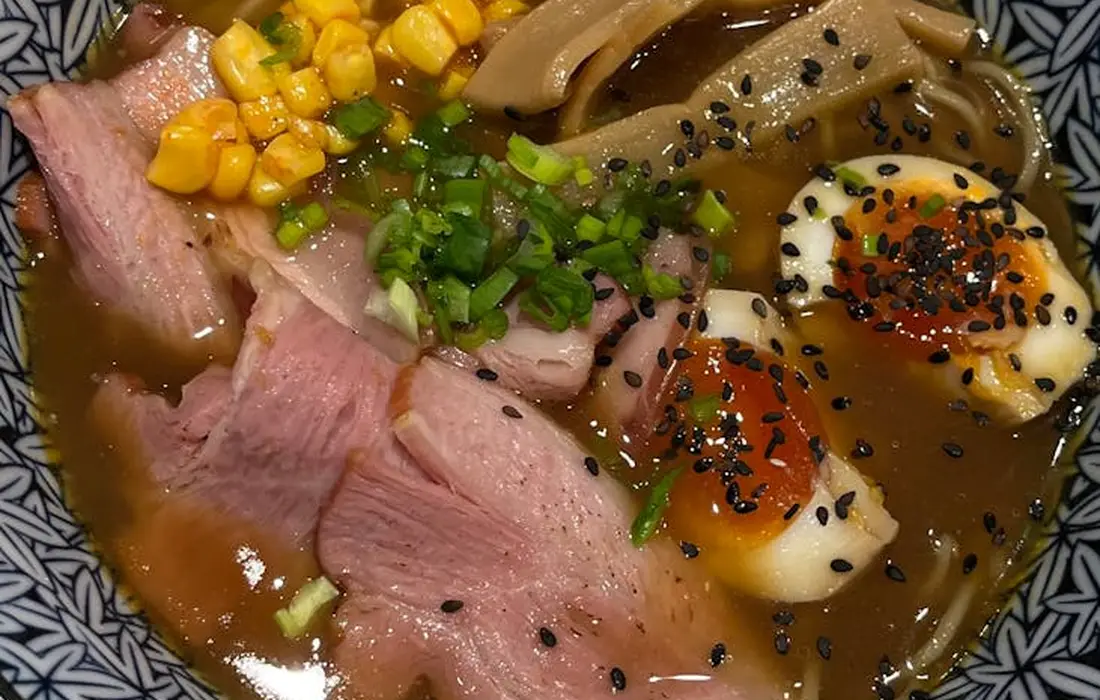
Once you’ve gathered those beautiful duck eggs from the nest box, it’s time to bring them indoors. Out here on the homestead, we believe in wasting nothing, especially when it comes to feeding ducks with uncommon foods like rice, potatoes, or popcorn—surely, not for eating themselves, but rather for turning every egg into a delicious, nourishing meal for the family. Their rich, creamy nature makes them a star in both sweet and savory dishes, once you know how to handle them.
Why Bakers Prize Duck Eggs
I learned the magic of duck eggs in baking from my Aunt Martha, who wouldn’t make her famous cinnamon rolls without them. The secret lies in their composition: a duck egg’s yolk is larger and holds more fat, while the white has a thicker protein structure called albumen. This duo works wonders in your mixing bowl.
That extra fat from the yolk makes cakes and cookies incredibly moist and tender, with a richness that lingers on the palate. You’ll notice your baked goods stay fresher longer, thanks to that natural moisture barrier. Meanwhile, the robust whites trap air more effectively, giving angel food cakes and soufflés an impressive, stable lift that’s hard to achieve with chicken eggs.
For your next baking day, remember these points:
- Richness & Rise: The higher fat content (about 9-11 grams per egg) and stronger proteins create a finer crumb and taller rise.
- Superior Structure: Thicker whites mean your batters are less likely to weep or deflate, giving you consistent results every time.
- Simple Swap: In most recipes, you can substitute one duck egg for one large chicken egg. For precision baking, note that one standard duck egg equals about 1/4 cup of liquid.
Simple Substitutions for Everyday Cooking
Frying up breakfast or making a quick scramble? Duck eggs adapt beautifully. The key is to respect their different texture and slightly longer cooking time. Their whites set up firmer, and the yolks become gloriously creamy without turning rubbery.
When you crack one into a hot skillet, you’ll see the white stays cohesive and doesn’t spread as thin as a chicken egg. This makes them ideal for fried egg sandwiches where you want everything to stay put. For scrambling, use a lower heat and stir gently-you’ll be rewarded with the fluffiest, most luxurious eggs you’ve ever tasted.
Here’s my straightforward guide for swapping them into your daily meals:
- For Frying or Poaching: Use medium-low heat. The white firms up beautifully, so give it an extra 30 seconds to a minute compared to chicken eggs.
- For Scrambles and Omelets: Whisk well and cook slow. The result is so rich, you might find yourself using less butter or cheese.
- For Binding Meatloaf or Patties: One duck egg does the job of one chicken egg, but its thicker consistency helps hold your mixture together even better.
- For Hard or Soft “Boiling”: Add a minute or two to your usual timing due to the larger size and denser white. A nine-minute simmer usually gives me a perfect hard-cooked yolk.
I reckon the best advice is to just start cooking with them. Their robust flavor and texture turn ordinary meals into something special, and that’s a bit of farmhouse thrift we can all appreciate.
Closing Tips for Your Flock’s Bounty
Is it safe to eat a duck egg if I accidentally washed it before storing?
It reduces the egg’s natural defense. You should use that washed egg within a few days and ensure it is fully cooked to a safe internal temperature of 160°F to mitigate any risk.
I’ve read on homesteading forums that duck eggs don’t need refrigeration. Is that true?
While they can be stored at cool room temperature if unwashed, refrigeration is the safest choice. Storing them cold at 40°F or below is your best guarantee against bacterial growth and significantly extends their shelf life.
How can I pasteurize duck eggs at home for safe use in raw recipes?
Use a precise water bath method. Hold the eggs in water maintained at 140°F for 3.5 minutes, then immediately plunge them into an ice bath to stop the cooking process, making them safe for dressings or frostings.
Are “sunny side up” or over-easy duck eggs considered safe to eat?
For vulnerable individuals, runny yolks are not recommended. To ensure safety, cook duck eggs until both the white and yolk are completely firm, which achieves the necessary temperature to destroy potential pathogens.
Is it safe to get duck eggs from a local farm or neighbor’s flock?
Yes, if you trust their practices. Ask about their egg handling, storage, and flock health, and always perform your own freshness checks and thorough cooking, just as you would with eggs from your own ducks and their feed quality.
Can I use duck egg whites for safe meringue if the yolk is runny?
No, separation is not a safety solution. If an egg is intended for a raw or lightly cooked application like meringue, it should be pasteurized in the shell first to ensure all parts are safe.
Shuttin’ the Gate
When it comes down to the wire, the golden rule for safe, delicious duck eggs ain’t complicated. The single most important thing you can do starts with clean hands and clean tools, long before that first custard is ever baked. A mindful routine of frequent nest collection and a quick, cool rinse protects your bounty and honors the duck’s work.
I reckon there’s few things more satisfying than a skillet of sunny-side-up duck eggs on a quiet morning. So go on, enjoy the rich rewards of your stewardship. Share a dozen with a neighbor, perfect that sponge cake recipe, and take a deep breath of that good, clean country air. Y’all take care now.
Further Reading & Sources
- Duck Eggs: Nutrition, Benefits, and Side Effects
- Advice Issued on the Safe Consumption of Duck Eggs | Food Safety Authority of Ireland
- Do duck eggs require extra safety precautions? – Seasoned Advice
Caroline Mae Turner is a lifelong farm girl raised on red clay, early mornings, and the sounds of a bustling barnyard. With hands-on experience caring for everything from stubborn goats to gentle dairy cows and mischievous pigs, Caroline shares practical, tried-and-true advice straight from the farm. Her goal is to help folks keep their animals healthy, well-fed, and living their best barnyard life. Whether you're wrangling chickens or bottle-feeding a baby goat, Caroline brings a warm Southern touch and plenty of real-world know-how to every bucket in the barn.
Nutritional Considerations