
Can Ducks Eat Chicken Feed? Your Practical Guide to Pellets, Scratch, and All-Flock Safety
Published on: December 31, 2025 | Last Updated: December 31, 2025
Written By: Caroline Mae Turner
Howdy y’all. Staring at one feed bag for two different kinds of birds is a common homestead headache, but I’ve run this very experiment in my own barnyard. Yes, ducks can physically eat chicken feed, but making it their sole diet is a fast track to health problems, with niacin deficiency being the biggest concern. It’s a handy short-term fix, but true stewardship means knowing the differences.
What you’ll need:
- The feed bag from your shed, to check the label
- A plan for providing extra niacin
- Fresh, clean water deep enough for dunking heads
Let’s get your feeding plan squared away so you can move on to the next chore with confidence.
The Straight Talk on Ducks and Chicken Feed – A Homesteader’s Take
I reckon many of y’all have seen it, too. Just last week, I watched my Pekins waddle right past their own pan to jostle the hens aside at the chicken feeder. They pecked at those pellets with gusto, and I had to smile at their audacity. But that barnyard moment got me thinking back over forty years of raising both species.
So, here’s my honest take, neighbor to neighbor. Chicken feed isn’t poison for ducks. If a storm blows through and you’re out of duck feed, sharing the chicken ration for a day or two won’t cause a catastrophe. Feeding ducks chicken feed is like giving them empty calories-it fills their bellies but starves their health. Rely on it long-term, and you’ll see your flock’s vitality slowly dwindle. Ducks and chickens have different dietary needs, especially between ducklings and adults. More on how their diets differ comes next.
Breaking Down the Bucket: Chicken Feed vs. Duck Nutrition
Chickens and ducks are as different in their dietary needs as pigs are from cows. Ducks are active foragers with a physiology built for water and rapid growth, which changes what they must get from their feed. When we compare duck and chicken dietary needs, the differences in protein, energy, and minerals guide the right feed choices for each species.
Protein needs tell the first chapter of this story. Too little and they won’t thrive; too much and you risk deformities. Here’s a quick breakdown:
- Duck Starter: Aim for 18-20% protein. This supports steady growth for ducklings without pushing them too fast.
- Chicken Starter: Typically runs 20-22% protein. This higher level can force duckling growth, contributing to angel wing.
- Layer Feeds: Formulated for hens at about 16% protein. Adult maintenance ducks do just fine on a lower 14-16% protein diet.
Then there’s the calcium crisis. Chicken layer feed contains a whopping 3-4% calcium to build eggshells. For ducks, especially drakes, ducklings, or non-laying females, this is a dangerous overload. That excess calcium can crystallize in duck kidneys, leading to organ failure and a suffering bird. It’s important to understand the differences between duck feed and alternative poultry feeds for chickens to prevent such issues.
Niacin, or Vitamin B3, is non-negotiable. Ducklings need nearly double the niacin that chicks do for proper leg bone and joint development. Chicken feed lacks sufficient amounts. I’ve nursed enough stumblin’ ducklings back to health with brewer’s yeast to know this one by heart.
Don’t forget digestibility. Ducks have shorter digestive tracts and no teeth. They manage best with smaller crumbles or mash that can be easily swallowed and processed. Large, hard chicken pellets often get wasted or cause mess. Selecting a feed formulated for a duck’s digestive system ensures they absorb all the good you’re paying for.
Can Ducks Eat Chicken Pellets? The Pellet Predicament

Chicken pellets might look like a convenient one-size-fits-all feed, but I reckon that’s where many folks run into a pickle. From my barnyard experience, ducks and chickens have different nutritional highways, and forcing duck bills onto chicken chow can lead you down a rough road—similar to the risks associated with cross-species feeding in other livestock. Let’s break down the two main culprits that cause the most worry.
Layer Pellets: A Calcium Hazard
I learned this lesson the hard way one spring when a few of my curious Pekins got into the hen’s layer feed. Layer pellets are loaded with calcium for eggshell production, a level that’s downright hazardous for a duck’s system. Their bodies aren’t built to process that mineral load like a chicken’s.
- Specific risks include permanent kidney damage from mineral buildup and a painful condition called egg binding in females, where too much calcium can interfere with muscle contractions needed to pass an egg.
- If your ducks accidentally get into layer feed, don’t panic-just provide copious extra fresh water to help flush their systems and monitor them closely for any signs of distress like lethargy or straining.
Medicated Chick Starters: A Hidden Danger
This is a quiet danger that doesn’t get enough chatter at the feed store. Medicated starters often contain amprolium, a coccidiostat meant for chicks, but ducklings have a different susceptibility to coccidia and process medications unlike chickens. Feeding it to them is unnecessary and can disrupt their gut health when they need it most.
- These medications are formulated for a chicken’s metabolism and can be harmful, offering no benefit while potentially hindering a duckling’s growth and natural immunity development.
- My rule in the brooder is absolute: never, ever feed medicated chick starter to ducklings. Stick to an unmedicated starter with the right protein percentage (around 18-20%) for healthy, waddling growth.
The Scratch and Sniff Test: Is Chicken Scratch Safe for Ducks?
Now, let’s mosey on over to the topic of scratch grains. In my feed room, chicken scratch is that old faithful sack in the corner-a simple mix of cracked corn, wheat, barley, and maybe a few other grains. It’s low in protein, often under 10%, but high in carbohydrates. Think of it as the homestead equivalent of a big bowl of buttery popcorn for your flock: mighty tempting but not much for lasting nourishment.
Handing that same mix to your ducks opens the door to a few problems you’d rather keep shut. First, that high-carb load can lead to pudgy poultry. An overweight duck struggles to waddle, let alone fly short distances, and faces serious strain on its joints and organs. More critically, for fast-growing ducklings and juveniles, the improper calcium-to-phosphorus ratio and lack of vital nutrients in scratch can contribute to a condition called angel wing, where the wing joints twist and the feathers splay out uselessly.
- Deficiency Dilemma: Ducks require higher levels of niacin (Vitamin B3) and certain proteins for healthy development than chickens do. Scratch grains provide almost none of this, setting up a growing bird for failure.
- Fill ‘Er Up: A duck that fills its crop with scratch is a duck that isn’t eating its balanced feed. This leads to gaps in their nutrition that show up in poor feathering, weak legs, and low egg production.
- Messy Business: Tossing scratch in their water, which is where ducks prefer to handle most food, turns their drinking source into a soupy, fermenting mess quicker than you can say “cleanup on aisle pond.”
So, does this mean that sack is off-limits forever? Not necessarily, but its use requires a firm hand. I keep scratch as a scant winter treat for extra calories on bitter days, or I’ll toss a handful far and wide in the yard to motivate natural foraging behavior. The golden rule on my farm is that scratch is a snack, never the main meal ticket. It probably shouldn’t make up more than 5% of their overall daily intake, and only for mature birds.
If you’re looking for healthier ways to treat your web-footed friends, you’ve got better options right in your kitchen or garden. Frozen peas (thawed), rolled oats, chopped kale, or diced watermelon are celebrated here with much more enthusiastic quacking than scratch ever earns. These treats add vitamins and moisture without the nutritional downsides, keeping your ducks busy, happy, and in top condition.
All-Flock Feed: A Universal Solution or a Compromise?
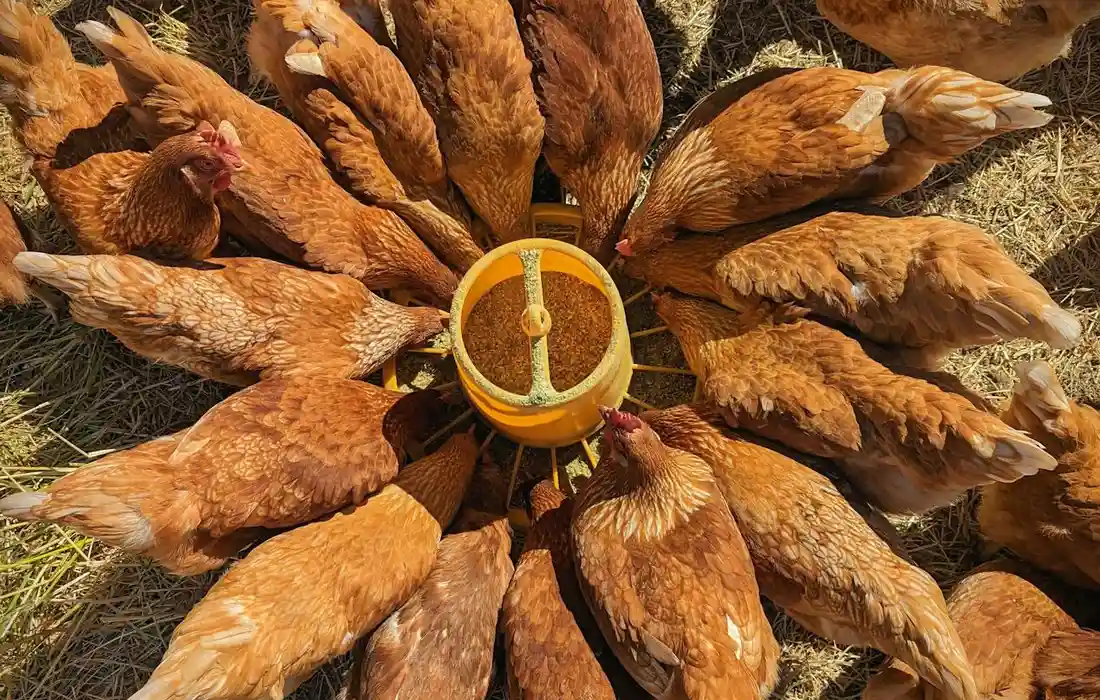
Well now, let’s mull over all-flock feed. This blend aims to please every beak in the yard. Its formulation typically finds a middle ground with protein around 16% to 18%, and it wisely lowers the calcium content compared to chicken layer ration. That’s a step in the right direction for your ducks.
But calling it “universal” might be stretchin’ the truth a bit. In my experience, it’s more of a practical compromise. You’re trading perfect nutrition for the sheer convenience of feeding a mixed flock from one bag.
The Straight Talk on Formulation
That middle-protein range works okay for maintenance. It keeps adult ducks and chickens going, but it’s often shy of what fast-growing ducklings and laying ducks truly crave. The lowered calcium prevents kidney issues in ducks, which is a lifesaver.
Pros and Cons: A Barnyard Weigh-In
Let’s lay this out plain as day. Here are the benefits and drawbacks I’ve seen right here on the farm.
Pros
- Powerful convenience for the busy homesteader with chickens, ducks, and more.
- Safer calcium levels that protect your ducks’ health.
- Cost-effective, as you’re buying and storing one main feed.
Cons
- Protein is often marginal for ducklings, who need 18-20% for proper development.
- It nearly always lacks sufficient niacin, a vitamin ducks cannot live without.
- May shortchange ducks on certain amino acids, potentially affecting feather quality and egg output.
See that niacin shortfall? That’s the real deal-breaker. Without enough niacin, ducks can develop leg weaknesses and other serious problems, especially when they’re young.
My Go-To Fix: Simple Supplementation
Don’t fret-you can make all-flock feed work better. I always add brewer’s yeast to the mix, which is a fantastic and thrifty source of niacin. Just stir in about a half cup of nutritional yeast or brewer’s yeast per 10-pound bag of feed.
You’ll see the difference in their sturdier stance and lively energy. This one small step bridges the biggest nutritional gap for your waterfowl.
A Tip from My Feeding Routine
Here’s how I manage it day to day. I use all-flock feed as the base in my common run feeder, but I always maintain a separate station with a dish of higher-protein duck pellets. My ducks can self-regulate and get what they need, and the chickens don’t overindulge in excess calcium. It’s a system born from respect for each animal’s needs and a dose of practical homestead thrift.
When Mixing Flocks: Practical Feeding Strategies for the Yard
- Set up separate feeding stations: chickens up high, ducks on the ground.
- Time your feeds: let ducks eat their specific ration first, then release chickens.
- Always provide insoluble grit for ducks separately, as they don’t have gizzards like chickens.
- Ensure constant access to clean water for dabbling and swallowing food.
- Use a dedicated duck feed bucket to avoid cross-contamination.
Set up separate feeding stations: chickens up high, ducks on the ground.
You can’t teach a duck to perch, and you can’t stop a chicken from roosting. I use this to my advantage. For my hens, I mounted a simple trough feeder on a cinder block or use a hanging feeder they must hop up to reach. For the ducks, a low, wide pan sits directly on the ground. This spatial separation respects their natural behaviors and keeps the more aggressive chickens from hogging all the duck’s specialized feed. It’s a simple, thrifty fix that keeps the peace at mealtime.
Time your feeds: let ducks eat their specific ration first, then release chickens.
On my place, the ducks are always first to stir at dawn. I use this to their benefit by scattering their proper waterfowl feed or pellets in their ground station before I even open the chicken coop. They get a good fifteen minutes of undisturbed eating. Once the ducks have had their fill and waddled off to the pond, I’ll let the chickens out and top off their own elevated feeder. If you’re only around in the evenings, a temporary pen made of spare fencing can corral the ducks for a peaceful supper.
Always provide insoluble grit for ducks separately, as they don’t have gizzards like chickens.
Now here’s a detail that trips up many folks new to waterfowl. Both birds need grit to grind their food, but a chicken’s gizzard is a mighty powerful muscle. Ducks have a simpler digestive setup. I keep a small dish of coarse sand or commercial insoluble granite grit near their water station. They’ll take a nibble as needed, and this grit stays in their system to pulverize hard grains and forages, preventing impacted crops and other woes. Don’t mix it into their feed; let them self-regulate.
Ensure constant access to clean water for dabbling and swallowing food.
A duck without water nearby is a duck that can’t eat safely. They need to wash down every mouthful, and their messy dabbling is a non-negotiable part of digestion. I use heavy rubber livestock pans that are tough to tip. Position this water source close to their feed pan, but not so close that all the feed gets soggy and spoiled. You’ll be refilling it more than you think, but that’s the stewardship we sign up for. Clean water means healthy, thriving ducks.
Use a dedicated duck feed bucket to avoid cross-contamination.
It’s mighty tempting to just dip the same scoop into every feed bin, but resist. I keep a bright blue bucket with a tight lid solely for my duck feed. This prevents the higher-protein chicken crumbles or medicated dust from accidentally mixing into the duck’s ration, which is a surefire way to cause nutritional imbalances or harm. That little bit of extra organization saves you a world of trouble and ensures each animal gets precisely what it needs to flourish under your care.
Long-Term Health: What Happens When Ducks Dine on Chicken Food?
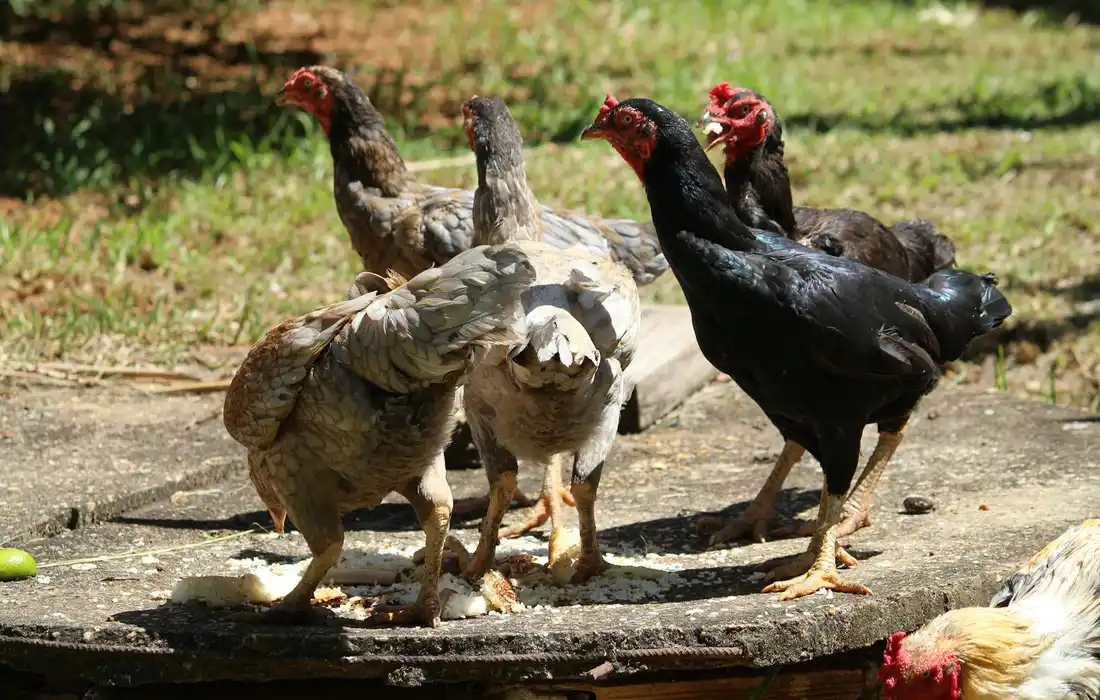
Now, let’s talk about the long haul. I’ve seen flocks over the years where the keeper thought a single feed could suit all beaks, and while the ducks might survive for a spell, they surely don’t thrive. The mismatched nutrition in chicken feed acts like a slow leak in a boat-you might not notice it at first, but given enough time, it’ll cause real trouble. Privately, I’ve often wondered if they had just understood the key differences in feeding requirements between ducks and chickens, they’d have a much happier flock.
The Specific Ailments You’re Risking
Feeding chicken feed to ducks isn’t just about a minor imbalance; it sets the stage for specific, preventable illnesses. Each ingredient in that bag, from the protein level to the mineral mix, writes a recipe for either vitality or vulnerability in your waterfowl.
Angel Wing from High Protein and Carbohydrates
This is one of the most visible consequences. Ducklings grow at a tremendous rate, and chicken starter feed (often 20-22% protein) pours fuel on that fire. The rapid growth of wing feathers outpaces the development of the carpal joint, causing the wing to twist outward permanently. I’ve had to gently correct this with vet wrap on a Pekin duckling who got into the chicks’ feeder-it’s a hassle and entirely avoidable. It’s not just the protein; the high carbohydrate content in many chicken feeds exacerbates the issue, encouraging unhealthy weight gain that stresses those developing joints.
Limber Neck from Niacin Deficiency
This one breaks my heart every time. Niacin (Vitamin B3) is non-negotiable for ducks. They need nearly double what a chicken does for proper nerve and leg function. Chicken feed simply doesn’t have enough. The deficiency starts subtle: a duck seems a bit lethargic, maybe a slight wobble in its walk. It progresses to leg weakness, and in severe cases, “limber neck”-where the bird cannot hold its head up, its neck just lies limp. Seeing a duck incapable of lifting its head to eat or drink is a clear, tragic sign you’re feeding the wrong food.
Kidney and Organ Stress from Excess Calcium
Here’s the hidden danger. Layer feed is loaded with calcium for strong eggshells. A duck’s body, especially a non-laying drake or a young duckling, cannot process that mineral overload. The excess calcium is hard on their kidneys and can lead to organ damage or failure over time. You might also see oddly shaped, rubbery, or overly thick-shelled eggs from your hens as their systems struggle with the imbalance.
Your Observant Eye is the Best Tool
Good husbandry means watching your flock as closely as you watch the weather. Don’t wait for a full-blown ailment; catch the early signs. If your ducks are on chicken feed, be vigilant for:
- Lethargy or reluctance to move: They’re not just being lazy.
- Leg weakness, sitting more often, or a distinctive “walking on hocks”: This is a major red flag for niacin issues.
- Reduced egg production or poor egg quality: Thin shells, weird shapes, or just fewer eggs.
- Failure to thrive in ducklings: They’re smaller, less active, and not as waterproof as they should be.
Catching these whispers of trouble early gives you the chance to correct course before they become shouts of a health crisis.
The Heart of Sustainable Stewardship
I reckon true thriftiness looks at the whole picture. That bag of chicken feed might save you a few dollars today, but the vet bills, lost eggs, and heartache of a sick animal cost far more tomorrow. Investing in a proper, niacin-fortified duck feed or crafting a balanced ration is an investment in the flock’s future-and your own peace of mind. It’s the foundation of sustainable care. Healthy, well-nourished ducks are more resistant to parasites and disease, they forage better, and they’ll be productive members of your homestead for years to come.
Good stewardship means feeding for health, not just convenience-your ducks will reward you with vigor and longevity.
Closing Questions
Can ducks eat chicken feed?
Yes, ducks can physically eat chicken feed, and it works as a short-term fix. However, it lacks the proper levels of niacin and has incorrect protein and calcium ratios for long-term duck health. This is especially important to consider when feeding ducklings who require starter feed for their growth.
Are chicken pellets safe for ducks?
It depends on the pellet type. Standard chicken grower pellets are less risky but still nutritionally incomplete. You must absolutely avoid chicken layer pellets due to dangerous calcium levels and never feed medicated chick starters. Medicated chick starter is designed for chicks, not adult chickens, and should not be fed to mature birds. If medicated feeds are being considered, read the label and consult a veterinarian to ensure age-appropriate use.
Is chicken scratch safe for ducks?
Chicken scratch is not safe as a dietary staple for ducks. It is nutritionally poor and can lead to obesity and deficiencies. It should only be offered as a very minimal, occasional treat to mature birds.
Can ducks eat all-flock feed?
Yes, ducks can eat all-flock feed, and it is a safer choice than chicken layer feed for mixed flocks. It serves as a good nutritional base due to its moderated protein and lower calcium content. Understanding feed compatibility for ducks and chickens helps when planning mixed-flock diets. This topic links to how duck and chicken feeds can be used together.
Is all-flock feed complete for ducks?
No, all-flock feed is not a complete solution for ducks. It typically lacks sufficient niacin, which is critical for duck health. You must supplement it with a niacin source like brewer’s yeast.
What’s the biggest risk of feeding chickens and ducks the same food?
The biggest long-term risk is malnutrition in your ducks, specifically niacin deficiency leading to leg problems and organ stress from improper mineral balances. Chickens also face issues if they over-consume high-calcium duck feeds.
Shutting the Gate
When the sun starts to dip and it’s time to call the flock in, I reckon the whole question boils down to stewardship. A handful of chicken feed won’t hurt your ducks—not when you’re mindful of the differences in duck vs chicken feed—but making it their main fare is like feeding a growing child nothing but crackers-it fills the belly but starves the body of what it truly needs. The most important thing you can do is read that feed tag, know your protein percentages, and never let a bag of feed become a substitute for a varied, thoughtful diet and clean, deep water. Your ducks’ health is a mosaic built from good grain, green forage, tasty bugs, and your own watchful eye.
I hope this helps y’all feel more confident at the feed store. There’s a deep blessing in watching a happy flock waddle and scratch across the pasture. So here’s to clear water, muddy bills, and the simple, good work of caring for our critters. Thanks for lettin’ me chat with you from the fence line.
Further Reading & Sources
- Can Ducks Eat Chicken Feed?
- Can Ducks Eat Chicken Feed? Duck Feeding 101
- Can Ducks Eat Chicken Feed? | Nature’s Best
Caroline Mae Turner is a lifelong farm girl raised on red clay, early mornings, and the sounds of a bustling barnyard. With hands-on experience caring for everything from stubborn goats to gentle dairy cows and mischievous pigs, Caroline shares practical, tried-and-true advice straight from the farm. Her goal is to help folks keep their animals healthy, well-fed, and living their best barnyard life. Whether you're wrangling chickens or bottle-feeding a baby goat, Caroline brings a warm Southern touch and plenty of real-world know-how to every bucket in the barn.
Waterfowl Nutrition