Goat Diet Fundamentals: Your Guide to What Goats Really Eat
Published on: June 24, 2026 | Last Updated: June 24, 2026
Written By: Caroline Mae Turner
Howdy y’all. The simplest fix for most goat diet woes is to remember they are browsers, not grazers, and their belly works best on a foundation of long-stem fiber like grass hay. I’ve watched more than one new homesteader fret over a picky goat, only to find the issue was too much grain and not enough roughage from the get-go.
- What you’ll need:
- Quality grass hay (like timothy or orchard grass)
- A sturdy, weather-proof mineral feeder
- Clean, always-available water source
- A keen eye for observing their behavior
Let’s walk through this together, and I promise you’ll have a clear plan to keep your herd content and your mind free for the next chore on your list.
The Goat’s Gut: Understanding Rumen and Rumination
Let’s get right to the heart of the matter: a goat’s stomach is a marvel of natural engineering. Unlike our single-stomached friends like pigs or chickens, goats are ruminants, sporting a four-chambered system where the rumen is the star player. This large fermentation vat, which can hold several gallons, is where tough plant fibers begin to break down with the help of billions of microbes. I’ve spent many an hour watching my herd, and their health truly starts in this hidden, bustling world.
You’ll see the proof of this system when your goat is resting, calmly chewing its cud. This process, called rumination, is where eaten food is regurgitated, chewed again to increase surface area, and swallowed to pass through the other stomach chambers. Proper cud chewing is your best visual sign that a goat’s digestion is humming along smoothly, extracting every bit of nutrition from their feed.
That’s why the type of food you offer is so critical. The rumen microbes require a steady diet of fiber to function and maintain the right acidity. Skimping on high-fiber forages like grass hay is a surefire way to invite bloat, acidosis, and a whole host of other troubles I’ve had to nurse goats through over the years. You’re not just feeding the goat; you’re feeding the microbial workforce in its gut.
To put it in plain terms, here’s how goat digestion stacks up against some other barnyard residents:
- Goats & Sheep (Ruminants): Eat roughage, ferment it in the rumen, and chew cud for maximum nutrient extraction from grasses and browse.
- Cows (Ruminants): Similar process but built more for grazing dense grass pastures rather than browsing brush.
- Horses (Non-Ruminant Herbivores): Use a large cecum for fermentation but do not chew cud; require more frequent meals of finer forages.
- Pigs & Chickens (Simple Stomachs): Eat grains and concentrates more efficiently but can’t digest large amounts of raw fiber like hay.
Forage First: Grass, Browse, and Pasture Basics
When we talk about “forage,” we mean the plant material that forms the backbone of a goat’s diet. This includes pasture (grasses and legumes growing in a field) and browse (the leaves, twigs, and shoots of woody plants). Understanding that goats are natural browsers, not just grazers, is the first step to managing them well and saving on feed costs.
Goats have definite preferences, and their choices offer good nutrition. Here are some common plants they’ll seek out. A comprehensive list of goat-safe plants and those goats cannot eat can help you plan a safe, varied diet, with more details in the next steps.
- Legumes (Clover, Alfalfa): High-protein powerhouses, often 16-22% protein, that boost milk production and growth.
- Mixed Grasses (Bermuda, Orchardgrass): Provide steady energy and are the base of many good pasture mixes.
- Weeds & Brush (Blackberry, Multiflora Rose, Poison Ivy): Surprisingly nutritious browse; goats will clear these where other animals won’t tread.
- Herbs (Plantain, Chicory): Add mineral diversity and have natural deworming properties in a pasture mix.
Managing your land for goats means thinking in terms of space and rotation. For a dry lot, you need about 200-250 square feet per goat to prevent mud and disease. On good pasture, plan for at least 1/4 to 1/2 acre per goat, and move them to a fresh paddock every 2-3 weeks to let grass recover. I’ve found a mix of perennial rye grass, white clover, and chicory gives my pasture longevity and my goats a balanced diet.
The Browser’s Advantage: Why Goats Love Weeds and Brush
While a sheep will keep its head down grazing grass, a goat will stand on its hind legs to reach a tasty maple branch. This browsing instinct is hardwired. Goats possess mobile lips and a prehensile tongue that lets them selectively pick leaves and buds, which are often higher in protein and minerals than stemmy grass. They’re your natural cleanup crew for overgrown areas.
I’ve watched my herd ignore a lush green lawn to devour a patch of thorny brambles. Plants like sericea lespedeza and willow are not just food; they contain tannins that can help with internal parasite control. Encouraging this behavior by providing browse or planting browse strips in your pasture is a cornerstone of sustainable, low-input goat stewardship. It taps into their natural instincts for a healthier animal and a cleaner farm.
Hay: The Winter Lifeline and Year-Round Staple
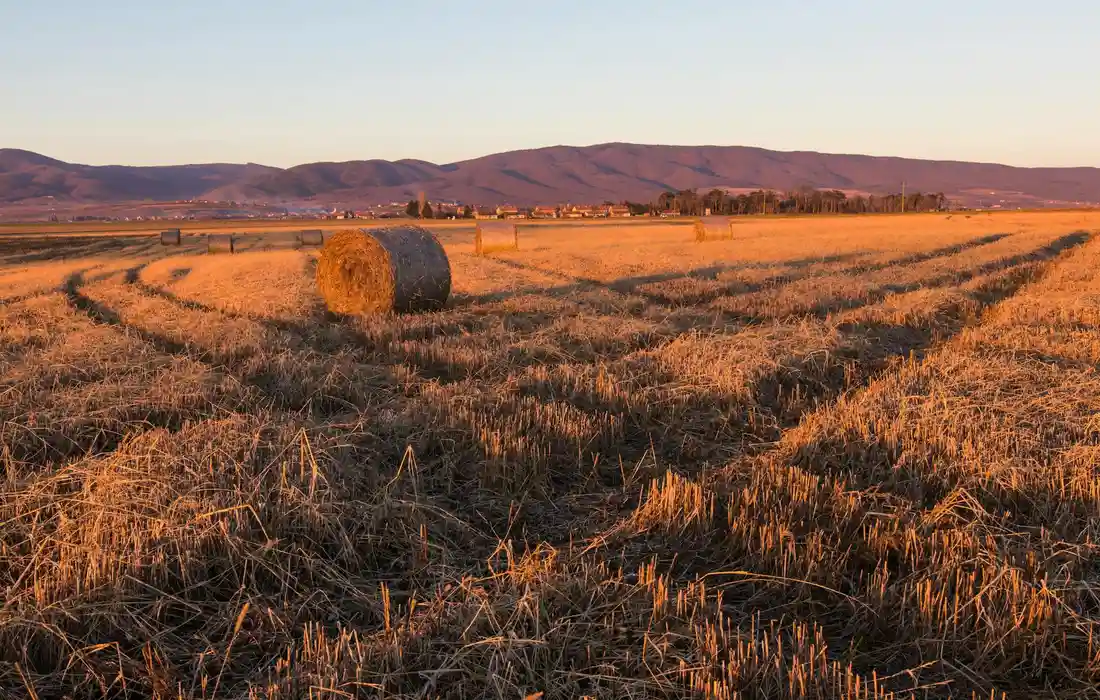
When the pasture browns up or gets buried under snow, hay isn’t just feed-it’s the furnace that keeps your goats warm from the inside out. I reckon hay makes up the backbone of the diet for at least half the year on most homesteads. Quality hay provides the long-stem fiber a goat’s rumen absolutely requires to function properly, generating heat as it ferments and keeping your herd healthy through the coldest nights.
| Hay Type | Examples | Typical Protein % | Best Uses & Notes |
|---|---|---|---|
| Legume | Alfalfa, Clover | 15-22% | Excellent for growing kids, milking does, and thin goats needing weight gain. Use sparingly for dry does and bucks to avoid urinary issues. Rich in calcium. |
| Grass | Timothy, Orchardgrass, Bermudagrass | 8-12% | The perfect maintenance hay for most of the herd year-round. Lower in calcium and protein, it’s a safe, balanced choice that supports rumen health without overloading nutrients. |
| Mixed | Orchardgrass & Clover, Timothy & Alfalfa | 10-16% | My personal favorite for a balanced flock. Offers a nice blend of nutrients from both worlds and is often more palatable. A great all-purpose choice. |
The golden rule for feeding is simple: offer free-choice hay, allowing goats to eat as much as they want. A good ballpark is 2-4% of their body weight daily. For a 150-pound goat, that’s 3 to 6 pounds of hay each day, but always provide extra so they can self-regulate. Watch their body condition and the hay rack-if it’s empty by noon, you’re not feeding enough. For a precise daily ration quantity guide on how much goats eat per day, which breaks down recommendations by weight, age, and production status.
Choosing Quality Hay
Buying hay is an investment, and you need to inspect it like a banker checking collateral. Don’t just take the seller’s word from the truck bed. Good hay smells sweet and faintly of grass, not musty, moldy, or like old tobacco. It should be leafy with thin, flexible stems, not a bundle of tough stalks. Shake a flake-if you see a cloud of dust or tiny black specks (bug debris), walk away. I’ve learned the hard way that cheap, dusty hay costs more in vet bills than it ever saves at purchase.
Feeding Hay on a Budget
Waste is the enemy of a thrifty operation. Goats are notorious for pulling hay out, tromping on it, and then turning up their noses. The single best budget tool is a proper feeder that keeps hay off the ground and catches the crumbs. Wall-mounted racks with slats or specialized hay nets work wonders. Store your hay off a dirt or concrete floor on pallets, under a roof or tarp, to prevent bottom-layer spoilage. Buying in bulk when local prices are low after first cutting can save a bundle, but only if you have a dry, rodent-proof place to store it all.
Supplementing the Diet: Concentrates and Minerals
A pasture of varied browse and good hay is the foundation, but some seasons and purposes call for a little extra in the feed bucket. Think of concentrates like grain as a targeted tool, not a daily staple for every goat in the paddock. I keep a bag on hand the same way I keep a first-aid kit-for specific situations that need a specific fix. That approach aligns with goat foraging pasture management best practices by planning paddock rotation and forage availability. Balancing browse diversity with targeted supplementation helps the herd stay productive through seasonal shifts.
When to Reach for the Feed Bag
Not every goat needs grain. Overdoing it leads to more problems than it solves. Here’s when a supplemental ration earns its keep:
- Dairy Does in Milk: A milking doe is a metabolic athlete. She’ll need that extra energy and protein to produce milk without burning through her own body reserves. Look for a ration with 14-16% protein.
- Growing Kids & Yearlings: Fast-growing youngstock, especially future herd sires or dairy does, benefit from a boost. A 16% protein grower ration supports solid bone and muscle development.
- Late Pregnancy: During the last six weeks, when those kids are packing on weight in the womb, a doe’s energy needs spike. A little grain helps her meet the demand.
- The “Hard Keeper”: You’ll have one-the goat who’s always a bit lean, who needs a little more to stay in good flesh, especially in winter. A half-cup of grain daily can make all the difference.
- Working Wethers & Bucks: If you’re using pack goats or have a busy breeding buck, they need calories for that work. It’s fuel for the job.
For meat goats, a full finishing ration is a different game, but for most homestead herds, a simple 1/2 to 1 pound per animal per day of a pelleted goat feed does the trick. Measure it, don’t just eyeball it, and always feed in a trough to keep it clean and prevent boss goats from hogging it all. These practices tie into broader livestock management concepts like shared feed for goats, cows, and sheep. Proper, measured rations with clean troughs help all species in mixed herds.
The Non-Negotiables: Minerals and Salt
This is where I see the most folks slip up. You cannot rely on a block of generic “livestock mineral” from the feed store. Goats have unique needs, especially when it comes to their mineral requirements and salt supplements.
- Free-Choice, Always: Provide a proper goat-specific loose mineral mix and a plain white salt in separate, weather-protected feeders. They’ll take what they need.
- Copper is Critical: Goats require much more copper than sheep or cattle. A deficiency leads to a faded, rough coat, poor growth, and anemia. Your mineral must be formulated for goats and contain copper.
- Watch for Selenium: In soils deficient in selenium (ask your local extension office), you need a mineral that includes it. Weak, “white muscle disease” in kids is a heartbreaker that’s easily prevented.
Investing in a quality, goat-specific mineral is the single best thing you can do for herd health, bar none. It fine-tunes everything they get from forage. A concise goat mineral supplement guide covers essential nutrients and safe/toxic level limits. This helps you choose blends with confidence.
A Word of Warning: The Dangers of Overfeeding Grain
Goats are not miniature cows. Their rumen is a delicate fermentation vat designed for roughage. Dump in too much starch too fast, and you risk disaster.
- Acidosis (Grain Overload): This is a swift, deadly rumen pH crash. Symptoms include bloat, lethargy, diarrhea, and staggering. It requires immediate veterinary intervention.
- Urolithiasis (Water Belly): In wethers and bucks, feeding too much grain (especially high-phosphorus grains like corn) without proper calcium balance can form stones that block the urinary tract. It’s a fatal, painful condition.
The golden rule is to introduce any new grain slowly, over 7-10 days, and never feed more than they need for their specific life stage. When in doubt, less is more.
Kitchen Scraps and By-Product Feeds
Goats are marvelous recyclers! I keep a bucket by the back door for them. These are treats, not feed, and should be offered in small handfuls.
- Safe Scraps: Banana peels, apple cores, carrot tops, watermelon rinds, pumpkin guts, stale bread or cereal (in moderation), and most leafy vegetable trimmings.
- Excellent By-Products: Beet pulp shreds (soaked first!) are a fantastic fibrous energy source. Black oil sunflower seeds (BOSS) add shine to coats and are a healthy fat source.
- Absolute No-Gos: Anything moldy, avocado, anything from the nightshade family (tomato or potato leaves/vines), or brassica greens (like kale) in large quantities.
A few apple slices or carrot ends are a joy for them and for you; a five-gallon bucket of scraps is a recipe for an upset rumen.
Reading Feed Tags: What to Look For in Goat Rations
Don’t just grab the prettiest bag. Turn it over and read the fine print. Here’s your cheat sheet:
- Guaranteed Analysis: Look for crude protein (14-16% for most), crude fat (2-4%), and crude fiber (a minimum of 15-20% is good-it ensures it’s not too “hot” or starchy).
- Ingredient List: Ingredients are listed by weight. Whole grains and forage-based ingredients (like alfalfa meal) are excellent. Avoid feeds with excessive “grain by-products” or vague terms.
- Medicated or Not: Some rations include a coccidiostat (like decoquinate or amprolium) for kids. This is helpful for young goats in confinement but unnecessary for healthy adults on pasture.
- The “Goat” Part: Ensure it’s labeled specifically for goats. Feeds for other species may contain additives (like Rumensin for cattle) that are lethal to goats.
A simple tag with recognizable ingredients and a solid fiber percentage will serve your herd far better than a fancy bag with a long list of chemical additives. My rule is: if I don’t know what it is, my goats probably don’t need it.
Water: The Essential Nutrient for Digestion and Health

Now, let’s talk about the most fundamental item on the menu: clean, fresh water. You can have the finest alfalfa or the greenest pasture, but without ample water, a goat’s rumen simply can’t function. I reckon water is the silent partner in every bite they take, turning dry feed into usable energy and keeping their whole system in working order.
A healthy adult goat will easily drink one to two gallons of water each day. That number isn’t a suggestion; it’s the baseline for keeping their complex digestion humming and their body temperature regulated. Milk does, pregnant nannies, and bucks in rut will drink even more, especially when temperatures climb.
Summer heat demands vigilance. I place water troughs in the shade and scrub them out every other day to discourage algae and mosquitoes. A handful of plain livestock salt placed well away from the water source encourages them to drink more, which is critical for beating the heat.
Winter brings its own trials with frozen buckets. I learned the hard way one bitter morning with a busted bucket. Investing in a heated base or a thermostatically-controlled bucket is a thrifty move in the long run, saving you from icy breakage and ensuring 24/7 access. For smaller herds, I still use thick rubber buckets and make a ritual of breaking ice and providing slightly warm water twice daily.
Keeping Water Clean and Accessible
Maintenance is straightforward but non-negotiable. Here’s my simple routine to prevent problems before they start.
- Dump and scrub all containers with a brush every two to three days to remove slime and feed residue.
- Position waterers on a stable platform or packed gravel to keep surrounding mud and manure out of the water.
- Check automatic waterer valves and heating elements weekly, not just when you hear a complaint from the pen.
- Provide multiple water sources if you have a large herd or a dominant animal that guards a single tank.
Grazing Behavior and Pasture Management
If you watch a goat in a field, you’ll soon see they ain’t cows. They’re fussy, curious, and downright artistic in how they eat. Understanding their natural behavior is the first step to managing a pasture that supports them, rather than just a plot they destroy. I’ve spent many an evening leaning on the fence, observing the herd’s patterns as the light fades.
The Goat’s Grazing Clock and Menu
Goats are browsers, not grazers. They’d rather reach up for a tasty blackberry cane than bend down for a blade of fescue. Their day is typically split into two main feeding bouts: early morning and late afternoon into evening. You’ll see the most active browsing around dawn and dusk, with periods of rest, rumination, and social loafing in between. They prefer woody shrubs, broad-leaf plants, and forbs (what most folks call weeds) over simple grass.
Socially, they stick together but spread out. A dominant doe often leads the way to a new patch, with others following. This herd mentality is a blessing for pasture management, as they tend to move as a fuzzy unit, making rotational fencing easier. They’ll sample a wide variety, using their agile lips to pick the choicest leaves, which is why they’re so good at clearing brush.
Crafting Your Grazing Plan: Rotation is Key
Letting goats continuously munch the same spot is a recipe for parasite problems and dirt. A good rotation plan gives plants time to recover and breaks parasite cycles. Here’s how I manage our pastures:
- Divide and Conquer: Split your available land into at least 3-4 smaller paddocks using portable electric netting or permanent fencing.
- Move on a Schedule, Not a Whim: Shift the herd to a fresh paddock every 1 to 4 weeks. The timing depends on forage density and season. In lush spring growth, they can stay longer. In summer’s sparse times, move them faster.
- Enforce a Rest Period: This is non-negotiable. A paddock needs a minimum of 30 days, ideally 45-60, without goats to allow forage to regrow tall enough that larvae from worm eggs are left behind on the lower stems.
- Mow After Grazing: Once the goats move out, mow the pasture. This knocks down weeds they missed, encourages tender grass regrowth, and exposes parasite larvae to sunlight.
How Season, Age, and Breed Change the Game
A one-size-fits-all approach won’t work for every goat on your place. Their needs shift dramatically.
Season: Spring pasture is rich and can meet most needs, but it’s also when worms thrive. Summer brings dry, fibrous growth requiring more browse and supplemental hay. Fall is a time to build body condition on the last green growth and fallen leaves. Winter is all about quality hay.
Age: Fast-growing kids and yearlings need higher protein (16-18%) from their forage for development. Mature does maintaining weight do fine on 12-14%. A late-pregnant or milking doe has the highest demand of all, needing dense nutrition to avoid condition loss.
Breed: A large Alpine or Nubian will consume roughly 4-5% of its body weight in dry matter daily. A small Nigerian Dwarf eats 3-4%. But those Nigerians are often more efficient browsers, sometimes thriving on scrubby pasture that wouldn’t support a larger breed as well.
Stocking Rates: How Many Goats Per Acre?
This is the question I get most, and the honest answer is, “It depends entirely on your land.” Stocking rate isn’t just about acreage; it’s about what’s growing on it. Overstocking is the fastest way to ruin your pasture and your goats’ health. Use this table as a starting point, but always let the condition of your land and animals be your final guide.
| Pasture Quality | Description | Recommended Stocking Rate |
|---|---|---|
| Excellent | Lush, diverse mix of legumes (clover, alfalfa), grasses, and browse. Well-managed with rotation. | 6-8 goats per acre (with rotation) |
| Good | Established grass and browse, may need occasional reseeding, some weeds present. | 4-6 goats per acre (with rotation) |
| Average/Poor | Primarily scrubby browse, sparse grass, rocky or dry terrain. Relies heavily on natural forage. | 2-4 goats per acre. Supplemental feed is almost always necessary. |
Remember, these rates assume you are using a multi-paddock rotation system. Continuous grazing on the same acreage can typically support only a fraction of these numbers. When in doubt, start with fewer goats. It’s easier to add another animal later than to repair compacted, overgrazed, and parasite-ridden land.
Dangers in the Diet: Toxic Plants and Common Feed Mistakes
Y’all, one of the quickest ways to heartache on the homestead is a goat with a bellyache from the wrong browse. My decades in the barn have taught me that for every lush pasture, there’s a hidden hazard waiting for an unsuspecting nibbler.
Common Poisonous Plants and Their Telltale Signs
Goats are curious by nature, and that mouth-everything habit can lead them straight into trouble. Knowing these common offenders and their symptoms can mean the difference between a quick intervention and a tragic loss.
- Rhododendron & Azalea: Every leaf and bloom is toxic. Look for excessive drooling, vomiting, diarrhea, and a sudden weakness in the legs.
- Wilted Cherry, Peach, and Plum Leaves: Wilting releases cyanide. Symptoms hit fast: bright red gums, labored breathing, staggering, and collapse.
- Oleander: A mere handful can be fatal. It causes severe colic, trembling, and an irregular heartbeat.
- Yew: This ornamental shrub is a death sentence. Poisoning is often sudden, with no warning signs before the animal falls.
- Nightshade Family (e.g., Jimsonweed): Causes bizarre behavior-dilated pupils, confusion, head-pressing, and paralysis.
If you see these signs, get that animal away from the plant and call your vet without delay; keep activated charcoal on hand for just such an emergency.
Feed-Related Ailments: Stopping Bloat Before It Starts
Bloat is a silent killer where gas traps itself in the rumen. It often comes from gorging on wet, lush legumes like alfalfa or clover. Prevention always beats treatment, so manage your pasture access and feed routines with care.
You’ll notice the left side of their belly is tight as a drum, and they’ll stop chewing their cud. To prevent it, never turn hungry goats onto fresh, damp pasture. I always feed them a flake of grass hay first. A steady diet of dry, fibrous hay is the best anchor for a healthy rumen.
Introducing New Feeds: The One-Week Rule
A goat’s digestion relies on a stable world of rumen microbes. Shock that system, and you’ll have scours or off-feed goats. Any change in feed-new hay, different grain, even a novel browse-requires a slow transition over at least seven days.
Start with a mix of 75% old feed to 25% new, and adjust the ratio each day. I learned this lesson after switching hay suppliers too quickly and spending a week nursing unhappy rumens. Patience here saves you a world of trouble later.
Never Feed These: The Barnyard Blacklist
Some things just aren’t goat food. Here’s my straightforward list of forbidden items and what to offer instead.
- Never Feed: Avocado skins and pits, chocolate, moldy hay of any kind, or large amounts of onions/garlic. Safe Alternative: Quality grass hay, cracked corn or oats in moderation, and apple slices.
- Never Feed: Rhubarb leaves or potato greens (high in oxalic acid). Safe Alternative: Carrot tops or cabbage leaves as occasional treats.
- Never Feed: Lawn grass clippings, which heat and ferment rapidly. Safe Alternative: Freshly cut branches from safe, browsable trees like hackberry or poplar.
- Never Feed: Dog, cat, or livestock feed not formulated for goats. Safe Alternative: A proper goat mineral supplement and plain black oil sunflower seeds for coat health.
When you stick to the basics of good hay, clean grain, and safe browse, you build a foundation for a thriving herd.
Putting It All Together: Daily Feeding Routines and Tips
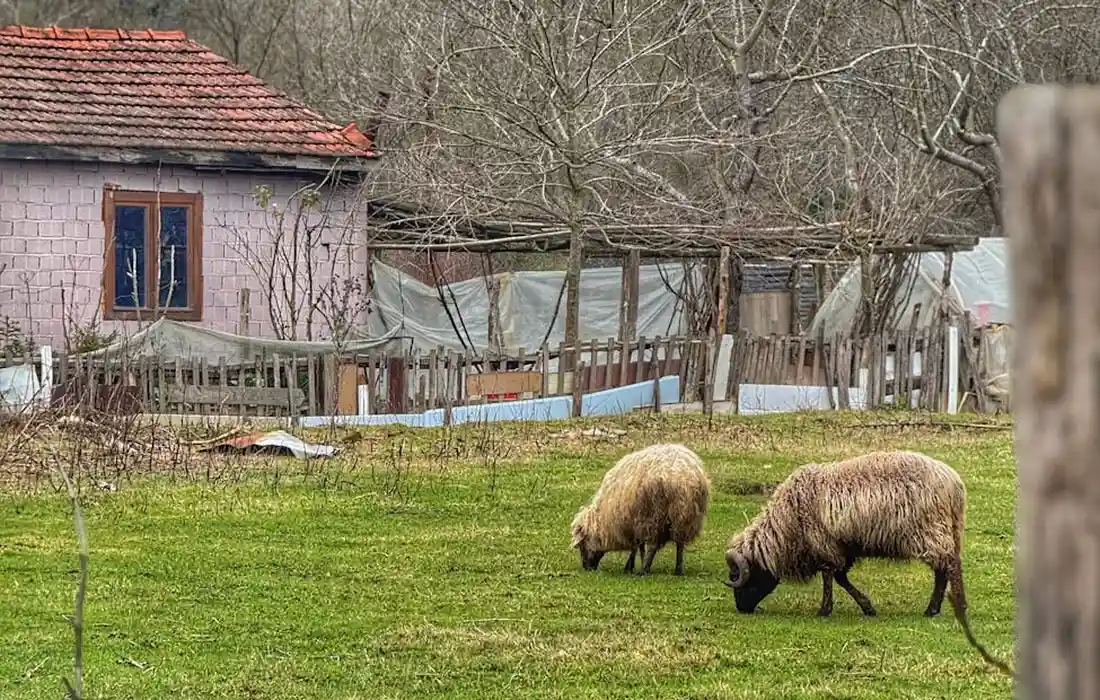
Y’all, consistency in feeding is what separates a good goat keeper from a great one. It ain’t just about filling a bucket; it’s about creating a rhythm that your goats can set their internal clocks by. A predictable routine reduces stress for your herd and gives you a daily touchpoint to spot any troubles brewing.
Sample Feeding Schedules by Goat Type and Season
Here are the daily routines I’ve honed on my place over the years. These are blueprints-feel free to adjust for your pasture quality and each animal’s condition.
| Goat Type | Spring/Summer Focus | Fall/Winter Focus |
|---|---|---|
| Dairy Doe (in milk) | AM: Pasture/browse, 1 lb 16% protein grain per 3 lbs milk yield. PM: Free-choice grass hay, fresh water, grain supplement. | AM: High-quality legume hay (alfalfa), grain ration. PM: More hay, warm water, grain. Increase calories by 10-15% in deep cold. |
| Meat Wether (finishing) | AM: Quality pasture, free-choice minerals. PM: Supplement with 1/2 lb 14% protein grain if grass is poor, always fresh water. | AM: Free-choice mixed hay, 1 lb grain mix. PM: Hay, water, body condition check. They need extra energy to stay warm and grow. |
| Pet or Companion | AM: Limited browse or pasture to prevent obesity, handful of oat grain as treat. PM: Grass hay, water, and some attention. | AM: Measured grass hay (2-3% of body weight), water. PM: Hay, a chewable like willow branches, stall check. |
See, a dairy goat working hard needs that concentrated energy, while a pet just needs maintenance. Always tailor the grain to the goat’s actual work-milking, growing, or just being a friendly lawnmower.
Pinch-Penny, Planet-Friendly Practices
Getting thrifty with feed is pure stewardship. It saves dollars and often boosts health. Fermenting your grains is my top money-saving tip, as it stretches feed further and aids digestion. Here’s my simple method:
- Place whole grains like barley in a food-safe bucket.
- Cover with dechlorinated water by two inches.
- Let sit 2-3 days indoors until it smells tangy, like yogurt.
- Drain and feed, replacing only 10-20% of dry grain at first.
Growing fodder is another winner. A basic shelf system with trays can yield fresh barley or wheatgrass in 7 days, cutting your hay bill and providing enzymes. I keep a rotation going in the barn all winter-the goats adore it.
Chore Time: Morning and Evening Steps
Break your day into two simple checklists. This rhythm keeps everything tidy and your animals secure.
At Sunup:
- First, check and scrub all water buckets, refilling with clean, cool water.
- Offer fresh hay if nighttime browsing cleaned up the racks.
- Dole out measured grain rations in individual troughs to prevent bullying.
- Scan the herd-bright eyes, dry noses, and everyone up and hungry?
At Sundown:
- Refresh water again; in winter, check for ice twice daily.
- Top up hay racks for night-time chewing; goats ruminate most after dark.
- Secure all gates and barn doors against predators.
- Walk through the pen, noting who ate well and who might be off feed.
Stick to this, and you’ll know your herd like the back of your hand. Those quiet moments at chore time are when you’ll catch a slight limp or a cough long before it becomes a crisis.
Observation is your secret weapon. A goat’s belly and behavior are her report card. If you see loose manure, reconsider grain amounts; if a doe is losing topline condition, her protein may be too low. I once had a Boer cross that needed 10% more hay than her sisters to keep weight-individual tweaks make all the difference.
Feeding Kids and Growing Goats
Raising kids is a joy, but their nutritional needs shift faster than the weather. Follow these milestones for strong, healthy growth.
Day 1 to 2 Weeks: Colostrum is non-negotiable-get that first bottle in within an hour of birth. Feed warm milk replacer or dam’s milk every 4-6 hours. This foundation builds their immune system and gets their gut moving.
3 Weeks to 2 Months: Start offering a handful of fine, leafy alfalfa hay and a creep feed with 18-20% protein. Let them nibble freely to stimulate rumen development. I keep a creep area the moms can’t access.
2 Months to 6 Months (Weaning): Gradually reduce milk over a week. Increase quality forage and a 16% protein grower grain. Aim for steady, not pudgy, growth-you want frame development first.
6 Months to Maturity: Transition to adult rations based on their purpose. For future dairy does, I introduce a bit less grain to avoid fatty udders. Proper nutrition in that first year sets the stage for a productive and resilient animal.
Closing Tips: Your Goat Diet FAQ
How do I transition my goats to a new type of hay without upsetting their rumens?
Make the switch gradually over 7-10 days. Start by mixing a small amount of the new hay with their current hay, slowly increasing the new portion each day while decreasing the old. This slow process allows the critical microbes in their rumen to adapt without causing digestive upset or off-feed behavior.
Can I feed my goats only grass hay, or do they need legumes too?
Quality grass hay can serve as a perfect, complete maintenance diet for most adult goats. Legume hays like alfalfa are a concentrated supplement best reserved for periods of high nutritional demand, such as for kids, late-pregnancy does, or milking does, as they are too rich in protein and calcium for routine feeding to others.
When is the best time to offer supplemental grain to my herd?
The best practice is to feed grain after your goats have had access to their forage or hay. This ensures their rumen is already primed with fiber, which helps process the concentrated sugars and starches in the grain more safely and prevents them from rushing their meal in anticipation.
How can I encourage my goats to drink more water in winter?
Goats often drink less in cold weather. Ensure water is always available and unfrozen by using a heated bucket or base. Offering slightly warm water twice a day can significantly increase intake, as goats prefer it over icy water, helping to maintain proper rumen function and overall hydration.
How does rotational grazing specifically help with internal parasite control?
When goats graze, they deposit parasite eggs in their manure. The larvae that hatch climb blades of grass to be consumed again. By moving goats to a fresh paddock before larvae reach the grazing zone (usually after 3-7 days) and letting the old pasture rest for 30+ days, you break the parasite life cycle as the larvae die without a host.
What’s the best way to introduce a new goat to the existing herd’s feeding routine?
Quarantine the new goat initially to monitor its health and allow its rumen to adjust to your farm’s feed. Then, introduce it to the herd’s diet slowly, offering the same hay and any grain separately at first to ensure it eats and isn’t bullied away from food by established herd members before fully integrating.
Back to the Pasture
Sitting here on the porch, watching my own herd mosey across the hill, the whole matter of feeding comes into a quiet focus. It ain’t about fancy supplements or complicated charts for most of us. It’s about that green pasture, that clean rack of leafy hay, and that never-ending tub of fresh water. The single most important thing you can do is become a student of your own goats, letting their condition, their energy, and the shine on their coat tell you if your forage and management are hitting the mark. Trust what you see more than what a bag label says.
Thank you kindly for spending this time with me. There’s a deep satisfaction in watching a animal thrive on good stewardship, and I reckon y’all feel it too. Now go enjoy your critters, listen to the contented sounds of a herd browsing at dusk, and take pride in the life you’re building. We’re all in this together. Until next time, neighbor.
Further Reading & Sources
- Nutrition of Goats – Management and Nutrition – Merck Veterinary Manual
- What Do My Goats Need in Their Diet to Be Healthy?
- Goat Diet – What To Feed Pet Goats – RSPCA – rspca.org.uk
Caroline Mae Turner is a lifelong farm girl raised on red clay, early mornings, and the sounds of a bustling barnyard. With hands-on experience caring for everything from stubborn goats to gentle dairy cows and mischievous pigs, Caroline shares practical, tried-and-true advice straight from the farm. Her goal is to help folks keep their animals healthy, well-fed, and living their best barnyard life. Whether you're wrangling chickens or bottle-feeding a baby goat, Caroline brings a warm Southern touch and plenty of real-world know-how to every bucket in the barn.
Diet Requirements