
Parsnips and Parsley for Rabbits: Your Guide to Healthy, Happy Snacking
Published on: February 25, 2026 | Last Updated: February 25, 2026
Written By: Caroline Mae Turner
Howdy y’all. Standing in the garden with a handful of parsley and a parsnip, wondering if it’s alright for your rabbits is a common homestead head-scratcher. You can absolutely feed both parsnips and parsley to your rabbits; they’re nutritious treats that add variety, but the secret to safety lies in small, occasional portions introduced slowly.
What you’ll need:
- A fresh parsnip or two
- A bunch of fresh parsley
- A clean cutting board and knife
- Five spare minutes for prep
Stick with me, and we’ll have your bunnies happily munching so you can get back to the rest of your day.
Rabbit Nutrition Basics: Where Parsnips and Parsley Fit In
Let’s set the table for proper rabbit care, y’all. The cornerstone of every healthy bunny’s diet is unlimited grass hay and a constant supply of fresh water. I’ve leaned on this truth for decades in my barn. That hay is non-negotiable, providing the essential fiber that keeps their digestive tract moving and prevents deadly GI stasis. Knowing which hay to use and how to feed it is just as important.
Fresh vegetables like parsnips and parsley? They’re the garnish on this plate of hay. They act as supplements for variety and extra nutrients, never the main meal. Overloading on veggies can disrupt their delicate gut balance quicker than a summer storm rolls in.
Think of dietary fiber from hay as the steady engine, and everything else as the occasional fuel additive. Moderation and rotating what you offer are the golden rules for using treats safely and keeping your rabbits in fine fettle. Hay is essential for rabbits, providing daily fiber, with different hay types offering varying nutrients. Being mindful of hay and treat portions helps prevent overfeeding risks.
Unpacking Parsnips: The Sweet Root Vegetable for Rabbits
Nutritional Benefits of Parsnips for Rabbit Health
Parsnips are a humble root with a sweet secret. They offer a good dose of dietary fiber, some vitamin C for immune support, folate, and a bit of potassium. That vitamin C can be a quiet boost, especially for senior animals who might need a little extra. But here’s the hitch: their sugar content is higher than most roots we’d feed.
This sugar means instant energy, which is why portion control is everything. I recall a batch of parsnips one year that were sweeter than usual, and a few generous servings led to some overly plump and less active rabbits. That natural sweetness is a benefit and a risk, all wrapped in one pale package.
How to Feed Parsnips Safely: Portion Size and Frequency
Keep it simple and small. For a rabbit weighing about 5 pounds, a safe portion is one or two thin slices, or roughly one tablespoon of grated parsnip. Always treat parsnips as a special offering, not a daily routine. I feed them only once or twice a week at most. If you’re wondering how much fresh veggies rabbits should eat daily, a vegetable portion guide can help. It keeps daily greens balanced with occasional treats.
Scale this down for smaller breeds. A two-pound dwarf might only get a teaspoon. With sweet roots, erring on the side of less food is a form of good stewardship. This frequency prevents sugar overload and keeps their digestion steady.
Preparing Parsnips for Your Rabbits: From Wash to Hutch
- Wash the parsnip thoroughly under cool running water. Soil hides grit and microbes you don’t want in the hutch.
- Peel it if it’s not from your organic garden. This simple step reduces potential pesticide residue on the skin.
- Cut it into small, manageable pieces. I make slices no thicker than a dime to prevent any chance of choking.
- The leafy green tops can be offered, but be spare-maybe a leaf or two. Introduce them even slower than the root, as some bunnies find them potent.
Proper preparation turns a garden vegetable into a safe, enjoyable snack for your curious critters. I keep an old ceramic knife and board just for this purpose.
Risks of Feeding Parsnips: What to Watch For
The primary risk is digestive upset from that high sugar content, leading to soft stools or a loss of appetite. You must introduce any new food, parsnips included, at a snail’s pace over a week to avoid shocking their system. Start with a piece the size of a pea.
Monitor their droppings closely. If you see changes, stop the parsnips immediately and return to a baseline of hay and water. A rabbit’s health is written in its waste, and that’s the first place trouble will show itself. This watchful care is part of respectful husbandry.
Parsley Power: A Leafy Green Superfood for Bunnies
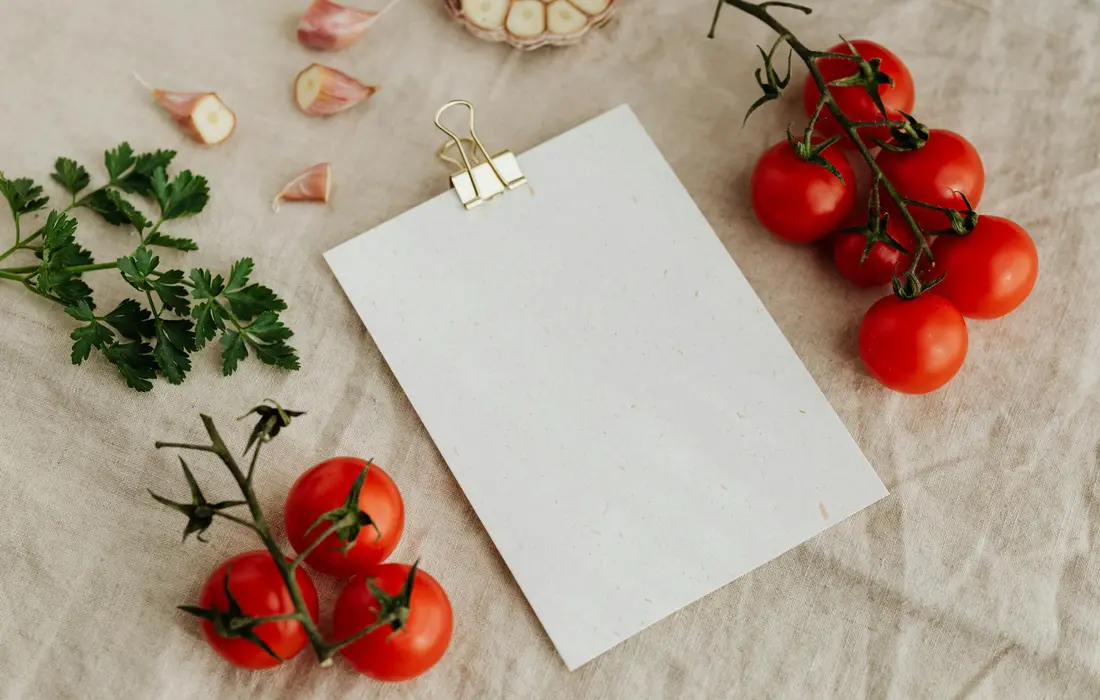
Nutritional Benefits of Parsley for Rabbit Health
Don’t let its common appearance fool you; parsley is a nutritional dynamo for your rabbits. I’ve seen my own bunnies perk up with glossy coats and bright eyes when this green becomes a regular, modest part of their menu. Its dense profile offers real benefits.
- It’s exceptionally rich in vitamin K, which supports strong bones and proper blood clotting.
- You get a powerful dose of antioxidants, vitamin C, and vitamin A, all working together to bolster the immune system and maintain good vision.
- Now, here’s the key detail: parsley contains calcium and oxalates. This is precisely why it must be balanced with other low-calcium greens, like romaine or cilantro, to prevent urinary issues.
How to Feed Parsley Safely: Portion Size and Frequency
Think of parsley as a flavorful accent, not the main course. For an adult rabbit, a few sprigs or a small handful, offered just 2-3 times a week, is the sweet spot. This keeps their diet varied and interesting.
- Due to that calcium content, always rotate it out with other greens. I keep a mental schedule, giving parsley one day and something like endive the next, to keep everything in balance.
- This rotation mimics the diverse foraging they’d do in the wild and prevents any nutrient from becoming excessive.
Preparing Parsley for Your Rabbits: Simple and Safe
Getting parsley from your garden to the hutch is a simple three-step process I follow every time. A little prep goes a long way in ensuring safety and maximizing enjoyment for your critters.
- Give the leaves and stems a good rinse under cool, running water to remove any soil or potential residues.
- Gently pat them dry with a clean towel or use a salad spinner. Damp greens can spoil quickly and upset a tender stomach.
- If the stems seem a bit thick and fibrous, I’ll chop them roughly to make eating easier. Both the curly and flat-leaf varieties are perfectly safe, so use whatever is thriving in your patch.
Risks of Feeding Parsley: Moderation is Essential
Every good thing has its limits, and parsley is no exception. The oxalates it contains can, in large amounts, bind with calcium and hinder its absorption, potentially leading to health concerns.
- This is why parsley should forever remain a supplement or treat. It can never replace the endless pile of grass hay that is the true cornerstone of a rabbit’s diet.
- Consistent variety across all the greens you offer is the simplest and most effective strategy to prevent any dietary issues from taking root.
Mastering Moderation: Practical Feeding Tips for Your Herd
Introducing Parsnips and Parsley to Your Rabbit’s Diet
When bringing any new food to your rabbits, patience is your greatest tool. A slow, watchful introduction prevents digestive upheaval and lets you learn what each individual bunny tolerates best. Here’s my tried-and-true method. For transitioning your rabbit’s diet, use the same gradual approach—start with tiny amounts and increase slowly while monitoring digestion. This is how you safely introduce new foods.
- Offer a tiny piece of just one new food-a pea-sized bit of parsnip or a single parsley leaf-alongside their regular meal.
- Monitor their droppings and energy levels closely for a full 24 hours. You’re looking for normal, firm fecal pellets.
- Only consider giving a slightly larger portion next time if you see no signs of soft stools, gas, or lethargy. Rushing this process is a sure way to spend a night worrying over a bunny with a bellyache.
Recognizing the Signs of Overfeeding
Our desire to treat our animals can sometimes outpace their digestive limits. Learning to spot the early warnings of overfeeding can help you correct course before a minor issue becomes a major vet visit.
- Soft, misshapen, or uneaten cecotropes are the most common and immediate sign.
- A noticeable drop in hay consumption is a serious red flag for their dental and gut health.
- Lethargy, a hunched posture, or a visibly hard or gassy abdomen signal discomfort. These are often the precursor signs to gastrointestinal stasis, a dangerous condition where the gut slows down or stops.
The Non-Negotiables: Hay and Fresh Water
All the parsley and parsnips in the world mean nothing without the basics. Unlimited grass hay, like Timothy or Orchard grass, must constitute 80-90% of everything your rabbit eats, every single day.
- This hay is non-negotiable for grinding down constantly growing teeth and maintaining healthy gut motility.
- Fresh, clean water is equally critical. I always provide water in a heavy bowl as well as a bottle, and I check both twice daily, especially after feeding fresh produce which increases their need for hydration.
Special Considerations for Kits, Does, and Senior Rabbits
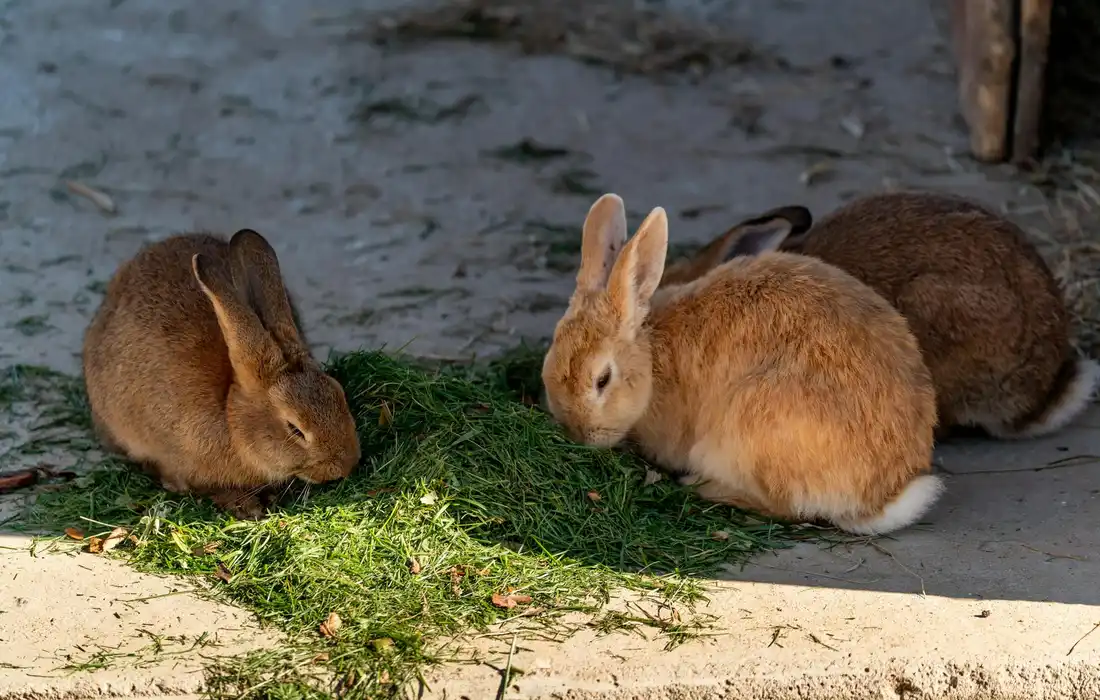
Can Baby Rabbits (Kits) Eat Parsnips or Parsley?
With kits, simplicity is safety. Baby rabbits under 12 weeks of age should have a diet composed solely of their mother’s milk and free-choice alfalfa hay to support rapid growth. As they approach weaning, caregivers should plan for the gradual introduction of first foods to support steady nutrition in young rabbits. This transition is a key part of their overall diet.
- After weaning, you can begin to introduce greens like parsley with extreme caution-a tiny piece once or twice a week is plenty.
- Hold off on parsnips entirely until they are fully mature. The concentrated sugars and starches are too much for their developing digestive tracts and can easily cause imbalance.
Adjusting for Pregnant, Nursing, or Older Rabbits
Life stages change needs, but the principle of careful moderation remains. Pregnant or lactating does require more calories and nutrients, but their systems are still vulnerable to dietary swings.
- It’s wise to consult a rabbit-savvy veterinarian for specific adjustments during these demanding times.
- For older rabbits, stick to conservative, familiar treats. Their metabolism and digestion may be slower, so maintaining a steady routine with high-quality hay and minimal, simple greens is the kindest approach.
From Garden to Hutch: Growing and Storing for Your Rabbits

There’s a deep satisfaction in feeding your animals from your own land. Planting a dedicated row of parsley and a bed of parsnips is a thrifty homesteader’s trick to provide cost-effective, enriching variety.
- Parsley is a hardy biennial you can succession plant for a continuous harvest. After picking, I wash, spin dry, and store the sprigs in a damp cloth inside a container in the fridge-they stay crisp for days.
- Parsnips sweeten after a frost and store wonderfully. You can leave them right in the ground under mulch or keep harvested roots in a cool, dark root cellar, ensuring you have wholesome, homegrown treats all season long.
Mastering Moderation: Practical Feeding Tips for Your Herd
Now, let’s get down to the brass tacks of feeding. Even the finest treats can cause trouble if we’re not careful stewards. I learned this the hard way years ago with a too-eager Dutch rabbit named Jasper, who taught me that moderation isn’t just a suggestion-it’s the golden rule of the hutch. These guidelines will help you feed with confidence and keep your rabbits thriving.
Introducing Parsnips and Parsley to Your Rabbit’s Diet
You wouldn’t sit a youngster down to a five-course feast after they’ve only had milk, would you? A rabbit’s digestive system is just as delicate and needs a gentle introduction. The cardinal rule for any new food is to go slower than you think you need to, watching closer than you think you should. Understanding a rabbit’s eating habits and their satiety signals helps guard digestive health. Small cues of fullness can guide how you pace meals. Here’s how I do it in my barn:
- Start with a postage-stamp sized piece of one vegetable, not both. A thin slice of raw parsnip the size of your thumbnail or one single sprig of parsley is plenty for a standard-sized rabbit.
- Offer this tiny taste in the morning. This gives you the whole day to watch. Check their droppings at the next feeding time and look for normal, firm, round fecal pellets. Any sign of mush, mucus, or a gassy, hunched posture means stop immediately.
- If all is well after 24 hours, you can offer that same small amount for two more days. Only then, if digestion remains perfect, can you consider a tiny increase. I never give more than one tablespoon of chopped parsnip or two sprigs of parsley per 4 pounds of body weight, and only 2-3 times a week at most.
Recognizing the Signs of Overfeeding
Rabbits are masters at hiding illness, but a watchful keeper learns to read the subtle signs. Overdoing these veggies crowds out the essential hay and can tip their sensitive gut balance. Understanding GI stasis and its triggers helps you troubleshoot symptoms and causes at home. It also guides practical at-home care to prevent a crisis. Spotting these early warnings is your best defense against a serious case of GI stasis, a rabbit emergency you surely want to avoid. Keep an eye out for:
- Soft, shiny, or misshapen cecotropes (the nutrient-rich droppings they normally re-eat) left uneaten in the cage.
- A noticeable drop in their consumption of Timothy or orchard grass hay. If the hay rack stays full, you’ve given too much treat.
- Lethargy or a lack of interest in their usual evening zoomies. A quiet rabbit is often an uncomfortable rabbit.
- A distended, firm, or gurgling belly. Gently feeling their sides can tell you a lot; it should feel soft, not like a tight drum.
The Non-Negotiables: Hay and Fresh Water
No matter how much they beg for that sweet parsnip, never lose sight of what truly fuels your rabbit. Unlimited, high-quality grass hay isn’t just food; it’s the essential roughage that keeps their digestion moving and their ever-growing teeth properly worn down. Think of it as the foundation of the house-without it, everything else crumbles.
- Hay must constitute 80-90% of everything they eat. I fill my racks twice a day to encourage constant nibbling.
- Always pair fresh foods with abundant fresh water. Produce increases their moisture intake, but a clean water source-whether in a bowl or bottle-is vital for processing all that fiber. I check and refresh water bowls every single morning and evening, without fail, as it’s the simplest act of preventative care I know.
Special Considerations for Kits, Does, and Senior Rabbits
Watching a rabbit family grow is one of the sweetest parts of homestead life, but it means adjusting your kitchen garden offerings. A young rabbit’s digestive system is a delicate thing, built slowly with the right foundational foods. What’s a celebratory treat for an adult can be a real upset for a little one.
Can Baby Rabbits (Kits) Eat Parsnips or Parsley?
Let’s be clear about the early days. For the first weeks of life, a kit’s menu is wonderfully simple: its mother’s milk and perhaps a nibble of her hay. I never offer any greens, vegetables, or treats to kits under 12 weeks of age; their gut flora simply isn’t ready for it. Introducing new foods too early is a sure path to digestive stasis, a dangerous condition for such small creatures.
After weaning, around 12 weeks, you can begin the great green introduction. Start with a single, well-washed sprig of parsley about the size of your thumbnail. Watch their droppings closely for the next 24 hours. If all is well, you can offer that tiny amount once or twice a week. Parsley’s strong flavor and nutrients are a fine starter green, but always think of it as a garnish, not a meal, for youngsters.
Now, hold those parsnips back. I don’t feed root vegetables like parsnips to any rabbit under six months old. The concentrated sugars and starches in parsnips are too much for a junior digestive tract to handle responsibly. Let them mature on a steady diet of unlimited grass hay, a quality young rabbit pellet, and a slow introduction of leafy greens before you ever consider a sweet root.
Adjusting for Pregnant, Nursing, or Older Rabbits
A doe carrying or feeding a litter is working overtime, and her nutritional needs spike. While she needs more calories, her system remains sensitive. You can slightly increase her portion of nutrient-dense greens like parsley, but do it gradually and keep a wary eye on her calcium intake. Too much calcium from greens can contribute to urinary issues.
Parsnips, with their higher sugar and calorie content, can be a useful occasional energy boost for a nursing mom, but the keyword is occasional. A thin slice or two once a week is plenty. I always consult my vet for specific feeding adjustments during lactation, as every doe and every litter size is different. It’s the best way to support her without causing imbalance.
For our wise, older rabbits, simplicity and digestibility become the priorities. Their metabolism may be slower and their teeth might not be as sharp. Grated or very finely chopped parsnip can be easier for a senior bunny to eat, but reduce the frequency to a mere taste every couple of weeks due to the sugar content. Stick with gentler, leafy herbs like parsley in moderation, and always ensure their primary hay intake stays high to keep their aging gut moving smoothly. A senior rabbit’s diet should be comforting and consistent, not adventurous.
From Garden to Hutch: Growing and Storing for Your Rabbits
I reckon one of the sweetest sights on this homestead is watching my rabbits nibble on greens I’ve grown just for them. Setting aside a small, dedicated patch for your bunnies turns gardening from a chore into a thrifty and rewarding part of your daily routine. It connects you to the land and your animals in a way store-bought feed never can.
-
Parsley is a forgiving friend in the garden and a powerhouse for your rabbits. Find a spot with at least six hours of sun and work some compost into the soil. Sow seeds about a quarter-inch deep in early spring. Keep the bed moist, and you’ll see sprouts in a couple of weeks. I succession plant a new row every three weeks to ensure a steady, cost-effective supply all season long.
-
Parsnips require deeper, looser soil and a good dose of patience. Plant the seeds after the last frost, about half an inch deep. Thin those seedlings to three inches apart once they’re a few inches tall-this gives the roots room to develop properly. They’ll be ready after a good frost in the fall, which makes them even sweeter. That long growing season is worth it for the rich, starchy treat you can provide.
-
Proper storage makes your harvest last and prevents waste. For parsley, I wash the bunches gently, shake off the water, and let them air-dry just until the leaves are no longer wet. Then, I wrap them loosely in a slightly damp cotton towel and store them in the fridge. This simple trick keeps parsley crisp and vibrant for over a week, ready for daily feeding.
-
Parsnips are built for long-term storage, much like carrots or potatoes. After the fall harvest, I brush off any clumps of dirt but don’t wash them. They go into a wooden crate or a breathable bag placed in a cool, dark corner of my root cellar. A basement or unheated garage works too. Stored this way, parsnips can feed your rabbits enriching variety deep into the winter months, stretching your homestead dollar.
Closing Questions
What are the nutritional benefits of parsnips for rabbits?
Parsnips offer dietary fiber, vitamin C, and potassium, which can support immune function and digestion. However, their high natural sugar content requires careful portion control to prevent weight gain and digestive upset.
What are the nutritional benefits of parsley for rabbits?
Parsley is rich in vitamin K for bone health, along with antioxidants and vitamins A and C. Due to its calcium and oxalate levels, it should be fed in moderation and rotated with other greens to avoid urinary issues.
How should parsnips be prepared for rabbits?
Thoroughly wash and peel parsnips to remove dirt and pesticides, then cut them into thin slices or small pieces to prevent choking. The leafy tops can be offered sparingly, but introduce them slowly to avoid digestive sensitivity.
How should parsley be prepared for rabbits?
Rinse parsley under cool water to clean it, then pat dry or use a salad spinner to remove excess moisture. Chop any thick stems to make eating easier, as both curly and flat-leaf varieties are safe for consumption.
Can baby rabbits eat parsnips?
No, baby rabbits under six months old should not eat parsnips. Their developing digestive systems are too sensitive for the high sugars and starches, which can lead to imbalance and health issues.
Can baby rabbits eat parsley?
After weaning at around 12 weeks, baby rabbits can have a tiny sprig of parsley once or twice a week. Always monitor their droppings for signs of digestive upset when introducing any new food.
Shuttin’ the Garden Gate
When all is said and done, the secret to using garden treats like parsnips and parsley ain’t in the fancy charts-it’s in watchin’ your rabbits. The single best thing you can do for your bunny’s health is to become a student of their habits, noticing the slightest change in their droppings or enthusiasm when you introduce any new food. A mindful keeper who spots a soft stool and pulls back is worth ten bags of the most expensive feed. Learning to balance fresh food with hay and pellets is equally important, as detailed in this guide on fresh food ratios for rabbits.
I reckon that’s the heart of good husbandry, right there. It’s a simple, joyful practice of payin’ attention. So here’s hopin’ your harvest is bountiful, your bunnies are bouncy, and you get to spend many a peaceful evenin’ just watching them enjoy the fruits-and roots-of your labor. Take care of yourselves and your critters, friends.
Further Reading & Sources
- Can Rabbits Eat Parsley? Safe Amounts, Benefits, and Risks
- r/Rabbits on Reddit: What veggies can I give them daily? Google is confusing
- r/Rabbits on Reddit: How much parsley should bunnies have?
Caroline Mae Turner is a lifelong farm girl raised on red clay, early mornings, and the sounds of a bustling barnyard. With hands-on experience caring for everything from stubborn goats to gentle dairy cows and mischievous pigs, Caroline shares practical, tried-and-true advice straight from the farm. Her goal is to help folks keep their animals healthy, well-fed, and living their best barnyard life. Whether you're wrangling chickens or bottle-feeding a baby goat, Caroline brings a warm Southern touch and plenty of real-world know-how to every bucket in the barn.
Feeding Guidelines