Keeping Your Goats Happy & Healthy: The Complete Guide to What Goats Eat
Published on: June 26, 2026 | Last Updated: June 26, 2026
Written By: Caroline Mae Turner
Howdy y’all. If you’re staring at your herd wondering what in the world to put in their feeder, the farmer’s fix is right here: a proper goat diet hinges on a foundation of high-quality forage like pasture grass, browse from trees and brush, and fibrous hay, which should make up about 80% of their intake.
What you’ll need to get started:
- Unlimited access to clean, fresh water
- A reliable source of grass hay or a mixed grass/legume hay
- A proper goat-specific mineral supplement, loose form is best
- Secure feeders that minimize waste
Let’s mosey through the pasture of nutrition together, and I promise you’ll have this sorted quicker than a goat can untie your shoelaces.
Understanding a Goat’s Natural Diet and Core Needs
The Forage Foundation: Browse, Pasture, and Hay
Folks, if you want to understand goats, start by watching them in a field. They’ll make a beeline for the shrubby edge, not the open grass. Goats are browsers by nature, built to thrive on woody plants, leaves, and weeds rather than lawn-like pasture. I reckon their agility and curiosity come from centuries of foraging in rough terrain.
On our place, we manage around this instinct. Browse includes tree leaves, twigs, and brushy plants. It’s their favorite salad bar. Quality browse provides protein, tannins that can help with parasite control, and roughage that keeps their rumens ticking right along. I’ve seen our Nubians strip a willow branch cleaner than my pocket knife.
- Blackberry and raspberry canes: A goldmine for vitamins and they love ’em.
- Maple and oak leaves: Good fallback, but avoid wilted red maple.
- Multiflora rose: A thorny nuisance to us, but a tasty treat for them.
Pasture is part of the mix, but goats are picky grazers. They’ll eat clover and broadleaf weeds first, leaving the tough grasses. You need at least 200 to 300 square feet of pasture per goat to prevent overgrazing and soil damage. We use temporary electric fencing to rotate sections, giving the land a 30-day rest. It’s part of a larger approach to pasture management and foraging that keeps our goats healthy.
When green stuff isn’t growing, hay is your lifeline. It’s not all created equal. Feeding a mix of grass and legume hay, like timothy with a flake of alfalfa, covers energy and protein needs without waste. Here’s a quick guide to hay types we use:
| Hay Type | Crude Protein Range | Best Served To |
|---|---|---|
| Alfalfa | 16-22% | Milking does, growing kids, bucks in rut |
| Orchard Grass | 10-12% | Maintenance for dry does and wethers |
| Bermuda Grass | 8-11% | Summer forage, often mixed with legumes |
Store your hay dry and off the ground. I learned the hard way that a tarp on dirt leads to mold faster than you can say “sorry, girls.”
What Not to Feed: Plants Toxic to Goats
Now, let’s talk about the dangers. Some pretty plants are pure poison to a goat. Walking your fence lines to identify hazards is as important as filling the water trough. I lost a sweet doe years ago to cherry wilt, and that memory keeps me vigilant. Cherry trees can be especially risky, so be cautious around them.
Toxicity often depends on the plant part, season, and amount eaten. Generally, wilted leaves from pruned branches are more dangerous than fresh growth, as toxins concentrate. Keep clippings from ornamental shrubs far away from your curious herd.
Here’s a list of common culprits we watch for in our region:
- Rhododendron & Azalea: Contains grayanotoxins; a few leaves can cause staggering and heart failure.
- Wild Cherry & Peach (wilted leaves): Prussic acid forms; it’s a silent, fast killer.
- Nightshade family: Includes tomatoes and potatoes; the green parts and vines cause nervous system distress.
- Oleander: Extremely toxic; even a small amount can be fatal. Don’t let it grow near your barn.
- Yew: Every part is poisonous; often found in landscaping. Just one mouthful is too many.
When in doubt, fence it out. Good pasture management means actively removing these plants or making areas permanently inaccessible to your goats. It’s a chore, but it’s the bedrock of responsible stewardship.
Essential Nutrients for a Thriving Herd
The Critical Role of Minerals and Salt
Think of minerals as the spark plugs for your goat’s engine. Forage alone rarely fills the tank. A balanced mineral program prevents subtle deficiencies that show up as poor hair coats, low milk yield, or weak kids. Understanding goat mineral requirements helps me pick the right salt supplements or mineral blocks. That way I can tailor the feeder to their needs year-round. I keep a mineral feeder in the shed year-round, and watching them use it tells me a lot about their health.
Goats have specific needs, different from cows or sheep. They require more copper, for instance. Providing a loose, granular goat-specific mineral mix is far better than a block, as they can’t get enough from licking. A goat mineral supplement guide explains essential nutrients and safe intake levels, helping you avoid toxicities. It also highlights copper balance and mineral interactions. Look for a calcium-to-phosphorus ratio close to 2:1 on the bag’s label.
Here’s what we focus on in our mix:
- Copper: Essential for blood, bone, and fiber health; deficiency causes faded coats and anemia.
- Selenium: Works with Vitamin E; lack of it can lead to white muscle disease in newborns. Know your soil levels.
- Zinc: Crucial for skin and hoof integrity; prevents issues like hoof rot and parakeratosis.
- Calcium & Phosphorus: The building blocks for strong bones and milk production; balance is key.
Salt is separate but just as vital. It drives their thirst, regulating water intake and aiding digestion. I offer plain white salt blocks in a dry spot, as iodized or trace mineral salts can interfere with their carefully formulated mineral intake. In summer, they’ll visit it more often, and that’s perfectly normal.
Monitor consumption. If the mineral feeder is empty too fast, check for parasites or stress. If it’s full, the mix might not be palatable. Setting the feeder under cover keeps rain from washing away those expensive nutrients and creating a muddy mess. It’s a small step that saves money and ensures every bite counts.
Supplementing with Grains and Concentrates
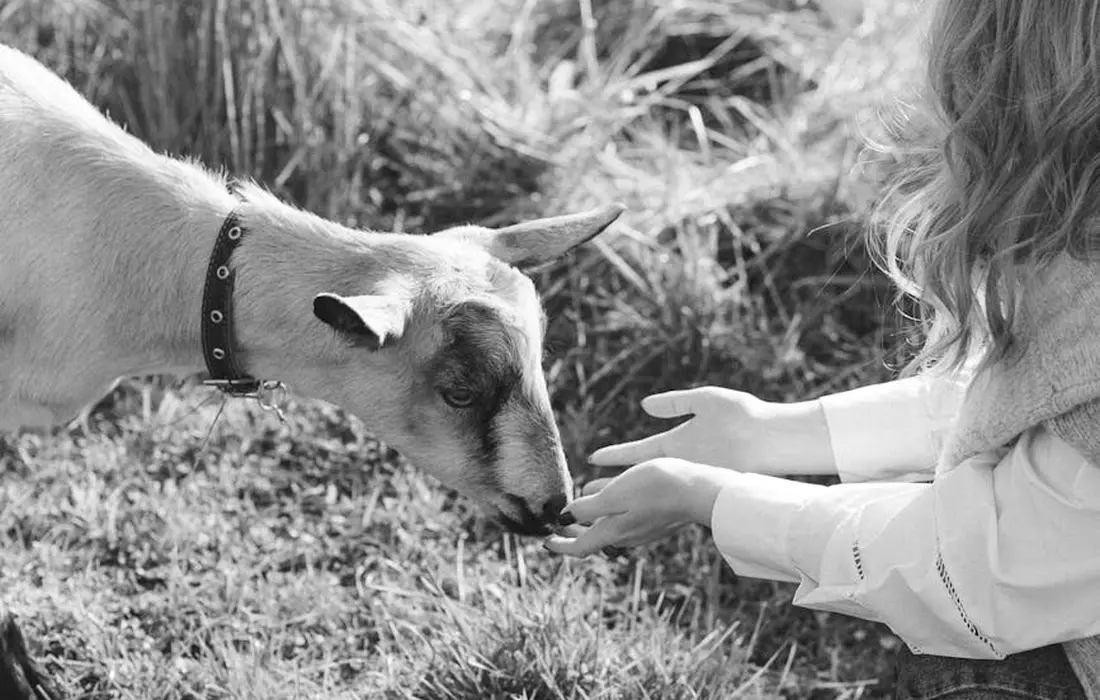
Now, a pasture and good hay are the bedrock of a goat’s dinner plate, but just like us after a long day’s work, sometimes they need a little extra somethin’. I supplement my herd with grains and concentrates when they need more fuel, like during the cold months, when a doe is nursing twins, or for a young buck putting on muscle. In winter, a winter feeding guide for goats and sheep helps you maintain body condition when forage is scarce. A concise plan can help you balance grain, hay, and minerals during the cold season. It’s not everyday fare, but a strategic tool in your stewardship kit.
I keep it simple in my barn. Whole grains like oats and barley are my go-to for a steady energy boost without too much heat. You want a feed that’s around 14-16% protein for most adult goats, but bump that to 18% for does in late pregnancy or peak milk production. I’ve seen the difference a proper supplement makes in the shine of a coat and the vigor of a kid.
Over at the feed store, you’ll see bags labeled “goat concentrate” or pelleted feeds. These commercial mixes are formulated to balance vitamins and minerals that might be lacking in your local forage, saving you from guessing. Read that tag carefully-make sure it’s meant for goats, as some cattle or sheep feeds have additives that can harm your herd.
How much to feed? That’s where folks often slip up. A general rule is to offer no more than 1% of the goat’s body weight in concentrates per day, split between two feedings to avoid digestive upset. For my average Nubian doe, that’s about a pound a day, tops. I use a sturdy trough for feeding to keep things tidy and prevent bossier goats from hogging it all. To translate that rule into a precise daily ration for goats of different sizes, a daily ration quantity guide can help. It gives quick numbers for weight and life stage without guesswork.
- Common Grains & Their Role:
- Oats: A safe, palatable choice for gentle energy. Great for youngsters.
- Corn: High in energy, but feed sparingly. Too much can cause acidosis.
- Barley: A good middle-ground grain, often used in homemade mixes.
- Wheat Bran: Not a grain, but a byproduct I sometimes use for a laxative effect if needed.
Mixing your own ration can save a pretty penny if you have the storage. My old-timey mix is two parts oats, one part barley, and a handful of black oil sunflower seeds for extra shine. I store it in metal bins to keep the rats and moisture out. Remember, always introduce any new feed slowly over a week to let their rumens adjust.
Safe Kitchen Scraps and Garden Treats
Beyond the feed bucket, there’s a world of flavor and thrift right from your kitchen garden. Offering safe scraps is a fine way to reduce waste and bond with your herd, turning you into the most popular neighbor on the fence line. I keep a bucket by the back door for my goats’ share of trimmings.
Not everything from your table is fit for a goat, though. The golden rule is to feed scraps as a treat, not a staple, keeping them to less than 10% of their total diet. I give treats by hand or scattered in their pen to encourage natural foraging behavior and keep pecking order squabbles low.
From my garden, I’ll toss in carrot tops, beet greens, and the outer leaves of cabbage. My goats act like I’ve given them candy when I bring out a bundle of raspberry canes or spent pea plants after harvest. Apple cores, banana peels (in moderation), and melon rinds are usually a hit, too. Just chop larger pieces to prevent choking.
- My Go-To Safe Scrap List:
- Pumpkin and squash pieces (seeds and all)
- Celery ends and leafy herb stems
- Stale bread or cereal (sparingly, and never moldy)
- Peeled orange or grapefruit segments
- Wilted lettuce and broccoli stems
Now, what not to feed is just as vital. I keep anything from the nightshade family-like tomato leaves or potato peels-far away from my goats, as they can be toxic. Avoid anything moldy, oily, or heavily processed. Onions, garlic, and chocolate are a definite no. When in doubt, leave it out.
This practice turns your homestead into a tighter loop. Those carrot tops you’d compost become nourishing snacks, and you’ll see your feed bill dip a little each month. Watch your goats’ droppings when you introduce new treats; firm pellets mean you’re on the right track. It’s a simple, respectful way to care for your critters and your land.
Water, Feeding Schedule, and Daily Management
Let’s talk about the rhythm of the day, because good husbandry ain’t just what you feed, but how and when you do it. Your goats will thrive on a predictable routine, and it all starts with clean, plentiful water. I keep two-gallon buckets per adult goat in my barn, and I check them twice daily without fail-once at morning feeding and again at evening chores.
An adult dairy doe can drink over three gallons a day, especially when she’s in milk or during summer heat. I learned the hard way that a skipped water check in July can lead to a dropped milk yield and a miserable animal. Use heavy, tip-resistant containers and consider a heated base in winter; frozen water is as good as no water at all.
How to Transition Diets and Prevent Bloat
Changing up your goats’ feed too quickly is a surefire way to trouble, and I’ve seen it cause more bellyaches than a bucket of green apples. Any change in hay, grain, or pasture access must be a slow, gentle slide over at least ten days. Your goal is to let those rumen microbes adjust without throwing a fit.
Here’s the method I’ve used for twenty years:
- Days 1-3: Feed 75% of the old diet mixed with 25% of the new.
- Days 4-6: Move to a half-and-half mix.
- Days 7-9: Offer 25% old to 75% new.
- Day 10: You can safely offer 100% of the new feed.
This applies whether you’re switching from grass hay to a richer alfalfa mix or introducing a new 16% protein grain pellet. Always feed your goats their roughage first, like hay, before offering any concentrates; it helps their gut handle the rich stuff.
Bloat is the fear that keeps a stockman up at night, but it’s largely preventable with smart management. Bloat happens when gas gets trapped in the rumen, often from a sudden gorging on lush legumes like clover or alfalfa, especially when they’re wet with dew or rain. I keep a permanent tub of baking soda in the pen for free-choice access-it lets goats self-regulate their rumen pH.
Beyond slow transitions, here are my steadfast rules for bloat prevention:
- Never turn hungry goats onto a fresh, wet pasture. Feed them hay first.
- Limit initial spring grazing to 30 minutes, increasing time gradually over two weeks.
- Avoid chopping forages too finely, which can accelerate fermentation.
- Know the signs: a taut, drum-like left side, distress, and lack of cud-chewing.
If you suspect bloat, a homemade drench of 2-3 tablespoons of baking soda in a quart of water can help, but have your vet’s number handy for severe cases. Watching your herd browse contentedly is one of life’s simple pleasures, and a steady routine with careful changes is your ticket to keeping it that way.
Adjusting the Diet for Age and Purpose
You wouldn’t feed a toddler a steak dinner, and you shouldn’t feed a kid the same ration as a mature buck. Getting the menu right for each stage of your goat’s life is the single most important thing you can do for their health and productivity. Their needs shift dramatically, and a one-size-fits-all hay pile just won’t cut it.
For the Youngsters: Kids and Weanlings
From birth to about three months, it’s all about milk. Colostrum in the first 24 hours is non-negotiable for immunity. If you’re bottle-feeding, use a quality milk replacer formulated specifically for goats-never calf milk replacer. Around three weeks, introduce a high-quality “creep feed” (16-18% protein) and the finest, leafiest alfalfa or clover hay you can find, which they’ll nibble as their rumen develops. I keep creep feeders in a spot only the kids can access, so the big goats don’t hog it all.
- Weaning Transition (3-4 months): Gradually reduce milk over 2-3 weeks while increasing creep feed and premium forage. This avoids a growth slump.
- Growing Yearlings: They still need extra oomph! A ration with 14-16% protein supports frame growth without making them fat. Good mixed grass-legume hay is perfect.
For the Working Adults: Does in Milk, Bucks in Rut, and Wethers
This is where purpose dictates the plate. My milking does get the royal treatment, especially peak-lactation girls giving a gallon a day.
- Dairy & Meat Does (Gestation/Lactation): In late pregnancy, energy needs spike. Switch to an 18% protein grain mix and superb alfalfa hay for extra calcium. After kidding, she’s eating for four or five-her rumen can’t keep up, so high-energy, palatable grain is crucial to prevent weight loss and ketosis. I mix rolled oats and beet pulp with my commercial dairy ration for easy calories.
- Bucks in Breeding Season: They get forgetful about eating when does are around. Boost their condition beforehand with a 14% protein maintenance grain and excellent hay. A flake of alfalfa a week keeps mineral balance.
- Pet Wethers & Brush Clearers: The lean maintenance crew! They thrive on moderate-quality grass hay and very limited, if any, grain. Overfeeding a wether is a fast track to deadly urinary calculi; they are browsing athletes, not couch potatoes.
For the Golden Years: Senior Goats
Old goats, just like old friends, need a little more TLC. Worn teeth make chewing tough hay difficult. Soak their hay pellets or senior equine feed to make a soft mash, and always provide a softer second-cut hay they can manage. I add a tablespoon of vegetable oil to my old buck’s mash for easy calories and a shiny coat.
Spotting and Fixing Nutritional Deficiencies
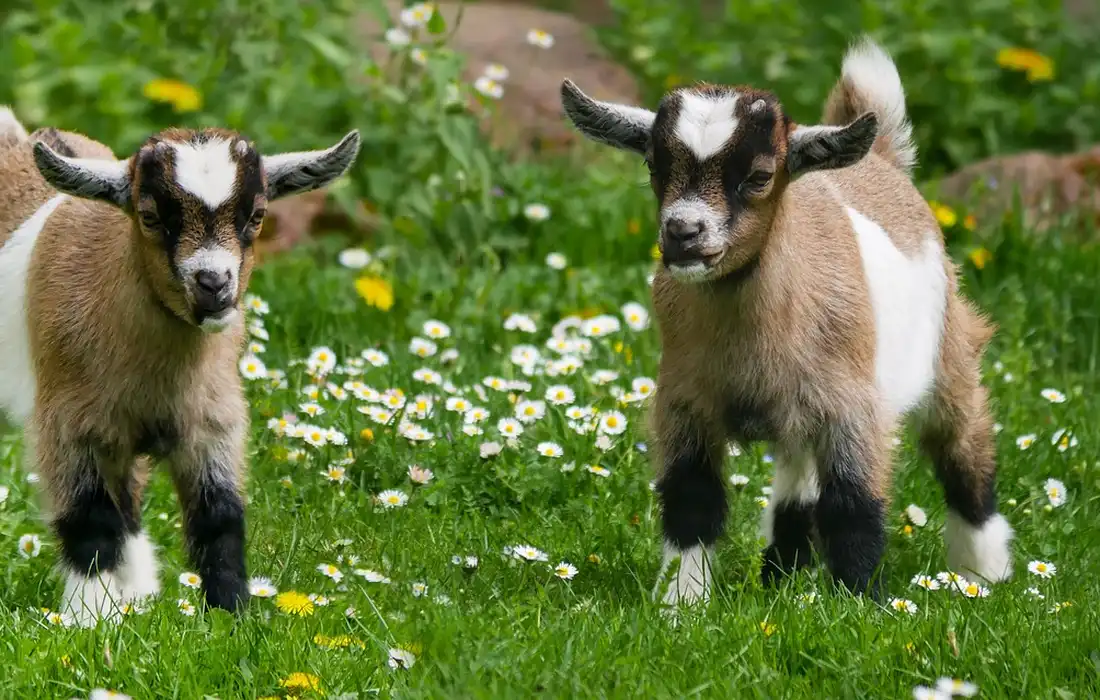
Your goats will tell you what they’re missing, if you know the language. It’s not in their bleats, but in their hair, their stance, and their vigor. Catching these silent cries for help early is the hallmark of good stewardship.
Common Tell-Tale Signs
Don’t wait for collapse; look for the subtle hints first. A dull, rough coat that doesn’t shed out properly often points to general protein or mineral shortfalls. Here’s a quick guide to specific troublemakers:
- Poor Hair, Poor Growth, Low Milk: Often a general protein or energy deficit. Re-evaluate your feed’s protein percentage and hay quality.
- White Muscle Disease (Stiff, weak kids): A classic sign of Selenium deficiency, especially in regions with selenium-poor soil. A vet can confirm with a blood test.
- Fish Tail Hair or Loss of Coat Color: That reddish coat turning gray? That’s a textbook Copper deficiency. It also weakens immunity.
- Pica (Eating odd things like dirt or bark): Usually a sign of mineral hunger or boredom. Provide a complete free-choice mineral mix designed for goats.
- Milk Fever (Muscle trembles, collapse after kidding): Caused by acute Calcium mobilization issues. Requires immediate veterinary intervention.
Practical Fixes from the Feed Room
Once you suspect a gap, you can address it methodically. I keep a few key supplements on hand at all times.
- Invest in a Goat-Specific Mineral: This is your first and best defense. Choose a loose mineral (not a block) with the correct calcium-to-phosphorus ratio and added copper and selenium. Let them eat what they need, free-choice.
- Targeted Boosts: For selenium, I use a few drops of Bo-Se (prescription) or selenium-vitamin E gel as directed. For copper, I provide a copper bolus 1-2 times a year based on my vet’s advice and soil tests. Copper dosing requires care, as it’s toxic to sheep, so know your needs before supplementing.
- The Forage Foundation: Sometimes the fix is better hay. A switch to a legume hay like alfalfa can correct protein and calcium issues. A diverse browse pasture is nature’s best multivitamin.
- The Baking Soda Buffer: Always offer free-choice baking soda (sodium bicarbonate). It’s not a nutrient, but it lets the goat self-regulate rumen acidity, which helps them get the most nutrition from their feed, especially when on higher grain diets.
I remember a doe with a coat like straw and a lethargic stroll. Soil tests showed our land was low in copper. After a carefully measured copper bolus and a consistent mineral program, she bloomed-glossy coat, bright eyes, and back to leading the herd on fence-line patrols. It confirmed that what we offer in the feed bucket directly shapes the life in the pasture.
Closing Tips for a Well-Fed Herd
What are the signs of nutritional deficiency in goats?
Watch for a dull, rough coat, poor growth, or decreased milk production, which can signal general protein or energy deficits. More specific signs include “fishtail” hair or loss of coat color (copper deficiency) and stiff, weak kids (selenium deficiency).
How does a goat’s diet change with age?
Growing kids require high-protein creep feed and leafy hay to support development, while mature wethers need only maintenance grass hay. Lactating does and senior goats have elevated needs, requiring energy-dense grains and softer forages, respectively, to maintain condition.
What supplements do goats need?
All goats require free-choice access to a loose, goat-specific mineral supplement to meet their unique copper and selenium needs. Baking soda should also be offered free-choice as a rumen buffer, especially for herds on grain or lush pasture. Understanding the composition and benefits, along with safe-use guidelines, also applies to other farm animals. This broader context can guide selecting minerals for the entire herd.
What is the role of minerals in a goat’s diet?
Minerals act as essential catalysts for nearly every bodily function, from bone development and milk production to immune response and hoof health. A proper balance prevents subtle deficiencies that can impact growth, reproduction, and overall vitality.
How to prevent bloat in goats?
Prevent bloat by making all dietary changes gradually over 10+ days and ensuring goats eat dry hay before being turned out on lush legumes. Always provide free-choice baking soda and avoid letting hungry goats gorge on wet, fermentable forages.
How to transition a goat to a new diet?
Transition over a minimum of 10 days by slowly mixing the new feed with the old, starting with a 25% new to 75% old ratio. Always feed the bulk of their roughage (like hay) first before offering any new concentrates to support healthy rumen function.
Shuttin’ the Gate
Lookin’ back over this pasture of information, the truest thing I can tell you is that a goat’s health is built in its gut. If you remember one thing, let it be this: provide a constant, varied buffet of roughage-be it browse, hay, or pasture-and you’ll keep that rumen fermentin’ properly, which is the cornerstone of every other bit of their well-being. When we talk goat diet fundamentals, the basics are simple: goats eat grass, hay, and browse, and their grazing behavior helps them continuously meter that roughage. All the grains and supplements in the world are just sprinkles on top of that solid foundation.
I reckon there’s nothin’ finer than leanin’ on a fence at dusk, watchin’ your herd mosey back to the barn with full bellies. That’s the peace this life gives you. So here’s a neighborly wave to you and your herd. May your fences be tight, your browse be plentiful, and your time with your critters be a deep breath for the soul.
Further Reading & Sources
- Nutrition of Goats – Management and Nutrition – Merck Veterinary Manual
- Goat Diet – What To Feed Pet Goats – RSPCA – rspca.org.uk
- Goat Nutrition – North Florida Livestock Agents’ Group – University of Florida, Institute of Food and Agricultural Sciences – UF/IFAS
Caroline Mae Turner is a lifelong farm girl raised on red clay, early mornings, and the sounds of a bustling barnyard. With hands-on experience caring for everything from stubborn goats to gentle dairy cows and mischievous pigs, Caroline shares practical, tried-and-true advice straight from the farm. Her goal is to help folks keep their animals healthy, well-fed, and living their best barnyard life. Whether you're wrangling chickens or bottle-feeding a baby goat, Caroline brings a warm Southern touch and plenty of real-world know-how to every bucket in the barn.
Diet Requirements