What Do Rabbits Like to Eat? The Farmer’s Fix for Favorite Foods and Healthy Treats
Published on: June 29, 2026 | Last Updated: June 29, 2026
Written By: Caroline Mae Turner
Howdy y’all, your rabbits will thrive on a simple, three-part foundation: unlimited grass hay for digestion, a daily salad of leafy greens for nutrients, and a measured scoop of pellets for balance. Figuring out what to feed those eager mouths can feel like a chore, especially when you’re juggling other barnyard duties-I’ve spent plenty of mornings sorting garden bounty for my own fluffle.
- Timothy or Orchard Grass Hay: A bale should be always within reach.
- Fresh, Clean Water: Offered in a tip-proof bowl or bottle.
- Quality Pelleted Feed: Aim for a brand with 16-18% fiber and 14-16% protein.
- Assorted Leafy Greens: Such as romaine, bok choy, and basil.
- Occasional Treats: Like a thin slice of apple or a sprig of mint.
Let’s get your feeding routine settled straight away, so you can hop back to your other tasks with peace of mind.
The Foundational Bunny Buffet: Understanding Rabbit Nutritional Needs
Why Fiber is King and Hydration is Queen
Feedin’ rabbits right ain’t just about fillin’ a bowl; it’s about knowin’ what keeps their engine runnin’. I learned this the hard way years back with a doe named Buttercup who got mighty sluggish. The single most important item in your rabbit’s diet is long-stranded fiber, primarily from grass hay, which keeps their digestive tract movin’ and their constantly growin’ teeth filed down. Without it, things slow to a stop, leadin’ to a dangerous condition called GI stasis.
But that’s not all! While fiber runs the show, water is the faithful partner. A rabbit’s kidneys work hard, and proper hydration prevents urinary issues and helps all that fiber do its job. I always check water bottles twice a day, summer and winter. Offer fresh, clean water at all times in a sturdy bowl or bottle, and you’ll see your bunnies thrive with glossy coats and bright eyes.
How a Rabbit’s Tummy Works
You can’t plan a menu without knowin’ the kitchen. A rabbit’s gut is a marvel of efficiency, built like a fermentation vat. They’re hindgut fermenters, meanin’ the real magic happens in their large intestine and cecum. Here, microbes break down tough plant fibers. This unique system produces nutrient-rich droppings called cecotropes, which rabbits re-ingest directly from their bottom to get a second pass at vitamins and protein. It’s a perfectly natural and vital process, not a sign of sickness.
If you ever see these soft, clustered pellets bein’ eaten, don’t be alarmed. It means your husbandry is on point. When their diet is too rich in sugars or low in fiber, this delicate balance is the first thing to fail, so stick to the basics for a happy tummy. I reckon watchin’ for healthy, round, dry fecal pellets is one of the best daily health checks you can do.
The Daily Staples: Building a Rabbit’s Main Menu
Hay: The Bedrock of Every Meal
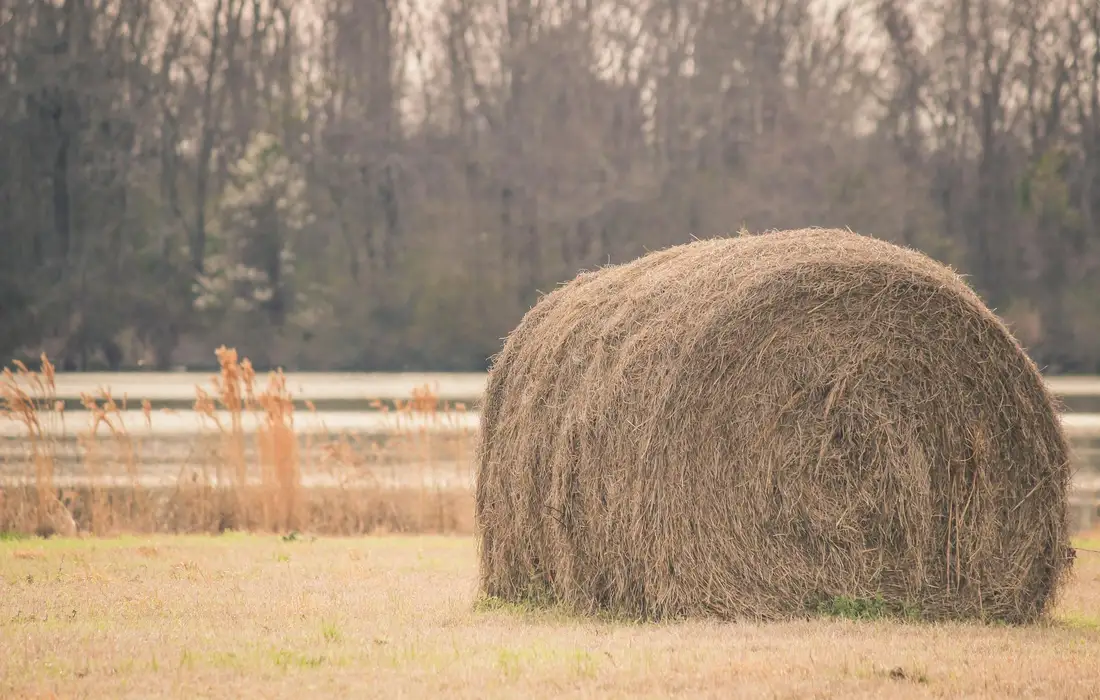
Think of hay as the fluffy, green carpet that paves the whole digestive highway. It should be available 24 hours a day, no exceptions. In my barn, I keep racks full so they can forage like they would in the wild. An adult rabbit should eat a pile of hay roughly the size of its own body every single day to maintain gut motility and dental health.
Not all hay is created equal. Here’s a quick guide to your main options:
- Timothy Hay: The gold standard for most adult rabbits, lower in protein and calcium.
- Orchard Grass Hay: A good alternative if timothy is scarce, similar in nutrition.
- Meadow Hay: A diverse mix of grasses, wonderful for variety.
- Alfalfa Hay: Reserved for young kits, pregnant or nursing does, or underweight seniors due to its high protein and calcium content.
Store your hay in a dry, airy spot off the concrete floor to prevent mold. Buying a bale from a local farmer is often far thriftier than small bags and ensures you never run short.
Leafy Greens: The Daily Vegetable Plate
After hay, fresh greens are where y’all can get creative and tap into your garden. They provide moisture, vitamins, and enrichment. Introduce any new green slowly, over a week or so, to avoid upset. A good rule is to offer about one packed cup of leafy greens per two pounds of body weight daily, split into two feedings.
Stick to the dark, leafy stuff and avoid pale, watery vegetables like iceberg lettuce. Here’s my trusted list from the garden:
- Romaine Lettuce (the hearts are a favorite)
- Kale (in moderation, as it’s rich)
- Carrot Tops (I save these from kitchen scraps)
- Bok Choy
- Herbs like cilantro, parsley, and mint
Rotate these greens to give a spectrum of nutrients. Growin’ a dedicated patch of parsley or romaine is a sustainable, cost-effective way to keep your bunnies in fresh fare.
Quality Pellets: The Vitamin Insurance
Pellets are a supplement, not the main course. Think of them as a vitamin policy to fill any nutritional gaps in the hay and greens. Overfeedin’ pellets is a common mistake that leads to obesity and dental problems. For a standard adult rabbit, limit pellets to about 1/4 cup per 5 pounds of body weight daily, and choose a plain, timothy-based formula. Understanding the daily portion helps you decide how many pellets to offer. It also provides a gentle refusal guide for anyone who suggests more.
Read that bag like a contract. You want high fiber (18% minimum), moderate protein (12-14% for adults), and low calcium. Avoid mixes with colorful bits, seeds, or dried corn-those are just junk food. I’ve found that a simple pellet, paired with excellent hay, builds a healthier rabbit than any fancy mix ever could. Store pellets in a sealed container to keep out pests and moisture, makin’ your bag last.
Treat Time! Safe and Savory Extras Rabbits Adore
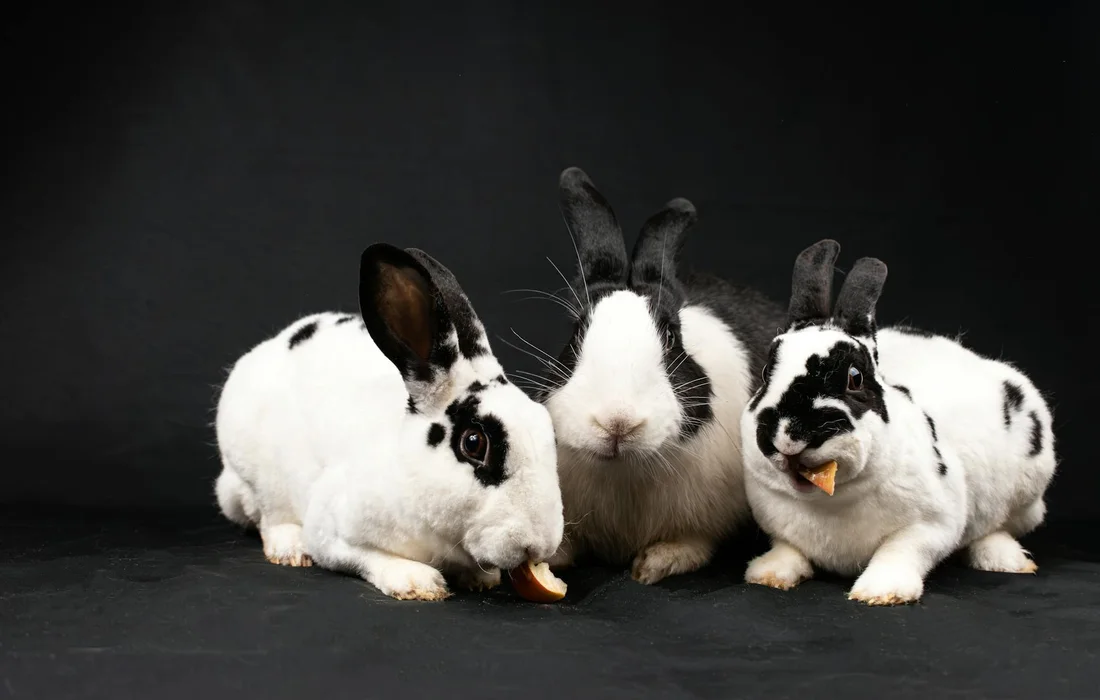
Now, let’s talk about the fun part-treats! Giving your bunnies a little something special strengthens your bond and provides enrichment. Remember, treats are just that-a special occasion-and should never make up more than 5% of their total daily food. I keep a small cup in the kitchen just for rabbit treats, so I’m never tempted to overdo it.
Fresh Fruit & Veggie Treats
Rabbits have a mighty sweet tooth, so fruit is pure joy for them. The sugar content is why we must be strict about portions. A good rule of thumb is no more than one teaspoon of fruit per two pounds of body weight, just a couple times a week. I often slice treats thin to make them last longer.
- Berry Bonanza: Blueberries, raspberries, blackberries, and strawberries (tops and all) are fantastic. My rabbits hear the berry container open and come running.
- Sweet Bites: Apple slices (seeds removed!), pear, peach, and melon chunks (like cantaloupe) are always a hit. Banana is a powerful favorite, but it’s starchy; a thin slice is plenty.
- Savory Veggie Stars: While leafy greens are daily staples, some veggies make great occasional treats. Bell pepper (any color), broccoli florets (in small amounts to avoid gas), and peeled zucchini slices are nutritious options.
Forage and Garden Goodies
One of my greatest joys is supplementing my rabbits’ diet straight from the yard and garden. It’s thrifty, sustainable, and connects them to a natural diet. Always, and I mean always, be 100% certain of your plant identification and know the area hasn’t been sprayed with chemicals. I learned my plants side-by-side with an old farmer neighbor before I ever picked a leaf.
You can offer a generous handful of these safe, foraged greens per rabbit several times a week. They’re lower in sugar than fruits and packed with variety.
- Classic Lawn & Field Herbs: Dandelion greens and flowers (a superfood!), plantain leaves, chickweed, and clover (sparingly, as it’s rich).
- Garden & Orchard Trimmings: Raspberry leaves, strawberry tops, apple tree leaves and twigs (great for chewing), and carrot tops. My rabbits get all my raspberry prunings.
- Herb Garden Delights: Sprigs of mint, basil, cilantro, dill, and parsley (flat-leaf or curly) are aromatic treats that also aid digestion.
Beyond greens, safe tree branches are the ultimate treat and dental aid. Offer fresh, unsprayed branches from apple, willow, ash, maple, or hazel trees; the bark and leaves are nutritious, and gnawing them files down teeth naturally. I keep a bundle of apple twigs drying in the barn for wintertime enrichment.
The “Do Not Feed” List: Keeping Your Flock Safe
Now, let’s talk about the other side of the feed scoop. For all the wonderful things rabbits can eat, there’s a mighty important list of what they absolutely cannot. I reckon this is where good stewardship really shows. Feeding a rabbit isn’t just about filling a belly; it’s about knowing what will nourish and what will harm, a responsibility I’ve learned to respect over many winters in the barn.
Common Household Foods That Are Toxic
It’s tempting to share your kitchen scraps, but a rabbit’s digestion is a delicate engine. What seems fine to us can cause grievous upset, or worse, for them. Here are the main offenders to keep far from your hutches.
- Avocado: Every part is poisonous. It contains persin, a substance that causes respiratory distress and heart failure.
- Chocolate & Candy: The theobromine is toxic. Never give any sweets.
- Onions, Garlic, Leeks: These allium plants can destroy a rabbit’s red blood cells, leading to anemia.
- Meat, Dairy, Eggs: Rabbits are strict herbivores. Their gut cannot process animal protein or fats.
- Iceberg Lettuce: It’s mostly water and contains lactucarium, which can be a sedative and cause diarrhea. A little dark leaf lettuce is fine, but skip the iceberg altogether.
- Cooked Foods, Bread, Pasta: Starchy, processed foods disrupt cecal bacteria. This leads to GI stasis, a silent killer.
- Seeds & Pits from Fruits: Apple seeds contain cyanide, and peach or plum pits are choking hazards and can be toxic.
My rule in the feed room is simple: if I didn’t grow it or buy it specifically for the rabbits, it doesn’t go in their dish. That habit has saved me more than one emergency vet call.
Plants and Weeds to Avoid in Pasture
When your rabbits have a grazing pen or you’re harvesting wild greens, you become a forager. You must know your weeds as well as you know your veggies. Some deadly plants look downright innocent.
- Nightshades: This family includes the leaves of tomatoes, potatoes, and eggplants, along with deadly nightshade weed. All are toxic.
- Rhubarb Leaves: The stalks are fine for us, but the leaves are packed with oxalic acid, which is a fast-acting poison for rabbits.
- Buttercups: Pretty yellow flowers that cause blistering in the mouth, drooling, and severe digestive pain.
- Foxglove & Lily of the Valley: Beautiful but deadly, affecting the heart. Never let these grow near your runs.
- Wild Carrot (Queen Anne’s Lace): Easily confused with safe parsley or cilantro, but it’s a dangerous imposter.
- Oak & Cherry Leaves: When wilted, these leaves produce cyanide compounds. Fresh maple leaves are also risky.
Here’s a tip from my own pasture walks: When in doubt, leave it out. Only pick plants you can identify with one hundred percent certainty. I keep a trusted field guide on the shelf right by my back door. And remember, even some good plants, like clover, should be a occasional treat, not a steady diet, as they can cause bloat.
The Homesteader’s Feeding Schedule: Practical Daily Routines
On the homestead, a steady routine ain’t just for our benefit-it keeps our critters calm, healthy, and thriving. Rabbits, with their delicate digestive systems, do best when they know what to expect and when to expect it. Consistency in feeding is the silent guardian of a rabbit’s gut health, preventing more troubles than I can count on both hands.
Step-by-Step Daily Feeding Ritual
I follow this same order every morning and evening, rain or shine. It becomes second nature, a peaceful part of the day’s rhythm.
- Fresh Hay First and Always. Before anything else, I check their hay racks. They should never be empty. I top them off with a generous flake of grass hay-timothy, orchard, or meadow. A rabbit should eat a pile about the size of their own body daily.
- Clear the Old, Bring the New. I remove any uneaten fresh food from the previous feeding and refresh their water, scrubbing the bowls or bottles every couple of days to prevent slime.
- Measure the Pellets. This is where folks often overdo it. I give a measured portion-for an average 5-pound adult rabbit, that’s just 1/4 to 1/2 cup of plain, high-fiber timothy pellets per day, not a heaping bowlful.
- Offer Garden Greens. Next comes the fresh stuff. A packed cup or two of dark leafy greens per rabbit. My regular rotation includes romaine, kale stalks, carrot tops, and basil. I wash and shake them dry to avoid dampness in the hutch.
- Evening Check and Treat. At dusk, I do another walk-through. I ensure hay is plentiful and sometimes offer a small, evening green snack. This final check lets me spot any changes in appetite or droppings before turning in for the night.
- Weekly Treat Protocol. Treats come once or twice a week, not daily. I’ll hand-feed a slice of apple, a blueberry or two, or a sprig of fragrant mint. This builds trust and lets me inspect them up close.
Adjusting for Seasons and Life Stages
A static menu won’t do year-round. The wise homesteader tweaks the plan as the sun shifts and the rabbits grow.
Dancing with the Seasons
- Summer Abundance: This is prime foraging time. I drastically reduce store-bought greens and substitute with safe, hand-picked weeds like dandelion, plantain, and blackberry leaves. I increase water monitoring, sometimes adding a ceramic tile to their space to lie against for cooling.
- Winter’s Chill: Fresh greens can be scarce. I rely more on quality hay and pellets. I’ll offer root vegetables like a thin slice of carrot or turnip as a treat for extra energy. Always break the ice on their water twice a day; dehydration is a stealthy winter threat.
- Spring & Fall Transitions: When introducing the first lush spring greens or the last of the fall garden, do it painfully slow. A few leaves at a time mixed with their usual fare prevents a digestive uprising.
Honoring the Cycle of Life
- Kits and Growing Juveniles: These youngsters need more protein for development. They get unlimited alfalfa hay and a larger portion of alfalfa-based pellets until about 6-7 months old, when I gradually switch them over to the adult timothy program.
- Active Breeding Does & Bucks: A doe in kindle (pregnant) or nursing needs a serious calorie boost. I continue her alfalfa mix and increase her pellets, ensuring she has all she needs to raise a healthy litter. A working buck’s ration gets a slight bump, too.
- Mature Adults & Seniors: This is the baseline maintenance schedule. The focus is on high-fiber hay to keep wear on their ever-growing teeth and prevent obesity. Watch an older rabbit’s pellet intake closely; too many can lead to a fat, unhealthy bunny who grooms less. For seniors with dental issues, I sometimes soften their pellets with a bit of water.
Rabbits vs. The Rest of the Crew: A Barnyard Diet Comparison
Walk out to my barn with me, and you’ll see a whole society of eaters, each with a menu written by nature itself. Knowing what fuels your rabbits compared to your chickens, pigs, or geese isn’t just trivia-it’s the bedrock of keeping every animal hale and hearty.
Why You Can’t Feed Rabbit Food to Chickens (And Vice Versa)
I reckon this mix-up is one of the most common I see, usually done to save a penny or a minute. Swapping these feeds might seem thrifty, but it’s a surefire way to rob both species of the specific nutrition they need to prosper.
Their guts are built for entirely different jobs. A rabbit’s digestive system is a finely-tuned fermentation vat for fiber, while a chicken’s is a protein-processing plant that requires grit for machinery. I learned this the hard way years ago when a batch of chick starter accidentally made it to the rabbit pens; we had a miserable week of bloated bunnies and a lesson we never forgot.
Let’s lay out the stark differences in a plain list:
- Primary Fuel: Rabbits require a diet built on long-stem fiber, like timothy hay, making up about 80% of intake. Chickens need a balanced crumble or pellet of grains, seeds, and animal protein.
- Protein Type & Level: A quality rabbit pellet sits around 14-16% protein, primarily from plant sources. Layer feed for chickens is also 16-18% protein but often contains animal-based meals like fish or poultry byproduct for feather and egg production.
- The Calcium Crisis: Here’s the biggest danger. Layer feed is fortified with 3-4% calcium for strong eggshells. Feed that to a rabbit, and you’re paving the road to urinary sludge and kidney failure, as their bodies can’t handle the excess.
- Fiber Fact: Rabbit feed boasts over 18% crude fiber to maintain gut motility. Chicken feed is low-fiber, usually under 10%; giving it to a rabbit can cause fatal GI stasis.
- Eating Mechanics: Chickens lack teeth and swallow grit to grind food in their gizzard. Rabbits’ teeth grow continuously and are worn down by chewing abrasive hay-something chicken feed doesn’t provide.
Now, flip the script. What happens if rabbits get into the chicken feed? Those high-energy, low-fiber grains will throw a rabbit’s delicate cecal bacteria into chaos, leading to diarrhea and severe digestive imbalance. And those lovely dark greens you grow for your bunnies? Chickens will enjoy them, but they can’t live on them alone-they’ll lack sufficient calories and protein.
My practical rule is to treat feed sacks like prescription medicine. I keep rabbit pellets and chicken feed in separate, labeled galvanized cans with tight lids, stored in different shed bays to avoid any scooping mistakes. I feed the rabbits at dawn before I let the chickens out to range, so there’s no chance for pilfering. This simple routine protects my investment in both flocks.
| Nutrient/Item | Rabbit Requirement | Chicken (Layer) Requirement |
|---|---|---|
| Main Diet Component | Unlimited Grass Hay (Timothy, Orchard) | Layer Pellets/Crumble (Free-Choice) |
| Crude Protein | 14-16% (for maintenance) | 16-18% |
| Calcium | ~0.5-1.0% (Strictly limited) | 3.5-4.5% (High for shells) |
| Crude Fiber | 18-25% (Essential) | 5-7% (Typically low) |
| Key Additive | None-hay provides abrasion | Insoluble Grit (Granite) |
Respecting these boundaries is the essence of good husbandry. Proper feeding is the cheapest and most effective health insurance policy you can buy for your barnyard family. Give each animal the fuel it evolved to use, and you’ll be rewarded with robust health and plenty of production.
Beyond the Feed Bucket: Pasture, Hay Nets, and Thrifty Tips
Now, let’s mosey on past that bag of pellets and talk about the real backbone of a rabbit’s diet and your wallet. A scoop from a feed bag is convenient, but the best nourishment and savings come from the land and a bit of clever management. House rabbits eat a diet beyond commercial pellets—hay, greens, and fresh water form the real backbone. We’ll explore how to balance that diet for health and savings.
Grazing and Pasture Management for Bunnies
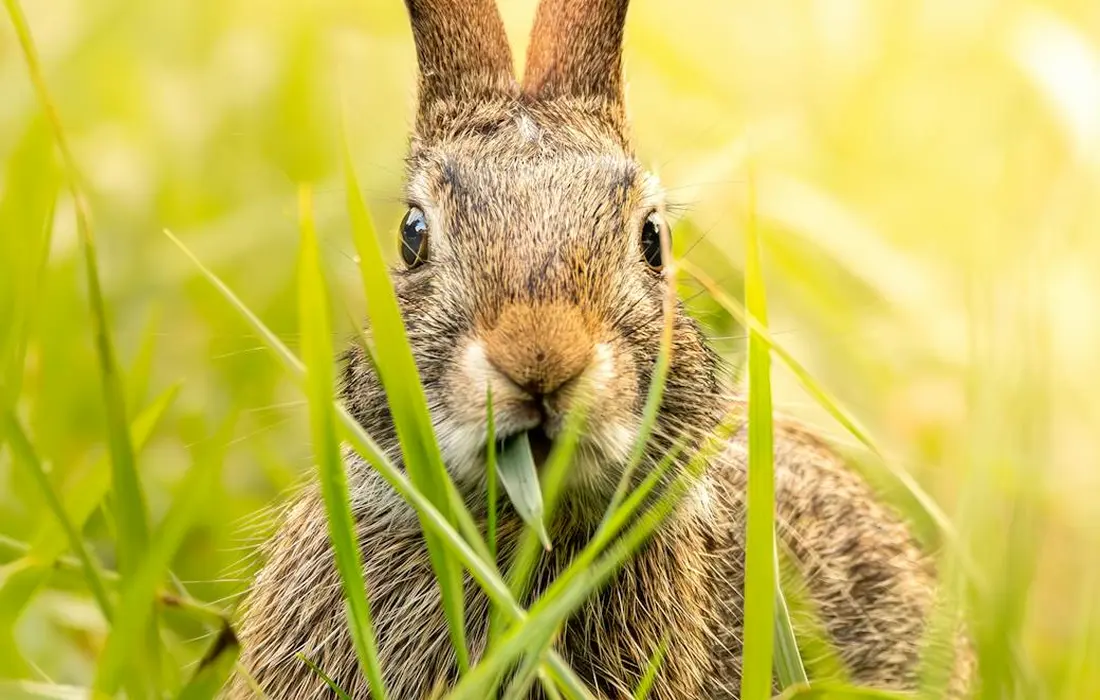
Seeing a herd of bunnies contentedly grazing is a fine sight, but it don’t just happen by opening the hutch door. Proper pasture for rabbits is more of a cultivated salad bar than a tough cattle pasture. Their ideal forage includes tender grasses like timothy, orchard grass, and meadow fescue, mixed with beneficial herbs such as plantain, dandelion, and a little bit of white clover.
I use a simple rotational system with portable fencing, giving my rabbits a fresh patch every few days. This prevents them from eating grasses down to the dirt, which encourages parasites. They need about 10 square feet of grazing space per rabbit in their rotation to keep things tidy and healthy. Always, and I mean always, know every plant in their paddock. Avoid areas with buttercups, foxglove, or wild onion.
Planting a dedicated “bunny garden” patch with their favorites is a joy. I’ll put in some chicory, parsley, and cilantro for them to enjoy once the plants are established. A well-managed pasture doesn’t just fill their belly; it provides mental stimulation and wears down those ever-growing teeth the way nature intended.
My Barn-Hardened Tips for Saving on Feed
Feed costs can nibble a hole in your overalls faster than a mouse in the grain bin. Over the years, I’ve learned a few tricks to keep my feed bill manageable without cutting corners on care.
- Grow Your Own Fodder: A simple DIY fodder system with barley or wheat seeds can provide fresh, vibrant greens year-round. In about a week, you’ll have a mat of nutritious sprouts that rabbits go wild for. It stretches your hay and adds vital moisture and enzymes to their diet.
- Invest in a Proper Hay Net or Rack: Watching rabbits trample and soil a pile of expensive hay is a pain. A good hay net with small holes forces them to pull out strands, mimicking natural foraging and cutting waste by more than half, I reckon.
- Buy Hay by the Bale, Not the Bag: Connect with a local farmer for a grass hay square bale. A single $8 bale from the field often equals four or five of those pricy plastic-wrapped bags from the store. Store it in a dry, elevated spot.
- Harvest Safe Tree Branches: Apple, willow, and poplar branches are fantastic, free supplements. They provide fiber, trace minerals, and a perfect chewing outlet. I gather them from unsprayed trees, let them dry for a few days to wilt any questionable sap, and watch my rabbits strip the bark clean.
- Garden Gleaning with Gusto: My rabbits get the trimmings: carrot tops, strawberry leaves, broccoli stalks, and bolted lettuce. The golden rule is to treat these as supplements, not the main course, and introduce anything new slower than molasses in January to avoid upsetting their delicate gut balance.
Finally, remember that a pellet is a supplement to good forage, not the other way around. A healthy rabbit on a diet rich in diverse hay and greens will actually eat fewer pellets, which is the biggest savings of all. Focus on that fiber first, and you’ll have thrifty, thriving bunnies.
Closing Questions
What are a rabbit’s absolute favorite foods?
While hay is the essential staple, rabbits often show great enthusiasm for sweet treats like apple slices or blueberries. However, their favorites should always be given in moderation to maintain digestive health and prevent obesity. To explore further, the ultimate guide on hay for rabbits covers types, benefits, and feeding tips. It also explains how to balance hay with occasional treats for digestion and weight management.
In Disney Dreamlight Valley, what is the rabbit’s favorite food?
In the game, rabbits typically prefer carrots or other garden vegetables, which aligns with common perception. For your real barnyard bunnies, remember that game mechanics simplify diets; always prioritize hay-based nutrition over virtual treats.
What do rabbits most enjoy eating on a daily basis?
Rabbits thrive on unlimited grass hay, which they should always have access to for digestion and dental health. They also eagerly anticipate their daily portion of leafy greens like romaine lettuce or fresh herbs from the garden. It’s important to ensure that the plants are safe for them to eat, so knowing what rabbits eat in the garden for foraging and plant safety is essential.
Is it true that carrots are a rabbit’s favorite food?
Carrots are a popular treat due to their sweetness, but they are high in sugar and should only be given occasionally. A rabbit’s diet should be primarily composed of hay and leafy greens to ensure proper nutrition and avoid health issues. The truth about rabbit diets is that they require a high-fiber, low-sugar intake to stay healthy.
What do rabbits eat in the wild?
Wild rabbits primarily graze on grasses, herbs, and foraged plants, consuming a variety of fibrous vegetation. This natural diet underscores why domesticated rabbits require high-fiber hay as the cornerstone of their meals, even on a farm.
What are some common questions about rabbit food on Reddit?
On Reddit, owners often ask about safe treats and how to introduce new foods safely. It’s crucial to research thoroughly and introduce any new item slowly over a week to avoid digestive upset, leveraging community insights while adhering to proven feeding principles.
Shutting the Gate
Lookin’ after rabbits boils down to one simple truth: their belly is built for roughage. That endless supply of good, dust-free hay isn’t just food; it’s the essential maintenance that keeps their digestion turning over and their teeth from growing into trouble. I’ve seen the difference a consistent hay rack makes-it’s the quiet, steady work that prevents loud, costly vet visits.
Now, you’ve got the knowledge to fill that feed bowl with confidence. Take this information, pair it with watchin’ your own critters, and you’ll do just fine. There’s a special kind of peace that comes from sittin’ by a hutch, hearin’ the steady munch of a happy rabbit. I hope y’all find plenty of it. Thanks for lettin’ me share the pasture fence with you today.
Further Reading & Sources
- Rabbit Diet: What to Feed a Pet Bunny | Best Friends Animal Society
- r/Rabbits on Reddit: Rabbits’ absolute favorite food?
- What are some favorite foods for rabbits?
Caroline Mae Turner is a lifelong farm girl raised on red clay, early mornings, and the sounds of a bustling barnyard. With hands-on experience caring for everything from stubborn goats to gentle dairy cows and mischievous pigs, Caroline shares practical, tried-and-true advice straight from the farm. Her goal is to help folks keep their animals healthy, well-fed, and living their best barnyard life. Whether you're wrangling chickens or bottle-feeding a baby goat, Caroline brings a warm Southern touch and plenty of real-world know-how to every bucket in the barn.
Diet Requirements