
What Do Ducks Eat? The Simple Homesteader’s Guide to Healthy, Happy Flocks
Published on: July 9, 2026 | Last Updated: July 9, 2026
Written By: Caroline Mae Turner
Howdy y’all. Welcome back to the barn. If you’re frettin’ over what to put in your duck’s feed dish, wondering if they’ll just survive on bread scraps, I can set your mind at ease: A duck’s true diet is a beautiful mix of purposeful feed, wholesome greens, and the bugs they work so hard to find, and getting that balance right is simpler than you might reckon.
- A sturdy, shallow water container for both drinking and dunking.
- A proper waterfowl or poultry feed as your reliable base.
- Some outdoor space, be it a run, a pasture, or a tub, for them to express their natural habits.
We’ll have this whole feed-and-forage puzzle sorted quicker than a duck can nab a June bug, so you can get back to the rest of your homestead chores.
How a Wild Duck’s Diet is Woven into the Water
A wild duck’s dinner table is the entire wetland. Their life is a constant, graceful forage, and what they eat changes with the season, the water level, and their own needs. It ain’t just random eating; it’s a precise dance with nature.
Dabbling ducks, like our familiar mallards, tip tail-up in shallow water. Their strong bills sieve the muddy soup for tender shoots, tubers, and seeds of plants like pondweed and smartweed. This vegetative buffet provides the steady carbohydrates that fuel their daily activities. I’ve watched them for hours from my porch, their busy back ends wiggling as they work a shoreline.
Diving ducks, such as canvasbacks, take the deep plunge. They’ll go down several feet for their feast, pulling up whole aquatic plants and rooting for crustaceans and mollusks on the bottom. Their diet is often higher in animal protein out of necessity.
The real magic happens in the protein department. A duck’s year is built around it. In spring and summer, insects, larvae, snails, and even tiny fish become the main course. This influx of animal protein is non-negotiable for breeding hens to form strong eggs and for fast-growing ducklings to build muscle and feather. Come fall and winter, they shift heavily to grains and seeds from agricultural fields and native grasses, building fat reserves for migration or harsh weather.
Every mouthful serves a purpose. The grit and small pebbles they scoop up aren’t food but a critical tool, grinding their food in the gizzard since they have no teeth. Their entire existence, from bill shape to feeding behavior, is a perfect adaptation to harvesting what the water and its edges provide.
The Foundational Diet for Your Domestic Duck Flock
While our backyard birds live a safer life, their nutritional needs mirror their wild cousins. We just get to provide it in a more consistent, convenient package. Getting this foundation right prevents a world of trouble.
Your adult laying ducks thrive on a balanced waterfowl or poultry layer feed with 16-18% protein. Never use medicated chick starter meant for chickens; it can be harmful to ducks. Ducklings will peck at chicken starter, but it’s not appropriate for them and can cause digestive issues. For baby ducks, use a starter formulated for waterfowl to keep them safe and growing well. Layer feed provides the steady calcium stream needed for robust eggshells, something a corn-only diet will dangerously lack. I keep my feed in galvanized cans to outsmart both moisture and clever raccoons.
Offer greens daily. They’ll devish lettuce, kale, and chopped weeds from the garden. A handful of scratch grains like wheat or oats is a fine afternoon treat, but it’s the nutritional equivalent of candy-less than 10% of their total intake. Always, and I mean always, provide insoluble grit (like small granite chips) if your ducks don’t have access to coarse sand or fine gravel. Also include a variety of vegetables—peas, corn, beans, and leafy greens—for a more balanced diet. A broader guide on ducks’ vegetables covers these items and how to balance them with greens.
Their most critical dietary ingredient isn’t in a bag at all. Clean, deep water to submerge their entire bill is absolutely essential for eating and digestion; a shallow dish for sipping just won’t cut it. They need to wash down their food, and that wonderful, messy bill-slosh keeps their sinuses clear.
From Fluff to Feathers: The Duckling Feeding Schedule
Raising strong ducklings is all about the right fuel at the right time. Their needs change faster than they grow, and missing a step can lead to splayed legs or niacin deficiency. Here’s the schedule I’ve used for years.
| Stage | Duration | Primary Feed | Key Notes & Additions |
|---|---|---|---|
| Starter | 0-2 weeks | Non-medicated waterfowl starter crumbles (20-22% protein) | Feed available 24/7. Add brewer’s yeast to crumbles at a 2% ratio for niacin. |
| Grower | 2 weeks to 18 weeks | Waterfowl grower pellets (15-17% protein) | Transition slowly over 7 days. Continue brewer’s yeast. Introduce greens & grit. |
| Developer / Maintenance | 18 weeks to first egg | Maintenance pellet or lower-protein grain mix (14-15% protein) | Prevents premature lay. Monitor body condition. |
| Layer | First egg onward | Waterfowl layer feed (16-18% protein) | Provide oyster shell separately. Full grit access if not on pasture. |
Ducklings eat an astonishing amount. That high-protein start is the building block for everything: strong bones, robust organs, and the dense feathering that will keep them warm and buoyant. I mix their brewer’s yeast right into a fresh batch of crumbles every morning to ensure they get it. Proper nutrition is key for their growth and development.
By week three, I start scattering tender grass clippings or chopped lettuce in their brooder. They’ll chase these greens with hilarious enthusiasm, learning to forage. This is also the time to offer a small dish of chick grit. When they move to the outdoors, they’ll graduate to larger, insoluble granite grit. Watch them carefully during the transition from starter to grower feed; mix the two for a week to avoid a hunger strike. A consistent, stage-appropriate diet is the quiet, behind-the-scenes work that results in a flock of vibrant, healthy, and productive ducks, as emphasized in the complete duck diet guide.
Building a Thriving Backyard Duck Menu: Greens, Grains & Grubs

Now, let’s get our hands dirty and talk about what to put in the feed pan. I’ve found the happiest, most productive ducks are the ones with variety on their plates—or more accurately, splashing in their puddles. A diverse diet isn’t just a luxury; it’s the cornerstone of robust health and those rich, golden-yolked eggs we all cherish.
The Green Goodness: More Than Just Salad
Ducks are fantastic foragers, and leafy greens should be a daily staple, not just an occasional treat. I grow a dedicated “duck patch” of kale, Swiss chard, and lettuces right outside their run. Watching them devour a head of romaine is a pure joy, and it cuts my feed bill down considerably come summer. It’s essential, though, to ensure they get a variety of healthy foods; check out this complete vegetable feeding guide to know what veggies are safe for ducks.
- Top Choices: Kale, romaine, Swiss chard, beet greens, and chopped spinach (in moderation).
- Garden Clean-Up Crew: They’ll happily take cucumber ends, zucchini slices, and chopped watermelon rind off your hands.
- Free-Range Forage: Given safe space, they’ll eat grass, dandelions, clover, and purslane. Just ensure no herbicides or pesticides are present.
Choosing Your Main Grain Feed
Your bagged feed is the workhorse of the diet. You’ll primarily find two types, and your choice depends on your flock’s life stage. I keep both on hand in separate, clearly labeled bins to avoid mix-ups.
| Feed Type | Protein % | Best For | My Barnyard Note |
|---|---|---|---|
| Starter/Grower | 18-20% | Ducklings up to laying age (≈18-20 weeks). | Choose unmedicated. Medicated chick feed can be harmful to ducklings. |
| Layer Pellet | 16-18% | Adult laying ducks. Has extra calcium for strong eggshells. | Offer oyster shell in a separate dish; some gals need more calcium than others. |
Always provide insoluble grit (like small granite chips) in a separate dish, as ducks need these little stones in their gizzard to grind up their food, especially if they’re eating whole grains or forage.
Smart Snacks & Protein Boosters
Treats should make up no more than 10% of their daily intake. I use them as a training tool, for enrichment, or to give a little extra protein during molt. Scattering a handful of treats in their kiddie pool turns snack time into a wonderful natural foraging behavior.
- Grubs & Bugs: Dried soldier fly larvae or mealworms are a protein-packed favorite. My ducks also patrol the garden for slugs and Japanese beetles.
- Healthy Grains: Plain rolled oats, a sprinkle of wheat, or a little cracked corn on cold evenings are excellent.
- Peas & Corn: Frozen peas and corn (thawed) are a hydrating, fun treat they love to chase.
What to Keep Off the Menu
Good stewardship means knowing what not to feed. Some common kitchen scraps can cause real harm. I keep a list right on the fridge to remind everyone in the family what stays out of the duck bowl.
- No Bread, Crackers, or Chips: These are “junk food” that fill them up without nutrition and can cause serious health issues.
- No Avocado, Onions, or Citrus: These are toxic or can cause digestive upset.
- No Raw, Dried Beans: They contain a toxin that is only neutralized by cooking.
- No Moldy or Spoiled Food: This seems obvious, but it’s worth stating. If you wouldn’t eat it, don’t feed it.
Duck Diets vs. Chicken & Goose Fare: Know the Difference
Mistakin’ duck feed for chicken scratch is a surefire way to run into health troubles on the homestead. I learned this the hard way years back with a batch of Pekin ducklings that started developing bowlegs-my heart sank. The core of the issue almost always boils down to one critical nutrient: niacin. Ducks require nearly twice the niacin of chicks for proper bone and ligament development, and standard chick starter is woefully inadequate.
Beyond that vital vitamin, their entire eating style differs. A chicken will peck at fine mash. A duck? They’re dabbling, shovel-billed mess-makers who need feed they can grab in water. Feeding ducks differs from feeding chickens at every life stage. Ducklings and adults need different protein levels and water-friendly textures than chickens. You’ll want a crumble or pellet that holds together when wet, specifically formulated for waterfowl or with a niacin supplement added separately. For growing ducklings, aim for a feed with 18-20% protein for the first few weeks before switching to a maintenance ration.
Key Nutritional Divisions at the Trough
- Protein Priorities: Meat ducks (like Pekins) need higher protein longer than light-laying breeds (like Khaki Campbells). Geese, being mostly grazers, thrive on lower protein (14-16%) after gosling stage.
- Grit & Calcium: Chickens need oyster shell for egg layers. Ducks rarely need separate calcium if on proper feed and will find their own grit. Geese need large, coarse grit for grinding pasture.
- Foraging Focus: Geese are feathered lawnmowers, thriving on grass and weeds. Ducks are bug-hunting, pond-poking omnivores. Chickens are the scratch-and-peck artists of the insect and seed world.
The Pond-Side Dilemma: To Feed Wild Waterfowl or Not?
It’s a peaceful scene: a family tossing bread to grateful mallards at the local pond. But from a steward’s view, that harmless act creates a cascade of problems. Feeding bread, crackers, or chips to wild waterfowl is akin to giving a toddler a diet of nothing but candy-it fills them up with zero nutrition and leads to severe health issues. I’ve seen the tragic results: birds with “angel wing,” a crippling deformity often linked to poor diet.
Beyond individual health, it concentrates birds in unnatural numbers, leading to polluted waterways from excess droppings and aggressive behavior. It can also delay migration, putting them at risk when winter finally closes in. My lived experience tells me the kindest hand is often the one that holds back. Allowing wild ducks and geese to follow their natural foraging patterns is the best support we can offer.
If You Feel You Must Feed, Offer These Safer Alternatives
If your heart won’t let you show up empty-beaked, choose items that mimic their natural diet and sink, so birds aren’t competing at the surface. Scatter lightly, and only in small amounts.
- Chopped Greens: Torn lettuce, kale, or Swiss chard (leftover from your garden!).
- Natural Grains: Cracked corn, oats, or birdseed mix dispersed on land, not in water.
- Frozen Veggies: A handful of thawed peas or corn.
- Best Practice: Invest in the pond’s health itself by encouraging native vegetation like wild rice, millet, or smartweed along the banks. This provides sustainable, year-round food and cover without any handout required.
Common Feeding Pitfalls and How Your Ducks Show Them
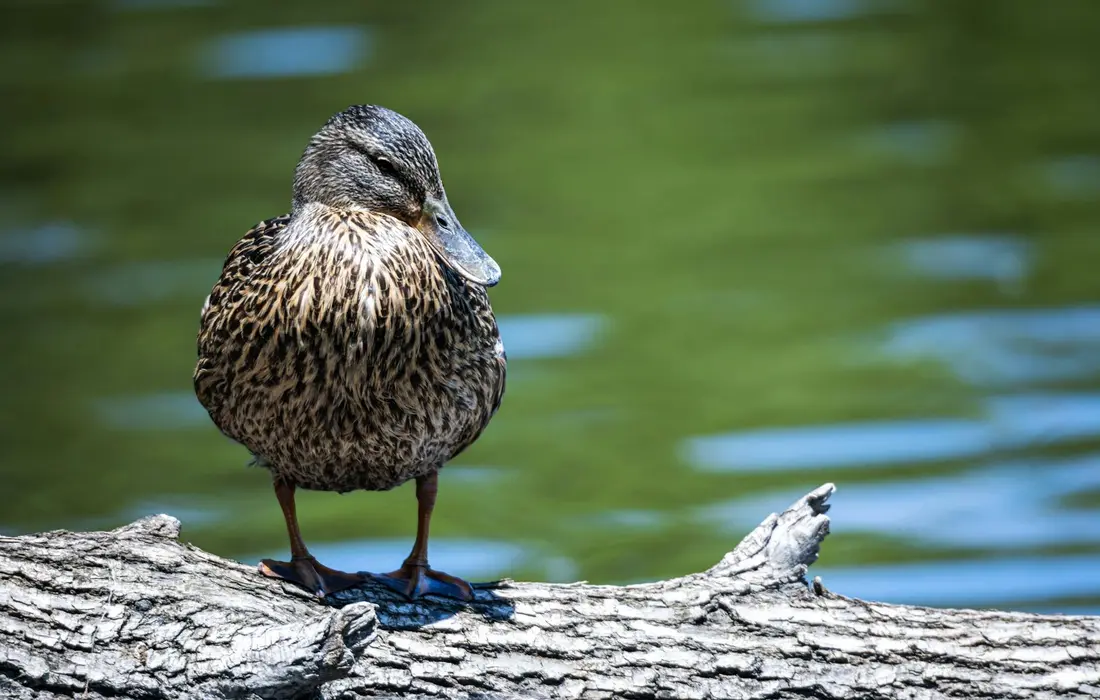
Well now, even with the best intentions, it’s easy to slip up on duck cuisine. I’ve made my share of mistakes over the years, and I reckon y’all might too. The beautiful thing is, your ducks will plainly tell you what’s wrong through their looks and their actions, long before a real crisis hits.
Piling On the Pounds
It feels neighborly to shower them with snacks, but an overstuffed duck is a duck in trouble. I once had a trio of over-loved Khaki Campbells that got so plump they waddled like rocking chairs. Obesity in ducks steals their vitality, burdens their joints, and can silently shut down their egg-laying machinery.
- How your ducks show you: They become couch potatoes, reluctant to forage or swim. You’ll notice heavy, labored breathing after minor exertion and fat pads over their breastbone.
- The fix: Measure their main ration. For a standard backyard duck, limit pellets to about 1/4 cup per bird daily if they have pasture, and swap out starchy treats for leafy greens.
The Bread Trap
Feeding bread at the pond is a tradition, but for your homestead flock, it’s a slow poison. It fills them up without giving them a lick of nutrition. Empty calories from bread and crackers lead to a condition called ‘angel wing,’ where the last joint of the wing twists away, grounding the bird for life.
- How your ducks show you: Look for poor, ratty feather quality, lethargy in ducklings, or the tell-tale splayed wing feathers that won’t lie flat.
- The fix: Toss them frozen peas or chopped lettuce instead. For a real protein boost, a handful of soldier fly larvae from your compost bin makes a mighty fine meal.
Starving the Gizzard
Ducks eat their food whole and rely on grit in their gizzard to grind it up. No grit, no digestion. I learned this after noticing whole oats in my runners’ droppings. Without grit, your feed dollars literally go right through them, and they can’t absorb the vitamins and minerals you’re paying for. That’s why understanding duck digestive health, grit, probiotics, and common feeding problems is so important for optimizing their nutrition.
- How your ducks show you: You’ll find visibly undigested grain in their manure. The birds may seem hungry all the time but lose condition, appearing thin and unthrifty.
- The fix: Keep a small dish of coarse builder’s sand or commercial poultry grit available at all times. Ducks on pasture will pick up small stones, but I still offer it free-choice in the coop.
Skimping on the Protein
Growing feathers and forming eggs are protein-heavy jobs. Ducklings need a strong start, and layers need sustained support. Protein is the building block of life on the farm, and getting the percentage wrong-either too high or too low-causes growing pains you can’t ignore.
- How your ducks show you: Ducklings with stringy, slow-growing feathers or weak, splayed legs are crying for more protein. Conversely, if they grow too fast and start limping, the protein is too rich.
- The fix: Feed ducklings a starter crumble with 20% protein for the first two weeks. Switch layers to a 16-18% protein pellet. For a homemade boost, scrambled eggs are a brilliant and thrifty supplement.
Denying the Dinner Drink
A duck must have water to wash down its food. They can’t swallow dry morsels comfortably. I’ve seen ducks with food caked on their bills from struggling with a dry meal. Water at mealtime isn’t a luxury; it’s a functional necessity to prevent choking and ensure proper digestion.
- How your ducks show you: They’ll make a mess, flinging dry food around. You might see them repeatedly shaking their heads or appearing to gag. Their nasal passages can even get clogged.
- The fix: Always present feed alongside a deep water bowl. It needs to be deep enough for them to dunk their entire bill. I use heavy ceramic bowls that are easy to scrub out every single day.
Closing Tips on Duck Diets
How does a wild duck’s diet naturally change throughout the year?
Their diet shifts strategically with the seasons. In spring and summer, they focus on insects, larvae, and aquatic invertebrates for the protein needed for breeding and growth.
During fall and winter, they transition to consuming more grains, seeds, and tubers to build fat reserves for migration or to survive colder weather when insects are scarce.
What are the key components of a balanced wild duck diet in different habitats?
In wetland habitats, the diet is a mix of aquatic vegetation (like pondweed and seeds), animal protein (insects, snails), and grit for digestion. Their specific feeding style-dabbling or diving-determines their access to food at different water depths.
In agricultural areas, they heavily supplement with waste grains like corn, wheat, and rice, which provide essential carbohydrates and fats, especially outside of the breeding season.
Can I create a ‘wild-style’ feeding plan for my backyard ducks?
Absolutely. You can mimic natural foraging by providing a diverse menu beyond basic pellets. This includes offering live protein sources like insect larvae, allowing safe access to a pond or tub to “fish,” and planting duck-friendly greens and grasses for them to graze.
The goal is to use a quality commercial feed as a reliable base while encouraging their natural dabbling and hunting behaviors for enrichment and supplemental nutrition.
How do dabbling and diving ducks’ diets differ, and why does it matter?
Dabbling ducks, like Mallards, feed primarily in shallow water, tipping up to eat seeds, shoots, and small invertebrates from the surface and mud. Their diet is often more plant-based, as detailed in a comprehensive guide to wild duck diets.
Diving ducks, like Canvasbacks, go deeper to pull up entire aquatic plants and hunt for larger animal prey like mollusks and crustaceans. Understanding this highlights why providing varied foraging opportunities is key to meeting different natural inclinations.
What should I absolutely avoid feeding wild ducks if I encounter them?
You must avoid all processed human foods, especially bread, crackers, and chips. These items offer no nutritional value and cause severe health issues like malnutrition, “angel wing” deformity, and water pollution from overcrowding.
Even with good intentions, feeding wild ducks can disrupt their natural migration patterns and foraging skills, making them dependent and vulnerable. Understanding what wild ducks naturally eat and how their natural foraging changes with the seasons can provide context for this discussion.
Why is it important to understand a wild duck’s diet even if I only keep domestic ducks?
Understanding their wild cousins’ nutritional strategies informs better care for your flock. It explains their innate need for protein-rich treats like bugs, their requirement for water while eating, and their instinct to forage for varied greens and grains.
This knowledge helps you create a more enriching and biologically appropriate environment, leading to healthier, happier, and more productive ducks in your care.
Shutting the Gate
When all’s said and done, a duck’s happiness and health hinge on a simple, two-part menu: clean, plentiful water and the freedom to act like a duck. The single best thing you can do for your flock is to provide deep, clean water for drinking and a bit of mud or pasture for poking around-this satisfies their deepest instincts and does half your feeding work for you. I’ve seen birds with fancy grain but dirty water look poorer than birds with simple scratch and a pristine pond.
I reckon the best part of this life is watching your critters thrive, bellies full from your care and their own natural hustle. There’s a deep peace in that. So here’s to your pond, your puddles, and your happy, quacking foragers. Thanks for lettin’ me share a bit of what I’ve learned from my muddy boots and soggy hems. Y’all take care out there.
Further Reading & Sources
- r/coolguides on Reddit: A cool guide to what you should (and shouldn’t) feed ducks at the local park
- Duck Feeding | Highland Park, TX – Official Website
- What Do Ducks Eat? | Bird Spot
Caroline Mae Turner is a lifelong farm girl raised on red clay, early mornings, and the sounds of a bustling barnyard. With hands-on experience caring for everything from stubborn goats to gentle dairy cows and mischievous pigs, Caroline shares practical, tried-and-true advice straight from the farm. Her goal is to help folks keep their animals healthy, well-fed, and living their best barnyard life. Whether you're wrangling chickens or bottle-feeding a baby goat, Caroline brings a warm Southern touch and plenty of real-world know-how to every bucket in the barn.
Diet Requirements