Green Beans and Raw Beans: Your Chicken Feeding Safety Checklist
Published on: July 7, 2026 | Last Updated: July 7, 2026
Written By: Caroline Mae Turner
Howdy y’all. Staring at a pile of garden beans and wondering if they’re hen-safe? Here’s the farmer’s fix from my own coop: Fresh green beans are a wonderful, safe treat, but raw dry beans must be cooked to neutralize their natural toxins before your flock ever sees them.
What you’ll need:
- Your harvest of fresh green beans or a bag of dry beans
- A pot and stove for cooking any dry beans
- A few moments to learn the simple why and how
We’ll have this common confusion cleared up directly, so you can get back to your day.
Understanding the Risk: Why Some Beans Are Poultry Poison
The Trouble with Lectins in Raw Beans
Now, let’s get down to the root of the matter. Those raw, dry beans hiding in your pantry can be downright dangerous for your flock. The culprit is a natural compound called lectin. Think of lectins like tiny burrs on a plant; they stick where they shouldn’t inside your chicken’s digestive system, causing real upset. I learned this lesson early on when a sack of feed got contaminated with a few uncooked navy beans. Within hours, my birds were off their feed and looking poorly—a mistake I don’t care to repeat.
These lectins aren’t broken down in the crop or gizzard. They bind to the gut lining and can interfere with how your birds absorb nutrients. In a bad enough case, it can lead to vomiting, diarrhea, and for a small bantam, even worse outcomes. It’s a sneaky kind of poison that proper preparation fixes entirely.
Beans That Demand Cooking for Chicken Safety
Not all beans are created equal, and knowing which ones are the risky ones will save you a heap of worry. The general rule from my barn is: if it’s a bean you traditionally soak and cook for a long time for yourself, it must be cooked for your chickens. Always boil these common types for at least 10-15 minutes to destroy the lectins before you even think about offering them to your flock.
Here’s a list of beans that must be cooked:
- Kidney Beans: These are the most potent. Just a few raw ones can cause significant harm.
- Lima Beans: Especially the larger, butterbean types, they contain linamarin, which breaks down into cyanide when raw.
- Black Beans, Navy Beans, & Pinto Beans: All these popular soup beans are packed with lectins and are unsafe uncooked.
- Black-eyed Peas: Yes, they’re a pea, but they act like a bean here. Cook them first.
I keep a dedicated pot for boiling up bean scraps from the kitchen. This little bit of thriftiness turns a potential hazard into a safe, protein-rich treat my pigs and chickens both appreciate. Just let them cool completely before serving.
Green Beans: The Garden’s Perfect Chicken Snack
Nutritional Goodness in a Pod
Here’s the happy exception to the rule! Those crisp, green pods from your garden vine are a entirely different story. Fresh green beans (also called string beans or snap beans) are naturally very low in those problematic lectins, making them perfectly safe to feed raw. My hens see me coming with a colander of them and they come a-runnin’.
They’re more than just a safe crunch. They bring a bundle of good nutrition to the scratch plate. A cup of chopped green beans offers about 1-2 grams of protein, a decent boost of Vitamin K, and a good bit of fiber to keep digestion moving smoothly. It’s a hydrating, low-calorie way to supplement their layer feed and encourage natural foraging behavior.
Picking the Best Pods for Your Flock
You don’t need to be fancy. Any green bean from your garden or the market that you’d eat yourself is fine for your birds. Focus on pods that are bright green, snap easily, and haven’t gotten tough or stringy. Those overgrown, bulging pods you might toss aside are still perfectly good for the chickens—just chop them up a bit. They can be a great addition to your poultry diet for chickens and ducks.
Here’s how I prepare them for my mixed flock:
- Give them a good rinse to remove any dirt or garden critters.
- Chop or snap them into 1-inch pieces for smaller birds like bantams or young pullets.
- For larger standard hens, you can often just toss them in whole and let the girls have at it.
- Mix them with other treats like a few grains or some watermelon rind for a fun, enriching snack.
Feeding them raw preserves all those heat-sensitive vitamins and saves you the time and fuel of cooking. It’s the very definition of a win-win in my book-good for the birds and easy on the homesteader.
Preparing Beans Safely: From Garden to Run
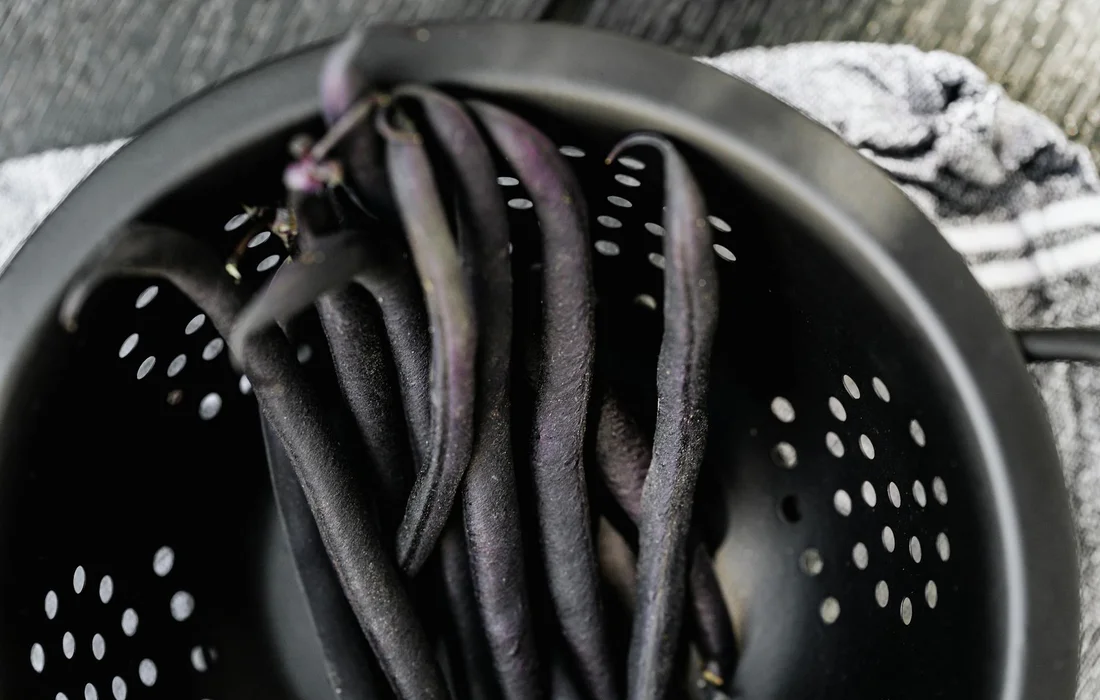
I reckon the biggest mistake a well-meaning homesteader can make is thinking, “It’s a bean, how complicated could it be?” I’ve been there, holding a colander of fresh-picked green beans, ready to toss ’em straight to the girls. Taking just a few extra minutes in the kitchen can mean the difference between a nutritious treat and a risky one for your flock. Let’s walk through the simple, safe process together.
Step 1: Wash and Sort Your Beans
Whether you’ve pulled them from your vine or bought them from the store, give your beans a good rinse under cool water. This washes off any field dirt, dust, or residues. As you rinse, run your fingers through them. Your goal is to feel for and remove any beans that are slimy, moldy, or have obvious insect damage, as these can harbor harmful bacteria. I remember one season where a handful of beans at the bottom of my bucket had gotten a little “off” in the summer heat; catching them before they hit the run saved me a lot of potential worry.
For fresh green beans, snap off the stem end. For dried beans from your storage, this is the stage where you’ll be moving them to the pot.
Step 2: Cooking Dry or Tough Beans Thoroughly
This step is non-negotiable for dried beans, like kidney, pinto, or black beans. It also applies to any fresh bean that’s gotten large, tough, and mature on the vine. The danger here is a natural compound called lectins, specifically phytohemagglutinin. Raw or undercooked beans (including chickpeas and other legumes) contain enough of this substance to cause serious digestive upset in chickens, leading to reduced nutrient absorption and making your birds feel poorly. Boiling is what destroys it.
Here’s my barnyard method:
- Soak your dried beans overnight in plenty of fresh water. This makes them cook faster and more evenly.
- Drain that soaking water and rinse the beans.
- Cover them with fresh, unsalted water in a pot and bring to a full, rolling boil.
- Maintain a good boil for at least 10-15 minutes before reducing to a simmer to finish cooking until soft.
Never use a slow cooker alone for beans meant for your animals, as the low temperature may not reach the level needed to break down the toxins. A good, hard boil is your best friend here. The bean should mash easily between your fingers when done.
Step 3: Chopping and Serving for Easy Eating
Once your beans are cooked and cooled, think about size. A whole green bean can be a fun chase for a hen, but chopping helps ensure everyone gets a bite and makes digestion easier. I use my kitchen shears to snip a pile of cooked beans into half-inch or smaller pieces, which prevents any squabbling and lets the shy birds get their share.
You can serve them plain in a treat dish, but I often mix them into a “scratch mash.” Here are my favorite ways to serve:
- Mix with Grains: Combine chopped beans with cooked rice, quinoa, or oats.
- In a Wet Mash: Stir them into the bean cooking broth (cooled and unsalted) with some crumbled eggshell.
- As a Topper: Sprinkle chopped beans over their regular feed to encourage foraging behavior.
Remember, treats like beans should never make up more than 10% of their daily intake. A handful of prepared beans scattered in the run provides enrichment and nutrition without throwing their balanced feed ration out of whack. Always provide plenty of fresh water alongside any treat, especially a fibrous one like beans.
Serving Sizes and Flock Management
Figuring out the right amount of treats for your chickens is a bit like seasoning a good stew-too little and you miss the flavor, too much and you spoil the pot. Proper flock management means viewing treats like beans as a supplement, not a staple, to keep your birds thriving without nutritional imbalance. I’ve spent many an afternoon watching my hens peck at scraps, and I’ve learned that a thoughtful hand leads to healthier birds.
How Much is Too Much?
Chickens will gobble up green beans with gusto, but their enthusiasm doesn’t mean an unlimited supply is wise. As a rule of thumb, all treats, including beans, should never make up more than 10% of your flock’s total daily food intake. For a dozen hens, that’s roughly one to two cups of chopped green beans per day, max. Now, for raw dry beans-like kidney, pinto, or navy beans-the answer is simple: none. Those contain lectins that can upset a bird’s digestion, so I always cook them thoroughly first, just like I would for my own supper. For a quick reference on which bean varieties are safe for chickens and how to prepare them, the chickens eat beans safety types guide offers a concise overview. It’s a handy resource when planning how to include beans in your flock’s diet.
I remember one fall when my zucchini failed, and I fed more bean vines than usual; my gals laid just fine, but their droppings were a mess for a day. Overdoing even safe greens can lead to watery manure and dilute the nutrients they get from their complete feed. Watch your flock’s behavior and output-it tells you everything.
- Green Beans (fresh or frozen): A handful per bird, 3-4 times a week is ample. Chop them to prevent stringy pieces.
- Cooked Dry Beans: A scant tablespoon per bird, mashed and mixed, once a week. Never feed raw.
- Bean Plants/Vines: Excellent in moderation; let them peck freely in the garden for an hour, but not as their main forage.
Integrating Beans into a Balanced Diet
Think of beans as a protein boost, not a feed replacement. Your standard layer feed runs about 16-18% protein, while cooked beans can push 20-25%. Integrating beans smartly means using them to complement a balanced diet, adding variety and interest to their routine. I often mix a few mashed, cooked beans into their morning scratch or sprinkle chopped green beans over their bedding to encourage natural foraging behavior.
Here’s how I weave beans into my flock’s week without upsetting their nutritional equilibrium:
- Mix and Mash: Combine a cup of cooked, cooled beans with two cups of their regular pellets or cracked corn. This spreads the richness and prevents picky eating.
- Seasonal Timing: Offer bean treats more often during molt or cold snaps when extra protein supports feather regrowth and warmth.
- Flock Observation: After introducing beans, watch for consistent egg production and firm droppings. If anything shifts, scale back.
A thrifty homesteader knows that kitchen scraps like beans are a resource, but respect for the animal means always prioritizing their formulated feed first. I keep a pail in the kitchen for bean ends and trimmings, but my hens know their main course comes from the feed sack. It’s all about balance, y’all-a little here and there makes for happy, healthy chickens.
Navigating Leftovers and Human Food Scraps
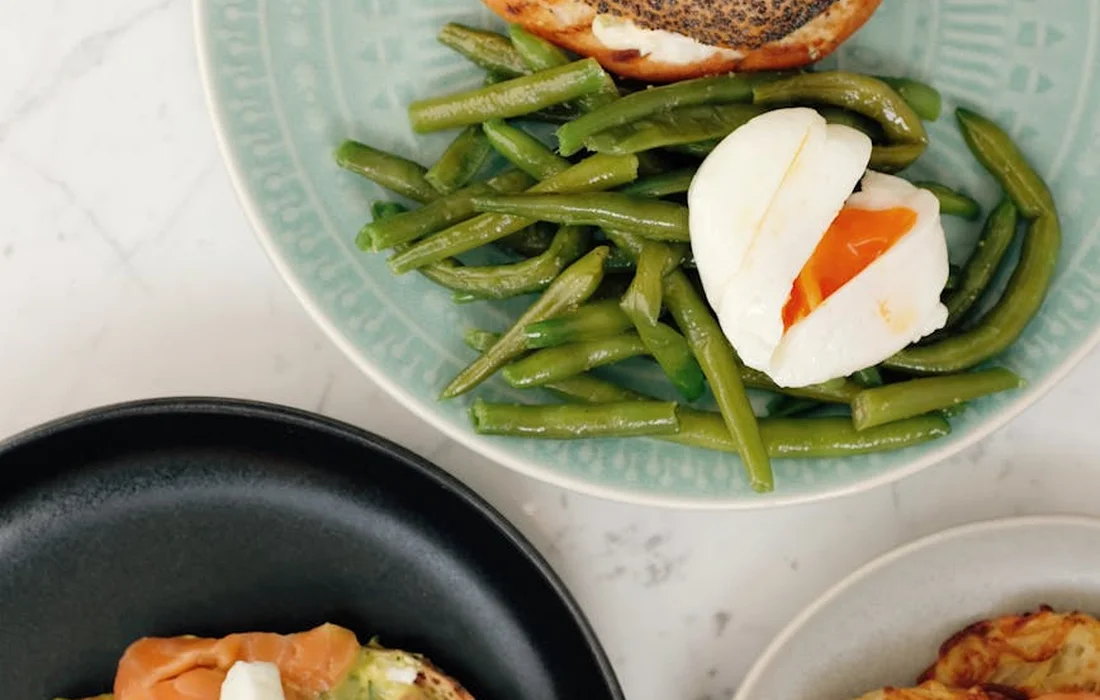
Scrap buckets are a homestead tradition, turning kitchen ends into chicken treasures. I reckon most of us have stood at the coop fence with a bowl of leftovers, pondering what’s safe to toss. With beans in the mix, you need a keen eye, because thriftiness should never trump your flock’s health.
My grandma taught me to view scraps as a supplement, never a staple. Balancing their commercial feed with careful treats keeps birds thriving and cuts feed costs without sacrifice. Let’s break down how to handle those bean-filled leftovers wisely.
The Rules for Canned and Cooked Leftovers
Canned green beans are a pantry staple, but they require a simple fix before feeding. That brine is packed with sodium, which can dehydrate chickens and strain their kidneys if fed regularly. I always dump the can into a colander and rinse under cool water for a full minute, especially when feeding more vegetables for chickens.
Cooked beans from your own kitchen are a different story. Proper boiling for at least 10 minutes neutralizes lectins and hemagglutinins, those natural toxins in raw beans that can cause real digestive upset. I remember my flock thriving on cooled, cooked pinto beans after a big family dinner.
- Rinse all canned beans thoroughly to slash sodium content before offering.
- Ensure cooked beans are mushy soft; undercooked, hard beans are a hazard.
- Mix beans with scratch grains or chopped greens to dilute them and prevent overconsumption.
- Never feed spoiled or moldy leftovers; your compost pile is the better place for those.
Portion control matters as much as preparation. For a standard flock of six hens, a scattered cup of cooked, rinsed beans twice a week is a generous, safe limit. This provides a nice protein bump without disrupting their balanced diet.
Assessing Recipes with Beans, Potatoes, and Seasonings
Leftover casseroles and soups are tricky, as ingredients mingle. You must become a detective, assessing each component for poultry safety before the scrap hits the run. A cheesy green bean bake isn’t the same as plain steamed beans.
Start with potatoes. Cooked white potato flesh is safe in moderation, but any green-tinted skin or eyes contain solanine, a toxin that can cause weakness and digestive issues. I learned this after some suspect peelings made my hens listless for a day.
Seasonings are the silent risk. Onions, garlic, and excessive salt are the main offenders in human recipes, capable of causing anemia or toxicity in birds. If that leftover three-bean salad is heavy on onion powder or garlic salt, it’s best composted.
- Separate and inspect: Pick out large chunks of problematic ingredients like onion slices or greasy meat.
- Consider the base: If the recipe is cream-based or overly fatty, skip it. Chickens struggle with rich dairy and fats.
- Evaluate proportion: If beans and safe veggies (like cooked carrots) make up 90% of the dish, and seasonings are minimal, a small serving may be fine.
- When unsure, err on the side of caution: The cost of a handful of scraps is never worth a vet visit.
For common dishes, here’s my barnyard rule of thumb. Plain cooked bean soups, rinsed canned beans in a simple recipe, and roasted vegetables without heavy seasoning get the green light. Anything with wine, strong spices, or processed sauce bases does not.
Other Legumes and Beans for Your Flock
While green beans often steal the spotlight, your chickens can enjoy a whole pantry of legumes once you know how to prepare them safely. Offering a variety of cooked beans is a thrifty way to boost their protein intake and reduce feed costs, turning kitchen scraps into valuable nutrition. Just ensure you’re feeding them cooked legumes correctly and in moderation.
Safe Cooked Options for Variety
Not all beans are created equal in the coop, but with a bit of heat, many become a superb supplement. Cooking thoroughly destroys the lectins and phytates that make raw legumes hard to digest and potentially harmful for your birds. I always boil mine for at least 10 minutes after they’ve softened to be doubly sure.
From my own scratch pot, here are some cooked favorites that have never steered my flock wrong. These should be plain-no salt, onions, or garlic-and cooled to room temperature before serving.
- Lentils: These tiny powerhouses cook fast and offer about 9 grams of protein per half-cup. My hens gobble them up mixed into their morning mash.
- Black-eyed peas: A Southern staple that’s safe cooked. They’re frugal and filling, and I often toss in leftover ones from our supper.
- Chickpeas (Garbanzo beans): Cooked until very soft, these provide great texture and protein. I mash ’em a bit so the hens don’t choke.
- Pinto and Navy beans: Perfect from the soup pot. They make a fine, protein-rich occasional treat that stretches your feed bag further.
Remember, beans should only be a treat, making up no more than 10% of their daily diet. Too many can upset their digestive balance, so moderation is key to happy, healthy chickens. For a little variety, you can also offer small amounts of safe, cooked grains like rice or grits, as long as they are plain and unseasoned. Always ensure any rice is cooked and served without salt or other seasonings to stay within safety guidelines.
A Note on Sprouted Legumes
Sprouting legumes turns them into a powerhouse feed for your flock, and it’s easier than you might reckon. The process of germination breaks down those same troublesome compounds, making the nutrients more available and digestible for your birds. I often sprout mung beans or lentils in a jar on the windowsill during winter when fresh greens are scarce.
You can sprout almost any legume seed meant for eating, like alfalfa, mung beans, or lentils. This simple method boosts vitamin content and provides a lively, engaging snack that mimics natural foraging.
- Rinse and soak: Cover your chosen legumes in cool water for 8-12 hours. Drain all the water off completely.
- Rinse and drain: Twice a day, give those sprouts a fresh water rinse and drain them well. Stagnant moisture breeds mold, which we don’t want.
- Harvest and feed: In 3-5 days, you’ll have tiny greens! Feed them once the sprout tail is about as long as the seed itself.
Always ensure your sprouts are fresh and smell clean. If anything smells sour or looks slimy, compost it instead of risking your hens’ health. Sprouted legumes are a wonderful, living supplement that encourages natural foraging behavior.
Spotting Trouble and Preventive Stewardship
Now, I reckon most folks who keep chickens are mighty careful about what goes into the run. But even the best of us can have a bag of feed tip over or a curious hen find a way into the compost. Knowing what to look for can mean the difference between a quick recovery and a real sorry situation.
Signs Your Chickens Ate Something Wrong
Chickens aren’t ones to complain quietly. Their bodies tell the tale plain as day if they’ve gotten into something toxic, like raw beans. The signs come on fairly quick, usually within a few hours.
You’ll see a general slump in the flock’s demeanor first. The bird will stand all puffed up and hunched, like she’s trying to ward off a chill on a sunny day. She’ll separate herself, looking drowsy and weak, with her eyes partly closed.
Digestive upset is a big red flag. Look for watery droppings or diarrhea. You might see a lack of interest in their favorite scratch grains or treats, and their crop might feel oddly empty or sour. In more severe cases, their comb and wattles can pale from their healthy red color.
Trust your gut-if a bird is acting “off” in a way you can’t quite pin on molting or weather, it’s time to consider what she might have gotten into.
- Lethargy and weakness (isolating from the flock, not moving much)
- Puffed-up feathers and a hunched posture
- Loss of appetite and refusal to drink
- Pale comb and wattles
- Diarrhea or unusual droppings
- In severe cases, difficulty breathing or neurological signs like stumbling
Your First-Aid Response Plan
Finding a sick bird can set your heart racing. Take a deep breath. A calm, planned response is your best tool. I’ve had to use this very plan more than once over the years.
First, isolate the affected bird immediately. Move her to a quiet, warm, draft-free crate or small pen with easy access to water. This reduces her stress and lets you monitor her closely without the pecking order interfering.
Your next move is to provide supportive care while her body works to clear the toxin.
- Hydration is Key: Offer fresh, clean water. If she’s not drinking on her own, use a dropper or syringe (without the needle) to place drops of water along the side of her beak. I often add a splash of apple cider vinegar to the water-about one tablespoon per gallon-as a general tonic.
- Activated Charcoal: This is a homestead first-aid staple. If you suspect toxin ingestion, a dose of activated charcoal can help absorb it. You can mix a small amount (a pinch for a bantam, 1/4 teaspoon for a large hen) with a little water or plain yogurt and administer it gently by mouth.
- Easy Digestion: Remove all feed for the first 12-24 hours, but keep water available. After that, offer something bland and easy. Plain cooked oatmeal, scrambled egg, or a bit of plain yogurt are good choices to get her system moving gently again.
- Observe and Record: Keep notes on her behavior, droppings, and water intake. This information is pure gold if you end up needing to call a vet.
Prevention, of course, is the best medicine. Always cook beans thoroughly before sharing. Store feed in galvanized steel cans with tight lids. A regular walk of your run and pasture to check for wild plants or spilled compost is a simple habit that pays off. We’re stewards of these creatures, and a watchful eye is part of the bargain.
Wrapping It Up: Your Chicken and Bean Questions Answered
Can I feed my chickens a chicken, green beans, and potatoes recipe from my dinner?
You must assess it carefully. Plain, cooked green beans and potato flesh are safe, but the dish likely contains unsafe amounts of salt, onions, garlic, or fats. It’s usually safest to compost complex human recipes and offer the components separately and plainly prepared.
Is it safe to use ranch seasoning in a chicken, green beans, and potatoes mix for my flock?
No, commercial ranch seasoning mixes are not safe. They contain high levels of salt, garlic, onion powder, and other additives that can be toxic or dehydrating to chickens. Always offer beans and vegetables plain, without seasoning.
How do I safely share a chicken, green beans, and potatoes casserole with my chickens?
Generally, you shouldn’t. Casseroles combine ingredients with sauces, cheeses, and seasonings that are unhealthy for chickens. To share safely, pick out plain pieces of cooked green bean and potato, rinse off any sauce or seasoning, and offer those sparingly.
Can I give my chickens green beans with tomatoes and balsamic vinegar?
The fresh green beans and ripe tomato flesh are fine. However, avoid adding balsamic vinegar, as the acidity and sugars are not ideal for their digestion. Offer the vegetables fresh and plain for a healthy treat.
Do you have a simple, safe chicken green beans recipe for my flock?
The safest “recipe” is simplicity itself: offer fresh, raw green beans rinsed and chopped. For a warm treat, briefly steam or boil them without any salt, butter, or seasoning, then cool completely before serving.
How can I add cooked beans to my chickens’ feed or mash?
Mash cooled, thoroughly cooked beans (like pinto or navy) and mix them into their regular feed or with cooked grains like oats or rice. This should be a supplement, making up no more than 10% of their daily intake to maintain a balanced diet.
Shutting the Gate
After all our chatter on beans, here’s the plain truth from decades at the trough. Your safest bet is to always cook dry beans thoroughly before they hit the scratch pan, as heat is the only reliable way to neutralize the compounds that can upset your hens’ systems (especially unlike butter beans and other ones safe for chickens). I learned that lesson early when a bag of uncooked pintos spilled near the run, and a quick-thinking old rooster’s lackluster strut the next day told me all I needed to know about raw bean safety.
I’m mighty grateful for your time, neighbor. Take this knowledge, trust your instincts, and then get back out there to the simple, rewarding rhythm of life with your flock. There’s a deep satisfaction in watching your birds thrive on treats you’ve prepared with care, and I reckon that’s what this homesteadin’ life is all about.
Further Reading & Sources
- Chicken from Farm to Table | Food Safety and Inspection Service
- Chicken Feeder: 4 Best Practices for Feeding and Maintenance
- All About Chicken Feed: How Much, What to Avoid & Best Practices
Caroline Mae Turner is a lifelong farm girl raised on red clay, early mornings, and the sounds of a bustling barnyard. With hands-on experience caring for everything from stubborn goats to gentle dairy cows and mischievous pigs, Caroline shares practical, tried-and-true advice straight from the farm. Her goal is to help folks keep their animals healthy, well-fed, and living their best barnyard life. Whether you're wrangling chickens or bottle-feeding a baby goat, Caroline brings a warm Southern touch and plenty of real-world know-how to every bucket in the barn.
Diet Requirements