
Feeding Grapes to Chickens: A Safe and Simple Treat Guide
Published on: July 11, 2026 | Last Updated: July 11, 2026
Written By: Caroline Mae Turner
Welcome back to the barn. Your chickens can absolutely eat grapes, but for perfect safety, take a moment to slice them in half and skip the store-bought raisins. I see that look of relief-and maybe a little confusion-from here, because we’ve all stood there with a bunch of grapes, wondering if those seeds are a hidden danger for the girls.
- What you’ll need:
- A handful of fresh, washed grapes (organic is best)
- A sharp knife and cutting board
- About five minutes before your evening chores
Let’s sort this out quick, so you can get back to what really needs doing.
The Core Safety Questions: Seeds, Skins, and Overall Risk
Now, let’s get down to the nitty-gritty that keeps folks up at night. I’ve seen many a farmer pause, grape in hand, wondering if this sweet snack is a friend or foe to their feathered crew. Rest easy, y’all. With a bit of know-how, grapes can be a perfectly fine treat.
Are Grape Seeds a Danger to Chickens?
I remember the first time I tossed a bunch of seeded grapes into the run. My heart skipped a beat watching the hens gobble ’em down, seeds and all. But after decades and countless grapes, I’ve yet to lose a bird to a seed. The plain truth is, grape seeds from table grapes are not toxic to chickens and are typically small enough to pass right through their digestive system without issue. Their gizzard, that mighty muscular stomach, is designed to grind much tougher things than a tiny seed. And I’m curious about other safe fruit combos for chickens, like grapes with apples.
That said, I always practice a smidgen of caution. For very small bantam hens or young chicks, I might halve larger grapes or give seeded varieties a gentle crush. It’s more about common sense than genuine fear. I reckon if you’re feeding a giant, seeded Concord grape to a Silkie, you might want to break it up. But for your standard laying hen? She’ll handle it just fine.
- Size Matters: Large, thick seeds from wild or wine grapes can be a choking hazard for smaller birds. When in doubt, mash or skip.
- Moderation is Key: Seeds contain trace amounts of tannins. A handful of grapes won’t hurt, but a bucketful could cause digestive upset.
- My Barnyard Rule: If I can easily crush the seed with my fingernail, I don’t worry about my girls eating it.
Should You Worry About Grape Skins?
Peeling grapes for chickens? Bless your heart, that’s a kindness, but it’s a heap of unnecessary work. Grape skins are not only safe, they’re a valuable source of fiber and antioxidants that support gut health and overall vitality in your flock. I’ve never peeled a grape for a chicken in my life, and my gals are the picture of health.
The real concern isn’t the skin itself, but what might be on it. This is where my thrifty, sustainable mindset kicks in. Always give your grapes a good rinse under cool water before sharing them to wash away any residual pesticides or dirt. If you can source organic or grow your own, that’s even better. A tough skin has never stopped my hens, but if you notice your birds leaving peels behind, just chop the grapes roughly. They’ll get the goodness without the fuss.
What’s in a Grape? Nutritional Goodness for Your Flock
Beyond the safety chat, let’s talk about why grapes are a mighty fine occasional treat. They’re not just chicken candy; they pack a hydrating punch of nutrients that complement a balanced layer feed.
On a hot summer afternoon, I’ll often chill a bowl of grapes for the flock. The high water content in grapes, about 80-85%, makes them a superb, natural way to help your chickens stay hydrated and cool during scorching weather. It’s a trick my grandma taught me, and it beats watching them pant in the shade.
Here’s a breakdown of what that juicy bite offers:
- Quick Energy: Natural sugars like glucose and fructose give a fast energy boost, perfect for hens who’ve been busy scratching all day.
- Vitamin C: Supports a robust immune system. While chickens produce their own, extra from treats doesn’t hurt, especially in times of stress.
- Vitamin K: A helper for healthy blood clotting and strong bones.
- Potassium: This crucial mineral aids in nerve function and muscle health, keeping your hens active and their egg-laying machinery running smooth.
- Antioxidants (Resveratrol & Flavonoids): Found mainly in the skins, these compounds fight cellular damage. Think of it as a little anti-aging boost for your laying ladies.
Now, don’t go replacing their feed with grapes. A treat should never be more than 10% of their daily intake. I use the “handful rule” for my flock of twenty: one generous handful of halved grapes scattered in the run is a feast that encourages natural foraging behavior without wasting a single bite. It turns snack time into enrichment, which is just good husbandry. You’re not just feeding a craving; you’re supporting their whole well-being in a simple, sustainable way.
How to Feed Grapes Right: Portion, Prep, and Frequency
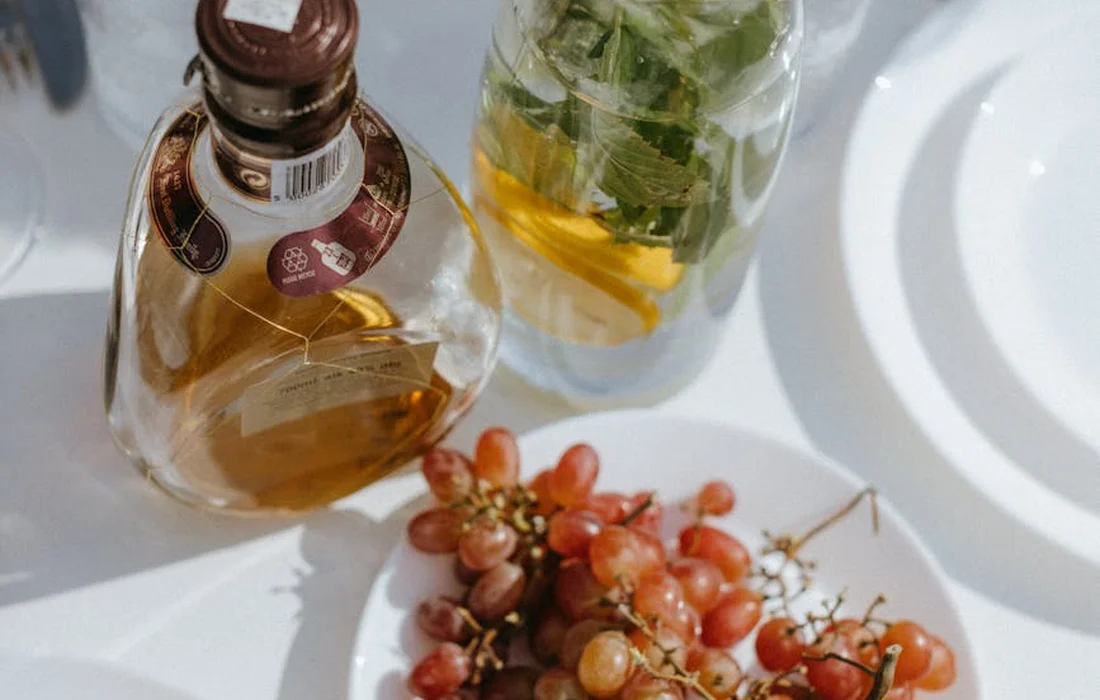
Now, let’s talk about the practical side of things. Handing out treats ain’t just about tossing something over the fence. Good stewardship means thinking about how much, how often, and in what form you’re feeding, to keep your flock both happy and healthy. I’ve seen the eager rush when the treat bucket comes out, and a little planning prevents problems.
How Many Grapes Can a Chicken Have?
Moderation is your guiding star here, friends. Grapes are a sugary delight, not a feed replacement. A good rule of thumb I follow in my own coop is to offer no more than one or two standard-sized grapes per adult chicken during a single treat session. Think of it like a cookie for you-a couple are fine, but the whole box leads to a stomachache.
For bantams or smaller hens, I’d halve that. A flock of twelve birds gets about a dozen to two dozen grapes, scattered well to discourage bullying. This small amount gives them the enjoyment and nutritional perk without filling their crops so they ignore their balanced layer feed. It’s especially important when feeding smaller breeds like bantams for fruits like bananas, which are softer and can affect meat quality if overfed.
Whole Grapes or Cut Pieces: Which is Safer?
This one causes more fuss than a fox in the henhouse, but my experience is clear. For grown, standard-sized chickens, whole grapes are perfectly fine. Their beaks are designed to peck and break food, and a grape is a soft target. Watching my ladies toss a grape around before finally pecking it open is part of the fun-it provides enrichment and mimics natural foraging behavior. It’s a similar challenge for ducks when they’re introduced to grapes for the first time.
However, I always cut grapes for chicks, juvenile birds, or any bantam breed with a notably smaller mouth. I also slice them in half for my older girls who might be a bit less eager to work for their snack. It’s a simple act of caution that takes seconds. If you’re ever in doubt, cutting them in half eliminates any remote choking risk and makes sure shyer birds get a bite before the flock bosses hog them all.
Setting a Safe Feeding Schedule
Consistency and restraint are key. You wouldn’t eat dessert three times a day, and your flock doesn’t need treats that often either. I incorporate grapes and other fruits as a special offering, not a daily expectation, aiming for no more than two or three times a week at most. This keeps their diet primarily focused on their complete feed, which is formulated for their egg production and overall health.
The best time to offer treats is in the afternoon, after they’ve had all morning to eat their proper feed. I scatter the grapes in their run or pasture. This method encourages natural pecking and scratching, spreads out the bounty, and prevents a frantic mob scene at the coop door. A treat schedule should enrich their lives, not disrupt their nutrition.
Navigating the Hazards: Sugar, Mold, and Choking
Now, I reckon the thought of a chicken choking on a grape has crossed many a mind. It’s a valid worry, but in my decades with a flock, I’ve seen more trouble come from what’s in the grape than the grape itself. We’ll talk about the physical choke point in a jiffy, but first, let’s address the two silent spoilers: sugar and mold.
Managing Sugar and Digestive Upset
Grapes are little sugar bombs, and a chicken’s digestive system isn’t built for a candy binge. Too much sugar too fast leads to sour crop, diarrhea, and an imbalanced gut. Think of grapes as the cookie jar of the barnyard—a rare treat, not a feed substitute. It’s essential to avoid giving candy or sugary treats to chickens.
I limit my flock to a few grapes per bird, once or twice a week at most, and only during active foraging hours. Never before roosting. A belly full of fermenting sugar overnight is a recipe for disaster.
If you’ve overdone it, you’ll know. Look for pasty vents, lethargy, or that distinctive, sour smell from a squishy crop first thing in the morning. When in doubt, skip the treat and offer probiotic-rich plain yogurt or apple cider vinegar in the waterer to help reset their digestion.
Avoiding Mold and Mycotoxin Contamination
This is where my stern warning comes in. One moldy grape can do more harm than a handful of seeds ever could. Mycotoxins from mold are potent and can cause lasting liver damage, neurological issues, or worse. I learned this lesson young, watching a prized hen decline after scavenging a spoiled bunch I’d carelessly tossed.
Your rule must be absolute: if you wouldn’t eat it, don’t feed it. Inspect every grape. Wrinkled skin, any fuzz, or a dusty white coating means it goes straight to the compost, far from curious beaks.
Storage matters, too. Don’t just leave a bowl of grapes in the run where dew and sun can accelerate spoilage. Offer what they’ll clean up in 15 minutes, then remove the leftovers. For a safe, thrifty option, consider dehydrating your surplus or slightly-past-prime grapes into chewy treats, which also minimizes moisture and mold risk.
A Quick Guide to Grape Safety
| Hazard | Safe Practice | Red Flag |
|---|---|---|
| Sugar Content | 1-2 grapes per bird, 1-2x weekly. Feed mid-day. | Pasty vent, sour crop, lethargy after feeding. |
| Mold & Mycotoxins | Feed only pristine, firm grapes. Store treat bowls dry. | Wrinkled skin, any visible fuzz or discoloration. |
| Physical Choking | Cut larger grapes in half. Supervise initial treats. | Gulping or frantic head-shaking while eating. |
As for the choking concern, a bit of common sense goes a long way. For bantams or nervous birds, I simply slice grapes in half. For my standard-sized, voracious hens, I toss them whole and let the flock peck and break them up naturally-it’s enrichment. Observation is your best tool; you’ll quickly learn your flock’s eating manners and adjust accordingly.
Special Flock Considerations: Chicks, Raisins, and Organic Choices
Now, I reckon y’all are wondering how these guidelines apply to your little peepers and your pantry staples. Let’s talk specifics for the special cases in your flock.
Can Baby Chicks Eat Grapes or Raisins?
I’m gonna give it to you straight from the brooder: hold off. Those baby chicks, under about four weeks old, are running a finely-tuned developmental program for their guts. Their starter feed is perfectly formulated for that job. Introducing a wet, sugary, and novel food like grapes too early can upset their delicate digestive balance, leading to messy pasting issues you surely don’t want to deal with. I wait until my pullets are fully feathered out and foraging with the big flock before I even think about offering them a tiny treat piece — as recommended for healthy snacks and treats. Their main job is to grow strong, not experiment with snacks.
Are Raisins or Dried Grapes Okay for Chickens?
This is a fine question, because that bag of raisins in your cupboard seems mighty convenient. The short answer is yes, but with even more caution than with fresh fruit. The dehydration process concentrates everything-the sugars and any potential residues. What was a mild treat becomes a potent one.
- Serve Sparingly: A single raisin is a plenty big treat for one hen. Two or three tossed into the whole flock for them to find is a better method than a handful.
- Watch for Stickiness: Raisins can be gummy. I always chop them up or even soak them in a bit of warm water to plump them back up and reduce the choking risk.
- Mind the Sugar Spike: That sugar concentration is no joke. For a laying hen, too many raisins can tip her energy balance and affect egg production. It’s a rare garnish, not a feed.
Treat raisins like the powerful little flavor bombs they are, and your hens will enjoy them without any trouble. Just make sure to feed them in moderation, as you would any other fruit.
Do I Need to Buy Organic Grapes for My Chickens?
This one hits the homestead budget, doesn’t it? My personal rule, born of thrift and sense, is this: I don’t buy organic specifically for the chickens. If I have organic grapes for my family and we share, wonderful. But if I’m getting a discounted “ugly” bunch from the conventional bin for the flock, I take one critical step.
I wash them with the same vigor I wash my own produce. A good scrub under cool running water, sometimes with a dash of vinegar, does a world of good in reducing surface residues. The most important factor is providing variety and moderation; an occasional conventionally-grown, thoroughly-washed grape is a far lesser risk than a diet consistently high in any single treat. Your money is often better spent on premium feed or secure fencing than on organic specialty fruits for your birds. Stewardship is about wise use of all resources.
Grapes in the Treat Lineup: Comparing Other Fruits
Now, just because I’ve sung the praises of a good grape doesn’t mean it’s the only star in the summer treat sky. Watching my flock in the orchard teaches me a lot about their preferences. Offering a variety of fruits isn’t just about spoiling them; it’s a clever way to provide a broader spectrum of natural vitamins and enrichment.
The Berry Brigade
Blueberries, strawberries, raspberries-these are the powerhouses. They’re smaller, so there’s less chopping, and they’re packed with antioxidants. I’ve noticed my older hens seem perkier after a handful of blueberries. Berries are a top-shelf treat you can scatter in their run to encourage natural foraging behavior, which keeps boredom at bay. Mix in other berries like blackberries for variety. A handful of mixed berries keeps mealtime interesting without overdoing it.
Melons: The Hydration Heroes
When the Tennessee sun is bearing down, nothing beats a pan of chilled watermelon or cantaloupe. The hens go wild for it, and the extra hydration is a blessing. I feed the fleshy part and the seeds, but I discard the tough rind. There are feeding guides for chickens and ducks that cover watermelon rind, seeds, and safe portions. These guides help ensure you balance hydration with nutrition on hot days. Melons are more than a snack; they’re a coolant for your flock on scorching days, and those seeds add a nice bit of protein.
Proceed with Caution: The “Sometimes” Fruits
Not all fruits from the kitchen bowl are created equal for the coop. Here’s my practical breakdown from years of trial and careful observation.
- Apples: A fantastic treat, but the seeds contain trace cyanide. I always core them. Sliced or grated apple flesh is a big hit in the fall.
- Citrus: I use this sparingly. The strong acidity can sometimes upset a hen’s digestion, and many simply turn their beaks up at oranges and lemons.
- Stone Fruits (Peaches, Plums, Cherries): The fleshy fruit is fine, but the pits are a hard no. They’re a choking hazard and, like apple seeds, contain compounds best avoided. I chop the fruit clean off the pit.
- Bananas: My flock adores the peels even more than the soft fruit! I chop the whole thing, peel and all, into manageable pieces. Those peels are a great source of fiber and potassium, turning kitchen waste into chicken gold.
The Golden Rule of Treat Feeding
No matter if it’s a grape, a berry, or a melon chunk, the foundation of good husbandry never changes. Treats are a supplement, not a staple. I stick to a simple rule: treats should never make up more than 10% of their daily intake, ensuring their main nutrition always comes from a balanced layer feed or their pasture. It’s about stewardship, not just spoiling. Keeping that diet in balance is what keeps your hens laying strong and living long, healthy lives right beside you.
Closing Questions on Feeding Grapes to Chickens
Are there any risks with feeding grapes to chickens?
The primary risks are overconsumption of sugar, which can lead to digestive upset like sour crop, and mold. Always feed fresh, unblemished grapes in strict moderation and avoid any that are wrinkled or fuzzy to prevent mycotoxin exposure.
What are the benefits of feeding grapes to chickens?
Grapes offer hydration, quick energy from natural sugars, and beneficial nutrients like vitamins C, K, and potassium. The skins also provide antioxidants that support overall health and vitality.
Can baby chicks eat grapes?
No, it is best to avoid giving grapes to chicks under four weeks old. Their digestive systems are too delicate for sugary, novel foods and require a stable diet of starter feed for proper development.
How often can chickens have grapes?
Grapes should be an occasional treat, offered no more than two to three times per week. This ensures their primary nutrition comes from their complete feed, maintaining a balanced diet.
Do grapes need to be organic for chickens?
While organic is ideal, it is not strictly necessary. If using conventional grapes, wash them thoroughly under cool water to reduce surface pesticide residues before feeding them to your flock.
Can chickens eat raisins or dried grapes?
Yes, but with extreme caution. Raisins have concentrated sugar and should be fed even more sparingly than fresh grapes—consider just one per hen. Chopping or soaking them can reduce choking risk.
Shuttin’ the Gate
When it comes to treatin’ your flock, the simplest rule is often the truest. The best practice for feeding grapes, or any treat, is to see them as the occasional delight they are-a handful shared among the whole flock, never a replacement for their proper, balanced ration. Watch your birds, know their normal, and let that guide your hand.
I reckon the greatest joy in this life comes from these simple moments-like watchin’ a hen hop with a juicy grape in her beak. It’s a fine reminder to slow down and appreciate the good, simple things. I hope your chickens enjoy their sweet snack, and I hope y’all get just as much happiness from the sharing of it. Take care of your critters, and they’ll surely take care of you. Happy homesteadin’, neighbor.
Further Reading & Sources
- Can Chickens Eat Grapes? Are They Safe? The Homesteading RD
- Grape Toxicity | BackYard Chickens – Learn How to Raise Chickens
- r/chickens on Reddit: Can chickens eat grapes? Is It Safe?
Caroline Mae Turner is a lifelong farm girl raised on red clay, early mornings, and the sounds of a bustling barnyard. With hands-on experience caring for everything from stubborn goats to gentle dairy cows and mischievous pigs, Caroline shares practical, tried-and-true advice straight from the farm. Her goal is to help folks keep their animals healthy, well-fed, and living their best barnyard life. Whether you're wrangling chickens or bottle-feeding a baby goat, Caroline brings a warm Southern touch and plenty of real-world know-how to every bucket in the barn.
Feed Recommendations