Can Chickens Eat Beans? Your Straightforward Safety and Feeding Guide
Published on: July 12, 2026 | Last Updated: July 12, 2026
Written By: Caroline Mae Turner
Howdy y’all, staring at that sack of beans from the garden or the pantry and wondering if it’s a treat or trouble for your flock? Chickens can eat beans, but only after they’ve been thoroughly cooked to neutralize natural toxins like lectins that are downright dangerous in raw form. I learned this the hard way years back when a few curious pullets got into some uncooked kidney beans and gave me a mighty scare-thankfully, they were fine, but it cemented my rule: always cook those legumes.
-
What you’ll need:
- Dried beans from your pantry or garden harvest
- A sturdy pot and clean water for boiling
- About an hour of simmering time (no rush, let ’em get soft)
Let’s get this sorted right now, so you can use up those beans confidently and move on to the next task on your list.
The Simple Truth About Beans in a Poultry Diet
Y’all ever handle a splitting maul? It can cleave firewood or chip a stone if your swing is off. Beans for chickens are that double-edged tool in the barn. They offer a mighty protein punch, but a misstep in preparation can lead to trouble.
I recall one autumn when I scattered some uncooked navy beans to the flock, thinking I was being thrifty. By sundown, my best layers were hunched and listless. That evening taught me more about bean safety than any book ever could.
The plain fact is this: beans are a protein-rich resource for your birds, but in their raw state, they carry natural toxins. You must transform this potential problem into a nutritional advantage through proper handling.
Those toxins go by names like ‘phytohemagglutinin’ and ‘lectins’. In our barnyard talk, they’re just the bean’s own protective chemicals. Heat from cooking breaks these compounds down completely, making the beans safe for consumption.
Bean Safety 101: Identifying Toxic and Safe Beans for Your Flock
Let’s sort your bean basket. Use this guide to quickly see what’s safe for scratch and what requires a pot.
| Bean Type | Category | Notes for Your Flock |
|---|---|---|
| Green Beans (Snap Beans) | Always Safe | Immature pods; feed them fresh, cooked, or frozen straight from the garden. |
| Kidney Beans | Safe Only When Cooked | Among the highest in raw toxins; must be boiled until very soft. |
| Navy Beans | Safe Only When Cooked | Just as risky as kidney beans when raw; thorough cooking is non-negotiable. |
| Red Beans | Safe Only When Cooked | Packs a heavy dose of phytohemagglutinin; never feed them dry or soaked. |
| Black Beans | Safe Only When Cooked | A fine protein source after a good, long simmer. |
| Pinto Beans | Safe Only When Cooked | Common in pantries; always serve them well-cooked and cooled. |
| Lima Beans | Safe Only When Cooked | Some older varieties contain cyanogenic glycosides; cooking eliminates the risk. |
| Fava Beans (Broad Beans) | Never Safe | Can cause a condition called favism in birds; it’s simplest to avoid them altogether. |
I want to spotlight kidney, navy, and red beans specifically. These common varieties are particularly potent in their raw form and deserve your utmost caution.
The toxin phytohemagglutinin binds to the gut lining, disrupting digestion and nutrient absorption. You’ll see it as a sudden lack of pep, messy droppings, and a drop in egg laying.
This rule is carved in stone on my feed room wall: never feed raw or undercooked beans of any type to your chickens. Always boil beans thoroughly until they are soft and mashed easily between your fingers. This is especially important compared to other grains and legumes that are safe to feed once cooked.
A Closer Look at Common Bean Types for Your Flock
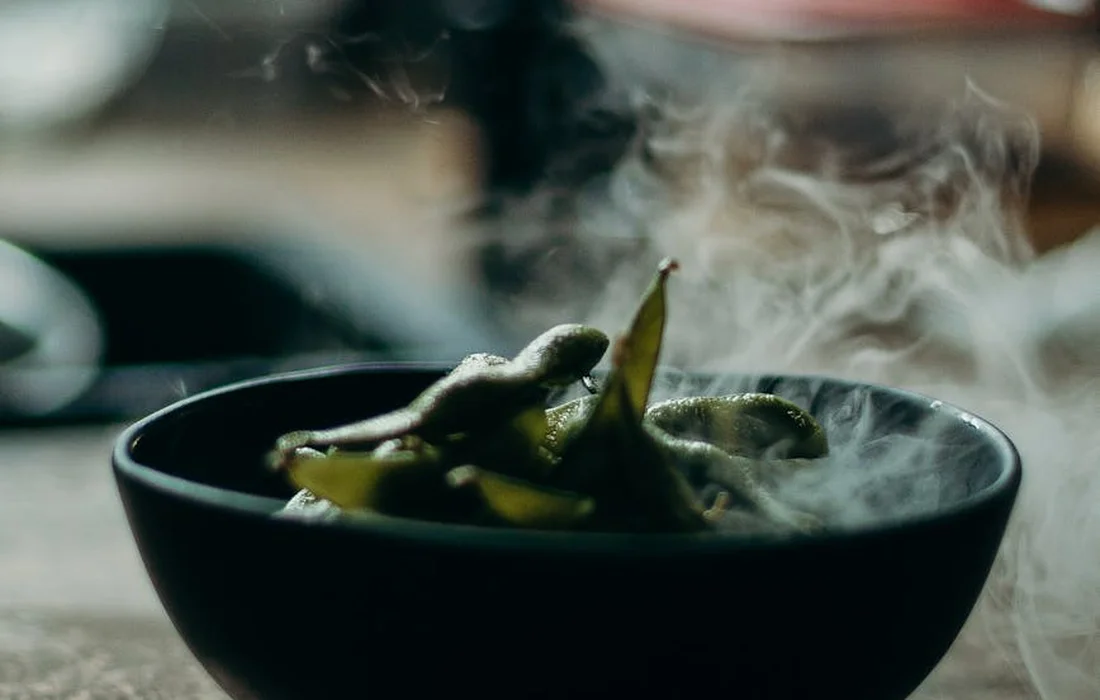
Not all beans are created equal in the eyes of a chicken, and a little know-how goes a long way. Let’s walk through the garden and the pantry to see what’s what.
Green Beans: The Garden Snack
These are a homestead favorite for a reason. Fresh green beans, straight off the vine, are perfectly safe for your hens whether you serve them raw or cooked. Some raw green beans aren’t safe for chickens, but these are. I toss handfuls from my summer garden right into the run.
Chopping them into bite-sized pieces helps your birds digest them easier and prevents any squabbling over a long, tempting pod. Remember, these are a treat, not a staple. They’re low in protein but high in that satisfying crunch chickens love.
Kidney, Pinto, and Black Beans: The Protein Powerhouses
This group is where we must be most cautious. These dry beans are nutritional treasures, packed with protein, but they contain high levels of lectins that are harmful to chickens if not properly prepared, unlike butter beans and other safe beans for chickens.
You must cook kidney, pinto, and black beans thoroughly-a hard, rolling boil for at least 30 minutes is my barnyard rule to break down those lectins. Never, ever feed these raw or undercooked. Once they’re soft and mushy, they become a fantastic, protein-rich supplement, especially during molting or cold weather. I’ll mix a spoonful into their scratch as a special boost.
Baked and Canned Beans: The Pantry Question
This is a tricky one. That can of baked beans in your cupboard is made for human tastes, not chicken health. Most are loaded with salt, sugar, and seasonings like onion and garlic powder, which are not good for your flock. Even when feeding cooked beans to chickens, it’s essential to be cautious about the type and frequency.
If you want to share plain canned beans like kidney or black beans, rinse them thoroughly under cool water to wash away excess sodium and make them a safer, very occasional treat. Honestly, I avoid the baked bean variety altogether. It’s simpler and safer to just cook up a plain batch of dry beans for them.
Bean Sprouts and Fresh Pods
Those crunchy sprouts you grow for salads? Chickens can enjoy them too, in moderation. Sprouts from safe beans like mung or alfalfa are a fun, living treat that provides variety. I’ve grown trays just for the girls in the deep winter for a fresh greens boost.
Mature bean plants themselves, like the dried-up vines with pods, can often be tossed into the run as safe, peckable forage after your harvest is done. My birds love picking through them for hidden bugs and seeds. Just be sure the plants are from a bean type you know is safe when properly prepared.
Preparing Beans for Chicken Consumption: Steps to Safety
Now, let’s get those beans from the sack to the scratch. I treat raw beans for my flock the same way I do for my family: with careful preparation. Skipping these steps is a gamble with your hens’ health that no thrifty farmer can afford to take. Here’s the surefire method I’ve used for years.
-
Sort and Rinse Thoroughly
Pour your dry beans onto a clean table or into a wide bowl. Run your fingers through them, picking out any shriveled beans, small stones, or bits of debris. It happens more often than you’d reckon. Then, give them a good rinse under cool water in a colander. This initial clean removes dust and field contaminants, setting the stage for a proper soak.
-
Soak Overnight in Plenty of Water
Transfer the sorted beans to a large pot and cover them with at least three inches of cold water. Let them sit on the counter for a solid 8 to 12 hours. You’ll see them plump up nicely. Soaking does the first critical work of neutralizing those lectins and starts breaking down the complex sugars that cause gas. It makes the next step far more effective and energy-efficient.
-
Boil Vigorously Until Very Soft
Drain off the soaking water-don’t use it for cooking-and add fresh water to the pot. Bring it to a full, rolling boil and keep it there. We’re not just warming them through. For kidney beans, I boil a hard 30 minutes minimum. For other types like pintos or black beans, I go until I can easily smash one between my fingers, usually 45 minutes to an hour. This sustained, high heat is non-negotiable; it destroys the toxin hemagglutinin that can seriously sicken your birds. A pressure cooker cuts this time down beautifully, and I use mine often for big batches.
Here’s a thrifty homesteader’s tip: The plain, unsalted broth left after boiling is a mineral-rich liquid gold. Let it cool and pour it over their dry mash or offer it in a separate dish for a hydrating treat.
-
Cool Completely and Chop
Once the beans are mushy-soft, drain them and spread them out on a baking sheet to cool down to room temperature. Hot food can crop a chicken’s mouth. Before serving, I give them a rough chop or mash with a potato masher. Creating beak-sized pieces prevents eager hens from gulping them down whole and ensures the whole flock gets a fair share. If you’re using fresh podded beans from garden plants—like fava, lima, or broad beans—shell and cook them first, then chop and cool before serving. Remember, cooked beans from your own kitchen-plain, with no salt, onion, or garlic-are perfectly safe to share after a quick chop and cool-down.
Feeding Guidelines: How Much and How Often to Offer Beans
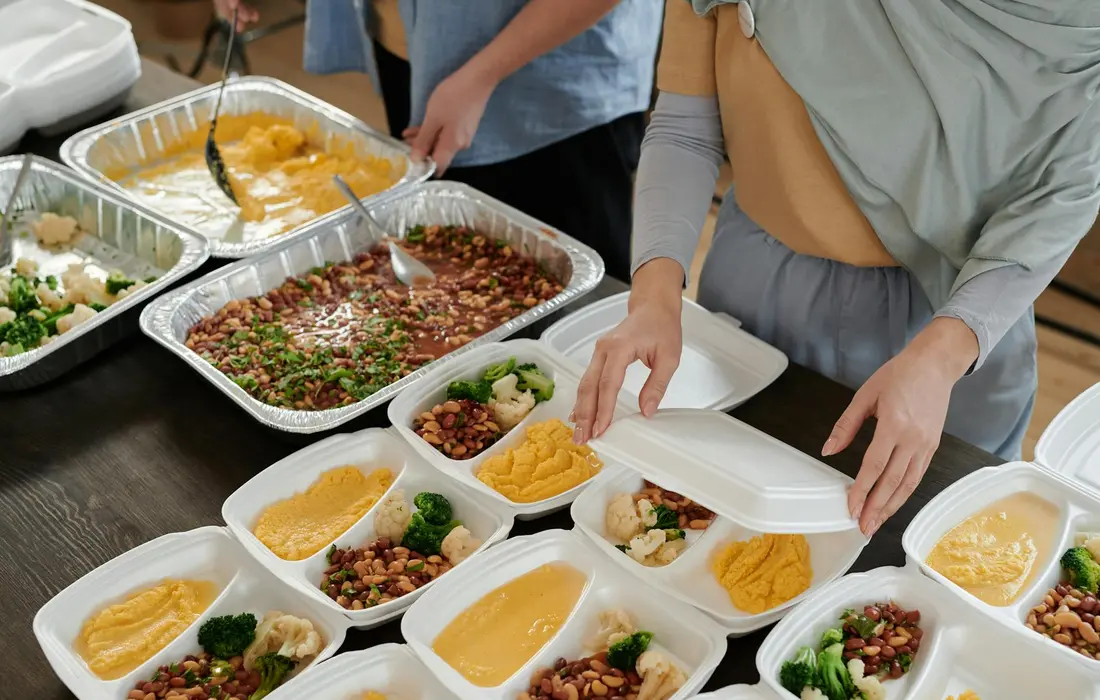
Alright, let’s get down to the practical part-how to share your bean harvest without causing a ruckus in the coop. In all my years of tending flocks, I’ve found that moderation is the golden rule for any treat, and beans are no exception. They’re a supplement, a little bonus, and never a replacement for a balanced, complete feed.
Think of it like this: your chickens’ regular feed is their hearty meat and potatoes. Beans are the delicious side dish. You’ll want to keep beans to no more than 10% of their total daily intake to avoid nutritional gaps. More than that, and you might see a dip in egg quality because they’re filling up on the wrong stuff. To keep them thriving, consider adding safe vegetables as a part of a balanced feeding plan. A quick guide on best vegetables for chickens and other safe, nutritious options can help you plan a well-rounded menu.
- For a visual measure, I use a simple handful of cooked beans for every three chickens, offered just 2 or 3 times a week. Toss ’em in the run during the afternoon, and watch your hens have a fine time scratching and pecking.
- Any new bean type needs a slow introduction over four to five days to let those gizzard engines adjust. Start with a spoonful mixed into their regular feed and keep an eye on their droppings. If all seems well, you can nudge the amount up bit by bit.
- This bean talk is for grown birds only-chicks should stick strictly to their high-protein starter feed. Those babies need every bit of that 18-20% protein formulation for proper growth, and beans, even cooked, are just not formulated for their tiny systems.
I remember one spring when I got overzealous with some leftover black-eyed peas. Giving too much too fast taught me a quick lesson in chicken digestion I won’t soon forget. A gradual approach shows respect for your animals and keeps your coop running smooth as butter.
Beyond the Feed Bucket: Sustainable Stewardship with Beans
Now, I reckon the heart of a good homestead isn’t just in what you buy, but in what you don’t have to. Using cooked beans fits right into that thrifty, make-do philosophy. I can’t tell you how many times my garden has gifted me with a sudden bounty of green beans or a sack of dried ones from a neighbor’s harvest. Turning that surplus into a safe, nutritious treat for the flock turns a potential waste into a valuable resource, closing a beautiful loop right there in your own yard.
You might be wondering if all these beans will change the taste of your morning eggs. From my own coop to yours, I can tell you it typically doesn’t. A hen’s diet needs to be wildly altered with strong flavors like garlic or fish to noticeably impact an egg’s taste. What you might see, especially if you’re feeding them garden-fresh green beans and other veggies, is a richer, darker yolk color-a true sign of a happy, diversely-fed hen.
Offering beans is a kindness, but the deepest respect we can show our birds is a commitment to their complete well-being. This means never cutting corners on safety-always cooking those dried beans-and never letting treats unbalance their core nutrition. Their main layer feed is the bedrock of their health; think of beans and other kitchen scraps as the flavorful gravy on top, not the meal itself.
In the end, the best guide you’ll ever have is your own flock. Toss them a handful of cooled, cooked black beans and watch. Do they scratch and peck with gusto? Are their feathers shiny, are they active, and are they laying consistently? That joyful clucking and robust health is your ultimate sign that you’re on the right track, stewarding your land and your creatures wisely.
Closing Thoughts on Feeding Beans to Chickens
Can chickens eat beans and rice?
Yes, chickens can eat plain cooked beans mixed with plain cooked rice. This combination can be a filling, occasional treat. Ensure the beans are thoroughly cooked and that the rice and beans are free of salt, butter, and seasonings. Just like any cooked grains, moderation and proper preparation are key.
Can chickens eat beans everyday?
No, beans should not be fed to chickens every day. They should be considered a treat or supplement, offered just 2-3 times per week. Overfeeding beans can lead to nutritional imbalances, as they are not a complete feed.
Can chickens eat beans from a can?
Chickens can eat plain beans from a can, like kidney or black beans, but they must be rinsed thoroughly first. This is to remove the high sodium content in the canning liquid. Avoid feeding them any baked or seasoned canned beans, especially salty foods.
Can chickens eat bean seeds?
“Bean seeds” typically refer to dried, raw beans, which chickens must NEVER eat. These contain harmful toxins. The only safe bean seeds for chickens are those from “green” or “snap” beans, which are the immature seeds inside fresh, edible pods. Not all seeds are safe for chickens to consume.
Can chickens eat beans cooked in water?
Yes, beans cooked in plain water are the ideal and safest way to prepare them for your flock. Boiling beans in water until very soft neutralizes the toxins. Always allow them to cool completely before serving.
Can chickens eat bean sprouts?
Yes, chickens can safely eat bean sprouts from beans like mung or alfalfa. These are a healthy, living treat that provides variety. As with all treats, offer sprouts in moderation as part of a balanced diet, similar to how you would offer nuts to chickens.
Shuttin’ the Gate
When it comes to sharin’ your table scraps, a homesteader’s best tool is a healthy dose of caution and a good stockpot. Always cook those beans until they’re soft and familiar; that one act of kitchen stewardship neutralizes the threat and transforms a risky legume into a safe, protein-rich celebration for your flock. I keep a little container in my freezer for leftover cooked beans from our supper, and my hens see me comin’ with it and gather ’round like it’s Christmas morning.
I’m right grateful y’all stopped by to chew on this with me. There’s nothin’ finer than swapin’ honest advice with folks who value the cluck and chatter of a healthy barnyard. Now go enjoy your critters and the simple, good work of carin’ for them. I’ll see you back here at the fence line soon.
Further Reading & Sources
- Can chickens eat cooked beans?
- Can Chickens Eat Beans? Are Beans Good or Bad For Chickens ? – joyofkeepingchickens.com
- Can Chickens Eat Beans? Are Beans Safe? – Eco Peanut
Caroline Mae Turner is a lifelong farm girl raised on red clay, early mornings, and the sounds of a bustling barnyard. With hands-on experience caring for everything from stubborn goats to gentle dairy cows and mischievous pigs, Caroline shares practical, tried-and-true advice straight from the farm. Her goal is to help folks keep their animals healthy, well-fed, and living their best barnyard life. Whether you're wrangling chickens or bottle-feeding a baby goat, Caroline brings a warm Southern touch and plenty of real-world know-how to every bucket in the barn.
Diet Requirements