Goat Nutrition Clarity: Salt, Minerals, and the Vital Horse Feed Warning
Published on: July 25, 2026 | Last Updated: July 25, 2026
Written By: Caroline Mae Turner
Howdy y’all, the cornerstone of healthy goats is free-choice access to a loose mineral mix made specifically for goats, and you must treat horse feed like a barn fire-keep it completely away from your herd. I learned this lesson forty years ago when a few handfuls of well-intentioned horse grain left a good doe sluggish for a week.
- What you’ll need:
- A bag of loose goat mineral (not a block, and never a sheep formula)
- A simple, dry feeder mounted off the ground
- A plain white salt block
- About three minutes a day for observation
We’ll break this down into plain steps, so you can fix their nutrition and get on with your day.
The Bedrock of Goat Health: Understanding Their Unique Nutrition
Now, folks, goats are more than just furry lawnmowers. Their rumen, that marvelous fermentation vat, turns roughage into fuel. But pasture and hay alone won’t build a sturdy goat. They’re masters at extracting what they need to survive, but to truly thrive-for glossy coats, strong hooves, hearty kids, and rich milk-they need a focused nutrient boost from us.
Key Nutrients Beyond the Pasture
Think of your pasture as the main course, but minerals and vitamins are the indispensable seasoning. I’ve watched a herd on beautiful clover still show poor hair and low energy because their mineral tub sat untouched, a lesson I won’t forget. The big players you need to know are:
- Copper: This is the big one. Goats have a high requirement, while sheep are easily poisoned by it. A proper goat mineral will always contain copper, often at 1000-2000 ppm. It’s vital for immunity, wool quality, and bone development.
- Selenium & Vitamin E: These two work hand-in-hand. A deficiency here leads to White Muscle Disease in kids, a heartbreaking weakness. Our soil here is notoriously low in selenium, so I never skip a supplement formulated for our region.
- Calcium & Phosphorus: The balance matters as much as the amount. For growing kids and milking does, you want roughly a 2:1 calcium-to-phosphorus ratio to support strong skeletons and milk production.
- Zinc: Directly tied to hoof health and skin integrity. A goat constantly fighting hoof rot or mange might be telling you they’re short on zinc.
Providing a balanced, goat-specific mineral is the single most effective step you can take to prevent a host of hidden problems. For sheep, a similarly balanced mineral program tailored to their needs is essential, and our sheep mineral supplement feeding guide offers detailed recommendations.
Salt and Minerals: Non-Negotiable Pillars of Herd Vitality
Plain white salt (sodium chloride) and a complete mineral mix serve two distinct purposes. Salt regulates fluids and appetite, while the mineral mix delivers the trace elements like copper and selenium. They must have access to both, freely, at all times. A salt block alone is a half-measure that will leave your herd wanting.
Choosing Your Supplement Strategy: Blocks, Licks, or Loose Mix?
You’ve got options on the feed store shelf, and each has its place in a thrifty operation.
- Compressed Mineral Blocks: These are hard, weather-resistant, and slow-consumption. I use them in run-in sheds as a backup. Their downside is that a dominant goat can guard it, and timid ones or those with dental issues may not get enough.
- Pressured (Lick) Blocks: Softer and more palatable. They’re fine for encouragement but can be consumed too quickly and are often more expensive per nutrient pound.
- Loose Granular Minerals: This is my gold standard. Goats can regulate their intake precisely, and every animal gets a fair chance. It does require a proper feeder to keep it dry. I use a simple covered trough nailed to the fence at chest height.
My own routine is a covered barrel of loose minerals in their main loafing area, with a hardened block in the far-field shelter for good measure.
The Homemade Mineral Question: A Word of Caution
I know the appeal-mixing your own from bulk ingredients seems savvy. I’ve calculated those recipes myself, staring at bags of kelp and copper sulfate. Let me share a hard-won truth: it is perilously easy to get wrong. The margin for error with potent elements like selenium is vanishingly small, and an imbalance can do more harm than good.
Formulating a stable, palatable mix that doesn’t separate or spoil is a complex science. Reputable commercial blends are researched, tested, and consistent. For the safety of your herd, I reckon your ingenuity is better spent building a clever feeder than playing chemist with their core nutrition. Trust the specialists on this one, and focus your hands-on care where it shines brightest.
The Real Danger of Horse Feed: Formulation and Toxicity
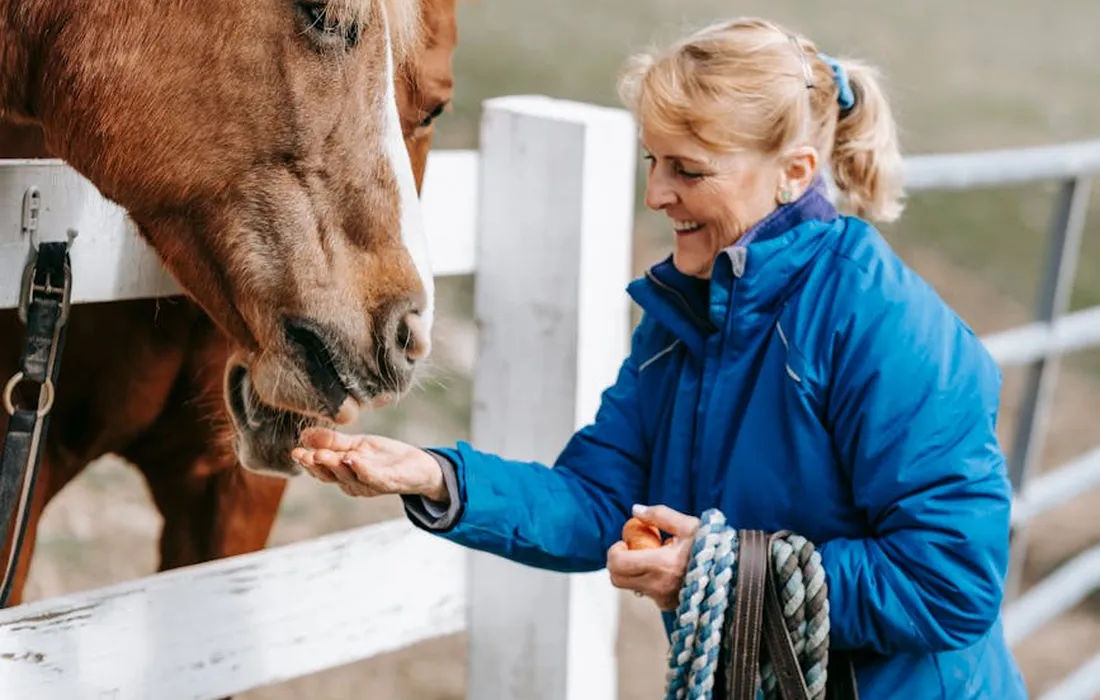
Now, let’s get down to the nitty-gritty of why that bag of horse feed isn’t just an unbalanced snack for your goats, but a genuine hazard. It all comes down to targeted formulation. Horse feed is crafted for an animal with a digestive system and metabolism that’s a country mile different from our caprine friends.
The most critical risk comes from a class of additives called ionophores, with names like monensin (Rumensin) and lasalocid (Bovatec). These are routinely included in cattle and poultry rations to boost growth and prevent coccidiosis. For horses, however, ionophores are highly toxic, causing heart failure. Therefore, reputable horse feed manufacturers are extremely careful to keep these additives out of their facilities and products.
Here’s the barnyard rub: while the horse feed itself contains no ionophores, the mill that makes it often produces other feeds that do. Cross-contamination can happen, and the tolerance for a goat is terrifyingly low. I’ve seen a doe go down from simply licking the residue out of a bucket that once held cattle minerals. It takes a minuscule amount of monensin to kill a goat, and there is no antidote. The symptoms-weakness, staggering, and sudden collapse-come on fast and offer little chance for intervention.
Reading Labels to Keep Your Herd Safe
Your first and best line of defense isn’t a vet kit, it’s your own two eyes reading the feed tag. This isn’t just fine print; it’s a safety manual for your herd. I make a habit of reading every single tag, even on bags I’ve bought for years, because formulations can change without much fanfare.
Follow this simple “Three Strikes” rule when evaluating any feed for goat safety:
| Step | What to Look For | Why It Matters |
|---|---|---|
| 1. The Medicated Statement | The word “MEDICATED” in bold letters, usually right under the product name. | This is an immediate red flag. Stop here. Do not feed. While the medication may be for horses, it signals a higher risk of other additives or cross-contamination. |
| 2. The Ingredient List | Specific additives like “monensin sodium” or “lasalocid.” | If you see these listed, this feed is poison to your goats. It is not negotiable. Even “for cattle” or “for poultry” on the bag means keep it far away from your browse. |
| 3. The Guaranteed Analysis | Protein (CP) below 14%, Calcium (Ca) levels above 0.6%. | This confirms the formulation is wrong for goats. Low protein won’t support growth or milk, and high calcium can predisuce doelings to urinary calculi. |
Store all feeds separately with clear labels. I use a permanent marker to write “GOATS ONLY” or “HORSES ONLY” right on the plastic barrel. This simple habit prevents a middle-of-the-night, sleepy mistake that could wipe out your entire herd. It’s a lesson I learned the hard way when a well-meaning cousin nearly fed my goats a scoop of textured horse mix; the brightly colored molasses cubes looked tasty, but the risk hidden inside was real.
Beyond the label, build a relationship with your feed mill manager. Ask them point-blank: “Do you run cattle feed with Rumensin on the same line as this horse feed?” Their answer will tell you everything you need to know about the risks of cross-contamination. Your vigilance is the cheapest and most effective medicine you’ll ever buy.
Feed Storage and Safety: Stopping Trouble Before It Starts
Let’s set our sights on the feed room, where a bit of diligence pays off in healthier animals and fuller pockets. I reckon I’ve saved enough in spoiled grain over the years to fix a fence line twice. Good storage is the silent guardian of your flock and herd, turning bought nutrition into eaten nutrition. Smart storage practices—airtight bins, dry floors, and timely feed turnover—help prevent spoilage and cut waste, a key cost-saving tip for farm animals. When you tighten up feed handling, you protect your animals and your bottom line.
Salt and minerals demand your first attention. They’re thirsty things, pulling moisture from the air quicker than a chick pecks at a bug. A damp salt block becomes a crumbling mess and a wasted dollar. I keep all loose minerals and blocks in sealed, food-grade buckets stored up on a wooden pallet in the driest part of my shed. This simple step preserves their potency and keeps goats from gorging themselves sick.
Now, horse feed is a particular temptress for pests. That sweet smell of molasses is a dinner bell for mice and insects. Storing it in the flimsy bag it came in is an open invitation. I transfer every sack of equine feed immediately into a galvanized steel bin with a clampshut lid, a practice that’s saved me from countless infestations. Those bins were a thrifty find at a neighbor’s auction, and they’ve earned their keep.
Your general feed storage deserves a system. Here’s how I keep things square in my barn:
- Choose containers made of metal or thick, rodent-proof plastic. Cardboard and thin bags are for transport, not storage.
- Always, always rotate your stock. Mark the date of purchase right on the container with a marker and use the oldest first.
- Maintain a clean sweep zone around your storage. Spilled feed attracts vermin and mold faster than you can say “scamper.”
- Check your feed weekly for any signs of dampness, clumping, or off odors. Your nose is a powerful tool.
I recall one spring when a tiny roof leak went unnoticed over my supplemental grain bin. The dampness created a hidden pocket of mold. Feeding even a small amount of moldy forage can lead to colic in horses or bloat in ruminants, so vigilance in the feed room is a direct line to animal health. That mistake taught me to inspect the ceiling as often as the container.
Safety is also about access. A clever goat or a bored pig views a feed room as a grand puzzle to be solved. A simple hook latch won’t deter them for long. You need solid locks or heavy-duty slide bolts placed where agile lips and snouts can’t work them loose. I reinforced my feed room door with a simple hasp and staple after my Nubian doe, Clementine, orchestrated a midnight snack raid.
Mind what’s nearby your precious feed. Storing it alongside garden chemicals, motor oils, or treated lumber is a recipe for contamination. Designate a dedicated space for animal feed that is separate from all other farm supplies, protecting it from both fumes and accidental spills. This clear separation is a cornerstone of responsible stewardship.
For bulk buyers, consider your container size. A 50-gallon drum might be cost-effective, but if it takes months to empty, the last third of the feed may lose freshness. Matching your storage container size to your rate of consumption ensures everything stays as fresh as the day you bought it. Sometimes, several smaller, airtight containers are smarter than one giant one.
Putting It All Together: Daily and Seasonal Management
Integrating Supplements into Your Routine
Mornin’! Let’s talk about building a supplement routine that’s as regular as your coffee. I keep a pair of old boots by the back door, and my first stop is always the mineral station. Consistency is what turns good intentions into healthy goats, and it prevents those subtle deficiencies that creep up on you. A quick goat mineral supplement guide lays out the essential nutrients your herd needs and flags any nutrients that can reach toxic levels if misused. You wouldn’t skip feeding your chickens, and your goats’ minerals deserve the same daily glance.
For daily management, I use a simple two-bucket system in the loafing shed: one for loose minerals and one for plain white salt. Free-choice access means your herd self-regulates, but you must monitor consumption to spot health changes early. On average, a goat will consume about half an ounce to an ounce of mineral mix per day, but watch for spikes. If they’re cleaning the bucket, they might need more; if it’s gathering dust, check your base diet. Understanding the composition and benefits of goat mineral supplements, and how to use them safely, can also guide similar practices for other farm animals. These principles help tailor minerals to each species while maintaining herd health.
- Place supplements in a dry, covered spot away from rain and direct sun to prevent caking and waste.
- Use heavy, tip-resistant containers to keep things tidy and prevent playful kids from making a mess.
- Check levels every morning when you do your headcount. Refill as needed, but note any sudden increases in intake.
- Always offer fresh, clean water right beside the minerals. Proper hydration is key for nutrient absorption.
Seasons change, and so do your goats’ needs. When the spring grass comes in fast and lush, it’s often low in copper and magnesium. That’s when I increase my offering of a good quality goat-specific mineral, aiming for a mix with at least 1,000-2,000 ppm of copper for adult does. Come winter, when they’re on hay, I might see a drop in consumption, but I never remove the option. Breeding, gestation, and lactation will have them visiting that bucket more often, so I adjust my budget accordingly.
Now, let’s address the barnyard neighbor: horse feed. I keep my equines in a separate paddock, and here’s why. Horse feeds and mineral blocks often contain ionophores like monensin, which are outright toxic to goats and can cause sudden heart failure. It’s a thriftiness trap to think one feed fits all. I use dedicated storage bins with clear labels-goat grain here, horse feed way over there-and I feed species-specific rations at different times to avoid any curious mingling at the fence line.
- Audit all feed bags and blocks on your property. Read every label for ionophores or medications unsuitable for goats.
- Designate separate feeding zones. A physical barrier, like a sturdy fence line, is best to prevent accidental sharing.
- Feed horses and goats at different times if they share space, and stay present until all feed is consumed.
- Educate everyone on the farm about the danger. Make “goat feed for goats, horse feed for horses” a household rule.
Integrating this doesn’t have to be complex. My routine takes maybe five extra minutes a day. That small daily investment in observation and placement pays you back tenfold in vet bills you’ll never have to pay. I reckon if you treat supplement management with the same respect as you do fencing, your critters will thrive through every season.
Closing Questions on Goat Mineral and Feed Safety
Can I use a sheep mineral block for my goats to save money?
No, you must never use a sheep mineral formula for goats. Sheep are extremely sensitive to copper, while goats require high levels of it for proper immune function, bone health, and coat quality. Using a sheep mineral will deprive your goats of this essential nutrient, leading to serious deficiencies. Goats and sheep have very different dietary needs, and understanding these differences is crucial for their health.
How do I know if my goat’s mineral mix is being consumed properly?
Monitor the level in the feeder daily. Consistent, moderate consumption is ideal. A sudden spike in intake can signal a dietary deficiency or increased need, while no consumption likely means the mix is unpalatable or the base diet is very rich. To plan portions more precisely, check a daily ration quantity guide for goats. Ensure every goat has fair, unimpeded access to the loose mineral.
What are the visible signs of a copper deficiency in my herd?
Early signs include a dull, rough coat that loses its color or “rusts,” especially around the eyes and muzzle. More advanced deficiencies can present as poor growth in kids, anemia, and increased susceptibility to parasites and illness due to a compromised immune system.
Is it safe to offer both a salt block and a loose mineral mix?
Yes, and it is recommended. They serve different purposes. The plain white salt block provides sodium chloride to regulate fluids and appetite. The loose goat-specific mineral provides the vital trace elements like copper, selenium, and zinc. Goats should have free-choice access to both. Understanding goat mineral requirements helps you select the right salt supplements and mineral blocks. This balance supports optimal health and production.
My goat nibbled on the horse’s mineral block. What should I do?
Treat this as a potential emergency and contact your veterinarian immediately. Horse minerals or feeds risk containing ionophores like monensin, which are fatally toxic to goats even in tiny amounts. Watch closely for symptoms like weakness, incoordination, or lethargy while seeking professional advice. Understanding species-specific mineral supplement needs and safety precautions is essential for preventing these risks across livestock. Additional resources on safe, species-tailored mineral programs will be linked in the next steps.
How should I store my loose minerals to prevent spoilage?
Always keep loose minerals in an airtight, sealed container placed in a cool, dry location, such as on a pallet in your feed shed. Moisture causes minerals to clump, become unpalatable, and lose potency, turning your investment into a useless, hardened block.
Shuttin’ the Gate
When the sun starts to dip and you’re headin’ back to the house, give your goats one last look. If you remember nothin’ else from our chat today, let it be this: a critter’s foundation is built not just on good hay or clean water, but on what it gathers from that little mineral feeder you keep full. Providing a proper loose mineral formulated just for goats, and vigilantly keeping any grain containing Rumensin far from their reach, is the quiet stewardship that prevents loud heartache. All your good work on fences, shelter, and pasture can be undone by what you neglect in a bucket.
I reckon I’ll see y’all out there. May your mineral feeders be ever full, your herd be content, and your evenings be spent watchin’ your goats browse in peace, knowin’ you’ve set the table right. There’s nothin’ finer than that feelin’. Happy homesteadin’, friends.
Further Reading & Sources
- Mineral Requirements and Impact on Dairy and Meat Goat Production | Mississippi State University Extension Service
- Goat Mineral – Redmond Equine
- Goat Mineral Mix – Redmond Agriculture
Caroline Mae Turner is a lifelong farm girl raised on red clay, early mornings, and the sounds of a bustling barnyard. With hands-on experience caring for everything from stubborn goats to gentle dairy cows and mischievous pigs, Caroline shares practical, tried-and-true advice straight from the farm. Her goal is to help folks keep their animals healthy, well-fed, and living their best barnyard life. Whether you're wrangling chickens or bottle-feeding a baby goat, Caroline brings a warm Southern touch and plenty of real-world know-how to every bucket in the barn.
Diet Requirements