The Farmer’s Fix: Using Straw for Bedding and Hay for Feeding Your Rabbits
Published on: October 19, 2026 | Last Updated: October 19, 2026
Written By: Caroline Mae Turner
Howdy y’all. Rabbits cannot eat straw as food; it’s a bedding material, while grass hay is the non-negotiable, fibrous diet they must consume daily for healthy digestion. I’ve spent many a morning in the barn sorting this out for new homesteaders who’ve been sold the wrong bale.
What you’ll need:
- Knowledge to spot the difference between hay and straw at a glance
- A reliable source of fresh grass hay, like timothy or orchard grass
- A bale of clean, dry wheat or oat straw for bedding
- A moment to audit what’s currently in your rabbits’ hutch
We’ll have this sorted in no time, so you can focus on the rest of your animal chores with peace of mind.
Hay and Straw: A Farmer’s Plain-Spoken Breakdown
What is Hay? Nutrient-Rich Forage for Eating
When I talk about hay, I’m referring to specific grasses or legumes that are cut green, dried carefully, and baled up specifically to be eaten. Think of hay as a preserved pasture, a vital source of fiber, protein, and nutrients that keeps our ruminants and hindgut fermenters healthy all winter long. It’s their main course, not a side dish or a napkin.
Out in the barn, we keep several types on hand for different animals and needs:
- Timothy Hay: The gold standard for many small livestock like rabbits and guinea pigs. It’s a grass hay, lower in protein and calcium, perfect for daily munching.
- Orchard Grass: Another excellent grass hay, softer than timothy sometimes, and a great alternative if timothy is scarce or pricey.
- Alfalfa Hay: This is a legume, not a grass, and it’s rich. It’s high in protein and calcium, ideal for growing youngsters, nursing mamas, or underweight animals. I use it as a supplement, not a primary feed for adult animals, to avoid health issues.
What is Straw? Hollow Stalks for Bedding and Mulch
Straw is a different beast altogether. It’s the hollow, dry stalks left over after harvesting grains like wheat, oats, or barley. The seed heads-the grain-are what the farmer wanted; the straw is a useful byproduct, but it’s not feed. Its value lies in its structure, not its nutrition.
I use bales of straw all over the homestead for jobs that need loft and resilience.
- Deep Litter Bedding: In the chicken coop or goat shed, it creates a warm, absorbent base that composts over time.
- Nest Box Liner: It’s clean and gives hens a nice spot to lay their eggs.
- Garden Mulch: It suppresses weeds and keeps my potato hills from washing away in a summer storm.
Side-by-Side Comparison: Hay vs. Straw at a Glance
Here’s a quick look to keep things straight when you’re standing in the feed store, squinting at bales.
| Feature | Hay | Straw |
|---|---|---|
| Primary Purpose | Feed. It is food. | Bedding, Mulch, Insulation. |
| Nutritional Value | High. Contains digestible fiber, proteins (8-16%+), vitamins. | Very Low. Mostly indigestible lignin and cellulose. |
| Texture & Smell | Softer, leafier, often green, smells sweet or grassy. | Coarse, hollow, golden/yellow, has a dry, dusty smell. |
| What It’s Made From | Cut grasses (timothy) or legumes (alfalfa). | Dried stems of grain plants (wheat, oat). |
| Typical Cost | Higher, because it’s a cultivated feed crop. | Lower, as it’s an agricultural byproduct. |
Remember this simple rule: if it’s meant to be eaten, it’s hay; if it’s meant to be sat on or spread around, it’s straw.
The Core Question: Can Rabbits Eat Straw Safely?
The Straight Answer: Why Straw is Not Food
The short answer is no, you should not feed straw to your rabbits as a replacement for hay. Straw lacks the essential, digestible nutrients and proteins that a rabbit’s complex digestive system requires to function properly and stay in balance, especially compared to hay like wheat grass or wheat hay. A belly full of straw is like you trying to live on a diet of cardboard and wood chips-it’ll fill up space but starve the body.
Rabbits need a constant flow of high-fiber hay to keep their gut moving and their ever-growing teeth worn down. Feeding straw intentionally can lead to serious nutritional deficiencies, weight loss, and potentially fatal gastrointestinal stasis because their system grinds to a halt. I’ve seen it happen, and it’s a swift, sobering lesson in proper husbandry.
When Nibbling Happens: Bedding vs. Intentional Feeding
Now, if you use a handful of soft oat straw as nesting material or extra bedding in a hutch, don’t panic if you see a rabbit take an experimental nibble. A curious taste of bedding is different from it being their sole source of roughage. The key is ensuring their feeder is always stuffed with quality grass hay, so they have zero reason to seek out the bland straw.
If you’re concerned they’re ingesting too much from their bedding, here’s what I do:
- Monitor Droppings: Check for a reduction in the number or size of fecal pellets. This is the first warning sign of a slowdown.
- Watch Their Appetite: A rabbit ignoring its good hay is a red flag. They should be eager for it.
- Check for Lethargy: A hunched, quiet rabbit who isn’t interested in its surroundings needs attention.
- Switch Bedding: If you’re worried, just swap out the straw for plain paper bedding or more of the hay they’re supposed to eat.
Providing an endless buffet of timothy or orchard grass hay is the single best way to ensure your rabbits ignore the bedding and thrive on the good stuff.
Why Hay is Non-Negotiable for Rabbit Health
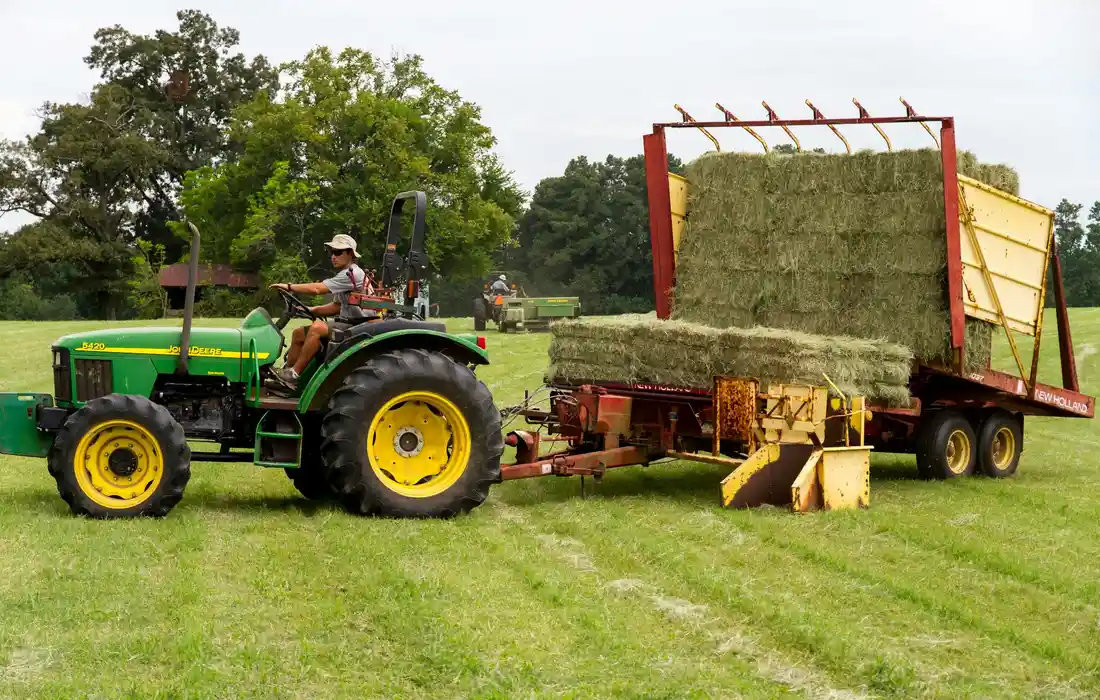
On our place, we treat a rabbit’s daily hay ration with the same seriousness as we do a dairy cow’s forage. Hay is the cornerstone of a rabbit’s existence, not an optional supplement you toss in when you remember. Their whole biology is built around processing it.
Dental Health: Wearing Down Those Ever-Growing Teeth
A rabbit’s teeth grow continuously, just about ⅛ of an inch every week. Think of them like a horse’s hooves that need constant wear. Without the proper abrasive action, they become painful spikes that can grow into the jaw or cheeks. Long-strand, fibrous hay is nature’s perfect tooth file, grinding down those chompers with every single bite. I learned this the hard way years ago with a rescued bunny named Thistle, whose neglected teeth required regular vet trims until a proper hay diet got them back on track.
Your Regular Tooth Check-Up Routine
- Weekly, offer a favorite treat like a basil leaf. Watch for hesitation, drooling, or dropping food.
- Gently lift the lips monthly to peek at front incisors. They should meet evenly, not curl or jut out.
- Listen for constant, rhythmic chewing sounds when they’re at their hay rack-silence can be a warning sign.
- Monitor weight weekly. Dental pain leads to not eating, which shows on the scale before you see it in the dish.
Gut Health: Dietary Fiber for Proper GI Motility
A rabbit’s digestive system is a finely tuned engine that must never, ever stop. The high indigestible fiber in hay acts like a broom, sweeping everything through to prevent a deadly condition called GI stasis. This roughage keeps the gut muscles contracting, moving along the softer, fermentable fibers that get processed into cecotropes-those nutrient-rich pellets they re-ingest. It’s a delicate balance, and hay provides both types of fiber to maintain it.
Understanding the Fiber & Cecotrope Cycle
- Indigestible Fiber (from hay): Creates gut bulk and motility. This becomes the hard, round droppings.
- Fermentable Fiber (from hay & greens): Nourishes gut bacteria in the cecum, forming cecotropes.
- Cecotropes: Soft, clumpy pellets eaten directly from the anus. They’re packed with proteins and vitamins.
- The Balance: Without enough indigestible fiber from hay, the whole system slows, cecotropes aren’t produced, and the rabbit misses vital nutrients.
Nutritional Backbone: Protein, Energy, and Life Stages
Not all hay is created equal, and choosing the right type is a act of good husbandry. Protein and calorie content vary wildly, especially when comparing timothy hay and alfalfa hay, and matching that to your rabbit’s life stage is key.
Selecting hay based on its protein percentage prevents both deficiency and obesity, letting you manage growth and weight with simple, natural forage. Here’s the breakdown I use in my barn:
- Timothy Hay (8-11% protein): The gold standard for most adult rabbits. It’s balanced, palatable, and maintains a healthy weight.
- Orchard Grass Hay (7-10% protein): A lovely, softer alternative to Timothy, excellent for picky eaters or seniors with sensitive mouths.
- Meadow Hay (6-9% protein): A diverse mix of grasses and herbs. Great for variety, but protein can be less consistent.
- Alfalfa Hay (15-20% protein): A legume, not a grass. It’s rich in protein and calcium. Reserve alfalfa for growing kits, pregnant/nursing does, or underweight adults needing a boost, and always mix it with grass hay. For most adults, its high calcium can lead to urinary issues.
The Real Risks and Hazards of Feeding Straw
Now, let’s set the record straight on straw. I keep a few bales in the barn for pig bedding and garden mulch, but the feed room is for hay alone. Feeding straw to a rabbit is like asking you to live on a diet of cardboard shavings-it fills the belly but starves the body.
Nutritional Bankruptcy: Empty Calories and Starvation
Straw is the hollow, dried stem left after harvesting grain. Its job was structural support, not nutrition. It’s incredibly high in lignin, a type of fiber even a rabbit’s specialized gut can’t break down.
- Protein Content: Often as low as 3-4%, far below a rabbit’s maintenance needs.
- Digestible Energy: Negligible. A rabbit will burn more calories trying to digest it than it gains.
- The Result: Weight loss, muscle wasting, and a deficiency in every vital nutrient. They’ll eat it because they’re hungry, but they’ll slowly fail.
Physical Dangers: Choking, Impaction, and Respiratory Issues
The risks go beyond mere malnutrition. Straw presents several direct physical threats.
- Choking & Mouth Injury: Those hard, hollow stems can splinter or become lodged in the mouth or throat.
- GI Impaction: The undigestible mass can literally clog the digestive tract, leading to a rapid, painful stasis.
- Dust & Mold: Straw is often dustier than quality hay. Inhaled dust causes respiratory distress. Hidden mold, common in straw, can cause fatal toxicity.
If you wouldn’t breathe the dust from a bale yourself, don’t subject your rabbit’s sensitive lungs to it, whether as feed or bedding.
A Place for Straw: Using It Safely as Bedding
Straw does have one safe, useful role in the rabbitry: as optional bedding in a dry, well-managed space. The key is that it’s a floor covering, not a food source.
Steps for Safe Straw Bedding Practice
- Unlimited hay must always be available in a rack or feeder well above the bedding.
- Shake out each flake vigorously outdoors to remove the worst of the dust and chaff before placing it in the hutch.
- Use it sparingly. A thin layer for insulation in a nest box or in a deep litter system for outdoor hutches is fine.
- Keep it bone-dry. Damp straw molds quickly and loses any insulating value. Check and replace it frequently.
- Consider alternatives. I often use pine shavings or shredded paper in the barn, saving the straw for the garden paths.
Choosing and Feeding Hay: A Practical Homesteader’s Guide
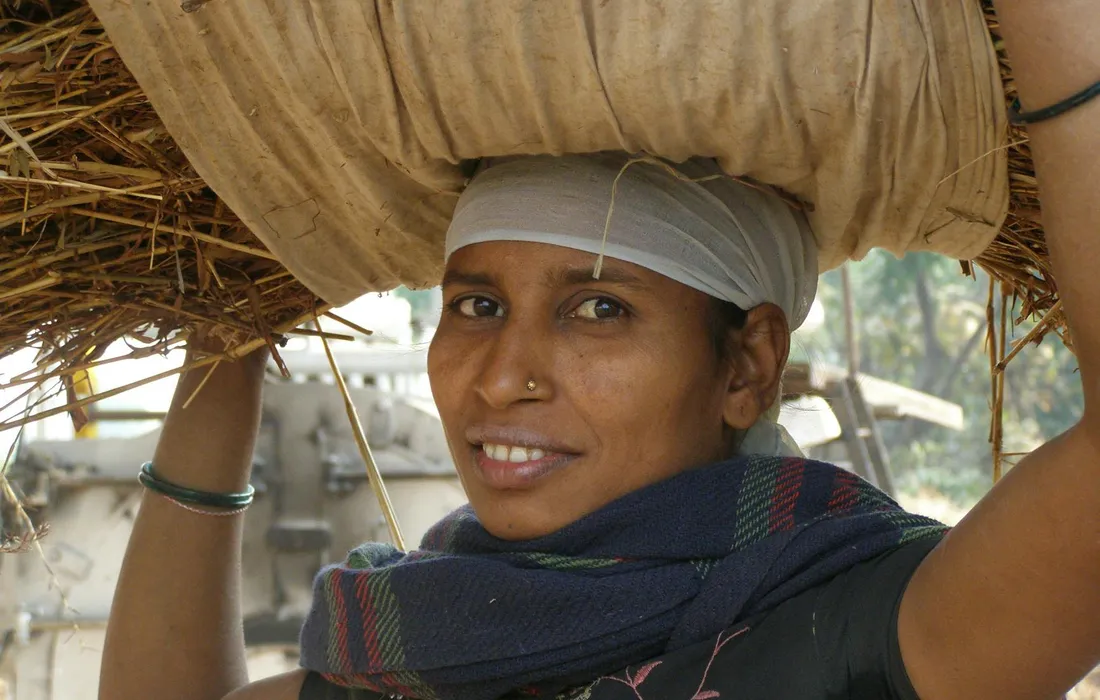
Selecting the Best Hay: Quality and Types Matter
Safe Hay Types and How to Identify Quality
Your rabbit’s health starts with the hay you choose. I’ve fed countless bales over the decades, and I always reach for grass hays like Timothy, orchard, or brome for my adult rabbits. These grasses provide the long-stem fiber essential for good digestion and dental health without the excess protein that can cause problems. For young, growing kits or a nursing doe, I’ll mix in some legume hay like alfalfa for extra calcium and protein, but I switch them to grass hay by six months old.
Judging hay quality is something you learn by hand and nose. Good hay smells sweet and faintly of sunshine, has a green color, and is leafy with minimal coarse stems. Bad hay is easy to spot: it’s brown, dusty, or worse, has patches of gray or white mold. I never buy a bale that feels damp or smells musty; that’s a fast track to respiratory issues and a sick rabbit.
Daily Feeding Ratios: How Much Hay Do Rabbits Need?
Feeding Guidelines by Life Stage
A rabbit’s gut needs to keep moving, and hay is the fuel. For adult rabbits, I provide unlimited access 24 hours a day. An always-full hay rack encourages natural grazing behavior and prevents dangerous gastrointestinal stasis. Kits have smaller capacities but still need plenty; I offer a portion about the size of their body each day, divided into two feedings. For exact daily hay amounts, a hay consumption guide can help you tailor portions. It helps you balance fiber needs with your rabbit’s size and appetite.
Here’s a straightforward breakdown I follow in my barn:
- Adult Rabbit (over 6 months): Unlimited grass hay. Refill the rack daily.
- Growing Kit (under 6 months): Unlimited alfalfa or grass mix, plus measured pellets.
- Senior or Overweight Rabbit: Unlimited grass hay, but monitor pellet intake closely.
You’ll see your rabbits munching most at dawn and dusk. If you notice hay left untouched for a day, it’s time to check for freshness or a potential health concern with your bunny.
Storing Hay to Preserve Quality and Prevent Waste
Steps for Proper Hay Storage
Nothing pains me more than wasting good hay to mold or pests. I store all my bales in a dry, ventilated shed up on wooden pallets to keep them off the damp ground. Keeping hay dry is the single most important rule; moisture ruins nutrition and creates toxins. A breathable tarp over the stack shields it from weather while allowing air circulation.
Buying in bulk from a local farmer saves money, but only if you can store it right. I reckon splitting a ton with a neighbor is one of the thriftiest moves a homesteader can make for their feed bill. Just ensure your storage space is ready before the truck arrives.
My tried-and-true storage routine looks like this:
- Select a storage spot that’s covered, dry, and has good airflow.
- Elevate bales on pallets, racks, or even old lumber.
- Stack bales with gaps between for ventilation-don’t pack them tight.
- Cover the stack with a canvas or woven tarp if outdoors.
- Perform a weekly check for damp spots, mold, or signs of rodents.
Beyond Hay: Completing a Balanced Rabbit Diet
The Supporting Cast: Pellets, Greens, and Fresh Water
Role of Pellets, Greens, and Water
Hay is the main course, but a few supplements round out the meal. I use plain, high-fiber pellets (18% fiber or higher) as a supplement, not a staple. Limit pellets to about 1/4 cup per 5 pounds of body weight daily for adult rabbits to prevent obesity. If you’re unsure about daily pellet limits, a simple portion-size guide can help you decide what to offer and how to politely refuse extra pellets. This keeps meals balanced while still allowing for forage and enrichment. Fresh greens like cilantro, romaine, or carrot tops add vitamins and enrichment, but introduce one new green at a time to watch for soft stools.
Fresh, clean water is just as critical as hay. I use sturdy bowls and check them twice a day without fail. In summer, I add a second water source and drop in a frozen water bottle to keep it cool; in winter, I use a heated bowl to stop ice from forming. Here’s my simple daily check to ensure they never go thirsty:
- Morning Chores: Dump, rinse, and refill all water containers.
- Afternoon Walk-By: A visual check to confirm water levels are good.
- Evening Rounds: Refill if low and give bowls a quick scrub every other day.
What to Avoid: Foods That Harm Rabbit Digestion
Common Harmful Foods
A rabbit’s digestive system is delicate, and some common foods can cause serious harm. I never feed cereals, grains, bread, or sugary snacks. These starchy items disrupt the delicate bacterial balance in the cecum and can lead to fatal gut stasis. Even some plants like iceberg lettuce, potatoes, or beans are troublesome due to low nutrition or toxins.
Keep this list handy near your feed stash for quick reference:
- Grains: Corn, oats, wheat, and any processed cereals.
- Sugary Fruits: Only offer tiny bits of apple or berry as a rare treat.
- Dairy or Meat: Rabbits are strict herbivores.
- Onions, Garlic, Leeks: All are toxic to rabbits.
- Household Sweets: Chocolate, candy, or any human junk food.
When my grandchildren visit, I remind them the rabbits eat from the garden, not the pantry. Sticking to a simple, natural diet is the best stewardship for your rabbit’s long and hoppy life. To stay consistent, I also follow a domestic rabbit diet guide. This helps me tailor care for my furry friends.
Closing Tips for the Farmstead
Can I feed straw to my other livestock, like cattle?
For cattle and other ruminants, straw is used strategically as a low-nutrient “filler” or roughage source in balanced rations, not as a primary feed. It helps add bulk to high-energy diets but must be supplemented with protein, energy, and minerals to meet nutritional needs, unlike hay which is foundational feed. These differences inform straw vs hay dietary guidelines for cattle rations. Understanding them helps tailor feed plans to animal needs.
Is straw or hay better for my vegetable garden mulch?
Straw is generally the superior and more economical choice for garden mulch. It’s less likely to contain weed seeds than hay, provides excellent insulation and moisture retention, and breaks down slowly to add organic matter to your soil structure.
What’s the difference between hay, straw, and silage?
Hay is dried forage (grass/legumes). Straw is the dry stalks of grain plants. Silage is fermented, high-moisture forage (like grass or corn) cut and stored in airtight conditions, creating a tangy, pickled feed primarily for cattle, not rabbits.
Why is hay usually more expensive than straw?
Hay commands a higher price because it is a cultivated, nutrient-dense feed crop requiring careful timing and conditions for cutting and drying. Straw is an agricultural byproduct of grain harvest, making it more abundant and less costly for bedding and mulch.
Can I use hay or straw bales for “bale gardening”?
Straw bales are the preferred and recommended medium for straw bale gardening. Wheat or oat straw bales create a clean, weed-free planting medium as they decompose. Hay bales are not suitable, as they decompose too quickly and introduce unwanted grass and weed seeds.
What are the main pros and cons of hay versus straw?
The core distinction is purpose: hay is nutrient-rich food, while straw is structural bedding. The pro of hay is its vital nutritional value; the con is its higher cost and spoilage risk. The pro of straw is its cheap, versatile utility for bedding/mulch; the con is its lack of feed value.
Shutting the Gate
When all’s said and done, your rabbits’ wellness hinges on knowing the distinct roles of hay and straw. From my barn to yours, I’ve seen too many folks mix ’em up, and the bunny pays the price. Your single most important job is to provide a constant, fresh supply of high-fiber grass hay for them to munch, using straw solely as a dry, fluffy bed to nestle in. Get that foundation right, and everything else about caring for your flock becomes a whole lot simpler.
I’m right grateful you took the time to read this, neighbor. There’s a deep joy in watching your animals live well, and I hope this helps y’all find more of it. Now, go enjoy the quiet company of your rabbits and the simple rhythm of good stewardship. Until next time.
Further Reading & Sources
- Do Rabbits Need Straw or Hay? Bunny Bedding vs. Feeding – PetHelpful
- Hay v. Staw
- Straw Bedding For Rabbits: The Key Facts | Blue Mountain Hay
Caroline Mae Turner is a lifelong farm girl raised on red clay, early mornings, and the sounds of a bustling barnyard. With hands-on experience caring for everything from stubborn goats to gentle dairy cows and mischievous pigs, Caroline shares practical, tried-and-true advice straight from the farm. Her goal is to help folks keep their animals healthy, well-fed, and living their best barnyard life. Whether you're wrangling chickens or bottle-feeding a baby goat, Caroline brings a warm Southern touch and plenty of real-world know-how to every bucket in the barn.
Feed Types