Feeding Apples to Cows: Your Guide to Safe Treats & Happy Herds
Published on: December 14, 2025 | Last Updated: December 14, 2025
Written By: Caroline Mae Turner
Howdy y’all. Let’s settle the barnyard debate right now: Yes, your cows can absolutely enjoy apples, but you must core and quarter them first to prevent choking. I’ve seen the eager look in a heifer’s eye when she spots that red fruit, and it’s a fine way to build trust and add variety.
What you’ll need:
- Fresh, ripe apples (avoid rotten ones)
- A sturdy knife for coring and cutting
- A feed bucket or trough
- About 15 minutes of your time
We’ll walk through the how, the how much, and the why, so you can hand out those treats with confidence and get on with your day.
Can Cows Eat Apples? The Straight Answer on Safety
You bet they can, and most cows will come a-runnin’ for that sweet, crunchy treat. From my years in the pasture, I can tell you apples are generally safe for cattle when handled with the same common sense you’d use in your own kitchen. Cows can enjoy a variety of fruits—grapes and other common fruits included—in moderation. They should be fresh, clean, and fed in small amounts to avoid stomach upset. But just like us, our bovine friends need the right parts served the right way.
Apple Parts Explained: What’s Safe and What’s Not
Let’s break down an apple like we’re preppin’ lunch for the herd. Not every bit is created equal.
- The Flesh & Skin: This is the good stuff. The meat and peel of the apple are perfectly safe and downright delicious to a cow. I always give mine a quick rinse to wash off any store-bought sprays or field dust before tossin’ them in the trough.
- The Core & Seeds: Here’s where folks get nervous. The core itself is fibrous but won’t harm them. Those tiny seeds, though, contain a compound called amygdalin. While a few seeds swallowed whole won’t hurt a 1,200-pound animal, I make a habit of coring bushels if I’m feedin’ a crowd, just to be on the safe side for the long haul.
- Stems & Leaves: An apple stem or a leaf from the tree won’t poison your cow if she snatches one. Truth be told, I’ve seen my Jerseys clean up windfall apples under the tree, leaves and all, with no ill effect. They’re just not a meaningful part of the snack.
The Golden Rule: Moderation in All Things
This is the most important piece of husbandry wisdom I can give you about treats. Apples are a dessert, not the main course, and overindulgence leads to trouble in the rumen. Too much sugary fruit too fast can upset that delicate fermentation vat in their gut.
I stick to a simple limit based on what I’ve seen work. For a full-sized cow, a couple of large apples or a small bucket of chopped ones a few times a week is a fine reward. I never replace more than 5% of their daily forage with treats. Remember, their belly is designed for grass and hay first.
- Chop or slice apples to prevent choking, especially for eager eaters.
- Spread treats out in the feed bunk so boss cows don’t hog them all.
- Always introduce any new food, including apples, slowly over a few days.
The Nutritional Benefits of Apples for Your Herd
Beyond being a sweet bribe, apples pack a respectable punch of good-for-them stuff. Think of them as a palatable supplement that comes in its own biodegradable wrapper. They’re a thrifty way to add variety and nutrients to your feeding routine.
Vitamins and Minerals: Nature’s Supplement
That apple is more than just sugar water. You’re offering a source of vitamin C, which supports a robust immune system during weather changes or stress. It also brings potassium to the table-a key mineral for proper nerve function and muscle movement, which includes that all-important heartbeat.
Here’s a quick list of what you’re really feedin’:
- Vitamin C: An antioxidant that helps with tissue repair.
- Potassium: Aids in fluid balance and muscle health.
- Trace Minerals: Like boron, which is linked to strong bones.
- Phytonutrients: Natural plant compounds that promote overall wellness.
I’ve noticed my cows’ coats seem a touch glossier when they get regular fruit treats alongside their mineral block. It’s a small thing, but it tells me the nutrients are being put to good use.
Boosting Energy and Digestion
The simple sugars in apples, like fructose, provide a quick burst of usable energy. This can be a handy pick-me-up for a lactating dairy cow or an animal needing a little extra weight before winter. More importantly, apples contain both soluble and insoluble fiber.
That fiber is a boon for digestion. The pectin in apples can help support a healthy gut environment and keep things moving along smoothly. It’s not a substitute for long-stem hay, but it complements it. I often chop apples and mix them into their hay on rainy days when they’re stuck in the barn. It encourages them to eat their roughage and keeps them content.
Just mind the sugar content. The key is to let that energy release slowly by always pairing apples with their regular forage, never feedin’ them on an empty stomach. This helps prevent a spike in rumen acidity and keeps your herd humming along happily.
Potential Risks of Feeding Apples to Cows
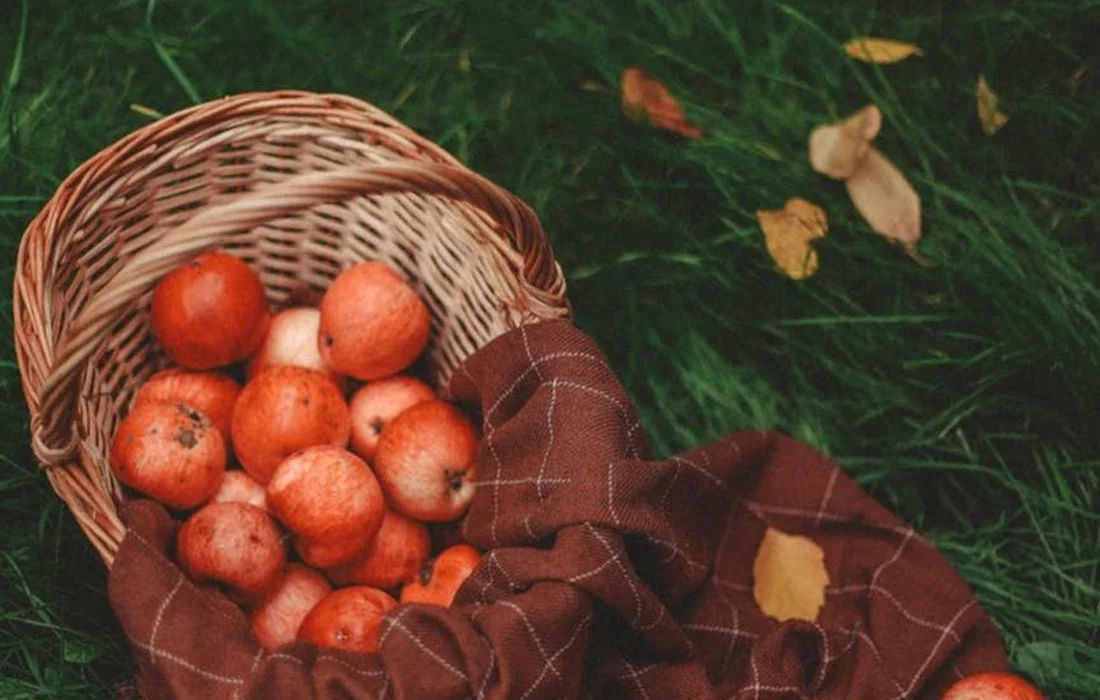
Now, I’d be plumb remiss if I didn’t sit a spell and talk about the other side of the coin. While apples are a fine treat, handing them out without a little forethought can lead to a heap of trouble right quick. Good stewardship means knowing the pitfalls as well as the perks.
The Danger of Apple Seeds and Choking
Let’s tackle the two big worries head-on: what’s inside the apple and the apple itself. First, them seeds. You’ve likely heard they contain cyanide. That’s true, but context is king here. The amount in a few stray seeds from a handful of apples is minuscule for an animal the size of a cow. A bovine would have to consume a truly staggering number of seeds-pounds of them-to face real toxicity. I don’t fret over the odd seed in a treat, but I make a habit of coring when I can, especially for a regular snack. It’s just a tidy practice.
The far more immediate danger is the whole apple. A cow, particularly an eager heifer, might try to swallow one whole. I’ve seen it happen in my own pasture, a moment that’ll stop your heart. That smooth, round shape is a perfect plug for a bovine esophagus. Always smash or slice apples into quarters or chunks before feeding to completely eliminate the choking risk. A few whacks with a hatchet or a sturdy knife is all it takes for peace of mind.
Overfeeding and Its Consequences
This is where most well-meaning folks get tripped up. An apple is a sugary, starchy delight, not a substitute for good hay or pasture. Think of it like cake for us-a slice is a celebration, but the whole cake makes you feel poorly.
- Digestive Upset: Too much sugar and starch at once can sour the rumen. This leads to bloat, scours, or a general slowdown in proper digestion. A sour stomach on a 1,200-pound animal is a serious matter.
- Nutritional Imbalance: Filling up on apples means they’re not eating enough of their fiber-rich forage. This can throw their delicate rumen pH out of whack and disrupt the microbial balance they need to thrive.
- Weight Gain & Metabolic Issues: Just like us, extra calories lead to extra pounds. For a beef animal, that’s not always bad, but for a dairy cow or a smaller breed, it can stress joints and overall health.
My rule of thumb is simple: one or two large apples per cow, per day, is a generous treat limit, and never more than 10% of their overall diet. I spread them out or offer them after they’ve had their fill of hay.
Avoiding Moldy and Spoiled Fruit
This one is non-negotiable, friends. That bucket of windfall apples from the back of the orchard, the ones that are soft, brown, and fuzzy? They belong in the compost, not the feed bunk. Mold produces mycotoxins, and those are a direct threat to your animal’s liver, nervous system, and immune function. Aflatoxin and patulin are two common culprits in spoiled fruit, and their damage is often cumulative and irreversible.
I inspect every piece of fruit I feed. If it’s bruised, I cut that part away generously. If it has any sign of mold-even a small spot-the whole fruit gets tossed. The risk of respiratory issues from inhaled spores or illness from ingested toxins isn’t worth the “thrift” of using spoiled feed. True thrift is in keeping your animals healthy and productive, not in scraping the bottom of the fruit barrel. When in doubt, throw it out. Your cows will thank you with good health, especially when you’re careful about what fruits you offer, like oranges, which require their own citrus safety considerations.
How to Feed Apples to Cows: A Step-by-Step Guide
Let’s walk through the right way to offer this sweet treat, so your herd stays happy and healthy. Proper preparation and portion control turn a simple apple into a safe, enriching snack for your cattle.
Step 1: Preparing Apples Safely
Your first job is to get those apples ready for bovine consumption. I always give store-bought or windfall apples a good scrub under cool water to remove any pesticide residue or dirt. Taking a minute to wash fruit prevents introducing unwanted chemicals to your cow’s delicate rumen. That same care also applies to watermelons and other melons. For cows, my complete guide covers rind safety and safe feeding practices.
For larger apples or for younger calves, I slice them into quarters or eighths. This isn’t just about size; it’s about safety. I learned years ago with a eager heifer named Bessie that a whole apple can be a choking hazard if swallowed too quickly. Cutting apples into chunks significantly reduces the risk of choking and helps slower-eating animals get their fair share. This is especially important for fruits like grapes and other small fruits that can be easily swallowed whole.
While a few apple seeds here and there likely won’t cause harm, I make a habit of coring them when I have the time. It’s a small, thrifty step for peace of mind.
- Wash thoroughly to remove dirt and chemicals.
- Cut into fist-sized chunks to prevent choking.
- Remove the core and stems if possible, especially for frequent treats.
- Always discard any rotten or moldy fruit immediately.
Step 2: Figuring the Right Portion Size
Apples are a treat, not a staple. Their main diet must remain quality forage or hay. As a rule of thumb, treats like apples should not make up more than 5% of a cow’s total daily dry matter intake. This is especially important when compared to other pets like rabbits, which have different dietary needs.
For a standard 1,400-pound dairy cow, that translates to roughly one or two large apples per day. For smaller beef cattle or calves, scale it down to a few chunks. I reckon it’s like us having a cookie after supper-it’s a delightful bonus, not the main course. Overfeeding fruit can lead to digestive upset, bloat, or an imbalance in their rumen pH because of the natural sugars.
Here’s a simple table I use for a quick reference:
| Animal Size | Recommended Apple Treat |
| Large Breed Dairy Cow (e.g., Holstein) | 1-2 whole apples, sliced |
| Midsize Beef Cow (e.g., Angus) | 1 apple, sliced |
| Weaned Calf (400-700 lbs) | 1/2 apple, in chunks |
Step 3: Timing and Frequency of Treats
Timing is everything when it comes to treats. I always feed apples after they’ve had their fill of hay or pasture, not before. Offering treats after their main meal ensures their rumen is already working on fibrous forage, which helps buffer the sugary fruit.
For frequency, think occasional rather than constant. In my routine, apples are a special reward for good behavior during handling or a weekend treat. Daily feeding is fine if you stick to the small portions, but mixing it up with other safe treats like carrots or pumpkins keeps their diet interesting. Consistency in timing helps train your cows and makes farm chores like moving herds or vet checks smoother for everyone involved.
- Feed apples only after primary forage consumption.
- Integrate treats as training aids during gentle handling sessions.
- Maintain a varied treat schedule to avoid dietary dependence.
Step 4: Monitoring After Feeding
Never just walk away after handing out treats. Stay and watch for a few minutes. You’re looking for normal, contented chewing and social behavior. Post-feeding observation is your best tool for catching any individual animal that might have a sensitivity or eat too greedily.
Keep an eye out for signs of distress, like bloating, excessive salivation, or a cow standing off by herself. I remember one fall when a new calf gobbled apple chunks too fast and needed a gentle pat on the side to encourage her to settle. Knowing each animal’s normal behavior allows you to spot the slightest change that might signal discomfort.
If you notice any issues, hold off on apples for a few days and ensure they have plenty of fresh water and hay to get their digestion back on track. This respectful stewardship ensures your kindness with treats doesn’t lead to unintended trouble.
Other Safe Fruits to Feed Your Cattle
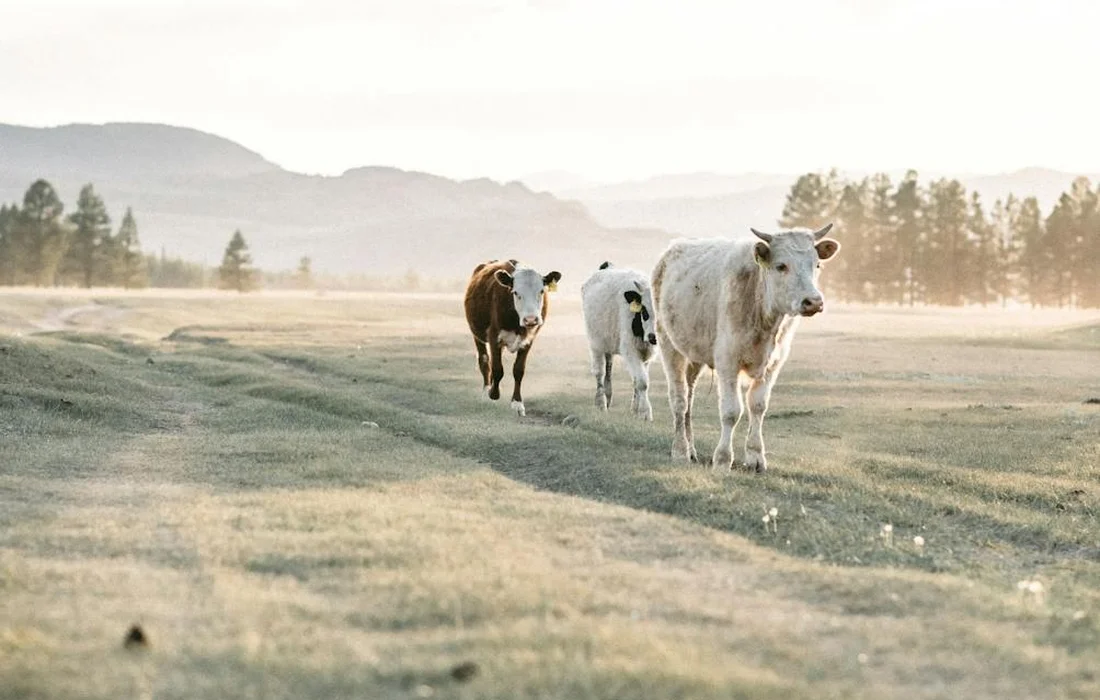
Now, while my girls do love a crisp apple, I’ve spent many an afternoon watching them enjoy other sweet offerings from the orchard and garden. Variety isn’t just the spice of life for us; it can offer your herd different vitamins and a welcome break from their usual hay, but always think of fruit as a dessert, not the main course. I remember one summer when my pear tree overproduced, and those pears became a cherished afternoon snack that the cows would line up for at the fence.
A List of Cow-Friendly Fruits
Based on decades of tossing treats from the bucket, here’s a list of fruits that have earned a safe spot in my feeding routine. I always wash fruits to remove any pesticide residue and cut larger ones into manageable chunks to prevent choking. For a quick reference, our safe fruits guide for cows covers peaches, mangoes, nectarines, and cantaloupe. It explains which fruits are safe and how to serve them safely.
- Pears: Soft, sweet, and full of fiber. I feed them cored and sliced. The seeds contain trace cyanide, but the amount is negligible for an animal of a cow’s size when fed occasionally.
- Peaches & Nectarines: These are a juicy favorite. I never feed the pit, as it’s a choking risk and contains amygdalin. The flesh itself is a good source of vitamins A and C.
- Watermelons: A superb hydrator on hot days. My cows eat the red flesh, the white rind, and even the seeds. The rind provides extra roughage, which is good for digestion.
- Bananas (including peels): Overripe bananas from my kitchen never go to waste. The whole fruit is rich in potassium and is surprisingly gentle on the rumen when given in moderation.
- Pumpkins & Squash: After Halloween, my cows get the pumpkins. They’re packed with beta-carotene and fiber. I simply crack them open so the cows can get to the insides easily.
- Berries (Strawberries, Blueberries): I scatter a few handfuls in their feed as a antioxidant boost. Because of the sugar, I keep this to a rare treat, maybe once a week during berry season.
Start with small amounts, like a cup or two per animal, to see how their stomachs handle a new treat before you offer more. I’ve learned that a sudden bucket of peaches can lead to loose manure, which nobody wants to clean up.
Fruits to Approach with Caution
Not everything from the fruit bowl is a barnyard blessing. Some fruits require extra steps or should be fed in tiny amounts to avoid health issues. When I’m uncertain, I err on the side of caution and skip it.
- Citrus Fruits (Oranges, Lemons): The high acidity can upset the delicate balance of the rumen. I might offer a few orange segments per cow as a winter vitamin C boost, but never more than that.
- Grapes and Raisins: While not toxic to cows like to dogs, their high sugar content can cause digestive upset. I avoid them because of the potential for mold and the risk of fermentation in the gut.
- Stone Fruits with Pits (Cherries, Plums, Apricots): The flesh is fine, but the pits are a hard no. They present a double threat: a choking hazard and cyanogenic compounds that can release cyanide when chewed. I always pit them first, which is a chore, so I rarely bother.
- Avocados: The flesh is debated, but the pit, skin, and leaves contain persin, a toxin. On my farm, we simply don’t feed avocados-it’s not worth the risk when there are so many other safe options.
- Very Starchy Fruits (like Green Bananas or Plantains): These can be harder to digest. If I feed them, I let them ripen fully first or cook them slightly to break down the starches.
Observe your animals closely after introducing any new food, and if you see signs of bloat or distress, remove the fruit immediately and call your vet. Stewardship means knowing when a treat is more trouble than it’s worth.
Fitting Apples into a Balanced Cow Diet
Now, I love seeing a cow’s ears perk up at the sight of a crisp apple as much as anyone, but we’ve got to remember our fundamentals. Apples are a delightful supplement, but they are guests at the table, not the hosts of the meal. Your cow’s daily plate should be piled high with fibrous forage-that’s what keeps the engine running.
From my own orchard, I’ve fed bushels of windfalls over the years, and the key is always balance. A handful of apples adds vitamins and enjoyment, but it doesn’t replace the protein and energy from their core ration. Let’s talk about how to make that balance work.
Maintaining Rumen Health with Proper Fiber Balance
That rumen is a mighty complex ecosystem, and it demands a steady supply of long, scratchy fiber to function right. Think of good hay or pasture as the roughage that keeps the rumen’s microbial workforce happy and productive. Apples, being mostly water and simple sugars, can quickly throw that system out of whack if you’re not careful.
I learned this lesson early on with a gentle Jersey named Buttercup. After she snuck into a pile of fallen apples, her digestion was off for a week, teaching me that even good things require moderation. For rumen stability, your cow’s diet needs to be high in structural fiber, often measured as Neutral Detergent Fiber (NDF). Beyond apples, there are harmful unusual foods that cows should never eat, as some toxins can disrupt digestion or cause illness. Being aware of these risks helps keep rumen health and overall well-being intact.
See how apples compare to staple forages:
| Feed Type | Dry Matter | Crude Protein | Neutral Detergent Fiber (NDF) |
|---|---|---|---|
| Fresh Apple | ~15% | ~0.3% | ~2% |
| Quality Grass Hay | ~85% | 8-12% | 60-70% |
That table tells the story plain as day. You’d have to feed a mountain of apples to get the fiber found in just a few flakes of hay, and all that sugar would cause problems long before you got there. To integrate apples safely, I stick to a simple routine.
- Always feed apples after the cow has consumed its main forage meal for the day.
- Limit intake to no more than one or two standard-sized apples per adult animal daily.
- Chop or slice them to prevent choking-a whole apple can be a hazard for an eager cow.
Treats vs. Core Nutrition: Keeping Priorities Straight
On a working homestead, every penny and every calorie counts for your animals. Core nutrition-from pasture, hay, grains, and minerals-is what builds tissue, produces milk, and sustains health through winter. Apples fall squarely into the “treat” category, and I use them as a tool for bonding and management, not nutrition.
I keep a bucket of apple chunks in the barn for when I need to move animals or check feet. This turns a potentially stressful moment into a positive one, reinforcing good behavior without undermining their diet. I also follow a consistent feeding schedule and portion control for the pigs. This keeps their intake predictable and supports overall health. Your feeding priorities should follow a strict order, much like we prioritize chores from most to least critical.
- Forage and Fiber: Unlimited access to clean water, salt, and high-quality hay or pasture is non-negotiable.
- Production Supplement: Provide grain, protein blocks, or specific minerals based on age, weight, and whether she’s milking or breeding.
- Enjoyment and Enrichment: Offer treats like apples only after steps one and two are fully satisfied.
Getting this order wrong is a common pitfall. Filling a cow with apples before her hay is like giving a child candy before supper-it spoils the appetite for what truly nourishes. Practice sustainable stewardship by viewing fruit as a seasonal blessing to be shared sparingly, not a dietary cornerstone. Your thriftiness and their well-being depend on it.
Special Considerations for Different Cattle
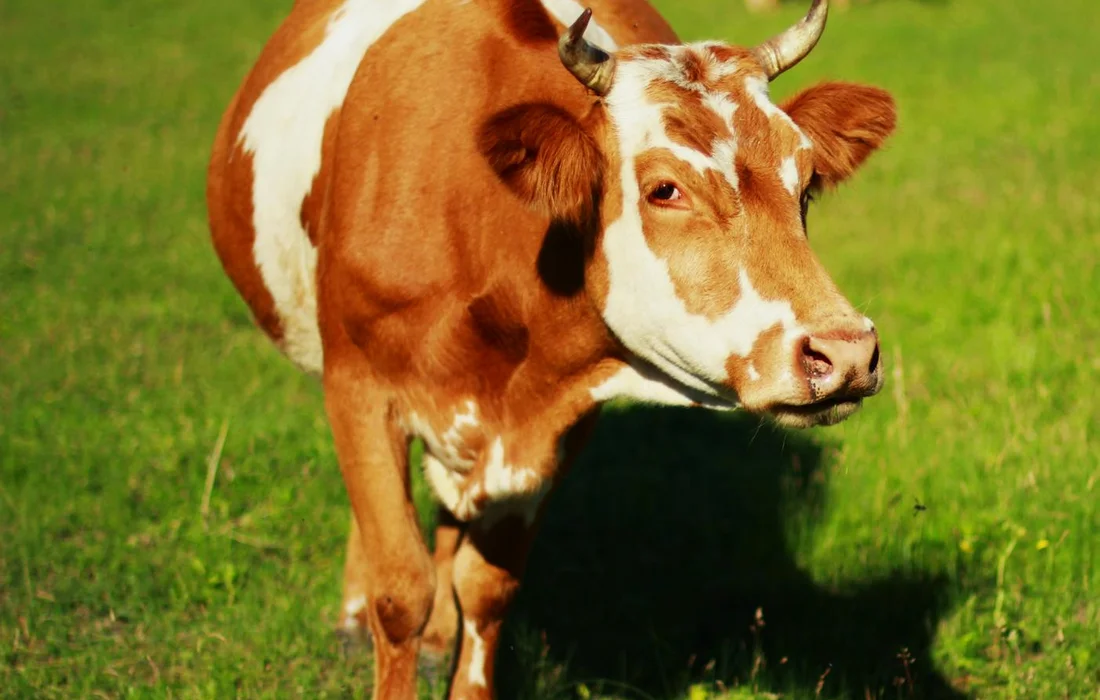
Now, just like folks, not all cattle are cut from the same cloth. A dairy cow’s job is different from a beef steer’s, and a growing calf has needs all its own. Treating them as individuals with specific requirements is the mark of a good steward, and it applies right down to their apple snacks. I’ve seen a one-size-fits-all approach cause more trouble than it’s worth, so let’s break it down.
Feeding Apples to Dairy Cattle
Your milk ladies work hard, and a crisp apple can be a fine reward. But remember, their rumen is a finely-tuned fermentation vat meant for making milk. Too much sugar from fruit can swing the acidity in that rumen, risking a condition called acidosis which’ll drop milk production faster than a leaky bucket. I keep it to a handful of chopped apples per cow, per day, and only after they’ve had their core ration of hay and grain.
Think of apples as a digestive garnish, not a main course. I often toss a few sliced apples into their feed bunk on a Friday afternoon-it’s a little weekly tradition they come to look forward to. This thrifty practice uses up windfalls from our old orchard without upsetting their nutritional balance. Always ensure they have plenty of clean water to help process the extra sugars.
- Limit to 1-2 pounds of apples per cow daily, strictly as a supplement.
- Always chop apples to prevent choking and aid rumen digestion.
- Feed after main meals to maintain stable rumen pH for optimal milk fat.
- Monitor milk yield and consistency; any drop signals it’s time to cut back.
Feeding Apples to Beef Cattle
For beef herds, apples can be a cost-effective way to add variety and extra calories, especially in the fall when pasture grass loses its punch. That natural sugar provides a quick energy boost that can help with finish and weight gain in the months before processing. I’ve used bushels of bruised apples from a neighbor’s orchard to stretch my grain feed, and the cattle always clean them up.
You still need to be mindful of moderation to avoid bloating or digestive upset. I scatter whole apples out in the pasture for them to find and crunch, which encourages natural foraging behavior and keeps them content. It’s a sight that brings me joy, watching them enjoy a simple pleasure. For steers on a finishing diet, I wouldn’t let apples exceed 5% of their total daily intake.
- Utilize cull or bruised apples to reduce feed costs sustainably.
- Spread feeding out over the day or across the pasture to prevent gorging.
- Integrate apples slowly into their diet over a week to allow rumen microbes to adjust.
- Continue providing free-choice hay or grass; apples are a complement, not a replacement.
Introducing Apples to Calves
Young calves have delicate digestive systems that are still developing. You can’t just hand a whole apple to a baby calf and expect all to be well. I wait until a calf is at least two months old and steadily eating forage before I even think about offering a taste of apple. My rule of thumb is to match the treat size to their mouth size-start tiny.
I recall hand-raising a shorthorn calf who took his first nibble of grated apple from my palm. His curiosity was a delight. The key is to introduce new foods like apples gradually and in a form they can manage safely, which builds trust and prevents scours. Always supervise their first few experiences to ensure they’re chewing properly.
- Begin with a tablespoon of finely grated or mashed apple once a week.
- Never offer whole apples or large chunks due to extreme choking risk.
- Observe stool consistency for the next 24 hours; any looseness means pause the treats.
- Use this as a bonding opportunity during handling to create calm, human-friendly animals.
Closing Questions
Can I feed my cows other orchard fruits like pears or peaches?
Yes, many other fruits are safe in moderation. Pears are a great choice, while stone fruits like peaches require you to remove the hazardous pit first. Always introduce any new fruit slowly and in small amounts to monitor your herd’s digestion.
How often is it safe to give my cows apple treats?
A few times a week is a good frequency for most herds. Think of apples as an occasional reward or enrichment, not a daily supplement. This prevents dietary imbalance and keeps the treat special for your animals.
What are the clear signs I’ve fed too many apples?
Watch for loose manure, signs of bloating, or a decrease in normal hay consumption. An animal standing apart from the herd or showing discomfort may also indicate digestive upset from overfeeding sugary treats.
Can I give apple cores to my pigs or chickens instead?
Yes, apple cores can be a fine treat for pigs and chickens, as the seed concern is minimal for these animals. For pigs, chop larger cores, and for chickens, breaking them apart helps prevent any potential choking. Pigs especially enjoy apples but make sure to feed them in moderation.
Are fruits with large pits, like plums, ever safe for cattle?
Only if you completely remove the pit. The flesh of plums, cherries, or apricots is safe, but the pits are a severe choking hazard and contain compounds best avoided. The work to pit them usually makes these fruits impractical for a herd.
Is there a best time of day to offer fruit treats?
The ideal time is after the animals have consumed their primary forage, such as in the afternoon after a morning of grazing. This ensures their rumen is stabilized with fiber first, which helps process the sugars more effectively.
Back to the Pasture
When it all shakes out, sharing your apple with a cow is a fine and wholesome thing. Just remember the golden rules of the barnyard: everything in sensible moderation, steer clear of the stems and cores, and always see that treat bucket as a *supplement* to their primary forage. The safest, happiest bet is to offer that apple whole, letting their powerful jaws do the work nature intended, while you stay close to watch for any eager gulpers.
I reckon that’s about all from this corner of the fence. I hope this guide helps your herd enjoy a little sweet variety in their days. There’s nothing quite like the sight of a contented cow on a cool morning. From my farm to yours-thank you for caring so well for your animals, and for taking the time to learn. Now go enjoy those gentle giants and the simple, good life y’all are building together.
Further Reading & Sources
- Feeding Apples or Apple Pomace in Cattle Diets
- Bad Idea to Feed Cattle Apples? | CattleToday.com – Cattle, Cow & Ranching Community
- Can cows eat apples and other fruits? – Quora
Caroline Mae Turner is a lifelong farm girl raised on red clay, early mornings, and the sounds of a bustling barnyard. With hands-on experience caring for everything from stubborn goats to gentle dairy cows and mischievous pigs, Caroline shares practical, tried-and-true advice straight from the farm. Her goal is to help folks keep their animals healthy, well-fed, and living their best barnyard life. Whether you're wrangling chickens or bottle-feeding a baby goat, Caroline brings a warm Southern touch and plenty of real-world know-how to every bucket in the barn.
Treat Suggestions