Can Pigs Eat Stone Fruits? Your Safe-Snacking Guide
Published on: May 10, 2026 | Last Updated: May 10, 2026
Written By: Caroline Mae Turner
Howdy y’all, and welcome back to the barn. Yes, your pigs can absolutely enjoy stone fruits like plums and peaches, but only after you’ve carefully removed the pits and stems. I’ve tossed many a bucket of bruised summer fruit to my hogs, but you’ve got to do the prep work first-it’s a chore that pays off in happy grunts and no vet calls.
- A bushel of overripe or windfall plums, peaches, nectarines, or cherries
- A sharp paring knife or your trusty thumbs for pitting
- A sturdy feed bucket or trough
- Five minutes of prep time before feeding
Let’s walk through the simple steps to make this seasonal treat safe, so you can get back to the rest of your fencing and feeding rounds with peace of mind.
Can Pigs Eat Stone Fruits? The Plain Truth
Yes, y’all, pigs can eat stone fruits, but I reckon that answer needs some barnyard context right quick. The juicy flesh of a ripe peach or plum is a fine, safe treat for your hogs, but only if you serve it with a heavy side of caution.
- Start with a direct, conditional yes: Pigs can enjoy these fruits, but always in strict moderation and with every single pit removed first. I never toss a whole fruit into the pen.
- Fresh flesh is safe, but treats are treats: The soft fruit meat is perfectly edible, but it must never make up more than 10% of your pig’s total daily diet. Their balanced feed is the main course; this is just dessert.
- Briefly hint at the main risks: Beyond being a choking hazard, those pits contain amygdalin, which can release cyanide when chewed or digested. The natural sugars in the fruit also mean too much can lead to unhealthy weight gain.
What Are Stone Fruits? A Homesteader’s Identification
Out here, we identify stone fruits by one simple feature: a single, hard seed or “stone” nestled inside the soft flesh. Getting to know this family helps you keep your pigs safe without having to memorize a different rule for every fruit tree on the property. That same knowledge also applies to goats, where stone-fruit safety matters for treats. Peaches, plums, and persimmons can be offered in moderation, with pits fully removed and portions sized to avoid choking or upset stomachs.
- Define stone fruits as those with a single, hard seed (pit) inside: If you have to wrestle a large, rocky seed from the center, you’re holding a stone fruit. My grandma called them “clingstone” or “freestone” depending on how stubborn that pit was.
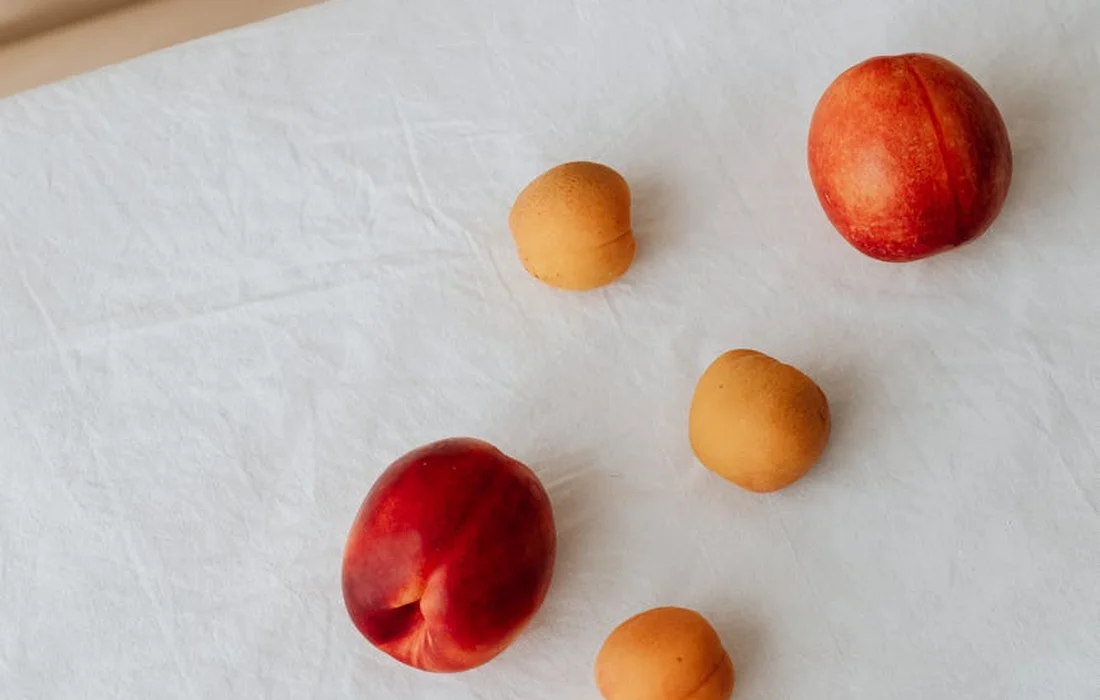
- List common examples: In my orchard and at the market, I see plums, peaches, nectarines, apricots, cherries, and even figs. If you’ve ever canned peaches, you know exactly the kind of pit I’m talking about.
- Understanding this group helps in applying uniform safety rules: Once you spot that characteristic pit, you know the drill for all of them: remove the stone, feed the flesh sparingly. It turns a potential puzzle into a simple, safe routine for every pig in your care.
The Real Risks of Feeding Stone Fruits to Pigs
Now, let’s get down to the brass tacks of why we can’t just toss a bushel of peaches over the fence and call it a day. Giving pigs stone fruit without a mindful approach is like inviting trouble to dinner. Respect for these clever animals means understanding the very real hazards hiding in that sweet, juicy flesh.
Choking and Blockage: The Physical Danger of Pits
A pig’s powerful jaws are made for crushing, but a slick, hard pit is a different beast entirely. A whole pit can easily become lodged in the throat, causing a choking panic. Even if swallowed, that dense, indigestible object can travel down and create a life-threatening intestinal blockage. I’ve seen a hog get miserably backed up from eating walnuts still in the shell, and a peach pit poses a very similar, solid risk. Pigs are natural opportunistic feeders, with a digestive system designed to process a broad range of foods. That curiosity to sample a wide variety of items can backfire when they encounter hard, indigestible pits.
I remember one fall, a neighbor’s overzealous grandson fed their Berkshire gilts a pile of plums, pits and all. Within two days, one sow was off her feed and visibly uncomfortable. It took a vet call and a lot of worried observation before she passed the obstruction. We were lucky. That lesson, learned the hard way on another farm, cemented my rule: the pit always goes in the compost, never in the pig.
Cyanide Toxicity: The Hidden Chemical Threat
Here’s the sneaky danger most folks don’t reckon with. Inside the hard shell of that pit are compounds called cyanogenic glycosides. When the pit is cracked, chewed, or damaged-which a pig’s strong molars are fully capable of doing-those compounds can release tiny amounts of cyanide. While a single pit likely won’t cause harm, a pile of chewed-up pits from a windfall fruit bounty absolutely can.
Symptoms come on fast and are severe: labored breathing, staggering, weakness, and even convulsions. This isn’t a mild tummy ache; it’s a acute poisoning that requires immediate veterinary intervention. It’s the best argument for taking the extra minute to pit the fruit yourself, controlling what they can access.
Digestive Upset: Sugar, Diarrhea, and Constipation
Even with the pits safely removed, the fruit itself demands moderation. Stone fruits are sugar bombs. Too much sugar too fast disrupts the delicate microbial balance in a pig’s gut, leading to scours-that’s farm talk for nasty, dehydrating diarrhea. Conversely, a sudden change in diet without enough fiber can also bind them up.
You must balance these sweet treats with their fibrous, mainstay ration. Think of fruit as the dessert, not the main course, and you’ll keep their digestion running as smooth as a well-greased gate hinge. A good rule of thumb is treats should never make up more than 10% of their daily intake. A few sliced peaches mixed into their dinner slop is a treat; a half-rotted crate of plums is a recipe for a mess.
Spoiled Fruit and Mold: A Common Barnyard Hazard
This might be the most common pitfall I see, pardon the pun. It’s tempting to scoop up the mushy, bruised, or moldy fruit from under the tree and give it to the pigs. Resist that temptation. Mycotoxins from mold can cause a whole host of health issues, from respiratory distress to organ damage. Fermenting, spoiled fruit can also cause alcohol poisoning.
If you wouldn’t cut away the bad spot and eat it yourself, don’t feed it to your livestock. Their robust constitutions aren’t magic. When it comes to mandarin and citrus safety, moderation matters for livestock. Be mindful of peels and seeds and check citrus-specific guidelines before feeding. Feeding only fresh, ripe, or cleanly frozen fruit is a cornerstone of good stewardship. It’s a simple act of care that prevents costly vet visits and a whole lot of heartache down the road.
How to Safely Prepare Stone Fruits for Your Pigs
Now, I don’t just toss any ol’ thing from the orchard over the fence. Good stewardship means a little prep work goes a long way to keep your hogs healthy and happy. Taking these few simple steps turns a potential hazard into a perfectly safe, delightful treat your pigs will grunt for.
Step 1: Meticulously Remove All Pits and Seeds
This is the non-negotiable rule. That hard stone in the middle? It’s a triple threat: a choking risk, a digestive blockage waiting to happen, and the source of that troublesome amygdalin. Your job is to remove every single one.
- Gather a sharp paring knife and a sturdy cutting board. A cherry pitter works wonders for smaller fruits like plums if you’ve got a bunch.
- For peaches and nectarines, slice from the stem down along the natural seam, right to the pit. Twist the halves apart. Use your knife to pop the pit out from one half.
- For plums and apricots, make a similar cut all the way around the fruit, twist, and remove the pit.
- Now, here’s the crucial part my Grandma taught me: inspect the fruit flesh closely for any fragments of the hard, woody shell or the almond-shaped seed inside. Dig out any leftover bits with the tip of your knife. If a pit is cracked or shattered in the fruit, I reckon it’s safer to compost that piece entirely.
Step 2: Wash Thoroughly and Cut into Pig-Sized Pieces
Think about where that fruit has been. Even from your own trees, windblown dust, bird visits, and natural yeasts mean a quick wash is just good barnyard sense.
- Rinse all pitted fruit under cool, running water. Give it a gentle scrub with your fingers. For store-bought or non-organic fruit, a quick soak in a vinegar-water solution (one part vinegar to three parts water) helps remove surface residues.
- Once clean, consider your pig’s size. A giant Berkshire might inhale a whole pitted peach, but a younger Juliana could struggle. I chop larger fruits into rough, bite-sized chunks or slices to prevent any greedy gulping that could lead to choking. For a herd, I’ll often cut a bushel into quarters and scatter them to encourage foraging behavior and reduce squabbling.
Step 3: Introduce Slowly and Always Feed in Moderation
Pigs have cast-iron stomachs, but even iron can rust with sudden change. Their main diet must always be a balanced, complete swine feed.
- Start by offering just a few pieces to your herd. Watch them for the next day. You’re looking for normal appetite and manure. An upset pig is a miserable pig.
- If all is well, you can make stone fruits an occasional reward. I might toss some in on a hot afternoon or after a hoof-trimming session. A good rule of thumb is that all treats combined, including fruits and veggies, should never make up more than 10% of their daily food intake. Too much sugary fruit can lead to pudgy pigs and unbalanced nutrition.
- Feed them fresh. Don’t let cut fruit sit and ferment in their trough or in the sun. Whatever they don’t eat in a short while, clean it up. It’s about respect for the animal and respecting the food itself.
Stone Fruit Serving Sizes for a Balanced Pig Diet
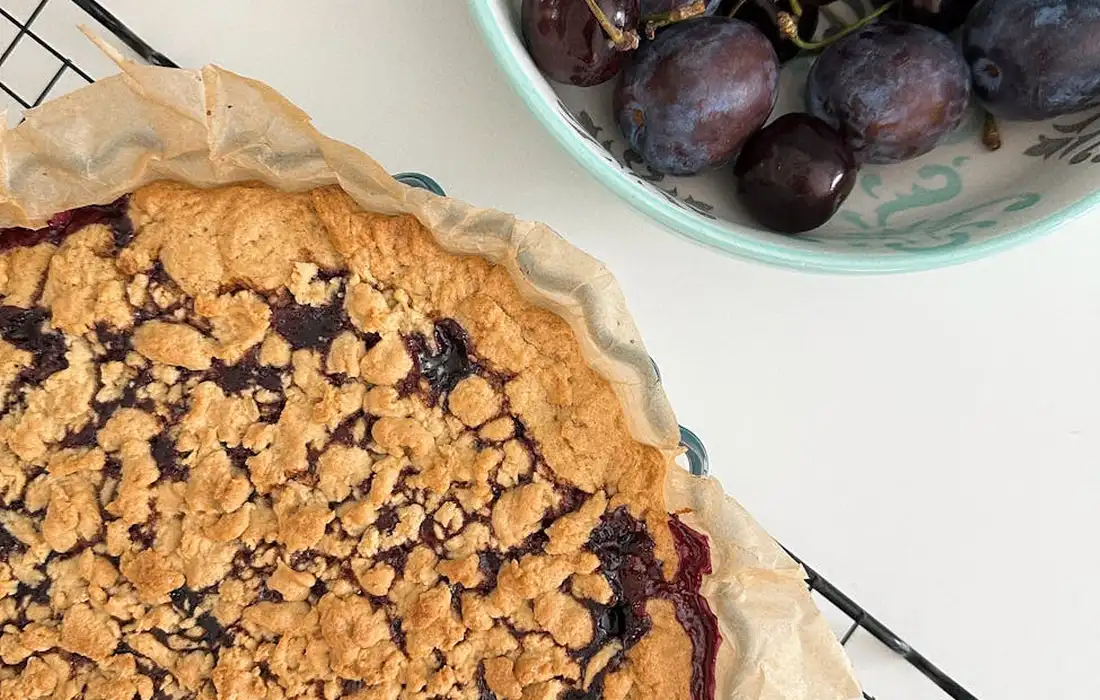
Figuring out the right amount is where good husbandry meets common sense. I treat stone fruits like a special Saturday supper-a welcome change, but never the backbone of the meal. My old sow, Bessie, taught me that lesson after she once cleaned up a windfall of overripe plums and spent a day looking mighty sorry.
| Fruit Type | Recommended Serving | Frequency |
|---|---|---|
| Plum (pitted) | 2-3 ounces (approx. 1 medium fruit) | 2-3 times weekly |
| Peach (pitted) | 3-4 ounces (approx. 1/2 a large fruit) | 2-3 times weekly |
| Apricot (pitted) | 1-2 ounces (approx. 2-3 fruits) | 1-2 times weekly |
This table is your starting point for a hog around 200 pounds. You must adjust that serving based on the scale in your barnyard, not the one in your kitchen. For a 50-pound piglet, a single ounce of chopped peach is plenty. A 400-pound breeding sow could handle maybe four ounces, but I rarely give that much.
Think of their life stage like you would a growing child. Young, growing pigs need their protein for frame and muscle, so limit fruit treats to a scant few times a week to avoid filling up on sugar. For a broader view of what pigs eat and how to balance their nutrients, the comprehensive guide to pig nutrition covers it all. It ties stage-based feeding to the full dietary picture. For older maintenance hogs, you have a bit more leeway, but the rule of thriftiness says don’t let good feed go to waste in favor of treats.
All those snacks add up faster than you think. Every bite of peach or plum should fit inside the strict rule that treats never exceed 10% of their total daily food intake. The other 90%? That’s for their complete, balanced ration. It’s the respectful way to ensure your animal gets all the nutrients it needs without guesswork.
Expanding the Menu: Other Fruits for Your Pig’s Diet
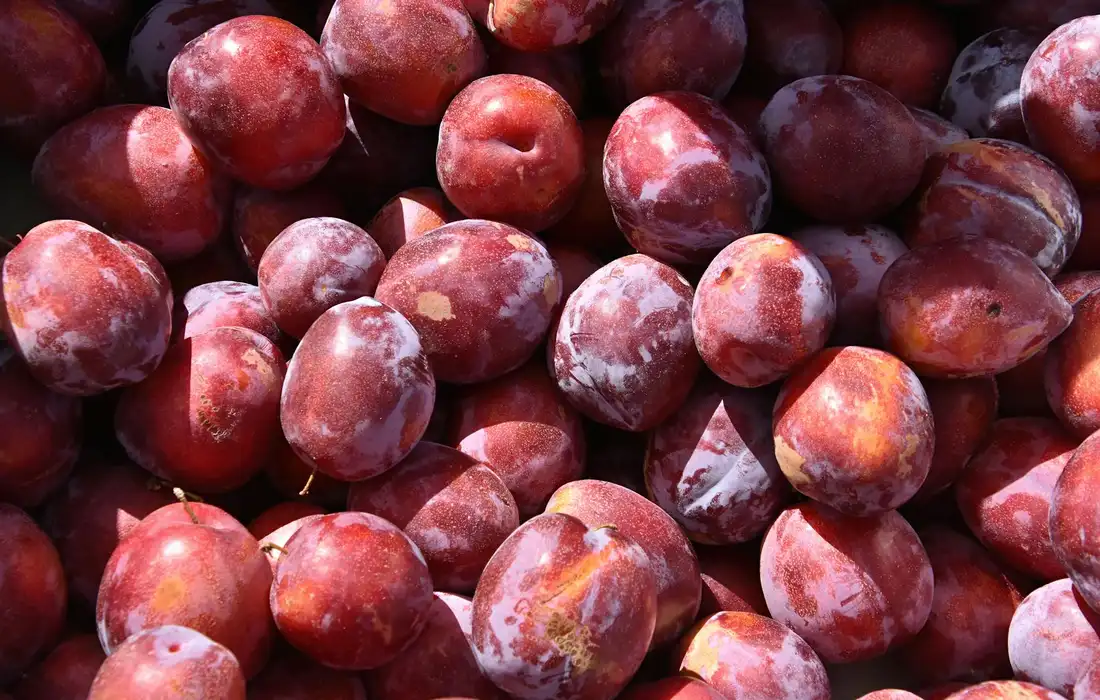
While stone fruits are a fine seasonal treat, a pig’s fruit salad shouldn’t end there. Offering a variety of safe fruits keeps your pigs mentally stimulated and adds valuable vitamins to their daily roughage. I’ve found that tossing different treats into their trough is a wonderful way to observe their personalities-some will root for berries first, while others make a beeline for melon. This ties into our complete fruit diet guide for pigs, which outlines safe choices and proper portions.
Safe and Enjoyable Fruit Treats for Pigs
Your pigs will thank you for these delightful and safe options. Remember, these are treats, not the main course—I reckon they should make up no more than 10% of their total daily intake. Understanding their feeding habits and natural scavenging tendencies helps keep safety a priority. Watching how quickly they snack can prevent overeating and choking.
- Watermelon (Rind Included): A summer favorite on my farm. Pigs can eat the whole thing-flesh, rind, and seeds. That tough rind is packed with fiber and provides a great, hydrating chew on a hot afternoon. Just smash it open so smaller pigs don’t struggle.
- Apples (Cored, Seeds Removed): A classic. The flesh is perfectly safe and much loved. Always remove the core and those brown seeds. While a few stray seeds won’t cause harm, consistently feeding apple seeds introduces small amounts of cyanide, which we avoid through simple coring.
- Berries (Strawberries, Blueberries, Raspberries): These are nutrient powerhouses. I often toss handfuls into their wallow area for a fun forage session. Their antioxidants are a bonus, but the real value is in the low-sugar, high-fiber enrichment they provide. No preparation needed beyond a quick rinse.
- Pumpkins and Winter Squash: After Halloween, our pigs get the jack-o’-lanterns. These gourds are fantastic for digestion and can be fed whole-the act of breaking them open is a natural, engaging activity for the herd. The seeds even have deworming properties.
Fruits to Absolutely Avoid in the Pig Pen
Just as important as knowing what to feed is knowing what to keep behind the gate. Stewardship means protecting them from harm they cannot understand, and that includes a few common kitchen scraps. I keep a list right on the fridge to remind everyone.
- Avocados (Every Part): Every part of the avocado-the pit, skin, leaves, and flesh-contains persin. Persin is a fungicidal toxin that can cause serious respiratory distress, heart congestion, and death in pigs, so this is one fruit that never crosses the fence line.
- Grapes and Raisins: The exact toxin is still unknown, but these are proven to cause acute kidney failure in some animals. It’s simply not a risk worth taking, especially when so many other safe treats are available for your rooting friends.
- Green Potatoes & Tomato Vines: These are part of the nightshade family. When potatoes green or sprout, their solanine levels spike. Solanine is a potent glycoalkaloid poison that causes severe gastrointestinal and neurological upset in livestock. Play it safe and only feed clean, non-green potato peels in strict moderation, and keep the tomato plants themselves out of the pen.
Closing Tips & Common Questions
Are figs considered a stone fruit, and are they safe for pigs?
Yes, figs are botanically a type of stone fruit (a “multiple fruit” of many tiny individual drupes). The numerous small, edible seeds pose no cyanide risk like a single large pit, but the high sugar content means figs should be fed sparingly, just like plums or peaches.
Can pigs safely eat fig leaves or stems from the tree?
Fig leaves and stems are generally non-toxic and can be consumed in small amounts. However, they offer little nutritional value and the milky sap can be irritating, so it’s best to stick with the ripe fruit itself as a treat. Chickens can enjoy ripe figs as an occasional treat. For chicken safety, the fruit is preferred, while leaves and stems are best avoided.
What about feeding pigs dried stone fruits, like dried plums (prunes) or figs?
We do not recommend feeding dried stone fruits. The dehydration process concentrates the sugars immensely, which can severely disrupt a pig’s digestion and lead to obesity. Unlike sweets and chocolates, these natural treats should be given sparingly. The dense, chewy texture also becomes a significant choking hazard.
Can I give prepared stone fruit to my other barnyard animals, like chickens or cows?
Yes, with the same strict precautions. Always remove pits for all animals. Chickens can enjoy small, chopped pieces, while cows can have larger portions. For all species, these are sugary treats that must only be a tiny part of a balanced diet. Even when feeding cherries to chickens and ducks, ensuring the pits are removed is crucial for their safety.
How should I handle a large windfall of stone fruit I can’t prepare all at once?
If you cannot pit the fruit immediately, store it in a cool, dry place or refrigerate it to slow spoilage. Do not let it sit and ferment. You can also freeze pitted fruit in batches for safe, future use.
What immediate steps should I take if I suspect my pig has eaten a fruit pit or shows signs of distress?
Immediately remove any remaining fruit and pits from their reach. Contact your veterinarian right away, detailing what and how much you suspect they ate. Do not wait to see if symptoms worsen, as blockages or toxicity require urgent professional care.
Back to the Pasture
It’s a fine thing, sharing your bounty with a grateful pig. Stone fruits can be a sweet part of that, but the rule here on my place is simple: The single most important thing you can do is treat every peach pit and plum stone like the hazardous core it is-remove it before your pigs ever get a taste. Pair that with strict moderation, and you’ve turned a potential problem into a perfectly safe treat—unlike some citrus or exotic fruits that can cause issues even when properly prepared.
I reckon that’s about all from my corner of the fence today. I hope this helps y’all feel confident when those summer branches get heavy. There’s little better than the contented grunts of a pig enjoying the good life you’ve provided. Now, go enjoy your critters and that beautiful, messy, wonderful homestead life.
Further Reading & Sources
- Safe and Delicious Fruits for Guinea Pigs
- 39 Things Pigs Can Eat and 13 They Cannot [PDF Checklists]
- Feeding Your Mini-Pig | VCA Animal Hospitals
Caroline Mae Turner is a lifelong farm girl raised on red clay, early mornings, and the sounds of a bustling barnyard. With hands-on experience caring for everything from stubborn goats to gentle dairy cows and mischievous pigs, Caroline shares practical, tried-and-true advice straight from the farm. Her goal is to help folks keep their animals healthy, well-fed, and living their best barnyard life. Whether you're wrangling chickens or bottle-feeding a baby goat, Caroline brings a warm Southern touch and plenty of real-world know-how to every bucket in the barn.
Diet Requirements