
Pasture Safety: Using Cedar and Pine Trees for Goats and Sheep
Published on: July 29, 2026 | Last Updated: July 29, 2026
Written By: Caroline Mae Turner
Welcome back to the barn. You can safely integrate cedar and pine trees into your goats’ and sheep’s browsing routine, but the real trick is limiting how much of the dry needles and stringy bark they consume at one time. I’ve watched my own Nubians and Dorpers under the cedars for years, and moderation has always been the golden rule for keeping their rumens happy.
- What you’ll need:
- Time for daily pasture checks
- A sturdy pair of loppers for trimming branches
- Fresh hay and water to balance their diet
We’ll get this all figured out together, so you can move on to the next chore on your list with peace of mind.
What’s in a Needle? Understanding Cedar and Pine Risks
Now, let’s get down to the root of the matter. I reckon most folks see a green branch and think it’s all the same, but that’s where trouble can start. These trees have built-in defenses, and our ruminants aren’t always equipped to handle them.
Cedar, especially Eastern Red Cedar, packs a powerful punch of aromatic oils and compounds like thujone. These oils can irritate the stomach lining and, in strong enough doses, disrupt the rumen’s delicate fermentation process, which is the very engine of your goat or sheep’s health. I’ve seen a curious young wether take too many mouthfuls of fresh cedar and spend the next day looking downright sorry for himself.
Pine presents a different, and more famous, danger. The needles contain isocupressic acid, a compound that acts as a vasoconstrictor. This acid is the primary culprit in pine needle abortion, a real and devastating risk for pregnant ewes and does in their last trimester. The bark and heartwood can also harbor high concentrations. It’s not a poison that causes immediate sickness in most animals, but its effect on expecting mothers is swift and severe. This is quite different from other plant toxins like tansy that can pose risks to goats and sheep.
Reading the Signs: Symptoms of Pine and Cedar Toxicity
Your animals will talk to you, if you know how to listen. The signs might be subtle at first, but they’re your cue to step in and change their menu. Keep a watchful eye, especially if you know they’ve been browsing where these trees have fallen or been trimmed.
Spotting Trouble from Cedar Browse
Problems from cedar often stem from overconsumption, usually when other forage is scarce or the animal is just too curious. You might notice a drop in their usual pep.
- Lethargy and appearing “off” their feed.
- Reduced rumen activity-that side of their belly won’t have its normal, steady churning.
- Signs of digestive upset: mild bloating or softer manure.
- In significant cases, you might see neurological signs like mild incoordination.
The key with cedar is that symptoms usually follow a recent feast on the greenery, and removing the source often leads to a quick recovery. My first Nubian doe taught me this lesson after she stripped a lower branch one snowy afternoon; she was back to her bossy self by the next morning after I kept her in the dry lot with good hay.
Recognizing Pine Needle and Bark Problems
For non-pregnant animals, nibbling pine occasionally rarely causes acute illness. The real vigilance is required for your bred females.
- The hallmark sign is sudden abortion in late pregnancy, often with no other warning.
- Before abortion, a ewe or doe may appear withdrawn, separate herself, and show little interest in food.
- You may observe premature udder development or vaginal discharge.
- In any animal after heavy consumption, watch for weakness, pale gums, and rapid breathing.
Once the process of pine needle abortion begins, it is rarely stoppable, making prevention your only reliable tool. If you lose a mama to this, it’s a heartbreak you won’t forget, and it’s why I’m so firm on keeping those pregnant girls well away from pine windfalls in the pasture.
Branch by Branch: A Practical Guide to Safe Browse

The Truth About Cedar Bark and Needles
Let’s set the record straight on cedar, starting with the one most folks around here have in their fence rows: the Eastern Red Cedar. Now, its sharp, scale-like needles and aromatic bark are mighty tempting to a bored goat or a sheep looking for a scratch. The oils that give cedar its wonderful smell-like thujone and others-are where the caution comes in. In my decades of tending herds, I’ve seen that these oils can irritate a ruminant’s gut if they make a regular meal of the stuff, but a occasional branch is a different story. I reckon it’s like us and hot peppers; a little adds interest, but a whole plateful causes trouble.
The bark itself is fibrous and tough, which can be good for wearing down teeth naturally. You’ll find the crude protein in those needles is puny, often sitting around 4-6%, which means it can’t hold a candle to proper legume hay. I keep a close eye during late winter when my goats are eyeing the cedars more intently, and I’ve never had a problem by following one simple rule: never let it be their only option. Variety in the browse is your best friend for keeping their digestion humming.
The Lowdown on Pine Bark and Needles
Pines are a softer touch, literally, with their long needles, but they come with their own considerations. Species like White Pine are generally regarded as safer, while Ponderosa and Lodgepole pines have a stronger reputation for causing issues, especially with pregnant does and ewes. The concern with pine needles isn’t so much about daily toxicity but about specific compounds that can affect blood flow and pregnancy when consumed in very large quantities over time, especially compared to other types like fir or spruce needles from Christmas trees. I’ve used fallen white pine boughs as enrichment in my sheep pen for years without a hitch.
That pine bark, once it’s dried and aged a bit, can be a source of entertainment and fiber. Fresh, sappy bark from a young tree is what you want to avoid, as the resin content is high and can lead to sticky digestive woes. If you’re clearing land, letting those pine logs season for a few months before offering the bark is a thrifty, smart move. It turns a potential waste product into a harmless boredom-buster for your flock.
Smart Foraging: Husbandry Tips for Tree Fodder
-
Always Provide Prime Forage First
This is the golden rule of barnyard stewardship. Your animals’ bellies should be mostly full of their core ration before they ever get a taste of tree browse. That means high-quality grass or alfalfa hay, with a protein content of 12-18% for most goats and sheep, should be the foundation of every meal. I feed my herd their hay at dawn and dusk, and only then might I toss in a few cedar branches from the latest pruning. When their primary nutritional needs are met, they’ll treat the bark and needles as the mild supplement it is, not a desperate food source. Proper diet is crucial for maintaining a healthy and sustainable feeding routine.
-
Offer Branches as Occasional Treats, Not Staple Food
Think of tree fodder like a slice of pie-a fine weekend treat but not what you build your diet on. I make it a habit to offer these woody snacks no more than once or twice a week, and I always remove what’s not eaten within a day to prevent spoilage and overconsumption. This practice keeps the experience positive and novel for the animals. It also mirrors natural foraging where they’d encounter different plants in a varied landscape, not a monoculture of cedar or pine.
-
Choose Mature Wood Over Succulent New Growth
Those bright green, tender shoots at the end of a branch are packed with the strongest concentrations of oils and resins. For the safest browse, select branches that are at least the diameter of your thumb from a tree that’s several years old, favoring the browner, woodier parts. The mature material is drier, less potent, and better for their complex stomachs to process. When I prune my shelterbelt, the older trimmings go to the goats, and the juicy new growth goes to the burn pile.
-
Observe Your Herd’s Individual Reactions
Just like people, every animal has its own sensitivities. After introducing any new browse, watch your critters closely for the next 24 hours for signs of off behavior, like loose stool, bloat, or a sudden lack of interest in their hay. I keep a simple notebook on the barn wall to jot down who ate what and how they fared. One of my Nubian does can handle cedar just fine, while her sister does better with pine-knowing their individual tolerances is a mark of good, attentive husbandry.
Beyond the Browse: The Bedding Question
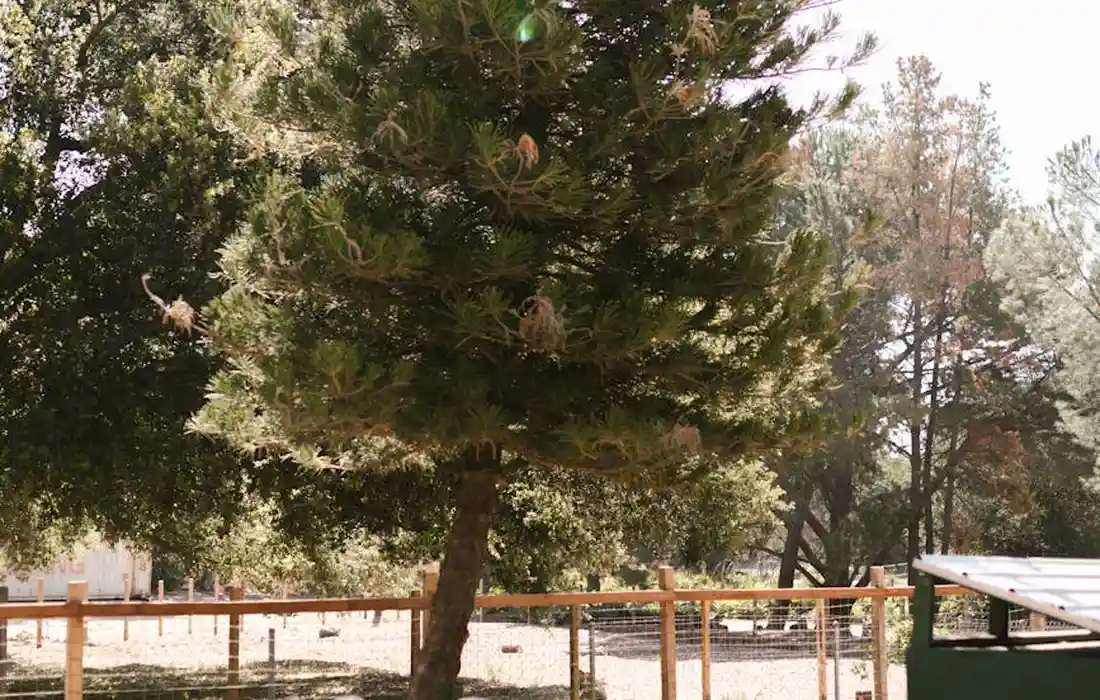
Now, I reckon some of y’all are thinkin’ about those fluffy piles of wood shavings in the feed store. If pine is mostly okay for nibblin’, can’t we use cedar or pine shavings for bedding? Well, we’re shiftin’ from the salad bar to the mattress, and the rules change a bit.
I’ve bedded down many a critter over the years, and here’s the barnyard truth. Fresh, dry pine shavings are my absolute go-to for lambing and kidding pens, and I’ve never had a issue traceable to the bedding itself. They’re absorbent, affordable, and that mild scent seems to freshen the stall.
Cedar Bedding: A Strong Smell Means Strong Chemicals
Cedar is where I draw a firm line in the bedding. Those aromatic oils we talked about? In a closed-up stall, they’re concentrated. While a mouse might hate it, your lamb or kid’s developing lungs might not thank you for it.
- Phenols & Puppies: It’s why cedar bedding isn’t recommended for small pets like rabbits and guinea pigs-those same volatile compounds can cause respiratory irritation in vulnerable animals.
- The Ventilation Rule: If you must use cedar, it should only be in a barn with superb, draft-level ventilation, and I’d still avoid it for young, old, or sick stock.
- My Barn Rule: I save the cedar for lining my own storage chests to keep moths out. The sheep get pine.
Pine Bedding: The Practical Choice
For everyday use, kiln-dried pine shavings are a homestead staple for good reason. The kiln-drying process reduces the moisture and resin content significantly, making it safer than fresh pine lumber.
- Seek “Kiln-Dried”: Always look for this on the bag. It’s not just for weight; it’s a safety step.
- Dust is the Devil: Avoid fine, dusty shavings. That dust is pure lung irritation. Coarse shavings or even pine pellets (which break down) are superior.
- Keep it Dry, Keep it Deep: The real danger with any bedding comes from letting it get damp and moldy. A deep, dry bed of pine shavings is a throne fit for a pregnant ewe.
Safer Greenery: Excellent Browse Alternatives
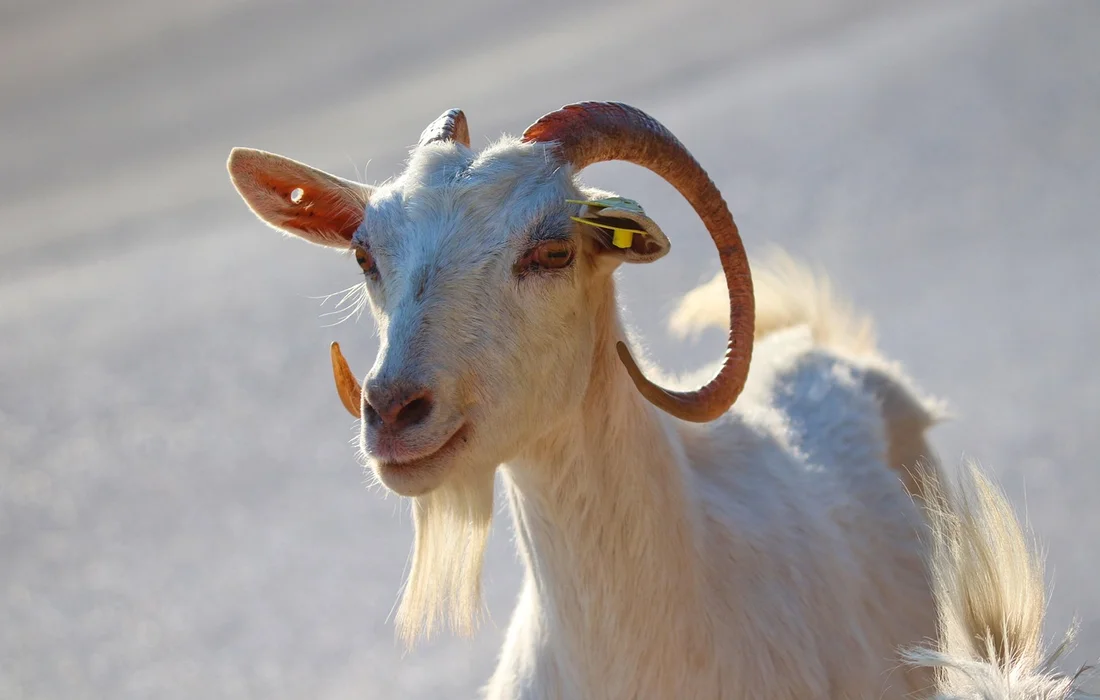
Since we’re limiting the conifer cafeteria, let’s talk about the all-star browse plants that’ll have your goats and sheep dancing a jig. Providing variety isn’t just about pleasure; it’s a cornerstone of natural nutrition and parasite management.
I plant these around my pastures like living fences and salad bars. They grow back hearty after pruning, and watching the flock enjoy them is a pure delight.
Top-Shelf Browse Plants
- Willow (All Types): A superstar. Goats adore it. It contains salicin, a natural anti-inflammatory, and is perfectly safe. I cut branches and let them browse at will.
- Mulberry Leaves: These are like candy. High in protein (often 15-20% when fresh!), they’re a nutritious powerhouse. The fruit is a bonus for you and the birds.
- Blackberry & Raspberry Canes: Once the season’s fruit is gone, those thorny bushes become prime browse. The leaves are highly palatable and nutritious. The thorns help slow ’em down, too!
- Hardwood Saplings: Maple, ash, poplar, and fruit tree trimmings (excluding stone fruit leaves when wilted) are generally excellent. I feed my apple trimmings every fall.
Pasture Partners for Grazers
Don’t forget the power of a diverse pasture itself. I overseed my grassy fields with these for a boost.
- Legumes: Ladino clover, red clover, and alfalfa are protein-rich wonders. They fix their own nitrogen in the soil, cutting your fertilizer bill while fattening your flock.
- Browse Shrubs: Planting a hedge of Siberian pea shrub or honey locust (thornless!) provides long-term, drought-resistant browse that’s tough as nails.
- Herbal Helpers: Chicory, plantain, and dandelion aren’t weeds; they’re mineral-rich, deep-rooted supplements that thrive in poor soil.
Rotating your animals through paddocks with these plants does more than fill bellies. It breaks parasite cycles, encourages natural foraging behavior, and builds resilience from the ground up. That’s stewardship you can taste in the milk and see in the sheen of a healthy fleece.
Closing Questions
Can goats and sheep eat cedar needles as a primary food source?
No, cedar needles should never be a primary food due to irritant oils that can disrupt rumen function. They are low in protein and should only be an occasional supplement to a balanced diet of quality hay. For rabbit habitats and enrichment, avoid pine, cedar, or fir wood needles and related products, as they pose safety risks. Keep bedding and toys free of these materials to support safe diets and habitats.
Is it safe for animals to strip and eat cedar bark from trees in the pasture?
Allowing unlimited access to cedar bark is risky because its aromatic compounds can cause digestive upset if overconsumed. For safety, offer only small amounts of mature, dry bark as a periodic chew toy, not a food source.
Are pine needles toxic to all goats and sheep, or just pregnant ones?
Pine needles pose a significant abortion risk to pregnant does and ewes due to isocupressic acid, but non-pregnant animals may tolerate occasional nibbles. However, all animals should avoid large quantities to prevent potential health issues. Rabbits, for example, may nibble on evergreen branches such as spruce or a Christmas tree. To protect rabbits, keep these trees out of reach or supervise access to decorations.
Can I give my herd pine bark from freshly cut trees?
Avoid fresh pine bark as it contains high resin levels that may lead to digestive woes. Instead, use bark from logs that have been seasoned for several months to reduce resin content and make it a safer, fibrous treat.
How do I balance the risks of cedar and pine with their benefits as browse?
Always provide these materials sparingly, after animals have filled up on their main forage. Monitor intake closely and remove uneaten browse within a day to prevent overconsumption and maintain rumen health. This is especially important when dealing with any digestive issues in goats.
Should I be more concerned about cedar needles or cedar bark for my flock?
Both require caution, but needles often have higher concentrations of irritant oils, while bark can be tougher and more fibrous. Limit access to both, focusing on mature parts and observing individual animal reactions.
Shutting the Gate
After all this chatter about pines and cedars, the heart of the matter is this: your animals rely on your watchful eye and good sense. The single best thing you can do is treat those trees like a potent seasoning-a little bit adds interest, but the main meal must always be good, varied forage from your pasture or hay. I’ve kept goats for thirty years, and I learned this lesson early when a couple of my Nubians stripped a young cedar sapling bare one lean spring; it took a week of extra alfalfa and careful monitoring to set their digestion right. Your flock’s health hinges on balance and your willingness to read their behavior. That means applying goat foraging pasture management best practices, like rotational grazing to give browse time to recover. Regularly monitor woody plants and adjust feeding as needed.
I’m mighty grateful y’all took the time to sit a spell and talk trees with me. Now go on, enjoy the quiet company of your critters and the satisfaction of a well-tended piece of land. There ain’t nothing quite like the sound of contented sheep or goats munching away as the sun drops behind the pines. Happy homesteading, neighbor.
Further Reading & Sources
- cedar, goats, parasites (goats forum at permies)
- Is It Safe to Feed Christmas Trees to Livestock? “It Depends!” – Garden State Sheep Breeders
- Salt Cedar Intake by Cattle, Sheep, and Goats Following 21 Days of Exposure – ScienceDirect
Caroline Mae Turner is a lifelong farm girl raised on red clay, early mornings, and the sounds of a bustling barnyard. With hands-on experience caring for everything from stubborn goats to gentle dairy cows and mischievous pigs, Caroline shares practical, tried-and-true advice straight from the farm. Her goal is to help folks keep their animals healthy, well-fed, and living their best barnyard life. Whether you're wrangling chickens or bottle-feeding a baby goat, Caroline brings a warm Southern touch and plenty of real-world know-how to every bucket in the barn.
Forage Options