
Keeping Your Flock Festive and Safe: A Chicken Keeper’s Guide to Pine & Christmas Trees
Published on: August 9, 2026 | Last Updated: August 9, 2026
Written By: Caroline Mae Turner
Howdy y’all. You’re eyeing that leftover Christmas tree or bag of pine shavings and wondering if it’ll send your hens into a tizzy, aren’t you? Fresh pine needles and plain wood shavings are generally safe for your chickens, but tinsel, flocking, and preservative-treated water are a definite no-go in the coop. It’s one of those homestead questions that pops up every December, right when you’ve got a million other things to do.
- What you’ll need:
- A pair of sturdy gloves
- An old tarp or a wheelbarrow
- A keen eye for picking off stray ornaments
Let’s get this common worry sorted right quick, so you can get back to your day with one less chore on your mind.
Understanding Pine and Its Effects on Poultry Health
Now, I reckon a fair bit of confusion comes from the fact we use pine shavings for coop bedding. That’s kiln-dried, which tames the volatile oils. A fresh Christmas tree is a whole different critter, brimming with active sap and fragrance that can stir up a fuss in your flock.
How Pine Oils and Dust Can Irritate Chickens
That wonderful pine scent in your living room comes from volatile oils like terpenes. In the close quarters of a coop or run, these airborne oils can be quite irritating to a chicken’s sophisticated respiratory system. I’ve seen birds get a bit wheezy around fresh-cut branches I brought in before they’d dried out, even though chickens usually avoid poisonous plants.
Chickens process air through their lungs and air sacs, a delicate system that’s easily aggravated by strong fumes, be they from ammonia or concentrated pine oils. The dried needles also create a fine, prickly dust as they crumble. Inhaling this dust is a surefire path to sneezing, head-shaking, and general discomfort for your hens, potentially leading to respiratory issues.
The Real Risk of Ingestion: Needles and Sap
The bigger worry in my book isn’t the smell, but the chance a curious bird will decide to sample the greenery. A pine needle is sharp, stiff, and not at all digestible. In a worst-case scenario, a clump of needles can lead to a crop impaction or internal puncture. This is especially risky when pine or cedar trees are used around livestock, as their needles and bark can pose hazards.
Sticky sap is another bother. It can gum up feathers and, if pecked at, can coat a bird’s beak and mouth, making eating and drinking a chore. Ingesting sap can sometimes cause mild digestive upset, as it’s not a substance their guts are designed to handle. While a few pecks might not spell disaster, it’s a stress and risk we can easily avoid with proper management.
Assessing Your Christmas Tree: From Lot to Coop
Before you even think about dragging that tree out to the barnyard, you’ve got to play detective. Its history matters more than its species. A tree straight from a forest you manage is one thing; a tree from a commercial lot is another beast entirely.
Chemical Hazards: Pesticides and Tree Preservatives
This is my non-negotiable rule. Most Christmas trees grown on farms are sprayed with pesticides and insecticides to keep them picture-perfect. These chemicals linger. Furthermore, many folks use commercial tree preservatives or homemade concoctions in the tree stand to keep it fresh longer. This can be particularly problematic when goats are around to forage.
- Systemic Pesticides: These are taken up by the tree’s roots and distributed throughout its tissue, including the needles. You can’t wash them off.
- Topical Sprays: These coat the exterior. While rain might weather some off, residue remains in the crevices of the bark and needles.
- Tree Stand Additives: Aspirin, bleach, corn syrup, or commercial mixes are all toxic to poultry if ingested via needles or sap.
If you don’t know the tree’s growing and post-harvest history with absolute certainty, assume it’s chemically treated and not safe for your flock. I learned this lesson early on when a neighbor’s guinea fowl got sick after pecking at discarded branches.
Physical Decorations and Hidden Dangers
You’d be surprised what gets left behind. A thorough inspection is more than just shaking off loose tinsel. Run your hands along every branch, feeling for hitchhikers.
- Ornament Hooks & Wire: These are sharp metal hazards that can cause mouth or internal injuries if swallowed.
- Tinsel & Artificial “Snow”: Shiny, stringy, and irresistible to a pecking bird. These can cause fatal tangles or digestive blockages.
- Stray Glitter & Beads: Small, bright, and dangerous. They’re designed to stick and can be impossible to fully remove from a porous tree.
- Fragile Ornament Shards: Clear glass or plastic pieces are hard to see and can cut tender feet.
Your best bet is to strip the tree completely and give it a vigorous shake away from the coop area. Even a single strand of tinsel, glinting in the sun, can trigger a chicken’s curiosity with potentially tragic results. When in doubt, leave it out-the compost pile is a safer destination for a questionable tree. If you’re curious about how chickens interact with compost, consider the benefits, risks, and safe practices involved. This perspective can guide how you manage scraps and foraging around the coop.
Using Pine Products as Bedding or Enrichment
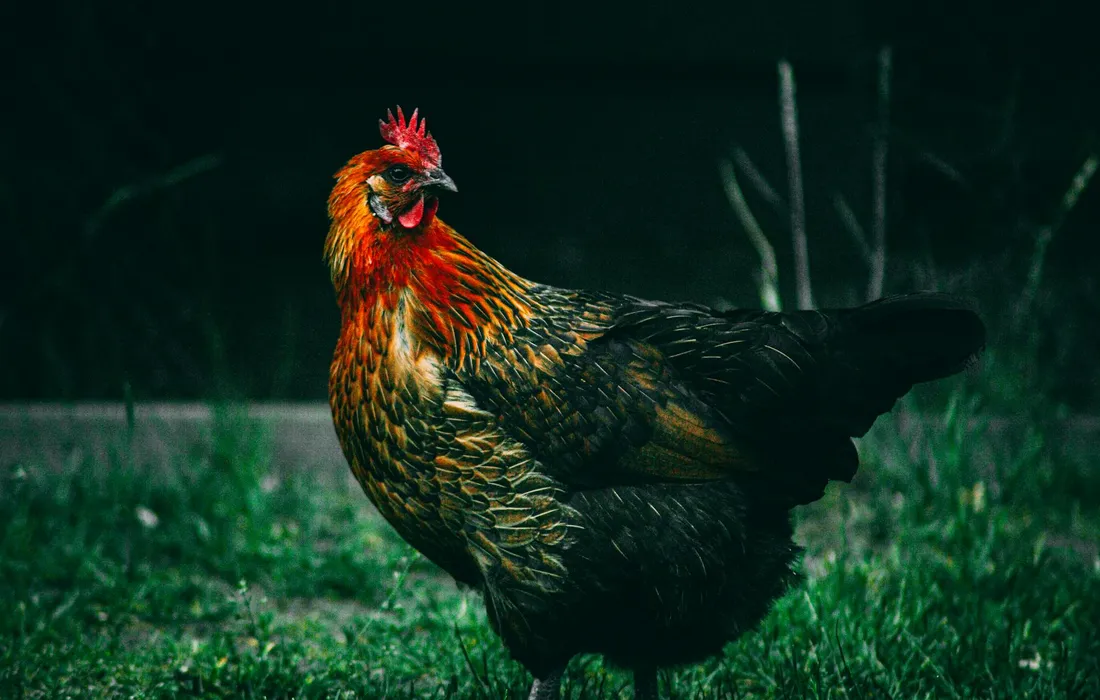
Now, I reckon using what you have on hand is the heart of good stewardship. That pile of pine branches after trimming the tree sure looks useful. The key to using pine around your flock lies entirely in its preparation and presentation, turning a potential hazard into a practical resource. With a mindful approach, you can provide your birds with comfort and amusement safely. Just make sure to differentiate between what is safe and what isn’t, as some foraged items like acorns or pine needles can be harmful.
Best Practices for Pine Bedding in the Coop
For decades, my go-to coop bedding has been kiln-dried pine shavings. That “kiln-dried” part is non-negotiable. The high heat treatment drives off the volatile pine oils and resins that can irritate delicate respiratory systems. Always choose commercial, bagged pine shavings labeled for animal bedding-never use raw shavings from a sawmill or fresh-cut wood in the coop. The right shavings are fluffy, absorbent, and have that mild, clean scent we all recognize.
Here’s how I manage it for health and thrift:
- Lay down a deep base, at least 4 inches thick, to promote dryness and allow for natural scratching.
- Stir the bedding daily to keep it aerated and break up any damp spots, especially around waterers.
- Perform a full coop clean-out on a regular schedule, but use the partially soiled shavings in your compost heap. They break down wonderfully.
- Avoid cedar shavings completely. They are far more aromatic and can cause serious respiratory and liver issues in poultry over time.
Offering Branches and Needles: Controlled Access
That trimmed Christmas tree can become a winter playground, but not straight from the living room. Fresh pine sap is sticky and bothersome. Let the cut tree sit outdoors for a good two weeks, allowing the sap to harden and the most potent oils to dissipate, before offering any part to your birds. This waiting period makes all the difference. These considerations also come up for households with ducks and rabbits during the holidays. For quick, pet-safe holiday ideas involving Christmas trees, ducks, and rabbits, check the next steps.
I like to get creative with how I offer these dried branches:
- Secure a large branch horizontally in the run for a natural perch that encourages hopping and foot health.
- Strip smaller, needle-covered twigs and scatter them loosely for the hens to scratch through and investigate.
- Never place pine products directly in the nesting boxes, as the needles can be too prickly and may contaminate eggs.
- Supervise initial access. If your birds show little interest or actively avoid the pine, remove it. They often know best.
This isn’t a primary food source, but a form of environmental enrichment that can alleviate boredom during colder months.
Recognizing and Responding to Pine-Related Illness
Even with the best intentions, a curious pullet might peck at something she shouldn’t. Most issues arise from ingestion of fresh, sappy greenery or inhalation of dusty, untreated shavings. Knowing the signs of distress allows you to act swiftly, turning a worrying moment into a manageable one. Time is always of the essence with a sick bird.
Symptom Checklist for Chickens and Other Barnyard Animals
Watch your flock closely after introducing any new material. Symptoms can appear within hours if the exposure was significant. Look for these tell-tale signs:
- Respiratory Stress: Labored breathing, wheezing, coughing, or open-mouth breathing.
- Digestive Upset: Unusual droppings, loss of appetite, or a visibly swollen crop.
- Lethargy & Weakness: A bird that sits puffed up, separates herself, or seems uninterested in activity.
- Neurological Signs: Loss of balance, tremors, or unusual head tilting (seen more often in other livestock like goats with certain evergreens).
- Irritation: Redness around the eyes, beak, or vent.
If you see a combination of these, especially respiratory symptoms, consider the pine product a prime suspect.
First Aid and Supportive Care for Your Flock
Your first action is the most critical: Immediately remove all suspect pine material from the coop, run, and pasture to prevent further exposure. Get every last needle and shaving out. Then, focus on supportive care to help the affected animals recover.
- Fresh Air & Warmth: Move symptomatic birds to a well-ventilated but draft-free isolation area, like a dog crate in a garage with a heat lamp. Clean air is medicine.
- Hydration is Key: Offer electrolyte water. A homemade mix of a quart of warm water, a teaspoon of sugar, and a pinch of salt can help. Use a dropper if a bird won’t drink on her own.
- Easy Nutrition: Offer plain, wet mash made from their regular feed. Scrambled eggs (without butter or seasoning) are an excellent, gentle protein boost.
- Monitor the Crop: Feel the crop morning and evening. If it’s impacted or sour, you may need to gently massage it or consult a vet for further guidance.
Most birds will bounce back in 24-48 hours with this simple, attentive care. If symptoms persist or worsen, don’t hesitate to seek veterinary advice. It’s our duty to listen to what our animals are telling us and respond with both our hearts and our hands.
Creating a Chicken-Safe Holiday Coop
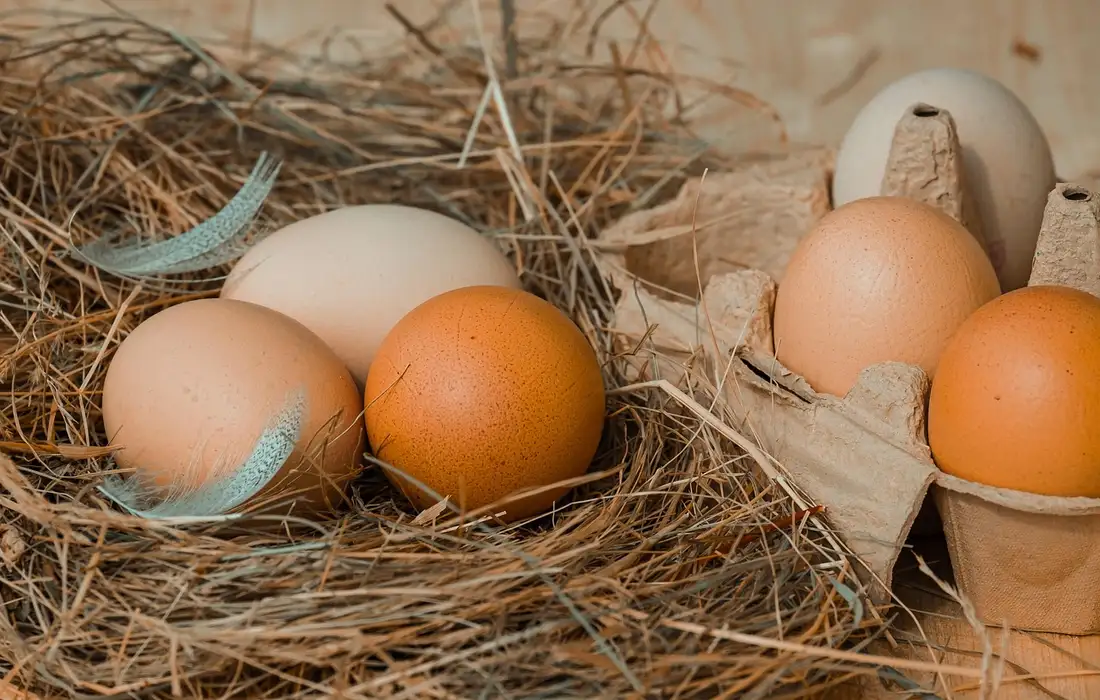
Decking the barnyard halls is a pure joy, but we’ve got to remember our feathered friends view everything as either a perch, a peck, or a potential snack. Your main goal is festive cheer, not a frantic call to the vet, so planning a chicken-safe celebration starts with knowing what to bring into their space. I’ve seen a curious hen try to eat a shiny tinsel strand, and let me tell you, that was a nervous afternoon waiting for it to pass. We can do better, and it’s easier than you reckon.
DIY Chicken Christmas Trees and Ornaments
Forget the plastic fir from the store. Your girls would much prefer a tree made just for them. My favorite is the simple “scratch tree.” Take a tomato cage or a few sturdy sticks tied into a cone shape. Secure it in a bucket with sand or dirt. Now, the fun part: instead of glass baubles, weave in sprigs of fresh, chicken-safe herbs like oregano, thyme, and sage. Tie on bundles of straw or hay with jute twine.
The real ornaments are the treats. Use a hole punch to string together dried apple slices, unsweetened coconut flakes, and plain air-popped popcorn on natural cotton string. Hang these edible garlands all over the frame. This creates a festive, enriching activity that encourages natural foraging behavior and keeps them busy for hours. You can also skewer whole fruits like cranberries or blueberries onto sturdy rosemary stems and poke them into the form.
- Base Frame: Tomato cage, wooden stake teepee, or old wire basket.
- Safe Decor: Fresh herb bunches, wheat stalks, untreated pine cones.
- Edible Ornaments: Strung popcorn, dried fruit, veggie chunks, mealworm clusters.
- Secure Attachment: Use 100% jute, hemp, or cotton twine-no plastic ribbons or metal hooks.
Non-Toxic Decorations and Festive Feeds
If you want to add a little sparkle to the run or coop exterior, stick to materials they can’t ingest. I use simple white holiday lights (always outside and with cords completely protected in conduit) for a soft glow at night. Burlap ribbons make for a rustic bow. For a pop of color, I’ll scatter a few extra whole cranberries or dried corn on the cob in their run.
The best decoration is a flock bustling with health from good holiday treats. I mix up a special “Yule Snack” for them. A festive feed mix boosts their spirits and provides extra energy during colder days without upsetting their digestive balance. Here’s my go-to recipe:
- Base: 2 cups of their regular layer crumble.
- Add-Ins: 1/2 cup rolled oats, 1/4 cup black oil sunflower seeds, 1/4 cup dried soldier fly larvae (for protein).
- Festive Touch: A handful of fresh or frozen cranberries and chopped kale.
- Method: Toss lightly with a tablespoon of plain pumpkin puree or unsweetened applesauce to bind it just a bit. Serve in a shallow dish.
Avoid anything salty, sugary, or processed. No chocolate, no cookies, and absolutely no access to fake snow or spray-on flocking.
Managing Coop Environment with Pine Waste
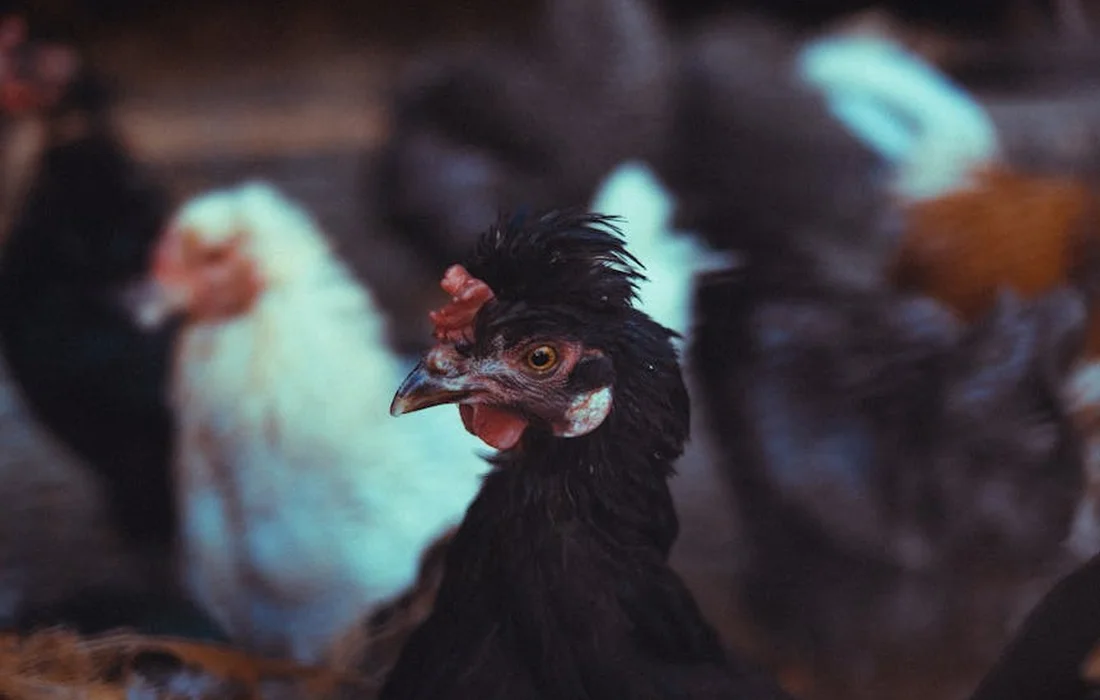
After the season, you’re left with a real tree and a pile of pine needles. Throwing it out is a waste of good carbon. With proper management, that Christmas tree can benefit your homestead for months as compost, bedding, or a dust-bath haven. I always drag our spent tree right into the chicken yard once I’ve stripped all the human decorations off.
Composting Pine Needles and Used Bedding
Pine needles break down slowly. They’re a “brown” or carbon material. If you just toss a heap of them on your compost pile, you’ll get a slimy, acidic mat. The trick is to shred and mix. I run over branches with the lawnmower or chop them with shears before adding to the compost bin.
Balance is everything. For every wheelbarrow of fresh pine needles, you need an equal amount of a “green” like chicken manure-soiled bedding, kitchen veggie scraps, or fresh grass clippings. Turn the pile every few weeks. This hot composting process neutralizes acidity and creates beautiful, crumbly garden gold by late spring. If the pile smells sour, add more browns (like straw or shredded leaves). If it’s not heating up, add more greens (like manure).
Ventilation and Humidity Control for Respiratory Health
Fresh pine shavings are fantastic for coop bedding. But a pile of damp, decaying pine needles inside a closed coop is a recipe for respiratory trouble. Chickens have sensitive lungs. Ammonia from waste and mold from damp organic matter are silent enemies, especially when compared to fresh, safe pine shavings used for bedding in other animal habitats.
Even in winter, airflow is non-negotiable. Your coop needs vents up high, near the roof line, where drafts don’t hit the roosting birds directly. I check mine daily. If you walk in and smell ammonia, or if moisture is beading on the walls, your ventilation has failed and you need to act fast. Add more high vents, and consider a covered, screened opening on the leeward side of the coop.
When using pine products as bedding, keep them dry and deep. A deep litter method, where you add fresh pine shavings on top and let the old compost underneath, generates heat. But it only works if the top layer stays dry. Stir it regularly and add fresh shavings weekly. This manages moisture and creates a healthier environment for everyone breathing that air.
Closing Tips
What is a ‘chicken christmas tree’ and is it safe?
A chicken Christmas tree is a festive structure made specifically for your flock to explore and snack on. It is safe if built according to the principles in the guide, using a clean frame and adorning it only with chicken-safe, edible ornaments and natural materials.
Can I use a chicken christmas tree skirt in the run?
You can use a tree skirt in the run as a festive ground cover, but it must be made of safe material like untreated burlap or heavy canvas. Avoid any skirts with synthetic fibers, loose threads, tassels, or plastic backing that chickens could ingest or become tangled in. When planning your chicken’s environment, consider incorporating chicken-safe plants as well.
Where can I find a chicken christmas tree skirt pattern?
You can find simple patterns for square or round skirts on fabric or homesteading websites. The key is to modify any pattern by using 100% natural, durable fabrics like burlap or cotton duck, and securing any seams firmly to prevent unraveling that could pose a pecking hazard.
What makes a good chicken christmas tree topper?
A great topper is both festive and functional, like a sturdy bundle of wheat stalks, a large pine cone, or a bouquet of safe herbs. Avoid any decorative toppers you’d use indoors, as they often contain wire, glitter, or small parts that are dangerous if dislodged by the birds or weather.
What are ‘chicken christmas tree nuggets’?
This likely refers to special treat mixes or compressed feed blocks hung on the tree as edible ornaments. You can create your own by binding their regular crumble, seeds, and dried insects with a little unsweetened applesauce and baking into simple shapes, ensuring all ingredients are flock-approved.
I’m in Lawrence, KS-is a tree from Checkers Christmas Trees safe for my chickens?
You must ask the lot directly about their tree treatment policies. As the guide stresses, assume any commercially grown tree is treated with pesticides or preservatives until confirmed otherwise. Always ask specifically about systemic insecticides and post-harvest sprays before considering a lot tree for animal use.
Shuttin’ the Coop Door
The biggest gift you can give your flock this season is a watchful eye. Moderation and supervision turn a potential worry into a bit of harmless, scratchy fun for your birds. Trust your gut-if something about that greenery in the run feels off, it’s easier to take it out than to treat a sick hen.
I reckon the best part of this life is sharin’ these lessons, neighbor to neighbor. From my pasture to yours, I hope your season is filled with the good kind of bustle, the peace of a frosty morning, and the happy chatter of contented critters. Enjoy your flock, and your holidays.
Further Reading & Sources
- Trees and Shrubs for the Chicken Forest Garden – Fox Holler Farmstead
- Chicken Coop under pine tree | BackYard Chickens – Learn How to Raise Chickens
- Gardening With Chickens | HenCam
Caroline Mae Turner is a lifelong farm girl raised on red clay, early mornings, and the sounds of a bustling barnyard. With hands-on experience caring for everything from stubborn goats to gentle dairy cows and mischievous pigs, Caroline shares practical, tried-and-true advice straight from the farm. Her goal is to help folks keep their animals healthy, well-fed, and living their best barnyard life. Whether you're wrangling chickens or bottle-feeding a baby goat, Caroline brings a warm Southern touch and plenty of real-world know-how to every bucket in the barn.
Best Practices