Rabbit Diet: Can They Eat Blueberries? The Farmer’s Guide to Berry Safety and Benefits
Published on: August 13, 2026 | Last Updated: August 13, 2026
Written By: Caroline Mae Turner
Howdy y’all. You’re standing there with a handful of sweet blueberries, watching those furry noses twitch, and wondering if sharing a few would do more harm than good. Yes, your rabbits can absolutely eat blueberries, but think of them as a special Sunday treat, not part of their daily chow.
- Fresh or thawed frozen blueberries (no sugar added)
- Rabbits with a healthy appetite for their regular hay
Let’s get this sorted quick so you can get back to the rest of your critters.
The Straight Answer on Rabbits and Blueberries
Reckon you’re eyeing those plump berries and wondering if your flop-eared friend can join in. Well, I’ll give it to you straight: yes, rabbits can eat blueberries. I’ve handed them to my own herd as a special tidbit for years. But you must treat them like the rich dessert they are-only on occasion and in small amounts.
A rabbit’s gut is a finely-tuned fermentation vat, built to process massive amounts of fibrous hay, not sudden sugar. Their digestive balance is delicate. Offer too much fruit too fast, and you risk shutting down their entire system with GI stasis, a dangerous and painful condition. Moderation isn’t just a suggestion; it’s the golden rule for keeping your bunny hopping happily.
Immediate Safety Tips Before You Hand One Over
- Always wash store-bought berries thoroughly to remove pesticide residues.
- Inspect every berry. If you see any hint of mold, toss it out immediately-it’s toxic to them.
- Introduce blueberries slowly. Start with just a quarter of one berry to see how their tummy handles it.
- Offer the berry whole or lightly crushed. There’s no need to remove the skin; it’s part of the fibrous benefit.
Nutritional Bounty: What Blueberries Offer Your Bunnies
Antioxidants and Vitamins for Robust Health
Think of a blueberry as a tiny, flavorful supplement. These berries pack a punch with antioxidants like anthocyanins, which help combat cellular damage. For a rabbit, this translates to a bolstered immune system, something I’ve always valued for maintaining a thriving herd without constant vet calls.
They also provide a touch of Vitamin C and Vitamin K, alongside a good bit of dietary fiber in that soft skin. When compared to a standard timothy hay diet, a blueberry is a dense pocket of these supporting nutrients, though it can’t hold a candle to hay’s crucial roughage. On a scorching summer day, that juicy berry offers a smidge of extra hydration, which is a welcome bonus for any critter.
Understanding Sugar Content and Dietary Balance
Here’s where we get down to brass tacks. Those sweet berries contain about 10% natural sugar. While not the refined devil we avoid, it’s still a concentrated source that a rabbit’s body isn’t designed for in quantity.
I follow a simple 2% rule for all treats: sugary fruits and veggies should make up no more than 2% of your rabbit’s daily food intake. For an average 5-pound bunny, that’s about one or two blueberries, twice a week at most. Any more, and you’re inviting weight gain and digestive upset. Beyond treats, the bulk of your rabbit’s daily diet should be fresh vegetables in the right portions. For a quick reference, check our daily vegetable portion guide to see exactly how much fresh greens your rabbit should eat each day.
Never let treats displace the pillars of their diet: unlimited grass hay (like timothy or orchard), a measured portion of high-fiber pellets, and fresh, leafy greens. The hay is what keeps their teeth worn and their guts moving rhythmically—the absolute bedrock of rabbit health.
How to Feed Blueberries to Rabbits Safely: A Step-by-Step Plan
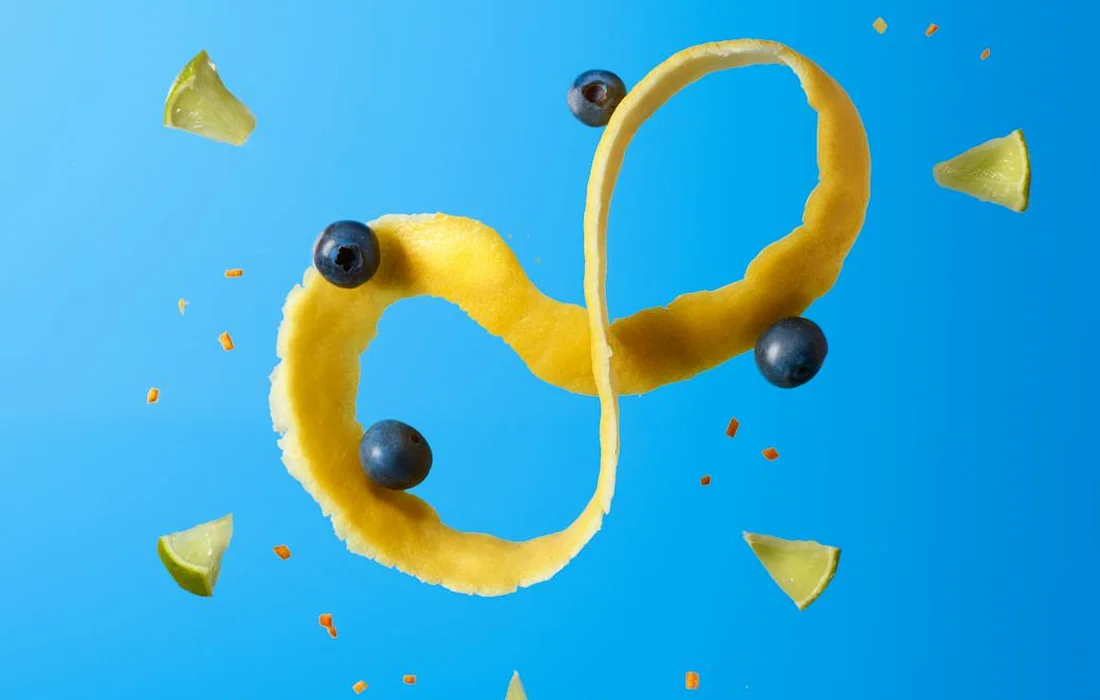
Reckon the most important part of any treat isn’t the treat itself, but how you serve it. With a belly as delicate as a rabbit’s, you can’t just toss a handful of berries in the hutch and call it a day. You need a plan, neighbor.
Berry Preparation: Washing and Serving
-
Selecting Your Berries
I always aim for fresh or frozen organic blueberries. Conventionally grown store-bought berries are often coated in pesticides that a rabbit’s small body just shouldn’t process. If organic isn’t in the budget, that’s alright-we just have to be extra diligent in the next step.
-
The Almighty Wash
Fill a bowl with cool water and add a good splash of plain white vinegar. Let those berries bob around for five minutes, then give them a vigorous rinse under running water. I use a colander for this, the same one I use for my garden peas. This vinegar bath helps lift off any chemical residues or waxy coatings.
-
Portion Control is Everything
This isn’t a buffet. A good rule of thumb is 1-2 blueberries per 2 pounds of your rabbit’s body weight, and only as a special offering 1-2 times a week. For my five-pound Holland Lop, Thistle, that means two berries, twice a week, tops. Any more is asking for trouble.
Introducing Blueberries to Your Rabbit’s Diet
-
The First Tiny Taste
Even with a proper portion, you start smaller. The first time, I cut one single blueberry in half. Introduce any new food with the caution you’d use approaching a skittish new animal-slowly and with great respect for their internal balance. Offer that half-berry by hand to make it a positive experience.
-
The 24-Hour Watch
After that first taste, you become a detective. For the next day, you’re watching those droppings like a hawk. Are they firm, round, and plentiful like normal? Or are they small, misshapen, or soft? Is your rabbit acting lethargic or off their hay? Any change means you stop and stick to the basics.
-
Gradual Increase
If everything looks perfect after 24 hours-those poops are golden-you can offer a whole berry next time. Only after several successful, small servings should you ever consider giving the full recommended portion. Patience here saves you a world of worry later.
Potential Risks and Safety Precautions with Blueberries
A treat is only a good idea if you know what bad looks like. Blueberries pack a sugary punch for a rabbit, and their digestive tract is designed for fibrous roughage, not fruit sugar. Regarding strawberries, the tops are a point of debate. Our complete berry guide explains what parts are safe for rabbits.
Sugar Overload and Digestive Distress
-
The biggest risk is a condition called GI stasis, where the gut slows down or stops. The first warning sign is often a change in the size, shape, or consistency of their fecal pellets-soft, small, or fewer droppings mean stop the treats immediately.
-
Lethargy, a loss of appetite for their hay, and a hunched posture are red flags. If you see these, revert instantly to a diet of unlimited grass hay and fresh water, and consider a call to your vet.
-
Blueberries should never, ever displace the core of their diet: high-quality grass hay, which should make up about 80% of what they eat. Think of berries as the occasional sprinkle on top of a very large, very boring salad.
Pesticides and Organic Considerations
-
For store-bought berries, that vinegar wash I mentioned is your best friend. For wild berries, you must be certain of the location. Never forage near roadsides where car exhaust and runoff contaminate plants, or in areas that may have been sprayed with herbicides.
-
My favorite method is the one I control. I grow a couple of blueberry bushes right outside my kitchen garden fence, just for me and the critters. It’s a thrifty, long-term solution. I know exactly what’s on them (nothing but sunshine and rain), and I can pluck a few at peak ripeness for a safe, shared snack. A single bush in a large pot can even work on a patio.
Blueberries for the Whole Barnyard: Chickens, Pigs, Cows, and More
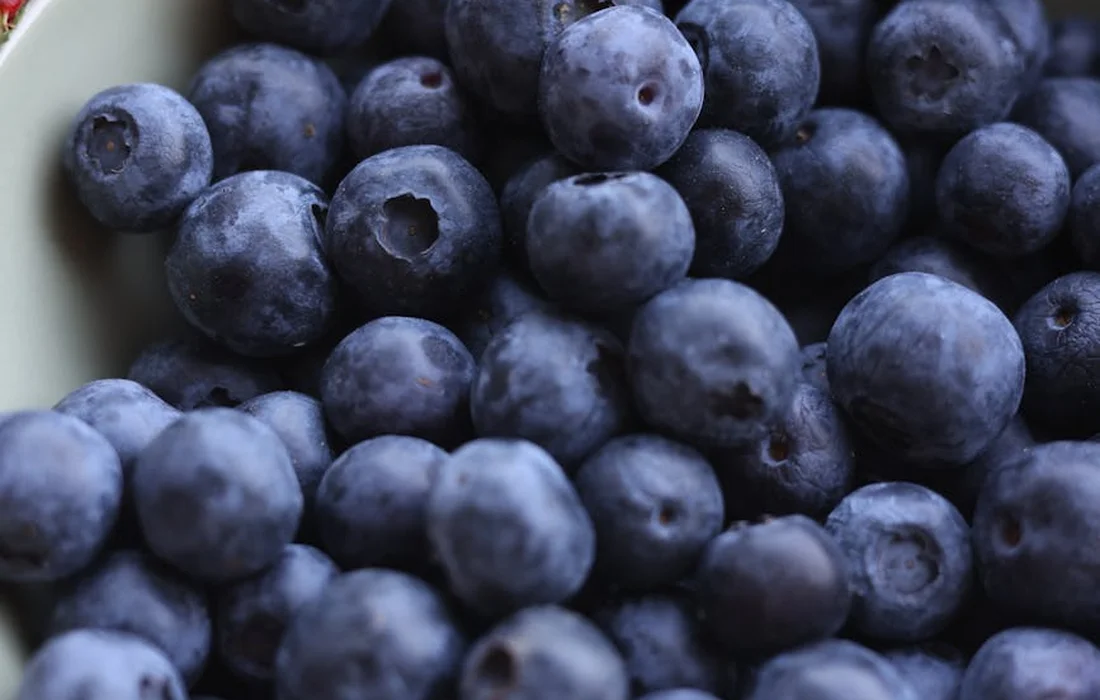
Feeding Guidelines for Different Farm Animals
Now, I’ve shared blueberries with just about every critter on my place, and y’all can too. Remember, these are treats, not feed-think of them as a sweet bonus, not the main meal. Here’s a quick guide to keep things safe and sensible for your flock and herd.
| Animal | Portion Size (Per Session) | Frequency | Specific Benefits & Notes |
|---|---|---|---|
| Chickens | A small handful for 3-4 hens | 2-3 times weekly | Antioxidants support feather health and immune function. My hens gobble ’em up, pecking at each berry with gusto. |
| Geese | 3-4 berries per bird | Once or twice weekly | Provides a vitamin boost. Geese can be messy eaters, so I scatter them on clean ground to encourage foraging. |
| Pigs | ½ to 1 cup per pig | A few times a month as a special reward | Offers quick energy and mental enrichment. I often use blueberries during training-it reinforces good behavior without overdoing the sugar. |
| Cows | A few cups mixed into feed for the herd | Rare treat, maybe monthly | A curiosity more than a staple; our dairy cow seems to enjoy the texture change. Never replace their hay or silage. |
I learned through trial that a little goes a long way. Overfeeding fruit can upset delicate stomachs, especially in birds, so moderation is your best friend here.
Practical Tips for Multi-Species Homesteads
When you’ve got a mixed barnyard, efficiency is key. I save the prettiest berries for our kitchen and share the rest with the animals, which cuts down on waste perfectly. Those slightly bruised or overripe blueberries from the bottom of the pail? They’re still perfectly safe for your pigs or chickens. Toss them into a shared treat bucket in the morning. Another thrifty trick is to freeze surplus berries during peak season. Come winter, a handful of frozen blueberries makes a refreshing, cost-effective snack for the chickens that breaks up the monotony. Just ensure you’re feeding species-appropriate portions to avoid any squabbles at the fence line.
Beyond Blueberries: Other Safe Berries for Your Rabbit
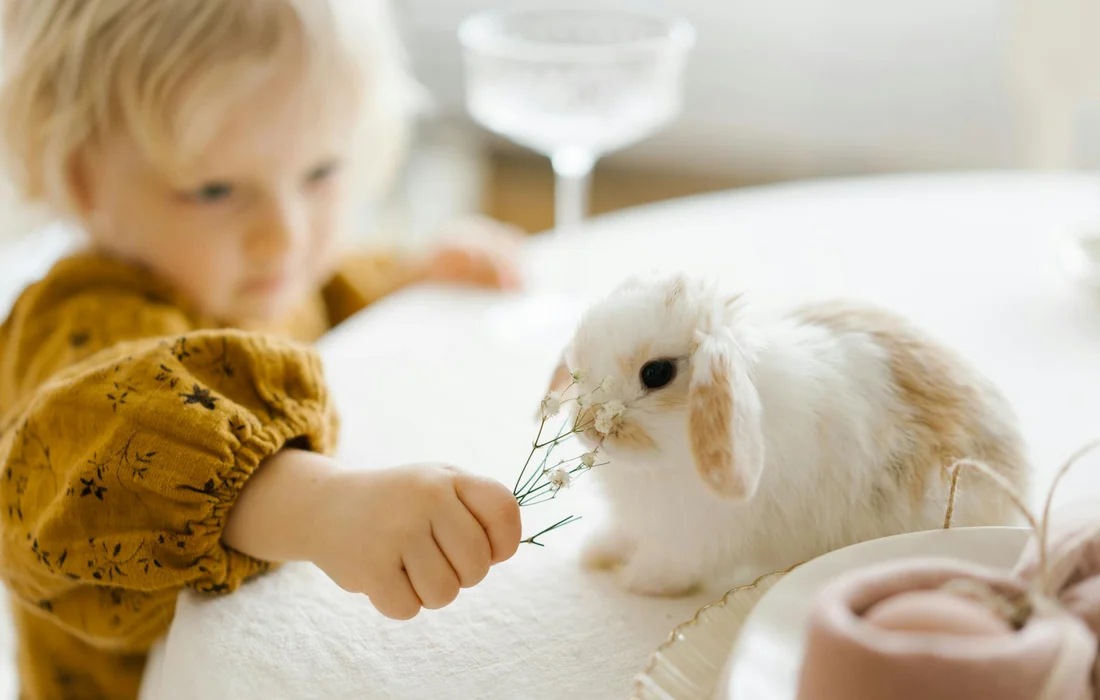
Exploring a Variety of Berry Treats
Blueberries aren’t the only game in town for your bunny. Offering a variety keeps treat time interesting and provides a range of nutrients, but always mind the sugar (especially in berries). Here are a few other safe options I’ve fed my rabbits over the years.
- Strawberries: A favorite! Offer one medium strawberry with the green top (it’s edible) once or twice a week. The tops are fibrous and good for digestion.
- Raspberries & Blackberries: These are a bit higher in fiber. One or two berries weekly is plenty. Their seeds are tiny and harmless, unlike fruit pits.
- Cranberries: These tart berries are lower in sugar but should still be given sparingly. A single fresh cranberry once a week is a zesty treat. Avoid sweetened dried cranberries at all costs.
No matter the berry, wash it thoroughly and serve it raw. I never feed my rabbits cooked berries or anything from a can, as the added sugars and syrups are a sure path to digestive trouble. For rabbits, safe fruit choices and proper portions matter. If you’re unsure which fruits are safe, follow the safe fruits feeding guidelines.
Integrating Berries into a Balanced Rabbit Diet
It’s easy to get carried away with those eager nibbles, but structure keeps rabbits healthy. Fruits and treats combined should never make up more than 10% of your rabbit’s daily food intake-that’s about one to two tablespoons for an average-sized bunny. Keeping fresh food ratios in mind—hay first, greens second, then pellets, with limited treats—helps maintain daily balance. This mirrors the fresh food ratios framework and guides your weekly planning. The foundation is non-negotiable: unlimited grass hay, a daily portion of fresh leafy greens, and a measured amount of quality pellets. From my own barn management, here’s a sample weekly treat schedule that keeps things balanced without overindulgence:
- Monday: A slice of bell pepper (vegetable treat day).
- Wednesday: One blueberry or raspberry.
- Friday: A small sprig of fragrant herbs like cilantro.
- Sunday: A thin apple slice or one strawberry top.
This rotation prevents sugar spikes and ensures your rabbit’s gut flora stays robust. Steady stewardship means prioritizing their fibrous hay above all else-it’s what keeps their teeth worn and their digestion moving smoothly.
Closing Questions
For a farmer with multiple rabbits, how can blueberries be efficiently incorporated into their feeding routine?
Blueberries should be shared as a sporadic treat, not a daily feed. Offer each rabbit 1-2 berries, no more than twice a week, to manage sugar intake while ensuring their primary diet of unlimited hay remains undisturbed. Similar care can apply to blackberries and raspberries and the safe leaves rabbits may nibble. For a comprehensive safety guide on what rabbits can eat, including berries and greens, consult our rabbit safety guide.
What are the top benefits of feeding blueberries to rabbits that a homesteader should know?
Blueberries deliver a concentrated dose of antioxidants, which can bolster a rabbit’s immune system on a busy farm. They also provide trace vitamins and a bit of hydration, supporting overall vitality without replacing essential fibrous foods.
Can blueberries help with rabbit health issues common on farms, like stress or poor coat condition?
While not a cure, the nutrients in blueberries may aid coat health and help combat cellular stress. However, consistent access to quality hay and a stable environment are far more critical for preventing these common issues.
How do the nutritional benefits of blueberries for rabbits compare to other common farm animal treats?
For rabbits, blueberries are a high-antioxidant treat but are sugar-rich compared to leafy greens. Unlike for chickens or pigs, rabbit portions must be minuscule due to their delicate digestive systems, highlighting species-specific dietary needs. Even guinea pigs require careful portioning when feeding blueberries, so be mindful of the differences in dietary requirements among small pets.
Are there any seasonal considerations for feeding blueberries to rabbits on a farm?
Fresh blueberries can be a summer treat, while frozen (thawed, unsweetened) berries work well in winter. Always source or grow berries without pesticides, and avoid any that are overripe or spoiled to maintain safety year-round.
What precautions should a farmer take when introducing blueberries to a rabbit’s diet for the first time?
Introduce a tiny piece of berry to one rabbit at a time and watch for 24 hours for normal droppings and behavior. Only increase the amount gradually if no digestive upset occurs, always prioritizing their hay-based diet.
Back to the Hutch
So, can rabbits eat blueberries? Absolutely, and seeing that little nose wiggle for a sweet treat is one of the simple joys of keeping them. Think of blueberries as a delightful dessert, not the main course, and always serve them on a solid foundation of hay and greens to keep your rabbit’s digestion running smooth as silk. My old rule is to clean up any leftover berry bits within an hour or so, lest you attract more ants than a picnic.
I reckon the best part of this homestead life is sharing these little bits of knowledge, much like sharing a basket of berries over the fence. I’m right grateful y’all stopped by. Go spoil your bunnies a little, enjoy the quiet of the evening feed, and take pride in the good, mindful care you’re providing. Until next time, happy homesteading, friends.
Further Reading & Sources
- Can Rabbits Eat Blueberries? – GuineaDad
- r/Rabbits on Reddit: How many blueberries should I feed my rabbit?
- What Treats Are Safe for My Rabbit? | ASPCA
Caroline Mae Turner is a lifelong farm girl raised on red clay, early mornings, and the sounds of a bustling barnyard. With hands-on experience caring for everything from stubborn goats to gentle dairy cows and mischievous pigs, Caroline shares practical, tried-and-true advice straight from the farm. Her goal is to help folks keep their animals healthy, well-fed, and living their best barnyard life. Whether you're wrangling chickens or bottle-feeding a baby goat, Caroline brings a warm Southern touch and plenty of real-world know-how to every bucket in the barn.
Feed Recommendations