
Chicken-Safe Plants & Toxic Flowers: Your Guide to a Safer Homestead
Published on: August 24, 2026 | Last Updated: August 24, 2026
Written By: Caroline Mae Turner
Howdy y’all, and welcome back to the barn. If you’ve ever watched your chickens happily pecking around the garden and felt a knot in your stomach wondering if they’re about to eat something they shouldn’t, you’re in the right place. The absolute foundation of a safe run or free-range area is a working knowledge of what’s growing in it-separating the nourishing greens from the hidden hazards. I’ve spent more than one afternoon redirecting curious beaks away from my flower beds, learning this lesson firsthand.
What you’ll need:
- A keen eye for the plants already growing in your yard.
- A reliable plant identification guide (or this article right here!).
- A notebook to jot down what you want to plant or pull.
By the time we’re done here, you’ll have a clear, actionable list to make your homestead both beautiful and safe for your feathered crew.
Why Plant Safety Matters for Your Flock
On the farm, every decision ripples through the whole barnyard. What you plant where your chickens roam ain’t just about pretty flowers; it’s a direct line to their health and your eggs. I reckon it’s the purest form of stewardship. You’re their keeper, and that means knowing their world down to the last leaf.
Chickens are foragers by nature, but their curiosity doesn’t come with a built-in guidebook for what’s poisonous. A bored hen or a peckish pullet will sample anything green and novel, especially if their regular feed is lacking in variety or grit. It’s our job to curate their pasture.
I learned this lesson young, watching a favorite banty hen get sick after getting into a patch of oleander clippings my granddaddy had carelessly tossed over the fence. We saved her, but it was a long, worrisome weekend. That experience taught me more about preventative care than any book ever could. Your vigilance in the garden directly protects your investment and your friends.
Common Toxic Plants and Flowers to Root Out
This list isn’t meant to scare you, but to arm you. Walk your property with new eyes, especially after storms when branches and leaves can blow into runs. When in doubt, yank it out. A clear coop run is better than a risky one.
Ornamental Dangers in the Yard
These are the pretty offenders, often planted for show without a thought for the clucking crew. Many are severely toxic, affecting the heart and nerves.
- Azalea & Rhododendron: Every part is poisonous. Even a few leaves can cause salivation, weakness, and leg paralysis. I keep these far from any animal paddock.
- Foxglove: Stunning spires, but deadly digitalis. Causes cardiac arrest. Don’t let it seed near your barnyard.
- Lily of the Valley: Sweet-smelling but dangerous. Contains convallatoxin, leading to vomiting, diarrhea, and slowed heart rate.
- Oleander: Extremely toxic. A single leaf can be fatal. Never burn it either, as the smoke is poisonous.
- Daffodil & Narcissus: The bulbs are the biggest risk, causing severe digestive upset, shivers, and convulsions if ingested.
My rule is simple: if I don’t know it’s safe, it doesn’t belong in the chicken yard. Transplant prized ornamentals to the front yard where you can enjoy them without worry. When it comes to flowers known to be toxic to chickens, it’s best to keep them away.
Garden Plants with Hidden Risks
This one trips up many folks, because some of these plants are related to safe foods. The toxic parts can surprise you.
| Plant | Dangerous Parts | What to Watch For |
|---|---|---|
| Tomato & Potato | Vines, leaves, stems, green tubers/ fruit | Solanine poisoning: lethargy, GI distress, dilated pupils. |
| Rhubarb | Leaves (the stalks are fine for us, not for them) | Oxalic acid: tremors, salivation, kidney failure. |
| Onions & Garlic | All parts, especially raw & in large quantities | Can cause Heinz body anemia, weakening birds over time. |
| Raw Dry Beans | Uncooked beans (Phytohaemagglutinin) | Severe digestive disturbance. Always cook beans thoroughly if sharing. |
Compost piles need careful management, too—never toss tomato vines or rhubarb leaves into a pile your chickens can access. They’ll scratch right in and find the trouble. I keep a dedicated, fenced compost bin just for garden waste that’s off-limits to the flock, turning it into safe black gold for the future. Even with proper compost, you should be cautious about letting chickens eat compost directly.
A Bounty of Safe Greens and Herbs for Foraging
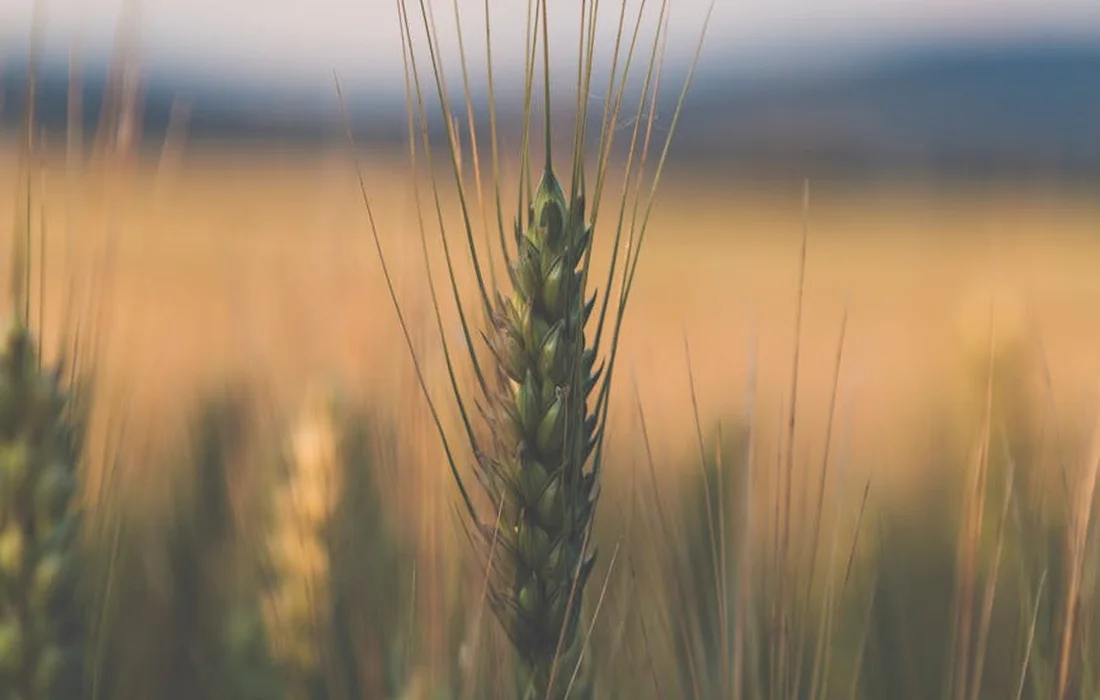
Watching a flock work over a patch of greenery is a pure joy. They know what they’re doing, and if you provide the right options, they’ll balance their own diet in ways that’ll impress you. Offering a variety of safe plants isn’t just about feed; it’s about enriching their day and bolstering their health from the ground up.
Herbs That Heal and Protect
I keep a kitchen herb garden right near the coop fence, and I always toss the trimmings over. It’s more than a treat; it’s preventative medicine. Many herbs have properties that support chicken health naturally, such as rosemary and sage.
- Oregano: This is my go-to. I dry bundles of it in the barn loft every fall. Folks talk about its antiviral and antibacterial qualities, and I reckon they’re onto something. My birds that free-range near the wild oregano seem to have the least trouble.
- Mint: Spearmint and peppermint are fantastic. They’re refreshing, help repel pesky insects, and aid digestion. Just plant it in a pot unless you want a mint field-that stuff runs!
- Lavender: A calm bird is a happy bird. I sprinkle dried lavender in the nesting boxes. It soothes the hens and keeps the area smelling fresh while discouraging mites.
- Thyme: Another respiratory helper. I’ve seen birds actively seek out thyme when the weather turns damp and chilly.
- Parsley: A wonderful source of vitamins and a rumored egg production booster. My girls go for the curly and flat-leaf varieties with equal gusto.
You don’t need a fancy apothecary; a few pots of these herbs by the back door can become your flock’s first-aid kit.
Flowers Your Flock Will Love
Don’t forget the blooms! Edible flowers pack vitamins and make the run look mighty pretty. My hens will jump for these.
- Nasturtiums: The entire plant is safe-leaves, flowers, and seeds. They have a peppery kick, are rich in vitamin C, and act as a natural dewormer. I let them ramble around the coop perimeter.
- Calendula (Pot Marigold): Those bright orange petals do more than color egg yolks. Calendula supports skin health and immune function. I snip the petals right into their feed.
- Roses: Once the bloom is spent, I pull the petals and toss them in. The hens adore them. Just be absolutely sure no pesticides were used.
- Sunflowers: The ultimate chicken toy. I grow the mammoth variety, let the heads dry, and then hang the whole thing in the run. They’ll peck at the seeds for days.
- Violets & Pansies: Delicate and perfectly edible. These are early spring treats in my yard that the birds help themselves to.
Flowers turn foraging into a colorful treasure hunt, providing mental stimulation and nutritional variety a plain feed ration can’t match.
Designing a Chicken-Friendly Garden and Landscape
You can look at your yard and coop area as a partnership. The land provides for the birds, and the birds, in turn, help manage pests and fertilize. It’s about working with, not against, their nature.
Plants for Coop Shade and Shelter
Shade is a currency in the summer heat. Strategic planting cools the coop area, cuts wind, and offers hiding spots from hawks.
- Fast-Growing Trees: I planted a couple of hybrid poplars on the south and west sides of my main run years ago. Their quick growth provided a canopy that drops the ground temperature a good 10 degrees, and the leaves make fantastic compost material later.
- Dense Shrubs: Arborvitae, lilac, or forsythia create a thick, protective hedge. Birds can duck under them for instant cover if a shadow passes overhead.
- Vines on a Trellis: Run a cattle panel as an arch or a trellis wall. Plant it with hardy kiwi or morning glory (the vine is safe, but the seeds are toxic, so manage spent blooms). It makes a living, shaded tunnel they love to patrol for bugs.
Always check root systems. You want deep roots that won’t heave your coop foundation or run fencing over time.
Creating a Dedicated Foraging Patch
If full-time free-ranging isn’t possible, a rotational foraging pen is the next best thing. I call it my “chicken salad bar.”
- Pick Your Plot: A 10’x10′ area is a great start for a small flock. Use lightweight movable fencing or electrified netting.
- Prepare the Ground: Scratch up the soil and mix in some compost. You’re not aiming for perfection, just a good seedbed.
- Plant a Mix: Broadcast a hearty blend of seeds. My mix includes: Clover (for nitrogen and protein), Chicory (deep taproot for minerals), Grasses like Wheat or Rye, and Leafy Greens (kale, chard).
- Let It Establish: Give the plants 4-6 weeks to get a good start before you let the birds in. This lets roots set so they won’t be destroyed instantly.
- Rotate Access: Let the flock work a patch for a week, then move them to the next one. This prevents bald earth and lets plants recover.
This system mimics natural pasture rotation, ensures a constant supply of fresh greens, and saves a noticeable amount on feed bills during the growing season.
Protecting Your Birds from Poisonous Plants
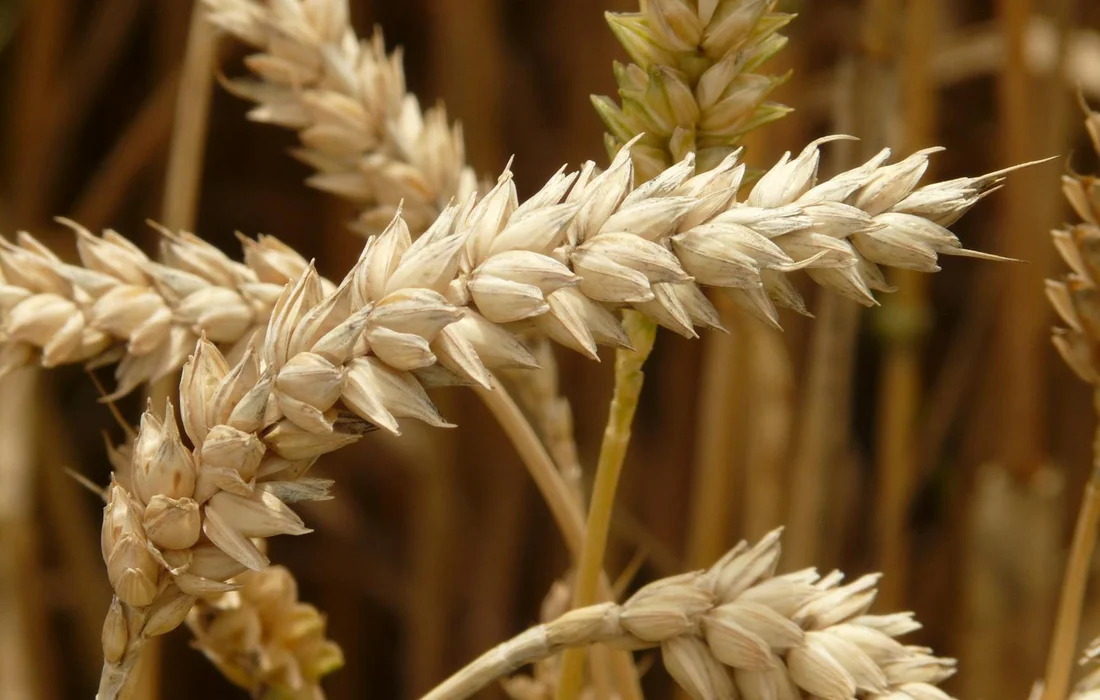
Now, let’s talk about the other side of the fence. For every dandelion they happily devour, there’s a pretty flower in your garden that can do real harm. I reckon vigilance is the price of free-ranging bliss. Knowing what’s growing in your birds’ territory is the single most important step in preventing illness.
Common Toxic Culprits in Yards and Gardens
Many plants we cultivate for their beauty are bad news for chickens. Here’s a list of the usual suspects I’ve learned to identify and manage on my own place. I sometimes wonder, though, if chickens naturally avoid certain plants despite their toxicity.
- Azaleas & Rhododendrons: Every part of these common shrubs is toxic. Even a few leaves can cause weakness, drooling, and leg paralysis.
- Foxglove: Pretty but deadly. It contains digitalis, which affects the heart. Symptoms include trembling, collapse, and sadly, it’s often fatal.
- Lily of the Valley: Don’t let its sweet smell fool you. This ground cover causes vomiting, diarrhea, and a dangerously slow heartbeat in birds.
- Daffodils & Narcissus: Especially the bulbs, which a scratching hen might unearth. They cause severe digestive upset and convulsions.
- Oleander: This is one of the most dangerous. A single leaf can be lethal, causing severe cardiac effects. I won’t have it on the property.
- Castor Bean: Grown for its dramatic foliage, the seeds contain ricin. One or two seeds can kill a chicken. It’s simply not worth the risk.
Wild and Woodland Dangers
If your flock ranges near tree lines or untamed areas, you need to scout for these.
- Nightshade Family: This includes deadly nightshade, black nightshade, and even the leaves and green berries of your tomato and potato plants. They contain solanine, leading to neurological distress and gut trouble.
- Poison Hemlock: This isn’t just for Socrates. It’s a common ditch-bank weed that looks like wild carrot. It causes respiratory failure and rapid death.
- Wild Cherry (Wilted Leaves): Fresh leaves are less of an issue, but wilted or damaged leaves release cyanide. This is a silent killer, especially if a branch falls into their run after a storm.
- Oak (Acorns in Mass): A few acorns are fine, but a large glut can cause tannin poisoning. It’s best to rake them up in heavy mast years.
- Milkweed: Vital for monarch butterflies, but its milky sap is toxic to most livestock, causing weakness and respiratory difficulty.
Practical Prevention on the Homestead
You can’t erase every weed, but you can build safe habits. Here’s what I do to sleep easy at night.
- Walk the Fence Line Weekly: Make it a routine. Look for new growth, especially of vining nightshades or hemlock. Yank it by the roots and dispose of it well away from the birds.
- Practice Pasture Rotation: This isn’t just for soil health. Moving your birds’ grazing area prevents them from scraping the ground down to bare dirt where they might sample roots or buried bulbs they’d normally avoid.
- Supervise Spring Cleaning: When you first let them into the garden after winter, do it when you’re outside with them. They’re hungry for fresh greens and more likely to try something questionable.
- Educate Everyone: Make sure your family and any farm helpers know the top three toxic plants on your land. Four eyes are better than two.
- Provide Constant, Safe Forage: A busy beak is a safe beak. By keeping their own pasture lush with chickweed, clover, and grasses, your flock will be less tempted to venture towards your ornamental flower beds.
I once lost a fine hen to a fallen oleander leaf that blew in from a neighbor’s yard. It was a hard lesson in how tragedy can come from anywhere. Trust your instincts-if a plant looks suspiciously perfect, untouched by bugs or wildlife, there’s usually a reason. When in doubt, fence it out. Your flock’s safety is the truest form of thriftiness, saving you heartache and vet bills down the road.
Closing Tips
What general categories of plants are considered safe for chickens?
Safe plants for chickens typically include culinary herbs, leafy greens, and edible flowers. These provide essential nutrients and variety to their diet without posing health risks, unlike some other foods that can be harmful to them. It’s important to ensure they only consume safe and healthy foods.
Is it safe for chickens to eat plants from my vegetable garden?
Not all garden plants are safe; for example, avoid letting chickens access tomato vines or rhubarb leaves. Always research each plant’s safety, focusing on poultry-specific guidelines. A chicken-safe plants garden planning guide can help you map safe beds and choose poultry-friendly varieties as you plan.
What types of outdoor plants are ideal for a chicken foraging area?
Ideal outdoor plants are hardy, non-toxic varieties like certain grasses and legumes that tolerate pecking. They offer sustainable forage and encourage natural scratching behavior.
How can I provide shade for my chickens using safe plants?
Plant non-toxic, dense shrubs or trees around the coop to create cool, shaded spots. Choose species with deep roots to avoid damage and ensure they drop no harmful parts.
Can safe plants also serve as natural remedies for chickens?
Yes, many safe herbs have beneficial properties, such as supporting digestion or acting as insect repellents. Integrating these can promote flock health naturally. However, it’s important to be cautious and ensure your goats and sheep are fed safe herbs only.
What steps should I take to maintain a plant-safe environment for my flock?
Conduct regular inspections to identify and remove unknown plants. Prioritize planting verified safe species and stay informed about local toxic flora to prevent accidents.
Back to the Pasture
When all is said and done, the simplest rule is this: a chicken’s curiosity is its greatest strength and its biggest risk. Your most important job is to manage their world so their natural foraging enriches their health, instead of endangering it. A few well-chosen shrubs, a patch of dedicated herbs, and the diligent removal of a few common ornamental dangers will build a sanctuary right outside your coop door. For a deeper dive, our comprehensive guide on chicken-safe flowers can help you plan blooms that stay safe for foragers. It walks you through safe varieties, seasonal plantings, and easy safeguards to keep your flock healthy.
I’m mighty grateful y’all stopped by to talk pastures and petals. There’s a deep, quiet satisfaction in watching your flock scratch safely through the greenery you nurtured for them. I hope you get to enjoy that very sight today with a good cup of coffee in hand. Take care of yourselves, and your critters.
Further Reading & Sources
- Toxic Plants and Safe Plants for Poultry | Gypsy Shoals Farm
- Toxic Plants for Chickens | Grubbly Farms
- Chicken Safe Plants List: Flowers, Herbs, Shrubs & Shade Ideas
Caroline Mae Turner is a lifelong farm girl raised on red clay, early mornings, and the sounds of a bustling barnyard. With hands-on experience caring for everything from stubborn goats to gentle dairy cows and mischievous pigs, Caroline shares practical, tried-and-true advice straight from the farm. Her goal is to help folks keep their animals healthy, well-fed, and living their best barnyard life. Whether you're wrangling chickens or bottle-feeding a baby goat, Caroline brings a warm Southern touch and plenty of real-world know-how to every bucket in the barn.
Forage Options