
Chicken-Safe Plants and Garden Planning: Your Blueprint for a Flock-Friendly Harvest
Published on: August 25, 2026 | Last Updated: August 25, 2026
Written By: Caroline Mae Turner
Howdy y’all. Worried your chickens might turn your prized peonies into a poisonous snack or scratch your seedlings to bits? You can stop that worry right now by designing your garden from the ground up with plants that are safe and beneficial for your flock. I learned this the hard way years back when a few of my curious hens got into a patch I hadn’t vetted, and let me tell you, a little planning saves a whole heap of trouble.
What you’ll need:
- A reliable list of chicken-safe greens, herbs, and flowers.
- A rough drawing of your garden space.
- A mind for simple layout zones or barriers.
- A quiet moment to think it through.
Stick with me, and we’ll get this garden planned so you can get back to your other chores with peace of mind.
Why a Poultry-Friendly Garden is a Homesteader’s Best Friend
Let me tell you, marrying your vegetable plot with your chicken run is one of the smartest moves you can make on a working homestead. I learned this decades ago from my Granddaddy, who always said a good farmer lets one hand wash the other. Integrating your hens into the garden cycle cuts feed costs dramatically, turning kitchen scraps and garden trimmings into golden-yolked eggs. You’re not just growing food for your table; you’re cultivating a direct line to healthier, happier birds.
Beyond the feed bucket, this practice embodies true stewardship. My birds get to exhibit natural behaviors, scratching for bugs and taking dust baths under the zucchini leaves. This respect for their instinctual needs reduces flock stress and can downright prevent behavioral issues like feather picking. You’ll notice a difference in their vigor and the richness of their eggs when they dine on homegrown greens, such as squash and zucchini.
Think about the thriftiness, too. Why buy bagged greens when you can grow a row of Swiss chard for you and the ladies? A well-planned poultry garden is a cornerstone of a resilient, cost-conscious homestead, turning waste into wealth and labor into love. I reckon it’s the closest thing we have to a perpetual motion machine on the farm.
A Bounty of Chicken-Safe Plants for Your Plot
Now, not every plant in your seed catalog is fit for the flock. The key is choosing varieties that offer nutritional punch and can handle a bit of enthusiastic pecking. Focus on hardy, fast-growing plants that you can succession sow for a constant supply of fresh fodder. Let’s break down the best options, from ground level to tree canopy.
Nutrient-Packed Leafy Greens and Vegetables
These are the workhorses of your chicken garden, providing vital vitamins and minerals. I always dedicate a few raised beds solely to “chicken salad” production.
- Kale: This is a superstar. Dinosaur kale, in particular, stands up well to cold and curious beaks. It boasts about 4-5% protein and is loaded with beta-carotene. I’ve seen egg yolk color deepen in just a week with free access to kale.
- Swiss Chard: A prolific grower that comes back after cutting. Its stems and leaves are perfectly safe and packed with vitamins K and A. Plant it about 6 inches apart for a thick, harvestable patch.
- Leaf Lettuce (Romaine, Oakleaf): A great hydrating snack for hot days. Avoid iceberg types; they’re mostly water with little nutrition. I sow lettuce every two weeks for a steady, tender supply.
- Carrot Tops & Beet Greens: Don’t toss ’em! When you harvest root veggies, bundle the tops for the hens. They’re a fantastic source of fiber and nutrients, turning your kitchen prep into their treat.
- Squash and Zucchini: At season’s end, let the chickens clean up the leftover fruits and vines. They’ll peck at the soft flesh and seeds, which are excellent for them.
Rotate these greens in your birds’ diet to ensure a broad spectrum of nutrients and keep their interest piqued. A bored chicken is a mischievous chicken, in my experience.
Herbs for Health and Flavor in the Poultry-Garden
Herbs aren’t just for your cooking; they’re a pharmacy and spice rack for your flock. I plant these right along the borders of my runs where the birds can reach through and nibble.
- Oregano: This is my go-to for flock health. Studies and my own barn observations suggest its natural compounds support respiratory and immune function. I dry bundles and add it to nesting boxes.
- Parsley: Rich in antioxidants and vitamins, it’s a wholesome green that hens relish. It’s a biennial, so it’ll come back for a second year of harvest.
- Mint: Plant it in a container unless you want a mint field! It’s a refreshing treat that can help repel flies and ants from the coop area when planted nearby.
- Basil: Safe and aromatic, chickens enjoy the leaves. Some folks swear it lends a subtle, sweet note to eggs when hens consume it regularly.
- Calendula: The petals are the prize here. They contain compounds that enhance egg yolk color naturally, and the plant itself is a beautiful, hardy annual.
Growing a dedicated herb garden for your poultry is a profound act of preventative care, using nature’s own remedies to bolster your flock’s vitality. I tuck sprigs into their waterers on occasion for an infused drink.
Chicken-Safe Shrubs and Trees for Shade and Snacks
Thinking vertically changes the game, providing shelter and long-term foraging resources. Plan for at least 50 square feet of shaded area per 10 birds to prevent heat stress.
- Comfrey: A dynamic accumulator with deep roots, bringing up minerals. Its leaves are about 20-30% protein when dried. I chop and drop leaves directly in the run as a mineral-rich supplement. Plant it where you want it forever; it’s a persistent perennial.
- Elderberry: A dual-purpose shrub. The berries are safe for chickens when ripe (never feed wilted leaves or stems). They provide antioxidants, and the bush offers excellent dappled shade. Ensure it’s well-established before allowing birds to forage underneath.
- Mulberry Trees: If you have the space, this is chicken heaven. The berries are a sweet, high-energy treat, and the leaves are also edible. A mature tree provides vast shade. Just be ready for purple chicken feet come harvest time!
- Currant and Gooseberry Bushes: These hardy shrubs offer tasty berries for you and the birds. Their thorny varieties can even act as a gentle, natural barrier to protect more tender garden plants.
- Willow: Plant a few cuttings; they grow fast. Chickens will strip the bark and leaves, which contain salicin, a natural anti-inflammatory. It’s like aspirin growing on a stick for them.
Incorporating these woody plants creates a layered, resilient ecosystem that feeds your flock and protects them from the elements for years to come. I’ve got an old mulberry that’s been shading generations of my hens, and I wouldn’t trade it for anything.
Steering Clear: Common Plants That Harm Your Flock
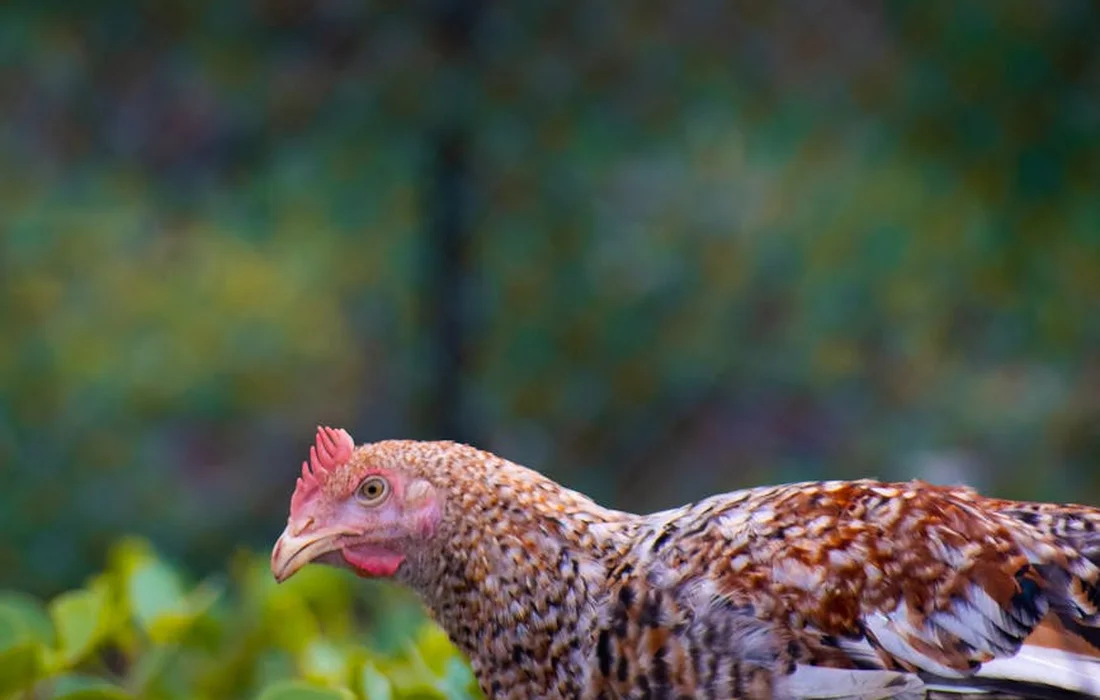
Now, let’s talk about the other side of the fence. For all the wonderful greenery they can enjoy, some common yard and garden plants pose a real danger. Understanding which garden plants chickens can safely nibble is essential. Some common ones—like gourds, daylilies, and morning glory—can be dangerous if eaten. I’ve seen a curious hen take a peck at something she shouldn’t and spend a poorly day, so learning these has become second nature to me.
Vigilance is your best tool; knowing what’s growing where your chickens roam prevents most troubles before they start. A good rule of thumb is to know that many ornamental plants are pretty for a reason-their natural defenses make them toxic. Chickens naturally avoid many poisonous plants, but some ornamentals can still pose a risk. Knowing which ones to watch for helps you keep them safe.
Trees, Shrubs, & Vines to Watch
These are often the bigger, permanent fixtures in your landscape. Many are problematic only if your birds consume a large amount, but why risk it?
- Nightshades: This entire family, including tomatoes, potatoes, and eggplants, has toxic leaves and vines. The ripe fruit is fine, but those green parts? Keep ’em out.
- Rhubarb: Those tasty pies come from the stalks, but the leaves contain oxalic acid and can cause kidney failure.
- Oleander & Rhododendron/Azalea: Highly ornamental and highly dangerous. Even a few leaves can cause severe cardiac issues.
- Yew & Cherry (Wild Black Cherry): The seeds, pits, and foliage of these trees contain cyanide-producing compounds, especially dangerous when wilted.
Flowers & Groundcovers
These pop up everywhere, from flower beds to wild patches. They’re often the most tempting for a scratching bird.
- Foxglove & Lily of the Valley: Beautiful, bell-shaped, and bad news. They affect the heart.
- Daffodils & Hyacinths: All parts are problematic, but the bulbs are the most concentrated source of toxins.
- Larkspur & Monkshood: These can cause nervous system paralysis. I don’t allow them anywhere near my barnyard.
- Buttercup: That cheerful yellow wildflower can cause blistering in the mouth and digestive upset.
When in doubt, fence it out. If you’re unsure about a plant, the safest homestead policy is to simply exclude the chickens from that area altogether. I keep a trusted poultry health handbook on my shelf and snap pictures of unknown weeds to identify them-it’s a habit that’s paid off more than once. That vigilance is especially important for thistles and other weeds that can injure foraging chickens. A quick thistles-foraging safety guide for chickens can help you decide what to allow.
Designing Your Chicken-Safe Garden Layout
Planning your space with chickens in mind turns a potential conflict into a beautiful partnership. It’s about thinking of your garden not just as your space, but as part of their ecosystem, too. I’ve rearranged my plots more times than I can count to get this balance right.
A thoughtful layout protects your prized vegetables while giving your flock a enriching, living salad bar to enjoy. You’re not just building fences; you’re crafting a shared habitat.
Zoning Your Space: Free-Range vs. Dedicated Forage Patches
Not all ground is created equal in a chicken-friendly homestead. I separate my land into zones based on plant sensitivity and chicken traffic.
- The Fortress (Your Main Vegetable Garden): This gets a full, sturdy fence. My girls are marvelous tillers, but they don’t know a carrot seedling from a weed. This area is for your high-value, chicken-tempting crops like lettuce, strawberries, and soft herbs.
- The Shared Orchard or Berry Patch: A great candidate for supervised free-ranging or a mobile coop run. Chickens will clean up fallen fruit and bugs here. Just be sure they can’t access piles of rotting fruit, which can ferment.
- The Dedicated Forage Patch: This is your chicken’s own garden. Planting a mixed pasture of clover, chicory, and perennial grasses in a rotational paddock system provides sustained, fresh forage and saves on feed costs. I move my electronet every few weeks to let areas recover.
- The Outer Free-Range Zone: This is your general yard or pasture where hardy perennials, native plants, and safe trees live. Here, your chickens can roam, dust bathe, and hunt bugs with minimal risk.
Companion Planting with Your Flock in Mind
This is where the magic happens-choosing plants that serve double duty by feeding you, benefiting the chickens, or improving the soil they scratch.
Think of your garden borders as functional barriers. A thick hedge of rosemary or lavender looks lovely, smells divine, and most chickens will avoid trampling through its woody stems. It’s a natural, living fence. Ensuring that these borders are made up of chicken-safe plants can help protect your garden while keeping your poultry safe.
- Insectary Plants to Attract Bugs (for them to eat): Let flowering plants like dill, fennel, and yarrow go to seed. They attract beneficial insects, and your chickens will hunt through them for hours.
- Hardy Herbs for Health & Shade: Plant mint, oregano, and thyme in their run or forage area. These herbs are rugged, can handle some pecking, and have natural properties that support respiratory health.
- Nitrogen-Fixers for Soil (and Snacks): A patch of comfrey or white clover is a powerhouse. It pulls nutrients up from deep soil, and when the chickens prune it, they get a protein-rich leafy green. It’s a closed-loop system right there.
- Tall Companions for Shade: Sunflowers or a thicket of Jerusalem artichokes provide wonderful afternoon shade in a run. Once the sunflower heads are spent, you can cut them down and let the girls pick them clean.
I always leave a “sacrificial” row of something like kale or chard at the edge of my fortress garden. If the girls do get a brief tour, they’ll hit that first and often be satisfied, leaving the rest of the plot be. It’s a little trick that’s saved my tomatoes more than once.
Building Soil Health and a Planting Schedule
Good garden soil ain’t just dirt; it’s a living pantry for your plants. I’ve seen my own patch go from tired and clay-clumped to rich and crumbly, all by using what my animals provide. Building fertile ground starts right in your barnyard, turning waste into wealth for your chicken-safe plants. Let’s talk about how to feed your soil so it can feed your flock.
Soil Amendments from the Barnyard
That pile of manure and bedding in your barn? That’s black gold, I tell you. But you can’t just toss it fresh onto your garden. Fresh manure is too “hot” and can burn tender plant roots. Composting your barnyard waste is the thrifty, stewardly way to build soil structure and nutrients. I keep three bins turning: one for chicken coop cleanings, one for the rabbit hutches, and one for the cow and goat manure mixed with straw.
For a balanced compost, I aim for a mix of roughly two parts brown material, like dry leaves or straw, to one part green material, like fresh manure or kitchen scraps. Turn the pile every few weeks with a pitchfork. In about six months, you’ll have dark, sweet-smelling compost ready to work into your beds. A good rule is to add a two-inch layer of finished compost to your garden each spring and fall; it feeds the earthworms and unlocks nutrients for your plants.
- Chicken Manure: High in nitrogen. Compost it well to avoid ammonia buildup. Once aged, it’s perfect for leafy greens like kale and Swiss chard.
- Rabbit Droppings: A homesteader’s secret. These pellets are mild and can be worked directly into the soil after a brief compost, ideal for root vegetables.
- Cow or Goat Manure: Great for adding organic matter. Mix with straw and compost it to improve water retention in sandy soils.
- Used Bedding Straw: This carbon-rich material is the backbone of your compost pile, keeping everything from getting soggy and smelly.
A Seasonal Planting Schedule for Continuous Forage
You want your hens to have fresh snacks from spring to fall, and that takes a bit of calendar work. I plan my garden in waves, so something is always coming on. Staggering your plantings every two to three weeks ensures a steady supply of forage and prevents a feast-or-famine situation for your birds. Here’s the schedule that’s worked for my family for years.
| Season | Plants to Sow | Notes for Chicken Forage |
|---|---|---|
| Early Spring | Peas, Spinach, Lettuce, Kale | These cold-hardy greens offer early vitamins. Let the hens nibble outer leaves. |
| Late Spring | Sunflowers, Zucchini, Marigolds | Sunflower seeds are a future treat. Zucchini leaves are a favorite shade plant. |
| Summer | Corn, Cowpeas, Cucumbers, Basil | Cowpeas fix nitrogen. Corn provides shade and scratch. Herbs like basil deter pests. |
| Early Fall | Turnips, Chard, Beet tops, Clover | Plant clover as a cover crop; the hens will graze it lightly. Root veggies store well. |
Don’t forget perennials! I’ve got a dedicated patch of comfrey and oregano by the coop fence. These hardy plants come back year after year, providing reliable greenery for the girls without any replanting hassle from me. Just trim them back and toss the cuttings into the run.
Integrating Your Garden with the Coop and Run
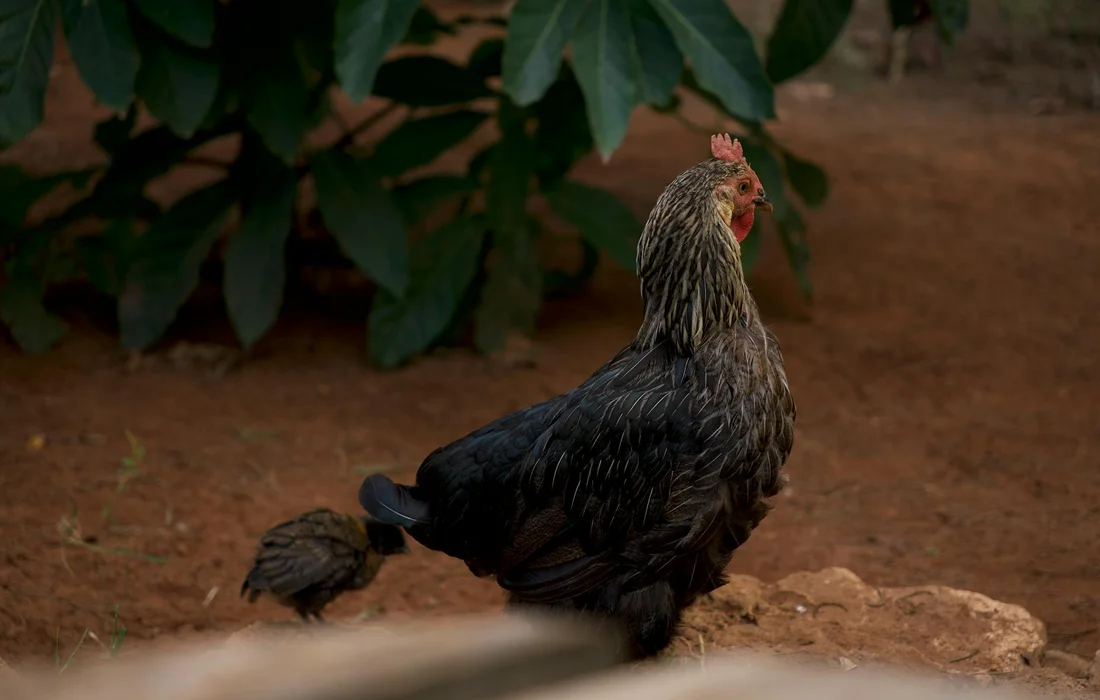
Your garden and your chicken area should work together like a good team of mules. Done right, the chickens help the garden, and the garden helps the chickens. Thoughtful layout saves your back and keeps your flock happily occupied with healthy snacks. I learned this the hard way after my Buff Orpingtons “pruned” my entire tomato seedling batch one regrettable afternoon.
Fencing and Protection: Keeping Critters Out and Chickens Safe
Fencing serves two masters: it keeps your chickens safe from predators and your prized plants safe from enthusiastic chickens. For the main garden perimeter, I swear by welded wire fencing that’s at least 4 feet tall, buried 6 inches deep to stop diggers like raccoons. A sturdy fence is your first line of defense, but for young plants, you’ll need a second. Inside the garden, I use simple wire cloches or low wooden frames covered with chicken wire to protect seedlings until they’re established.
For the chicken run itself, hardware cloth is worth every penny. It keeps out snakes and weasels that regular chicken wire won’t. I top the run with bird netting to deter hawks. Always inspect your fences after a hard rain or windstorm; a small gap is an open invitation to trouble. My old hound dog once showed me a weak spot by scratching at it, and I reckon I owe him for that.
Strategic Access: Portable Runs and Garden Gates
Controlled access is the secret to harmony. I use two main strategies: portable chicken tractors and dedicated garden gates into the run. A portable run lets you move your birds to where you need them, turning them into mobile fertilizing and pest control units. I built mine from PVC pipe and wire mesh-light enough for me to drag but strong enough to withstand a curious goat.
- Post-Harvest Cleanup: After I pull up my summer beans, I move the portable run over that patch. The chickens devour leftover bugs and weeds while depositing manure.
- Seasonal Grazing: In fall, I’ll let them into the finished garden areas to clean up dropped seeds and grubs, but only under my watchful eye.
- Garden Gate to Run: I installed a small, human-sized gate from my main garden directly into the chicken run. This lets me easily toss in excess produce or weeds without a long walk.
Remember, chickens are creatures of habit. Establishing clear boundaries with consistent access times teaches them where they can and can’t go, saving your raspberry canes from a fowl fate. I let my girls into the main garden for supervised visits only, usually in the late afternoon when they’re less likely to dig.
Closing Tips for Your Flock-Friendly Garden
What are the easiest chicken-safe plants for a beginner to grow?
Start with hardy, fast-growing greens like kale and Swiss chard, as they are incredibly resilient and packed with nutrients. Herbs such as oregano and mint are also excellent beginner choices, as they are perennial, require little maintenance, and offer health benefits for your flock.
Can I mix chicken-safe plants with my ornamental flower beds?
Absolutely. Many chicken-safe plants like calendula, sunflowers, and certain herbs are both beautiful and functional. Integrating them into borders creates a lovely, multi-purpose landscape that provides snacks for your birds and beauty for your home. It’s also helpful to distinguish which plants are truly safe and which flowers can be toxic to chickens. We’ll explore chicken-safe plants and toxic flowers in the next steps.
How do I protect young chicken-safe plants from being destroyed by my birds?
Use temporary barriers like wire cloches or low fencing until plants are well-established. Another effective strategy is to plant a “sacrificial” row of greens at the edge of your garden to satisfy your chickens’ curiosity and protect the main crop. This fits chicken-safe gardening, planning around what chickens can safely nibble, including petunias. Knowing which flowers they may peck—like petunias—helps you design safer beds.
What are the best chicken-safe plants for a shaded run area?
For dense shade, focus on hardy perennials like comfrey, which provides mineral-rich leaves. Many leafy greens, such as certain varieties of lettuce and beet greens, can also tolerate partial shade, offering fresh forage even in less sunny spots.
Are there any chicken-safe plants that help with coop odor or pests?
Yes, planting aromatic herbs like mint, lavender, and oregano around the coop perimeter can help deter flies and other pests. While not a complete solution, these plants contribute to a fresher-smelling area and give chickens healthy nibbles. Chickens can safely nibble on rosemary, sage, and other herbs in moderation. Introduce new herbs gradually and check safety for your flock.
What’s the biggest mistake to avoid when planning a chicken-safe garden?
The biggest mistake is forgetting about plant toxicity. Always double-check that every plant within your chickens’ reach is safe, and when in doubt, fence it out. Proper zoning from the start prevents accidents and saves heartache.
Shutting the Gate
The very best tool for a thriving chicken garden isn’t a fancy shovel or a newfangled sprayer. It’s your own two eyes and a habit of watching your flock. Consistent, quiet observation from the porch stoop or the garden fence tells you more about their health and happiness than any book ever could. You’ll learn which plants they truly relish, which corners they dust bathe in, and the exact moment their curiosity turns into destructive scratching.
I reckon the whole point of this homesteading life is to weave our rhythms a little closer to the seasons and the soil. May your garden be plentiful, your hens be content, and your heart be light with the simple joy of watching it all grow together. Happy planting, y’all. I’ll see you back down by the pasture fence for a neighborly wave.
Further Reading & Sources
- Chicken Friendly Plants – Which Plants Won’t Chickens Eat?
- Chicken-Friendly Plants You Can Grow Near Your Chicken Coop | BackYard Chickens – Learn How to Raise Chickens
- Chicken-Friendly Backyard Landscaping – Fresh Eggs Daily® | Lisa Steele
Caroline Mae Turner is a lifelong farm girl raised on red clay, early mornings, and the sounds of a bustling barnyard. With hands-on experience caring for everything from stubborn goats to gentle dairy cows and mischievous pigs, Caroline shares practical, tried-and-true advice straight from the farm. Her goal is to help folks keep their animals healthy, well-fed, and living their best barnyard life. Whether you're wrangling chickens or bottle-feeding a baby goat, Caroline brings a warm Southern touch and plenty of real-world know-how to every bucket in the barn.
Forage Options