Can Sheep Eat Pumpkins? Your Seasonal Feeding & Safety Guide
Published on: September 4, 2026 | Last Updated: September 4, 2026
Written By: Caroline Mae Turner
Howdy y’all, and welcome back to the fence line. Staring at that mountain of post-halloween pumpkins and wondering if your flock can help clear the patch? Yes, your sheep can absolutely eat pumpkin, and it’s a fine seasonal treat that cuts down on waste, but you’ve got to serve it right to keep your woolly friends hale and hearty. I’ve fed many a leftover gourd to my own crew, and with a few simple barnyard rules, you can turn autumn cleanup into a nutritious bonus for your flock.
Let’s get this sorted, so you can get back to the rest of your homestead chores before sundown.
The Straight Answer: Are Pumpkins Safe for Sheep?
Yes, sheep can absolutely eat pumpkins. In my decades of keeping a flock, I’ve yet to meet a ewe or ram that turned down a good pumpkin offering. They are a safe, nutritious, and often economical treat for your wooly friends.
The reason lies in their ruminant digestion. A sheep’s four-chambered stomach, especially the mighty rumen, is designed to ferment and break down fibrous plant material. Pumpkin flesh and rind provide a moist, easily digestible fiber that fits right into their natural diet, acting more like a supplement than a strange new food.
This section gets right to the heart of the question “can sheep eat pumpkins” by confirming their safety and explaining the simple logic behind it, so you can feel confident heading to the patch or the post-halloween curb with your wheelbarrow.
Pumpkin Parts for Your Flock: What to Feed and What to Avoid
Not every part of a pumpkin is created equal for your sheep’s trough. Let’s break it down so you know exactly what to offer, unlike for guinea pigs.
What You Can Feed (The Good Stuff):
- The Flesh: This is the orange meat. It’s sweet, packed with vitamins, and full of water. Sheep adore it.
- The Seeds: Raw pumpkin seeds are perfectly fine. Some folks worry about parasites, but in my experience, they pass through without issue and can even have a de-worming benefit. Don’t bother roasting or salting them-raw is best.
- The Rind/Shell: This is the tough outer skin. While sheep might leave the very toughest bits, they will happily gnaw and eat most of it. It’s excellent fiber for their rumen.
What You Must Avoid (The Bad & The Ugly):
- Stems & Vine Remnants: These are too tough, woody, and present a choking hazard. Toss them in the compost.
- Painted or Decorated Pumpkins: Any pumpkin with paint, glitter, glue, or other craft materials is strictly off-limits. The chemicals can be toxic.
- Rotten or Moldy Pumpkins: This is the most important rule in the pumpkin patch. A little softness from being overripe is one thing, but visible mold or foul-smelling rot is dangerous.
If you see blue, green, or white fuzzy growth, throw the entire pumpkin away-do not feed any part of it, as the toxins can cause serious digestive upset or worse.
To answer those common sub-questions: Yes, seeds are fine. No, don’t bother with the tough vines. The leaves are usually wilted by harvest time and aren’t worth the trouble. And I’ll say it twice for emphasis: never feed mold. When in doubt, throw it out. It’s cheaper than a vet call. I’ve saved many a pumpkin from the landfill for my flock, but I always give each one a good sniff and inspection first.
The Nutritional Goodness: Benefits of Pumpkins for Sheep
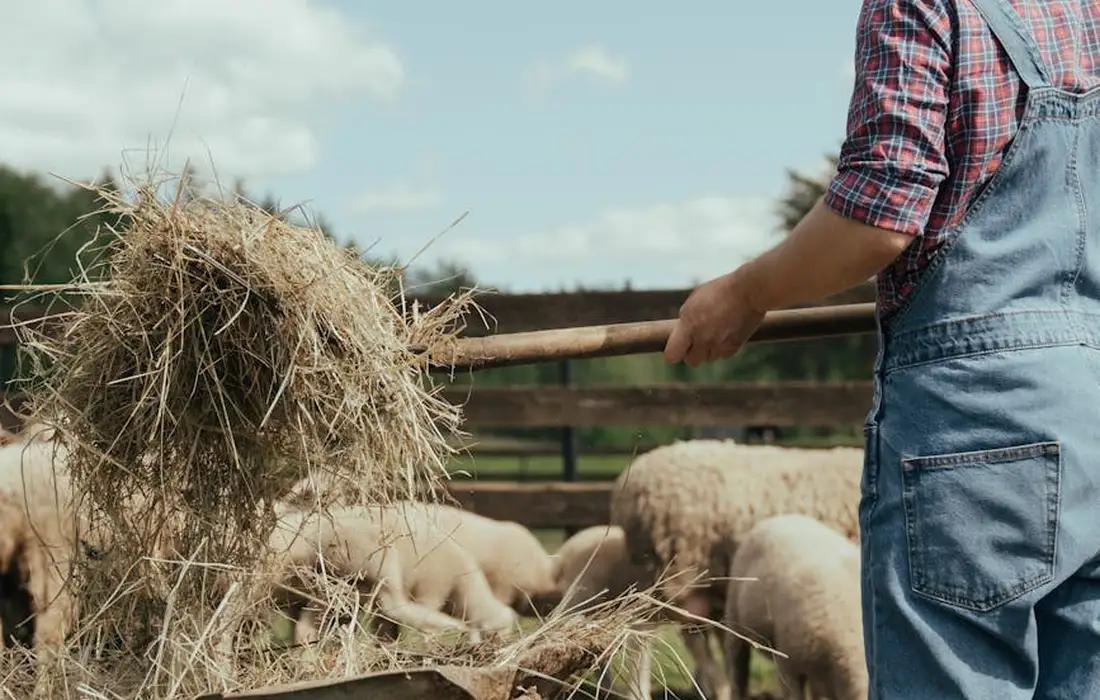
Now, let’s talk about what’s inside that orange globe that makes it worth offering to your flock. Pumpkins pack a punch of digestible fiber, a handful of vital vitamins, and a decent dose of caloric energy, making them a wholesome snack beyond just a seasonal decoration. I’ve fed them to my sheep for years, and I’ve seen firsthand how a bit of pumpkin can brighten up their autumn diet.
- Fiber for Digestion: The bulk of a pumpkin is a easily broken-down fiber that keeps the rumen ticking along smoothly. It’s different from the tough lignin in mature hay; it’s more like the tender forage they’d find on a lush spring pasture.
- Vitamins Galore: You’re looking at a great source of Vitamin A for good eyesight and immune health, along with Vitamin C and a sprinkle of Vitamin E. These help your sheep brace for the cooler months ahead.
- Caloric Energy: While not as dense as grain, those natural sugars and carbohydrates provide a quick energy lift, perfect for a ewe maintaining condition or a lamb putting on a little extra growth.
Compared to standard grass hay, pumpkin fiber is more hydrating and rapidly fermented. Think of hay as your steady bread and butter, while pumpkin is the moist, flavorful gravy that adds variety and aids digestion. It complements the dry roughage but doesn’t replace it.
This positions the humble pumpkin as a prime autumn forage supplement. After the harvest, when pastures start to fade, those leftover pumpkins can stretch your feed budget and provide nutrients that hay alone may lack. It’s a thrifty practice of sustainable stewardship, turning potential waste into wholesome feed for your critters.
| Feed Type | Crude Fiber | Protein | Key Vitamins | Best For |
|---|---|---|---|---|
| Pumpkin (fresh) | High (digestible) | Low (1-2%) | A, C, E | Supplement, hydration, vitamins |
| Alfalfa Hay | High | High (15-20%) | A, D, Calcium | Core diet, growth, lactation |
| Grass Hay | Very High | Moderate (8-12%) | Varies | Maintenance, rumen fill |
| Corn Grain | Low | Low (8-10%) | B Vitamins | Energy boost, finishing |
How to Feed Pumpkins: Preparation, Portions, and Introduction
Feeding pumpkins isn’t as simple as just tossing a whole gourd into the pen. A little preparation goes a long way for safety and efficiency. Proper prep prevents choking and ensures every sheep and goat gets a fair share of the goodness. Here’s how I do it in my barnyard.
- Chopping or Crushing: For mature sheep, I chop pumpkins into fist-sized chunks with a heavy knife or hatchet. You can also use a front-end loader to gently crush them whole. This breaks the tough skin and exposes the soft interior.
- Seed Consideration: I usually leave the seeds in; they’re harmless and add a bit of fat. If you have a massive quantity, you might scoop some out to dry for other uses, but it’s not necessary for the sheep.
- Clean Offering: Always remove any rotting sections or mold. Feed on clean ground or in a trough to minimize dirt ingestion. I avoid feeding whole pumpkins to avoid aggressive pushing and potential injury.
For portions, let weight guide you. A good rule of thumb is to limit pumpkin to no more than 10% of their daily dry matter intake. For a 150-pound ewe, that’s roughly one to two pounds of pumpkin per day, depending on what else she’s eating. It’s a treat, not a staple.
Introduce this new food gradually to prevent digestive upset. Start by offering just a few small pieces per animal over two to three days, slowly increasing to the full portion over a week. This lets their rumen microbes adjust without causing bloat or scours. Understanding goat digestive health, rumen function, and best feeding practices helps guide these steps. More resources will be linked in the next steps.
Watch your flock closely during this time. Moderation is the golden rule that keeps a healthy treat from becoming a digestive dilemma. I’ve learned that even good things, when overdone, can lead to a bellyache you’d rather avoid.
Potential Risks and Smart Safety Practices
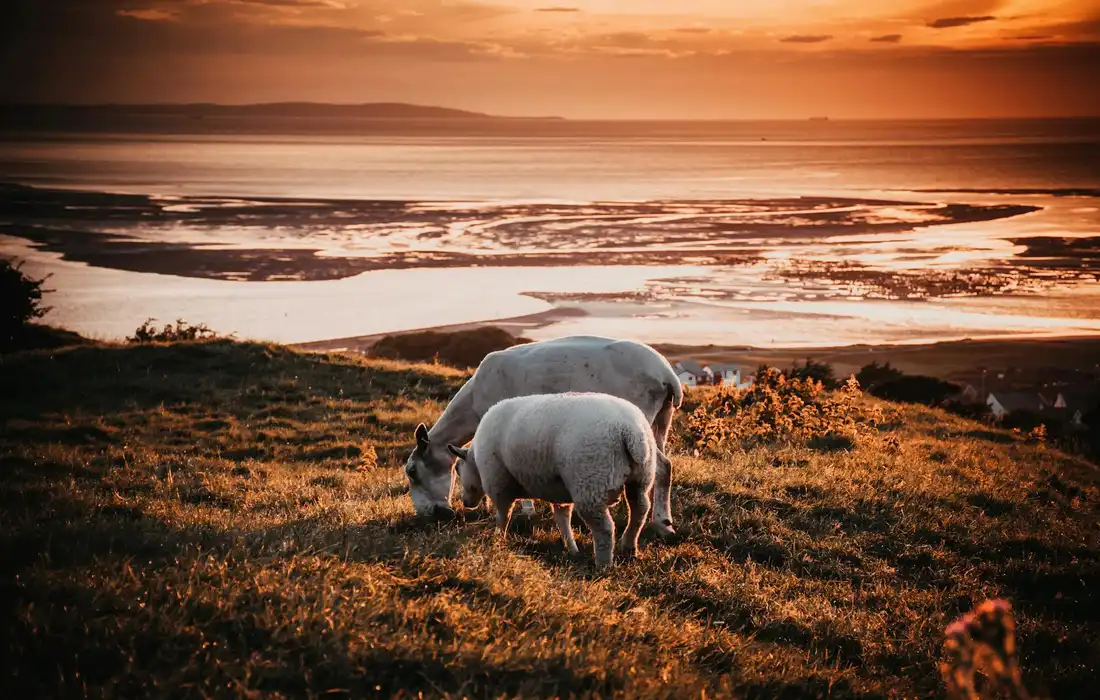
Now, I don’t want to scare you off a good thing, but handing a whole pumpkin to your flock is like giving a toddler a whole apple-it’s an accident waiting to happen. Smart stewardship means recognizing the hazards before they ever reach the pasture gate. Let’s walk through the main concerns so you can feed with confidence.
Common Hazards and How to Outsmart Them
Choking and Obstruction
Sheep don’t have top front teeth, so they can’t bite off manageable pieces from a large, hard fruit. They’ll try to break it with their molars or even swallow chunks whole. This can be risky when feeding fruits like watermelon to sheep.
- Smash It First: Always break the pumpkin open with a hammer or split it with a hatchet. I lay a tarp down for easy cleanup.
- Remove the Stem: That tough, woody stem is a no-go. Chop it off and toss it in the compost.
- Size Matters: For larger flocks, consider cutting the pumpkin flesh into rough chunks. For a few sheep, simply halving or quartering a medium pumpkin is sufficient.
Mold Toxicity (Mycotoxins)
This is the silent killer, and I’ve seen the aftermath of spoiled feed. A little fuzzy blue or white patch can make an animal mighty sick. Mold doesn’t just sit on the surface; its harmful toxins weave right through the flesh of the fruit.
- Inspect Thoroughly: Check every pumpkin, especially around the base and any soft spots. If it’s mushy, slimy, or smells sour, it’s trash.
- When in Doubt, Throw It Out: Don’t try to just cut away the bad part. The invisible toxins have spread further than you think.
- Feed Fresh: Put out only what they’ll clean up in a day. Don’t let leftovers sit in the field to rot.
Digestive Upset
Their rumen is a finely tuned fermentation vat. A sudden dump of sugary, watery pumpkin can throw the whole system off balance.
- Introduce Slowly: Start with a few handfuls per animal. Watch their manure for a day or two before offering more.
- It’s a Treat, Not a Staple: Pumpkin should never replace their primary diet of good hay or pasture. Think of it as a supplement or seasonal snack.
- Balance with Fiber: Always ensure they have unlimited access to clean hay. The roughage helps keep their gut moving properly.
Watching for Individual Sensitivities
Just like people, every sheep is an individual. After introducing pumpkin, keep an eye out. A sheep that hangs back from the treat, has loose stools, or seems unusually lethargic might be telling you it doesn’t sit right with them. It’s rare, but it happens. If you notice a single animal reacting poorly, simply remove pumpkin from its diet. The rest of the flock can likely carry on enjoying their orange feast.
You know your animals best. If you see signs of severe distress-bloating, refusing to eat anything, staggering, or difficulty breathing-don’t wait. That’s your cue to call the vet immediately. It’s better to have a false alarm than to let a treat turn into a tragedy.
Special Considerations: Lambs, Seeds, and Seasonal Tips
Not all sheep are created equal when it comes to treats, and the parts of the pumpkin matter too. Lambs have developing digestive systems that require a more cautious approach than their mature counterparts. Some keepers even test citrus treats like oranges in moderation to gauge effects on digestion.
Lambs vs. Mature Ewes and Rams
A grown ewe with a fully functioning rumen can handle a bit of pumpkin novelty. Her gut microbes are diverse and robust. For a young lamb, however, priority one is milk and then developing a tolerance for forage. I never offer pumpkin (or any treat) to a lamb still primarily on milk, as it can disrupt the critical rumen development process. For weaned lambs on pasture, a tiny taste is okay, but it should be a scant tablespoon-sized amount once they’re a few months old. Their main job is growing on steady, consistent nutrition.
The Lowdown on Pumpkin Seeds
Those slippery seeds inside? They’re a powerhouse of nutrition and a natural dewormer to boot. But you’ve got to serve them right.
- Raw and Whole is Just Fine: You don’t need to roast or grind them. Sheep chew them effectively, and the roughage is good for them.
- Moderation is Key: Seeds are high in fat and protein. A small handful sprinkled over their regular feed for the whole flock is plenty. Too many can cause scours.
- Easy Does It: I often scoop the seeds and stringy pulp out and offer it separately. It’s less messy and lets me control the portion.
Barnyard Comparisons: Sheep vs. The Rest of the Crew
Since we’re all managing mixed flocks, here’s how sheep stack up:
Storing Your Pumpkin Bounty for Sheep Feed
-
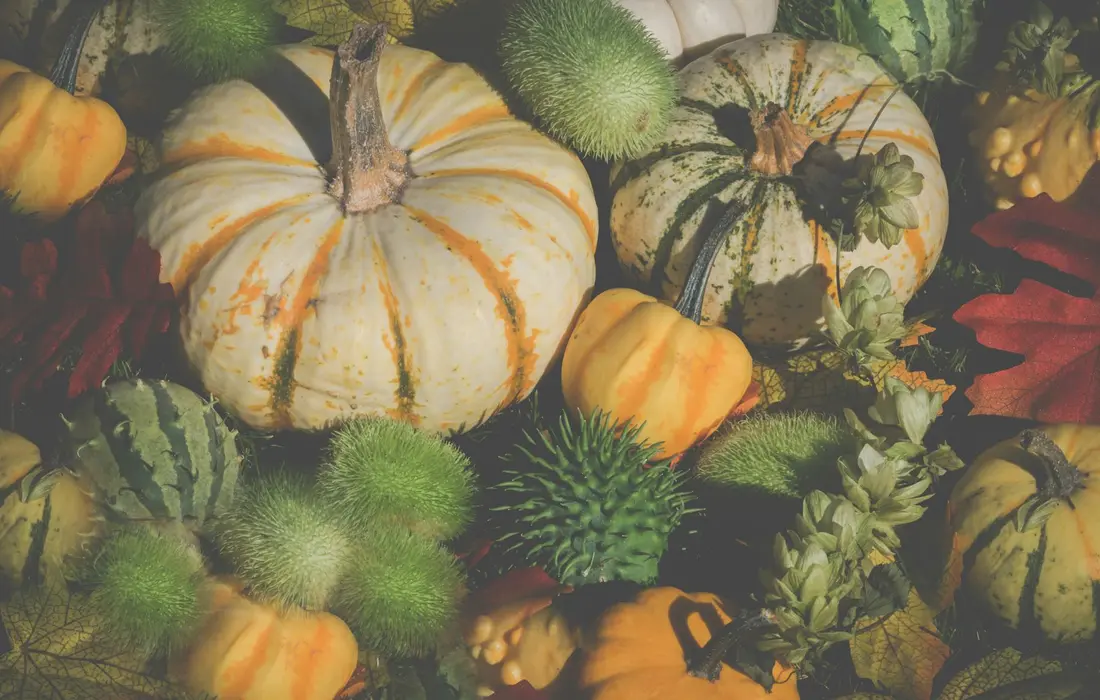
For short-term keeping, you want a spot that mimics a fall evening-cool, dry, and with good air circulation. I stash mine on old wooden shelves in the back of the equipment shed, where the temperature stays a steady 50 to 55 degrees Fahrenheit. A basement or root cellar works wonders, but even a shaded, well-ventilated porch will do in a pinch for a few weeks. Just make sure the pumpkins aren’t touching each other too much; a little space between them prevents moisture buildup and slows rot. I learned this the hard way one season when I piled them all in a corner and lost a good third to soft spots.
-
When you’ve got more pumpkins than you can use before the deep cold sets in, it’s time to think about putting some by. Freezing is my go-to for long-term preservation. I simply wash the pumpkins, cut them into manageable chunks (about the size of my fist), scrape out the seeds and stringy pulp for later, and spread the chunks on a baking sheet to flash-freeze. Once they’re solid, I bag them up in reused bread sacks; this way, I can grab a handful to thaw for the flock without defrosting a whole gourd. Chopping and drying is another thrifty method-slice the flesh into thin strips and use a dehydrator or a very low oven until they’re leathery. These dried chips keep for months in a jar and make a fine, chewy treat.
-
Keeping your stash safe means following a few simple rules. Here are my barn-tested do’s and don’ts to prevent spoilage and keep your sheep healthy.
- DO inspect every pumpkin thoroughly before you store it. Any nicks, bruises, or soft spots are gateways for mold. Use those first.
- DO remove the stem. It can puncture other pumpkins and create a mess.
- DON’T ever store pumpkins in a damp or sun-heated spot. A plastic bin left in the sun will turn into a steam cooker for rot.
- DON’T try to can or ferment pumpkin for sheep feed unless you’re an expert. Botulism is a real risk, and it’s not worth the gamble.
- DO check your stored pumpkins every couple of weeks. One bad apple-or pumpkin-can spoil the whole bunch. Toss anything with a foul smell or visible fuzz.
Closing Tips for Your Pumpkin Feeding Plan
How should pumpkins be introduced into a sheep’s diet?
Always introduce pumpkins slowly over a week. Start with just a few small pieces per sheep to allow their rumen microbes to adjust without causing digestive upset like bloat or scours. This is similar to how you should introduce pumpkins to cows.
Can sheep eat rotten or moldy pumpkins?
Absolutely not. You must never feed rotten or moldy pumpkins to sheep. Visible mold produces harmful mycotoxins that can cause serious illness, and these toxins permeate the entire fruit, not just the visibly spoiled area.
What is the best way to store pumpkins for sheep feed?
For short-term storage, keep whole pumpkins in a cool, dry, well-ventilated place like a basement or shed. For long-term use, you can chop the flesh into chunks and freeze it, or dehydrate thin slices into chewy chips.
Can lambs eat pumpkins?
Lambs with fully developed rumens (several months old and weaned) can have a tiny taste. However, never offer pumpkin to unweaned lambs still on milk, as it can disrupt their critical rumen development.
Are there any other risks in feeding pumpkins to sheep?
Beyond mold and choking, the main risk is digestive upset from overfeeding. Pumpkin should always remain a treat supplementing their core diet of hay or pasture, not a replacement for it.
Can other barnyard animals eat the same prepared pumpkins?
Yes, your prepared pumpkin can be a multi-species treat. Chickens will peck at seeds and flesh, pigs devour everything, and goats enjoy it similarly to sheep. Just ensure any shared feed is clean and free of hazards like stems, especially when feeding pumpkins to multiple farm animals.
Shutting the Gate
After all this talk of pumpkins, just remember they’re a seasonal delight for your sheep, not a replacement for good hay or pasture. Your flock’s health hinges on your watchful eye and a steady rumen, so always chop those gourds, scoop out the seeds, and start with a handful per animal to see how they take to it. Keep in mind the safe veggies for sheep when trying something new. I’ve seen a ewe with a bellyache, and it’s a sight that’ll have you minding the feed bucket right quick.
I’m right grateful you took the time to learn with me today. There ain’t nothing finer than sharing a harvest with your animals and knowing you’re doing right by them. Now, I’m off to check my own fence line. Y’all take care, enjoy those crisp fall days with your woolly friends, and keep on tendin’ your little piece of this good earth.
Further Reading & Sources
- Is it safe for livestock to consume pumpkins after fall festivities are over? – Texas Farm Bureau
- Can Sheep Eat Pumpkins? A Feeding Guide for This Superfood | Sheep School Website
- [Archived]: Incorporating Cull Pumpkins into Livestock Diets | …
Caroline Mae Turner is a lifelong farm girl raised on red clay, early mornings, and the sounds of a bustling barnyard. With hands-on experience caring for everything from stubborn goats to gentle dairy cows and mischievous pigs, Caroline shares practical, tried-and-true advice straight from the farm. Her goal is to help folks keep their animals healthy, well-fed, and living their best barnyard life. Whether you're wrangling chickens or bottle-feeding a baby goat, Caroline brings a warm Southern touch and plenty of real-world know-how to every bucket in the barn.
Feeding Guidelines