Can Rabbits Eat Raisins? Your Guide to Safe Treats and Smart Limits
Published on: September 8, 2026 | Last Updated: September 8, 2026
Written By: Caroline Mae Turner
Howdy y’all. Yes, a rabbit can eat a raisin or a bit of dried fruit as an occasional sweet treat, but you must measure it like precious medicine-too much sugar spells serious health trouble. I’ve spent many an afternoon watching a well-meaning neighbor learn that lesson the hard way after a bunny binge. It’s a real chore sorting through the do’s and don’ts of treats when you just want to spoil your critters without consequence.
What you’ll need:
- A small pinch of raisins or dried fruit (think 1-2 pieces)
- A good kitchen scale or measuring spoon for portion control
- Your rabbit’s regular feed of unlimited grass hay and fresh water
Stick with me, and we’ll sort this treat business out quick, so you can get back to the real work waiting for you outside.
The Straight Answer on Rabbits and Raisins
Well, y’all, the barnyard truth is yes, a rabbit can physically eat a raisin. I’ve handed out the occasional one as a rare treat in my years. But the real answer hinges on a mighty important word: “seldom.” Think of raisins and dried fruits like a rich dessert-a tiny taste once in a blue moon is the absolute limit for your bunny.
I reckon a single, plain raisin once a week is the most I’d ever offer a full-sized, healthy rabbit. For dwarf breeds, I’d skip it altogether. This isn’t a nutritious snack; it’s a calculated risk you take for a moment of bunny joy, and it must be managed with a firm hand. Fresh apple slices or a sprig of cilantro are far safer bets for a happy critter.
The Real Risks: Why Dried Fruits Trouble a Rabbit’s Gut
Dried fruits are sunshine and sugar concentrated into a small, chewy package. That’s the problem. A rabbit’s digestive system is built for a steady flow of roughage, not sugar bombs. Feeding dried fruit ignores the fundamental design of a herbivore’s gut, and that’s where we homesteaders can get into hot water fast.
Digestive Upset and GI Stasis
That high sugar content hits the cecum-that crucial fermentation vat in a rabbit’s gut-like a thunderclap. It disrupts the delicate balance of bacteria, leading to rapid gas production and painful bloating. From there, it’s a short, scary slide into gastrointestinal stasis, where the entire gut system grinds to a halt.
I’ve sat up through the night with a doe who got into a bag of dried apricots. Her belly was taut, and she was utterly still-a classic sign. GI stasis isn’t just a bellyache; it’s a life-threatening emergency that demands immediate veterinary care. The cost and heartache far outweigh any treat.
- The sugar causes a bacterial bloom, creating excessive gas.
- Pain from gas makes the rabbit stop eating, slowing gut motility.
- Dehydration from the dried fruit worsens the impaction risk.
The Dental Health Deception
Some folks think a chewy raisin might help wear down those ever-growing teeth. That’s a dangerous myth. Rabbit teeth are designed to grind and slide against each other when chewing long-stranded fibrous hay, not mash sticky, sugary fruit. The sugar coats the teeth, promoting decay and painful dental spurs.
I check my rabbits’ teeth weekly, and I can tell you the ones on a hay-first diet have perfect wear. An unlimited supply of quality timothy or orchard grass is the only dental plan a rabbit ever needs. Dried fruits offer no abrasive benefit and only set the stage for molar problems and costly vet filings.
Toxicity and Obstruction Concerns
Beyond sugar, store-bought dried fruits harbor other dangers. Many are preserved with sulfites, which can cause toxicity in sensitive animals. Always read the label, but my rule is simpler: if it’s not fit for me to eat plain, it doesn’t go to my rabbits.
Then there’s the physical risk. A dried fruit can absorb moisture and swell inside the gut, or its sticky texture can clump with hair or other matter. This can create a physical blockage that surgery might be needed to remove, a risk no thrifty steward should take with their animal. A rabbit’s digestive tract is a one-way street; obstructions are severe business.
Feeding Guidelines: Safe Portions and Limits
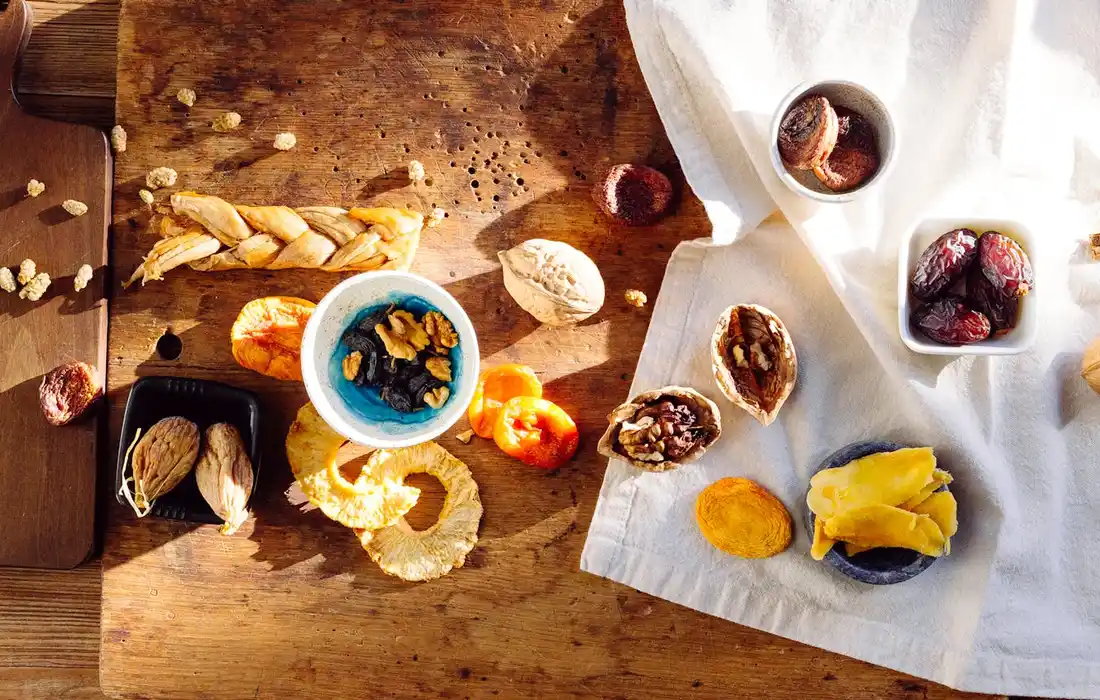
Y’all, think of a raisin like a rich dessert for your bunny-a tiny taste is a delight, but a whole plateful spells trouble. My rule from years in the barn is to treat dried fruit as a rare curiosity, not a regular snack.
- Absolute maximum portion size: For a healthy, adult rabbit over 6 pounds, one or two raisins is the absolute most you should ever offer at one time.
- Frequency: This minuscule treat should only cross their path once a week at most, and I reckon skipping a week now and then is even smarter.
- Rabbits to never have them: Never offer any dried fruit to baby kits, elderly bunnies, those carrying extra weight, or any critter with a prior bout of GI stasis or digestive woes.
- Fresh water access is non-negotiable: Always serve these dry treats with a heaping portion of common sense and a full dish of clean water to help wash down that concentrated sugar.
Beyond Raisins: A Look at Common Dried Fruits
Now, the cupboard might hold other dried fruits, and I’ve seen a curious nose poke into a bag more than once. Remember, drying amplifies the sugar, making every piece a potent little sugar cube for a rabbit’s system.
Dried Apricots, Dates, or Figs
These are the heavy hitters of the dried fruit world, with sugars so concentrated they can stick to a bunny’s molars. I avoid dates entirely for rabbits, and figs as well, but if you must try a bit of apricot, a piece no bigger than a pea, once a month, is my strict limit.
Dried Apples or Cranberries
Dried apple rings or sweetened cranberries from the store are a real gamble. If you choose to offer a plain, unsweetened dried apple sliver, make it half the size of a raisin and monitor their droppings closely afterward. Most store-bought dried cranberries are loaded with added sugar, so I just don’t bring ’em into the barn.
Dried Pineapple or Mango
These tropical treats are often sulfured and always very sweet. That tough, chewy texture and intense sugar combo is a recipe for slowing down a rabbit’s delicate gut, so I keep these off the menu entirely. Fresh pineapple core (for its enzyme) is a different tale for weaning kits, but that’s a story for another day.
Uh-Oh, They Ate Too Much! Emergency Steps

We’ve all been there-a clever bunny finds a way into the pantry or a well-meaning visitor overfeeds treats. When a rabbit overindulges in raisins or dried fruit, quick, calm action is your best tool. I’ve handled this very scenario in my barn, and following a clear plan prevents a small mistake from becoming a big problem.
-
Immediate Action: Remove all treat sources.
Scoop up every last raisin or bit of dried fruit from the enclosure, and check their hiding spots. This isn’t a time for halfway measures; you need to completely cut off the supply of sugar and concentrated carbs. I once had a Netherland Dwarf who hoarded treats in his bedding, so be thorough.
-
Critical Support: Offer unlimited hay and fresh water.
Immediately refill their rack with the best grass hay you have-timothy or orchard grass are my go-tos. This coarse fiber is like a broom for their digestive tract, helping to sweep things along and get their gut motility back on track. Refresh their water bowl or bottle with cool, clean water to aid digestion and prevent dehydration.
-
Symptom Watch: List signs of distress (lethargy, no droppings, bloating).
Over the next 6 to 12 hours, observe your rabbit closely. A healthy bunny is curious and active. You’re watching for a huddled posture, a lack of interest in food, a silent belly, or a noticeable absence of fecal pellets. Gently feel their abdomen; if it’s hard or drum-tight, that’s bloat, and it’s serious.
-
Veterinarian Advice: Stress when to call the vet immediately.
If you see lethargy, no droppings for over 10 hours, or any sign of bloating, call your veterinarian right away. Rabbits can deteriorate quickly from gastrointestinal stasis, and professional intervention with fluids, gut motility drugs, or pain relief can be lifesaving. I never hesitate to make that call-it’s the ultimate act of stewardship for your animal.
Better Bites: Healthy Treat Alternatives for Rabbits
Turning a dietary oops into a learning moment helps everyone. The best treats are fresh, low in sugar, and high in fiber or water. Sticking to this rule keeps your rabbits thriving and saves you money on vet bills down the line. Curious about what rabbits actually love to eat? Do rabbits like eat favorite foods treats guide covers favorites and safe options.
-
Fresh herb sprigs (cilantro, basil, mint).
A small bunch of herbs from your garden or windowsill pot is a fragrant, exciting snack. I often snip a little extra cilantro when I’m cooking and share it with my herd; it’s a zero-waste treat they adore. Mint can be soothing, but offer it sparingly as it’s potent.
-
Select leafy greens (romaine, carrot tops).
Dark, leafy greens should be the cornerstone of your fresh treats. Romaine lettuce, bok choy, and the tops from your homegrown carrots or radishes are perfect. These provide vital nutrients and moisture without the sugar overload, making them a safe daily supplement. Avoid iceberg lettuce, as it’s mostly water with little nutritional value.
-
Rare fresh fruit treats (blueberry, thin apple slice).
If you want to offer something sweet, think fresh and minimal. One blueberry or a thin slice of apple (core and seeds removed) per week is ample. The high water content in fresh fruit dilutes the sugar, making it a far safer option than any dried counterpart. I use these sparingly, only as a special reward during handling sessions.
-
The best treat of all: quality hay and their regular pellets.
Never forget that a rabbit’s everyday food is their greatest gift. A constant supply of fresh, fragrant hay and a measured portion of plain, high-fiber pellets satisfy their need to forage and chew, promoting dental and digestive health. This is the thrifty, sustainable foundation that shows real respect for your animal.
The Foundation: Building a Healthy Rabbit Diet
Now, before we even think about handing over a raisin, we have to talk about what keeps a rabbit’s engine running smooth. Their digestion is a finely-tuned system, and getting the foundation wrong is like building a barn on sand.
Unlimited Grass Hay: The 80% staple for fiber and dental health. This isn’t just bedding; it’s the absolute cornerstone. Timothy, orchard grass, or meadow hay should be available 24/7. That constant roughage keeps their gut moving and grinds down those ever-growing teeth, which is the single most important thing you can do for a rabbit’s health. I’ve seen the misery of a bunny with dental spurs from a poor hay diet, and it’s a preventable heartache. Different hay types matter for age and health. For many adults, timothy hay is preferred, while alfalfa’s higher calories can be more suitable for growing kits or rabbits needing extra nutrition.
Fresh Greens & Vegetables: The daily vitamin portion. Think of this as their daily salad bar. A packed cup of dark leafy greens like romaine, kale, or cilantro per rabbit is a good rule of thumb. This provides vital nutrients and moisture, and introducing a variety slowly helps prevent an upset stomach. I often pick weeds like dandelion greens and plantain from my pesticide-free pastures for my herd – it’s thrifty and they adore it. It’s also useful to know leafy greens safe feeding guidelines to keep digestion steady and energy balanced.
Measured Pellets: The fortified nutrition insurance. A high-fiber, plain pelleted feed is just a supplement, not the main course. For an average adult rabbit, a mere 1/4 cup per day is plenty. Overfeeding pellets is a common mistake that leads to obesity and a rabbit that turns its nose up at the hay it truly needs. I use pellets to make sure they’re getting their trace minerals, nothing more. The daily portion sizes refusal guide can help keep portions consistent and explain why a rabbit may reject pellets.
Treats (like raisins): The occasional 1-2% luxury. Here we are. This tiny category is where raisins might sneak in. We’re talking a treat the size of your pinky fingernail, once or twice a week at most. Any treat, fruit or vegetable, should be a rare delight, not a dietary expectation. Their primary sweetness should come from a good bite of hay, not from our snack cabinet.
A Quick Barnyard Comparison: Raisins for Other Livestock
Since y’all are running a whole farm, you might wonder what to do with that half-empty bag of raisins. Let’s take a quick stroll to the other pens and see how it stacks up.
Chickens and Dried Fruit
My flock goes wild for a handful of raisins tossed into their scratch. They can handle them better than rabbits due to their different digestive tract. I still treat raisins like chicken candy-a scattered handful for the whole flock as a weekend treat is more than enough. Soak them in water first for older birds to prevent any choke risk. It’s a fine energy boost in winter, but never replaces their layer feed.
Pigs and Dried Fruit
Pigs will eat anything, and dried fruit is no exception. The sugar and calorie content is the real concern here. For a pig, a raisin is a concentrated sugar cube, so I’d only ever offer a few as a high-value training reward, not a feed supplement. If you’re curious about which fruits fit into a complete fruit diet for pigs, our guide on fruits pigs eat complete fruit diet covers it. It offers practical, varied fruit options to consider. Too much can lead to a portly pig, and a healthy, lean pig is a thrifty pig to raise. Compost those raisins for the garden before you overindulge your porker.
Goats and Dried Fruit
Goats have a rumen designed to ferment forage, not process sugary snacks. A raisin or two won’t likely cause major harm, but it’s simply not useful nutrition. I’ve found my goats would much rather have a branch of blackberry bramble or a extra flake of alfalfa hay than a dried grape. If you use raisins to lure a shy goat, break one into several pieces to make it last. Their rumen health depends on steady, fibrous food, not sugary spikes.
Closing Questions
Can rabbits eat raisins?
Yes, rabbits can eat raisins, but only as a rare and occasional treat. Think of it like a rich dessert—a tiny amount once in a while is acceptable, but it offers no nutritional benefit and should be given with caution. When feeding rabbits any type of fruit, it’s essential to follow safe feeding guidelines for fruits.
What are the risks of feeding raisins to rabbits?
Raisins pose risks such as digestive upset, including gastrointestinal stasis and painful bloating, due to high sugar content. They can also lead to dental decay and potential obstructions or toxicity from preservatives.
What is the safe limit for raisins for rabbits?
The safe limit is no more than one or two raisins per week for a healthy, adult rabbit over 6 pounds. Always skip raisins for baby, elderly, overweight, or sensitive rabbits to avoid health issues.
Can rabbits eat other dried fruits?
Rabbits can eat other dried fruits, but they are even riskier due to concentrated sugars. For example, a pea-sized piece of dried apricot monthly might be safe, but avoid dates, figs, and sweetened varieties entirely. Stone fruits and nuts generally aren’t ideal for rabbits.
What are the general risks of dried fruits for rabbits?
Dried fruits are high in sugar, which can disrupt gut bacteria, cause dehydration, and promote dental problems. Their sticky, dry nature may also lead to gut obstructions, making them generally unsafe for regular feeding.
What should you do if your rabbit eats too many raisins?
Immediately remove all treat sources and provide unlimited hay and fresh water to support digestion. Monitor for symptoms like lethargy or bloating, and contact a veterinarian promptly if any distress signs appear, as it can be an emergency.
Shutting the Gate
After all our chin-waggin’ about raisins and such, the heart of the matter is mighty simple. Your rabbit’s bowl should always hold more timothy hay than anything else, with any dried fruit treat bein’ a rare, tiny surprise-think one raisin per week for a full-grown bunny, not a handful. Steady digestion and a happy gut start with what you don’t feed, just as much as what you do.
I’m right grateful you took the time to ponder your critter’s menu with me. There’s a deep joy in carin’ for creatures well, and I hope y’all find it every day at your own hutch. May your pastures be green and your rabbits binky with good health.
Further Reading & Sources
- Can my rabbit eat raisins or are they bad for its health? | Dial A Vet
- Treats for Rabbits
- Can Rabbits Eat Raisins Safely as a Treat? – Everbreed
Caroline Mae Turner is a lifelong farm girl raised on red clay, early mornings, and the sounds of a bustling barnyard. With hands-on experience caring for everything from stubborn goats to gentle dairy cows and mischievous pigs, Caroline shares practical, tried-and-true advice straight from the farm. Her goal is to help folks keep their animals healthy, well-fed, and living their best barnyard life. Whether you're wrangling chickens or bottle-feeding a baby goat, Caroline brings a warm Southern touch and plenty of real-world know-how to every bucket in the barn.
Feeding Guidelines