Can Rabbits Eat Pineapple? A Homesteader’s Guide to Safe Treats
Published on: September 15, 2026 | Last Updated: September 15, 2026
Written By: Caroline Mae Turner
Howdy y’all, yes, rabbits can eat pineapple, but only the fresh flesh as a rare, tiny treat-too much sugar spells trouble for their delicate gut. I’ve spent many an afternoon on the farm pondering which kitchen scraps my bunnies can nibble, and that golden fruit on the counter sure does spark a question. It’s a familiar chore, balancing your desire to spoil them with what keeps them hopping healthy.
What you’ll need:
- One fresh, ripe pineapple (avoid canned varieties with added sugar or syrup)
- A sharp knife and a clean cutting board
- A small bowl or dish for serving
- Your rabbits, already full from their main hay diet
We’ll have this pineapple puzzle sorted in no time, so you can get back to the real work of the homestead.
The Pineapple Question: Is It Safe for Your Rabbits?
Well, let’s set the record straight right here on the porch. Yes, your rabbit can have a taste of pineapple, but think of it like a slice of pie after Sunday supper-a special treat, not the main course. Fresh, ripe pineapple flesh, given sparingly, is generally safe for most healthy adult rabbits. I’ve shared a tidbit with my own herd on occasion, and their noses wiggle with pure delight. You just gotta mind the details.
Always strip away that tough, prickly skin and the woody core. They’re hard on a bunny’s digestion and pose a choking risk. What you’re after is the soft, yellow fruit, cut into rabbit-bite-sized pieces no bigger than your thumbnail. I reckon if you wouldn’t eat it yourself—like a bruised or overripe spot—don’t offer it to your critter. Stewardship starts with what we choose to put in their feed bowl. Thinking about pears for your bunny? Our rabbits eat pears fruit safety feeding guide covers safe prep, portion sizes, and feeding frequency.
Weighing the Sweetness: Benefits and Risks of Pineapple
The Bright Side: Potential Perks
When used wisely, that tropical fruit can offer a little more than just a sweet smile from your bunny. The natural enzyme bromelain in pineapple is the real talk of the barn, as it may help break down ingested fur in the gut, gently aiding with hairball prevention. Now, it’s no miracle cure, but in my years, a small weekly treat during heavy molting seasons seems to keep things moving smoothly.
Beyond that, pineapple brings a few other goodies to the table in tiny amounts:
- Vitamin C: A boost for their immune system, though they make their own.
- Hydration: The high water content can be refreshing on a hot day.
- Mental Enrichment: A new texture and taste breaks up the monotony of hay.
Offering a diverse nibble here and there reflects a thrifty, observant husbandry that uses what’s on hand responsibly. Just last summer, after putting up preserves, I gave the bunnies the trimmed ends from a fresh pineapple. Watching them explore it was a pure joy.
The Cautions: Understanding the Risks
Now, don’t let that sweetness fool you. The risks are real if you get careless with the feeding. The primary concern is the sheer sugar content, which can swiftly lead to an unbalanced gut, weight gain, and dental problems. A rabbit’s digestive tract is built for fibrous hay, not sugary fruits.
Here’s a list of the pitfalls you need to skirt around:
- Digestive Upset: Too much can cause gas, bloating, or diarrhea, which is serious for rabbits.
- Acidity: The natural acids might irritate some sensitive stomachs.
- Nutritional Displacement: If they fill up on pineapple, they’ll eat less of their vital hay and greens.
My rule of thumb is to limit pineapple to a teaspoon-sized portion per five pounds of body weight, no more than once or twice a week. And always, I mean always, introduce any new food slower than a January thaw. Give a speck the first time and watch their droppings for two days. If all’s well, you can offer a bit more next time. Respect for the animal means listening to what their body tells you.
Serving It Right: How to Feed Pineapple to Rabbits
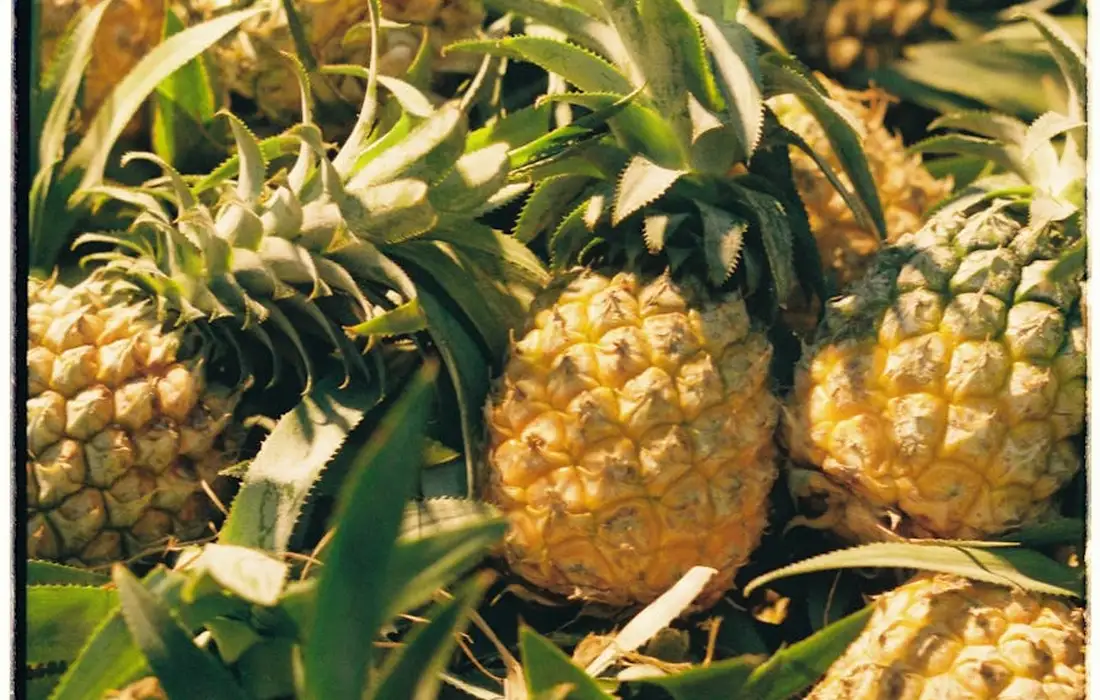
Offering pineapple ain’t just a matter of hacking off a chunk and tossing it in the hutch. A little finesse goes a long way in keeping your bunny’s belly happy. I always treat fruit like a spice in their diet-a powerful flavor meant to be used sparingly.
First, you’ve got to pick your fighter. A ripe, fresh pineapple is the only way to go. Give that fruit a good scrub under cool running water to remove any residues from its journey to your farm. I use a vegetable brush on the rough skin to be thorough. A clean start prevents introducing unwanted chemicals to your rabbit’s sensitive system.
Next, peel it and core it completely-we’ll get to the ‘why’ of that in a moment. You’re left with just the sweet, yellow flesh. Chop this into small, bite-sized cubes, about the size of your pinky nail. A big chunk is a choking hazard and can overwhelm their gut.
Portion control is your best friend here. For a standard-sized rabbit, one or two of those small cubes is a full serving. For smaller breeds or dwarfs, half a cube is plenty. This isn’t a meal; it’s a tiny taste of the tropics. For a full daily nutrition plan, consult our rabbit daily diet essentials complete nutrition portion guide.
I serve it directly from my hand or place it in their dish alongside their normal hay. Watching them nibble it daintily is a real joy. Limiting pineapple to a once-weekly treat prevents the high sugar content from disrupting their delicate cecal digestion. More is not better. Any leftover fresh pineapple goes in a sealed container in my fridge for up to three days.
Parts to Pass On: What Not to Feed from a Pineapple
Now, this is where experience in the barn pays off. A pineapple comes with natural packaging that is strictly for the compost pile, not the rabbit. Getting this wrong can turn a treat into a trip to the vet.
The tough, spiky crown and the leathery outer skin are absolute no-gos. They’re far too fibrous for a rabbit to digest and pose a serious risk of causing a life-threatening blockage. I’ve seen what impaction can do to a herd animal, and it’s a situation you never want to court with your pets or livestock.
That hard, central core is just as problematic. While it might smell sweet, its texture is woody and dense. It’s also more concentrated with the enzymes and acids that can irritate a rabbit’s mouth and stomach lining. It’s simply not worth the risk.
Let’s talk about the canned stuff, too. Canned pineapple in syrup is a hard pass. The processing destroys much of the beneficial enzyme, and it’s swimming in sugary syrup that will do your rabbit zero favors. Stick with fresh, ripe fruit to ensure your bunny gets the potential digestive aid without the sugary baggage. Your rabbit’s health is built on simple, whole foods—deviate from that principle at their peril, especially when it comes to fruits for pet and wild rabbits.
For the Young Ones: Pineapple and Baby Rabbits

Now, let’s talk about those precious baby bunnies, or kits as we call ’em on the farm. Their tiny systems are as delicate as a spiderweb in the morning dew, and what you feed ’em sets the stage for a lifetime of health. I firmly believe you should not offer pineapple, or any fruit for that matter, to rabbits under 12 weeks of age (especially when they are still weaning). Their gut flora is still developin’, and the high sugar and acidity in pineapple can cause serious digestive upset quicker than a rainstorm rolls in.
I learned this lesson years back with a litter from my doe, Bertha. A well-meaning visitor offered a kit a tiny piece of fruit, and the resulting digestive turmoil was a long night for both me and that little one. Stick to their mother’s milk and a gradual introduction to high-quality hay and pellets formulated for young rabbits-that’s the only menu they need. Once they’re fully weaned and past that three-month mark, you can start thinkin’ about treats, and even then, go slower than molasses in January.
Your Kit Feeding Checklist
- Age 0-12 Weeks: Absolutely no pineapple or other fruits. Focus on unlimited alfalfa hay and starter pellets.
- First Introduction (12+ Weeks): Start with a safer, lower-sugar treat like a single blueberry or a thin slice of apple. Watch for 24 hours for any soft stools.
- When to Try Pineapple: I’d wait until they’re at least 6 months old and have a robust digestive history before considering a pinhead-sized bit of pineapple as a rare curiosity.
- Always Remember: A kit’s primary diet is for growth, not for taste adventures. Their main feed should be 90% of their intake.
Beyond Pineapple: Fitting Fruit into a Rabbit’s Diet
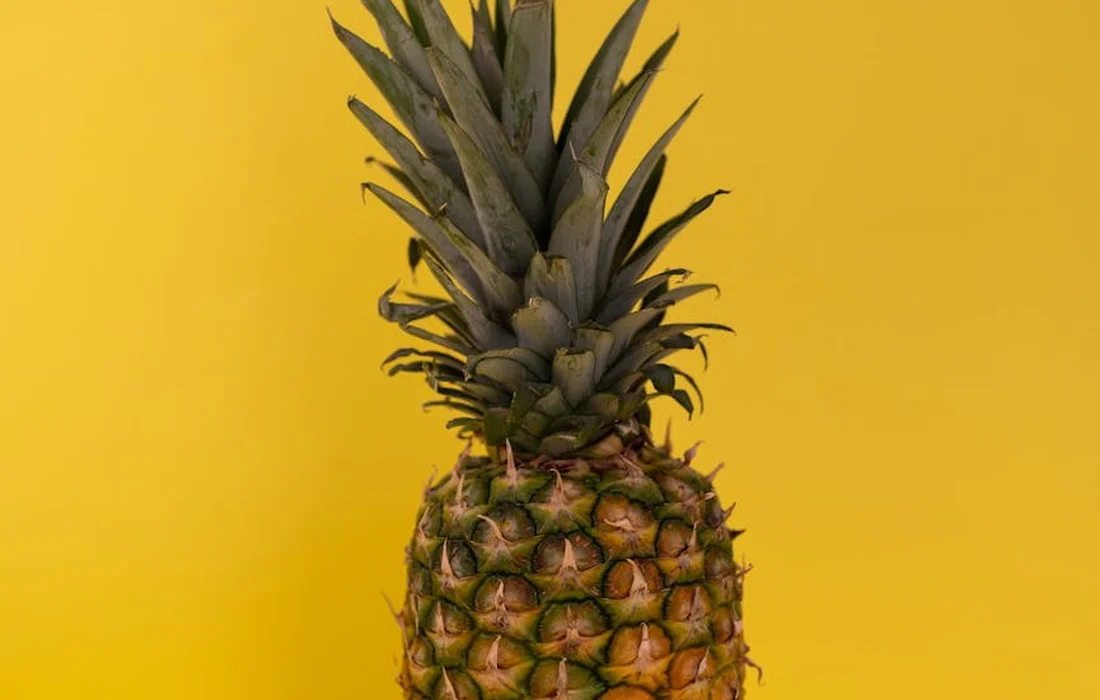
Alright, so for your grown rabbits, fruit can be a delightful little “thank you” for bein’ such cheerful critters. But it’s all about place and proportion. Fruit is a treat, not a food group, and should never make up more than 5% of your rabbit’s total weekly intake. Think of it like a slice of pie after a big Sunday supper-a rare pleasure, not the main course.
Over the years, I’ve settled on a simple system to keep things varied and safe. I use an old muffin tin on feed day to pre-portion treats, which keeps me honest about not overdoin’ it. For a standard 5-pound rabbit, a tablespoon of fruit total, 2-3 times a week, is the absolute max. Beyond the feed bucket, the core of their diet must always be unlimited grass hay, a small measure of greens, and limited pellets. Sticking to a consistent rabbit feeding schedule helps me gauge how much to offer and when to offer it, keeping portions sensible for your bunny. A clear schedule also makes it easier to balance hay, greens, and pellets with the occasional treat.
A Homesteader’s Guide to Common Fruit Treats
| Fruit | Preparation Tip | My Frequency Tip |
|---|---|---|
| Pineapple (core & flesh) | Fresh only, canned is too sugary. A cube the size of your pinky nail. | Once a month special. The enzymes are powerful! |
| Apple | Always remove seeds and stem. A thin slice, skin on. | Weekly staple. A reliable, lower-acidity choice. |
| Blueberries & Raspberries | Wash well. One or two berries is plenty. | Bi-weekly summer bonus from the garden. |
| Pear | Very sweet. A tiny cube, seed core removed. | Every other week, if at all. Monitor their droppings. |
Get creative with your thriftiness, too. Those strawberry tops or melon rinds (with all the sweet flesh scraped off) can be a fun, fibrous chew toy that adds variety without the sugar spike. If you’re curious about which berries are safe and how to offer them, our rabbits eat berries guide covers safe berry treats. Just wash ’em as you would your own supper. The key is respect for their delicate digestion-what seems like a small bite to us is a rich feast for them. By managin’ fruit this way, you’re practicin’ good stewardship and ensuring your rabbits hop happily for years to come.
Closing Questions on Pineapple for Rabbits
Can rabbits eat pineapple?
Yes, adult rabbits can eat fresh pineapple flesh as an occasional treat. It should only be offered in very small amounts due to its high sugar content. For a broader look at berries, including strawberry tops, our complete berry guide covers safe options for rabbits.
How much pineapple can rabbits eat?
A good rule is about one teaspoon of fresh pineapple per five pounds of your rabbit’s body weight. This equals just one or two small, thumbnail-sized cubes for an average-sized rabbit.
How often can rabbits eat pineapple?
Pineapple should be a rare treat, offered no more than once or twice a week. This low frequency helps prevent digestive upset from the sugar and acids.
What are the benefits of pineapple for rabbits?
The main benefit is the enzyme bromelain, which may gently aid in hairball prevention. It also provides mental enrichment and a small amount of vitamin C and hydration.
What are the risks of feeding pineapple to rabbits?
The primary risk is its high sugar content, which can disrupt gut bacteria, cause obesity, and lead to dental issues. Overfeeding can also cause serious digestive problems like GI stasis.
How should I prepare pineapple for my rabbit?
Always use fresh pineapple, never canned. Thoroughly wash the outside, then completely remove the tough skin, crown, and woody core. Cut the remaining flesh into very small, bite-sized pieces before serving.
Shutting the Gate
After all this talk of prickly skins and sweet treats, let’s herd the main point back to the barn. If you’re building a practical plan for what a domestic rabbit should eat, a quick reference like a domestic rabbit diet guide can help you stay on track. A rabbit’s daily diet must stand firm on a foundation of unlimited grass hay, with pineapple serving as nothing more than a tiny, joyous spoonful on top. The truest measure of good husbandry isn’t found in the treat bowl, but in the diligence of checking your rabbit’s litter box each day-consistent, well-formed droppings are your single best sign that all is well on the inside. Trust what you see there more than any label on a fruit can.
I reckon that’s about all from my corner of the farmyard today. I hope this little chat helps you feel confident in sharing a bite of sunshine with your bunny, while keeping their well-being squarely at the front of your mind. There’s a deep, simple satisfaction in caring well for our creatures. Now, go enjoy that peaceful contentment that comes from watching a happy, healthy animal at rest. Y’all take care.
Further Reading & Sources
- Can Rabbits Eat Pineapple? Tips for a Healthy Bunny Diet | HayDay HQ
- Can a rabbit eat Pineapple? | Rabbit Hole Hay
- r/Rabbits on Reddit: I am livid. Vet prescribed pineapple juice for hairball
Caroline Mae Turner is a lifelong farm girl raised on red clay, early mornings, and the sounds of a bustling barnyard. With hands-on experience caring for everything from stubborn goats to gentle dairy cows and mischievous pigs, Caroline shares practical, tried-and-true advice straight from the farm. Her goal is to help folks keep their animals healthy, well-fed, and living their best barnyard life. Whether you're wrangling chickens or bottle-feeding a baby goat, Caroline brings a warm Southern touch and plenty of real-world know-how to every bucket in the barn.
Feed Recommendations