Can Rabbits Eat Peanuts? A Farmer’s Fix for Digestive Safety
Published on: September 18, 2026 | Last Updated: September 18, 2026
Written By: Caroline Mae Turner
Howdy y’all, you should never feed peanuts to your rabbits-their delicate digestive systems aren’t built for nuts, and it can lead to painful bloating or worse. I reckon many of us have stared at a bag of leftover nuts and wondered if the bunnies might like a taste, but trust my years in the hutch: it’s a chore you don’t want to create.
- What you’ll need:
- A steadfast commitment to high-fiber hay as the main feed
- A list of trusted, rabbit-safe treat alternatives
- Your observant eye for any changes in your critter’s droppings or behavior
We’ll have this sorted quicker than collecting eggs, so you can get back to your day.
The Plain Truth About Rabbits and Peanuts
- After decades tending animals, my answer is a firm and friendly no-you should not feed peanuts to your rabbits.
- A rabbit’s digestive system is a high-fiber, low-fat engine built for grasses and hay. Peanuts are the opposite, loaded with fats and oils that this engine can’t process.
- I reckon it’s like putting diesel in a gasoline tractor; it just gums up the works. Out in the field, a rabbit’s plate is filled with Timothy hay, orchard grass, and leafy greens, not rich, oily nuts.
- Sticking to their natural forage is the single best way to ensure your bunnies live long, hoppy lives.
Why Peanuts Are a Poor Choice for Rabbit Health
- The high fat content in peanuts promotes rapid weight gain and fatty liver disease, conditions that are hard to reverse in rabbits.
- Their protein and carbohydrate profile is all wrong for a rabbit, lacking the fiber needed for proper gut motility and leading to nutrient imbalances.
- This imbalance is a direct path to gastrointestinal (GI) stasis, a fatal shutdown of the digestive system. I’ve sat up through the night with a bunny suffering from stasis, and it’s a heartbreaking vigil.
- Whole peanuts present a real choking hazard, and their hard shape is not meant for a rabbit’s grinding teeth.
- Perhaps the sneakiest danger is aflatoxin, a poison produced by mold on peanuts. Just a tiny, unseen amount can cause catastrophic liver failure.
Unsafe Peanut Forms and Parts to Avoid
Not all peanut products are created equal, but for rabbits, they’re all trouble. Here’s a breakdown of what to keep locked away from your curious critters.
| Peanut Product | Specific Risk to Rabbits |
|---|---|
| Salted Peanuts | The excess salt can cause severe dehydration, kidney damage, and salt toxicity, which can be fatal. |
| Peanut Butter | Its sticky, paste-like consistency is a major choking risk and can cause a deadly intestinal blockage. |
| Peanut Shells | While they may seem fibrous, they are not digestible and can easily cause an impaction in the gut. |
| Moldy Peanuts (Any Form) | These carry aflatoxins, potent mycotoxins that attack the liver and have no safe exposure level for rabbits. |
How Peanuts Upset a Rabbit’s Digestive System
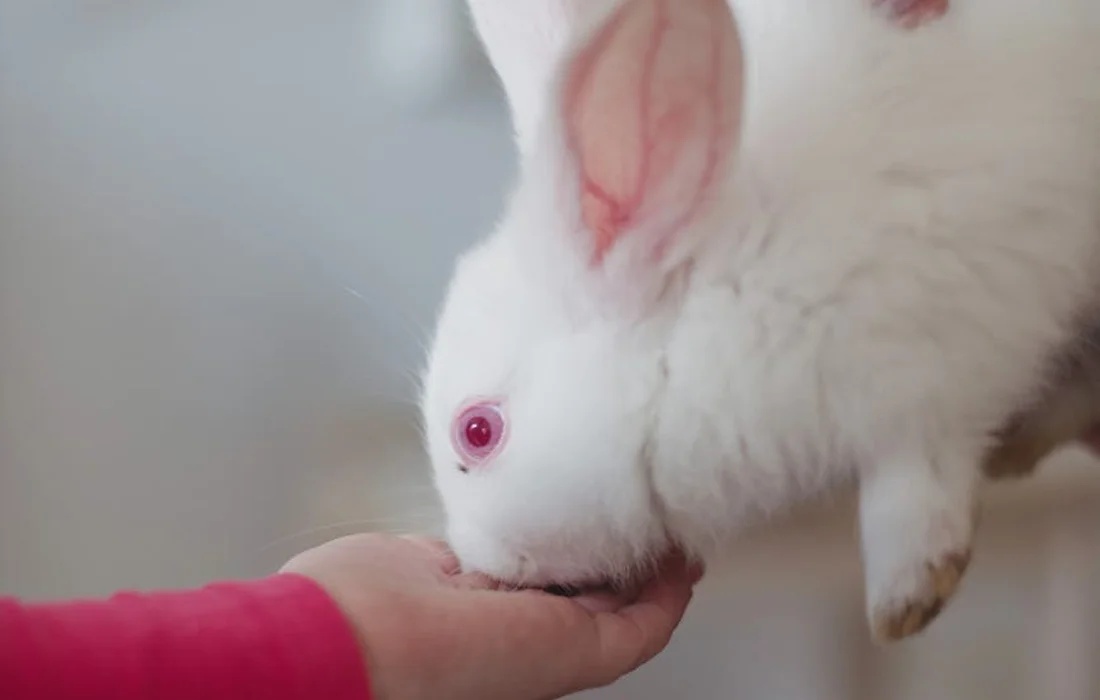
A rabbit’s digestion is a delicate thing, y’all, built like a precise clock that runs on hay. Their whole system relies on a steady flow of roughage to function properly, and anything that disrupts that flow invites trouble. I’ve watched my own rabbits for decades, and their health truly lives or dies in the gut — especially when it comes to digestive problems like bloat or GI stasis.
Think of their digestive tract like a clean, well-swept chimney. Peanuts act like a dense, greasy soot that coats the walls and slows everything down. That high fat content is something a rabbit’s body just can’t handle in more than tiny, accidental amounts, similar to walnuts or other nuts.
Here’s the unfortunate chain of events a handful of peanuts can trigger:
- The fats from the nuts interfere with the normal muscle contractions that push food through.
- Digestion grinds nearly to a halt, causing a backlog in the cecum where the good bacteria live.
- This stagnation allows bad bacteria to throw a party, creating a painful buildup of gas.
- The entire system can seize up, a condition we call GI stasis. GI stasis is a life-threatening emergency where the gut stops moving, and toxins build up rapidly.
I remember one frisky buck who got into the pig’s supplement. Within hours, he was quiet and puffed up, a sure sign his belly was full of gas and misery. It was a long night of hydration and gentle care to get him right again.
Immediate Action Plan if Your Rabbit Ate Peanuts
If your bunny has helped themselves to peanuts, stay calm but move with purpose. Your swift response can make all the difference in heading off a digestive crisis. Follow these steps in order, just like I do in my barn.
- Secure all peanuts and any other inappropriate food immediately. Do a thorough sweep of the area to prevent a second helping. A moment of prevention saves a world of cure.
- Observe your rabbit closely for the next 12-24 hours. You’re looking for subtle changes: reduced appetite, smaller or fewer droppings, a hunched posture, or loud tooth grinding indicating pain.
- Flood them with fresh water and their highest-quality hay. Timothy or orchard grass hay is the best tool you have to naturally scour their system and get motility back. Hay is the affordable, everyday medicine every rabbit keeper must lean on.
- Contact your veterinarian without delay if you see warning signs. If your rabbit completely refuses food or water, stops producing droppings, or shows obvious distress, pick up the phone. Don’t wait to see if it passes.
I keep a “barn log” to note any dietary mishaps. Writing down what happened and when helps you give the vet clear information, which leads to better care for your animal. It’s a simple habit that embodies good stewardship.
Healthy and Happy Treat Alternatives to Peanuts
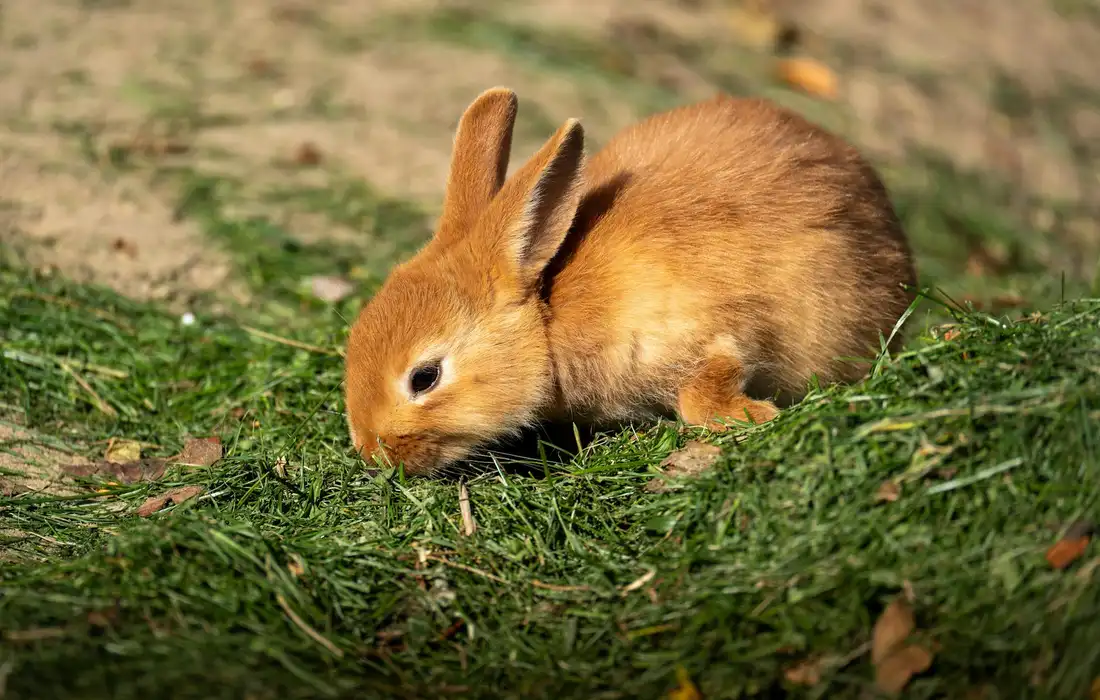
Now, I reckon y’all might be wonderin’ what you can offer your bunnies instead of those risky peanuts. Stickin’ to treats that mimic their natural forage is the key to keepin’ those digestive systems runnin’ smooth as butter. Over the years in my barn, I’ve found that a handful of fresh greens does more for a rabbit’s spirit and health than any rich nut ever could. Leafy greens are a big part of that, with safe types and simple feeding guidelines to keep their tummies steady. We’ll cover which greens are best and how much to offer so you can plan meals with confidence.
Here’s a list of my go-to treats that won’t upset your rabbit’s delicate gut. Remember, even the best treats should be given sparingly-a few tablespoons per day is plenty for a standard-sized rabbit.
- Leafy Greens like Romaine Lettuce or Kale: These are packed with fiber and water, which help maintain healthy gut motility and prevent stasis, unlike fatty peanuts that can slow things down.
- Fresh Herbs such as Parsley or Cilantro: Herbs provide antioxidants and variety without the high protein content that can strain a rabbit’s kidneys, makin’ them a far safer choice.
- Occasional Fruit Pieces like Apple Slices (seedless) or Blueberries: Fruits are sweet treats, but their natural sugars are easier on the system than the dense fats in nuts. I give fruit just once or twice a week to avoid any sugar-related issues.
- Dandelion Greens from a Chemical-Free Yard: Free and foragable, these are rich in vitamins and support liver health, promotin’ digestion instead of hinderin’ it like peanuts can.
- Carrot Tops or Beet Greens: The leafy parts of root vegetables are excellent, fibrous treats that add crunch and nutrition without the digestive risk of starchy or fatty foods.
Each of these options aligns with a rabbit’s need for a high-fiber, low-fat diet. By choosin’ these wholesome snacks, you’re not just avoidin’ trouble; you’re actively bolstering your rabbit’s health from the inside out. Make sure to balance these treats with a proper diet as outlined in our domestic rabbit diet guide.
Closing Questions on Rabbit Diet Safety
Can rabbits eat peanuts?
No, rabbits should not eat peanuts. Their digestive systems are designed for high-fiber foods like hay, not the high-fat content found in nuts or nut butters, which can lead to serious health issues.
What are the digestive risks of peanuts for rabbits?
Peanuts pose risks such as gastrointestinal stasis, where the gut slows or stops, and painful bloating. The high fat can also cause weight gain and fatty liver disease over time, especially if fed to animals like goats that are sensitive to nut and peanut products.
What parts of peanuts are unsafe for rabbits?
All parts, including salted peanuts, peanut butter, shells, and moldy peanuts, are unsafe. These can cause choking, blockages, or toxicity from aflatoxins, harming your rabbit’s health. Nuts and seeds such as almonds and cashews should also be avoided for similar reasons.
How do peanuts affect a rabbit’s digestive system?
Peanuts disrupt gut motility by coating the digestive tract with fats, leading to stagnation and gas buildup. This can quickly progress to GI stasis, a life-threatening emergency requiring veterinary care.
What should I do if my rabbit ate peanuts?
Immediately remove any remaining peanuts and monitor your rabbit for reduced appetite or droppings. If appetite loss occurs, consult the rabbit not eating emergency guide for quick health guidance. Offer plenty of fresh water and hay, and contact a vet if you notice signs of distress like hunched posture.
What are safe treat alternatives to peanuts for rabbits?
Opt for high-fiber treats like romaine lettuce, parsley, or occasional apple slices. These mimic natural forage, supporting digestion without the risks associated with nuts.
Back to the Pasture
When it comes to our rabbits, the safest path is always the simplest. Treats should be a tiny, thoughtful accent to a diet built on the endless roughage of good hay, not a risky replacement for it. Skip the peanuts and offer a sprig of mint, a raspberry leaf, or a blueberry instead-your bunny will be just as delighted without the digestive gamble. We’ll explore which plants are safe and which are unsafe for rabbits to eat. This will help you plan treats confidently.
I reckon the greatest joy in keeping livestock comes from watching them thrive on what’s natural and good. There’s a peace in that. So here’s to happy, healthy rabbits content in their paddocks, and to you, finding satisfaction in the steady rhythm of caring for them. Thank you for lettin’ me share a word from the barnyard. Y’all take care out there.
Further Reading & Sources
- Can Rabbits Eat Peanuts? – Everbreed
- Can Rabbits Eat Peanuts (Butter, Hay, and Shell)? Risk & Benefits – Rabbits Advisor
- Can Rabbits Eat Peanuts? Vet-Reviewed Safety Facts & FAQ | PangoVet
Caroline Mae Turner is a lifelong farm girl raised on red clay, early mornings, and the sounds of a bustling barnyard. With hands-on experience caring for everything from stubborn goats to gentle dairy cows and mischievous pigs, Caroline shares practical, tried-and-true advice straight from the farm. Her goal is to help folks keep their animals healthy, well-fed, and living their best barnyard life. Whether you're wrangling chickens or bottle-feeding a baby goat, Caroline brings a warm Southern touch and plenty of real-world know-how to every bucket in the barn.
Diet Requirements