
How to Cut Costs on Cattle Feed: Efficient Feeding Strategies and Alternatives
Published on: September 20, 2026 | Last Updated: September 20, 2026
Written By: Caroline Mae Turner
Howdy y’all. The quickest fix for a bloated feed bill isn’t a magic supplement-it’s a shift in mindset from simply buying feed to strategically managing every mouthful your cattle consume. I learned this the hard way one dry summer, watching the price of hauled-in hay eat into profits while my own fields sat underutilized.
- A few hours to audit your current feeding program
- Boots on the ground for a pasture walk
- A calculator for running the numbers
Stick with me, and we’ll build a thrifty, effective feeding plan that respects your wallet and your herd, so you can get back to the million other tasks waiting on you.
Understanding Where Your Feed Money Really Goes
Before we can save a single dime, we gotta follow the money trail right out of the feed sack and into the pasture. Think of your feed bill not as one giant cost, but as a whole pile of smaller decisions that add up faster than chicks to a cracked egg. I keep a worn-out ledger in the tack room just for this-it’s eye-opening.
Breaking Down Feed Costs Per Head and Per Pound
You can’t manage what you don’t measure, and that starts with knowing your numbers. Let’s talk real figures. A 1,200-pound brood cow in mid-gestation might need about 2% of her body weight in dry matter forage daily. That’s 24 pounds of decent hay. If your round bale weighs 1,200 pounds and costs $80, that’s about $1.60 per cow, per day. Now, pencil out what that looks like across your whole herd for a month, and you’ll see exactly where your cash is grazing.
Compare that to the sticker shock on a 50-pound bag of 20% protein creep feed. It might run you $18. That’s 36 cents a pound! When you start mixing supplements, always calculate the cost per pound of protein or energy, not just the bag price. Sometimes, a more expensive bag with higher nutrient density is the thriftier choice because you feed less.
Why Feed Efficiency is Your Best Bud for Savings
Feed efficiency ain’t just a fancy term; it’s the art of getting more beef or milk from every scoop of grain and every flake of hay. A efficient animal converts feed to growth or production without wasting it as heat or excess fat. Choosing genetics known for good feed conversion is a long-game saving strategy that pays off at the feed bunk every single day.
Healthy animals are efficient animals. A cow with a mouthful of sore teeth or a calf battling worms is burning calories just to stay alive, not to put on weight for you. My granddaddy used to say, “The best feed in the world won’t do a lick of good if the critter eatin’ it is poorly.” Regular health checks are a non-negotiable investment in your feed efficiency.
Your First Defense: Cracking Down on Feed Waste
I reckon waste is the silent thief on most homesteads. We’re talking about feed bought and paid for that never nourishes an animal-it just rots, gets trampled, or becomes a buffet for rodents. Stopping waste is the fastest, most immediate cost-cut you can make, and it doesn’t cost you a red cent to start.
Step-by-Step to a Waste-Free Feeding Routine
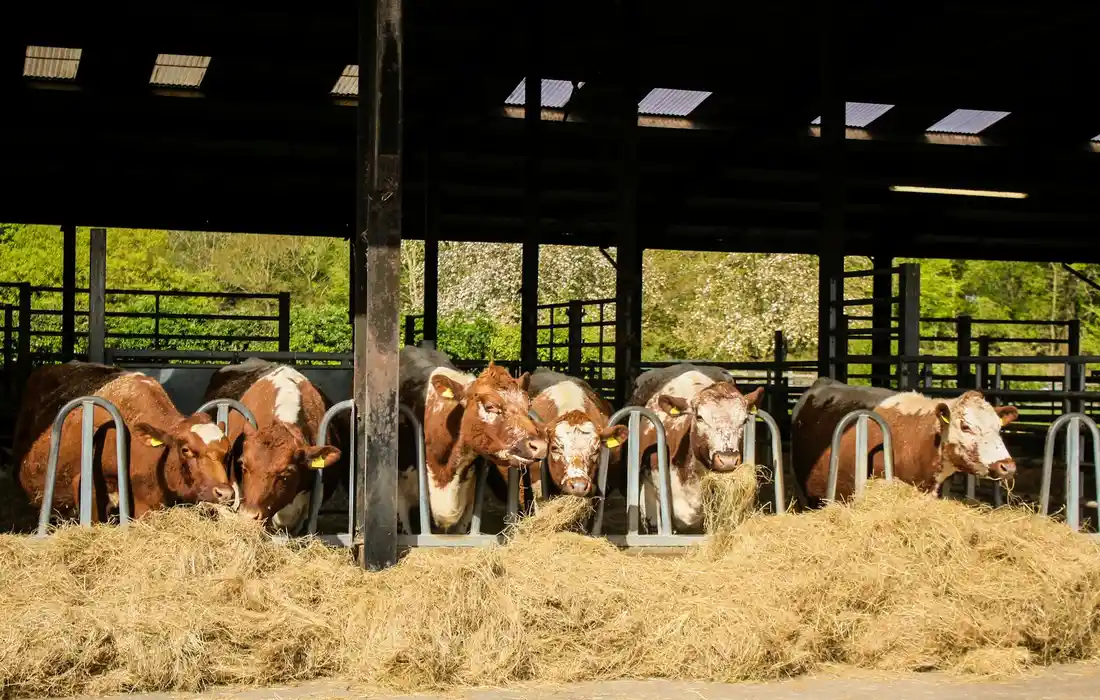
- Feed in Troughs, Not on the Ground: I learned this the hard way watching a week’s worth of sweet feed disappear into the mud. Use bunk feeders for grain and hay rings for forages. It cuts waste by half or more.
- Match the Feeder to the Animal: Big cows need tall hay rings. Calves need lower ones they can reach. For sheep and goats, use feeders with grids to keep their heads out and the hay in.
- Serve Smaller Meals More Often: Livestock, especially horses and pigs, will sort through and toss aside what they don’t want immediately. Offering just what they’ll clean up in a few hours prevents selective eating and waste.
- Keep Water Upstream from Hay: Place your water source so animals have to walk away from the hay to drink. This keeps them from soiling or wasting hay right around the trough.
Smart Storage for Hay, Grain, and Silage
Poor storage turns gold into garbage. You must protect your investment from the elements and pests.
- Hay: Get it off the ground. Use pallets, old tires, or a gravel base. A proper barn is best, but a well-anchored tarp over the top of a stack can work in a pinch. I always stack my bales tight and straight-a wobbly stack is a fallen, ruined stack.
- Bagged Grain & Pellets: Never leave feed in the paper bag. Pour it into galvanized metal cans or heavy-duty food-grade barrels with locking lids. This keeps moisture, rats, and raccoons out. I’ve seen a coon tear through a plastic bin in one night.
- Silage/Baleage: Integrity of the wrap is everything. Patch any holes or tears immediately with UV-resistant tape. Store bales on a well-drained site, and if possible, end-to-end to reduce surface area exposed to sun and birds.
Walk your feed storage area once a week with a critical eye. Look for chew marks, damp spots, and mold. Catching a small leak or a single mouse hole today saves you from tossing a ton of spoiled feed next month. That’s stewardship, and it’s good for the wallet too.
Building a Better, Thrifter Ration
The Art of Ration Optimization for the Homestead
Mixing your own ration isn’t about being fancy-it’s about being smart with what you have. I’ve watched too many folks pour money into a bag of sweet feed when a simpler, home-mixed option would do the job just fine for maintaining a herd. The golden rule here is to feed for the stage of life and the work being done; a dry cow doesn’t need the fuel a nursing heifer does, and treating them the same is a sure way to pour dollars into the manure pile. Your goal is to balance energy, protein, and roughage without overdoing any one part.
Start by knowing what your base forage provides. A good grass hay might be 8% protein, while a legume like alfalfa can push 15-20%. Get it tested if you can, or work with your county extension for typical values. From there, you fill the gaps. This is part of sheep nutrition essentials: balancing hay, grains, and supplements to meet your flock’s needs. When you balance, it guides which grains or supplements to add next. If your hay is low protein, a 20% protein pellet might be your supplement. If energy is the lack, cracked corn or barley adds punch.
Here’s a simple table I’ve used for thinking through maintenance rations for mature cows:
| Animal Type & Job | Base Forage (Main Event) | Supplement (The Gap-Filler) | Amount of Supplement |
|---|---|---|---|
| Dry, Mature Cow (Maintenance) | Good Quality Grass Hay | Usually none, maybe a mineral block | — |
| Late Gestation Cow | Mixed Grass/Legume Hay | 32% Protein Block or 1-2 lbs Grain | 2-4 lbs/day |
| Nursing Cow with Calf | Best Hay You’ve Got + Pasture | Higher-Protein Pellet & Grain | 4-8 lbs/day |
My biggest mistake early on was overfeeding grain to cows that were just loafing in the pasture. That extra grain didn’t make them healthier-it just made them fat and my feed bill bloated, teaching me that more isn’t better; balanced is better. Weigh your scoops, use a trough they can all access, and always, always provide clean water and a proper mineral mix specific to your soil.
When and How to Use Non-Protein Nitrogen
Now, this topic requires careful ears. Non-protein nitrogen, or NPN, usually in the form of urea, lets rumen bugs build protein from simple compounds. It’s powerful and cheap, but it’s not for every animal or every situation. Think of it like a concentrated protein supplement that the rumen must assemble itself. You must only ever feed NPN to animals with a fully developed, functional rumen-that means no calves, no starved animals, and never mix it directly into drinking water.
I use NPN in protein blocks or purchased supplements for mature, healthy cattle on high-roughage diets. It helps them get more value out of that stalky winter hay. The rumen microbes use the nitrogen to multiply, and then the cow digests *them* for protein. It’s a brilliant bit of natural recycling.
Here are the ironclad rules for safety:
- Source it pre-mixed: Buy reputable protein blocks or tubs that contain urea. This ensures it’s evenly distributed and nearly impossible for an animal to overconsume.
- Never mix raw urea into feed yourself unless you are an expert with proper equipment. Uneven mixing can cause deadly toxicity.
- Provide plenty of palatable roughage. The rumen needs that fiber for the process to work correctly.
- Always have a plain salt block available. This helps regulate intake of the supplement block.
Making Pasture and Forage Your Main Course
Boosting Forage Quality in Your Fields
The cheapest bite of feed is the one your cattle harvest themselves. But not all pasture is created equal. Your first and best investment is not in the feed store, but in your soil. A simple soil test tells you what’s missing, and a bit of lime or targeted fertilizer can double your grass growth. I reckon improving your pasture’s fertility is the single highest-return chore you can do for your feed budget, turning sun and rain into free cattle groceries when compared to the cost of feeding cows grain, grass, and supplements.
Manage your stands. Overseed thin spots with hardy legumes like white clover or annual lespedeza. They pull nitrogen from the air, feeding your grasses for free. Time your cuttings. For hay, cutting at the boot stage (just before seed heads fully emerge) captures the peak of nutrition and palatability. Every week you wait after that, the protein drops and the stemmy fiber increases. That leafy green hay is worth its weight in gold come January.
Grazing Management That Pads Your Wallet
Implementing Rotational Grazing
Continuous grazing lets cows play favorites, overgrazing the tasty clover and letting weeds take over the rest. Rotational grazing is the fix. You break your pasture into smaller paddocks and move the herd every few days. This gives plants time to recover and grow lush, deep roots. It mimics the natural movement of buffalo across the prairie and results in more total tonnage of quality forage from the same acreage. Pasture rotation management—planning paddock size and move timing—maximizes grazing efficiency. When rotations are optimized, cattle graze more evenly, forage regrows quickly, and you get more value from each acre.
- Map your space. Use temporary electric wire-it’s cheap and flexible. Aim for enough paddocks to allow 25-30 days of rest per area.
- Provide water access to each paddock. I run a long, lightweight hose from my main tank to movable troughs.
- Move them based on grass height, not the calendar. Move cows in when grass is 6-8 inches tall, move them out before it gets grazed below 3 inches.
Utilizing Crop Residues and Cover Crops
Don’t let those corn stalks or wheat stubble go to waste. After harvest, those fields are a buffet of dropped grain and digestible residue. Turning cows onto crop land cleans up the field, spreads manure, and fills bovine bellies for little extra cost. This is the very definition of thrifty stewardship, turning agricultural byproducts into beef.
Better yet, plant a cover crop intended for grazing. After you pull your summer vegetables or small grain, seed the ground with a fast-growing mix like turnips, rye, and crimson clover.
- Cereal Rye: Provides early spring “green-up” when pastures are still dormant.
- Brassicas (Turnips, Radishes): Bulbs and tops are highly digestible and energy-rich.
- Annual Ryegrass: Establishes quickly for fall and winter grazing.
You get a bonus forage crop, build your soil, and keep your cows on fresh feed. Just mind the fencing and introduce these rich forages slowly to avoid bloat. I’ve wintered dry cows on nothing but stockpiled fescue and a brassica patch, with a protein block for insurance, and watched them march into spring in fine shape. This approach pairs well with a seasonal forage guide that covers spring, summer, and winter feeding. It helps you plan ahead for forage shifts as the seasons change.
Exploring Alternative Feeds and Local By-Products
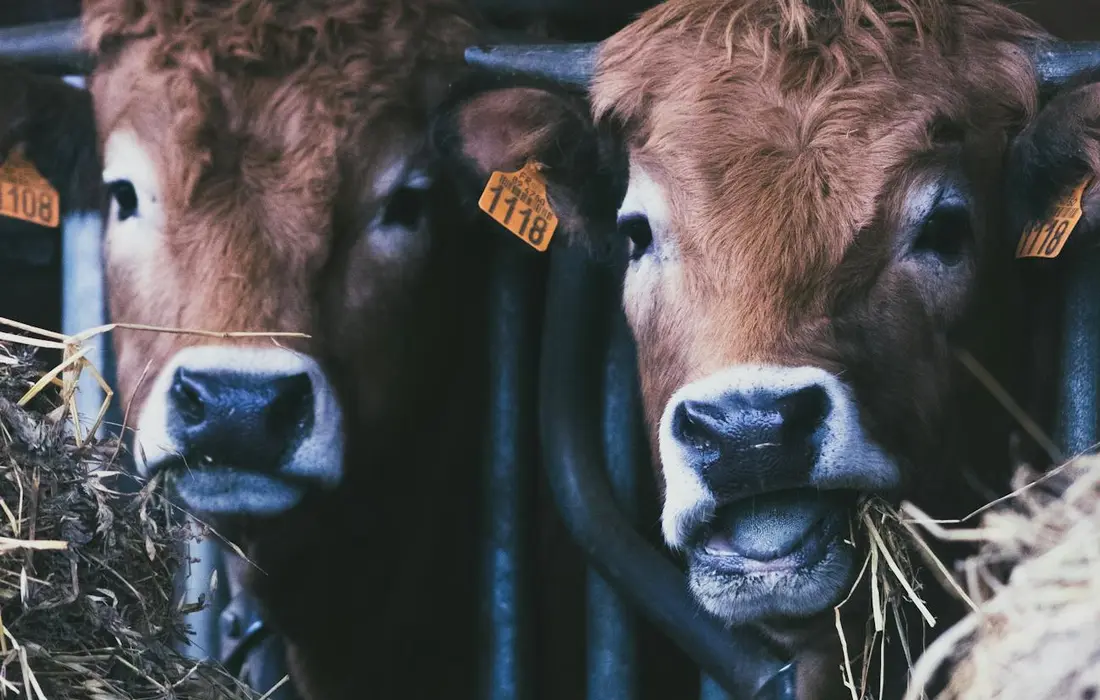
When the feed bill starts lookin’ like a mortgage payment, it’s time to get creative with what you put in the trough. I’ve filled many a bucket with things that didn’t come from a fancy bag, and my cows have done just fine. Lookin’ at local by-products and homegrown options isn’t just about savin’ money; it’s about smart stewardship and using what the good Lord provides.
Evaluating Common By-Products for Your Herd
Factories, breweries, and processors often have leftovers that are perfect for cattle. You just need to know what you’re gettin’ into. I remember haulin’ wet brewers grains from a town microbrewery for a season-my herd’s coats shone, and my wallet felt heavier. Always ask for a nutrient analysis sheet when you source a new by-product, so you know exactly what you’re feedin’.
Here’s a quick rundown of some common finds:
| By-Product | Crude Protein % | Best Use For | My Practical Tip |
|---|---|---|---|
| Distillers Grains | 28-30% | Replacing protein meal | Limit to 30% of dry matter intake to avoid sulfur issues. |
| Beet Pulp | 8-10% | Bulking up winter rations | Soak it thoroughly. I’ve seen a cow choke on dry pulp, and it ain’t pretty. |
| Cottonseed Hulls | 4% | Adding roughage | Great for stretchin’ hay, but they’re bulky to store. |
| Bakery Meal | 10-12% | Energy boost | Watch the salt content. Too much can throw off mineral balance. |
Storage is your biggest hurdle with these. Wet by-products like mash need to be fed fast or ensiled, or you’ll attract every fly and coon in the county.
Sourcing and Feeding Homegrown or Local Crops
Nothing beats the satisfaction of watchin’ your cattle graze on something you planted yourself. It cuts your feed miles to zero. I’ve turned rocky patches into productive plots of mixed grasses and legumes, which is cheaper than any fertilizer bill for poor pasture.
Here’s how I approach it:
- Plant Forage Crops: Sorghum-sudangrass can yield a heap of tonnage for summer grazing or silage. I’ve gotten 3-4 tons per acre in a good year.
- Use Crop Residues: After the local corn harvest, I’ll often negotiate for the stubble. My cows clean it up, and the farmer gets his field lightly tilled-a good deal for both.
- Grow Protein: A few acres of field peas or cowpeas can be planted with your corn. When you chop it for silage, you’ve got a complete feed right there.
Talk to your neighbors. That farmer with a bumper crop of pumpkins or the orchard with windfall apples might be thrilled to have you take them off his hands for a fair price. Just introduce new feeds slowly over a week to let those rumens adjust.
Strategic Supplementation Without Breaking the Bank
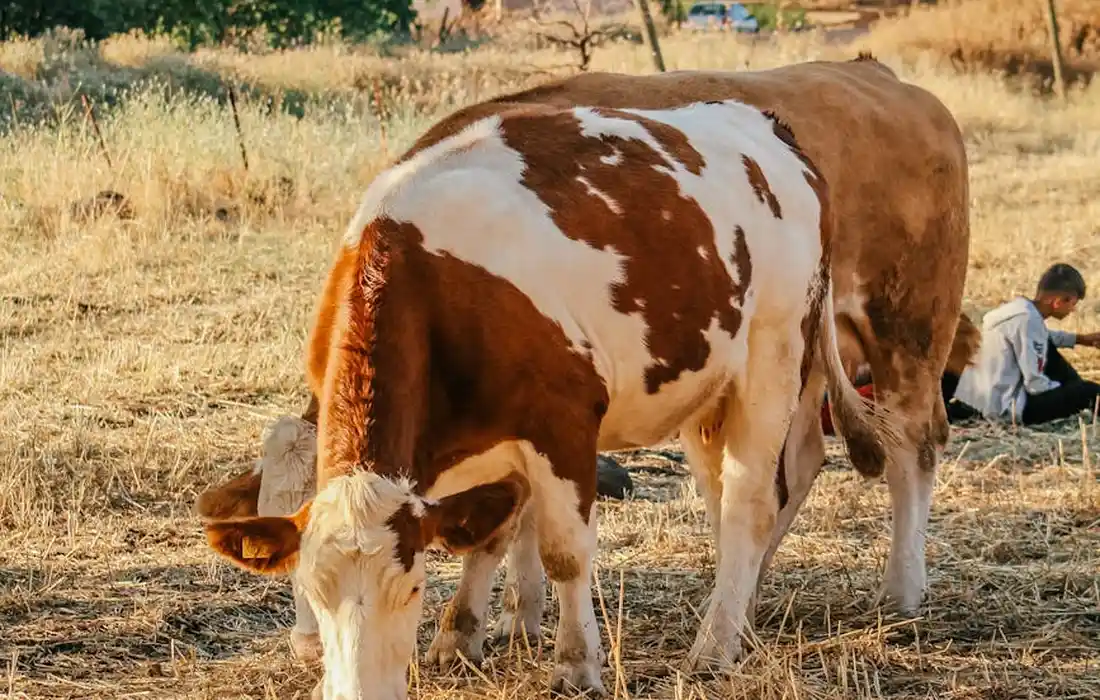
Think of supplements like a good pair of work boots-you don’t need the most expensive, but you do need the right fit for the job. Throwing minerals and protein at a herd without a plan is like pourin’ money on the ground. Strategic supplementation fills the gaps in your forage, keeping animals healthy and your expenses lean. Smart, cost-effective supplement strategies tie each choice to budgeting and ROI analysis, helping you optimize spend over time. Track price per unit and expected gains to justify every supplement decision with clear ROI.
Choosing Cost-Effective Mineral and Protein Supplements
The flashy bags with the big promises can tempt you, but the plain ones often work just as well. I base my choice on what my soil and forage tests say we’re lackin’. A simple white salt block is cheap, but if your pasture is low in selenium or copper, you’re just giving your cows a salty snack without fixing the problem.
Here’s my breakdown of supplement types:
- Loose Mineral Mixes: More economical than blocks because cows can’t waste as much. I look for mixes with higher concentrations of the trace minerals my area lacks.
- Protein Tubs: They’re weatherproof and limit intake. The initial cost is higher, but for a small herd on winter hay, one tub can last months with no waste.
- Plain Salt vs. Complete Minerals: Always provide plain salt separately, even if you’re using a complete mineral. It lets the animal balance its own needs.
Don’t overlook bulk purchases. Splitting a ton of mineral with a few other homesteaders can slash your cost per pound significantly. Just make sure you have a dry, rodent-proof place to store it.
Timing Supplements to Match Forage Quality
Your pasture and hay are livin’ things, and their nutritional value changes with the seasons. Supplementing at the wrong time is a pure waste. I keep a simple calendar in the barn just for this. Test your hay when you put it up in the summer; that number will tell you everything you need to plan your winter feeding.
Follow this seasonal rhythm:
- Spring Green-Up: Lush grass is high in protein and water but can be low in magnesium. This is when I put out a high-mag mineral to prevent grass tetany. I’ve seen it hit a cow fast, and prevention is cheap.
- Summer Slump: When the grass gets mature and fibrous, protein dips. If I’m not rotating pastures aggressively, I’ll offer a protein supplement to keep gains steady.
- Late Fall & Winter: Dry hay and dormant pasture are low in protein and energy. This is when I supplement most. If my hay tests below 8% protein, I’ll add a pound or two of a 20% protein cube per head daily.
Watch your animals. A herd that’s constantly licking dirt or chewing on wood is sendin’ you a clear signal that their forage is missing something, no matter what the calendar says.
Closing Tips on Managing Feed Economics
How can I figure out my total cattle feed costs?
Your total cost is more than just feed bags; it includes storage losses, fuel for hauling, and equipment wear. To get the true picture, track every expense related to feed procurement and delivery for a full season. This holistic view reveals where savings, like reducing waste or buying in bulk, can have the biggest impact.
What is the average cattle feed cost per pound or per ton?
Cost per pound or ton varies wildly by ingredient type (grain vs. hay), region, and quality. As a benchmark, common bagged supplements can range from $0.30-$0.50 per pound, while bulk hay might cost $80-$200+ per ton. Always calculate cost per nutrient unit (like protein pound) to make valid comparisons between different feed options.
How do cattle feed costs in California compare to Texas?
Daily feed costs are typically higher in California due to greater reliance on purchased hay and higher transportation costs, especially in drought years. Texas often benefits from larger local forage production and crop by-products, but regional droughts there can also cause sharp, temporary cost spikes. Your specific location and resource network within each state matter most.
Is there a reliable cattle feed cost calculator?
Yes, many university agricultural extensions offer free online ration calculators and cost analysis spreadsheets. These tools let you input local prices for hay, grain, and supplements to model daily costs per head. Using one helps you test different strategies virtually before spending money, making it a key planning tool.
How does protein source affect my cattle feed cost?
The cost of protein is a major driver of your ration expense. Sources like soybean meal are often more expensive per ton but highly digestible, while non-protein nitrogen (like urea) is cheaper but only usable by mature ruminants. Balancing cost with bioavailability is essential; sometimes a premium source is more cost-effective due to better animal performance. Exploring cost-effective feed alternatives for chickens and cows can help reduce expenses without sacrificing nutrition. These options include locally available by-products and balanced protein blends that support performance while lowering overall feed costs.
How have cattle feed costs changed over time?
Historically, feed costs trend upward, influenced by fuel prices, weather events, and global grain demand. Specific years, like 2022, saw sharp increases due to drought and supply chain issues, highlighting the risk of market volatility. This long-term trend underscores the critical value of developing resilient, on-farm forage systems to buffer against market shocks.
Shutting the Gate
After all this talk of budgets and bales, never lose sight of the critters at the center of it all. The single biggest cost you can incur is an unhealthy animal, so your most efficient feeding strategy must always prioritize their fundamental well-being over pinching the last penny. Whether it’s a custom mineral mix in the trough or that extra flake of quality hay during a cold snap, investing in their vitality is the truest form of thrift. I’ve found that a contented cow, rumen humming with good forage, pays you back tenfold in health and tranquility.
I reckon that’s about all from my corner of the fence for now. May your pastures stay green, your silage smell sweet, and your time spent caring for your herd fill your own cup as much as it fills theirs. Thanks for letting me share a bit of what the barn has taught me. Y’all take care out there.
Further Reading & Sources
- Ten Ways to Reduce Feed Costs in Cow-calf Operations | Ag Decision Maker
- Ten Ways to Cut Cattle Feeding Costs | Ag Decision Maker
- Strategies to Cut Cattle Feed Cost | Purina Animal Nutrition
Caroline Mae Turner is a lifelong farm girl raised on red clay, early mornings, and the sounds of a bustling barnyard. With hands-on experience caring for everything from stubborn goats to gentle dairy cows and mischievous pigs, Caroline shares practical, tried-and-true advice straight from the farm. Her goal is to help folks keep their animals healthy, well-fed, and living their best barnyard life. Whether you're wrangling chickens or bottle-feeding a baby goat, Caroline brings a warm Southern touch and plenty of real-world know-how to every bucket in the barn.
Cost-Effective Solutions