Can Rabbits Eat Papaya? A Homesteader’s Safe Feeding Guide
Published on: September 23, 2026 | Last Updated: September 23, 2026
Written By: Caroline Mae Turner
Howdy y’all. You’re standing there with a ripe papaya, eyeing your curious bunnies, and wondering if a taste of the tropics is a treat or a trouble. The short answer is yes, your rabbits can enjoy fresh papaya fruit and its leaves as an occasional sweet treat, but you must always remove the seeds first.
- Ripe papaya flesh (just a tablespoon-sized portion)
- A sharp kitchen knife and cutting board
- A few fresh papaya leaves (optional, if you have the plant)
- Two minutes of your time for preparation
Let’s get this sorted, so you can confidently head back to the garden with a pocketful of safe snacks for your furry crew.
Is Papaya Safe for Your Rabbit?
Yes, the flesh of a ripe papaya is perfectly safe for your bunny as an occasional treat. In all my years raising rabbits, I’ve learned that treats like fruit are the spice of life, but the staple diet must always be unlimited hay and fresh greens. You wouldn’t feed your family pie for every meal, and the same goes for your critters.
Here’s a straightforward list to keep things safe:
- Safe Practice: Offering a small cube of ripe, fresh papaya flesh, about the size of your thumbnail, once or twice a week.
- Unsafe Practice: Feeding unripe fruit, canned papaya in syrup, or letting papaya replace essential fibrous foods in their daily diet.
Understanding Safe vs. Unsafe Parts
Every part of the papaya plant isn’t fit for your rabbit’s supper. Knowing what to serve protects their delicate digestion and shows good stewardship. I’ve sorted it out through trial and error right here on the farm. It’s similar to how you need to be cautious with feeding papaya for chickens.
| Papaya Part | Safe for Rabbits? | Barnyard Advice |
|---|---|---|
| Ripe Flesh | Yes | The only part I regularly feed. Sweet, soft, and easy to digest when given in tiny amounts. |
| Skin or Rind | No | Too tough and likely to carry pesticides or wax. It’s a choking risk and hard on their belly. |
| Leaves | With Caution | Fresh, thoroughly washed leaves can be a rare, fibrous nibble. They’re bitter, so don’t be surprised if your bunny turns up its nose. |
| Seeds | No | Always remove them. These little seeds can cause intestinal blockages, and I reckon it’s just not worth the risk. |
The Nutritional Goodness in Papaya for Bunnies
Papaya packs a unique mix of nutrients that can complement a rabbit’s diet when used wisely. This fruit brings a different kind of fiber and a burst of vitamins to the table, but it never replaces the roughage of good grass hay. Let’s break down what’s in that orange flesh.
The key nutrients include:
- Fiber: Papaya contains soluble fiber, which aids digestion, but it’s softer than the long-strand fiber in hay that keeps their gut moving properly.
- Vitamin A: Vital for sharp eyesight and a robust immune system. A small piece contributes to their daily needs.
- Vitamin C: Rabbits make their own, but extra from food acts as a helpful antioxidant for overall health.
- Natural Enzymes (Papain): This enzyme helps break down protein. In my experience, it can offer mild digestive support, but it’s no miracle worker.
The natural sugars provide quick energy, which is why papaya sits squarely in the “treat” category for a low-sugar diet.
Potential Risks: Sugar and Digestive Upset
The biggest danger with papaya is its sugar content. Overfeeding leads directly to digestive upset, like diarrhea, and can pack on unnecessary weight. I’ve nursed bunnies through sticky situations from too much fruit, and it’s a lesson you only need to learn once.
Papaya is also low in protein and calcium, so it doesn’t support growth or bone strength like their main feeds do. Moderation is your best tool for preventing problems and showing respect for your animal’s health. Stick to that thumbnail-sized piece, no more than twice a week, and y’all will enjoy this tropical treat without a hitch.
How to Feed Papaya: A Step-by-Step Barnyard Method
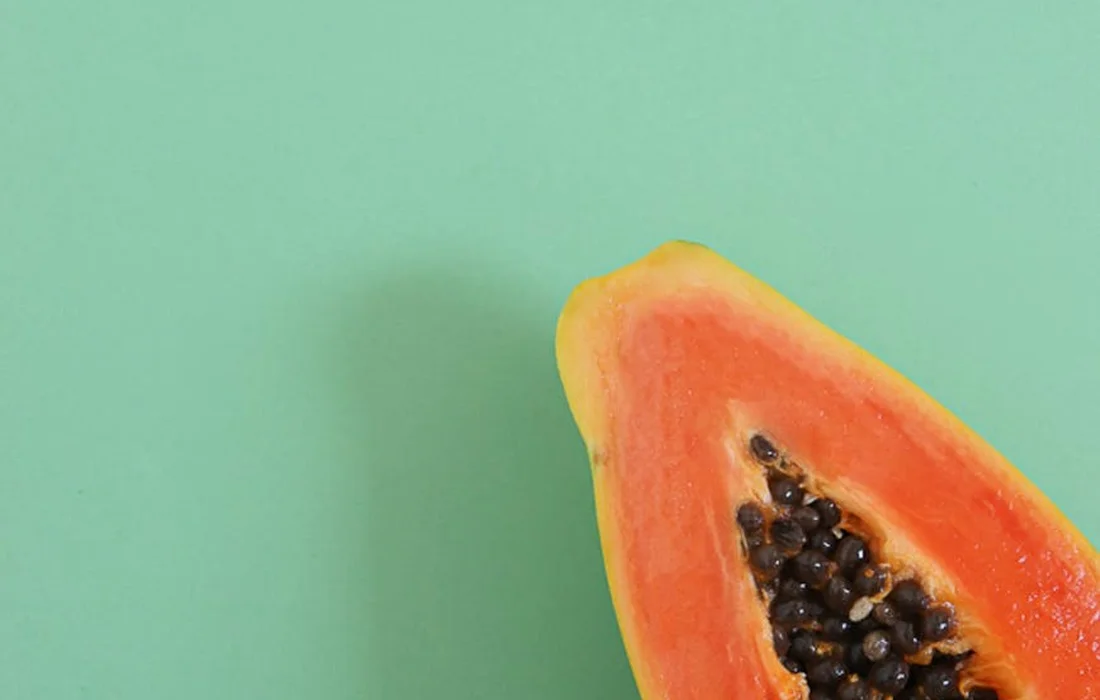
Feeding fruit isn’t complicated, but a few mindful steps can make all the difference for your bunny’s safety and enjoyment. Here’s my trusty barn routine for fruit feeding.
- Pick the Right Fruit: You want a papaya that yields slightly to gentle pressure, like a ripe peach. The skin should be more yellow than green. I avoid any with deep bruises or an overly fermented smell.
- Scrub It Clean: Even if you plan to peel it, give that papaya a good scrub under cool running water with a clean brush. This step is non-negotiable for removing surface pesticides or contaminants you don’t want in your rabbit’s system.
- Peel and Prepare: Use a vegetable peeler or paring knife to remove the entire outer skin. The rind is tough and can harbor chemicals, so I always discard it.
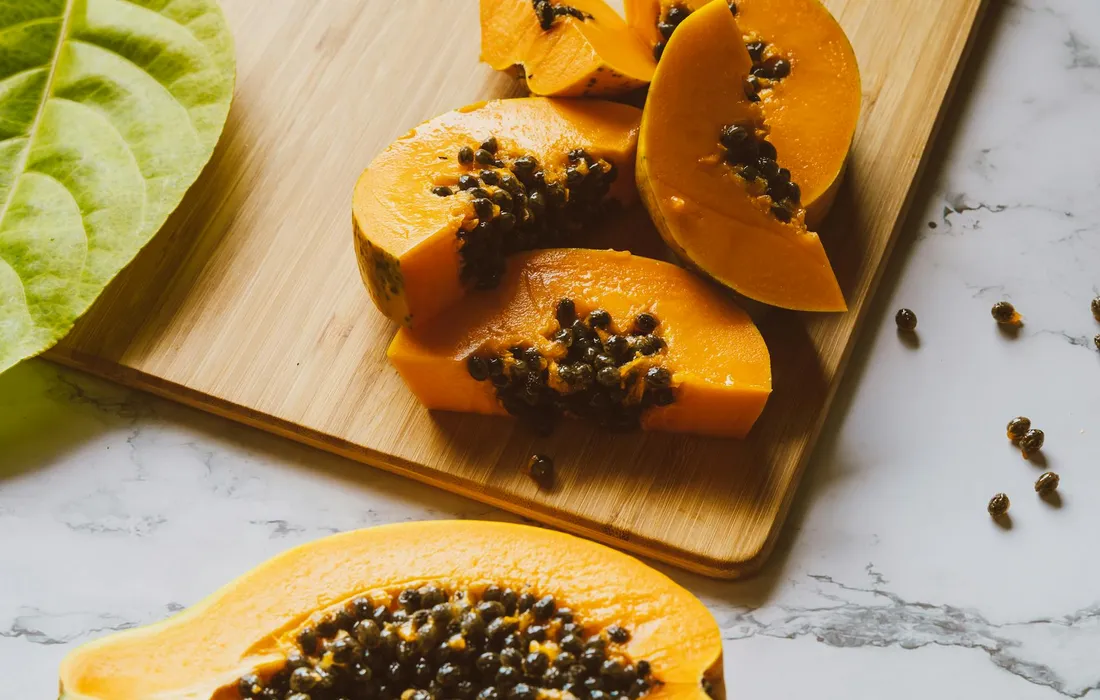
- Slice and Remove Seeds: Cut the fruit in half lengthwise and scoop out the gelatinous seed mass with a spoon. We’ll talk about those seeds later. Then, slice the flesh into manageable, bite-sized cubes.
- Serve Sparingly: For a standard-sized rabbit, I start with about one tablespoon of diced papaya, offered no more than once or twice a week alongside their regular hay and greens. It’s a treat, not a meal.
Serving Dried Papaya and Commercial Tablets
Now, I’ve seen bags of dried papaya in the feed store and tablets marketed for small pets. Let’s talk straight about these.
Dried fruit is a concentrated sugar bomb. The dehydration process removes water, leaving a much higher sugar content by volume. It’s easy to overfeed. If you do use it, select an unsweetened, sulphur-dioxide-free product. I sometimes take a single piece of dried papaya and rehydrate it in warm water for 10 minutes to restore some volume and soften it before offering a pea-sized amount as a rare reward.
As for commercial papaya enzyme tablets, they’re often formulated for humans or other animals and may contain binders or extra ingredients not suited for rabbits. The fresh fruit provides the same enzymes naturally. I stick with what grows on the tree. Fresh, whole food is almost always superior to a processed substitute in my barnyard book.
Papaya Leaves, Seeds, and Rind: The Whole Plant Breakdown
Waste not, want not, but safety first. Let’s examine the rest of the papaya plant.
Papaya Leaves: A Fibrous Green
Those large, lobed leaves from a papaya tree are not toxic to rabbits. In fact, they’re quite fibrous. I’ve offered them on occasion from my own untreated tree. They must be fresh, thoroughly washed, and introduced in tiny amounts to see how your individual rabbit’s digestion handles them. Think of them as an occasional foraging green, not a staple. I’d never feed wilted or yard-sprayed leaves. It’s always important to know which plants and foods are safe for rabbits before introducing anything new.
Papaya Seeds: A Firm No
While some sources say the seeds have anti-parasitic properties, I don’t feed them. They are a potential choking hazard and their hard, peppery nature is just not designed for a rabbit’s digestive tract. When I prep papaya, every single seed gets scooped straight into the compost bucket. It’s a simple rule that removes any risk.
The Papaya Rind: Too Tough to Tango
The thick, greenish-yellow outer skin is simply too tough and fibrous for a rabbit to eat comfortably. More importantly, it’s the primary barrier of the fruit that holds any residual spray or environmental contaminants. Peeling it off and discarding it is the only responsible practice in my kitchen. The compost pile will thank you for it, and your rabbit will be safer for it—especially because rabbits should never eat apple cores or seeds.
Papaya and Rabbit Digestion: What’s the Real Story?
Now, let’s clear the air on a tale as old as the barnyard gossip chain. Many folks reckon papaya is a magic cure for GI stasis. I’ve heard it whispered at feed stores and typed across forums. Having sat up more than one night with a bunny whose gut decided to take a vacation, I’m here to give you the straight talk.
Papaya is a helpful snack, not a bottle of medicine from the vet’s cabinet. The enzymes in it, like papain, might offer a gentle nudge to a sluggish system, but they are no substitute for critical veterinary care when a rabbit is truly ill.
Where papaya shines is in its natural support. Its soft fiber and high water content can help keep things moving smoothly alongside that endless mountain of hay. Think of it as a hydrating, fibrous bonus, not a treatment plan.
Fiber Content and Gut Health
A rabbit’s engine runs on fiber, plain and simple. Timothy hay is the high-octane fuel. Papaya? That’s like adding a splash of a premium lubricant. Its fiber is different-softer, more soluble-and it complements the roughage of hay beautifully.
Compare it to other treats. A bit of papaya offers more digestive-friendly fiber than, say, a chunk of apple or a sweet banana slice. In my herd, I view treats like apple or carrot tops as the main “fruit and veg” offering, and something like papaya as a special, gut-supporting bonus.
This unique fiber profile helps add beneficial bulk and moisture to the digestive tract, supporting a healthy balance in the cecum where all the important fermentation happens. It’s one part of a much bigger picture built on hay, hay, and more hay.
Portion Control: How Much Papaya is Just Right?
Here’s where your good intentions can go sideways. Even a wonderful thing can cause trouble if you overdo it. Rabbits have delicate systems, and sugar is sugar, whether it’s from a tropical fruit or a candy bar.
My rule of thumb, honed over years of judging bunny bellies, is simple. For an average adult rabbit, a serving about the size of your thumbnail, or one level teaspoon, once or twice a week is plenty. You can scale that to about a teaspoon per 2 pounds of body weight as a maximum weekly treat allowance. A steady feeding schedule helps you manage how much you feed your bunny and how often. Consistency supports digestion and helps you spot appetite changes early.
Keep a close eye on their droppings. If things get soft or small, you’ve offered too much, too soon. Always introduce any new food, papaya included, in a tiny speck to see how your individual rabbit tolerates it. During any transition, take it slow and introduce new foods gradually. Next, you’ll find a safe, step-by-step guide on transitioning your rabbit’s diet and introducing new foods.
- Do: Offer ripe, fresh papaya flesh. Remove the skin and seeds completely.
- Do: Treat it as a rare delight, not a daily supplement.
- Don’t: Ever offer unripe papaya, as the latex can be harmful.
- Don’t: Substitute papaya for veterinary care if your rabbit stops eating or pooping.
- Don’t: Forget that the bulk of their diet (90%) must still be grass hay and fresh water.
Beyond Papaya: Other Rabbit-Safe Fruits for Enrichment
- Pineapple: This tropical cousin brings bromelain to the table, much like papaya’s papain, aiding your bunny’s digestion. Mind the sugar, though-it’s sweeter than papaya, so a tiny cube once a week is plenty.
- Raspberries: Lower in sugar and bursting with fiber, these berries are a homestead favorite. I scatter a few in their run for a fun forage, and they’re gentler on the belly than papaya.
- Melon: Cantaloupe or watermelon rind (skip the seeds) offers hydration similar to papaya’s juicy flesh. Its sugar spikes quick, so I treat it like a summer coolant-a thin slice, not a meal.
- Apples: Core ’em and remove the seeds, then offer a slim slice. Apples have more sugar and less digestive enzyme than papaya, so they’re a crunchier, less functional treat.
- Pears: Soft and sweet, pears match papaya’s fiber content but can be richer. I let my rabbits nibble on a pea-sized piece to avoid loose droppings.
- Blueberries: These little gems are lower in sugar than papaya and packed with antioxidants. A couple of berries per bunny per week is my rule-they’re potent!
- Strawberries: The fruit and leaves are both safe, offering variety. Strawberries have less fiber than papaya, so always pair ’em with unlimited hay to keep digestion on track.
Closing Tips on Feeding Papaya to Rabbits
Can rabbits eat papaya as a frequent treat?
No, papaya should only be an occasional treat due to its high sugar content. It must never replace the essential foundation of their diet, which is unlimited grass hay and fresh greens.
Are papaya enzyme tablets safe and beneficial for rabbits?
Fresh papaya is generally safer and more effective than commercial tablets, as tablets may contain binders or additives not designed for rabbits. The natural papain enzyme in fresh fruit offers the same digestive support without unnecessary ingredients.
Is dried papaya a suitable snack for rabbits?
Dried papaya is highly concentrated in sugar and should be avoided or used extremely sparingly. If offered, select an unsweetened, additive-free product and rehydrate a tiny piece to reduce sugar density before feeding.
How does papaya specifically aid a rabbit’s gut health?
Papaya contains soluble fiber and natural enzymes like papain, which can help gently promote digestion and add moisture to the gastrointestinal tract. However, it is not a cure for serious issues like GI stasis and should complement, not replace, veterinary care.
What are the key gut benefits of papaya for rabbits?
The soluble fiber in papaya supports healthy gut motility and helps maintain a balanced cecum environment for proper fermentation. Additionally, its high water content aids in hydration, which is vital for preventing digestive slowdowns.
What signs should I watch for when introducing papaya?
Monitor your rabbit’s droppings for any changes, such as soft stools or reduced output, which indicate overfeeding. Always start with a speck-sized amount to test tolerance, and discontinue if any digestive upset occurs.
Shutting the Gate
After all this chatter about papaya, let’s mosey on back to the core of keeping your rabbits hale and hearty. That fruit is a sunshiney treat, but your flock’s foundation is always that endless timothy hay and a steady supply of clean water. The biggest takeaway from my years of raising rabbits is this: a teaspoon of ripe papaya flesh, once a week, is plenty for a standard-sized bunny, and you must always skip the seeds to keep their digestion smooth as silk. Their health hinges on moderation, so let treats be just that-a little bonus, not a meal, especially when compared to their core diet of hay and pellets.
I’ve always found a deep peace in watching my rabbits nibble contentedly, whether it’s on hay or a rare fruit snack. Thank y’all for letting me share a bit of barnyard wisdom, and I hope it helps you and your long-eared companions thrive together. Now, go enjoy the simple rhythm of caring for your critters, and may your hutch always be filled with happy, healthy bunnies. Take care now.
Further Reading & Sources
- Can a rabbit eat Papaya? | Rabbit Hole Hay
- Can Rabbits Eat Papaya? Fruits, Skin, Seeds & Leaves
- Can Rabbits Eat Papaya? Everything You Need to Know
Caroline Mae Turner is a lifelong farm girl raised on red clay, early mornings, and the sounds of a bustling barnyard. With hands-on experience caring for everything from stubborn goats to gentle dairy cows and mischievous pigs, Caroline shares practical, tried-and-true advice straight from the farm. Her goal is to help folks keep their animals healthy, well-fed, and living their best barnyard life. Whether you're wrangling chickens or bottle-feeding a baby goat, Caroline brings a warm Southern touch and plenty of real-world know-how to every bucket in the barn.
Diet Requirements