Your Homesteader’s Guide to Safe Fruit Treats: Peaches, Mangoes, Nectarines & Cantaloupe for Cows
Published on: September 26, 2026 | Last Updated: December 15, 2025
Written By: Caroline Mae Turner
Howdy y’all. Standing there with a basket of summer fruit, wondering if it’s a blessing or a bother for your bovines? Fresh peaches, mangoes, nectarines, and cantaloupe are perfectly safe and nutritious cow snacks when you take one critical minute to remove all pits and slice the flesh into hand-sized pieces. I’ve fed my own Jersey girls fruit scraps for years, and it turns waste into welcome enrichment.
What you’ll need:
- A sharp paring knife
- A stable surface for chopping
- A clean bucket or feed tub
- Ten to fifteen minutes before your regular feeding time
Let’s walk through the simple steps together, and you’ll be handing out treats with confidence before the kettle whistles.
Understanding Cows as Ruminants: The Basics of Fruit Feeding
Now, before we start handin’ out fruit salads, we gotta remember what we’re dealin’ with. Your cow ain’t a pig or a chicken. She’s a ruminant, built by the good Lord to ferment fibrous grasses in that magnificent four-compartment stomach of hers. Those microbial populations in her rumen are the true engines of her digestion, and sudden, sugary treats can throw their whole world out of whack. Think of it like this: you wouldn’t fuel a diesel tractor with straight gasoline. Their primary fuel is forage-hay, grass, silage.
Fruit is a supplement, a treat, a way to use what you’ve got. I reckon I’ve fed my Jerseys every manner of orchard and garden surplus over the decades. The golden rule is moderation and preparation, always serving their mainstay hay first to keep that rumen ticking over smoothly. A bellyache in a 1,400-pound animal is a whole different matter than in a potbellied pig.
The Safe Fruit List: Peaches, Mangoes, Nectarines & Cantaloupe
Let’s get down to the particulars on these sweet offerings. Each one has its own little quirks you need to mind before you toss it over the fence.
Can Cows Eat Peaches?
You bet they can, and they’ll often come running for ’em. That fuzzy skin doesn’t bother them a bit. The absolute non-negotiable step is removing the pit, as it presents both a choking hazard and contains trace amounts of amygdalin, which can break down into cyanide. I’ve spent many a summer evening on the porch splitting peaches for the herd after a big windfall from our old trees.
Feed the flesh in chunks. A good rule is one or two standard-sized peaches per cow, a couple times a week at most. This isn’t a staple feed, but a flavorful bonus that can make chore time a little more enjoyable for you and them.
Are Mangoes Safe for Cows?
Mangoes are a tropical delight that most cows find irresistible. That bright orange flesh is packed with vitamins A and C. You must peel the mango and remove the large, flat, oblong pit before feeding, as the skin can be tough to digest and the pit is a dangerous obstacle. The flesh is very sugary, so go extra slow introducing this one.
I’ll give a few thin slices to a cow as a special reward. Because of its potent sugar content, I treat mango more like bovine candy-a very rare, tiny handful, not a bucketful. It’s a great way to use up an overripe fruit that’s too soft for your own kitchen.
Is It Okay to Feed Cows Nectarines?
Nectarines are simply peaches without the fuzz, and the same rules apply in spades. They are perfectly safe and usually a hit, but that hard, central stone must be taken out every single time. The flesh is sweet and juicy, making it a high-value treat.
I’ve found nectarines can be a brilliant training tool for a hesitant heifer. Offering a small piece by hand can build trust and make moving animals easier for years to come. Again, think in terms of a few pieces per animal, not a bushel basket. Their main job is still to turn grass into milk and meat.
Can Cows Have Cantaloupe?
Oh, this is a homestead favorite. Every part of a cantaloupe is fair game for bovines. The rind, the flesh, even the stringy pulp and seeds are safe and provide a bit of extra fiber. Feeding the whole melon, rind and all, is an outstanding way to reduce waste and add moisture to their diet on a hot day (similar to watermelons).
My method is to split it into quarters or smash it open on a rock so they don’t try to swallow a whole small melon. This is one of the safest fruit treats you can offer, but its high water content means it should still be given in addition to, not instead of, their regular dry matter intake. A few chunks per cow is a perfect summer refreshment. Want more healthy treat ideas and snacks for cows? The next steps will link to a concise guide.
Preparing Fruit for Your Herd: Step-by-Step Safety
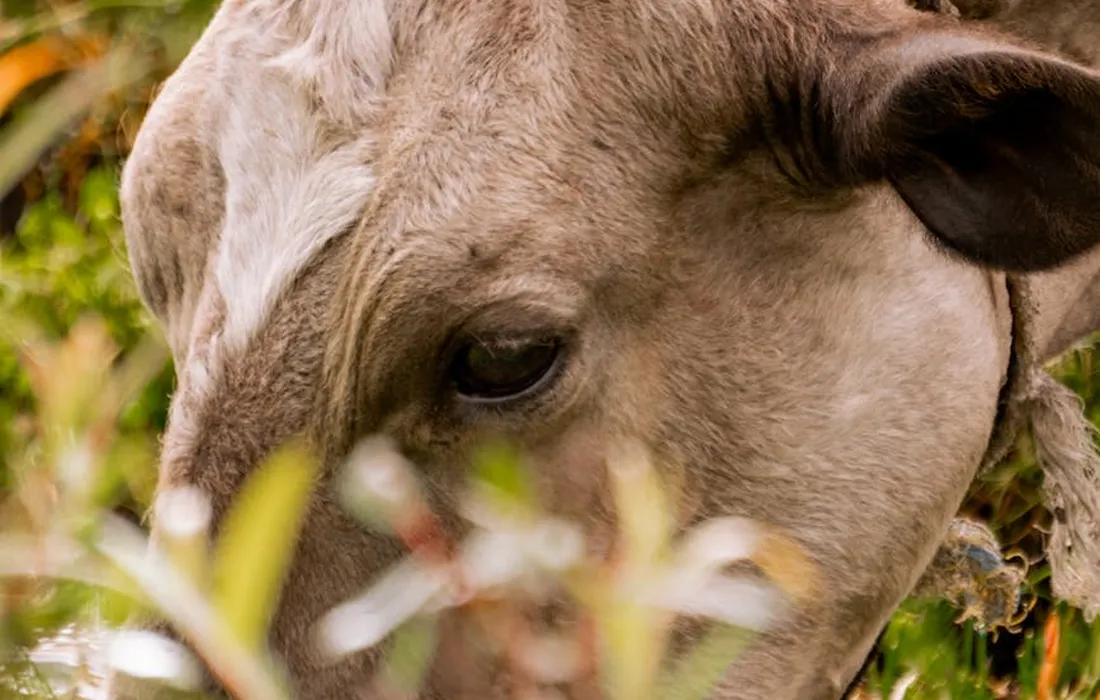
Handing a cow a whole piece of fruit is a bit like giving a toddler a whole grape-it’s an avoidable risk. Proper prep is the simple, non-negotiable bridge between a good treat and a gut-ache or a choked steer. Here’s how we’ve done it for years without a hitch.
Your Fruit Prep Checklist
- Wash It Like Your Supper: Even if you grew it, give every fruit a good rinse under cool water. This knocks off dirt, wild yeast, and any lingering residues. I’ve seen a careless mouthful of sandy peach cause a surprising amount of tooth grit.
- Pit and Seed Removal is Mandatory: This is your most critical job. Peach, nectarine, and mango pits are not just choking hazards. They contain compounds that can break down into cyanide, especially when damaged, and that’s a risk we never take with our ruminants. Scoop mango flesh away from the flat seed. Cantaloupe seeds are generally harmless, but I remove the slimy mass anyway to keep things tidy.
- Chunk It Up:
- For larger cows: Cut flesh into palm-sized pieces, about the size of your hand.
- For calves or smaller breeds: Go smaller, think bite-sized cubes.
This makes it easy to eat and helps you scatter the treats to prevent bossiness in the pecking order.
- Skip the Spoiled Bits: That soft, fermenting spot on the cantaloupe? Cut it out and compost it. Bovine digestive systems are robust, but introducing a big load of bad bacteria or mold is asking for a digestive upset you don’t want to manage.
Feeding Guidelines: How Much and How Often
Fruit is a delightful supplement, not a staple. Think of it as the homemade dessert after a solid meal of hay and grass. Overdoing the sweet stuff can sour their rumen function and pack on unnecessary pounds.
The Golden Rules of Fruit Treats
Stick to the 10% rule: all treats combined should not exceed 10% of your cow’s total daily dry matter intake. For a 1,200-pound cow eating roughly 30 pounds of hay, that’s about 3 pounds of treats max. I keep a battered old kitchen scale in the feed room for a season to train my eye-it’s the best way to avoid guesswork.
Frequency matters more than a single feast. A few chunks several times a week beats a whole bucket once a month. This slow, steady introduction lets their rumen microbes adjust without shock.
Fruit-Specific Advice
| Fruit | Consideration | Suggested Serving* |
|---|---|---|
| Peaches & Nectarines | Higher in natural sugars. I treat these as a “sometimes” fruit, especially in peak season. | 3-4 chunks per cow, 1-2 times weekly. |
| Mango | Rich and dense. Its unique fibers can be a mild laxative if overfed. | 2-3 chunks per cow, once a week. |
| Cantaloupe | High water content makes it refreshing. The rind is safe and enjoyed, but cut it into manageable strips. | A few chunks including rind, 2-3 times weekly in summer. |
*For a standard 1,000-1,400 lb beef or dairy cow. Adjust for breed and size.
Introducing Any New Fruit
- Start Small: Offer one or two pieces to a couple of animals and watch for 24 hours.
- Observe Closely: You’re looking for normal cud-chewing and manure consistency. Soft stool means you offered too much, too fast.
- Reduce Base Feed? Never. Their rumen needs consistent, long-stem forage to function. If you’re adding treats, you’re adding to their day’s intake, not replacing the fundamentals of their diet.
I learned the hard way with a barrel-full of overripe peaches one hot August. The enthusiasm was palpable, but the subsequent loose manure was a clear sign I’d overwhelmed their systems. Moderation, as in all things on the homestead, is the mark of good stewardship.
Nutritional Perks: What These Fruits Offer Your Cows
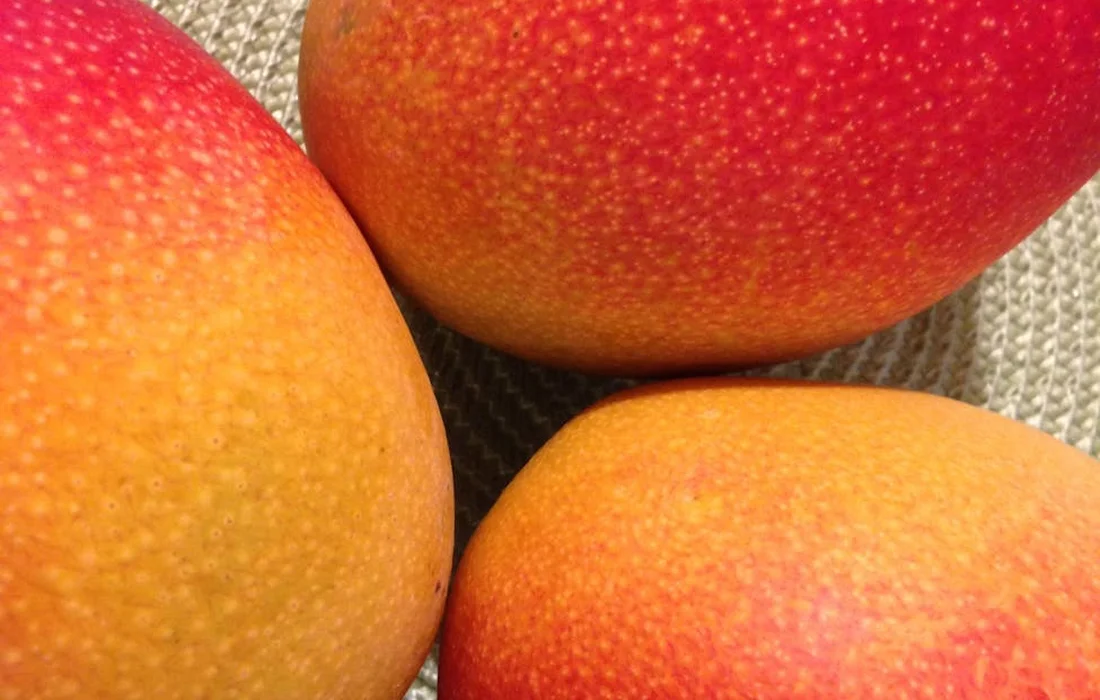
Now, don’t get me wrong-nothing beats good pasture and quality hay. But offering a bit of seasonal fruit is like giving your girls a wholesome, sweet supplement. I reckon it’s the homestead version of a multivitamin, straight from nature’s pantry.
Each of these fruits brings its own strengths to the feed bunk. The common thread is a powerful boost of vitamins A and C, which are champions for a cow’s immune system, reproductive health, and even give her coat a healthy shine. I’ve noticed my Jerseys’ coats get extra glossy in late summer when the fruit treats are most plentiful.
Vitamin Powerhouses
Think of peaches, mangoes, and nectarines as little sun-ripened packages of beta-carotene, which their bodies convert to vitamin A.
- Peaches & Nectarines: Packed with vitamins A and C, plus a decent bit of potassium for nerve and muscle function. They’re a hydrating snack on a hot day.
- Mangoes: These are the tropical superstars. They’re exceptionally high in vitamins A, C, and even have some vitamin B6, which supports metabolism.
- Cantaloupe: This is mostly water, which is a benefit! It’s fantastic for hydration. It also offers vitamins A and C, plus a good dose of dietary fiber to keep the rumen moving smoothly.
Fiber and Hydration Support
Beyond the vitamins, the fleshy part of these fruits provides soluble fiber. This type of fiber aids in digestion and helps maintain a stable, healthy rumen environment, which is the absolute core of your cow’s well-being. The high water content, especially in melons, is a sneaky way to get extra fluids into them during summer droughts when the pond level drops.
I always wash and cut up any cantaloupe rinds left from our supper and toss them to the herd. It’s a thrifty way to reduce waste and give them a long-lasting, fibrous chew that entertains them for a good while.
Potential Pitfalls: Risks and Signs to Watch For
Even good things require a dose of caution. Treating cows with fruit isn’t a free-for-all; it’s an act of mindful stewardship. You’ve got to respect their unique digestive system, especially when feeding them grapes or other common fruits.
The biggest danger isn’t the fruit flesh itself, but how you serve it and how much they consume. I learned this lesson early on when a greedy heifer nearly choked on a whole apple—especially since it’s not always safe for them to eat large amounts of fruit. Since that day, everything gets cut down to size.
Choking and Obstruction Hazards
Whole fruits are a major no-go. A cow’s swallowing mechanism isn’t designed for large, round, hard objects.
- Always pit stone fruits like peaches and nectarines. The pits are a choking hazard and can also cause intestinal blockages.
- Cut all fruits into large, fist-sized chunks. For cantaloupe, the rind should be cut into strips, not large wedges they could get stuck on.
- With mangoes, the large, flat seed must be removed. The skin is tough and can be a bit much for some cows, so I usually peel it off for older animals.
Overfeeding and Digestive Upset
Cows are ruminants, and their primary diet must be forage. Too much sugary fruit can disrupt the delicate pH balance in the rumen.
- Limit treats to no more than 1-2% of their total daily intake. For a 1,200-pound cow, that’s only about 12-24 pounds of fruit *total* per day, and I’d feed far less than that-a few pounds per animal is a generous treat.
- Introduce any new treat slowly over several days to let their rumen microbes adjust.
- Feed fruits as a supplement *after* they’ve had their main ration of hay or grass, not on an empty stomach.
Toxic Parts and Pesticide Concerns
You must know what *not* to feed. Never, ever feed the leaves, stems, or pits of stone fruits like peaches and nectarines, as they contain cyanogenic compounds that can release cyanide during digestion. The flesh is perfectly safe, but those other parts belong in the compost pile, not the feed bucket. If you’re considering peaches for your flock, start with a safety prep guide. Our chickens eat peaches stone fruit safety preparation guide walks you through proper prep and serving.
I only feed fruits I would eat myself. If you’re using store-bought produce, give it a good wash to reduce any surface pesticide residue. The safest bet is always homegrown or sourced from an organic neighbor you trust.
Signs of Trouble to Monitor
Keep a watchful eye after treat time. If you notice any bloating, diarrhea, lethargy, or a cow off her feed, hold the fruits immediately and ensure she has plenty of fresh water and hay. Serious distress like choking (panicked pacing, drooling, neck stretching) requires immediate veterinary intervention. A little precaution makes all the difference between a happy treat and a barnyard emergency.
Storing and Using Fruit Scraps on the Farm
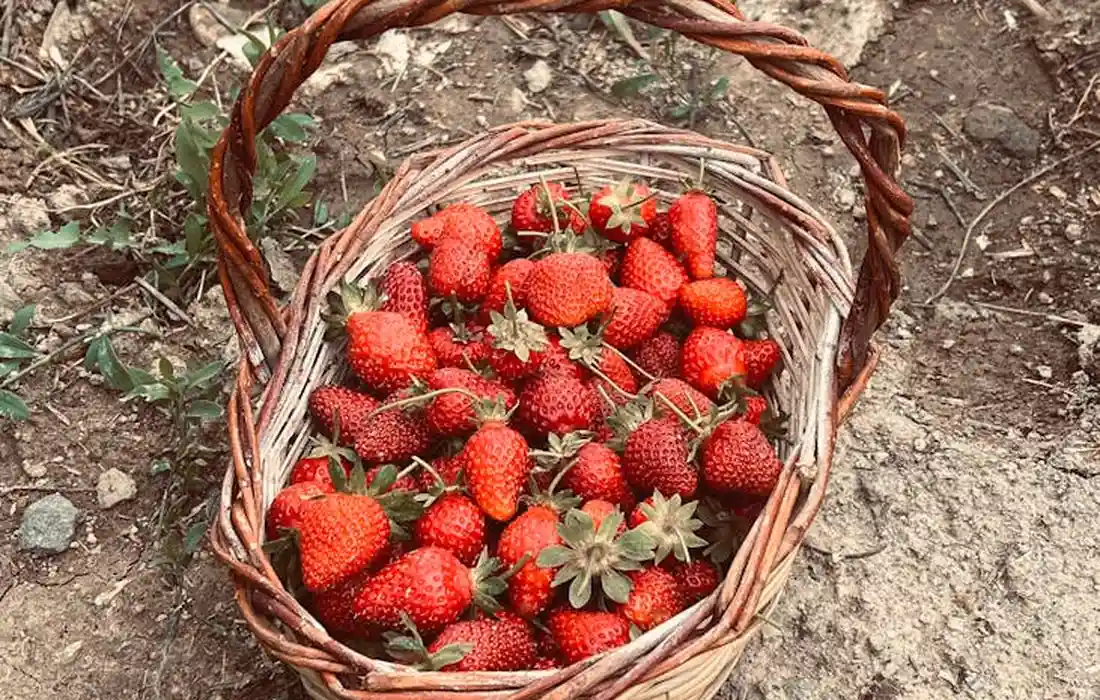
Now, a wise homesteader never lets good food go to waste. Those peach peels, mango skins, and cantaloupe rinds from your kitchen are pure gold in the barnyard. Proper storage turns your scraps from a potential pest problem into a valuable, free supplement for your herd. I keep a dedicated, lidded bucket right by the back door for this very purpose.
Keeping Scraps Safe and Sound
Fruit ferments quicker than you can say “sweet tea on a July porch.” You must handle scraps with the same care you’d give fresh fruit. My rule is simple: if I wouldn’t eat it, my cows won’t either. Mold and advanced fermentation have no place in a bovine’s belly.
- The Two-Hour Rule: In the heat of summer, get those scraps out to the animals or into proper storage within two hours of collection. This prevents harmful bacteria from taking hold.
- The Freezer is Your Friend: My chest freezer isn’t just for venison. I keep a large, reusable bag in there specifically for fruit scraps. When it’s full, it’s treat time. Freezing halts spoilage and lets you accumulate a meaningful amount.
- Cool and Covered: For immediate use within 24 hours, a sealed container in the refrigerator works perfectly. A ceramic crock with a tight lid on the countertop can work for a cool morning’s scraps if you’ll be feeding them out by evening.
- The Deep Litter Method for Pigs: Don’t forget your rooting partners! I’ll often toss tougher melon rinds directly into the pig pen. They delight in the enrichment, and it gets worked into their bedding, adding moisture and organic matter.
Feeding Scraps with Sense
Handing out a bucket of scraps is more art than science. You must maintain order and respect the rumen’s delicate balance. I never just dump and run. Always feed fruit scraps after your herd has filled up on their primary forage, whether that’s pasture grass or hay. This ensures the sugary treat doesn’t disrupt their core digestion. A deeper look at goat digestive health and rumen function can guide you toward better feeding practices. This is the essence of sound goat care.
Here’s my step-by-step method for a safe scrap feeding:
- Inspect Every Load: As you transfer scraps from your collection bucket, give them a once-over. Toss anything with visible mold or an off smell. When in doubt, throw it to the compost.
- Remove All Pits and Large Seeds: This is non-negotiable. Peach, nectarine, and mango pits must be picked out. They are a choking hazard and can contain compounds that break down into cyanide.
- Chop or Crush for Safety: For larger herds or bigger pieces like cantaloupe rind, I’ll give the scraps a few chops with a shovel. This prevents bossier cows from hogging a whole piece and allows timid ones to get a bite.
- Spread it Out: Don’t pour the bucket in one pile. I scatter the scraps over a wide area of the pasture or dry lot. This encourages natural foraging behavior and reduces bullying at the feed line.
- Limit the Portion: Even as a treat, fruit scraps should not exceed 2-3% of a cow’s overall daily diet. For my average Jersey, that’s about one to two gallons of scraps spread across the whole herd, not per head. Watch their consumption and adjust.
Remember, these are treats, not staples. A cow’s belly is designed for fiber first, and a sudden overload of simple sugars can cause a digestive shutdown that no amount of homesteader’s guilt will fix. I learned this lesson early with a bloated heifer after a too-generous donation of apple cores. Now, moderation is my motto. That mindful practice turns your kitchen waste into a joyful moment for your animals and a perfect circle of stewardship on your land.
Closing Tips for Fruit Treats
What parts of these fruits are safe to feed?
For peaches, mangoes, and nectarines, only the fleshy fruit is safe. Always discard the pits, leaves, and stems. For cantaloupe, the flesh, rind, seeds, and pulp are all safe and enjoyed by cows. However, not all citrus fruits are safe for cows, so be cautious when feeding them oranges or other citrus fruits.
Are there any risks associated with feeding these fruits?
The primary risks are choking on pits or large pieces, and digestive upset from overfeeding sugary fruits. Always remove pits and cut fruit into manageable chunks to mitigate these hazards.
How much of these fruits can cows eat?
Fruit should be a minor treat, not exceeding 1-2% of the cow’s total daily dry matter intake. A few chunks per cow, a couple of times a week, is a safe and enjoyable amount for a standard-sized animal. When feeding fruit, it’s important to consider their safety and benefits to the cow’s diet.
What are the nutritional benefits of these fruits for cows?
These fruits offer beneficial vitamins A and C, which support immunity and coat health. They also provide soluble fiber for digestion and, in the case of cantaloupe, significant hydration, especially in summer.
How should these fruits be prepared for cows?
Always wash fruit thoroughly, remove all pits and seeds from stone fruits, and cut the flesh into palm-sized chunks. This prevents choking and makes it easy for the herd to eat safely.
Can these fruits be fed to other barnyard animals like chickens or pigs?
Yes, but preparation varies. Chickens can handle small pecks of soft flesh, while pigs relish most parts. This connects to safety and feeding practices around whether chickens can eat pork meat, where proper handling and cooking are crucial. Avoid feeding raw pork scraps or spoiled meat to chickens. Always research species-specific guidelines, as pits and excessive sugar can also pose risks to other animals.
Shuttin’ the Gate
The sweetest part of sharin’ your garden bounty is seein’ those contented, slow chews. Remember, the golden rule of treats is that they’re a supplement to good forage, never a replacement for it. Your herd’s health hinges on that steady rumen function, and too much sugar, even from fruit, can throw it out of whack quicker than a summer storm.
I reckon the real joy is in the shared moment-the quiet of the afternoon, the sound of peaceful crunching, and knowin’ you’re carin’ for your animals in a thoughtful way. Thanks for lettin’ me share a few thoughts from the fence line. Now, go enjoy your critters and the simple satisfaction of a job done right. Y’all take care out there.
Further Reading & Sources
- What Fruits Can Cows Eat? – Farmhouse Guide
- r/farming on Reddit: Do you give your grass-fed cows fruit?
- Do Cows Eat Fruit? Safe Fruits & Feeding Considerations – Biology Insights
Caroline Mae Turner is a lifelong farm girl raised on red clay, early mornings, and the sounds of a bustling barnyard. With hands-on experience caring for everything from stubborn goats to gentle dairy cows and mischievous pigs, Caroline shares practical, tried-and-true advice straight from the farm. Her goal is to help folks keep their animals healthy, well-fed, and living their best barnyard life. Whether you're wrangling chickens or bottle-feeding a baby goat, Caroline brings a warm Southern touch and plenty of real-world know-how to every bucket in the barn.
Feed Recommendations