Can Rabbits Eat Okra? Your Quick Guide to Safe Snacking
Published on: September 27, 2026 | Last Updated: September 27, 2026
Written By: Caroline Mae Turner
Howdy y’all, and welcome back to the barn. You’re standing there with a basket of fresh okra, looking at your curious rabbits, and wondering if those fuzzy critters can share in the harvest. Good news: yes, your rabbits can safely eat okra-the fresh pods, leaves, and tender tops are all fine in moderation, but always serve it raw and mind those tough seeds.
- Fresh okra pods (organic is best, to skip the chemicals)
- A sharp knife and cutting board for sizing
- Just a few minutes of your time for prep
Let’s get this sorted right quick, so you can get back to the rest of your chores with one less question on your mind.
Breaking Down the Bounty: Which Parts of Okra are Rabbit-Safe?
Not every part of a plant makes it to the trough, and that’s just good stewardship. Let’s walk through the okra plant from top to bottom and see what’s fit for your bunny’s dinner plate.
-
Can Rabbits Eat Okra Pods? (The Fruit)
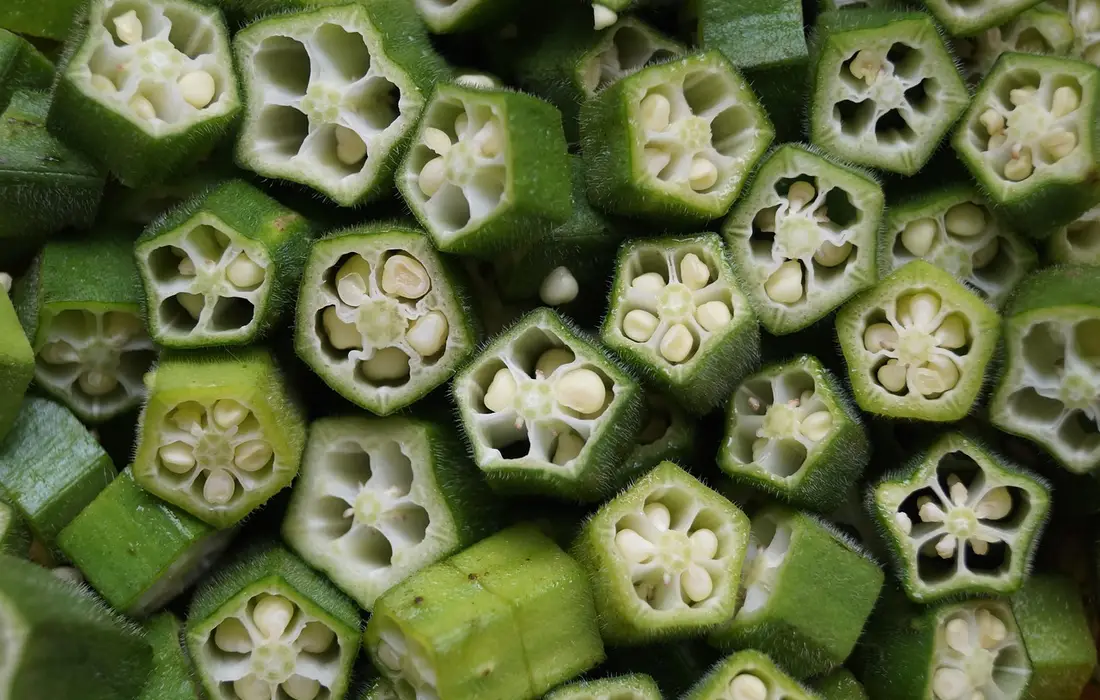
Yes, absolutely. The fresh, green pod is the star of the show and perfectly safe for rabbits in moderation. I slice a young pod or two into thin rounds for my herd as a warm-weather treat. The key is offering it raw and fresh—never cooked, pickled, or breaded—as those preparations can wreak havoc on a rabbit’s delicate digestive system, unlike some other treats like cherries which require extra caution. The mucilage, that famous “slime,” isn’t harmful, but some bunnies turn up their noses at the texture. If yours is a skeptic, try a small piece first.
-
Can Rabbits Eat Okra Leaves?
You bet, and in my opinion, this is where the real value lies. Okra leaves are a fantastic, nutrient-dense leafy green. I often pick a handful while harvesting in the garden for the rabbits. They’re similar to raspberry or blackberry leaves in stature and are a wonderful part of a varied forage diet. Always ensure the leaves are free from pesticides and give them a good rinse, just as you would for your own salad greens. I’ve found my rabbits often prefer the leaves over the pods themselves. Leafy greens are an essential part of a rabbit’s diet, and okra leaves fit right in.
-
Can Rabbits Eat Okra Stems?
This is a firm no. The mature main stem of the okra plant is far too woody, fibrous, and tough for a rabbit to manage. It presents a serious choking hazard and could cause painful impaction. When you’re pruning your okra plants, toss those tough stems straight into the compost pile or the kindling basket, not the rabbit hutch. The tender, young shoots at the very top of the plant might be softer, but I reckon it’s safest to avoid stems altogether and stick to the proven-safe parts.
-
Can Rabbits Eat Okra Seeds?
This one’s simple: the seeds inside the okra pod are perfectly fine. When your rabbit munches on a piece of fresh pod, they’re consuming the seeds along with it naturally. There’s no need to-and you shouldn’t try to-separate or specially prepare the seeds; they are an inherent part of the whole, safe food. Offering isolated okra seeds isn’t necessary or recommended, as the whole pod provides balanced fiber and moisture.
How to Serve Okra Safely: From Garden to Hutch
Feeding from the garden is one of the true joys of this life, but doing it right keeps your herd happy and healthy. Proper preparation turns a good idea into a safe, everyday treat your rabbits will come to adore. Let’s walk through it step-by-step, just like I do out by my own hutches. If you’re unsure what your rabbits can actually eat from the garden, start here before introducing any new plant forages.
-
Step 1: Sourcing and Washing
Your very best bet is okra from your own pesticide-free garden. You know exactly what went on those plants. If you’re buying, seek out organic or trusted local sources at the farmer’s market. A good, long rinse under cool running water is non-negotiable, scrubbing gently with your fingers to remove any field dust or residues. This simple act prevents a host of minor troubles.
-
Step 2: Proper Preparation and Cutting
I always use fresh, raw okra for my bunnies. Cooking adds oils and seasonings they just don’t need. Give the pod a firm feel-it should be tender and snap easily, not woody. That tough stem cap has to go; just slice it off. For smaller rabbits or cautious eaters, I slice the pod in half lengthwise. For my veteran does, I’ll chop it into half-inch wheels. Cutting it up manages the unique texture and prevents any possibility of a greedy bunny trying to swallow a whole pod, which is a choking risk.
-
Step 3: The Golden Rule of Gradual Introduction
This is the most important step, one I’ve learned the value of through experience. No matter how excited you are to share your harvest, start slow. Offer a single, small piece of that prepared okra-about the size of your thumbnail. Then, you watch. You must monitor your rabbit for the next 24 hours for any signs of soft stools, lethargy, or a refusal of their normal hay. If all is well, you can gradually offer a bit more next time. If things get loose, you stop and know that bunny’s system might not agree with okra. For more guidance on feeding your rabbit, check out our domestic rabbit diet guide.
Portion Control: How Much and How Often to Feed Okra
Even the best treats in the world can cause trouble in excess. Think of okra not as a meal, but as a flavorful accent to a diet built on unlimited grass hay. Getting the amount and schedule right is the key to balance.
-
Determining the Right Portion Size
Size matters here. A small Netherland Dwarf might only get one or two thin slices, while a hefty Flemish Giant could handle a couple of whole pods, chopped. A safe rule of thumb is that any fresh treat, including okra, should not exceed the size of your rabbit’s head per serving. Their digestive systems are delicate, and overloading on a new, watery vegetable is a sure path to GI upset. When in doubt, err on the side of less.
-
Establishing a Safe Feeding Frequency
Okra should be an occasional delight, not a daily routine. I never feed it more than twice a week, and often just once. Rotating it with other safe veggies-like romaine lettuce, bell pepper, or basil-provides nutritional variety and keeps your rabbits from tiring of any one food. This rotation mimics natural foraging and supports a more resilient gut. Always, always ensure that fresh, clean water and a mountain of hay are available, as that fiber is what keeps everything moving smoothly. Be mindful of how much fresh veggies rabbits should eat daily to avoid overfeeding.
The Good Stuff: Nutritional Perks of Okra for Rabbits
Now, let’s talk about what makes that funny-looking pod more than just a garden novelty. I’ve grown it for years, and once you look past the texture, okra brings a solid nutritional profile to your rabbit’s dinner plate.
Fiber Content and Digestive Health
Any seasoned rabbit keeper knows fiber is the cornerstone of a healthy bunny. It’s what keeps their unique digestive tract moving like a well-oiled machine. Okra is a respectable source of this crucial nutrient. While it’s no replacement for unlimited timothy hay, the fiber in okra acts as a complementary boost, supporting healthy cecum function and regular stool production. Think of it as a helpful sidekick to the main hero-your hay.
Key Vitamins and Minerals
This green pod packs a surprising vitamin punch. It’s particularly rich in Vitamin K, which plays a quiet but vital role in blood clotting and bone metabolism. You’ll also find a good dose of Vitamin C, though rabbits produce their own, and a spread of B vitamins. On the mineral front, okra offers manganese for bone development and a bit of magnesium and potassium. Feeding a little okra is like offering a multivitamin grown right in your own garden, providing trace nutrients that round out a pasture or hay-based diet.
Understanding Mucilage
Ah, the slime. That unique mucilaginous texture when okra is cut is a soluble fiber. In my experience, this gel-like substance can be gently soothing for the digestive tract. This natural mucilage may help with gut motility and can be especially gentle for older rabbits or those with occasionally sensitive systems, as long as it’s fed in moderation. It’s nature’s own gut-friendly gel, not something to be wary of.
Potential Pitfalls: Risks and Signs to Watch For

Even the best garden treats come with a note of caution. Being a good steward means knowing the limits. Here’s what to keep an eye on when introducing okra to your herd.
-
Primary Concerns: Oxalates and Digestive Sensitivity
Okra contains oxalates, like many leafy greens. In high amounts, these can interfere with calcium absorption. This is why variety and moderation are non-negotiable. Rotate okra with other low-oxalate veggies like romaine lettuce or cilantro to prevent any mineral imbalances over time. The other main risk is a simple upset stomach from too much too soon. A rabbit’s gut flora is delicate; introduce any new food, including okra, in tiny amounts over a week.
-
Recognizing an Adverse Reaction or Allergy
Watch your rabbit closely for the first few feedings. Signs that the okra isn’t agreeing with them include noticeably softer or misshapen droppings, a lack of appetite for their usual hay, or unusual lethargy. Gas and bloating are serious. If you see any sign of gastrointestinal stasis-no poop, hunched posture, refusing food-remove the okra immediately and consult your vet. True allergies are rare, but digestive intolerance is the more common issue.
-
When to Skip the Okra Entirely
There are a few times I wouldn’t offer okra at all. Never give it to a rabbit under 12 weeks old; their baby digestive systems aren’t ready. Skip it for any rabbit with a history of recurrent GI stasis or bladder sludge. Also, avoid feeding okra that’s past its prime, as wilted or spoiled pods can harbor bacteria that lead to quick illness. If you wouldn’t eat it, don’t feed it to your stock.
Closing Questions
Can rabbits eat okra?
Yes, rabbits can safely eat okra as an occasional treat. It should always be served raw and fresh to avoid digestive problems, and introduced slowly to ensure tolerance. It’s also helpful to know which plants and foods are safe or unsafe for rabbits.
What parts of okra are safe for rabbits?
The fresh pods and leaves are safe for rabbits, providing nutrients and fiber. Always avoid the tough, woody stems, as they pose a choking and impaction risk. Rabbits also nibble on many tree leaves, but not all are safe. Knowing which leaves are safe versus unsafe helps you feed them responsibly.
How much okra can a rabbit eat?
Limit okra to a portion no larger than your rabbit’s head per serving. It should be fed sparingly, no more than twice a week, to prevent gastrointestinal upset. Also factor in the rabbit’s daily pellet portion sized to their body weight, and if your rabbit refuses pellets, use a simple refusal guide to adjust the plan.
How should okra be prepared for rabbits?
Wash okra thoroughly to remove pesticides, cut off the stem cap, and slice it into small pieces. Start with a tiny amount to monitor your rabbit’s reaction before offering more.
What are the nutritional benefits of okra for rabbits?
Okra offers dietary fiber for gut health, vitamins like K and C, and minerals such as manganese. It complements a hay-based diet by adding variety and trace nutrients.
Are there any risks associated with feeding okra to rabbits?
Risks include digestive sensitivity from overfeeding and oxalates that may interfere with calcium absorption. Watch for signs like soft stools or lethargy, and discontinue if adverse effects occur.
Shuttin’ the Gate
Lookin’ back on all we’ve covered, the long and short of it is this: your rabbits can enjoy a bit of okra as a safe, summery treat. The true secret to a thriving rabbitry isn’t found in any single food, but in your watchful eye and commitment to slow, careful introduction of anything new. I’ve seen a buck get a touch too enthusiastic over a new green and pay for it later, so trust me, patience is a virtue that pays off in healthy droppings and content critters. Start with a sliver, watch them close, and let their own systems be your guide.
I’m mighty thankful y’all took the time to stop by the digital fence line today. There’s nothin’ I enjoy more than swapping honest husbandry advice with folks who care for their animals right. I hope your bunnies find the okra to their likin’, and your garden keeps producin’ aplenty. Take care of yourselves and your fuzzy herds out there.
Further Reading & Sources
- Growing Okra for Rabbits? | Rabbit Talk – Meat Rabbit & Farming Forum
- Dried Okra Pod – Treat your Small Pets – Small Pet Select U.S.
- Can Rabbits Eat Okra? Exploring The Benefits And Side Effects. – PetsandFins
Caroline Mae Turner is a lifelong farm girl raised on red clay, early mornings, and the sounds of a bustling barnyard. With hands-on experience caring for everything from stubborn goats to gentle dairy cows and mischievous pigs, Caroline shares practical, tried-and-true advice straight from the farm. Her goal is to help folks keep their animals healthy, well-fed, and living their best barnyard life. Whether you're wrangling chickens or bottle-feeding a baby goat, Caroline brings a warm Southern touch and plenty of real-world know-how to every bucket in the barn.
Diet Requirements