Can Rabbits Eat Seeds? Your Guide to Safe and Unsafe Treats
Published on: October 7, 2026 | Last Updated: October 7, 2026
Written By: Caroline Mae Turner
Howdy y’all, and welcome back to the barn. You’re standing there with a handful of this or that, maybe some spilled birdseed or a fancy grain mix, looking at your bunny and wondering if it’s a harmless snack or a trip to the vet. The quick farmer’s fix is that most seeds are a hard “no” for daily munching, but a few, like flax, can be a rare, tiny treat-and you should never, ever feed commercial birdseed to your rabbits.
- A keen eye for reading ingredient labels.
- Your kitchen scale or a measuring pinch for proper portions.
- Knowledge of which seeds are safe (like flax) and which to avoid (like most everything in that bird feeder).
Let’s get this sorted right quick, so you can get back to the rest of your critters with confidence.
The Straight Answer on Seeds and Rabbit Digestion
Can rabbits eat seeds? Well, yes and no, and the difference is in the details. A rabbit’s gut is a finely tuned fermenting vat, designed for breaking down fibrous grasses, not dense pockets of fat and protein. Offering seeds as a regular treat disrupts this delicate system and can lead to a world of trouble.
I learned this lesson years ago when a well-meaning visitor fed my Flemish giant a handful of birdseed. That bunny spent the next two days off his feed, and I spent them worried sick. The high fat content in most seeds is simply too rich for them. It can cause a condition called hepatic lipidosis, where the liver gets overwhelmed with fat, and it throws their entire digestive rhythm out of whack.
Their unique process of producing cecotropes-those nutrient-rich “night droppings” they re-ingest-relies on a specific bacterial balance. Too much fat or starch from seeds alters that gut flora, potentially stopping this critical recycling process in its tracks. A rabbit that stops eating cecotropes is a rabbit sliding toward malnutrition, no matter how much else it eats.
The Unshakeable Foundation: What a Rabbit’s Diet Must Be
Before we even think about treats like seeds, we have to get the fundamentals rock-solid. I reckon rabbit nutrition is built like a good barn: if the foundation ain’t right, the whole thing will sway when the wind blows.
Every single decision about what goes into your rabbit’s feed bowl must first support this core diet. Straying from it for the sake of a cute snack is asking for a costly vet bill. Your rabbit’s health is directly woven into the consistency of their daily meals.
The Three Pillars of a Healthy Bunny
Think of these three components as non-negotiable. Getting this right is 95% of the battle for a thriving rabbit.
- Unlimited Grass Hay: This is the cornerstone, making up about 80% of what they consume. Timothy, orchard grass, or meadow hay should be available 24/7. It provides the essential fiber for gut motility and tooth wear. I keep racks full at all times, and you can hear my herd contentedly munching from clear across the yard.
- Fresh Leafy Greens: A packed cup per 2 pounds of body weight daily introduces moisture, vitamins, and variety. Romaine, cilantro, bok choy, and dandelion greens from an untreated yard are favorites here. Rotate these greens regularly to provide a spectrum of nutrients and keep meals interesting for your clever critter.
- Quality Limited Pellets: A small, measured amount of plain timothy-based pellets (no colorful bits or seeds mixed in) acts as a nutritional insurance policy. For an average 5-pound rabbit, a scant 1/4 cup per day is plenty. More than that, and they’ll pick the pellets over their hay every time.
Water, of course, is the river that runs through it all, provided fresh and clean in a heavy bowl daily. When this foundation is steady, your rabbit’s system is strong enough to handle the very occasional, carefully chosen treat.
Breaking Down Common Seeds: Benefits and Precautions
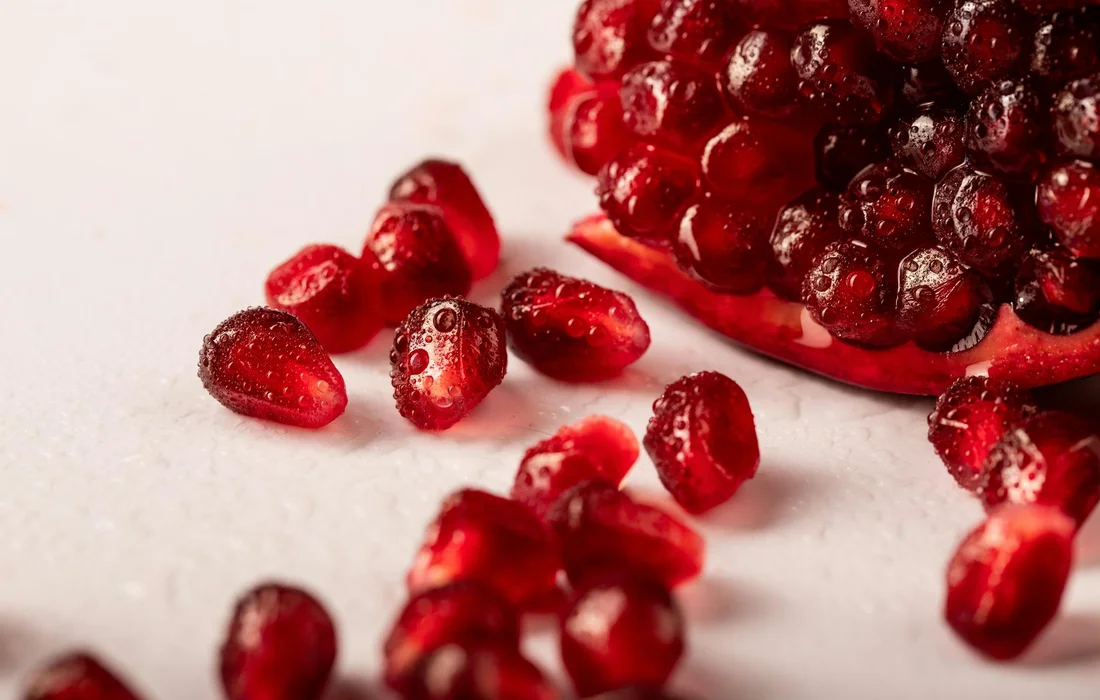
Let’s get our hands dirty and look at a few common seeds you might have in your pantry. I keep a mason jar of each in my feed room, but I treat them more like spices than main ingredients.
Can Rabbits Eat Flax Seeds?
You bet, but with a light hand. I’ve fed my rabbits flax for years, especially to does in late pregnancy and during winter molts. The Omega-3 fatty acids are wonderful for skin and coat health. The key is to grind them fresh; a whole flax seed is so tiny and hard it’ll pass right through your rabbit undigested, which is a waste of good nutrition. I use a cheap coffee grinder dedicated to the task.
A little goes a very long way. For a standard-sized rabbit, a scant quarter teaspoon of ground flax mixed into their greens or pellets two or three times a week is plenty. It’s a supplement, not a feed. Even with supplements, fresh vegetables should still make up the majority of their diet.
Can Rabbits Eat Safflower Seeds?
These are a firm “maybe, but why bother?” in my book. They’re not toxic, but they are a very fatty seed, clocking in at nearly 40% fat. A rabbit’s digestive tract isn’t built for that kind of richness. If you must offer one, a single, hulled safflower seed as a rare curiosity is the absolute limit I’d ever recommend.
Frankly, the nutritional payoff for rabbits is minimal compared to the risk of upsetting their delicate gut balance. I reckon your money and effort are better spent on an extra handful of fragrant oat hay or a sprig of organic basil from the garden. In fact, many house rabbits eat a diet beyond commercial pellets. Think hay, leafy greens, and fresh herbs.
Can Rabbits Eat Sesame Seeds?
Yes, and my bunnies seem to find them a delightful, tiny crunch on their salads. Sesame seeds offer some calcium and zinc. Always choose plain, raw, or hulled sesame seeds over salted, toasted, or honey-coated varieties made for human snacks. Those additions are a sure path to trouble.
Sprinkle no more than a dozen or so seeds over a large pile of dark leafy greens once a week. Think of them as the finishing touch, like a sprinkle of pepper on your supper. They add interest but aren’t the meal itself.
The Specific Dangers of Bird Seed and Sunflower Seeds
This is where I get stern, friends. I’ve seen too many well-meaning folks think a scoop of wild bird mix is a fine treat for a bunny. It is not.
Why Sunflower Seeds Are a Troubling Treat
Whether black oil or striped, sunflower seeds are the poster child for problematic rabbit snacks. They are incredibly high in fat and starch, which can swiftly lead to obesity and GI stasis. The hard hulls pose a dual threat: they are difficult to digest and can be a serious choking hazard if the rabbit doesn’t chew them properly, unlike processed grains used in bread that breakdown more easily.
I learned this lesson decades ago with a beloved Dutch rabbit named Beau. A handful of sunflower seeds as a “special treat” led to a costly vet visit for a sluggish gut. We were lucky. Now, I might offer one single, hulled sunflower kernel as a high-value reward for training, but that’s it. One. Per month.
Other Bird Seed Components to Actively Avoid
Bird seed mixes are a minefield. You must actively protect your rabbit from these common ingredients:
- Corn: All forms-cracked, kernel, or milo-are high in starch and sugar. They can cause deadly blockages and digestive upset.
- Millet: While not toxic, it’s a starchy filler with little nutritional benefit for a rabbit, simply adding empty calories.
- Peanuts: These are legumes, not nuts, and are completely inappropriate for a rabbit’s digestive system. They are also prone to mold.
- Colored Pellets or Dyes: The artificial colors and unknown supplements in many bird seed blends are formulated for birds, not lagomorphs.
The safest policy is to keep the bird feeder for the birds and the rabbit’s feed bowl for species-appropriate meals. Good stewardship means knowing the specific needs of each creature under your care.
Practical Risks: Choking, Obesity, and Toxic Exposure
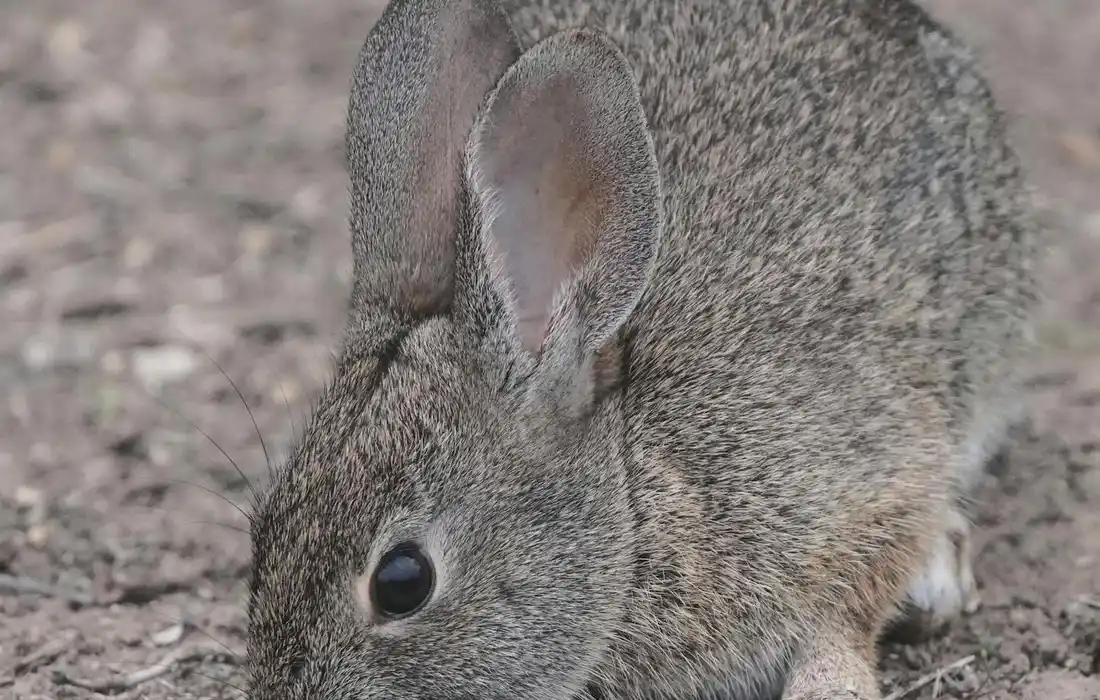
Now, let’s talk straight about why I’m cautious with seeds for my rabbits. I’ve seen a eager doe choke on a handful of flax, and it’s a sight that’ll tighten your chest. Small, hard seeds can easily become lodged in a rabbit’s throat, especially if they’re gobbled down too fast without proper chewing. You reckon it’s a tiny treat, but for them, it’s a real hazard. That risk extends beyond flax to other treats, including pumpkin flesh and its seeds. A practical pumpkin rabbits plant flesh seeds safety guide can help you sort what’s safe and what to avoid.
Beyond the choking risk, seeds pack a mighty calorie punch. Flax and safflower are rich in oils, which is fine in pinches but leads to trouble fast. I’ve cared for overweight rabbits, and their joint issues and sluggishness are a clear sign that high-fat seeds should be a rare indulgence, not a regular snack. A rabbit’s digestive system is built for fibrous hay, not dense fat.
Then there’s the hidden danger you might not see coming. That bargain bag of bird seed? It can be a minefield. Some seed mixes contain traces of toxic plants like ragwort or are treated with fungicides that are downright dangerous for rabbits (especially the ones that aren’t safe for rabbit consumption). I once lost a young bunny to suspected pesticide exposure from contaminated feed, a hard lesson in knowing your source.
- Choking Hazard: Small, dry seeds can be inhaled or swallowed whole by excited rabbits.
- Weight Gain: High fat content promotes obesity, straining hearts and joints over time.
- Toxic Contaminants: Bird seed often includes unknown filler seeds or chemical coatings not meant for consumption.
My Barnyard Rule for Feeding Treats
After years in the barnyard, I stick to one simple rule that hasn’t failed me yet. Any treat, including seeds, should be no bigger than the tip of your pinky finger and offered no more than twice a week. This keeps portions in check and lets you monitor how your rabbit reacts.
I call it the “See Once, Seed Once” method for new foods. Always introduce a single type of seed, like a quarter teaspoon of sesame, and watch for any changes in droppings or behavior for a full 48 hours before even considering it again. This patience has saved me from many a messy cleanup and vet bill.
- Size it Right: Keep the serving smaller than a blueberry.
- Space it Out: Treat days are for Tuesday and Friday, not every day.
- One at a Time: Test each seed variety separately to pinpoint any intolerance.
Safer Seasonal Alternatives to Seeds
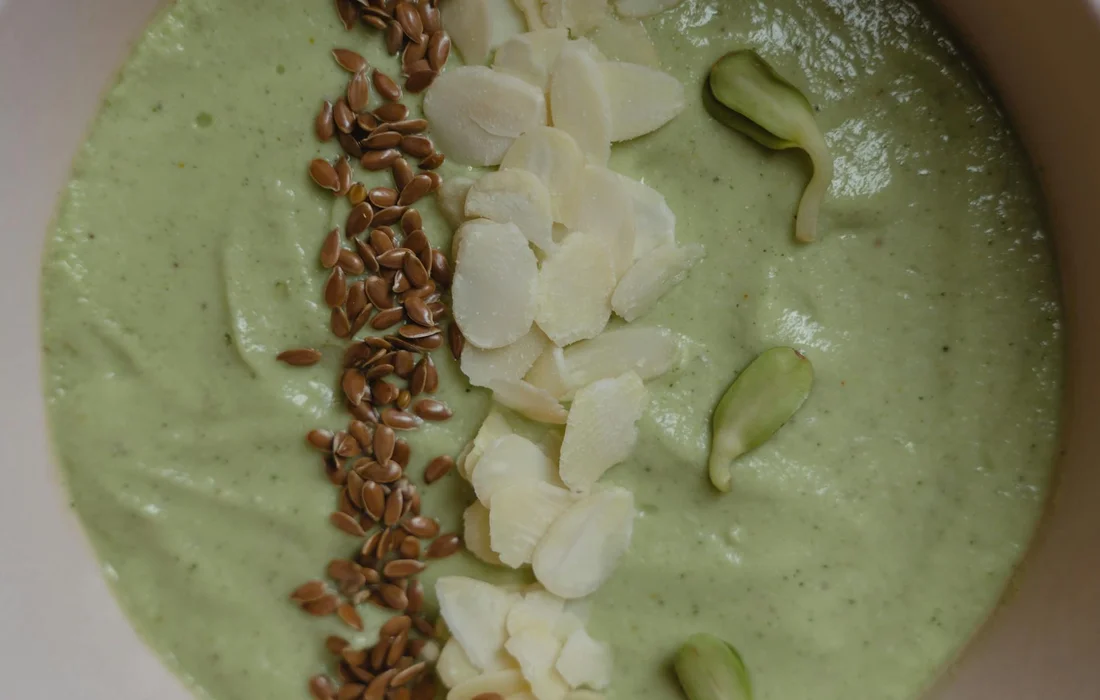
Why fuss with risky seeds when nature provides better options? I’d rather walk my fence line and pick fresh greens than open a bag of store-bought mix. Foraging for rabbit-safe weeds like dandelion greens, plantain, or clover provides vital nutrients and enrichment without the fat content of seeds. It’s free, and it gets you outdoors with your critters.
In the spring, my rabbits enjoy the tender tips of blackberry brambles (thorns removed) and young willow leaves. Summer brings herb sprigs like mint and basil from my garden, which aid digestion and are always a hit. Come fall, I’ll share carrot tops and bok choy stalks from the harvest. Winter means extra timothy hay and the occasional dried apple slice from my cellar.
Rotating these treats with the seasons keeps their diet interesting and aligned with their natural rhythms. A handful of safe, leafy greens twice a week does more for their health and happiness than any seed ever could, and it strengthens that bond of trust between keeper and animal. That’s stewardship in action.
- Spring & Summer: Dandelion leaves, raspberry canes, parsley, sunflower leaves (not the seeds!).
- Fall & Winter: Kale stems, celery leaves, rosemary, orchard grass hay cubes.
- Year-Round Staples: Apple wood sticks for chewing, plain dried oat sprays as a rare crunchy treat.
Closing Tips for the Barnyard Steward
Can rabbits eat seeds at all, or should they be avoided entirely?
Most seeds should be avoided as regular feed. A few, like flax or sesame, can be offered as a minuscule, infrequent treat only after your rabbit’s core diet of hay, greens, and pellets is perfectly established. Sunflower seeds often come up as a question, but they should not be a regular part of a rabbit’s diet. For a broader look at how rabbits handle seeds in both pet and wild settings, see our pet wild rabbit guide.
Are pumpkin seeds a safer seed option for rabbits?
Raw, unsalted pumpkin seeds (pepitas) can be offered very rarely-one or two at most. They are less fatty than sunflower seeds but still pose a choking risk and are too rich for a rabbit’s primary digestion.
Do rabbits eat seeds and nuts in the wild?
Wild rabbits might incidentally consume a few seeds or nuts, but these are not a sought-out part of their diet. Their systems are designed for fibrous plants, making high-fat nuts like almonds or walnuts completely unsuitable and dangerous for domestic rabbits.
Can rabbits eat seeds every day?
No, rabbits should not eat seeds every day. Daily seed consumption disrupts their delicate gut flora, leads to obesity, and replaces the high-fiber foods essential for their digestive health and dental wear, even when those seeds are from nuts or fruit.
Is it okay to feed rabbits seeds in the winter for extra energy?
Do not use seeds for winter energy. The proper way to support them in cold weather is with unlimited high-quality hay, which generates heat through digestion. Seeds provide the wrong kind of fat and can cause more harm than good.
My rabbit loves seedless grapes. Is that a better treat?
Seedless grapes are a sugary fruit treat, not a seed substitute. They should be given sparingly-a small piece once or twice a week at most-as too much sugar can cause serious digestive issues in rabbits.
Shutting the Gate
When all is said and done, your rabbits’ health hinges on a simple truth. The foundation of their diet must always be unlimited grass hay, with seeds and other treats staying as just that-tiny, occasional delights. I’ve seen too many good bunnies slow down from a bellyache caused by a kind but misplaced handful of treats.
I reckon the real joy in this life comes from watching your animals thrive under good, simple care. So here’s a neighborly wave from my patch of pasture to yours. May your rabbits be lively, your garden be green, and your evenings be spent in the quiet contentment that only comes from tending your own peaceful corner of the world.
Further Reading & Sources
Caroline Mae Turner is a lifelong farm girl raised on red clay, early mornings, and the sounds of a bustling barnyard. With hands-on experience caring for everything from stubborn goats to gentle dairy cows and mischievous pigs, Caroline shares practical, tried-and-true advice straight from the farm. Her goal is to help folks keep their animals healthy, well-fed, and living their best barnyard life. Whether you're wrangling chickens or bottle-feeding a baby goat, Caroline brings a warm Southern touch and plenty of real-world know-how to every bucket in the barn.
Diet Requirements