
Stop Cattle & Horses Chewing Trees: A Homesteader’s Prevention Guide
Published on: October 10, 2026 | Last Updated: October 12, 2026
Written By: Caroline Mae Turner
Howdy y’all. Welcome back to the barn. If you’ve spotted your livestock turning the back pasture’s trees into their personal chew toys, the only surefire farmer’s fix is a sturdy physical barrier between those hungry mouths and the tender bark.
What you’ll need:
- Materials for a durable barrier (wire panels, welded fencing, or proper tree wraps)
- Staples, zip ties, or fencing tools for securing
- A few minutes to assess your herd’s feed and forage quality
We’ll get this gnawing habit sorted from cause to cure, so you can save your trees and get back to the rest of your chore list.
Understanding Bark Chewing: More Than Just a Bad Habit
Is It Cribbing, Pica, or Simple Boredom?
Spotting your horse or cow gnawing on a tree can sure give you a start. It’s easy to write it off as a harmless vice, but in my years on the farm, I’ve learned this behavior is a message-one we need to decipher right quick.
Tellin’ the difference between cribbing, pica, and plain old boredom is your first clue. Each one has a distinct tell, and mistakin’ one for another means you might treat the wrong problem.
- Cribbing is a fixed, compulsive action. A horse will grab a rail, stall door, or branch with its top teeth, pull back, and often gulp air. The wood damage is a side effect; the ritual itself is the root issue.
- Pica is the driven consumption of things that ain’t food-wood, dirt, bones, or even hair. This is your livestock’s body screaming for a specific nutrient it’s missing from its regular rations.
- Simple Boredom stems from a lack of mental and physical work. Confined animals with nothin’ to do will find ways to occupy themselves, and chewing is a handy option.
I remember a draft horse named Clyde who took to cribbing during long winters in the stable. Providing him with a slow-feed hay net and a pasture buddy did more to curb that habit than any bitter spray on the fences.
The Root Causes: Why Your Livestock Start Gnawing Wood
Nutritional Gaps: When the Feed Bucket Isn’t Enough
Y’all, a full feed bucket can be deceiving. Livestock aren’t just eating for volume; they’re instinctively searching for the precise minerals and fibers their bodies require to thrive. That instinct sometimes shows up as pica—eating dirt or other nonfood substances—as cows, goats, and horses try to balance their nutrition. Understanding pica in livestock helps explain why they might munch on dirt and what it signals about their diet and environment.
When those elements are scarce, bark chewing becomes a foraging behavior. This is most common when relying on a single feed source or hay from tired soil that’s given up its goodness. Goats naturally diversify their diet with common weeds and leaves as they forage, a flexible behavior that complements bark intake when feed is limited. This foraging habit highlights their adaptability and dietary breadth.
Let’s talk specifics. Here are the nutritional shortfalls I’ve seen trigger pica in my herd:
- Fiber Deficiency: Poor-quality, stalky hay or overgrazed pasture lacks digestible fiber. Animals will seek out woody material to scratch that gut need.
- Key Mineral Depletion: Phosphorus is a classic. Soil tests here showed our fields were low, and the cows chewed wood until we offered a free-choice mineral mix with 4% phosphorus. Copper and salt are other huge drivers.
- Inadequate Protein: A dry cow might manage on 8% crude protein, but a lactating mama or a growing youngster can need 12% or more. That gap turns fence posts into supplements.
Don’t guess what’s missing-know. Investing in a forage analysis from your local extension service is the thriftiest money you’ll spend, saving you from buying supplements your land already provides.
Here’s my step-by-step barnyard method for plugging those nutritional holes:
- Grab hay samples from different bales across your lot, mix ’em, and send them off for testing.
- Match the lab results against your animals’ life stage needs-late gestation, lactation, or growth.
- Select a loose, palatable mineral supplement formulated for your region’s soil deficiencies, not a generic block.
- Always, always ensure unlimited access to fresh water. Dehydration hampers nutrient absorption and worsens cravings.
I fixed a persistent bark-chewing issue in my heifers by switching from a generic salt block to a tailored mineral feeder. That simple, informed change protected my orchard trees and gave those girls the balanced diet they deserved.
Spotting the Signs and Assessing the Damage
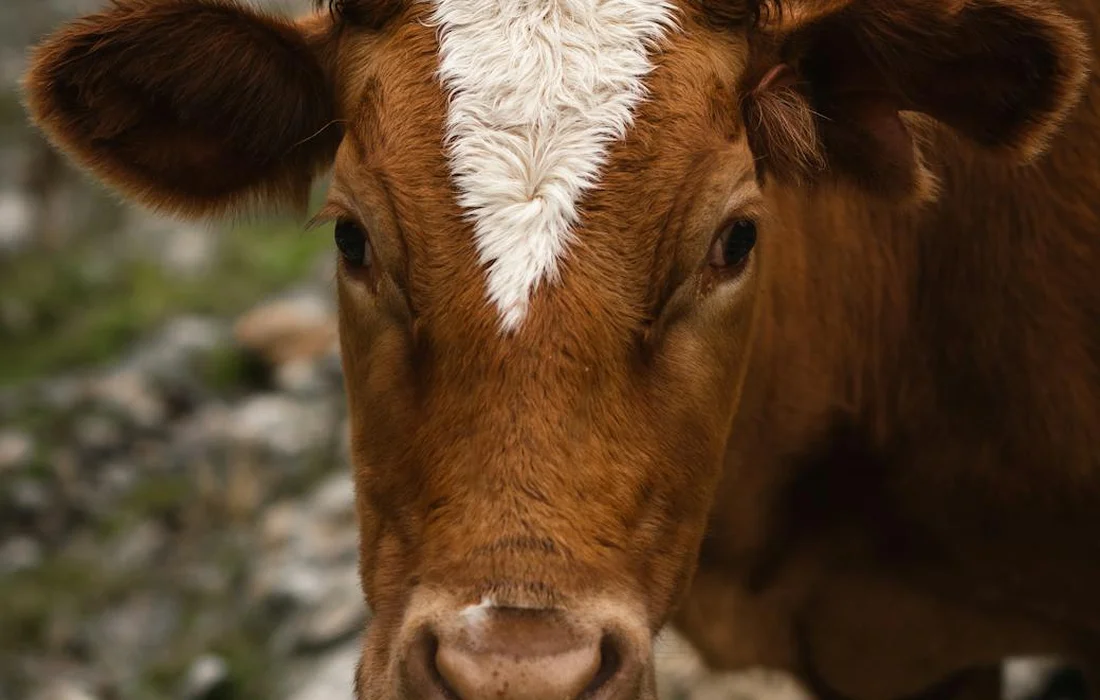
If you’ve walked your woodlot and found young trees looking like they’ve been worked over by a giant, clumsy pencil sharpener, you’ve found the scene of the crime. Bark chewing leaves a very distinct signature. You’ll see ragged strips of bark peeled or gnawed off, typically from the ground up to about shoulder height on a cow or the height a horse can comfortably reach. The inner, creamy-white cambium layer will be exposed and often scarred. On a bad case, the tree will be girdled completely, a death sentence for that sapling. Early detection is your best friend here, as catching the habit before it becomes a barnyard pastime saves both your trees and your temper—especially when you’re dealing with potentially harmful foliage.
Risks to Animal Health: Dental Wear and Digestive Dangers
Now, let’s talk about what this does to the critter. I’ve seen a few old-timers shrug and say, “It’s just fiber, let ’em have at it,” but that’s ignoring the real pitfalls. First, their teeth. Constant gnawing on abrasive bark accelerates dental wear far beyond what normal grazing does. A horse or cow with prematurely worn teeth is an animal that can’t properly chew its feed, leading to weight loss and wasted nutrition. An animal that can’t chew is an animal on the path to costly supplemental feed and vet care.
Beyond the mouth, there’s the gut to consider. Bark isn’t digestible like grass or hay; it’s a woody, lignified material that can cause serious impactions. I recall a weanling colt we had to treat for a colic that the vet traced directly to a belly full of bark and wood chips. It’s a slow, painful risk. Furthermore, some trees, like wild cherry, black walnut, and red maple, are outright toxic. Chewing their bark can lead to anything from mild illness to sudden death. Managing your pasture isn’t just about grass height-it’s about knowing every plant your animal can put its mouth on, including clippings or other forage.
Practical Prevention: Management Strategies That Work
Stopping this behavior isn’t about a single magic trick; it’s about good, consistent stewardship that addresses the root cause. Often, bark chewing is a sign of boredom or a nutritional gap, especially a lack of long-stem roughage. I always make sure my herd has access to quality grass hay, even when the pasture looks green, to keep their digestive tracts full and their minds occupied. A busy mouth on good forage is a mouth not destroying your timber investment.
For horses, a slow-feeder net can work wonders to extend chewing time. For all stock, ensure your mineral supplementation is on point-a deficiency in trace minerals like copper or zinc can sometimes trigger pica, the desire to eat non-food items. A simple, year-round free-choice mineral block designed for your species is a cheap insurance policy.
Fencing and Tree Protection: Keeping Woodlots Safe
When management changes aren’t enough, or for particularly valuable trees, a physical barrier is your most reliable fix. It’s a bit of work upfront but saves heartache later.
- Individual Tree Guards: For young saplings or specimen trees, wrap the trunk with hardware cloth (wire mesh) or a double layer of welded wire fencing. Make it a good 5-6 feet high and leave a couple inches of space between the guard and the trunk so the tree can grow. I’ve used old cattle panels bent into cylinders with great success.
- Electric Fencing is Your Ally: A single strand of polywire or tape, run about 30-36 inches high, can effectively protect a whole line of trees or the edge of a woodlot. The key is ensuring it’s always hot and the animals respect it. For persistent chewers inside a paddock, consider placing a standoff from existing fencing to keep them from reaching the trunks.
- The Permanent Solution: For a long-term woodlot you want to graze, build a sturdy, traditional fence a good 4-5 feet away from the tree line. This keeps the animals from using the trees as scratching posts and eliminates the temptation altogether. Use durable posts-I’m partial to locust or cedar-to avoid creating a new chewing temptation!
Fencing isn’t an expense; it’s an investment in the future productivity of both your livestock and your land. A few afternoons of work with a post-hole digger and a spool of wire can protect a resource that takes decades to grow back.
Nutritional Correction: Balancing the Diet to Stop Chewing
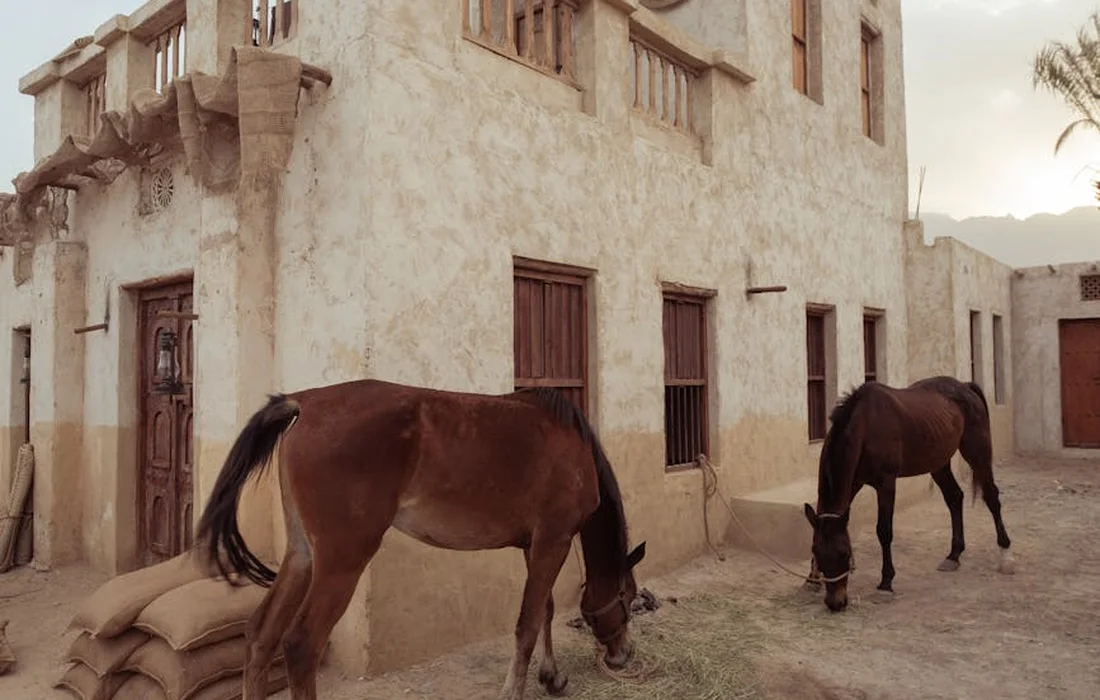
When you spot your cattle or horses gnawing on bark, your first thought should be their dinner plate. I’ve seen it time and again in my own herd-a bored-looking heifer working on a young oak tells me her belly might be full, but her body is still asking for something. This behavior is often a clear signal they’re searching for roughage or specific minerals their main feed is lacking. Correcting this starts at the feed bunk.
Your goal is to mimic the diversity of a natural forage diet. That means ensuring they get enough long-stem fiber. For cattle, I aim for hay that’s at least 18% crude protein for growing stock, and always have a quality grass or legume mix available free-choice. A cattle forage guide can help you select grasses, hay, supplements, and even unusual plants for balanced rations. Horses, being more delicate, need that good hay too, but watch the sugar content if they’re easy keepers. A belly full of good hay is the best defense against a tree’s bark.
Beyond fiber, minerals are the silent managers of health and behavior. A plain white salt block is rarely enough.
- Provide a fortified trace mineral salt block specifically formulated for your region’s soil deficiencies.
- Consider a loose mineral supplement they can consume freely; cattle typically eat 2 to 4 ounces per head daily.
- Pay special attention to phosphorus levels. A deficiency here will drive them to chew wood and bone. A calcium-to-phosphorus ratio close to 2:1 in the total diet is what we’re after.
I keep a few tubs of protein supplement out in the pasture during lean seasons, and I reckon that simple act has saved more trees than I can count. Investing in a balanced mineral program is cheaper than replacing fence posts and prized shade trees every spring.
When to Suspect a Deeper Issue: Beyond Basic Deficiencies
Now, if you’ve balanced the minerals and piled the hay high but that chewing continues, it’s time to look deeper. I had a draft horse once, Old Ben, who wouldn’t quit on a certain fence post until we figured out his puzzle. Persistent chewing, especially if it’s focused or obsessive, can be a red flag for discomfort or stress that isn’t on the feed tag.
First, rule out physical ailments. Schedule a float for your horse’s teeth-hooks and points can cause them to seek odd chewing surfaces for relief. For cattle, a quick check for external parasites like lice can reveal an itchy misery they’re trying to rub away. Internal worms steal nutrients right from the gut, so a solid deworming protocol based on fecal counts is non-negotiable, especially when you’re monitoring for other digestive issues like bloat.
If health checks out, turn your eye to their living room. Animals get plain bored.
- Assess space. Are your cattle crammed in? They need room to roam. A dry lot should provide at least 300 square feet per adult animal, but more is always better.
- Where’s the entertainment? A simple scratching post made from an old broom head or a sturdy hanging salt lick can break the monotony.
- For horses, consider a companion. The social stress of loneliness can manifest in all sorts of destructive habits.
Sometimes, the solution isn’t in the feed bag but in providing a life that engages their natural curiosity and social needs. Watch their behavior. If the chewing happens most in the hour before feeding, it’s likely hunger. If it’s constant, you’ve got a detective job on your hands.
Healing the Habitat: Repair and Long-Term Stewardship
Once you’ve addressed the “why,” it’s time to heal the land and protect it for the long haul. It’s about stewardship-fixing what’s damaged and setting things up so it doesn’t happen again. Protecting your trees isn’t just about aesthetics; it’s about preserving vital shade and windbreaks for your animals for generations.
For trees that have been girdled, clean up the ragged wounds with a sharp knife to encourage clean healing, but the real work is in protection. My granddaddy used to wrap young saplings with scraps of wire mesh, and I still do the same. It’s thrifty and effective.
- Tree Guards: Use commercial plastic spirals or get creative with welded wire fencing formed into a cylinder. Ensure it’s tall enough-at least 5 feet for cattle.
- Electric Fencing: A single hot wire strung about 3 feet out from the tree line teaches a respectful distance quickly.
- Physical Barriers: For individual prized trees, a sturdy wooden frame wrapped in cattle panel is a permanent fix.
Long-term, your best strategy is a robust and rotating pasture. Overgrazed land offers nothing but dirt and stress, pushing animals to find fiber wherever they can. Implementing a rotational grazing system gives grasses time to recover and provides your herd with a constantly changing salad bar of fresh forage. I move my cows every 5 to 7 days in the growing season, following a well-planned pasture rotation, and that practice has done more for their contentment and the health of my woodlot than anything else.
Finally, take a walk and see the world from their height. Remove any tempting deadfall or exposed roots. Good stewardship means managing the entire habitat, not just the animals in it, ensuring both thrive together without conflict. It’s a satisfying sight, seeing healthy animals on a healthy piece of land, leaving the trees to grow in peace.
Closing Tips & Common Questions
Are there specific breeds more prone to bark chewing?
Any breed can develop the habit if underlying needs aren’t met. However, high-energy horse breeds or cattle breeds known for being hardy foragers may be more persistent in seeking out alternative materials like bark if their diet or environment is lacking.
What environmental factors contribute to this behavior?
Confinement in small pens or dry lots with no mental stimulation is a major factor. Lack of adequate shelter from wind or sun can also increase stress, leading animals to seek distraction or relief through chewing available wood.
Can bark chewing be a sign of a more serious health issue?
Yes, beyond nutritional deficiencies, it can signal dental problems causing discomfort, or a heavy parasite load stealing nutrients. Persistent, obsessive chewing warrants a full health check with your veterinarian to rule out these issues.
What are effective deterrents for bark chewing?
Besides physical barriers, taste deterrents like bitter apple or cayenne pepper spray can be applied to tree bark. The most effective long-term deterrent, however, is enriching the animals’ environment to address the root cause of boredom or stress.
How does boredom relate to bark chewing?
Boredom is a primary driver, especially in confined animals with little to do. Chewing becomes a self-rewarding activity to pass the time and alleviate frustration from a lack of natural foraging or social behaviors.
Should I provide alternative chewing materials?
Absolutely. Providing appropriate outlets like sturdy stall toys for horses, hanging salt or mineral licks, or even a designated “sacrificial” log can redirect the chewing instinct away from your valuable trees and fencing.
Shutting the Gate
When you see stripped bark, don’t just see a damaged tree—see a message from your animal. That chewed-up trunk is the final note, and we’ve got to trace it back to the first cause, whether it’s a grit-less mineral feeder or a horse staring at the same fence line all day. Your most important job is to look past the symptom and solve for the root of the boredom or nutritional gap, because a content critter with a full belly has no reason to gnaw on your timber, unlike rabbits who nibble on bark out of sheer habit.
I’m grateful y’all took the time to walk this pasture with me. There’s a deep satisfaction in reading the land and the animals on it, a quiet conversation that makes this life so rich. I hope your days are full of good grass, strong fences, and the peace that comes from knowing your herd is thriving. If you ever solve a barnyard puzzle, I’d surely love to hear about it-we can swap stories over the virtual fence line any time.
Further Reading & Sources
- Tree-Eaters: Why Horses Chew Trees and What To Do About It – The Horse
- Why Does My Horse Chew Wood? – AQHA
- Wood Chewing in Horses: Causes & How to Stop this Behaviour | Mad Barn
Caroline Mae Turner is a lifelong farm girl raised on red clay, early mornings, and the sounds of a bustling barnyard. With hands-on experience caring for everything from stubborn goats to gentle dairy cows and mischievous pigs, Caroline shares practical, tried-and-true advice straight from the farm. Her goal is to help folks keep their animals healthy, well-fed, and living their best barnyard life. Whether you're wrangling chickens or bottle-feeding a baby goat, Caroline brings a warm Southern touch and plenty of real-world know-how to every bucket in the barn.
Feeding Habits