Hay vs. Silage: Choosing the Right Winter Feed for Your Herd
Published on: October 17, 2026 | Last Updated: October 17, 2026
Written By: Caroline Mae Turner
Howdy y’all. Staring down a wall of hay bales and a bunker full of silage, wondering which is truly best for your cattle this winter? Both hay and silage can keep your herd in good flesh, but the right choice hinges on your equipment, your land, and your willingness to manage risk.
What you’ll need:
- A good look at your storage setup (dry barn vs. sealed pit).
- An honest tally of your equipment (bale spear vs. feeder wagon).
- Your local weather forecast for the next cutting season.
Let’s break down this age-old barnyard debate, so you can make a smart choice and get back to the hundred other tasks waiting on you.
Hay vs. Silage: Getting Down to Brass Tacks
Let’s clear up the confusion right quick. Hay is simply dried forage, and silage is fermented forage. Think of it like this: hay is your sun-dried apples, and silage is your barrel of pickles. Both preserve the harvest, but the method changes everything from taste to nutrition.
The making process is where you see the biggest difference. I’ve spent many a long day in the field with both, and here’s how it breaks down:
- Hay-making: You cut the grass or legumes, let it sun-dry for days until the moisture drops below 15%, then bale it. This race against the rain teaches a farmer patience and weather-watching like nothing else.
- Silage-making: You chop the fresh, wet forage, pack it densely into a pit or a bale to force out the air, and seal it airtight with plastic. The lack of oxygen lets beneficial bacteria ferment the sugars, preserving it for months.
You’ll commonly run into a few types on most farms:
- Grass Hay: Timothy, Bermuda, Orchardgrass. Good, honest feed for maintaining animals.
- Legume Hay: Alfalfa, Clover. The protein powerhouses, perfect for milkers and growers.
- Corn Silage: The energy champion, made from the whole corn plant.
- Haylage: This is baled silage, put up at higher moisture than hay but lower than traditional pit silage. It’s a flexible option I use when the weather won’t cooperate for dry hay.
Now, you can’t talk feed without two key terms: dry matter and moisture content. Dry matter is the solid, nutrient-packed part left after all water is gone, and it’s the only fair way to compare feeds. Hay is mostly dry matter (85-90%), while silage can be 35-70% water. Feeding is a math game-you must account for that water to meet your animals’ true nutritional needs.
Nutritional Showdown: Protein, Energy, and Fiber in the Feed Bunk
Hay Nutrition: The Dry Matter Details
- Crude protein percentages swing wide based on the plant and when it’s cut. Grass hays like timothy often test 8-12%, while legume hays like alfalfa routinely hit 16-20%. I target the early bloom stage in my alfalfa fields for that perfect mix of protein and yield.
- Energy, measured as TDN (Total Digestible Nutrients) or metabolizable energy, determines the fuel in the tank. Quality grass hay might have 50-55% TDN, but rich alfalfa can reach 60-65% or more, making it my go-to for hard-working cows.
- Fiber components predict how much they’ll eat and how well they’ll digest it. NDF (Neutral Detergent Fiber) under 50% means better intake; ADF (Acid Detergent Fiber) under 40% signals higher digestibility. I’ve learned that hay with an NDF over 60% usually becomes expensive bedding, as the cows turn up their noses.
- Vitamin retention and mineral levels are a direct result of sun-curing and soil health. Properly cured green hay holds onto vitamin A, but vitamin D is scarce. Minerals vary wildly, so I test my hay every year to know what my mineral tubs need to supply.
Silage Nutrition: The Fermentation Factor
- Fermentation preserves nutrients by breaking down tough plant cell walls, often boosting overall digestibility. I’ve watched cows clean up corn silage faster than hay, thanks to this microbial pre-digestion.
- Crude protein and energy values can be similar to hay on a dry matter basis, but the high moisture content changes everything. Corn silage, for instance, can have a TDN of 65-70%. You’re hauling more water weight, so you must feed a greater volume to deliver the same dry matter nutrients.
- Fermentation acids like lactic acid give silage its tang and directly support rumen health. A good, brisk fermentation drops the pH below 4.5, creating a stable, palatable feed. Well-fermented silage has a clean, vinegar-like smell I look for every time I open a bag.
- Potential nutrient losses are real and come from poor fermentation or seepage. If it’s not packed tight and sealed fast, you get heating, mold, and lost sugars. A bad batch smells musty or boozy, and it’s a sure sign your hard work and nutrients have spoiled.
Feeding Your Barnyard Bunch: Practical Guidelines by Animal
For Beef and Dairy Cattle
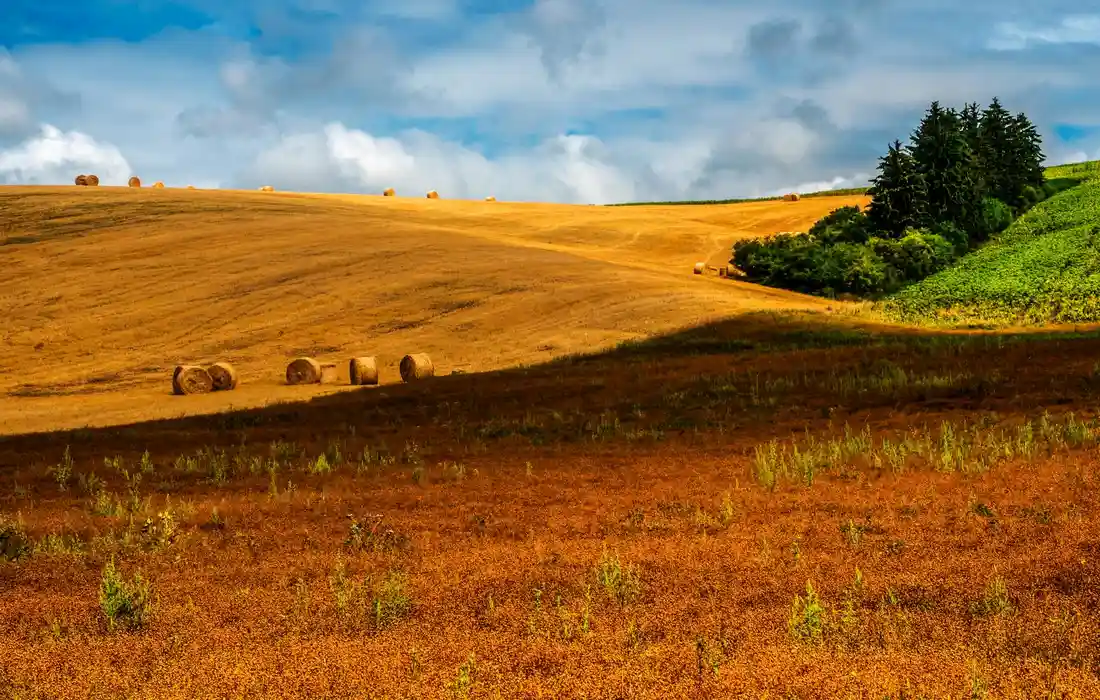
Figuring out how much to feed ain’t about counting bales, it’s about dry matter. A good rule of thumb is to offer forage equal to 2-3% of your animal’s body weight in dry matter each day. For a 1,200-pound cow, that’s 24 to 36 pounds of dry hay or its equivalent in higher-moisture silage. In winter, daily intake planning matters more as conditions change and forage quality can vary. Planning monthly quantities helps ensure a steady supply through cold weather.
Now, which forage you pick changes with the job. For finishing beef steers, I want all the energy I can get. That’s where a rich, corn silage shines, packing calories for fast gains. For a dry dairy cow or a mama beef cow just maintaining weight, a good grass hay is perfect-consistent, reliable, and won’t push her condition too far. Knowing the nutritional differences between grain and grass helps me make the right call.
Rarely is forage a complete meal ticket. You must always provide a quality mineral salt lick tailored to your region’s soil deficiencies, and often, grain or protein pellets are needed to balance the ration. My dairy cow, Berta, gets a scoop of grain at milking time to supplement her hay, making up the protein and energy she pours into her milk pail. Understanding essential minerals and common deficiencies helps tailor the ration for every stage of production. This topic is covered in a complete guide on cattle minerals, supplements, and deficiencies.
For Sheep, Goats, and Horses
These smaller ruminants and our equine partners have delicate systems. Sheep and goats are champion browsers and can do wonderfully on lower-quality, stemmy hay or even straw for sheep that cattle might turn up their noses at. Horses, though, need the cleanest, dust-free hay you can find to protect their sensitive lungs.
You must mind the risks. Rich legume hay like alfalfa can cause devastating bloat in sheep and goats if introduced too quickly or fed without dry grass hay alongside it. For horses, that same rich alfalfa or moist, sugary silage can bring on founder, a painful hoof condition. I’ve seen it, and it’s a hard road back.
The golden rule for all species is a slow introduction. Here’s how I do it in the barn:
- Mix the new forage with the old, starting at about 25% new.
- Gradually increase the proportion over 7-10 days.
- Watch manure closely; loose stools mean you’re moving too fast.
- Ensure they always have access to fresh, clean water during the switch.
Storage Savvy: Keeping Your Forage Fresh and Safe
Hay Storage to Prevent Spoilage
Proper hay storage is where thriftiness meets stewardship. A ruined bale is money lost and potential animal harm. Follow these steps to keep your hay in barnyard condition:
- Always store bales off the damp ground on pallets or a gravel base.
- Create space between rows for air to circulate and discourage mold.
- Cover top rows with a tarp if stored outside, but leave sides open for ventilation.
- Stack bales tightly with the cut side facing up to shed water.
You’ve got to use your senses to check for spoilage. Mold appears as white or grayish fuzzy patches, a musty smell replaces the sweet scent of grass, and a bale that’s suspiciously warm to the touch is fermenting-a fire risk in your barn. I lost a small stack to a leak in the shed roof once, and that sour smell is one I won’t forget.
Silage Storage for Successful Fermentation
Making good silage is a science of exclusion-keeping oxygen out so good bacteria can work. We use bunkers, plastic bags, or individually wrapped bales. The method matters less than the execution.
Three things are non-negotiable for success. First, chop forage at the right moisture, about 60-70%, so it packs tightly without dripping. Second, pack it with relentless weight to squeeze out air pockets. Third, seal it completely and immediately with durable plastic, weighting edges down with tires or dirt.
When you open the pile or a bale, it should smell tangy and sweet, like pickles or vinegar. Spoiled silage is unmistakable: it’s dark black or slimy, smells putrid or like rancid tobacco, and must be completely discarded, never fed. That spoiled layer is where harmful toxins like mycotoxins gather, and I’ve hauled many a loader bucket of it to the compost heap, far from curious muzzles.
Weighing the Costs: Budget, Labor, and Long-Term Value

Let’s set aside the feed analysis sheet for a moment and talk plain economics. Choosing between hay and silage isn’t just a nutritional decision; it’s a financial commitment that touches your wallet, your schedule, and your peace of mind for seasons to come. You must weigh the initial investment against the labor demands and the real value your cattle get from every bite, especially when considering silage feeding quantities and daily caloric intake.
-
Compare initial outlay for equipment (baler vs. chopper and wrapper). A good used square baler might set you back less than a forage chopper and a bale wrapper combined. I’ve patched up many an old baler to get through a season. But for silage, that chopper is a major ticket item. One thrifty solution I’ve used for years is partnering with a neighbor to share the cost of a wrapper, or hiring custom harvesting done if your acreage is small. Think about what you already own and what fits your farm’s scale.
-
Discuss labor intensity: hay requires dry weather windows; silage requires timely harvest and packing. Making hay is a sun dance. You need three to four dry days in a row for cutting, tedding, and baling-a gamble where I live. Silage forgives a little rain on the forage, but it chains you to the clock. You must chop at the perfect moisture, then pack and seal those pits or bales within hours to keep out air. Silage-making is a sprint, while hay-making is a hesitant stroll waiting on the weather.
-
Analyze price per ton of dry matter, considering seasonal swings and local availability. Don’t just look at the price per bale or ton of fresh material. A ton of 85%-moisture corn silage has far less dry matter than a ton of 15%-moisture grass hay. You’re buying water weight. In a drought year, hay prices can skyrocket, while your own homegrown silage becomes pure gold. Always ask for a moisture test when buying, or better yet, do one yourself with a cheap meter.
-
Advocate for calculating cost based on nutrient delivery, not just weight. This is where many folks get tripped up. That bargain hay at $80 a ton might deliver less protein and energy than a higher-priced alfalfa mix. Calculate your cost per pound of digestible protein or per megacalorie of energy. I once bought “cheap” grass hay that tested at 8% protein, while a local silage ran 14%. The silage cost more per ton, but far less per unit of nutrient my cows needed to thrive. Factor in grain and grass supplements to complete the budget picture. A cost-per-unit-of-nutrient approach helps keep feeding cows within your annual budget.
Solving Common Feeding Conundrums from the Feed Wagon
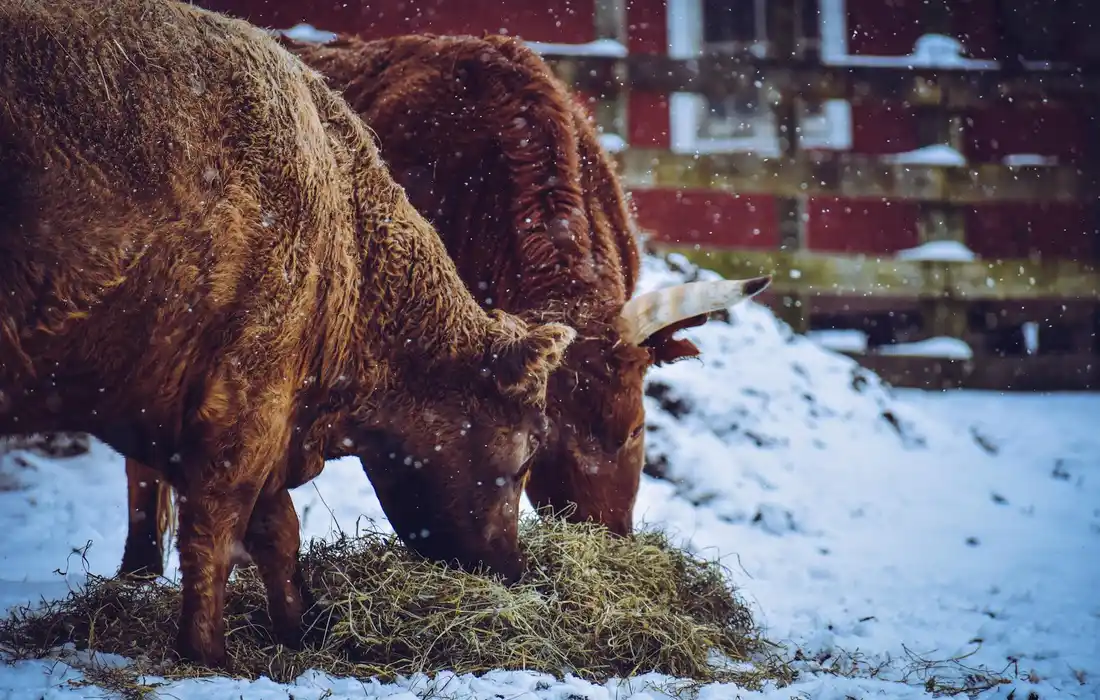
Even with the best plans, you’ll roll up to the feed bunk and see a problem. The herd’s not cleaning up, or someone looks off. Here’s how I troubleshoot from the driver’s seat.
When Intake is Low or Animals Picky
Nothing worries a stockman like feed left behind. If your cattle are snubbing their forage, don’t blame the animals first—check the feed. Palatability is the front door to good nutrition, and you hold the key.
-
Offer tips to improve palatability. For stubborn dry hay, try mixing it with a bucket of silage in the bunk; the fermentation aroma often entices them. A light sprinkling of liquid molasses or even a dab of dried molasses powder on hay can work wonders for picky eaters. In my barn, this trick has saved many a bale from waste.
-
Suggest checking forage quality with a simple sensory test (look, smell, feel). Before you ever run a lab test, use your senses. Look for a leafy, green color in hay-brown means weathered. Smell for a sweet, fresh aroma in silage; a sour, vinegar, or rotten smell signals spoilage. Feel the texture; hay should be flexible, not brittle, and silage should be cool and firm, not slimy. Your nose and hands are your first and best diagnostic tools.
When Health Issues Arise
Loose manure, poor weight gain, or dull coats can often be traced right back to the forage wagon. It’s easy to blame the grain supplement, but the base forage is usually the culprit.
-
Link problems to potential forage issues. Runny manure can point to silage that’s too wet or hay with a high potassium level. Poor weight gain in the face of good intake often whispers “high NDF” (neutral detergent fiber)-that means the forage is too mature and woody, so it passes through without giving up its energy. Musty smells in hay or hot spots in a silage bale can signal mycotoxins, which suppress appetite and immune function.
-
Provide a step-by-step approach to troubleshoot. First, evaluate the forage yourself with that sensory test. Second, physically measure how much the herd is actually eating versus what you’re offering. Third, consider targeted supplementation. If the hay is low in protein, a small amount of soybean meal can bridge the gap. Always solve the forage problem first before reaching for a bag of expensive fix-it powder. I keep a notebook by the feed room to track what I see, which helps spot patterns over time.
Closing Tips for the Practical Homesteader
What are the main pros and cons of hay versus silage for a small farm?
Hay’s main advantages are simpler storage and lower equipment costs, but it requires perfect dry weather to make. Silage offers more flexible harvesting and often higher digestibility, but it demands strict management to avoid spoilage and requires significant investment in packing and sealing equipment.
How do feeding considerations for horses differ from those for cattle when using hay or silage?
Horses have a much lower tolerance for mold and dust, making consistently clean, dry hay the safest staple. Silage is generally riskier for horses due to potential for botulism and rapid fermentation in their sensitive digestive tracts, so it requires extreme caution and expert consultation before use.
Why is price per ton of dry matter more important than price per bale or ton of fresh weight?
Because hay and silage have vastly different moisture contents, comparing them by “as-fed” weight is misleading. Calculating the cost per ton of dry matter (the actual nutrient-containing portion) allows for a true financial and nutritional comparison between a bale of hay and a bag of wet silage.
What is ‘grass silage,’ and how does it compare to legume hay?
Grass silage is fermented grass, preserved at high moisture. On a dry matter basis, its protein and energy can be similar to grass hay, but the fermentation process often increases digestibility and palatability. It typically contains less protein than legume hay like alfalfa but can be a more consistent feed than weather-dependent dry grass hay.
In farming simulators like FS22 or FS25, what do the hay vs. silage mechanics teach about real farming?
These games accurately simulate the core trade-off: haymaking depends on in-game weather windows, while silage requires a more complex chain of specialized equipment (foragers, wagons, silos/bunkers). They teach the player about the different operational timelines and capital investments required for each preservation method.
For a homesteader with sheep, is hay or silage generally the better choice?
For most small-scale sheep operations, high-quality dry hay is the simpler and safer choice. Sheep are very susceptible to listeriosis, which can be present in poorly fermented silage. Well-made hay minimizes this risk and is easier to feed in small amounts to a flock. Choosing the right hay and feeding it properly are important aspects of sheep care.
Shutting the Gate
After decades of feeding cattle through blizzards and dry spells, I reckon the core truth is simple. Whether you bank on hay or silage, your success hinges on daily observation and adaptation. Your cattle’s health and happiness depend most on you providing consistent, quality feed they can digest easily, so always monitor their body condition and adjust rations before trouble starts. That means knowing each cow’s daily intake and nutrition targets. When you align rations with these needs, you keep energy balanced and coats glossy. I’ve saved many a heifer by catching a rough coat or slow gain early and tweaking their forage mix.
I’m right glad we could chew over this together. Now, get on out there, lean on that fence rail, and take a moment with your herd. That deep contentment in caring for your land and critters is what this life is all about. May your barns be full and your pastures green.
Further Reading & Sources
- Silage | Find Out the Difference Between Hay & Silage
- Silage vs. Hay: Which is Better for Your Cattle? | Star Blends
- Hay vs Silage – Pros & Cons – Feed Central
Caroline Mae Turner is a lifelong farm girl raised on red clay, early mornings, and the sounds of a bustling barnyard. With hands-on experience caring for everything from stubborn goats to gentle dairy cows and mischievous pigs, Caroline shares practical, tried-and-true advice straight from the farm. Her goal is to help folks keep their animals healthy, well-fed, and living their best barnyard life. Whether you're wrangling chickens or bottle-feeding a baby goat, Caroline brings a warm Southern touch and plenty of real-world know-how to every bucket in the barn.
Feed Types