Can Guinea Pigs and Pigs Eat Cucumbers? Your Barnyard Guide
Published on: December 30, 2025 | Last Updated: December 30, 2025
Written By: Caroline Mae Turner
Howdy y’all. You’re standing in the garden with a handful of cukes, looking from the pig pen to the guinea pig hutch, wondering if this easy bounty is safe to share. Yes, both guinea pigs and pigs can safely eat cucumbers, but how you serve them makes all the difference between a healthy treat and a problematic snack. Let’s slice through the confusion right here on the porch.
What you’ll need:
- A sharp knife and clean cutting board
- Fresh cucumbers, ideally homegrown or organic
- A mindful eye on portion sizes
- Five minutes of prep time
We’ll get this sorted quicker than a hungry pig spots a dropped apple, so you can get back to the rest of your chores.
The Straight Answer from the Barnyard
Well now, I’m happy to give y’all a clear answer straight from the feed trough. Yes, both your guinea pigs and your pasture pigs can safely eat cucumbers. I’ve handed out many a cucumber slice in my time, and the critters always seem to relish that cool crunch. But listen close: these are treats, not truckloads of feed. Cucumbers are a supplement to a balanced diet, never the main event, and that’s a rule I live by for all my animals, especially when feeding greens like carrot tops.
We’re talkin’ about two very different creatures here. Your guinea pig, or cavy, is a petite pet with specific needs for vitamin C and constant fiber. Your pig, whether a pet potbelly or a farm hog, is a robust livestock animal built for bulkier fare. Their dinner plates look mighty different, but a cucumber slice can land on both. The golden rule for either? Proper preparation and strict moderation are what make cucumbers safe. Wash ’em, slice ’em right, and don’t let treats crowd out the staples, just like celery and chicory for pigs and guinea pigs.
What’s in a Cucumber? Benefits and Nutritional Facts
Peel back that green skin, and you’ll find a simple, wholesome snack. Cucumbers shine with exceptional hydration, boasting over 95% water. They carry trace vitamins like K and B, and their calorie count is lower than a whisper. For your guinea pigs, that bit of vitamin C is a nice perk, but the real prize is how the crunchy texture helps grind down their ever-growing teeth. For your pigs, it’s a brilliant, low-fat treat to offer on a hot day when hydration is key and you need to watch their waistlines.
Here’s a quick look at how that breakdown serves each animal:
| Nutrient in Cucumber | Benefit for Guinea Pigs | Benefit for Pigs |
|---|---|---|
| High Water Content (~96%) | Supports hydration, especially if they’re finicky drinkers. | Offers a cooling, water-rich snack during summer heat. |
| Trace Vitamin C | Provides a minor boost, but never enough to meet their daily requirement. | Generally not a primary concern for pig nutrition. |
| Low Caloric Density | Allows for a refreshing nibble without excessive calories. | Helps provide treat volume without spiking energy intake, aiding weight management. |
| Firm Flesh & Rind | Promotes essential dental wear during chewing. | Adds textural variety and encourages natural foraging behavior. |
For Your Guinea Pigs: A Hydrating Nibble
I reckon my cavies get a certain sparkle in their eyes when they see that green disk coming. The water content is a sure blessing, but mind this: while cucumbers offer a touch of vitamin C, they are not a reliable source. You must provide a steady, diversified mix of veggies like bell peppers and kale to prevent deficiency, a lesson I learned early on. Where the cucumber truly earns its keep is in that chew. The act of gnawing through the flesh and rind provides good resistance, helping to file down those teeth that never stop growing.
For Your Pigs: A Cool, Crunchy Snack
For a pig, a whole cucumber is like a juicy, crisp apple is to us on a sweltering day. It’s a refreshing, water-rich addition that can help keep them cool and hydrated. But here’s the barnyard truth: their low nutritional density means they fill belly space without providing much protein or energy for growth. Overfeeding cucumbers or any single treat can lead to an unbalanced diet where your pig misses out on crucial nutrients from their proper feed. I’ve seen it happen-a pig happily munching treats but not thriving on its core ration. Think of it as a delightful garnish, not the meal itself.
Common Risks and How to Sidestep Them
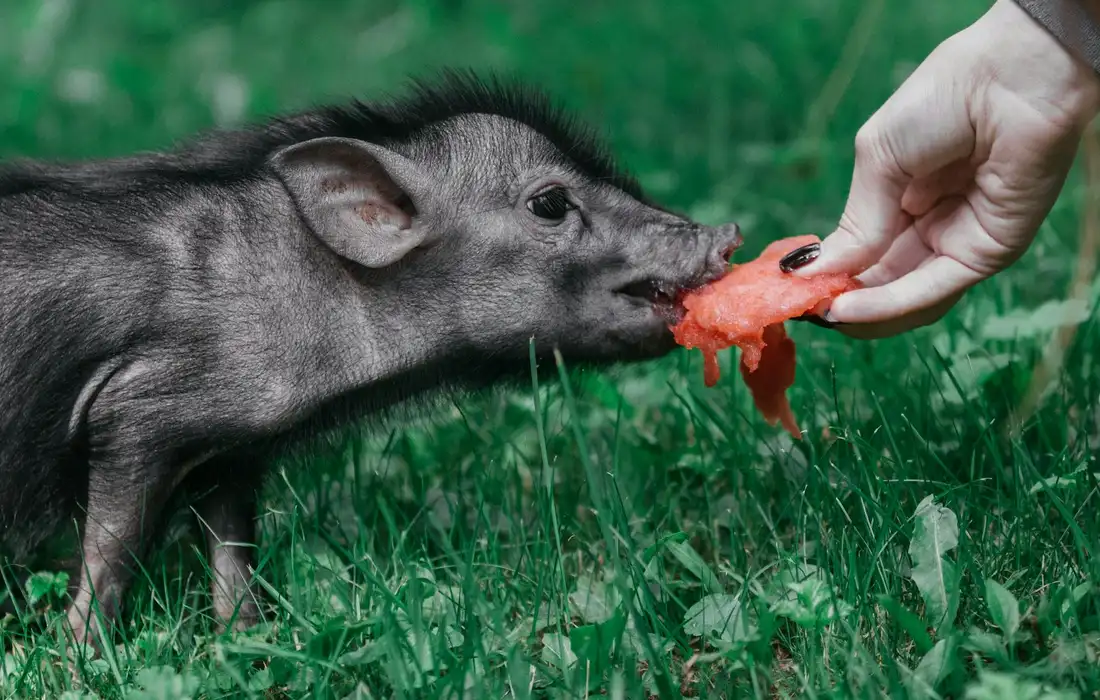
Now, I don’t mean to sound the alarm bell over a simple cucumber, but good stewardship means looking ahead at the bumps in the road before we hit ’em. The main pitfalls for our critters with cucumbers fall into three buckets: tummy troubles, choking hazards, and chemical residues. A mindful approach in the kitchen and the garden makes all the difference, especially when it comes to feeding cucumbers to rabbits.
- Digestive Issues: A sudden change in feed, even a watery veggie, can upset delicate systems. We aim to avoid constipation, diarrhea, or bloat.
- Choking Hazards: A whole cucumber or large, slick chunks are a real danger, especially for our smaller livestock friends.
- Pesticide Exposure: What’s on the skin can wind up in their gut. A proper scrub-down is non-negotiable.
Your best defenses are simple habits: introduce any new food slower than molasses in January, wash produce like you’re prepping it for your own table, and cut pieces to a safe, manageable size.
Digestion Troubles: Too Much of a Good Thing
I learned this lesson early with a guinea pig named Patches. I gave him a whole slice as a treat, and let’s just say his corner of the hutch was a mess by morning. For guinea pigs, their digestive tracts are finely tuned for constant hay consumption, and a big, watery dose of cucumber can overwhelm it, leading to painfully soft stools or outright diarrhea. Start with a thin sliver, no bigger than your thumbnail, and see how they fare over a day or two.
Our pig pals are walking compost bins, but they have their limits too. While pigs handle dietary variety famously well, dumping a whole bucket of cucumbers into their pen can lead to loose manure or, in worst cases, contribute to bloat if they gorge themselves. I treat cucumbers as a hydrating supplement or a training reward, not a staple. I’ll mix a few chopped cukes into their regular grain ration to slow ’em down and aid digestion.
Choking and Pesticide Precautions
Never underestimate a guinea pig’s ability to try and swallow something far too big for its little mouth. Seeds and large, round pieces pose a serious choking risk for small animals; always cut cucumbers into long, thin strips they can gnaw on, not circular chunks they might try to bolt. For pigs, I chop them into rough chunks, but I’m still mindful to avoid pieces so big they’d swallow them whole in their excitement.
What you can’t see can hurt them. Unless you grew it yourself or know it’s organic, assume that cucumber skin carries pesticide residue. I scrub every cucumber under cool running water with a stiff vegetable brush, getting into every nook and cranny of the skin to lift dirt and reduce surface chemicals. For my own peace of mind, if I’m buying feed-grade produce, I seek out the “ugly” or discounted organic ones at the market. It’s a thrifty way to provide a cleaner treat, especially when feeding cucumbers to chickens.
Prepping Cucumbers: A Step-by-Step Safety Guide
-
Selection
Start at the source, just like I do when walking my garden rows. You want cucumbers that are firm to the squeeze and have a vibrant green color, with no soft, squishy spots or yellowing. While I grow most of mine without sprays, if you’re buying from a store, reaching for organic is a wise, extra step to minimize your animals’ exposure to any lingering chemical residues. A fresh cucumber is a crisp, safe cucumber.
-
Washing
Don’t just give it a quick rinse! Get a dedicated vegetable brush and scrub that skin vigorously under a cool stream of water. This elbow grease is your first and best defense against removing garden dirt, field bacteria, or any wax coatings sometimes applied for shelf appeal. I reckon if the water running off it isn’t clear, you’re not done scrubbin’.
-
Preparing
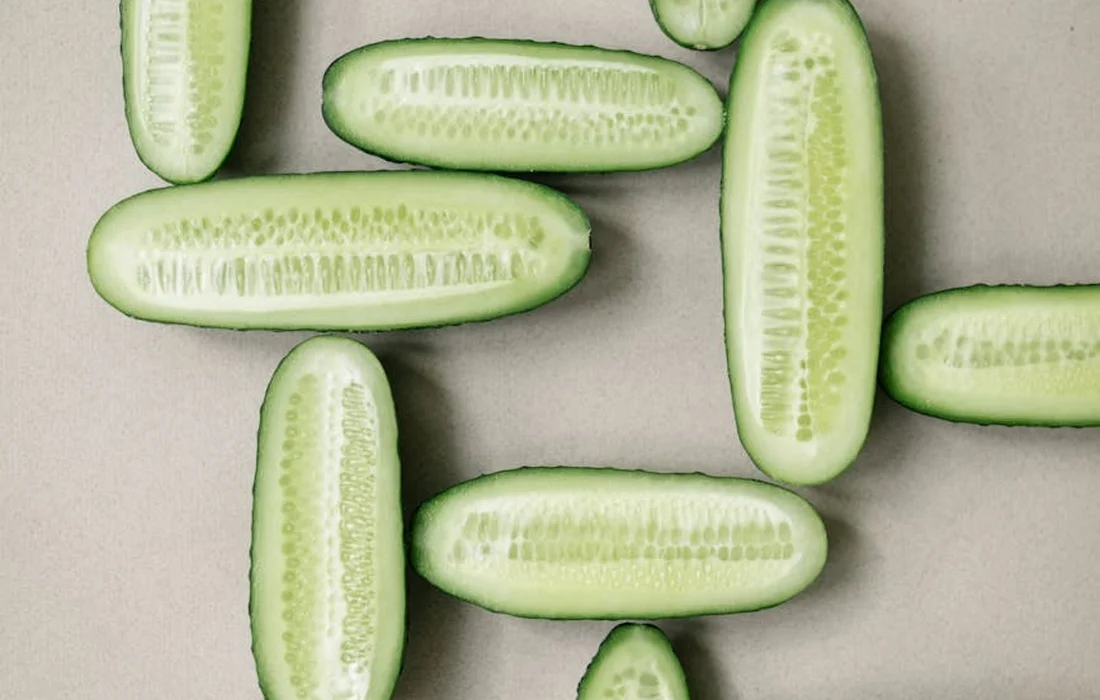
Here’s where paths diverge for your different critters. For your little guinea pigs, if that cucumber isn’t from your own organic patch, I firmly recommend peeling it. That rind removal is a simple safeguard, stripping away the layer where unwelcome pesticides are most likely to hang around. For pigs, though, that tough rind is usually no trouble at all for their robust digestive systems and provides a nice bit of fiber-just make sure it’s washed clean.
-
Cutting
Size matters profoundly for safety. A guinea pig’s bite is tiny, and a large slice can be a choking risk. I always slice mine into small, dime-sized pieces or thin half-moons that are easy for them to nibble. For pigs, you can be much more relaxed-just chop the cuke into large, hearty chunks or even hand over a whole one for them to crunch on as a summer hydrating treat.
-
Serving
Serve it up fresh right after cutting. This isn’t a “set it and forget it” kind of snack; you must patrol the pen or cage and remove any soggy, uneaten pieces within a few hours to keep mold and pests from moving in. In this summer heat, spoiled food can turn faster than milk left on the porch, and that’s a mess and a health hazard you don’t need.
Feeding Frequency and Portion Size: The Rule of Moderation
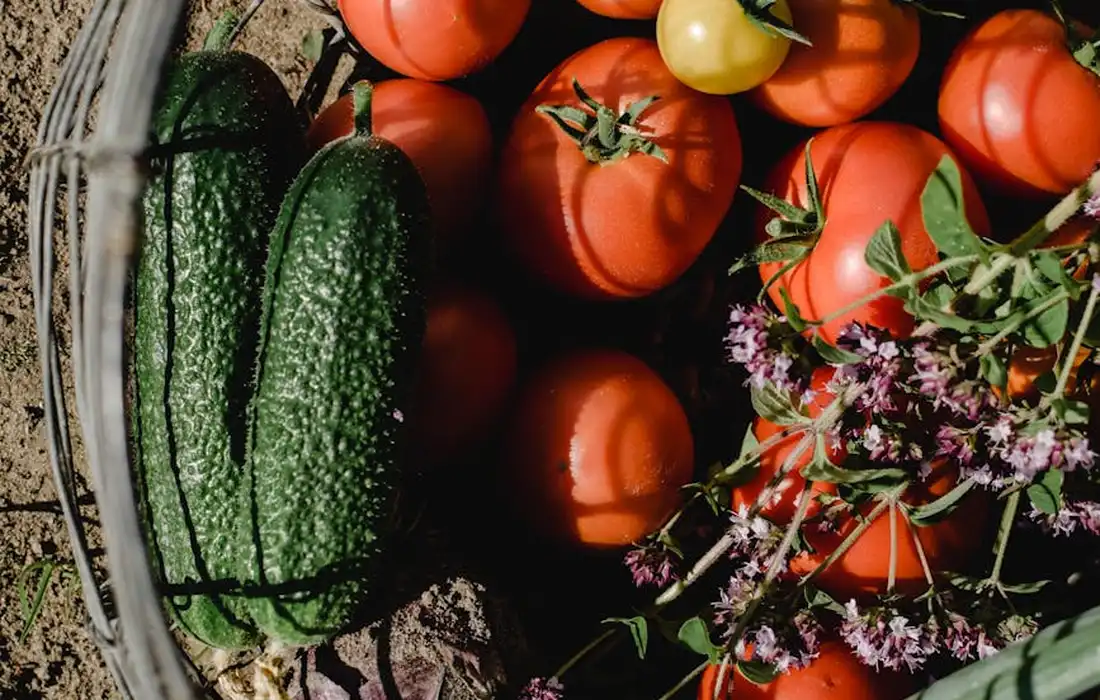
Now, let’s get down to the nitty-gritty of how much and how often. On the homestead, I treat cucumbers like I do my grandma’s peach cobbler—a delightful little extra, not the main course. Pouring on too many treats, no matter how healthy, is a fast track to an overweight animal with a sour stomach. Carrots are a classic for rabbits, but they belong in moderation; daily limits and feeding guidelines matter. Too many carrots can upset their gut and ruin good habits.
- For your guinea pigs, a proper portion is just one or two thin slices, no thicker than a dime. I feed these as a treat only 2-3 times per week.
- For your pigs, think of cucumbers as an occasional snack. To keep their nutrition on track, this snack should never make up more than 10% of their total daily food intake.
- Without strict portion control, you’re inviting obesity and digestive upset in both your small cavies and your large hogs.
I learned this lesson early with a guinea pig named Squeaky. A few too many cucumber rewards led to a messy cage and a vet visit that taught me the true cost of overindulgence. Their digestive tracts are simple and need consistency.
For the pigs, that 10% rule is your best friend. If your sow eats eight pounds of balanced feed daily, her cucumber allowance is a scant three-quarters of a pound. Chop them into rough chunks and toss them in the pen to mimic rooting behavior without ruining her appetite for proper food.
Remember, a bloated pig or a pudgy guinea pig isn’t a sign of good care-it’s a warning. Regularly feel their ribs and watch their energy; that’s your real guide, not their eager begging at the fence line.
Spotting Trouble: Signs of an Adverse Reaction
Now, I’ve handed out more cucumber slices in my barnyard than I can count, and most critters handle ’em just fine. But just like people, every animal is an individual, and it’s our job as stewards to watch for the ones who might not take to a new treat. You can’t ask a pig if his belly aches, so you have to become a detective of sorts, noticing the little signs they give you. It becomes especially important when you’re feeding pigs used for truffle foraging.
After you first offer cucumber, keep a closer eye on your animals for the next day or so. If trouble’s brewing, it usually shows itself right quick. Here’s what to look for:
- Changes in Droppings: This is your first and best clue. For both pigs and guinea pigs, loose stools or outright diarrhea mean that cucumber is moving through too fast and disrupting gut balance. On the flip side, if you see fewer, drier droppings, it could signal constipation from a sudden, watery bulk their system isn’t used to.
- Lethargy or Low Energy: A happy pig is a busy pig, rooting and exploring. A content guinea pig popcorns and chirps. If either one becomes unusually still, hides more, or shows no interest in their surroundings after eating cucumber, take note. It’s a clear sign something’s off.
- Bloating or a Distended Belly: Especially in guinea pigs, a hard, swollen abdomen is a red-alert emergency. It can indicate painful gas buildup or a gut slowdown, both serious conditions. With pigs, a visibly tight or uncomfortable posture can hint at similar discomfort.
- Turning Up Their Snout at Food: A loss of appetite is a universal signal of illness in animals. If your normally eager eater snubs their regular feed after trying cucumber, discontinue the treat immediately.
- Skin Irritations or Itching: While rarer, allergies can manifest. Look for unusual scratching, redness around the mouth, or bare patches where they’ve been rubbing. I once had a goat kid who’d get a rash from squash-it happens.
The moment you spot any of these warning signs, the course of action is simple and firm: stop feeding cucumber altogether. Offer plenty of fresh water and their standard, trusted feed. Often, removing the newcomer fixes the problem within a day.
If symptoms persist beyond 24 hours, or if you see severe bloating or profound lethargy, don’t wait-call your veterinarian. This is especially critical for guinea pigs. A guinea pig showing ongoing digestive upset is at high risk for developing a secondary vitamin C deficiency, as stress and illness rapidly deplete their body’s limited stores of this crucial nutrient. Your vet can provide supportive care and guidance to get your little friend back on track.
Closing Tips for a Safe Treat
What are the potential risks of feeding cucumbers to guinea pigs?
The main risks are digestive upset and choking. Their sensitive digestive systems can be disrupted by the high water content, leading to diarrhea. Large pieces or whole slices also present a serious choking hazard for their small mouths.
How should cucumbers be prepared for pigs to ensure safety?
Preparation focuses on cleanliness and appropriate size. Scrub the skin thoroughly with a vegetable brush to remove dirt and residues. For safety and to prevent gorging, chop them into rough chunks rather than offering whole, especially to smaller pigs. This aligns with best practices outlined in our comprehensive guide to pig nutrition.
What parts of the cucumber are safe for guinea pigs to eat?
The fresh flesh is always safe. The rind can be safe if the cucumber is organic and well-washed, but peeling it is the best practice to eliminate pesticide risk. The seeds are generally soft and safe if the cucumber is prepared in appropriate, small pieces, especially when used as vegetable scraps for feeding sheep.
How often can pigs eat cucumbers?
Cucumbers should be an occasional treat, not a daily staple. To maintain a balanced diet, cucumbers and other treats should not exceed 10% of a pig’s total daily food intake. This prevents them from filling up on low-nutrient snacks. For more information on which vegetables are suitable for pigs, check out our complete vegetable guide for pigs.
What are the signs of an adverse reaction to cucumbers in guinea pigs?
Watch for changes in droppings, such as diarrhea or absence of waste. Lethargy, a loss of appetite, or a hard, distended belly (bloat) are serious signs. Any of these symptoms mean you should stop feeding cucumber and consult a vet if they persist.
What are the signs of an adverse reaction to cucumbers in pigs?
Adverse reactions include loose manure or digestive upset. A pig may also show disinterest in its regular feed or appear lethargic. As with any new food, monitor their behavior and stool consistency after introduction. Persistent symptoms may indicate nutritional gaps. A troubleshooting guide for identifying and fixing nutritional deficiencies in pigs can guide the next steps.
Shuttin’ the Garden Gate
At the end of the day, our job ain’t to scare you away from fresh treats, but to help you hand ’em out with confidence. Moderation is your best tool in the barnyard, turning a risky splash into a refreshing sip that keeps your critters cool, hydrated, and looking forward to your visit with the garden basket. Whether it’s a thin wheel for a guinea pig or a few thick slices for a hog, that foundational rule of “a little goes a long way” has never steered me wrong.
I’m mighty thankful y’all stopped by to chat about this. There’s nothin’ better than sharing what we learn from our animals and our land. So go on, enjoy that simple joy of watching a happy pig munch or a popcorning guinea pig. If you’ve got a story from your own patch of paradise, my virtual porch light is always on. Take care of yourselves and your creatures.
Further Reading & Sources
- GuineaDad Food Blog: Can guinea pigs eat cucumber?
- r/guineapigs on Reddit: Did I give my guinea pig too much cucumber?
- Can Guinea Pigs Eat Cucumber? Safe Feeding Guide
Caroline Mae Turner is a lifelong farm girl raised on red clay, early mornings, and the sounds of a bustling barnyard. With hands-on experience caring for everything from stubborn goats to gentle dairy cows and mischievous pigs, Caroline shares practical, tried-and-true advice straight from the farm. Her goal is to help folks keep their animals healthy, well-fed, and living their best barnyard life. Whether you're wrangling chickens or bottle-feeding a baby goat, Caroline brings a warm Southern touch and plenty of real-world know-how to every bucket in the barn.
Feed Recommendations