
Ducks as Natural Pest Control: Your Homestead’s Bug-Eating Brigade
Published on: February 15, 2026 | Last Updated: February 15, 2026
Written By: Caroline Mae Turner
Howdy y’all. When insect pests are ravaging your garden, a small flock of ducks can serve as your most effective, natural cleanup crew, devouring slugs, larvae, and flying nuisances by the beakful. I’ve watched them clear my corn rows of cutworms in a single afternoon, saving me a heap of trouble.
What you’ll need:
- Three to five foraging ducks, like active Khaki Campbells or Indian Runners.
- A consistent water source for their health and hunting.
- Basic poultry fencing or a movable pen to protect them and your crops.
I’ll break down exactly how to make this work for your place, so you can set it up quick and get back to your other chores.
Why Ducks Are Nature’s Pest Patrol
I reckon if you’ve spent any time with ducks, you’ve seen that determined waddle and heard the constant, contented muttering as they poke through grass and mud. Their entire design, from flat bills perfect for sifting to webbed feet that churn up wet soil, makes them born bug-hunters. Unlike chickens who scratch and peck, ducks dabble and sieve, sucking up muck and filtering out the tasty morsels with a efficiency that still amazes me after forty years.
Remember, a happy duck is a foraging duck, and letting them patrol is the very essence of thrifty stewardship. Every slug or beetle they eat is a free scoop of high-protein feed, cutting your feed bill by a noticeable margin if you manage their foraging right. I’ve watched flocks clean a quarter-acre pasture of Japanese beetles in a few afternoons, something no spray I’ve ever bought could accomplish without collateral damage.
They’re gentler on your land than you might think. Their soft, broad feet don’t tear up plant roots like chicken claws can, and their watering method-dipping heads in, not flinging dirt everywhere-keeps garden beds more intact. I run my Khaki Campbells through the potato patch after harvest, and they’ll find every single cutworm I missed, turning a cleanup chore into a duck delight.
The Bug Buffet: What Insects and Larvae Ducks Devour
Y’all, the list of what these feathered vacuums will consume is longer than a summer day. Their diet spans from the water’s surface down to the muddy bottom and across every inch of your pasture, making them the most versatile pest patrol you can employ. Let’s break down their menu, because knowing what they eat helps you know where to put them for maximum effect.
Aquatic Insect Specialists: Ponds and Puddles
This is where ducks truly shine and out-perform every other barnyard bird. A single duck can consume hundreds of mosquito larvae in a day, turning a breeding ground into a buffet line before those pests ever take wing. Their dabbling and up-ending stirs up the water column, bringing hidden snacks to the surface.
Here’s a taste of their favorite watery dishes:
- Mosquito Larvae & Pupae (Wrigglers): The big one. Ducks adore these, and a small flock can manage a pond’s population better than any chemical dunks.
- Dragonfly and Damselfly Nymphs: These are protein powerhouses, sometimes boasting over 50% protein content, which fuels egg production wonderfully.
- Water Boatmen and Backswimmers: Ducks snap these up, helping balance the aquatic ecosystem naturally.
- Bloodworms (Midge Larvae): That reddish muck in stagnant water? Duck candy. They’ll sieve it out by the billful.
For management, I’ve found one duck per 50-100 square feet of pond surface keeps the insect population in check without over-stressing the water plants. They’re not just eating; they’re fertilizing the water with their waste, which can boost natural algae and plant growth that feeds other critters.
Garden and Pasture Pests: A Forager’s Feast
Once they waddle out of the water, the feast continues. Ducks are meticulous grazers, patrolling for pests that plague your vegetables and pastures with a surgeon’s precision. They’re particularly gifted at finding soft-bodied insects that hide during the day.
Turn them loose after the dew dries, and watch them work. Their top targets include:
- Slugs and Snails: The arch-nemesis. Ducks will clear an infestation faster than any bait. I’ve seen them reduce slug damage in my kale by 80% in one season.
- Grasshoppers and Crickets: They’ll chase down hopping adults and gobble up egg pods in the soil, breaking the lifecycle.
- Caterpillars: From hornworms on your tomatoes to armyworms in the pasture, few escape the duck patrol.
- Fly Larvae (Maggots): Around manure piles or compost, ducks provide sanitation services, disrupting fly breeding cycles effectively.
- Beetle Grubs: Those white lawn grubs that attract moles? Ducks will dig them out, aerating the soil lightly as they go.
The key is rotational grazing-move your ducks to new pest-hotspots every day or two using temporary poultry netting or a mobile tractor. This prevents over-concentration and gives the land a rest. For garden work, I only let them in after plants are well-established and too tough for casual nibbling, or after the main harvest is done. They’ll find what you missed.
Choosing Your Feathered Workforce: Best Duck Breeds for Pest Control
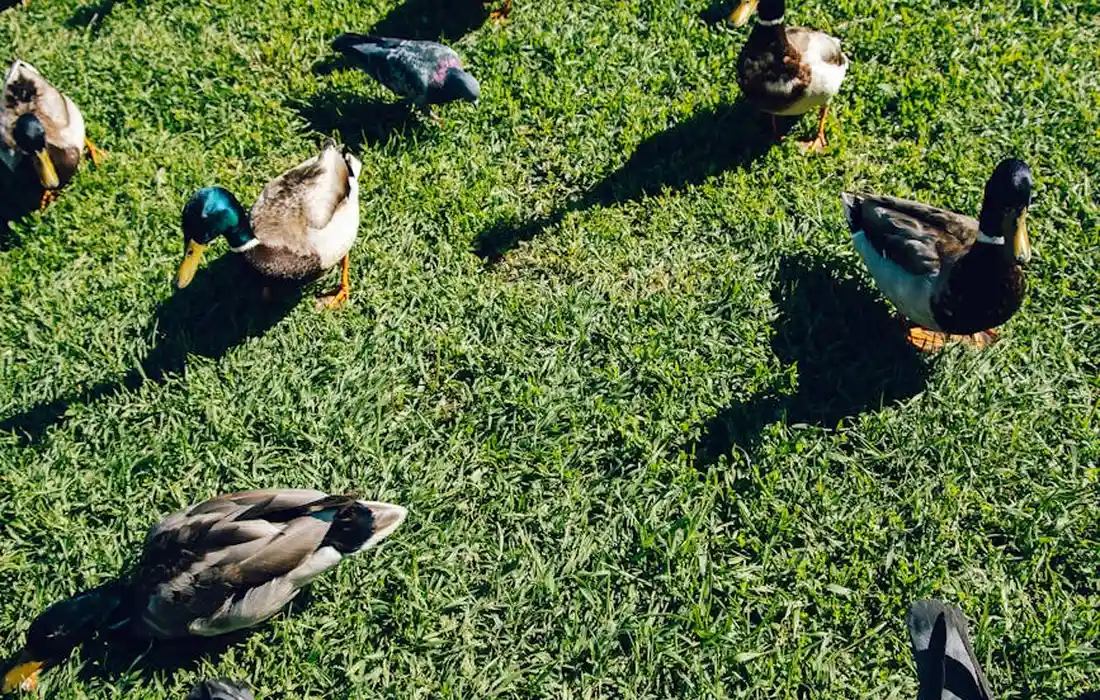
Now, I reckon you’re itchin’ to put some ducks to work, but hold your horses. Not every duck is cut from the same cloth when it comes to patrolin’ your pastures and gardens. Pickin’ the right breed is the difference between havin’ a dedicated pest patrol and just keepin’ a few pretty pond ornaments. From my experience, you want a bird that’s active, hardy, and has a real hankerin’ to hunt.
Traits of a Top-Notch Bug Hunter
Before we talk breeds, let’s consider what makes a duck a champion forager. You’re lookin’ for three main things:
- High Activity & Curiosity: Ducks that are always pokin’ their bills in the grass and mud, not ones that laze around all day.
- Light to Medium Frame: Lighter birds are often more agile and spend more time foragin’ than heavy, feed-dependent breeds.
- Independent Streak: A good pest control duck would rather hunt its own supper than wait by the feed bucket. A little wildness in their blood is a real asset.
My Top Picks for Your Homestead Patrol
Based on decades of watchin’ ’em work, here are the breeds that have earned their keep on my land time and again.
1. The Khaki Campbell
These are my personal favorites for an all-around, no-nonsense bug brigade. I’ve seen a dozen Khakis clear a quarter-acre potato patch of Colorado potato beetles in an afternoon, savin’ that crop for the season. They’re lean, tireless foragers, and lay a mighty fine egg to boot. They’re not as flashy as some, but they’re all business.
2. The Indian Runner
If you’ve got more garden than pond, the Runner is your duck. Standin’ tall like feathered bowling pins, they’re comical to watch but deadly serious on the hunt. Their upright posture lets them patrol dense vegetable rows without flattin’ your plants, and their appetite for slugs is legendary. I use ’em in my berry patches where their delicate tread is a blessin’.
3. The Muscovy
Don’t let their quiet nature fool you. Muscovies are the silent assassins of the duck world, with a particular taste for mosquitoes and their larvae. These birds are exceptional at reducin’ fly populations around manure piles and wet areas where other ducks might not venture. They’re also perchers, so they’ll help with low-flying pests. Just remember, they’re larger and can be more territorial.
4. The Welsh Harlequin & Silver Appleyard
These are the elegant workhorses. Beautiful to look at, but don’t think they’re just for show. Both breeds are vigorous foragers with a friendly disposition, makin’ them a splendid choice if you have children or want ducks that are easy to handle. They’ll thoroughly work a pasture for grasshoppers and caterpillars while addin’ a touch of grace to your yard.
| Breed | Best For Hunting… | Homestead Fit |
|---|---|---|
| Khaki Campbell | Beetles, slugs, general garden pests | The high-output, efficient farmhand |
| Indian Runner | Slugs, snails, insects in tight rows | The specialized garden guardian |
| Muscovy | Mosquitoes, flies, larvae in wet muck | The independent pasture & perimeter sentry |
| Welsh Harlequin | Grasshoppers, caterpillars, lawn grubs | The friendly, all-purpose forager |
A Word on the “Heavy” Breeds
Now, you might be fond of a big Pekin or a handsome Rouen. While any duck will eat some bugs, the heavier meat breeds tend to be lazier, eat more feed, and can compact your soil or damage tender plants with their weight. I keep a few for the table, but for dedicated pest control, I stick with the lighter, more active breeds listed above. It’s about work ethic, not just appetite.
My final piece of advice? Match the duck to your land. Consider your primary pest problem, the layout of your crops, and your own management style before bringin’ home your feathered workforce. Start with a small flock of one breed and see how they suit you. They’re not just livestock; they’re your partners in stewardship.
Setting Up Your Duck Patrol: Practical Implementation
Getting ducks to work for you is less about giving orders and more about setting the stage. Think of it as hiring the most enthusiastic employees you’ll ever have; you just need to provide the right office space and benefits. From my own pondside experiences, a happy duck is a hungry duck, and a hungry duck will gladly clock in for pest control duty.
Choosing Your Feathered Workforce
Not all ducks are created equal when it comes to diligent foraging. While most will snack on bugs, some breeds are legendary for their work ethic. I’ve always leaned on Indian Runners or Khaki Campbells for their tireless patrol of gardens and orchards, as they’d rather hunt bugs than loaf by the water all day. Heavy breeds like Pekins are hearty eaters too, but they can be a bit rougher on tender plants. For a mix of pest control and charm, you can’t beat a few Welsh Harlequins. Their varied diets are essential to keeping them healthy and productive in any setting, be it pond, pet, or backyard diets.
- Top Foragers: Indian Runners, Khaki Campbells, Welsh Harlequins, Mallard-derived breeds.
- Best for Open Pastures: Lightweight, active ducks that cover ground easily.
- Consideration for Gardens: Larger breeds may trample plants; use runners in vegetable plots.
Designing the Patrol Zone: Housing & Fencing
Your ducks need a secure home base and a defined area to patrol. A simple, predator-proof shelter needs about 4 square feet per duck inside, with plenty of ventilated space. The real magic happens outside; I use lightweight, movable electronet fencing to create new pest control paddocks every few days. This keeps the ducks focused on a fresh buffet of bugs and gives the previous area time to recover. For permanent runs, welded wire fencing buried a foot deep keeps diggers out.
- Shelter: 4 sq ft/duck indoors, predator-proof with dry bedding.
- Foraging Area: Minimum of 15-20 sq ft per duck in a managed space.
- Fencing: Movable electronet for rotation or permanent welded wire with buried apron.
The Non-Negotiable: Water Access
Ducks need water to swallow their food and clean their eyes, but you don’t need a full pond. A simple trough or kiddie pool deep enough to dunk their heads will do. I place water sources strategically near the pest problem areas, like the compost pile or the edge of the cornfield, to encourage them to forage radially from that point. Just refill it daily-stagnant water attracts mosquitoes, which defeats the whole purpose!
Pasture Rotation for Peak Performance
Moving your ducks is the secret to sustainable pest management. It prevents overgrazing, spreads natural fertilizer, and exposes them to new insect populations. I follow a simple three-day rule: if the ground is getting muddy and the grass is short, it’s time to move the fence. This rhythm keeps the ducks healthy and the land thriving. I once used this method to clear a slug infestation from my strawberry beds in under a week, moving the duck pen a few feet each day.
- Identify target pest zone (e.g., garden, orchard, pasture).
- Set up movable fencing around the area.
- Allow ducks to patrol for 2-3 days.
- Move fencing to adjacent area, letting the first section rest.
Integrating with Other Livestock
Ducks play well with others, and their pest control benefits the whole farm. They’ll happily follow behind chickens, scratching up larvae the hens missed, or tidy up around placid goats. Just ensure there’s enough space for all critters to avoid competition, and always provide separate water sources to keep chicken feed dry. My geese and ducks often forage together, with the geese grazing on grass and the ducks targeting the bugs underneath-a perfect partnership.
| Livestock Companion | Pest Control Synergy | Key Consideration |
|---|---|---|
| Chickens | Ducks eat slugs & larvae in wet areas hens avoid. | Ducks need water for eating; keep away from dry feed. |
| Geese | Ducks forage at ground level; geese graze higher vegetation. | Both are waterfowl; ensure ample pond or pool space. |
| Sheep/Goats | Ducks reduce fly larvae in manure pats. | Fence ducks away from mineral blocks & main feed troughs. |
Stewardship & Thrifty Tips
Respect for your ducks means observing their health and happiness. A duck on pest patrol will have bright eyes, active behavior, and a consistent appetite. Supplement their bug diet with a simple 16-18% protein layer crumble in the evening to ensure they get all their nutrients, especially during molt. Save money by using repurposed materials for shelters-I’ve used old calf hutches and modified dog houses that worked just fine. Remember, thriftiness and good care go hand-in-hand on a homestead.
Duck Foraging Habits: Day, Night, and Seasonal Insights
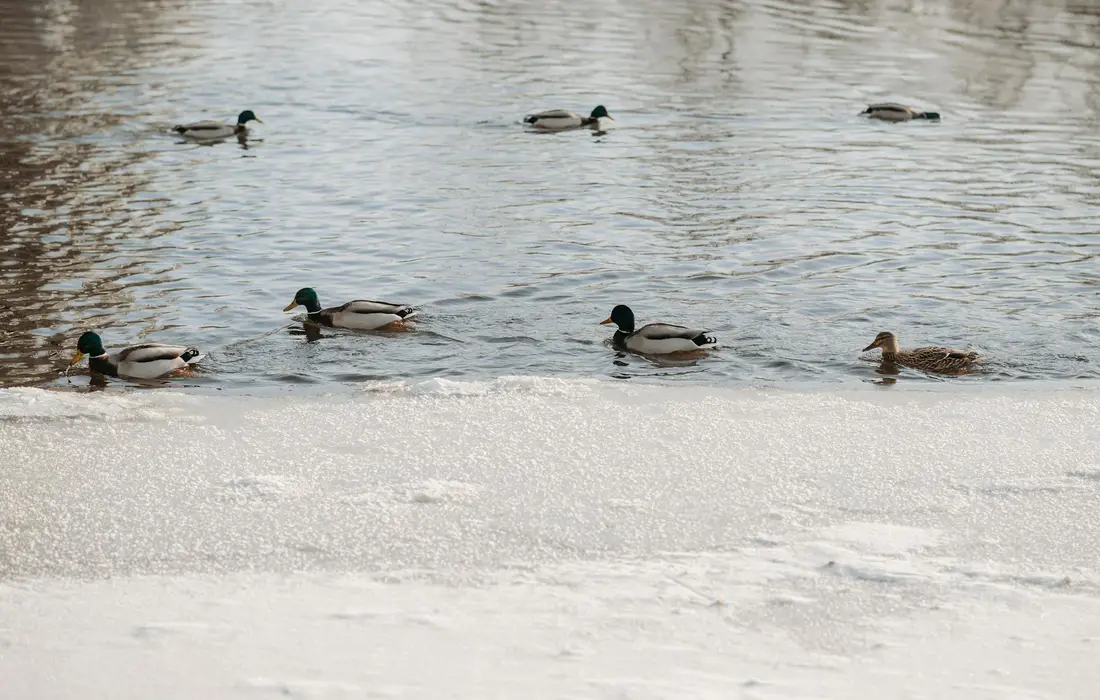
Now, let’s talk about how these feathered cleaners operate around the clock and through the year. I’ve spent many an hour on my stoop, watching my flock of Khaki Campbells and Rouens work their magic. Ducks are relentless, opportunistic foragers who will hunt for bugs from first light until well after dusk, adapting their strategies as the seasons turn. Their day-night rhythm and seasonal shifts are key to using them for pest control.
Come evening, you might think their bug hunt ends, but that’s not so. While they’re not truly nocturnal, a bright moon or safe, well-lit yard will see them still nosing about for slugs and night-crawlers. I’ve found my ducks are mighty productive in the early evening hours, clearing out mosquitoes that rise from the wet grass.
Do Ducks Eat Insects During the Day?
You bet they do, and it’s a sight to behold. From sunup to sundown, ducks are on patrol. Their daytime menu is vast and voracious. A single duck can consume hundreds of insects daily, turning your pest problem into free protein for their eggs and meat. They don’t just skim the surface; those flat bills are designed for deep probing.
Here’s a list of common daytime targets in my pasture:
- Mosquito larvae and pupae from standing water
- Flies and fly eggs around manure piles
- Japanese beetles and their grubs from the garden soil
- Grasshoppers and crickets in tall grass
- Slugs and snails from under damp foliage
To encourage this, I rotate my ducks through different paddocks. This gives the land a rest and exposes the birds to fresh batches of pests. A shallow pan of water in a new area will attract bugs and give the ducks a focused hunting ground.
Do Ducks Eat Insects in the Winter?
This is a question I get every cold season. When the ground hardens, insect activity plummets. Ducks will absolutely scratch and poke for overwintering insects and larvae, but you must manage your expectations and their diet. Their foraging doesn’t stop, but it slows way down.
On a thawed afternoon last January, I watched my ducks break through a thin layer of frost to poke at the mud. They were after dormant grubs and insect eggs. To support them, I practice smart pasture management. I don’t till or heavily mulch certain areas in the fall. This leaves insect hideouts accessible for winter foraging, supplementing their diet with natural protein sources like live food such as nightcrawlers and minnows.
You’ll need to supplement their diet more heavily. I increase their commercial feed protein to around 18-20% in winter to make up for the bug shortfall. Thriftiness means working with nature’s calendar; let your ducks clean up in the growing season, and plan to feed them more in the dormant months. It’s a fair trade for the pest control they provide.
Ducks in the Garden and Pasture: Targeted Pest Management
Now, let’s mosey out of the theoretical and into the practical, where the rubber meets the road-or rather, where the webbed foot meets the dirt. Deploying your ducks with intention turns them from mere poultry into precision pest management partners, saving you money on inputs and chemicals. I’ve found the key is thinking like a duck: what’s soggy, shady, and crawling with bugs? That’s where they want to be, and that’s where they’ll do you the most good.
Orchard and Garden Guardians
I reckon my vegetable garden and fruit trees wouldn’t be half as productive without my flock of Khaki Campbells on patrol. Ducks are gentle on your plants but ruthless on the bugs that suck the life right out of them, working the soil without the scratch-and-destroy method of chickens. I learned to let them in after the seedlings are stout, about a hand high, and they’ll keep the ground clean till harvest. Of course, I make sure they don’t eat the plants themselves.
One spring, I watched Japanese beetles skeletonize my raspberry canes. I opened the duck gate and the problem was literally digested in days. Their broad, flat bills are perfect for nabbing pests off leaves and digging shallowly in moist soil for grubs. Here’s a menu of what your garden ducks will happily clean up:
- Slugs and Snails: The prime delicacy. Ducks devour these overnight marauders, eliminating the need for beer traps or pellets.
- Colorado Potato Beetles & Larvae: From my own tater patch, I can confirm ducks will pick these striped pests clean, saving your solanaceous crops.
- Cucumber Beetles: They’ll snap up these vectors of wilt before they doom your squash and cukes.
- Cutworms and Armyworms: Ducks hunt these destructive larvae at dawn and dusk when they’re most active.
- Ants and Aphids: They’ll happily dabble around stems and undersides of leaves, reducing these sap-sucking colonies.
For orchard duty, a few ducks under your fruit trees does wonders. They’ll clean up windfall fruit that harbors codling moth larvae and peck at pests in the grass without harming tree roots. I use a lightweight, mobile pen I can shift every day, giving them fresh forage while protecting my young berry bushes.
Pasture Partners for Livestock
This is where ducks truly shine in a mixed homestead ecosystem. Turning your ducks out with your larger livestock creates a beautiful cycle of pest reduction and pasture health that benefits every creature involved. Their constant dabbling breaks up manure patties, which dries them out and disrupts the breeding cycle of bothersome flies.
I run my ducks right behind the dairy cows. Those busy bills are chasing down and consuming the larvae of horn flies and face flies before they ever get wings, which cuts down on the parasite load for the herd. This means less stress on the cows and less money I spend on fly tapes and pour-ons. It’s thrifty, sustainable stewardship in action.
Ducks are also brilliant partners for your chickens and pigs. In the chicken run, they’ll target different insects in the wetter areas, reducing competition. Around the pig paddock, they’ll clean up spilled feed and the bugs it attracts. Just remember to provide a clean water source for your ducks away from the livestock’s heavy traffic to keep their nostrils washed out. Here’s how to integrate them smoothly:
- Start in Small Sessions: Let the ducks explore the pasture for a few hours in the morning when pests are active. Watch how the larger animals react.
- Ensure Safe Havens: Ducks need places to retreat. A small pond or even a kiddie pool off to the side gives them a security zone.
- Monitor Manure: In very rich, fresh cow pats, ducks can sometimes spread parasites. Let pats dry a few hours first in hot weather for the safest foraging.
- Supplement as Needed: Pasture is a great buffet, but during dry spells, I still offer a handful of layer feed to keep their protein up, aiming for that 16-18% range in their overall diet.
Using electric poultry netting, I can rotate my duck flock through different pasture sections, just like the cows. This mobile cleanup crew efficiently targets pest hotspots, turning a potential problem into productive duck feed and richer soil. It’s a sight that always makes me smile-happy ducks, content cows, and a quieter, healthier pasture.
How Many Ducks Do You Need? Stocking for Success
I reckon this question comes up every time a gardener gets fed up with slugs. My own lesson came one soggy spring when my cabbages were lace doilies, and I turned out five eager ducklings. Stocking ducks for pest control is less about a fixed number and more about reading your land like a dinner menu for your web-footed crew.
Measure Your Space and Scout the Buffet
Walk your rows or pastures and note where the bugs are worst. A half-acre vegetable plot needs a different approach than ten acres of hayfield. Your starting point is the square footage of trouble, not just the acreage on your deed. For most homesteads, I’ve found these densities keep things in balance without overtaxing the soil.
- Tight Quarters (Gardens, Berry Patches): Allow 50 to 100 square feet per duck. That translates to about 4-5 ducks for a typical 500 square foot garden.
- Open Range (Pastures, Orchards, Ponds): You can stock lighter, at 2 to 4 ducks per full acre, as they’ll roam and forage more broadly.
These numbers assume you’re using lighter, active foragers like Runners or Campbells. Always err on the side of too few at first; you can always add more ducks next season, but a muddy, overgrazed patch takes years to heal.
Factor in the Duck’s Appetite and Your Season
A duck can eat its weight in bugs every couple of days, but that hunger wanes when the frost comes. Plan your flock size for peak pest season, and have a winter housing plan for when the free buffet closes. I keep my breeding trio year-round, but my larger “patrol squadron” is only on duty from last frost to first frost. For year-round nutrition, a seasonal duck feeding guide covering spring, summer, fall, and winter diets can be a handy reference. It helps map forage availability and supplemental needs across the seasons.
Consider your primary pest, too. Ducks excel on soft-bodied larvae and slugs. If your main issue is something like potato beetles, you’ll need a denser flock for effective control. Watch your birds for a week; if they’re still leaving plenty of pests behind, you might have room for a few more beaks in the lineup.
The Breed Matters for the Job
Putting a heavy Pekin in a raised bed is like using a tractor to weed a flower pot. Choosing the right breed is half the battle in efficient pest management. Here’s how I match ’em up on my place.
- Indian Runners: My top pick for gardens. They’re neat, tireless, and their upright stance lets them hunt through plants without much trampling.
- Khaki Campbells & Welsh Harlequins: Excellent all-around foragers for mixed areas. They dabble less in water, so they spend more time bug-hunting.
- Muscovies: Ideal for larger properties. They’ll perch and clean insects off trees and bushes, handling bigger critters like grasshoppers with ease.
I learned with Muscovies that their hearty appetite can clear a pasture section quickly. Rotating your ducks between pastures or garden zones is the secret to continuous pest control and healthy land. I use simple electronet fencing to move my flock every three to four days.
Listen to the Land and Your Flock
No chart can tell you everything. If your ducks have clean, bright eyes and are actively foraging, you’re likely on track. If the ground turns to soup or your plants get loved to death, scale back. True stewardship means observing and adjusting, not just following a formula you read online. And never forget, these are living creatures first. A thrifty, sustainable system includes a sheltered place for them to sleep and lay, and a backup plan for feed when the bugs hide.
| Scenario | Duck Breed Suggestion | Starting Stocking Density |
|---|---|---|
| Small Vegetable Garden | Indian Runner | 4 ducks per 500 sq ft |
| Orchard with Understory | Khaki Campbell | 3 ducks per acre |
| Large Pasture & Pond | Muscovy | 2 ducks per acre |
That table is from my own penciled notes in the barn ledger. Use it as a compass, not a map, and let the condition of your soil and your ducks’ contentment guide you the rest of the way.
Thriving on Thrift: The Economic Sense of Duck Pest Control
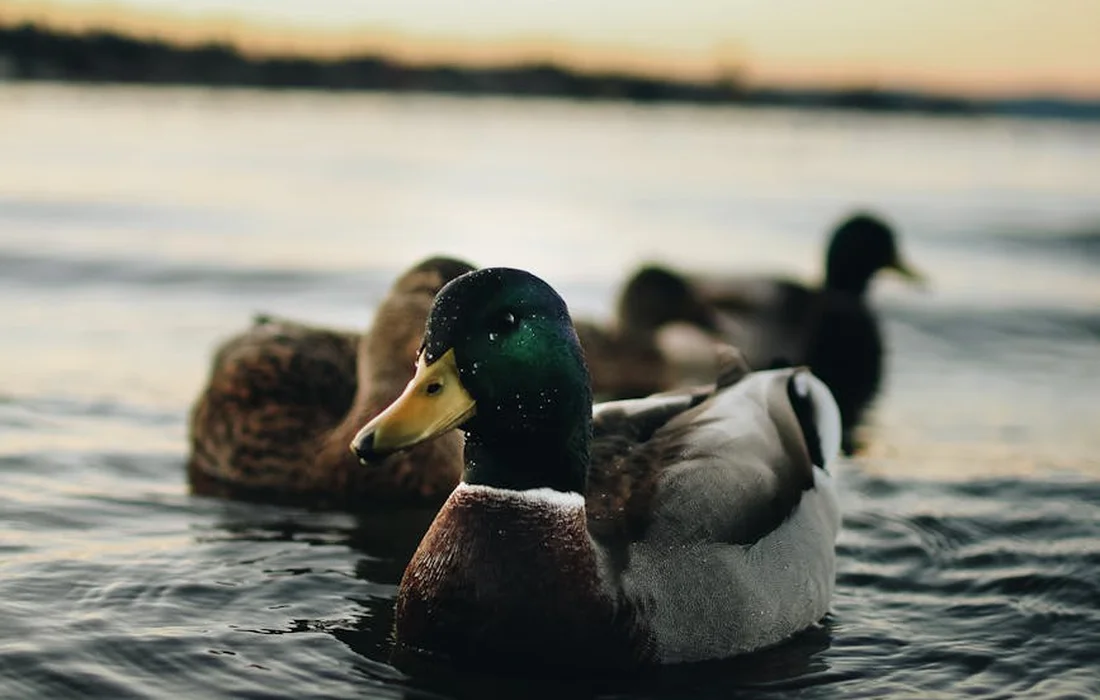
Let’s talk brass tacks. Raising any critter costs money, and I reckon you’re looking for a return on that investment. Ducks pay their rent in the garden and the field, not just with eggs or meat, but by slashing your other expenses. The most immediate saving comes straight out of your feed bag, as a busy foraging duck can supplement a significant portion of its own diet right from your land. Beyond that, you’ll want to budget for the annual costs of duck ownership—feed, healthcare, and maintenance—to see the full picture.
The Feed Bill Shrinks
I watch my flock of Khaki Campbells work a row of potatoes. Their bills move like little shovels, and I don’t buy a single commercial pest control product. A duck’s daily forage can replace up to 25% of their commercial feed intake during peak bug season. For a laying breed, that means you’re supporting their 16-18% protein layer ration with free-range protein they dug up themselves.
Think of it this way: every slug, every beetle larva, every wiggly worm is a protein pellet you didn’t have to purchase. You’re essentially running a small, feathered protein recycling program that turns pests into eggs and fertility.
Beyond the Feed Bucket
The savings compound in ways you might not first consider. Let me walk you through the ledger I keep in my head.
- No Chemical Inputs: Every mosquito larva a duck eats is one less bottle of larvicide for the stock tank. Every Colorado potato beetle they consume saves you a spray pass on the garden. That’s cash saved on products and, just as precious, time saved on application.
- Reduced Equipment & Labor: I haven’t hand-picked slugs from my strawberries in years. My ducks do that chore at dawn, and they’re far more thorough than I ever was with a flashlight and a jar.
- Fertilizer Value: This is a big one. As they forage, they’re also depositing rich manure directly onto your pasture or garden area. It’s a slow-release, balanced fertilizer that improves soil structure. You’re getting pest control and soil amendment in one tidy, waddling package.
A Frugal Comparison
Now, chickens are wonderful, but for pure pest patrol economics, ducks often have the edge in wetter areas. Chickens will scratch for bugs, but ducks excel in the muck and wet where the most troublesome larvae thrive. A duck’s hardy constitution means fewer health issues related to parasites they might pick up foraging, translating to lower vet costs over the long haul. They are remarkably resilient when allowed to do what they naturally do best.
I remember one particularly bad year for Japanese beetles in the orchard. While I was researching costly traps and sprays, my Pekins were having a feast. They didn’t eradicate them entirely, but they kept the damage low enough that my trees thrived. That harvest, the fruit was clean, and my feed order that month was a touch lighter. That’s the kind of quiet, practical economy that makes a homestead truly sustainable. It’s not always a dramatic saving, but season after season, those unspent dollars add up to real thrift.
Closing Questions on Ducks for Pest Control
Do ducks eat insects?
Yes, ducks are enthusiastic insectivores that naturally consume a vast array of insects and larvae. This foraging provides them with high-protein nutrition while serving as effective, chemical-free pest management for your farm. Ducks are omnivores, eating a variety of foods to maintain a balanced diet.
Do ducks eat insects during the day?
Ducks are primarily active foragers during daylight hours, hunting from morning until evening. Their constant dabbling and probing make them efficient at reducing pest populations throughout the day.
Do ducks eat insects in the garden?
Absolutely, ducks can be strategically used in gardens to target common pests like slugs and caterpillars. To protect tender plants, it’s best to allow them access after crops are well-established or during specific cleanup periods. Additionally, ensuring they eat safe veggies helps keep your garden healthy.
Do ducks eat insects in the winter?
Ducks will still forage for overwintering insects and larvae when conditions allow, but their success diminishes in cold weather. You should plan to significantly supplement their diet with commercial feed during this season, especially compared to wild ducks’ natural foraging habits that change with the seasons.
What makes ducks particularly good at hunting insects?
Their physical adaptations, such as flat bills for sifting and webbed feet for churning soil, make them expert bug-hunters. Unlike chickens, their gentle foraging method minimizes damage to plants and roots while they search for prey.
How should I manage my ducks’ insect diet across different seasons?
In spring and summer, leverage their peak foraging to cut feed costs and control pests. As autumn turns to winter, gradually increase protein supplementation to compensate for the natural decline in available insects.
Shuttin’ the Gate
After watchin’ my waddlin’ crew clean up a slug invasion in the potato patch, the biggest lesson I’ve learned is this: your ducks’ pest control prowess is a direct reflection of their own health. Keep their water cleaner than a Sunday dish and their bodies well-fueled, and they’ll return the favor by working your land with enthusiastic diligence. A stressed, malnourished, or dehydrated duck is a poor forager. Their effectiveness is the truest barometer of your stewardship.
So here’s to lettin’ them do what they were born to do. Pull up a stool, watch those busy bills work, and take joy in this partnership that nourishes both your land and your spirit. It’s a fine way to live. We’ll see y’all back out in the pasture.
Further Reading & Sources
- Ducks as Effective (and Entertaining) Pest Control – Ecological Landscape Alliance
- Ducks are great at pest control
- Ducks as Effective Pest Control in the Landscape – Planters Place
Caroline Mae Turner is a lifelong farm girl raised on red clay, early mornings, and the sounds of a bustling barnyard. With hands-on experience caring for everything from stubborn goats to gentle dairy cows and mischievous pigs, Caroline shares practical, tried-and-true advice straight from the farm. Her goal is to help folks keep their animals healthy, well-fed, and living their best barnyard life. Whether you're wrangling chickens or bottle-feeding a baby goat, Caroline brings a warm Southern touch and plenty of real-world know-how to every bucket in the barn.
Feeding Habits