Feeding Beans to Rabbits: Your Barnyard Guide to Safe Snacking
Published on: April 11, 2026 | Last Updated: April 11, 2026
Written By: Caroline Mae Turner
Howdy y’all, welcome back to the barn. Fresh green beans and bean sprouts can be fine occasional treats for your rabbits, but dried beans and some raw plant parts are a hard no-they can cause serious digestive upset for your fluffy herd. I reckon many of us have stood in the garden with a handful of trimmings, wondering what’s safe to toss into the run.
- Fresh, plain green beans or home-grown sprouts
- A sharp knife for chopping
- Five minutes for prep and observation
We’ll have this all straightened out quicker than you can collect the eggs, so you can move on to your next chore with confidence.
The Core of Rabbit Digestion: Why Fiber is King
Now, before we get knee-deep in the bean patch, we need to have a good chinwag about what makes a rabbit’s engine run. It ain’t pellets or sweet treats. It’s fiber. Plain and simple. A rabbit’s gut is a finely-tuned fermentation vat, designed to process massive amounts of roughage. That long, complex digestive tract needs a constant flow of hay and grass to keep moving.
Think of it like this: fiber is the conveyor belt that carries everything else through. When that belt slows down, trouble sets in fast. I’ve seen it in my own herd-a bunny off its feed, looking lethargic-and it usually traces back to a diet that got too soft, too rich, or too low in that good, scratchy hay. The single most important thing you can do for your rabbit’s health is to provide unlimited, high-quality grass hay; it’s non-negotiable for their digestive and dental health.
Fresh greens, like the safe bean plants we’ll talk about, are wonderful supplements. They provide moisture, variety, and nutrients. But they’re the side dish, never the main course. Their digestive systems are built for efficiency, extracting every last bit of nutrition from tough plant stems over many hours. When we offer foods that are too dense, like starchy beans, we risk overwhelming that delicate system and bringing that vital conveyor belt to a grinding, painful halt.
Sorting the Bean Patch: Safe and Unsafe Beans for Bunnies
Alright, let’s mosey on out to the garden and sort this out. The world of beans is big, and for a rabbit, it’s split clean down the middle: the safe, leafy greens and the unsafe, hard seeds. Confusion here can lead to a mighty sick bunny, so let’s be clear as creek water.
Green Beans and Bean Plants: The Safe Greens
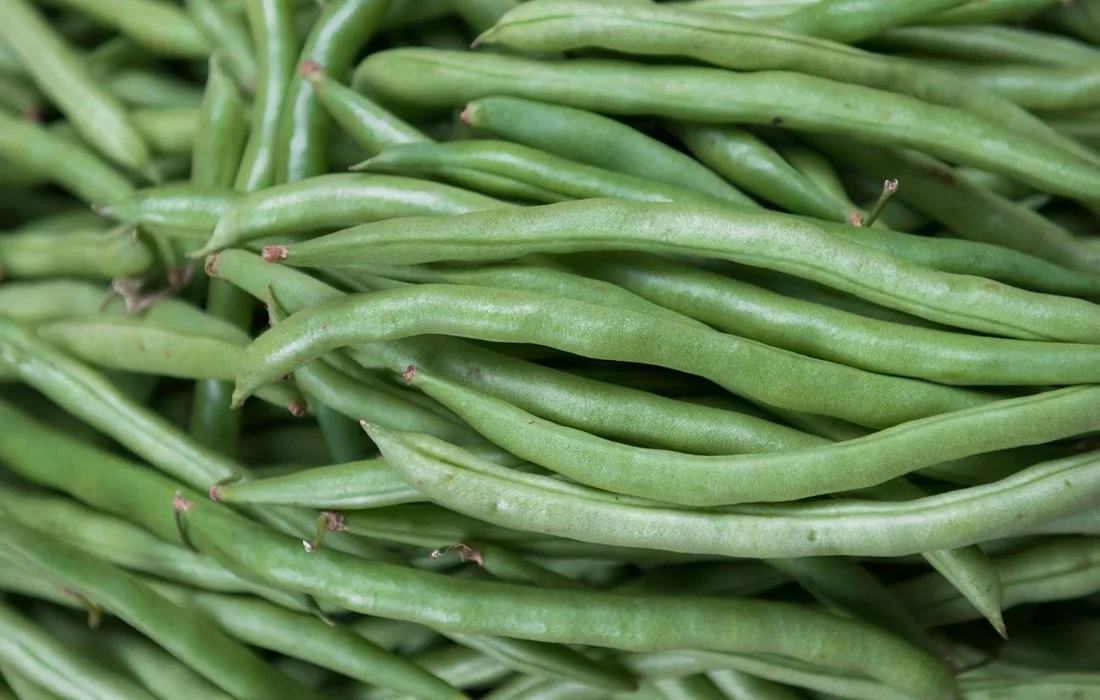
Here’s where we can breathe a little easier. The fresh, immature pods and leaves from common garden bean plants are generally safe for rabbits in moderation. I’ve fed these to my own rabbits for years as a summer treat when the garden is producing more than I can put up.
We’re talking about the green parts of plants like:
- Green bean pods (string beans, snap beans)
- French bean leaves and stems
- Runner bean leaves and stems (the pods can be a bit fibrous)
- Young soybean plants (edamame plants)
You’ll want to wash them well to remove any dust or potential spray. Introduce any new green slowly, just a piece or two at first, to see how your bunny’s tummy handles it. A good portion size is about one to two medium green bean pods or a handful of leaves, two or three times a week at most. These garden greens are a hydrating, low-calorie treat that adds variety, but they should never replace their primary rations of hay and water.
Unsafe Beans and Legumes: What to Always Avoid
This is the serious part, y’all. Pay close attention. You must never feed your rabbit dried, raw, or cooked beans meant for human consumption. This includes every single bean you’d find in a bag at the grocery store or in your soup pot.
That means:
- Kidney beans, pinto beans, black beans
- Lima beans, fava beans, baked beans
- Chickpeas (garbanzos), lentils, split peas
- Raw soybean seeds (the dry beans, not the fresh plant)
- Any bean sprouts grown for human consumption (like mung or alfalfa sprouts-these are too rich and gassy)
These legumes are packed with complex starches, proteins, and specific compounds like lectins that a rabbit simply cannot digest properly. In that delicate gut, they ferment rapidly, causing severe gas, bloating, and potentially fatal GI stasis. It’s a painful and dangerous condition. Stick to the leafy, green parts of the plant and forever keep the hard, dried seeds out of your rabbit’s reach. That’s a line we just don’t cross in responsible husbandry.
Feeding Green Beans and Sprouts: A Step-by-Step Guide
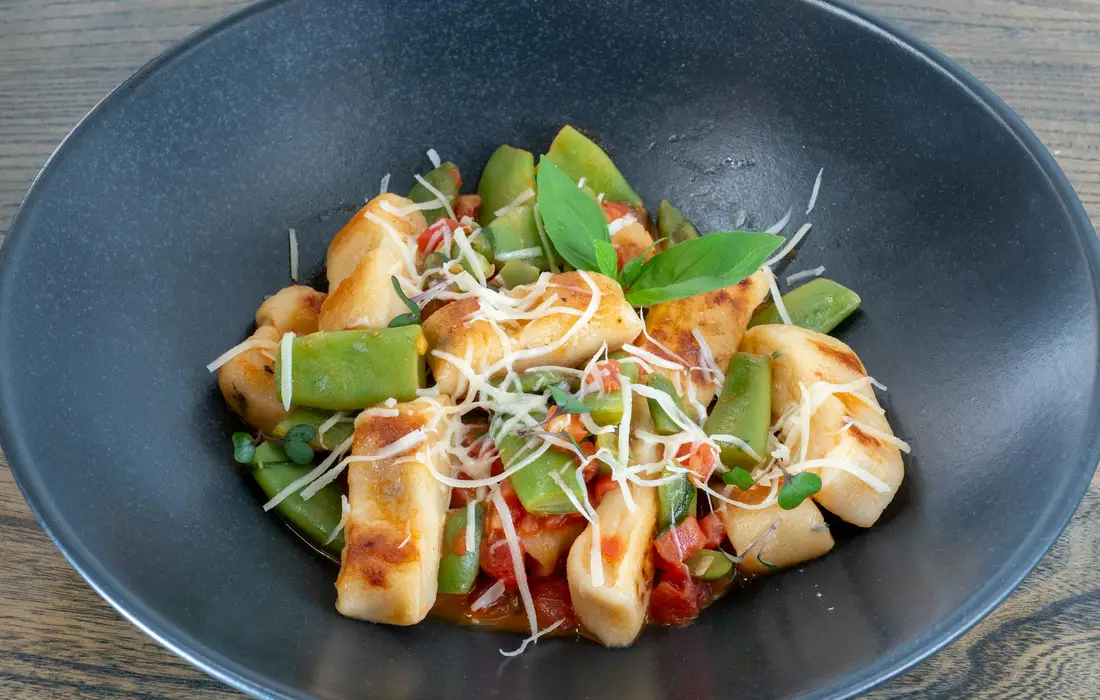
Now, I reckon y’all are wondering how to get these garden goods from the vine to your rabbit’s bowl without causing a fuss. It’s simpler than mending a fence, I promise. Just follow these steps, and you’ll have a happy, hoppin’ bunny.
How to Safely Offer Bean Sprouts
Bean sprouts-like alfalfa or mung bean sprouts-are a different kettle of fish than a mature green bean. They’re tender, packed with nutrients, but also moist and can harbor bacteria if not handled right. My rule in the barn has always been to treat sprouts as a rare delicacy, not a staple, and cleanliness is your best friend here.
- Source with Sense: Buy organic sprouts from a trusted grocer or, better yet, grow your own. This lets you control the process from seed to snack.
- The Rinse and Shine: Give those sprouts a thorough, cool water rinse right before serving. This washes away any hulls or potential surface contaminants.
- Portion Patrol: This is crucial. For a standard-sized rabbit, a tablespoon of rinsed sprouts is a generous treat. Offer them no more than once or twice a week.
- Serve Immediately: Don’t let damp sprouts sit in the hutch. Place them in a clean feed dish and remove any uneaten bits within an hour to prevent spoilage.
- Watch Close: After introducing any new food, including sprouts, keep an eye on your rabbit’s droppings and behavior for the next 24 hours to ensure they’re tolerating it well.
I’ve found that most of my rabbits go wild for a few fresh sprouts mixed into their hay. It’s a brilliant way to add variety and enrichment, but moderation is the true key to their health and a steady digestive system. Some rabbits also enjoy sprouts like bean or alfalfa sprouts, but safety matters. If you’re thinking about Brussels sprouts or other sprouts, it’s worth reviewing rabbit sprout safety guidelines.
Preparing Fresh Green Beans for Your Herd
Fresh-picked green beans are a summer treasure, and your rabbits can share in the bounty. Here’s my method, honed over many a harvest season.
- Wash Well: Scrub those pods under running water to remove dirt, garden dust, or any potential residue. I use a clean vegetable brush for my homegrown ones.
- Trim the Ends: Snip off the stem end. You can leave the tail if you like; it’s not harmful, but I find my rabbits often leave it behind.
- Cut for Comfort: Chop the beans into 1-inch pieces. This prevents any choking hazard and makes it easier for you to mix them into their feed or scatter them for foraging fun.
- Raw is the Law: Always serve green beans raw and fresh. Cooking breaks down the fibers and alters the nutritional content in ways a rabbit’s gut isn’t designed for.
- Start Small: Begin with just one or two pieces per rabbit. Over several days, you can slowly increase to a handful (about 2-3 standard pods) per adult animal, 2-3 times a week.
The Hidden Dangers: Toxins and Digestive Upset in Rabbits
Now, I reckon we need to have a frank chat about why the bean patch and your rabbit hutch should mostly stay separate. Feeding beans to rabbits is a gamble with their health, primarily due to natural toxins and a digestive system that just wasn’t built for such rich fare. I’ve seen more than one bunny suffer from a well-meaning but misguided snack.
Natural Toxins in Raw Beans and Plants
Many common garden beans, like kidney, lima, and fava beans, contain lectins such as phytohemagglutinin. For a rabbit, even a small amount of these raw beans can cause severe red blood cell clumping and digestive distress, a risk we simply can’t take. While cooking neutralizes these toxins for us, we never cook food for rabbits as it disrupts their need for raw, fibrous matter.
I once had a neighbor’s kit get into a bag of dried kidney beans we’d set out for the soup pot. The resulting lethargy and bloated belly was a swift, scary lesson that wild critters instinctively avoid these seeds for a good reason. Always store your seed beans where curious noses can’t find them.
- Raw Dry Beans: High risk. Contain concentrated lectins.
- Bean Plants (Vines & Leaves): Lower risk, but often treated with pesticides or carry mildew. Always wash thoroughly and offer sparingly as a rare treat, not fodder.
- Sprouts: Alfalfa or clover sprouts are fine, but bean sprouts from mung or soy can be too rich and gassy.
A Digestive System Built for Hay, Not Legumes
Think of a rabbit’s gut as a delicate, continuous fermentation vat that must keep moving. Sudden introductions of high-protein, high-starch foods like beans shock that system, slowing down gut motility and causing painful gas buildup. This can lead to gastrointestinal stasis, a silent killer where the gut just stops.
Your rabbit’s diet should be 80% grass hay, which provides the long-strand fiber that keeps everything ticking along smoothly. Beans pack 20-25% protein, while a rabbit’s needs are closer to 12-14%. That excess protein is hard on their kidneys and liver over time. Ensuring they get enough hay daily is crucial for their health.
Recognizing the Signs of Trouble
If you suspect your bunny has nibbled something they shouldn’t, watch for these signs. Acting fast is the key to saving a rabbit from digestive crisis.
- Lethargy: Hunched posture, reluctance to move.
- Loss of Appetite: Ignoring favorite greens and hay.
- Small or Misshapen Droppings: Poops get tiny, hard, or stop entirely.
- Audible Gut Discomfort: A quiet belly is bad; you should normally hear gentle gurgles.
Practical, Thrifty Alternatives
Instead of risking beans, use your garden waste wisely. Carrot tops, broccoli leaves, and strawberry caps are nutritious, safe treats that cost you nothing. For a protein boost during molting or pregnancy, stick with a handful of plain oat hay or a few pellets, not legumes.
Good stewardship means respecting the design of the animal, and for rabbits, that design is for a low-calorie, high-fiber diet of hay and leafy greens. It’s the thriftiest path, too, keeping your vet bills low and your bunnies hopping happily for years to come.
Beyond the Bean Row: Rabbit-Friendly Treats and Greens
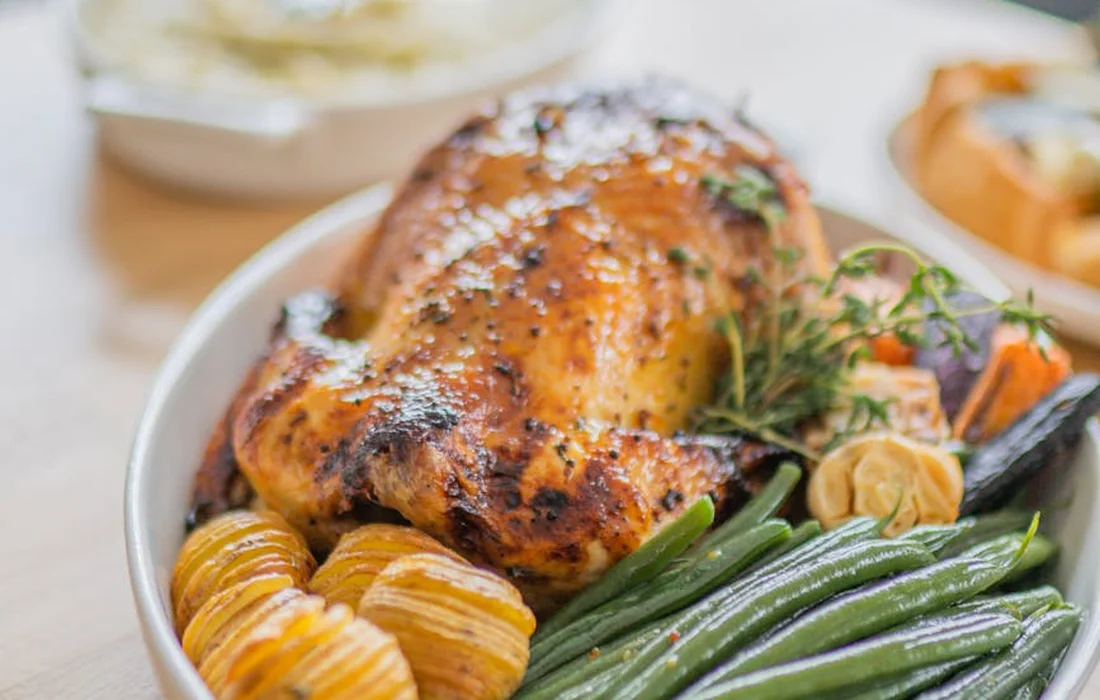
If your garden’s bean plants are picked clean or you just want to give those bunnies some variety, your farm offers a bounty of better choices. A rabbit’s diet should be a colorful mosaic of greens, not a one-note tune, and building that menu from your own land is a joy and a savings. I’ve spent many an evening with a basket on my arm, picking supper for the rabbits right alongside our own.
The Garden’s Bounty: Safe Stalks and Leaves
Look beyond the fruit of your plants to the often-discarded tops and leaves. Many are rabbit gold. Always introduce any new green slowly, a few leaves at a time, to let their delicate gut bacteria adjust.
- Carrot & Radish Tops: My rabbits go wild for these. The feathery carrot greens are a perfect treat, and radish tops add a nice peppery bite. Wash them well to remove any soil.
- Herb Sprays: Mint, basil, cilantro, dill, and parsley are fantastic in small handfuls. They’re aromatic and packed with nutrients. I often snip a bit extra when I’m cooking.
- Broccoli Leaves: Those huge, dark green leaves surrounding the broccoli head are often tougher than the florets but my rabbits chew them down to the stem. Excellent nutrition here.
- Brassica Stems: The thick stalks from kale, collards, or Brussels sprouts can be chopped into chunks. They provide good fiber and a long-lasting chew.
Foraged Favorites from Field and Fence Row
Harvesting weeds is the ultimate in thrifty, sustainable stewardship. You must be 100% certain of your plant identification before feeding-when in doubt, leave it out. I only pick from areas I know haven’t been sprayed.
- Dandelion: The entire plant-leaf, flower, and root-is safe and highly nutritious. A superb source of vitamins.
- Plantain: Not the banana-like fruit, but the broadleaf or narrow-leaf weed common in yards. It’s a gentle, healing herb.
- Blackberry & Raspberry Leaves: These are astringent and wonderful for supporting digestive health, especially for a doe expecting kits.
- Willow & Apple Branches: Fresh, untreated twigs and leaves from these trees are superb for dental health and enrichment. My bucks love to strip a willow branch clean.
Occasional Sweet Treats (The Tiny Spoonful)
Fruit is like candy to a rabbit. Treat fruit as a rare dessert, no more than a tablespoon-sized portion per five pounds of body weight, once or twice a week at most. The high sugar can cause serious GI upset.
- Apple Slices: Remove all seeds first, as they contain cyanide. A thin slice is plenty.
- Blueberries & Strawberry Tops: A couple of berries or the leafy strawberry hull makes a fine special reward.
- Pear & Peach: Tiny bits, skin on, pit removed. These are very sweet, so be extra sparing.
- Banana: This is the ultimate lure. A piece the size of your thumbnail is a massive treat. I use it for taming skittish youngsters.
Building your rabbit’s diet from your homestead creates a beautiful loop of sustainability. You reduce waste, save on feed costs, and give your animals a richer, more natural life-and that’s the heart of good husbandry.
Beans on the Homestead: A Quick Look at Other Livestock
While we’ve been talkin’ rabbits, your other critters are likely eyein’ those bean rows too. What you feed one animal on the farm can have a whole different effect on another, so a careful hand is your best tool. I’ve learned through seasons of trial and error, and I’m fixin’ to share that with y’all.
Chickens: Tread Lightly with the Scratch
My flock acts like they’ll eat the fence post if it stood still long enough. Raw, dried beans are one offering that will cause more harm than good, thanks to those pesky lectins that bind up nutrients. I save every cooked, unsalted bean from the kitchen for them. A cup of cooled pinto or black beans tossed in the run gives my laying hens a mighty protein punch when they’re growing new feathers. Chickens eat cooked beans in moderation, and I limit them to a couple of treats per week to keep legume safety in check. I also mix them with other safe foods so the legume intake stays balanced.
- Never feed raw dried beans: They contain hemagglutinin, which is toxic to poultry.
- Cooked beans are a powerhouse: They can supplement protein in your layer ration by 5-10% as a treat.
- Green beans and sprouts are safe fresh: My girls love pecking at trimmed ends or mung bean sprouts for a hydrating snack.
Geese: Mostly Grass, Sometimes Greens
These grazers have a simple diet, but they’ll investigate garden trimmings. I allow my geese to forage on young bean plants in the field after harvest, but I keep all dried beans locked up tight. Their system isn’t meant for dense legumes. A few fresh green bean pods, chopped rough, make a fine occasional treat that doesn’t disturb their primary grass digestion.
Think of beans for geese as a garden diversion, not a feed supplement, to keep their gizzards grinding smoothly.
Pigs: The Thrifty Protein Boost
Nothing goes to waste with pigs on the homestead. Cooked beans are a stellar way to recycle nutrients and put cheap, home-grown protein into your porkers. I remember my grandfather always had a cast iron pot simmering with old beans and vegetable peelings for the hogs. That mash, mixed with their corn, made for some fine, firm hams. Of course, it’s important to know which beans are safe to feed; can pigs eat green beans? It’s a question every caretaker should ask.
- Always, always cook beans until soft: This destroys anti-nutritional factors. A slow cooker works perfectly for this.
- Balance the ration: Beans can replace a portion of commercial protein. For growing pigs, I’ll mix cooked beans to provide up to 15% of the diet’s protein.
- Serve plain and cool: Avoid any beans cooked with onions, garlic, or excessive salt, which can be toxic to pigs.
Cows: A Matter of Form and Quantity
Cattle are robust, but beans require respect. While soybean meal is a common 44% protein supplement in feedlots, whole raw beans can be a recipe for bloat in a pasture setting. For my small herd, I use bean vines as aftermath grazing once the pods are picked. The dried bean stalks provide roughage, but any leftover hard beans are sparse enough not to cause trouble. This is especially important when considering whether they’re safe for cows to eat.
If you’re growing field beans, consider them as a soil-building cover crop your cows can later glean, rather than a primary feed source. For concentrated protein, stick to processed meals you can measure accurately into their grain mix.
Closing Tips for Your Flock and Warren
Can rabbits eat beans?
Rabbits should never eat dried, raw, or cooked shell beans like kidney or pinto beans. These are toxic and can cause fatal digestive stasis. Only the fresh, green pods (like snap beans) and leaves from garden bean plants are safe as an occasional, chopped treat. Understanding safe versus unsafe plant foods for rabbits helps prevent accidental toxicity. It also points to which plants are safe to offer and which to avoid.
Can rabbits eat beansprouts?
Common bean sprouts like mung or alfalfa are too rich and gassy to be a regular food. If offered, they must be an extremely rare delicacy-just a tablespoon of thoroughly rinsed sprouts, no more than once a week, to avoid digestive upset.
Can rabbits eat beans and tomatoes?
While a bit of ripe tomato fruit is a safe occasional treat, never feed the plant leaves or stems, as they are toxic. You could offer a small piece of tomato with a safe green bean pod, but always prioritize hay and introduce any new foods one at a time to monitor their gut.
Can rabbits eat beans seeds?
Absolutely not. Dried bean seeds from any culinary bean are dangerous for rabbits. They contain concentrated starches and lectins that a rabbit’s gut cannot process, leading to severe gas, pain, and a high risk of gastrointestinal stasis, which is often fatal.
Can rabbits eat peanut butter?
No, rabbits should never eat peanut butter. It is far too high in fat, sugar, and protein for their digestive system and poses a serious choking and sticky impaction risk. Stick to high-fiber herbs, greens, and hay as appropriate treats.
What’s the golden rule for feeding rabbits from the garden?
When in doubt, leave it out. A rabbit’s diet must be built on unlimited grass hay. Any garden treat-from bean leaves to carrot tops-should be introduced slowly, in small quantities, and always washed thoroughly. Their health depends on a steady, high-fiber diet.
Back to the Hutch
When it comes to feeding your rabbits, think of their diet like a quilt you’re piecing together-every part has its place and purpose. The foundation is always that high-quality hay, with pellets as the reliable backing, and fresh greens are the colorful patches that make the whole thing beautiful. The safest stitch you can make is to treat beans, sprouts, and their plants as occasional decorative patches, not as the main fabric of your rabbit’s meals. Stick to the leafy tops of the bean plant if you offer them at all, and always let caution lead your curiosity when introducing any new food, especially when you’re exploring which vegetables are safe for rabbits.
I reckon the best part of this life is learning alongside our animals, watching them thrive under good, commonsense care. I hope your bunnies are hopping with health and your garden is growing strong. If you ever have a question, just remember there’s a whole community of folks like us, learning as we go. Thanks for spending some time here at the fence. Y’all take good care, and I’ll see you out in the barnyard.
Further Reading & Sources
- Can Rabbits Eat Green Beans?
- r/Rabbits on Reddit: Are green beans healthy for buns?
- Green Beans in Bunny Land: Yay or Nay? – Central Victoria Hay
Caroline Mae Turner is a lifelong farm girl raised on red clay, early mornings, and the sounds of a bustling barnyard. With hands-on experience caring for everything from stubborn goats to gentle dairy cows and mischievous pigs, Caroline shares practical, tried-and-true advice straight from the farm. Her goal is to help folks keep their animals healthy, well-fed, and living their best barnyard life. Whether you're wrangling chickens or bottle-feeding a baby goat, Caroline brings a warm Southern touch and plenty of real-world know-how to every bucket in the barn.
Feed Recommendations