
Your Chicken Feeding Schedule: A Simple Guide to Pellets, Scratch & Scraps
Published on: April 14, 2026 | Last Updated: April 14, 2026
Written By: Caroline Mae Turner
Howdy y’all. If you’re staring at a bag of layer feed next to a box of chirping chicks, wondering when to make the switch, I’ve been there. The straight answer is you’ll start those chicks on a starter/grower crumble or pellet from day one, hold off on scratch grains entirely until they’re 18 weeks, and introduce kitchen scraps slowly only after they’re actively foraging.
What you’ll need:
- A quality chick starter/grower feed (18-20% protein)
- Patience to wait for treats
- A simple notebook to track their growth stages
Don’t you worry-we’ll walk through each stage together so you can feed your flock right and get back to fixing that fence.
The Foundation: Understanding Chicken Feed Types
Before we get to the “when,” let’s get a handle on the “what.” Walk into any feed store, and you’ll see bags labeled mash, crumble, and pellets. It’s not just marketing; the form matters as much as the formula for your flock’s age and health.
Mash, Crumble, and Pellets: A Texture for Every Stage
Think of these as the different consistencies of a home-cooked meal for your birds. Mash is a fine, almost powdery texture that’s perfect for freshly hatched chicks with their tiny, delicate beaks, ensuring they can eat easily without struggle. Crumble is like coarse breadcrumbs, a great middle-ground for growing pullets and a form that many older hens still prefer. Pellets are those compact, cylindrical nuggets. They’re efficient, create less waste, and are the standard for adult laying hens.
Complete Feeds vs. The Extras
This is the heart of good chicken husbandry. A complete feed, whether in crumble or pellet form, is engineered to be the full meal. It contains the precise balance of protein, vitamins, and minerals your birds need. You should think of a quality layer pellet or all-flock pellet as the main course-the meat, potatoes, and vegetables all in one. Pellet feeds come in various types and sizes, with nutrition tailored to age and production goals.
Scratch grains and kitchen scraps are strictly supplemental. They’re the after-dinner snack, the handful of popcorn. They provide energy and enjoyment but lack complete nutrition. I’ve seen flocks get scrawny and egg production plummet when scratch replaced pellets at feeding time.
Protein & Nutrients: What to Look For
The numbers on the bag tell a story. Chicks need a hefty 18-20% protein to fuel their rocket-ship growth. Layer feeds settle around 16-18%, supporting both body maintenance and daily egg production. Scratch grains are often low, around 8-10% protein, and high in carbohydrates. Always choose a complete feed formulated for your flock’s life stage, and let that be the cornerstone of their diet from the brooder to the barnyard.
From Day One: Feeding Chicks with Starter Feed
Those first fuzzy cheeps in the brooder are a joy, and getting their nutrition right from the start sets them up for a robust life. Don’t wait; have their feed ready before they arrive.
The Critical First Bites
Chicks absorb the last of their yolk sac right after hatching, which gives them about 48-72 hours of built-in nourishment. But you want them eating their starter feed as soon as they’re settled under the heat lamp. I always dip a few chick beaks gently into the waterer and then the feeder on arrival to teach them where the good stuff is; they learn fast and will teach the others.
Optimal Protein & The Right Form
Seek out a “chick starter” feed with 18-20% protein. This high level supports the incredible development of feathers, bones, and organs. For the first week or two, I strongly recommend a mash or a fine crumble. Their beaks are simply too small for pellets, and you want to prevent any frustration that might keep them from eating enough. Keep in mind that chicken feeds aren’t always appropriate for ducks, so choose your feed carefully.
Feeder & Waterer Setup in the Brooder
- Use a shallow, chick-specific feeder or a jar lid for the first few days. Fill it shallowly to minimize waste.
- Place your waterer opposite the feeder, not right next to it, to keep spilled feed from fouling the water.
- Choose a base-and-jar style waterer and fill it with lukewarm water. Add a splash of apple cider vinegar once a week for gut health.
- Elevate both feeder and waterer slightly on a flat rock or wood block as chicks grow to keep bedding out.
Clean, accessible water is even more critical than feed, so check it twice a day without fail.
A Word on Grit
Here’s a common mix-up: chicks do not need grit if they are only eating their commercial starter feed, which is designed to be easily digested. Only offer chick-sized grit (often called “poultry grit” or “starter grit”) once you begin introducing other foods, like a treat of chopped herbs or a hard-boiled egg, as they need the grit to grind those items in their gizzard—never sand as grit for chickens. I keep a tiny dish of it available once my chicks are about two weeks old, just in case their curiosity gets the better of them.
Growing Up: Transitioning to Grower and Layer Feeds
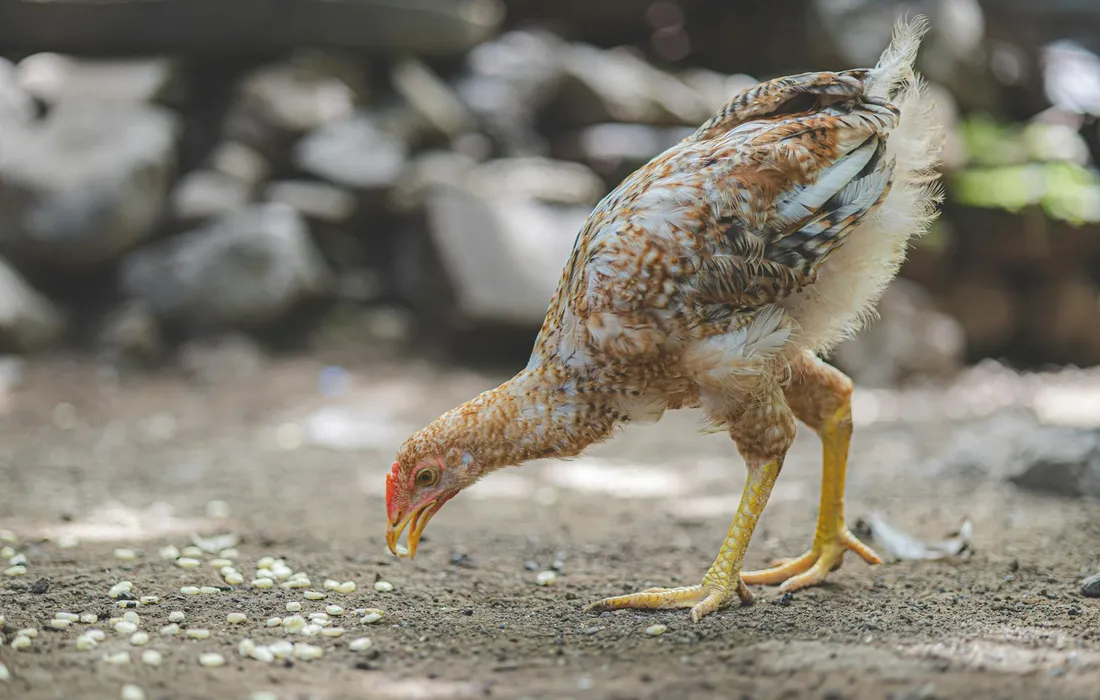
Watching your chicks sprout feathers and lose their baby fluff is a proud moment. Their diet needs to mature right along with them. Sticking with starter feed too long can cause problems, and switching too early can stunt their growth. The key to a healthy flock is matching their feed to their life stage, and I’ve learned that timing is everything.
From Starter to Grower: The Teenage Diet
Right around 6 to 8 weeks old, your pullets (young hens) and cockerels are not chicks anymore. They’re entering their gawky, fast-growing teenage phase. This is when you’ll want to swap their starter feed for a grower/finisher ration. The most noticeable change is the protein level, which drops from 20-24% in starter to a more moderate 16-18%. This lower protein supports steady, strong bone and muscle growth without pushing them too hard. I make the switch when they’re fully feathered and out in the coop, which for me usually hits at that 7-week mark.
The Layer Feed Milestone: It’s All About Calcium
The next big shift comes at the cusp of egg production, around 18 weeks of age or when you spot that very first egg. You’ll switch from grower feed to a complete layer feed. This isn’t just a subtle change-it’s a fundamental dietary overhaul to support shell formation, requiring a calcium boost to 3-4%. Feeding layer feed too early can damage a young bird’s kidneys, but feeding it too late means those first eggs might have rubbery or paper-thin shells. I keep an eye on their combs and wattles; when they turn a bright, vibrant red, I know it’s almost time.
How to Switch Feeds Without a Hitch
A sudden feed change can upset delicate digestive systems. I always transition my birds gradually over 7 to 10 days using the simple mixing method:
- Days 1-3: Mix 75% old feed with 25% new feed.
- Days 4-6: Shift to a 50/50 blend of old and new.
- Days 7-9: Use 25% old feed with 75% new feed.
- Day 10: Offer 100% of the new feed.
Monitor their droppings and appetite during this time. A slow transition gives their gut microbes time to adapt, preventing diarrhea or feed refusal that can set your flock back.
A Critical Warning on Calcium
Here’s a barnyard rule I live by: Never, ever feed high-calcium layer feed to roosters, chicks, or non-laying birds. The excess calcium can cause severe kidney damage and other health issues over time. If you have a mixed flock, feed an all-flock or flock-raiser ration to everyone and provide crushed oyster shell freely in a separate dish so only the laying hens can take what they need. I learned this the hard way years ago with a beloved rooster, and it’s a mistake I won’t let y’all make.
Scratch Grains: When and How to Use This Treat
Let’s set the record straight on scratch grains, a topic that’s caused more confusion in my barnyard than a fox in the henhouse. Scratch grains are a carbohydrate-rich treat, typically a mix of cracked corn, wheat, and barley, and they are not a complete feed for any bird, chicken, goose, or otherwise. I treat ’em like the candy of the coop-fine in tiny doses, but it’ll ruin supper every time if you let it. Grains for chickens—like wheat and milo—also carry mold safety considerations, especially if stored damp or long. Proper handling and storage keeps your flock healthy.
Pinpointing the Right Time to Introduce Scratch
Patience is a virtue, especially with young poultry. On my homestead, I make sure my chicks are a sturdy 8 to 10 weeks old and have been fully settled on their grower feed for a good while before I even show ’em a handful of scratch. You must wait until they’re fully weaned onto that grower ration to prevent any nutritional gaps during their critical development. I learned this the hard way years ago by offering scratch too soon; those pullets never did lay as robustly as their sisters who waited.
Weighing the Pros and Cons
Like most things on the farm, scratch grains are a tool with a specific purpose, and you’ve got to understand both its shine and its rust.
The Benefits: More Than Just a Snack
- Encourages Natural Foraging: Tossing scratch in the dirt gets birds scratching and pecking, which is good for their minds and keeps your pasture turned over.
- Provides Winter Energy: That hit of extra carbohydrates can help your flock generate body heat on the coldest mornings. I always watch my geese hustle a bit more for a sprinkle of scratch when the frost is on the pumpkin.
- A Handy Training Aid: A rattling can of scratch is how I taught every chicken I’ve ever raised to come running, which makes corralling them a breeze.
The Risks: The Downside of Overindulgence
- Nutritional Imbalance: Scratch is low in protein and essential vitamins. Fill a bird’s crop with it, and they’ll skip their balanced feed, leading to poor growth and feathering.
- Obesity and Health Issues: Just like us, birds can get fat, especially less-active layers or waterfowl. I’ve had to put roosters on a “scratch diet” more than once to get them back in breeding shape.
- Wasted Feed and Attracting Pests: Spilled scratch grains are an open invitation for mice and rats to set up shop in your coop.
Smart Feeding Practices for Your Flock
Using scratch wisely is all about timing and portion control. The golden rule is to offer scratch only after your birds have filled up on their complete feed for the day, and never give more than what they can clean up in 10-15 minutes. My favorite method is a limited evening ration. Tossing a small handful just before dusk gives them a nice treat and encourages everyone to head back into the coop for the night, no fuss required. It’s a little trick that’s saved me many a twilight chase around the pasture.
Kitchen Scraps: Turning Leftovers into Nutritious Treats
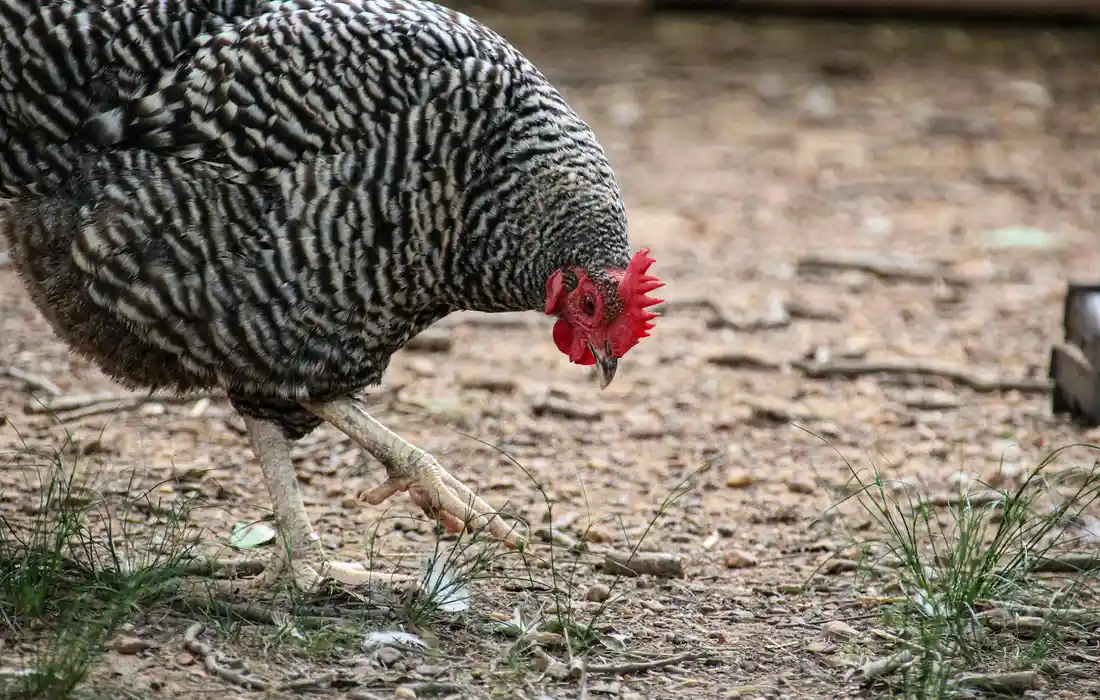
Now, let’s talk about the fun part-treats from your kitchen. I reckon every homesteader gets a joy from seeing their flock rush over for a handful of good scraps. But patience is a virtue here, as you should wait until those chicks are at least six weeks old and sturdy on their feet before offering any table leftovers. Their young digestive systems need time to mature on steady starter feed first.
Safe Scraps vs. The No-No List
Not all human food is chicken food. I keep two mental lists, born from years of tossing treats over the fence.
The “Go Ahead and Toss It” List
These are our usual suspects, always a hit in my coop:
- Leafy greens like kale, lettuce, and chard (a bit of free-choice scratch prevention).
- Cooked plain grains: rice, oatmeal, or quinoa are excellent warm breakfasts in winter.
- Vegetable peels and ends from carrots, cucumbers, and squash (chopped, of course).
- Melon rinds and seeded berries; they adore pecking at these.
- Cooked plain pasta or bits of unsweetened cereal.
- Pumpkin and squash guts, seeds and all-great for hydration and worm control.
- Crushed eggshells, baked dry and powdered, for their calcium needs.
The “Never, Ever” List
Some things are pure poison to a chicken. I’ve seen a bird get into the wrong compost pile, and it’s a sorrowful lesson about foods toxic or harmful to chickens.
- Avocado pits and skins contain persin, a toxin that can stop a chicken’s heart.
- Any salty snacks, processed foods, or greasy meats-their kidneys can’t handle the salt and fat.
- Chocolate or anything caffeinated; it’s as bad for them as for dogs.
- Raw potato peels or green potatoes (the solanine is harmful).
- Dried or undercooked beans; they contain hemagglutinin, which is deadly.
- Moldy or rotten food of any kind. If you wouldn’t eat it, don’t feed it.
The Golden 10% Rule
This is the single most important piece of scrap advice I can give you. Kitchen scraps and treats should never make up more than one-tenth of your flock’s total daily food intake. Their complete feed is formulated to be the mainstay, providing all the vitamins, minerals, and protein they require. Think of scraps like dessert-a delightful supplement, not the main course. I measure by the handful; for every ten handfuls of layer pellets they eat, one handful of scraps is the absolute max.
Smart Preparation is Key
How you serve scraps matters for safety and nutrition. I always chop larger items finely to prevent choking and stop boss hens from running off with a huge prize. For the best results, mix those chopped scraps right into their regular feed in the trough. If you’re considering kitchen scraps leftovers, a complete safety guide can help you keep things safe. It covers how to prep and what to avoid. This encourages the birds to eat a balanced meal, rather than just picking out the “junk food” and leaving their nutritionally complete pellets behind. It turns a simple treat into a fortified foraging experience.
Building a Feeding Schedule by Age and Flock Type
Step-by-Step Schedule for Egg-Laying Hens
Raising pullets for eggs is a rewarding journey, but getting their feed right from the start makes all the difference. I’ve watched countless flocks thrive by sticking to a simple, age-based schedule that matches their changing needs. Here’s my weekly guide, straight from the coop.
- Weeks 1 to 4: Feed a high-quality chick starter crumble with 20-22% protein. Offer roughly 1/4 cup per chick daily, but keep feeders full at all times-these little ones eat small, frequent meals. I use shallow trays to minimize waste.
- Weeks 5 to 8: Switch to a grower feed containing 16-18% protein. Increase daily amount to about 1/3 cup per bird. This is when I introduce insoluble grit in a separate dish; a teaspoon per bird weekly helps their gizzards grind food, especially if they start scratching in the run.
- Weeks 9 to 16: Continue with grower feed, upping daily intake to 1/2 cup per pullet. Their appetites grow with their frames, so check feeders twice a day. I recall one batch that feathered out beautifully on this plan, ready for the next stage.
- Weeks 17 to 18: Begin transitioning to layer feed over 7-10 days by mixing grower and layer rations. Layer feed has 16% protein and added calcium for strong shells. Aim for 3/4 cup per bird daily by week 18.
- Week 18 and beyond: Provide complete layer pellets or crumble free-choice. In winter, I boost calories by offering a handful of scratch grains per hen in the evening; it helps them stay warm and maintain production. During summer heat, ensure plenty of fresh water and consider feeding in the cooler morning hours.
Step-by-Step Schedule for Meat Birds (Broilers)
Meat birds live on a fast track, and their feeding schedule must keep pace. From my experience, a precise, high-protein diet is the cornerstone of raising healthy broilers that reach weight efficiently. Here’s how to structure their short but vital growth period.
- Days 1 to 10: Start with a high-protein starter crumble at 22-24% protein. Feed must be available constantly-they’ll eat about 1/4 cup per bird daily initially, but consumption doubles quickly. I use trough feeders that are easy for chicks to access.
- Days 11 to 28: Continue with starter or switch to a finisher feed at 18-20% protein. By day 28, aim for birds to weigh 4-5 pounds. Keep feeders topped up around the clock; broilers eat almost nonstop to support rapid growth.
- Days 29 to processing (typically 6-8 weeks): Use a finisher feed. Most broilers reach 5-7 pounds by week 8. Process birds before they become too heavy for their legs to prevent mobility issues, a lesson I learned early on when a few grew too fast.
- For alternative meat breeds like heritage varieties: These slower-growing birds need a modified schedule over 12-16 weeks. Use a moderate protein feed (18-20%) and allow more forage time. They require less intensive feeding but monitor weight to avoid excess fat buildup, which can affect meat quality.
Beyond the Basics: Essential Supplements for Health
Now, a complete feed is a mighty fine foundation, but it ain’t the whole story for a thriving flock. Just like we might need a little extra somethin’ during a hard week, your birds require specific supplements to unlock the full nutrition from their feed and stay in top condition. Trust me, skipping these is like trying to run a tractor without oil-things will seize up sooner than you’d like.
That Gritty Business: Your Flock’s Built-In Grinder
Chickens don’t have teeth. They swallow food whole and rely on a muscular pouch called the gizzard, packed with hard little stones, to grind everything up. If you ever feed whole grains, scratch, or any kitchen scraps tougher than a soft pea, you must provide insoluble grit-it is non-negotiable for proper digestion. Chickens intentionally ingest small rocks to form the grit that helps their gizzard grind tough feed. This is the essence of “grit”—why chickens eat rocks and stones to aid digestion. I learned this lesson years back when a favorite hen, Bertha, got a miserably impacted crop from too many carrot peels without grit to break them down. Insoluble grit, like granite chips or commercial poultry grit, stays in the gizzard to do the grinding work. Offer it free-choice in a small dish or hopper, and your birds will take what they need.
Calcium on Demand: For Strong Shells and Strong Hens
When your pullets start to lay, their calcium requirement skyrockets. Layer feed has some, but it’s often not enough for every bird, especially your heavy producers. You should offer a calcium supplement like crushed oyster shell or your own baked-and-crushed eggshells in a separate container the moment you see that first egg. This free-choice method is crucial. Hens are brilliant at self-regulating; they’ll consume extra calcium just when their bodies demand it for shell formation. I keep a red cup filled with oyster shell right by the coop door-it’s a habit as regular as morning coffee.
Weathering the Storm: Extra Support for Stressful Times
Life on the farm comes with natural stresses that drain a bird’s resources. During the annual molt, when they’re regrowing feathers, or in bouts of extreme heat or bitter cold, their systems are taxed. Adding a poultry-specific vitamin and electrolyte supplement to their water for a week during these times can dramatically boost their resilience and speed recovery. Think of it as a nourishing tonic. In a deep winter freeze, I’ll also sprinkle a powdered vitamin pack over their moistened feed to ensure they’re getting all the building blocks they need to stay warm and healthy.
The Golden Rule of Supplementation: Separate and Self-Serve
The key to successful supplementing is choice and control-for the chickens. Always provide grit, calcium, and any other minerals in their own dedicated, clearly identifiable containers, never mixed into the main feed. This allows each bird to seek out exactly what her body craves, prevents overconsumption, and stops dominant hens from hogging all the goodies. I use three little hanging poultry feeders: one for grit, one for oyster shell, and one for dried black soldier fly larvae as a protein treat. This system is cheap, simple, and puts the wisdom of the flock to work.
Troubleshooting Common Chicken Feeding Issues
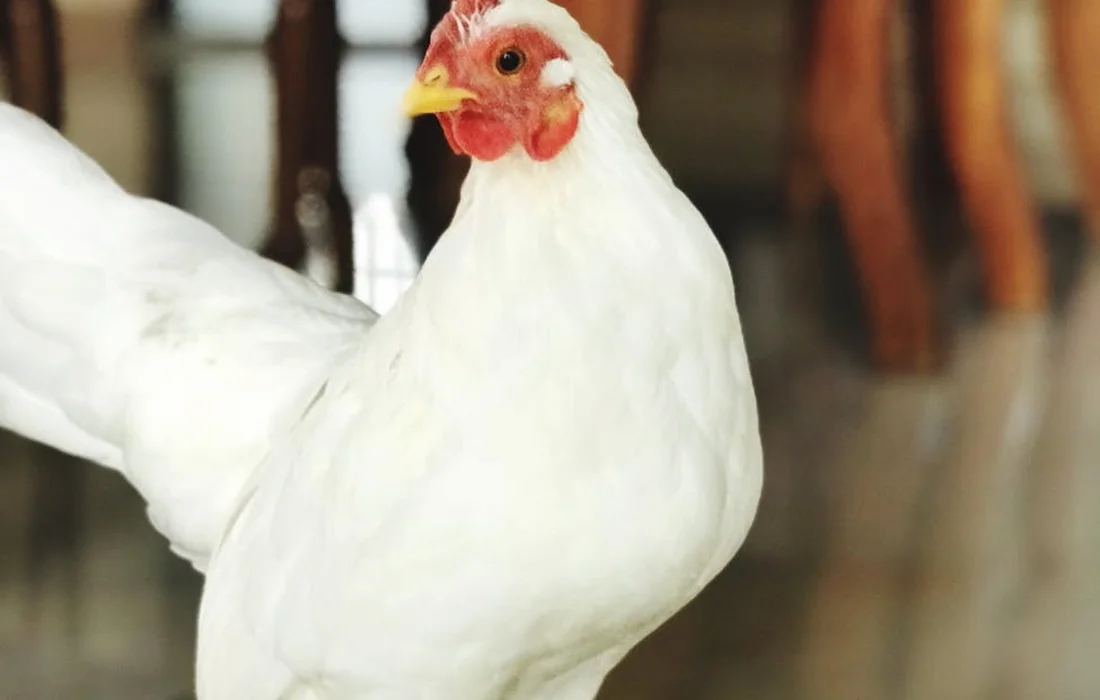
Even with the best-laid plans, sometimes things go sideways at the feeder. Don’t fret-most problems have a simple fix rooted in observation and a slight tweak of routine. Your flock’s condition and behavior are the best daily report card on your feeding program.
Assessing Your Feed Quality & Handling Old Feed
Feed is an investment, and like any good steward, you need to ensure your stock is sound. I’ve opened one too many bags that smelled… off. Trust your nose. Fresh feed should have a clean, slightly sweet, grainy smell. If it smells musty, rancid, or like chemicals, it’s time to let it go.
Look for clumping, which signals moisture and potential mold growth. Check for an excessive amount of fine powder at the bottom of the bag; that’s often less nutritious and can irritate airways. Always buy from a supplier with high turnover to ensure you’re getting the freshest bag possible, and store feed in a metal bin with a tight lid, away from damp and rodents.
Now, what about that half-bag from last season? If it smells fine and isn’t clumped, you can use it, but blend it with fresh feed over a week. Never feed moldy feed-it can cause serious illness. For stale but safe pellets, I’ll often moisten a portion with warm water or broth to make a mash for the hens; they gobble it up, and nothing is wasted.
Bringing a Scrawny Hen Back to Glory
Finding a hen looking peaked and thin tugs at your heartstrings. I had a Speckled Sussex named Bertha who fell behind. The key is a two-pronged approach: a protein boost and treat restriction.
First, isolate her at feeding times if the flock bullies her away from the main feeder. Offer her a private, high-protein buffet. My go-to rehab mix is a mash of her regular crumbles soaked in plain yogurt or goat milk, with a hefty spoonful of dried soldier fly larvae or mealworms mixed in. Scrambled eggs are a perfect, quick protein hit. Feed this high-octane mix to her exclusively for 10-14 days, and you’ll watch her flesh return and her comb regain its color.
Critically, during this time, stop scattering scratch grains and kitchen scraps for the whole flock. Those empty calories fill them up so they eat less of the nutritious feed she desperately needs. Once she’s robust and holding her own, you can slowly reintroduce communal treats.
Solving Eggshell, Feather, and Waste Problems
Your chickens will tell you what’s missing in their diet, if you know how to listen.
Poor Eggshell Quality
Thin or rubbery shells scream calcium deficiency. Laying hens have a massive calcium demand. While layer feed contains some, it’s often not enough for heavy producers. Always offer a separate, free-choice supplement like crushed oyster shell or limestone grit in a dedicated dish. The hens will take what they need, when they need it. I keep a little bowl right next to their nesting boxes.
Feather Picking & Cannibalism
This distressing habit usually stems from boredom or protein hunger. Ensure your flock is on a correct protein-level feed (16-18% for layers). If you see picking, immediately increase their protein with a supplement like soybean meal or fish meal mixed into feed for a week. More importantly, give them something to do. Hang a head of cabbage, provide a deep litter to scratch in, or toss a flake of hay into their run. A busy chicken is a polite chicken.
Wasteful Eating Habits
Chickens aren’t tidy eaters. They’ll flick feed out of the feeder searching for the best bits. To combat this, use a trough-style feeder with a lip or a treadle feeder that closes when they step off. Ensure the feeder is at wing height to discourage perching and pooping in it. I found my waste dropped by half when I switched from a round hanging feeder to a long trough. If they’re consistently wasting a certain type of feed, they might be telling you they don’t like it or it’s stale—listen to them.
One winter, I noticed a lot of feed on the ground and feathers looking dull. Turns out, the feed I’d bought was dusty and old. The hens were protesting. A switch to a fresher brand and a deep, sandy dust bath area solved both issues within a fortnight. It’s all about connecting the dots between the pantry and the pasture. If feather condition is still off, troubleshooting the diet is a good next step. Tweaks to protein, amino acids, and micronutrients can help restore vibrant plumage.
Closing Tips & Handy Resources
Is there a simple PDF chicken feeding guide I can print for my coop?
Many university agriculture extensions and reputable feed companies offer free PDF guides. These are excellent for taping inside your feed shed as a quick-reference chart for protein levels and transition timelines. Always ensure any guide you download is from a current, trustworthy source to match modern poultry nutrition standards.
How strictly should I follow a chicken feeding guide by age?
Use age-based guides as a strong framework, but always let your flock’s physical development be your final guide. A pullet’s bright red comb and wattles are a more reliable sign to switch to layer feed than the calendar alone. Observing your birds’ body condition and behavior is the hallmark of good husbandry.
How do I adapt a chicken feeding guide for the Philippines or a tropical climate?
In hot, humid climates, the core principles remain, but feed storage becomes critical to prevent spoilage and mycotoxin growth. You may also need to provide higher-protein feed during rainy seasons when natural foraging is limited, and always ensure ample clean, cool water to prevent heat stress.
Why is a week-by-week chicken feeding guide useful?
A weekly guide provides clear milestones, helping you anticipate feed changes before your birds need them, like preparing for the starter-to-grower transition. It’s also invaluable for tracking the growth rate of meat birds to ensure they reach processing weight efficiently and healthily.
What’s the difference between a layer and a broiler chicken feeding guide PDF?
The key difference is the protein progression and end goal. A broiler guide focuses on rapid, high-protein growth to a finish weight by 6-8 weeks. A layer guide emphasizes steady development and includes the critical switch to a high-calcium feed at point of lay to support eggshell strength for years.
Where can I find a feeding guide for specialty breeds like Sasso chickens?
Your best resource is the breeder or hatchery you purchased from, as they often provide breed-specific nutritional guidelines. For heritage or alternative meat breeds, look for guides labeled “slow-growing” or “pastured,” which will outline a longer, more moderate protein schedule than for industrial broilers.
Shutting the Gate
After decades with chickens, from bantams to Brahmas, I’ve found the whole feedin’ question boils down to mindful observation and a steadfast routine. Your flock’s health hinges on you treatin’ their complete feed as the unwavering cornerstone of every day, with scratch and scraps served only as a occasional delight, never a replacement. I keep my feed buckets labeled and my eyes open-when the hens are bright-eyed and the eggs have strong shells, I know the balance is right.
I’m right glad we could share this time together. There ain’t nothin’ quite like the contented murmur of a well-fed flock at dusk. So here’s a neighborly wave-y’all take that knowledge back to your coop, and may your days be filled with good, honest work and the simple joy of watchin’ your critters thrive.
Further Reading & Sources
- When to feed chicks regular chicken food?
- Chicken feed guide – Sharpes Stock Feeds
- Feeding Chickens at Different Ages | The Chicken Chick®
Caroline Mae Turner is a lifelong farm girl raised on red clay, early mornings, and the sounds of a bustling barnyard. With hands-on experience caring for everything from stubborn goats to gentle dairy cows and mischievous pigs, Caroline shares practical, tried-and-true advice straight from the farm. Her goal is to help folks keep their animals healthy, well-fed, and living their best barnyard life. Whether you're wrangling chickens or bottle-feeding a baby goat, Caroline brings a warm Southern touch and plenty of real-world know-how to every bucket in the barn.
Feeding Guidelines