
Rabbit-Safe Garden Vegetables: A Complete Foraging and Planting Guide
Howdy y’all. The quickest fix for worry-free feeding is to stick with the leafy workhorses like romaine lettuce, cilantro, and carrot tops, while giving a wide berth to all members of the onion and potato families. I reckon nothing beats the peace of mind from watching your flock nibble on greens you grew yourself, right from the backyard.
What you’ll need:
- A handy list of proven-safe plants and their toxic look-alikes
- A small plot or a few sturdy containers for planting
- Quality seeds or seedlings for quick-growing greens
- A few minutes each day for observation and harvest
Let’s walk through this together, and I’ll have you back to your other chores with a clear plan and a happy hutch in no time flat.
Why Your Barnyard Needs a Rabbit-Friendly Garden Plot
Now, I reckon some folks might wonder why to bother with a special plot just for bunnies when the pasture is green. Let me tell you, after forty years of mixing livestock and crops, a dedicated rabbit garden is a game-changer for a thrifty homestead.
I’ve seen my own rabbits perk up, with glossier coats and brighter eyes, when they get a daily handful of homegrown greens instead of just pellets. Growing your own rabbit feed is the single most effective way to cut down on feed bills while boosting your animals’ vitality. Balancing pelleted food with fresh vegetables is key for nutrition and cost, so you can tailor a diet that stays affordable without compromising health. By pairing greens with the right pellets, you keep fiber up and calories in check.
Beyond the feed bucket, these plots work double duty. Let your chickens scratch through the harvested beds or toss leftover trimmings to the pigs. A rabbit-friendly garden creates a beautiful cycle of no-waste nutrition that benefits your entire barnyard economy.
Planting for your rabbits is a deep form of stewardship. You’re ensuring they get clean, pesticide-free food, and you’re learning to see the land through their eyes. Respecting an animal means understanding what fuels its best life, and nothing beats the goodness of sun-ripened leaves you grew yourself. In the next steps, we’ll explore which plants are safe or unsafe for rabbits and which foods to favor or avoid.
The Master List: Rabbit-Safe Vegetables and Herbs to Grow and Forage
Here’s the heart of the matter-what to actually plant. This list comes straight from my garden rows and the safe edges of my fields. Remember, introduce any new green slowly to your bunny’s diet to avoid tummy upset.
Focus on leafy greens and hardy herbs; they’re typically the most nutrient-dense and easiest for rabbits to digest. I always plant more than I think I’ll need, because sharing with the geese and goats is half the fun. Plus, it’s essential to know which vegetables are safe for rabbits to eat.
Top Vegetables to Grow
- Romaine Lettuce: A staple in my hutches. It’s got good moisture and far more nutrients than iceberg.
- Kale (all types): A cold-weather champion. I grow Curly and Lacinato. It’s rich in vitamins, but feed in moderation mixed with other greens.
- Carrot Tops: Don’t toss those greens! My rabbits prefer them over the carrot itself. They’re perfect for foraging from your root crop patch.
- Bell Peppers (the fruit): A sweet, crunchy treat. Remove the seeds and stem first. The plants themselves aren’t for eating.
- Radish Leaves: Another fantastic dual-use plant. The rabbits get the peppery leaves, and you get the root.
- Broccoli Leaves: Once your broccoli head is harvested, those massive leaves are prime rabbit food.
Trustworthy Herbs & Flowers
- Mint: It spreads like wildfire, so I grow it in pots. A few sprigs aid digestion and are a fragrant treat.
- Basil: My rabbits gobble this up in summer. I plant Genovese and Thai just for them.
- Dill: Easy to grow from seed. The feathery leaves and stems are safe and loved.
- Borage: This self-seeding beauty produces edible leaves and flowers that are perfectly safe.
- Marigold (Calendula): The petals are a healthy, colorful addition. I scatter seeds in the garden borders.
Foraging Favorites
Always forage from areas you know are chemical-free. My rule is to take only what I can positively identify.
- Dandelion: The entire plant-leaf, flower, and root-is a nutritious powerhouse. A free salad bar growing right in your yard, packed with calcium and vitamin A.
- Plantain (the broadleaf weed): Not the banana! This common lawn weed is excellent for rabbits.
- Raspberry & Blackberry Leaves: Prune your canes and dry the leaves. They’re wonderful for supporting rabbit health.
Plants to Avoid: Common Garden Toxins for Bunnies
Just as important as knowing what to feed is knowing what to fence out. Rabbits have sensitive systems, and some common garden plants can cause serious harm when foraged on. It’s essential to understand what you should let rabbits eat in the garden and what to keep out of reach.
When in doubt, leave it out-that’s the golden rule I teach every new hand on the farm. I learned this the hard way years ago when a curious bunny got into an ornamental bed.
- Nightshades: This family includes tomato and potato plants (the vines, leaves, and green fruit). The ripe tomato fruit is safe, but never the plant.
- Alliums: Onions, garlic, leeks, and chives. These can cause blood disorders in rabbits.
- Legumes: Avoid feeding beans or pea plants (the vines and pods). They can cause gas and bloating.
- Rhubarb Leaves: Highly toxic due to oxalic acid. Keep this pie plant far from your rabbit plot.
- Ivy (any variety): Often grown on fences or as ground cover, but all ivy is poisonous to rabbits.
- Foxglove & Delphinium: Beautiful but deadly. These common flowers have no place near animals that forage.
I keep a simple laminated list of these toxic plants right on my garden shed door. A vigilant eye and a well-planned plot are your best tools for keeping your flock of bunnies hopping with health.
Planning and Planting Your Rabbit’s Salad Bar
A Seasonal Planting Schedule for Continuous Harvest
Now, I reckon the secret to a happy hutch is a garden that keeps on giving. By stitching together a patchwork of plantings across the seasons, you’ll never face an empty feed basket, and your rabbits will thrive on nature’s freshest buffet.
I learned this the hard way one lean March, watching my last wilted kale leaf disappear. From that day on, I planned my garden like a calendar, and I’ll show you how to do the same.
Spring’s First Bite: Cool-Weather Sowings
As soon as the ground thaws, get these seeds in. Planting a 4-foot by 4-foot bed of these cool lovers will provide ample greens for a trio of rabbits through late spring.
- Leaf Lettuce (Romaine, Butterhead): Sow every two weeks for a cut-and-come-again harvest. Ready in 45-50 days.
- Cilantro and Parsley: Direct seed early spring; these herbs are packed with flavor and nutrients.
- Radishes: Quick growers! You can feed both the peppery tops and the roots in about 30 days.
- Spinach and Swiss Chard: Great for early greens. Chard, in particular, will keep producing if you just pick the outer leaves.
I always tuck in some carrot seeds, too, for their tops. The lacy carrot greens are a bunny delicacy and offer a nice bit of roughage.
Summer’s Bounty: Heat-Tolerant Staples
When the sun gets high, switch to these rugged plants. Summer gardens demand vegetables that won’t bolt at the first sign of heat, ensuring your rabbits get consistent nutrition.
- Kale (Curly and Dinosaur): A powerhouse green. Start in late spring for summer harvest; it can handle a light frost later, too.
- Basil and Mint: Plant in pots to control spreading. These aromatic leaves aid digestion and are always a hit.
- Bell Pepper Plants: We grow them for the sweet fruits, but my rabbits adore the leafy plants. Just ensure they’re pesticide-free.
- Zucchini and Summer Squash: The large leaves are excellent fodder, and you can share the squash itself as a treat.
Water deeply in the morning. A drip line or soaker hose saves water and keeps leaves dry, preventing mildew that can spoil your harvest.
Fall’s Fortifying Harvest: Planting for Resilience
This is your chance to extend fresh feeding well into cooler months. Succession planting in late summer sets you up for a robust autumn yield that’s often sweeter after a light frost.
- Direct Seed in Mid-August: More kale, spinach, and Swiss chard. These get a second wind in the cool fall air.
- Plant Root Crops: Beets and turnips. Their tops are fantastic greens, and the roots store well for winter treats.
- Sow Fast-Growing Greens: Arugula and mustard greens mature quickly in the shortening days.
I dedicate a 10×10 plot for this fall mix. This square footage supports my small herd through November, cutting down on stored feed costs significantly.
Winter’s Promise: Hardy Holdovers and Protected Greens
Even in colder zones, you can provide fresh picks. With a simple cold frame or low tunnel, you can harvest sparse but valuable greens during the dormant season.
- Overwintered Kale and Collards: If planted in fall, they’ll survive under snow and provide occasional leaves.
- Claytonia (Miner’s Lettuce): A cold-hardy salad green that thrives in protected beds.
- Carrot Tops: Dig up the last carrots, but snip the tops to feed first; the roots can be stored in sand.
It’s not a feast, but it’s a fresh supplement. Those little bites of green do wonders for a rabbit’s digestion and spirit when the world is frosty.
Making It All Work: Practical Rotation Tips
Don’t let your beds sit empty. As soon as you pull one crop, have seeds ready for the next season’s planting to keep the cycle rolling.
I keep a simple journal by the back door. Noting what I planted and when prevents guesswork and ensures my rabbits’ salad bar never closes.
Rotate your planting families each year. Moving your leafy greens to a new spot each season keeps the soil healthy and pests confused, which is just good stewardship.
Reckon on about 1 to 2 square feet of growing space per rabbit per season for a steady supply. This ratio has never failed me, providing plenty for fresh feeding and even some for drying as winter hay topper.
Smart Gardening: Protecting Your Plants and Your Rabbits
Water Wisely: Simple Irrigation for a Thriving Patch
Getting water to your garden might seem straightforward, but how you deliver it makes all the difference for your plants and the rabbits who’ll enjoy them. I reckon proper irrigation is the silent partner in growing rabbit-safe veggies, preventing a host of problems before they ever take root.
Overhead watering with a sprinkler can drench leaves, inviting mildew and blight that render plants unsafe. Focus your water at the soil level to keep foliage dry and disease-free, which is a cornerstone of sustainable stewardship for any critter’s meal.
My own rows of kale and cilantro taught me that thirsty, stressed plants attract more pests, leading me to reach for sprays I’d rather avoid. A consistently moist root zone grows robust plants that naturally resist bugs, giving you and your rabbits a cleaner harvest.
Here are my favored, thrifty ways to water smartly:
- Soaker Hoses: These porous hoses weep water along their length. I lay them right down the planting bed and cover them with a bit of mulch. They cut my water use by half and keep rabbit-friendly herbs like basil and mint perfectly hydrated.
- DIY Drip Lines: With an old main hose and some cheap emitter fittings, you can build a targeted system. It’s perfect for delivering deep drinks to carrot and beet patches without washing away the soil.
- Watering Cans for Precision: For small plots or potted plants, nothing beats the control of a watering can. You can direct flow away from delicate seedlings and avoid splashing soil onto tender leaves.
Setting up a simple soaker system is a one-afternoon job that pays back for seasons. Follow these steps to get your patch sipping efficiently:
- Map your garden rows and measure the length of hose you’ll need.
- Connect your soaker hose to a main hose with a pressure regulator.
- Snake the soaker hose through your beds, placing it close to plant stems.
- Cover the hose with an inch or two of straw or leaf mulch to prevent evaporation and sun damage.
- Use a simple timer on your faucet to water in the early morning, reducing waste and giving plants time to drink up before the heat of the day.
I learned the hard way that waterlogged soil is just as bad as dry dirt. Stick your finger a couple inches into the earth near your plants; if it feels moist like a wrung-out sponge, you’ve hit the sweet spot for healthy roots and safe foraging.
This mindful approach to moisture conserves our precious well water and grows the kind of crisp, vibrant greens my rabbits eagerly await. Smart watering is a quiet act of respect for the land and the animals that depend on it.
From Garden to Hutch: Harvesting, Feeding, and Storing
Now that your garden is bursting with goodness, let’s talk about gettin’ those greens from the soil to your rabbit’s supper bowl. How you harvest, serve, and save your bounty makes all the difference for your rabbit’s health and your garden’s longevity. I’ve learned a thing or two over the years, often the hard way, so y’all can benefit from my mistakes.
Picking at the Peak: Harvest Know-How
Timin’ your harvest ain’t just about plant health; it’s about max nutrition for your critters. I like to gather greens in the cool of the mornin’, when their water content is high and they’re perkiest. Always harvest more than you need for the day-you can store the extra, but you can’t grow more in an instant.
- For leafy greens like romaine, kale, and herb tops: Snip outer leaves first, leavin’ the center to keep producin’. Use sharp shears for a clean cut.
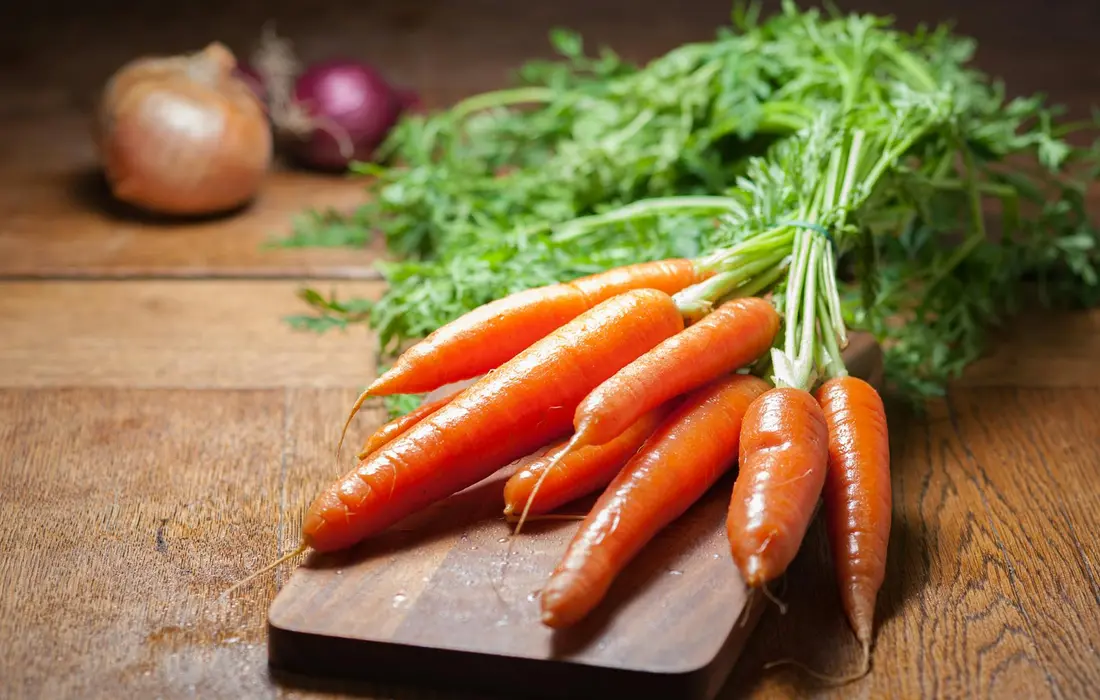
- For root veggies like carrots and radishes: Gently loosen the soil around ’em and pull. Those tops are pure gold for rabbits, so don’t toss ’em!
- For vines like pea plants or squash: Take a few leaves and tendrils from several plants, never strippin’ one bare. This keeps the plant strong.
- Wash all harvests in cool water to remove dirt and any hitchhikin’ bugs. Let ’em dry on a towel before feedin’ or storin’. A bit of damp is fine, but soakin’ wet greens can mold quick.
Serve It Up Safe: The Feeding Routine
Introducin’ new garden treats is where many folks rush and regret it. A rabbit’s gut is a delicate balance. Start with a portion no bigger than your thumb for each new vegetable, and offer only one new type every two to three days. This patience lets you spot any tummy troubles before they become a crisis. That approach fits into transitioning your rabbit’s diet safely as you introduce new foods. When you plan the transition, pair new items with trusted staples and monitor digestion closely.
I recall when my doe, Buttercup, got her first taste of dandelion greens from the garden. I was so excited I gave her a whole handful. Let’s just say the next 24 hours were a lesson in moderation I won’t forget. Now, I follow a simple daily plate plan:
- Foundation: Unlimited grass hay (timothy or orchard) should always make up 80% of their diet.
- Garden Greens: Offer about 1 packed cup of assorted safe greens per 2 pounds of rabbit body weight daily.
- Treat Veggies: High-sugar items like carrots or bell peppers are just that-treats. A one-inch cube per day is plenty.
Watch your rabbits close after feedin’. Bright eyes, firm droppings, and eager nibbles mean you’re on the right track. If droppings get soft or small, scale back the greens and push more hay.
Putting By: Storing Your Surplus
A thrifty homesteader never wastes a good harvest. With a little effort, you can extend your garden’s generosity through leaner times. Proper storage preserves nutrients and saves you money on feed, embodying that wise stewardship we aim for.
For short-term keep (2-3 days), wrap dried greens loosely in a damp tea towel and place ’em in your fridge’s crisper drawer. For longer storage, I swear by two methods:
- Blanching and Freezing: This is my go-to for greens like beet tops and broccoli leaves. Drop ’em in boilin’ water for 60 seconds, then straight into ice water. Drain, pat dry, pack into freezer bags, and squeeze out all the air. They’ll keep for months.
- Dehydrating: Herbs like mint, basil, and parsley dry beautifully. Use a dehydrator or a low oven until crisp, then crumble and store in jars. I sprinkle these over hay in winter for a flavor boost.
Never store or feed wilted, slimy, or moldy vegetation. If you wouldn’t eat it, don’t feed it. When in doubt, throw it out-it’s cheaper than a vet visit. A small, labeled bin in the freezer for “rabbit garden mix” helps you rotate stock and always have a healthy snack on hand. For a simple, reliable feeding plan, you can consult a domestic rabbit diet guide. It covers balanced hay, greens, and pellets to keep your rabbit happy and healthy.
Integrating the Rabbit Garden into Your Whole Homestead
Now, don’t think of that little plot for your bunnies as a separate, fussy endeavor. The true magic happens when you weave your rabbit garden right into the daily rhythm and economy of your entire farm. It becomes less of a chore and more of a thriving, interconnected hub that saves you money and lifts the health of all your critters.
Feed More Than Just Rabbits
I reckon one of the most satisfying feelings is walking out with an armload of kale and knowing it’s about to feed three different species. Many of the greens and roots your rabbits thrive on are pure gold for your other livestock, especially when fresh pasture is scarce.
- Chickens: They go wild for carrot tops, beet greens, and any bolted lettuce or herbs. I often toss whole sunflower heads (once the seeds are formed) into the run. It provides entertainment and a healthy snack.
- Geese & Ducks: These grazers adore tender young comfrey leaves, dandelion greens, and Swiss chard. It’s a wonderful way to supplement their grass-based diet.
- Pigs: Nothing goes to waste. Over-mature zucchini, oversized carrots, and any excess pumpkin or squash are celebrated treats. I’ve fed my herd wheelbarrows of clean, spent pea vines after harvest with great results.
- Goats & Sheep: While their primary diet is different, they can enjoy small amounts of broccoli leaves, stripped sunflower stalks, and bramble leaves as a nutritious browse.
The Cycle of Soil and Forage
This is where your rabbit garden pays dividends you can’t see right away. I practice a simple three-year rotation in my main veggie beds that directly benefits the rabbits and rebuilds the land.
- Year One: The Heavy Feeders. Plant your rabbit favorites that need rich soil here-kale, parsley, carrots, and basil. They’ll pull plenty of nutrients.
- Year Two: The Legume Year. This is your soil-rebuilding, forage-creating phase. Sow a thick patch of clover or alfalfa. You can cut-and-carry this incredibly rich, protein-packed forage to your rabbits all season long, while the roots fix nitrogen back into your tired soil.
- Year Three: The Light Feeders or Rest. After the legumes, the bed is revitalized. Plant lettuces or herbs here, or simply let a mix of chicory and dandelion take over for easy, perennial foraging.
This rotation mimics nature’s own renewal process and ensures you’re never mining your soil, but rather building it with every season.
Waste Not, Want Not: The Manure Loop
Here’s the beautiful, closed-loop secret every homesteader comes to cherish. Rabbit manure is what we call a “cold” manure. Unlike from chickens or pigs, you can apply it directly to your garden without it burning tender plants. I keep a deep-litter system in my rabbit hutches, layering with straw and dry leaves.
Every few months, that rich, composted mix goes right onto the very garden beds that grow their food. It’s the perfect, free fertilizer that turns your rabbit garden into a powerhouse of production without a single bag of store-bought feed needing to be purchased for the cycle. I’ve seen my carrot yields double in beds amended with nothing but this homemade rabbit compost.
A Practical Planting Layout for the Busy Homesteader
You don’t need a fancy design. A simple 4′ x 8′ raised bed or a dedicated 10′ row in your main garden works wonders. Here’s how I segment mine for maximum ease and yield:
| Bed Section | What to Plant | Homestead Benefit Beyond Rabbits |
|---|---|---|
| Back Edge (Tall) | Sunflowers, Jerusalem Artichokes | Chicken snack (seeds/heads), pig treats (tubers), windbreak |
| Center Main (Medium) | Kale, Chard, Dill, Basil | Supplement for poultry, herbs for your kitchen, continual cutting |
| Front Edge (Low/Sprawling) | Leaf Lettuces, Creeping Thyme, Clover | Fast-growing greens, ground cover to suppress weeds, bee forage |
| Root Zone (Separate Area) | Carrots, Beets, Radishes | Your kitchen storage crops, pig and chicken treats with tops |
By thinking of your rabbit garden as this kind of multi-purpose homestead engine, it stops being an extra task. It becomes the thriving, generous heart of your farm’s sustainability, nourishing everything from the soil up to the stew pot.
Closing Questions
Can I feed the same rabbit-safe vegetables to all my barnyard animals?
Many rabbit-safe greens like kale and carrot tops are generally safe for chickens, geese, and pigs in moderation. Chickens, in particular, often enjoy safe greens for chickens such as kale, spinach, collards, and lettuce, but safety and moderation remain key. However, always verify species-specific needs, as some animals may require different portions or avoid certain plants, such as high-oxalate greens for sensitive livestock.
How do I start my rabbits on fresh garden vegetables if they’re used to pellets?
Begin by offering small, thumb-sized portions of one new vegetable at a time, mixed with their regular hay. Gradually increase the amount over 7-10 days while monitoring their droppings to ensure a smooth transition without digestive issues.
What rabbit-safe vegetables are best for reducing overall feed costs on a farm?
Fast-growing, cut-and-come-again crops like leaf lettuce, Swiss chard, and herbs such as mint and basil maximize yield with minimal space. Perennial weeds like dandelion and plantain provide free, nutritious forage that benefits multiple animal species.
Are there rabbit-safe plants that could harm other livestock if fed incorrectly?
While rare, some plants like large quantities of brassicas (e.g., kale) may cause thyroid issues in certain animals if overfed. Always diversify feed and research each species’ limits to prevent imbalances, especially for poultry and pigs.
Can I use leftover or bolted plants from the rabbit garden for other purposes?
Yes, bolted greens and garden trimmings can be tossed to chickens as scratch or added to pig slop. Ensure they’re clean and chemical-free, turning potential waste into valuable supplements for your entire barnyard. Chickens eat grass and foraging clippings, so these scraps can help diversify their diet. Just remember lawn safety: avoid clippings from treated lawns or areas where chemicals have been used.
How does feeding rabbit-safe vegetables differ between rabbits and larger animals like cows or sheep?
Rabbits need greens as a supplement to high-fiber hay, while ruminants like cows rely more on pasture and roughage. For all animals, introduce new foods slowly and avoid moldy or wilted vegetation to maintain optimal health.
Shutting the Gate
Well, friends, we’ve walked the row from seed to harvest. The main thing to remember is that a rabbit’s belly, much like our own, thrives on variety and moderation. The single best thing you can do for your bunny is to introduce any new garden green slowly and in small amounts, watching their digestion closer than you’d watch a pot of boiling jam, especially when trying something new like these foraged yard greens. This simple habit prevents most troubles before they ever start.
I reckon there’s few things more satisfying than watching your rabbits nibble on something you grew just for them, their noses wiggling in the dappled sun. It connects you to the land and your livestock in a mighty fine way. I hope your garden flourishes and your rabbits hop with joy. Y’all take care out there, and don’t be a stranger-your stories from your own patch of earth are always welcome here.
Further Reading & Sources
- Best Vegetables for Rabbits: A Healthy Diet Guide
- What Are the Best Vegetables and Leafy Greens for Rabbits?
- r/Rabbits on Reddit: What veggies can I give them daily? Google is confusing
Caroline Mae Turner is a lifelong farm girl raised on red clay, early mornings, and the sounds of a bustling barnyard. With hands-on experience caring for everything from stubborn goats to gentle dairy cows and mischievous pigs, Caroline shares practical, tried-and-true advice straight from the farm. Her goal is to help folks keep their animals healthy, well-fed, and living their best barnyard life. Whether you're wrangling chickens or bottle-feeding a baby goat, Caroline brings a warm Southern touch and plenty of real-world know-how to every bucket in the barn.
Forage Options