Feeding Tomatoes to Rabbits and Guinea Pigs Safely: Your Nightshade Solution
Published on: May 7, 2026 | Last Updated: May 7, 2026
Written By: Caroline Mae Turner
Howdy y’all! Welcome back to the barn. Yes, both rabbits and guinea pigs can eat the ripe fruit of a tomato, but you must never feed the green plant parts-leaves, stems, or vines-as they contain toxic solanine. I’ve handed out many a cherry tomato slice in my time, and getting this right saves a heap of worry.
What you’ll need:
- Fully ripe, red tomatoes (organic is best to avoid pesticides)
- A sharp knife and cutting board for dicing
- Fresh water for washing the fruit
- A few minutes for preparation and observation
Stick with me, and we’ll have this common kitchen scrap turned into a safe treat in no time, letting you get back to your other animals and garden work.
The Nightshade Family and Your Homestead Garden
Walk through any productive homestead garden, and y’all will likely spot tomatoes growing right next to the zinnias and squash. That juicy beefsteak or handful of cherry tomatoes comes from a plant belonging to the Solanaceae clan, better known as the nightshade family. This group includes plenty of garden favorites, but their shared biology demands our respect and a bit of old-fashioned caution when feeding scraps to our critters.
Peppers, potatoes, eggplants, and even tobacco are all nightshade cousins. They produce natural compounds called alkaloids, like solanine and tomatine, as a defense mechanism. In your garden, these chemicals help the plant fight off pests, but in your livestock’s gut, they can stir up a world of trouble if eaten from the wrong part of the plant.
What Makes a Tomato a Nightshade?
Botanically, nightshades have a certain look-their flowers often hang in a familiar way, and the fruit develops from a distinctive ovary. You can see it plain as day on a tomato vine. The critical takeaway for every farmer is that the alkaloids are heavily concentrated in the greenery and unripe fruit, not in the fleshy, ripe tomato we eat.
I learned this lesson young, watching my Papaw carefully prune his plants. He’d say, “The vine’ll fight back if you let it.” That ripe, red fruit has negligible levels of these defensive chemicals, making it the only part we should ever consider for our animals.
Feeding Tomatoes to Rabbits: Ripe Fruit Only, Please
Yes, rabbits can have tomatoes, but the rule is simple: only the ripe fruit. I’ve given my Flemish Giants a wedge of sun-warmed tomato as a midday treat for seasons. You must wait until that tomato is fully red, with no green shoulders, and yields slightly to gentle pressure.
Remember, a rabbit’s gut is built for hay. Tomatoes are a hydrating, sugary diversion. Always introduce new foods like tomato in a pea-sized amount first to see how your bunny’s digestion handles it. For a complete feeding plan, see our domestic rabbit diet guide. It covers hay, pellets, greens, and safe treats.
Safe Serving Sizes for Rabbits
Portion control keeps your rabbit healthy and prevents messy digestive issues. For a standard 6-pound rabbit, I reckon a teaspoon to a tablespoon of chopped ripe tomato once or twice a week is sufficient. Overdoing it can lead to soft cecotropes and an imbalanced gut because of the extra sugar and water.
My method is easy: the treat should never be larger than your rabbit’s own paw. For smaller breeds, a couple of tiny cubes is plenty. This small taste provides enrichment without replacing the roughage that keeps their teeth and digestion in working order.
- Large Breeds (10+ lbs): Up to 2 tablespoons, twice weekly.
- Medium Breeds (5-10 lbs): 1 tablespoon, twice weekly.
- Small Breeds (under 5 lbs): 1-2 teaspoons, once a week.
Parts of the Tomato to Absolutely Avoid for Rabbits
Every other part of the tomato plant is strictly forbidden. I once had a curious Netherland Dwarf nibble a fallen leaf and spend the next day off her feed. The stems, leaves, flowers, and green fruit contain concentrated alkaloids that can cause lethargy, gastrointestinal stasis, or worse.
When preparing a treat, wash the tomato, cut out the tough core where the stem attached, and only offer the clean flesh. Even a tiny bit of stem can carry enough tomatine to cause harm, so be meticulous in your prep work.
- Leaves and Stems: These are the most toxic parts. Never allow access.
- Flowers: Pretty but poisonous; pick them off if they fall into the run.
- Green Tomatoes: Absolutely not. Wait for full color ripening.
- Vines and Roots: Ensure none are mixed in with compost or bedding.
Guinea Pigs and Tomatoes: A Little Vitamin C Boost
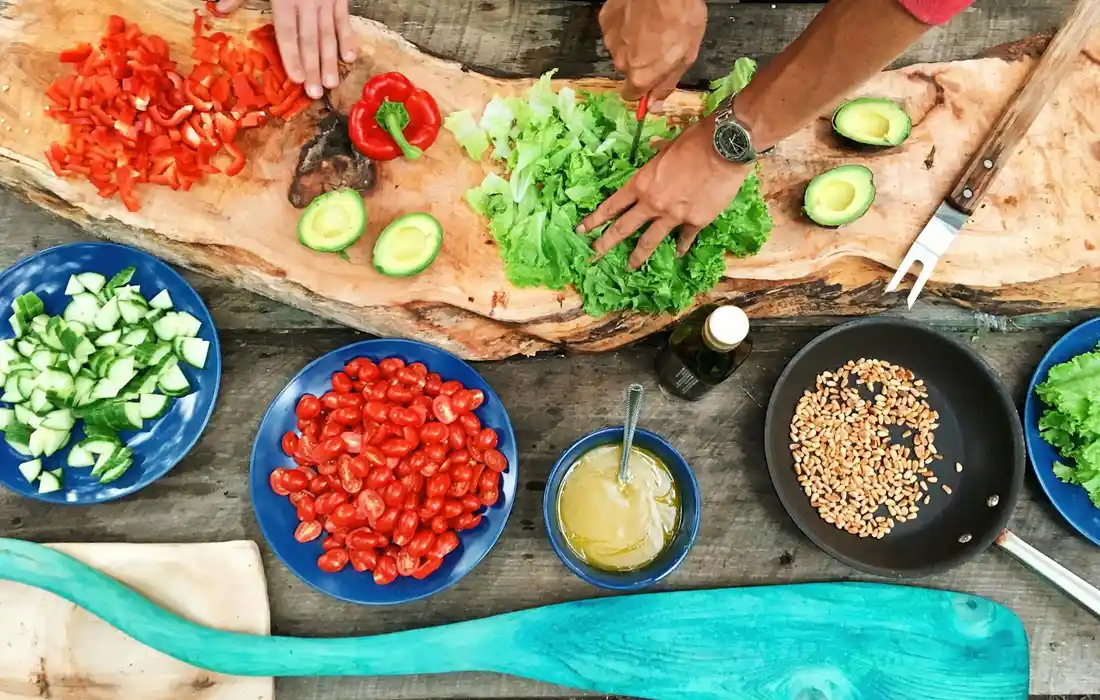
Now, guinea pigs are a special case in the barnyard menagerie. Unlike most of our critters, they can’t make their own vitamin C, so they have to get it from their supper. I’ve always kept a few guinea pigs in the pasture shed for company and pest control, and ensuring they get that daily vitamin C is as routine as filling the water trough. A ripe, red tomato can be a fine little supplement to their hay and pellets.
Tomatoes offer a wet, tangy bite that my herd often favors over a dry green pepper slice. Remember, the goal is supplementation, not replacement; their primary vitamin C should come from a quality fortified feed or steady greens like bell peppers. I reckon a tomato’s main job here is to add variety and excitement to their meal, which does wonders for their overall pep.
You must be mindful of the nightshade family ties, though. Always serve only the fully ripe fruit, steering clear of any green parts, stems, or leaves, as those contain the troublesome solanine. I learned this the hard way years ago when a curious piggy got a hold of a stray vine; a quick call to the vet set me straight, and now I’m fanatical about preparing treats safely.
How Much Tomato Can a Guinea Pig Have?
Portion control is everything with sugary fruits, even something as seemingly innocent as a tomato. For a standard adult guinea pig, a couple of small cherry tomato halves or one thin wedge of a Roma tomato per week is a safe, generous treat. I never give more than that to my own, as too much can lead to a sore mouth from the acidity or an upset tummy. Feeding schedules and portion control matter for pigs as well. A consistent, measured routine helps prevent overeating and digestive upset.
I follow a simple schedule to keep things balanced. Here’s how I manage it in my rotation:
- Weekday Mainstays: Unlimited grass hay, fresh water, and measured fortified pellets.
- Daily Vitamin C: A thick slice of green bell pepper, which is lower in sugar.
- Treat Day (Usually Saturday): That’s when they might get their tomato piece, or a blueberry, or a sprig of cilantro.
Introduce any new food, tomatoes included, in a pea-sized amount first. Watch their droppings for the next day; firm, well-formed pellets mean their system handled it just fine, while mush means you should pull back. Every animal is different, just like us, so let their own health guide your hand.
For a visual guide, here’s a quick reference I scribbled on my feed room wall:
| Guinea Pig Size | Tomato Type | Weekly Serving |
|---|---|---|
| Adult | Cherry Tomato | 2 halves |
| Adult | Roma or Plum Tomato | 1 thin wedge (about 1 inch wide) |
| Young Pup (under 6 months) | Any | None; stick to hay, pellets, and bell peppers |
That thrifty approach ensures they get the benefit without the risk. Wasting food pains me, so I use the rest of the tomato for my chickens or in my own kitchen, making sure nothing from this harvest goes unused. It’s all part of the careful stewardship we owe these little fellows who depend on us.
The Toxic Parts of the Tomato Plant: A Must-Know for Every Homesteader
Now, let’s get down to the nitty-gritty that separates a safe treat from a trip to the vet. The tomato plant, like its cousins potato and eggplant, belongs to the nightshade family. The danger lies in a natural compound called solanine, which the plant produces as a defense against insects and critters. I’ve seen many a well-meaning soul toss the whole trimmings from the garden into a pen, and that’s a gamble we just can’t take.
The fruit itself-the ripe, red tomato-is virtually solanine-free. The toxicity is concentrated in the green, growing parts of the plant. Here’s your quick-reference guide, the kind I keep posted on my feed shed door.
| Plant Part | Safe for Rabbits & Guinea Pigs? | Why |
|---|---|---|
| Ripe Red Tomato Flesh | Yes, in moderation | Solanine levels are negligible in the ripe fruit. |
| Tomato Seeds | Yes, they pass through | No significant toxicity, but no nutritional need for them either. |
| Tomato Leaves & Stems | NO | High concentration of solanine and related glycoalkaloids. |
| Green, Unripe Tomatoes | NO | Contain much higher levels of solanine than ripe fruit. |
| Flowers & Vines | NO | All vegetative matter is considered toxic. |
Recognizing the Signs of Trouble
Accidents happen. A leaf blows into the run, or a curious nibbler finds a fallen green tomato. Knowing the early signs of solanine poisoning can make all the difference in getting timely help for your animal. Watch for these changes in behavior and health.
- Loss of appetite or sudden refusal of favorite foods.
- Lethargy, weakness, or a hunched posture.
- Gastrointestinal upset like diarrhea or bloating.
- Confusion, trembling, or other neurological signs.
My Barnyard Rule for Nightshades
After fifty years of tending animals, my rule is simple: If it’s not the fully ripe, red fruit, it doesn’t go in the trough. When I harvest tomatoes for the rabbits and guinea pigs, I wash them, slice them, and visually check every piece for any bit of green stem or leaf. It’s a moment of extra care that grants immense peace of mind.
I reckon the plants in our garden are for us. The fruits, when ripe and properly prepared, can be a shared bounty. This mindful separation is the heart of good stewardship-enjoying nature’s gifts while respecting its boundaries. Always err on the side of caution, and your furry forageurs will thank you with their good health.
Risks of Feeding Tomatoes: What to Watch For
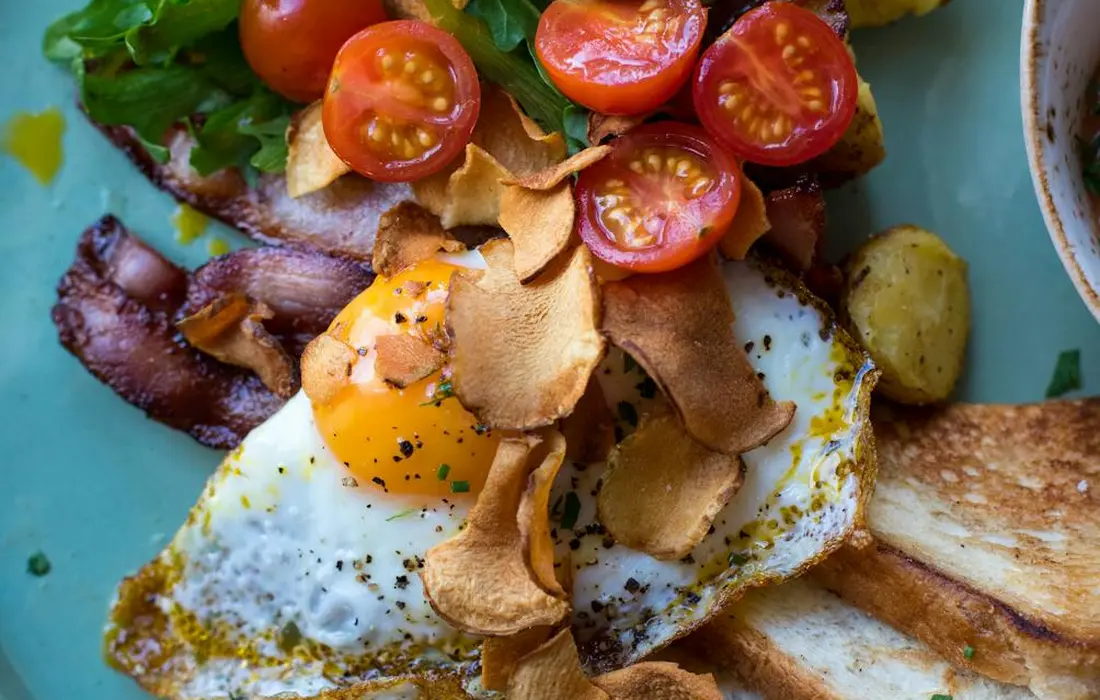
Now, don’t get me wrong, I love a ripe tomato right off the vine. But when it comes to our smaller barnyard companions, we have to mind the plant family they hail from. Tomatoes are part of the nightshade family, and that brings a specific set of rules to the feed trough. The main risk isn’t the juicy red fruit itself when ripe, but every other part of the plant.
The Green Parts Are Off-Limits
This is the golden rule you must remember. The stems, leaves, vines, and even those little green caps (the calyx) where the fruit attaches contain toxic compounds called tomatine and solanine. I treat the tomato plant like I do oleander or wild cherry branches-something that just never goes in the pen, no matter how tempting those leaves look. I’ve pulled enough curious youngsters away from garden debris to know it’s not a risk worth taking. For chicken keepers, a quick toxicity guide on tomato leaves and other nightshade plants can be a helpful reference.
Parts to Always Remove:
- Stems: Tough, fibrous, and loaded with toxins.
- Leaves & Vines: Even if wilted or dried, they remain dangerous.
- The Calyx (Green Cap): Pluck it off and toss it in the compost, far from curious noses.
- Green, Unripe Tomatoes: These are higher in those unwanted compounds. Stick to fully red, ripe fruit.
Moderation is Your Best Friend
Even the safe, red flesh can cause trouble if you get over-enthusiastic. Tomatoes are acidic and have a high water content. Too much can lead to an upset digestive system, which is a fussy, messy situation for you and an uncomfortable one for your critter.
Think of a tomato treat as a condiment, not a main course-a tiny flavor burst once or twice a week is more than enough. For a rabbit or guinea pig, a single cherry tomato or one thin slice of a larger variety is a generous serving. Any more and you’re asking for loose droppings.
Spotting Trouble: Signs of Toxicity
If an animal somehow nibbles the wrong part, you need to act fast. Watch for these signs:
- Lethargy or weakness
- Loss of appetite
- Gastrointestinal upset (diarrhea or lack of droppings)
- Drooling or pawing at the mouth
If you see any of these symptoms, remove all food sources, offer plenty of fresh hay and water, and contact your veterinarian immediately with your suspicion of nightshade ingestion. Having a sample of what they ate helps the vet tremendously.
A Simple Safe-Serving Routine
My barnyard routine for tomato treats is quick and keeps everyone safe:
- Wash it: Rinse the tomato to remove any garden pesticides or residues.
- Cap it: Remove and discard the green stem and cap completely.
- Slice it: Cut a small, appropriate portion of the red flesh only.
- Serve it: Offer it separately, not mixed into their main greens, so you can monitor who eats what.
Following these steps turns a potential risk into a perfectly safe, special snack they’ll eagerly anticipate.
Best Practices for Serving Tomatoes Safely
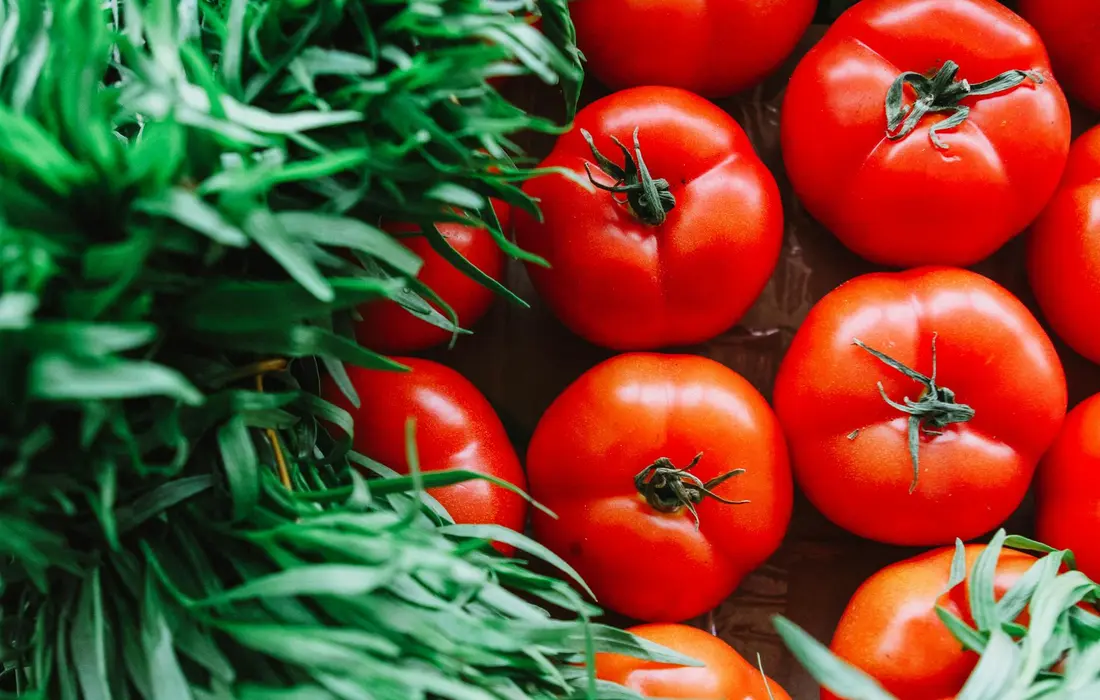
Now, let’s get down to the nitty-gritty of sharing your garden bounty with those fluffy foragers. The golden rule is this: only the ripe, red fruit of the tomato plant is fit for your rabbit or guinea pig. Every other part-the leaves, stems, flowers, and even those little green tomatoes-harbors solanine, a troublesome compound from the nightshade family that can cause real digestive distress. Think of it as part of the broader guinea pig diet—tomatoes in salads and other plant parts matter.
I learned this lesson early on when a clever guinea pig of mine, named Pippin, figured out how to nudge open a low garden gate. He made a beeline for the tomato vines, but praise be, he only sampled a fallen cherry tomato. It was a gentle reminder to always be two steps ahead of your critters.
When you do offer a treat, keep it small and infrequent. A thin wedge or a couple of cherry tomatoes once or twice a week is plenty for most animals. Always wash store-bought tomatoes thoroughly to strip away any chemical residues your companions shouldn’t ingest.
- Serve Only Ripe Fruit: The flesh must be fully red or yellow, with no green tinge.
- Remove All Green Parts: meticulously cut away the stem and any attached calyx.
- Start Small: Offer a piece no bigger than a thumbnail to see how their belly tolerates the acidity.
- Monitor Closely: Watch for any changes in droppings or behavior after introducing this new food.
Remember, a tomato is a sugary, acidic treat, not a dietary staple. Overdoing it can lead to an upset stomach and throw their delicate gut flora out of balance, which is a fix we don’t want to have to make.
Great Alternative Treats for Rabbits and Guinea Pigs
If you’re looking to mix up the menu beyond tomatoes, your homestead likely already grows a splendid pharmacy of safe and nutritious options. Variety isn’t just the spice of life for us; it’s key to keeping our small stock engaged and nourished.
I always keep a dedicated patch of “critter greens” near my kitchen door for easy picking. It’s thrifty, sustainable, and I know exactly what’s gone into the soil.
Here are some of my barn-tested favorites that your animals will likely adore:
- Bell Peppers (any color): The sweet, crunchy flesh is packed with Vitamin C, which is absolutely vital for guinea pigs since they can’t make their own. Remove the seeds and stem first.
- Herb Sprigs: Cilantro, mint, and basil are aromatic delights that also offer digestive benefits. My rabbits go wild for a sprig of dill.
- Leafy Greens: Romaine lettuce, red or green leaf lettuce, and fresh carrot tops are excellent daily staples. I avoid iceberg lettuce as it’s mostly water with little nutritional value.
- Forage Fun: Safe, pesticide-free dandelion greens and plantain leaves from your yard are free treats they naturally crave.
- Occasional Sweet Bites: A blueberry or a small slice of apple (seeds removed) makes a rare, special reward. The fiber in a peeled zucchini slice is another great choice.
Rotating these treats ensures your animals get a broad spectrum of nutrients without overloading on any one type of sugar or acid. It’s a simple practice that honors their health and supports our role as thoughtful stewards.
Closing Questions
Can rabbits eat tomatoes?
Yes, rabbits can safely consume the ripe, red fruit of tomatoes as an occasional treat. Always avoid feeding any green parts like leaves or stems, as they contain toxic compounds.
Can guinea pigs eat tomatoes?
Yes, guinea pigs can eat ripe tomatoes in moderation, which can provide a small vitamin C boost. Ensure you only offer the fleshy red part and remove all stems and green caps. When doing so, make sure to feed tomatoes safely as part of their diet.
What parts of the tomato plant are toxic?
The leaves, stems, vines, flowers, and unripe green tomatoes are toxic due to solanine and other glycoalkaloids. Only the fully ripe, red fruit is safe for barnyard companions like rabbits and guinea pigs.
How much tomato can a rabbit eat?
For rabbits, a serving size should be small, such as a teaspoon to a tablespoon of chopped tomato once or twice weekly, based on their breed size. Overfeeding can lead to digestive upset due to excess sugar and water. Ensure that you follow a proper rabbit feeding schedule to maintain their health.
How much tomato can a guinea pig eat?
Guinea pigs should have no more than a couple of cherry tomato halves or one thin wedge of a larger tomato per week. Consider how often you feed overall, as part of good guinea pig care feeding frequency habits. Introduce it gradually and watch for any changes in droppings or behavior. Keeping a regular feeding schedule supports healthy digestion and consistent feeding frequency routines.
Are tomatoes part of the nightshade family?
Yes, tomatoes belong to the nightshade family (Solanaceae), which includes plants like peppers and potatoes. While the ripe fruit is safe, other plant parts contain alkaloids that can be harmful to animals.
Shuttin’ the Garden Gate
Well friends, we’ve moseyed through the whole tomato patch together. When it comes to sharin’ this garden treat, the rule is simple. The best way to keep your bunny or guinea pig thriving is to remember that a teaspoon of ripe, red flesh is a rare treat, not a meal, and their main fare must always be that unlimited, high-quality hay. Steady on that, and you’re on solid ground.
I reckon I’ll head on back to the barn. There’s a evening breeze comin’ in, perfect for checkin’ on my own crew. I hope your critters are doin’ well, and you get to spend a quiet moment today just watchin’ them be content. There’s nothin’ quite like it. Thanks for lettin’ me share a bit of what I’ve learned along the fence line. Take care, y’all.
Further Reading & Sources
- Can a rabbit eat Tomatoes? | Rabbit Hole Hay
- GuineaDad Food Blog: Can guinea pigs eat tomatoes?
- Can Rabbits Eat Tomato? Exploring a Juicy Garden Delight – Central Victoria Hay
Caroline Mae Turner is a lifelong farm girl raised on red clay, early mornings, and the sounds of a bustling barnyard. With hands-on experience caring for everything from stubborn goats to gentle dairy cows and mischievous pigs, Caroline shares practical, tried-and-true advice straight from the farm. Her goal is to help folks keep their animals healthy, well-fed, and living their best barnyard life. Whether you're wrangling chickens or bottle-feeding a baby goat, Caroline brings a warm Southern touch and plenty of real-world know-how to every bucket in the barn.
Diet Requirements