Can Rabbits and Guinea Pigs Eat Strawberries? Your Practical Pasture Guide
Published on: May 8, 2026 | Last Updated: May 8, 2026
Written By: Caroline Mae Turner
Howdy y’all, welcome back to the barn. Yes, your rabbits and guinea pigs can eat strawberries, but think of them as a tiny dessert, not a main course. I’ve spent many a spring afternoon watching my own critters’ noses twitch at the scent of ripe berries, and I know the worry about getting those sweet treats just right.
What you’ll need:
- Fresh, ripe strawberries (homegrown or organic is best)
- A clean knife and cutting board
- A steady hand for small portions
- A mindful timer for treat frequency
Let’s mosey through the details together, and I’ll have you feeding treats confidently before the next chore bell rings.
Strawberry Safety for Rabbits and Guinea Pigs: The Straight Answer
Yes, both rabbits and guinea pigs can eat strawberries, but only as a very occasional sweet treat. I reckon we should think of them like a slice of birthday cake for us—a delightful surprise, not part of the daily meal plan. The high sugar content in strawberries is the main reason we must exercise restraint, as too much can upset their delicate digestive systems and lead to weight gain.
From my own barnyard experience, I’ve seen a guinea pig do a full “popcorn” jump for a strawberry top. It’s pure joy to watch. But giving in to those pleading eyes every day would be a disservice to their health. Strawberries are a supplement to their core diet of unlimited hay, fresh water, and quality pellets, never a replacement for it.
Safe Preparation is Non-Negotiable
Before you share this ruby-red treat, a bit of prep work keeps your critters safe.
- Always Wash Thoroughly: Rinse berries under cool water to remove pesticide residues or dirt.
- Remove the Stem and Leaves: While not toxic, the green tops can be a choking hazard and are best discarded.
- Serve Fresh and Raw: Never offer canned, cooked, or sweetened strawberries. Only fresh, ripe fruit.
- Start Small: Offer a tiny piece first to ensure no unusual reaction.
Nutrition in a Nutshell: What Strawberries Offer Your Small Pets
Beyond the sweetness, a strawberry packs a surprising nutritional punch that, in moderation, can benefit your animals. It’s not just empty calories. This fruit is a valuable source of vitamin C for guinea pigs, who cannot produce it themselves and must get it from their diet. While rabbits make their own vitamin C, the other nutrients are still a bonus.
Let’s break down what’s inside that tasty berry and what it does for your herd.
| Nutrient | Benefit for Rabbits & Guinea Pigs |
|---|---|
| Vitamin C | Critical for guinea pig health; prevents scurvy, aids healing and immunity. |
| Manganese | Supports healthy bone development and proper metabolism function. |
| Folate (B9) | Important for cell growth and the formation of red blood cells. |
| Potassium | Helps maintain healthy nerve function and proper fluid balance. |
| Fiber | Aids in digestive motility, though hay remains the primary fiber source. |
| Antioxidants | Helps combat cellular damage and supports overall vitality. |
The fiber and water content in a strawberry can offer a slight hydration boost, especially on warm days. Remember, the key is in the serving size-a thin slice or a small berry once or twice a week is plenty to confer these benefits without the sugar overload. I’ve found that a single strawberry, shared between two animals, creates a happy moment without crossing the line into excess.
Feeding Guidelines: Portion Size and Frequency
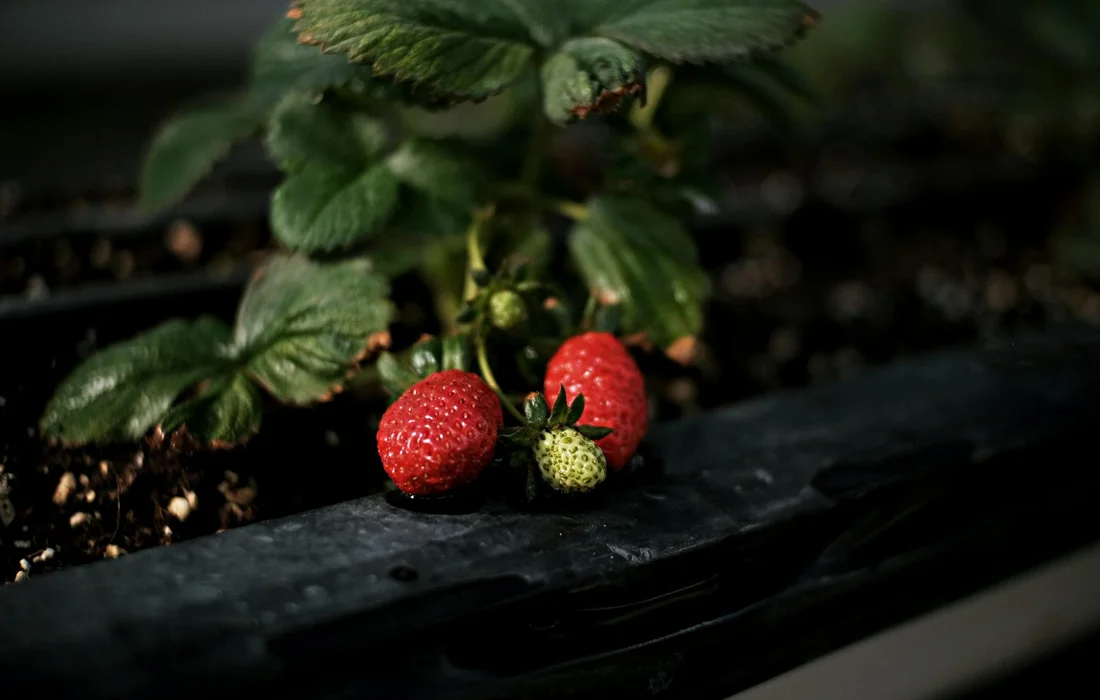
Alright friends, let’s roll up our sleeves and talk real numbers. Giving treats is a joy, but doing it right keeps our critters hopping and wheeking for years to come. Think of strawberries like candy for your animals-a little bit is a delightful surprise, but the main meal is always that good hay and greens.
How Many Strawberries Can a Rabbit Eat?
Now, your bunny’s belly is a finely-tuned engine built for fiber, not sugar. I learned this the hard way years back when my Netherland Dwarf, Pip, swiped a whole berry from my apron pocket. Let’s just say it was a messy lesson in moderation. A good rule of thumb is to offer no more than one to two average-sized strawberries per week for a standard five-pound rabbit. Adjust for size: a Flemish Giant might handle two, while a tiny dwarf should stick to one. This is especially important compared to wild rabbits that forage for strawberries in moderation themselves.
Always wash the berry and remove the stem. You can offer the green top in small amounts, too, as it’s fibrous. Here’s how I break it down for my herd:
- For a small rabbit (under 4 lbs): One small strawberry, or half a large one, weekly.
- For a medium rabbit (5-8 lbs): One whole medium strawberry weekly.
- For a large rabbit (9+ lbs): Two medium strawberries weekly, never on the same day.
Cut it into pencil-eraser sized pieces to slow them down and prevent choking. If your rabbit is overweight or has a history of digestive stasis, skip the fruit treats altogether and stick with herbal sprigs like mint or basil.
How Many Strawberries Can a Guinea Pig Eat?
Our guinea pigs are a different story. Since they can’t make their own vitamin C, a bit of fruit can be a helpful supplement, but the sugar concern remains mighty important. For a healthy adult guinea pig, a single standard strawberry once a week is a perfect portion. I slice one berry into four quarters for my pair, Squeak and Cheese, to prevent any squabbles.
Fresh is always best. Avoid frozen berries straight from the freezer, as the cold can shock their systems. Here’s my feeding routine for the piggies:
- Wash the strawberry thoroughly to remove any pesticide residue.
- Remove the stem and leaves (the leaves are safe but often ignored).
- Slice the berry into at least four small chunks.
- Offer one chunk per pig, removing any uneaten fruit within an hour.
Remember, their primary vitamin C source should come from daily fresh veggies like bell peppers. That weekly strawberry is a bonus, not a replacement for a balanced diet. For young or underweight pigs, consult your vet before introducing any sweets.
How Often to Offer These Fruit Treats
Frequency is just as crucial as portion size. You wouldn’t eat pie every day, and your animals shouldn’t have fruit treats daily either. I stick to a “treat day” schedule, offering fruits like strawberries just once a week, typically on a weekend morning when I’m doing my full barnyard check. This makes it a special event and keeps their digestive rhythms steady.
For both rabbits and guinea pigs, treats should never make up more than 10% of their total weekly food intake. Fresh foods should form the bulk of the diet—hay, veggies, and the right pellets. Keeping treats small helps maintain the proper fresh food ratios for rabbits and guinea pigs. Here’s a simple way to visualize a balanced treat schedule:
- Weekly Mainstays: Unlimited grass hay, fresh water, and species-specific pellets.
- Daily Greens: A cup of dark, leafy vegetables per animal.
- Treat Rotation: Use one day for a strawberry, another for a blueberry or apple slice, and other days for non-fruit treats like a willow branch or a cucumber slice.
This rotation prevents boredom and nutritional overload. Observing your animal after a new treat is the best husbandry; if you see soft stools or a drop in hay consumption, cut back immediately. Stewardship means adjusting to what each individual critter tells you it needs.
From Vine to Bowl: Preparing Strawberries for Safe Feeding
Now, I reckon the most important part comes after you’ve picked a good berry. You can’t just toss a whole strawberry from the market carton into the hutch and call it a day. A little mindful preparation makes all the difference between a wholesome treat and a bellyache waiting to happen.
Which Parts of the Strawberry Are Safe?
Let’s break down a strawberry, bit by bit. I’ve spent many an afternoon on the back porch hulling berries for jam, and I treat my critters’ snacks with the same care.
- The Flesh (The Red Part): This is the main event, the sweet treat. It’s perfectly safe in small amounts. Its high sugar and water content are exactly why we must be strict about portion size.
- The Leaves and Stem (The Green Top, or “Hull”): Here’s a bit of homesteader thriftiness for you-the tops are often the best part for your animals! Those leafy green tops are fibrous, low in sugar, and most rabbits and guinea pigs will go absolutely mad for them. I often feed the tops separately as a more frequent green treat and save the sugary flesh for a rare special bite.
- The Seeds (Those Tiny Yellow Specks): This surprises some folks. Those little external seeds on the strawberry’s skin are harmless. They pass right through your animal’s digestive system without issue, unlike the pits of some other fruits.
- The White Core and Stem: While not toxic, the tough, white stem core can be a bit harder to digest and isn’t very palatable. I always remove it when I’m feeding the fleshy part. It’s easy to pop out with the tip of a knife after you’ve removed the green hull.
Step-by-Step Preparation
Follow these simple steps, and you’ll have a safe, delightful snack ready in no time. It’s become a familiar little ritual for me, just like filling water buckets at dawn.
- Source and Wash: If you’re not picking from your own chemical-free patch, please wash those store-bought berries. A good scrub under cool running water helps remove potential pesticide residue. I never use soaps or washes, just a firm rub with my fingers.
- Remove the Hull: Pinch off the green leafy top. You can compost this bit or, better yet, offer it to your eager critter right then and there. My guinea pigs hear that distinctive *pop* of the hull coming off and start whistling up a storm.
- Slice and Dice: For both rabbits and guinea pigs, slice the berry into small, bite-sized pieces. Cutting the fruit into small pieces prevents greedy gulping and helps you control exactly how much they’re getting. For a standard strawberry, I’ll usually get 4-6 slices.
- Mind the Portion: This is the golden rule. For one animal, one or two of those small slices is *plenty*. I might give a single rabbit one strawberry’s worth of sliced flesh *per week*, not per day. The leafy tops can be given more freely, but still as part of their daily veggie ration.
- Serve Fresh and Remove Leftovers: Place the prepared pieces in their dish. Always remove any uneaten fresh fruit within a few hours to keep the cage clean and prevent spoilage. In summer heat, I check within the hour.
Watching my old doe, Mabel, carefully nibble a sliver of strawberry before turning to her hay is a gentle reminder that treats are for bonding, not for sustenance. Their main feast should always be that endless buffet of hay.
Potential Pitfalls: Risks and What to Watch For
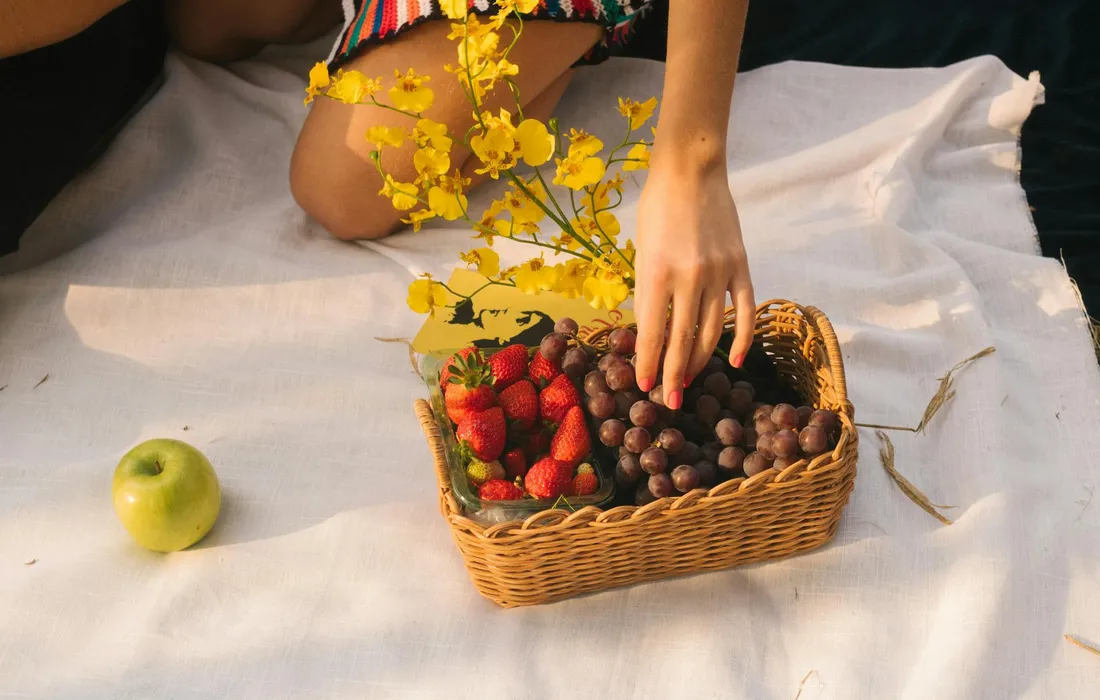
Now, I don’t mean to be a wet blanket on the strawberry parade, but good stewardship means looking out for the rough edges. Even the sweetest treats from the garden come with a few cautions you need to mind.
The Sugar Sneak Attack
The main concern isn’t the berry itself, but the natural sugar tucked inside that juicy red flesh. Too much sugar, too often, disrupts the delicate gut flora in these little herbivores. For rabbits, it can lead to a dangerous condition called GI stasis, where their digestive system slows or stops. For guinea pigs, it’s a fast track to an upset stomach and obesity. That’s why sugary foods—from cane sugar to sweets—are dangerous for rabbits. Even small amounts can disrupt their delicate gut flora and trigger GI issues. Think of a strawberry not as a food, but as a concentrated supplement-a tiny vitamin pill with a sweet coating that demands respect.
Pesticides and Chemical Residues
This one gets me right in the farmer’s heart. If you wouldn’t eat it straight from the store without washing it, don’t give it to your animals. Conventionally grown strawberries often carry high pesticide loads. Always, and I mean always, wash berries thoroughly. Better yet, feed them berries you’ve grown yourself without chemicals. Your critter’s liver is tiny; it shouldn’t have to detoxify our commercial farming shortcuts.
Choking and Portion Perils
I once watched a guinea pig try to inhale a whole strawberry top, leaves and all, in one comical-and then concerning-gulp. Always chop the berry into small, manageable pieces. For a standard-sized rabbit, a single medium strawberry, chopped, is plenty. For a guinea pig, half that amount is sufficient. Rabbits, too, should have berries only in small, prepared pieces. For more on safe berry treats for rabbits, our rabbits eat berries guide covers the basics.
- Chop berries into pea-sized pieces.
- Remove any tough stems or leaves from the berry cap.
- Never offer a whole berry to a small animal.
Preparing the treat properly is just as important as choosing it in the first place.
The Digestive Aftermath: What’s Normal and What’s Not
After you introduce strawberries, keep a close eye on the droppings for the next 12-24 hours. Healthy rabbit cecotropes might be a bit softer, but true diarrhea is a red flag. For guinea pigs, watch for any sign of bloating or a decrease in their normal pellet output. A single sour berry can turn a happy hutch into a sick bay if you ignore these subtle warning signs. If stool doesn’t return to normal within a day, skip the treats and consult your vet.
The Top and Leaf Debate
Those green tops spark a fair bit of discussion. They aren’t toxic, but they’re also not a nutritional powerhouse for these pets. I’ve fed them occasionally without issue, but they can be prickly and might irritate some mouths.
- Wash them even more diligently than the berry (they trap dirt).
- Offer only a small, tender piece at first to test your animal’s reaction.
- If in doubt, compost the tops and stick to the fruit flesh. It’s the safest bet.
When it comes to the unknown parts of a plant, your best tool is a cautious hand and a watchful eye.
Healthy Treat Rotations: Alternatives to Strawberries
Strawberries are a fine treat, but just like you wouldn’t want to eat pie every single day, your small critters need variety in their snack schedule. Rotating treats prevents picky eaters, ensures a broader range of nutrients, and keeps your rabbits and guinea pigs interested in their food. I’ve seen it time and again in my own hutches—a new, safe leafy green can cause a happy commotion that’s a joy to watch.
Beyond the Berry Patch: A Homesteader’s Treat List
Your garden, your kitchen scraps, and even your lawn can provide a wealth of suitable treats. Always introduce anything new slowly, in tiny amounts, to avoid upsetting those delicate digestive systems.
Leafy Greens & Garden Tops (Daily to Every-Other-Day Staples)
- Romaine, Green Leaf, or Red Leaf Lettuce (avoid iceberg-it’s all water, no nutrition).
- Carrot tops and beet greens (my crew goes wild for these).
- Celery leaves (chop the stalks finely if you offer them).
- Radish tops and fresh basil or mint sprigs.
- Dandelion greens plucked from an untreated yard-free and packed with goodies.
Other Sweet Fruit Options (1-2 times per week, in pinky-nail sized pieces)
- Apple slices (seeds removed-they’re toxic).
- Blueberries or blackberries (a single berry each is plenty).
- Pear slice (minus the seeds).
- Melon rind or a tiny cube of flesh (they often prefer the rind!).
- Peach or plum slice (stone removed).
Herbs & Foraged Fun (Occasional Aromatics)
- Fresh cilantro, parsley, or dill.
- A small sprig of rosemary or thyme.
- Plantain weed or clover from clean pastures.
A Sample Week of Treat Rotation
Here’s a little schedule I might use for my own animals. This assumes their main diet of unlimited grass hay and measured pellets is already perfect.
| Day | Treat Idea | Portion Guide |
|---|---|---|
| Monday | Handful of carrot tops | 1-2 small sprigs per animal |
| Tuesday | Small romaine leaf | Leaf about the size of your palm |
| Wednesday | NO FRUIT TREAT | Just extra hay variety (orchard grass, oat hay) |
| Thursday | 1 Blueberry each | Literal one berry per critter |
| Friday | Fresh cilantro | 3-4 small stems per animal |
| Saturday | Thin apple slice | Slice about as thick as a pencil lead |
| Sunday | Dandelion greens | 2-3 small leaves, well-washed |
This kind of plan keeps things exciting without overloading their systems with sugar or new compounds all at once. Watch their droppings closely when introducing a new item; if things get soft, pull back and stick with trusted hay for a day or two.
The Thrifty Homesteader’s Secret: Grow Your Own
Lettuce bolts in the summer heat? Don’t toss it to the compost-let it grow! A dedicated “critter garden” patch with leafy greens and herbs is the most economical and rewarding way to provide fresh treats. I always let a row of cilantro go to seed and a corner of lettuce bolt just for the animals. The stalks and flowers are a wonderful, crunchy enrichment. A single pot of wheatgrass on the porch can be snipped all winter long for a vibrant green boost. It’s about working smarter, not harder, and letting nothing go to waste.
Remember, treats are just that-a treat. The cornerstone of health for your rabbit or guinea pig will always be unlimited, high-quality grass hay, which keeps their gut moving and teeth worn down. For a deeper dive into hay, rabbit types, benefits, and feeding tips, the ultimate guide awaits. It complements this foundation and helps you plan feeding with confidence. Think of fruits and even most veggies as the occasional garnish on a solid foundation of hay. Your careful stewardship in their diet leads to years of happy, popcorning guinea pigs and binkying rabbits, and that’s a reward all its own.
Your Strawberry Treat Questions Answered
Can Baby Rabbits Eat Strawberries?
No, you should not feed strawberries to baby rabbits (kits). Their digestive systems are extremely delicate and developing, and introducing sugary fruits can cause severe digestive upset. Stick to unlimited alfalfa hay, water, and their mother’s milk until they are fully weaned and mature. Even for adult rabbits, feeding berries should be done with caution.
Can Baby Guinea Pigs Eat Strawberries?
It is not recommended. Young guinea pigs (pups) under four months old are establishing their gut health and need a focused diet of hay, pellets, and gentle greens like lettuce. Wait until they are fully grown adults before considering a tiny strawberry piece as a very rare treat — it’s best to be cautious especially with uncommon fruits and vegetables.
What Should You Do If Your Rabbit Eats Too Many Strawberries?
Immediately remove all access to fruit and ensure they have plenty of fresh hay and water to help move their digestion along. Monitor them closely for signs of GI stasis, such as lethargy, small or no droppings, and a loss of appetite, and contact your veterinarian if you see these warnings.
What Should You Do If Your Guinea Pig Eats Too Many Strawberries?
Remove any remaining fruit and provide extra hay and fresh water. Watch for bloating, diarrhea, or a decrease in activity and fecal output. If symptoms appear or persist for more than a day, seek advice from a vet familiar with small animals.
What Are Healthy Barnyard Alternatives to Strawberries for Rabbits?
Excellent alternatives include fibrous tops from carrots or beets grown in your garden, and safe weeds like dandelion greens or plantain from untreated pastures. These provide variety and enrichment without the high sugar content of fruits.
What Are Healthy Barnyard Alternatives to Strawberries for Guinea Pigs?
Focus on vitamin C-rich options like bell pepper cores or the outer leaves of Brussels sprouts. Other great treats include cucumber ends or zucchini slices, which are hydrating and low in sugar, making them perfect for frequent small snacks.
Closing Tips for the Thoughtful Steward
Feeding treats like strawberries is a wonderful way to bond with your small barnyard companions. Always remember that their health hinges on a stable foundation of high-quality hay, fresh water, and appropriate pellets. Observing your individual animal’s reaction after any new food is the ultimate guide to responsible and joyful care. Feeding berries to goats can be a healthy treat when done correctly.
Shuttin’ the Gate
When it comes to sharing a bit of sweet, red berry with your fuzzy herd, remember this one golden rule: the real bounty ain’t in the fruit itself, but in the mindful care behind the gesture. The deepest satisfaction in husbandry comes from knowing you’ve provided a moment of joy without compromising an ounce of their well-being. A thin slice of strawberry, given infrequently, keeps the experience special and their digestion steady. It turns a simple snack into a tiny celebration, a connection between keeper and critter that reinforces a life of attentive stewardship.
So, from my pasture to yours, I hope you get to enjoy that simple, quiet pleasure this season. There’s little that compares to the contented nibble of a happy animal enjoying a carefully chosen treat. Thank you for carin’ enough to look it up and do right by them. Now go enjoy those berries, both in your shortcake and in their cozy hutch. We’re all just tendin’ our little patches of paradise. Happy homesteadin’, y’all.
Further Reading & Sources
- Dried Strawberry Slices for Rabbits, Guinea Pigs and small pets – The Little Hay Company
- Can Guinea Pigs Eat Strawberries? – GuineaDad
- Strawberry Leaves For Rabbits – Immune And Digestive Support
Caroline Mae Turner is a lifelong farm girl raised on red clay, early mornings, and the sounds of a bustling barnyard. With hands-on experience caring for everything from stubborn goats to gentle dairy cows and mischievous pigs, Caroline shares practical, tried-and-true advice straight from the farm. Her goal is to help folks keep their animals healthy, well-fed, and living their best barnyard life. Whether you're wrangling chickens or bottle-feeding a baby goat, Caroline brings a warm Southern touch and plenty of real-world know-how to every bucket in the barn.
Feed Recommendations