
Goat Diet: Your Quick Guide to Safe Tree Leaves & Branch Foraging
Published on: May 30, 2026 | Last Updated: May 30, 2026
Written By: Caroline Mae Turner
Howdy y’all, and welcome back to the barn. If you’re tired of watching your goats eye the orchard like it’s a salad bar or worrying every time they strip a branch, I’ve got your farmer’s fix right here: letting your goats browse on the right tree species is one of the most natural, nutritious, and cost-effective supplements you can provide.
- What you’ll need:
- Your observant eyes (to watch what they go for).
- A pair of sharp hand pruners or a pruning saw.
- Knowledge of the trees on your property.
- About 20 minutes to learn which branches are best.
We’ll have this sorted out quicker than a goat can untie a knot, so you can get back to the rest of your chores with confidence.
Why Goats Are Born to Browse
-
You’ll notice a goat would rather stretch up for a tender leaf than bend down for grass any day. That’s their browsing instinct, a world apart from a sheep’s close-grazing habit. Their mobile lips and agile tongues are built for selecting the choicest bits from bushes and trees. This isn’t just a preference; it’s how their rumens are designed to process a varied, fibrous diet high in browse. Those tree leaves pack a serious nutritional punch, often carrying 12% to 18% protein in young, green growth-that rivals many commercial pellets!
Beyond protein, leaves provide long-stem fiber that keeps the rumen ticking smoothly and are loaded with minerals like calcium and potassium that straight pasture might lack. I’ve watched my own herd make a beeline for the willow grove after morning milking for decades. They’d pass up a patch of clover to get there, teaching me early that what they crave often matches what they need.
-
Honoring this natural behavior is a cornerstone of good husbandry. A browsing goat is a content and healthy goat, less prone to bloat and internal parasites than one confined to a muddy lot. Letting them browse reduces your feed bill and gives them a job, keeping their minds and bodies active in a way that mirrors their wild ancestry. This sets them apart from our pasture-focused cows or geese; goats are the arborists of the barnyard, naturally pruning and cleaning up your woodlot while they dine. Their eating habits also promote satiety and proper nutrition.
The Safe List: Tree Leaves Your Herd Will Love
Top Picks for Leafy Forage
- Willow: My herd’s absolute favorite. It’s like goat candy with a purpose, offering natural compounds that can soothe aches-a treat they seem to know they need.
- Poplar (including Aspen): Fast-growing and readily browsed, poplar leaves are a superb source of digestible protein and fiber during the growing season.
- Mulberry: These leaves are highly palatable and nutritious. I often cut branches for my goats; they devour every leaf and even the softer twigs.
- Ash: A sturdy, reliable browse option. Goats will clean up the leaves, and I’ve found it’s a great way to utilize trees knocked down in a storm.
Conditional Greens: Oak, Maple, and Pine
- Oak: The leaves themselves are safe for browsing in moderation, but you must be vigilant. Never let your goats gorge on acorns or young oak buds in spring, as the tannins can cause kidney damage over time. A few leaves here and there won’t hurt.
- Maple: Fresh green maple leaves from sugar or silver maples are generally fine. The critical rule is to avoid wilted or dried red maple leaves entirely, as they can cause a serious and fast-acting anemia. Rake and remove any fallen red maple leaves from their reach.
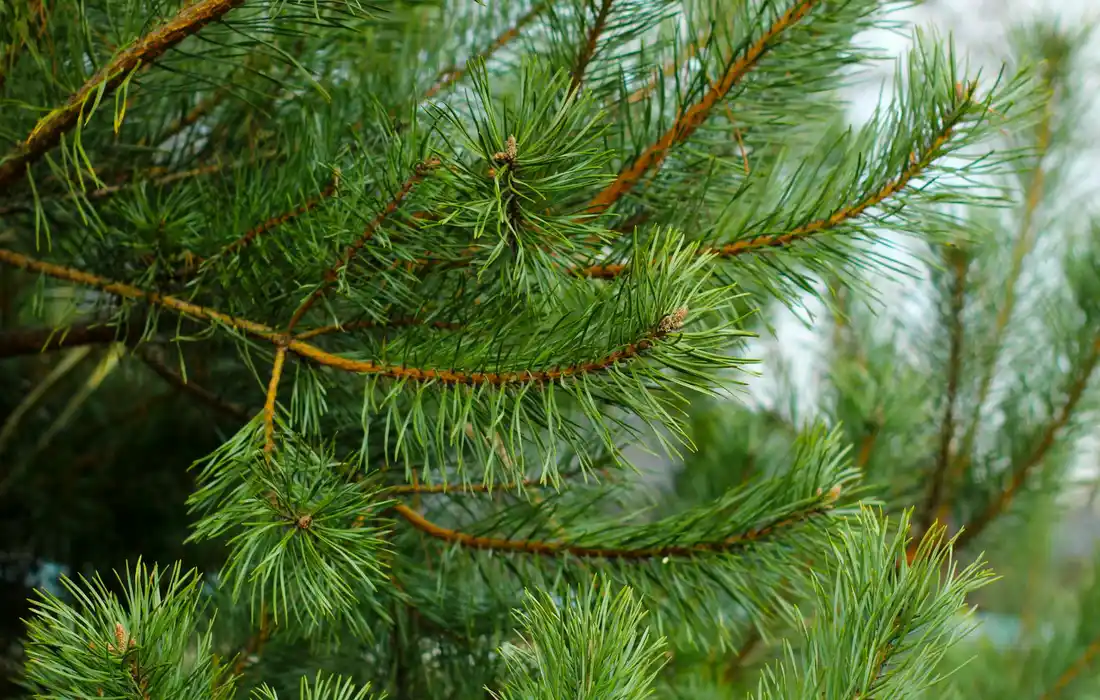
- Pine: Don’t overlook these evergreens! Pine needles are excellent winter browse, providing vitamin C and roughage when other greens are scarce. My goats always nibble on the lower branches of our white pines, and it seems to keep them perkier through the cold months.
Fruit Tree Bounty and Other Safe Browse
- Leaves from common fruit trees like apple, pear, peach, and plum are generally safe and enjoyed by goats. The paramount caution here is ensuring these trees have not been sprayed with any pesticides or systemic chemicals, as those residues can be lethal. If you didn’t grow it yourself, know its history before you offer it.
- Other safe options include hackberry, birch, and mimosa leaves. Always introduce any new browse slowly, watching for any individual digestive upset, just as you would with a new grain.
The Toxic List: Leaves That Spell Trouble
Now, let’s have a serious chat over the fence. For every wonderful browse option, there’s a dangerous one lurking at the edge of the pasture. Knowing what’s poisonous is the single most important part of turning your goats loose to forage. I’ve spent more time than I care to remember pulling a curious doeling away from a Scotch broom plant, so learn from my scares.
Highly Dangerous Trees
These are the bad actors. If you see these on your land, your best bet is to remove them if possible, or ensure your fencing is absolutely goat-proof.
- Wild Cherry (and related species like Peach, Plum, Apricot): The danger here is cyanide, or more precisely, prussic acid. It’s a ticking time bomb. Fresh, green leaves have some risk, but wilted leaves are a deadly emergency. A branch that gets trimmed by a storm and lies wilting in the sun becomes incredibly toxic. Symptoms come on fast-staggering, labored breathing, collapse. I don’t keep cherry trees in my goat paddocks, period.
- Rhododendron (and Mountain Laurel): Every part of this pretty plant is trouble, especially the leaves. It contains grayanotoxins that mess with an animal’s sodium channels. A goat only needs to eat about 0.2% of its body weight in leaves to show signs of poisoning. You’ll see drooling, vomiting, weakness, and a slowing heart rate. It’s a common ornamental, so check your property lines.
- Yew: This evergreen, often used in landscaping, is a silent killer. The toxin is taxine, and it acts with terrifying speed on the heart. The scary part is that a goat can appear fine, then drop dead minutes after nibbling. There’s often no warning. I reckon yew is the one plant that truly gives me cold chills.
Other Common Toxic Plants to Recognize
This list isn’t exhaustive, but it covers frequent offenders you’re likely to encounter. When in doubt, assume a plant is unsafe until you’ve positively identified it as friendly. I keep a good field guide in my truck and snap pictures to cross-check.
- Black Walnut: The nuts, hulls, and especially the roots pose a threat. The issue is juglone, which can cause laminitis (founder) and respiratory issues. Never use walnut shavings or hulls as bedding, and don’t let goats browse near the root zones of these trees.
- Oleander: Common in warmer climates, this shrub is fatally toxic. Like rhododendron, it affects the heart. Even a handful of leaves can kill a full-sized goat. All parts are poisonous, dry or green.
- Azalea: It’s in the same family as rhododendron, so it carries the same risks and toxins. Many folks don’t realize their pretty garden azaleas are a major hazard to wandering livestock.
- Chokecherry: It’s in the cherry family, so it carries that same cyanide risk from wilted leaves. Treat any wild, wilted cherry-like leaves with extreme suspicion, especially after a windstorm.
Your best defense is your own two eyes and a commitment to learning your land. Walk your fences regularly and learn every plant that grows within reach of a mischievous goat mouth. I make it a spring and fall ritual, looking for new seedlings or overhanging branches from a neighbor’s place. It’s the stewardship part of the deal.
Introducing Browse: A Gentle Step-by-Step Process
You can’t just turn a goat loose in a new thicket and hope for the best. Their rumens are sensitive, and sudden changes are a recipe for a bellyache. I treat introducing new browse like introducing a shy neighbor-slow, polite, and with plenty of room to back out. Here’s the method I’ve used for years to keep my herd happy and their digestion smooth.
-
Start Small: Offer just a handful of fresh, clean leaves from one tree type.
Grab a few choice branches, ensuring they’re free of mold, bugs, or roadside dust. On my place, I’ll often break off a small apple or mulberry limb and hand-feed it to my lead doe first. This tiny taste is a test, not a meal. It lets their gut microbes start adjusting without getting overwhelmed.
-
Mix with Familiar Feed: Combine the new leaves with their regular hay to ease the transition.
Goats can be suspicious of new food. I lay their usual slice of grass hay in the feeder and tuck those few new leaves right into the middle. This tricks them into sampling the browse while surrounded by the comforting smell and texture of their everyday fare. They’ll munch through it before they even know what happened. It’s a handy trick for dealing with picky eaters and reducing feed waste.
-
Observe Closely: Monitor the goats for 24-48 hours for any signs of digestive upset.
This is where your barnyard vigilance pays off. Watch their manure. Firm pellets are good; loose stools or bloat are a full stop. Listen for a steady, contented rumble from their left side-a quiet rumen is a worried sign. Check that they’re acting normally, not lethargic or off their feed. I make this part of my evening check-in.
-
Increase Gradually: If no issues, slowly add more leaves over a week.
No problems after two days? Wonderful. Start adding a few more branches each feeding. By the end of a week, that handful can become a decent portion of their forage, but it should never completely replace their balanced diet. Think of it as supplementing their hay, not swapping it out entirely.
-
Maintain Variety: Once accepted, rotate different safe leaves to provide balanced non-toxic forage.
Just like you wouldn’t eat only potatoes, goats need a mix. One week it’s hackberry, the next it’s willow. Rotating tree species ensures a broader spectrum of minerals and tannins and prevents them from stripping any single tree bare. It also keeps their diet interesting, which for a clever goat, is half the battle. That aligns with goat diet fundamentals: goats eat grass, hay, and browse, and their grazing behavior guides how you structure access to forage. Varied forage keeps digestion healthy and supports steady mineral intake.
Spotting Poisoning: Signs and Swift Action
I remember one chilly morning finding my old Boer buck, Jasper, acting plum peculiar after he’d nosed into a fallen branch. Recognizing the signs of poisoning ain’t about panic; it’s about having a keen eye for when your goat just ain’t right, so you can act before the sun sets.
Y’all know your animals best, so trust your gut if you see any of these clear symptoms:
- Excessive salivation or drooling soaking their chin hair
- Bloating that comes on sudden and feels drum-tight
- Lethargy where they won’t even perk up for a grain bucket
- Stumbling or wobbling like they’ve lost their balance
- Tremors or shakes running through their muscles
- Difficulty breathing, often with their head low and breaths too fast
Seeing this means business. The moment you suspect trouble, drop everything and follow these steps straight away, just like I did for Jasper.
- Remove all access to the suspected plant or tree. Get every last goat out of that paddock.
- Offer fresh water in a clean bucket to encourage drinking and help dilute any toxins.
- Isolate the affected animal in a familiar, quiet stall to keep them calm and safe.
- Contact your veterinarian without delay. Tell them what you saw and what the goat might have eaten.
Balancing the Diet: How Much Browse is Just Right?
Think of browse like the fresh salad on your dinner plate. It’s wonderful, nourishing, and adds variety, but it isn’t the whole meal. For most of my herd, I aim for tree leaves and tender branches to make up about 20 to 30 percent of their daily roughage. The bedrock of their diet remains good-quality grass hay, which keeps their rumens ticking like a steady clock.
That hay provides the consistent fiber they need, while browse offers a delightful boost of vitamins, minerals, and natural deworming compounds. I once helped a neighbor whose goat was looking a bit peaked; turns out she was letting them browse almost exclusively in a young hardwood stand. We fixed her condition by simply increasing her daily hay ration, which grounded her digestion and filled in the nutritional gaps those leaves couldn’t cover alone.
Adjusting for Life’s Seasons
Not every goat needs the same salad bowl, mind you. I adjust the *quality* of browse I encourage based on who’s eating.
- Growing Kids & Lactating Does: These hard-working gals need more protein. I’ll lead them to young blackberry vines, mulberry leaves, or hackberry-foliage that’s higher in protein to support growth and milk production.
- Dry Does & Wethers in Maintenance: For these fellas just holding steady, a wider variety of fibrous browse like oak, maple, and pine is perfect. It keeps them busy and content without overloading them.
The Non-Negotiables: Water and Minerals
All this foraging creates a critical need for two things you must provide at the stall. First, clean, fresh water must always be available. Digesting all that dry matter takes water, and a dehydrated goat is a sick goat waiting to happen. This is especially important during colder months when natural water sources are scarce.
Second, never forget the minerals. Even the best pasture and browse has gaps. A loose, free-choice goat-specific mineral supplement is my number one tool for preventing deficiencies. They’ll take what they need, when they need it, ensuring the fantastic forage you’re providing gets utilized to its fullest potential. Proper goat mineral requirements for salt supplements and blocks are crucial.
Foraging Wisdom: Tips for Year-Round Success

Turning your goats loose in a thicket is one thing, but managing that browse with an eye toward tomorrow is the mark of a true steward. A little planning with your pruning shears and your pasture rotation makes all the difference for your trees and your herd’s year-round enjoyment.
Pasture Browse and Fence Line Feeding
I don’t always let my herd roam the back forty. Sometimes, I bring the buffet to them. This method keeps things tidy and safe.
My favorite trick is the fence line feed. After pruning my apple or mulberry trees, I gather the branches. I use baling twine to hang these leafy branches right on the fence inside their paddock, just out of the dirt. It keeps the leaves clean, provides enrichment as they tug and strip the bark, and saves the trees around their shelter from being girdled.
You must rotate your browsing areas, friend. Letting goats camp under the same oak until every leaf within eight feet is gone will stress that tree terribly. I move my herd to a new browse section every week or two, which gives the previous area months to recover and put out fresh, tender growth. This simple practice has kept my woodland pasture productive for decades.
Seasonal Forage Strategies
A goat’s nutritional needs shift with the seasons, and the wise keeper uses the forest to meet them.
- Spring: Target the tender, new leaves on maples, poplars, and fruit trees. They’re bursting with protein, perfect for supporting milkers and growing kids after a long winter.
- Summer: Focus on the mature leaves of blackberry brambles, raspberries, and hardy shrubs. They provide excellent fiber and help balance the richer pasture grasses of this season.
- Autumn: Exercise caution. While fallen leaves from safe trees like maple are generally fine in small amounts, I rake away large, mold-prone piles, especially from walnuts. This is the time to stockpile sturdy branches for winter.
- Winter: Evergreen needles from pine, spruce, or fir (never yew!) are a wonderful winter tonic. They’re packed with vitamins and provide a foraging activity when the world is brown and dormant. I’ll often toss a whole pine limb into the pen on a cold morning.
Sustainable Stewardship in Action
Foraging is a partnership with the land, not a harvest. Your actions in the woods today echo for years.
First, know your trees like you know your neighbors. I keep a well-worn field guide in the truck and double-check anything I’m unsure of. Proper identification is the non-negotiable first step in safe goat foraging especially to avoid any toxic plants or trees.
When you prune, do it with care. Use clean, sharp tools and make cuts just outside the branch collar to help the tree heal. Never take more than a quarter of a tree’s foliage in a year. Think of yourself as a careful barber giving a trim, not a lumberjack. A healthy tree will reward you with more browse for years to come.
Finally, be vigilant about location. I never let my goats browse within 50 feet of a busy road due to exhaust fumes and roadside sprays, and I’m deeply suspicious of any field edges near conventional farms. Herbicide drift is a real and silent danger. The safest branches are the ones you cut yourself, from the heart of your own clean woodlot.
Closing Tips and Cautions
Are you asking which tree leaves are safe for goats?
Yes, and it’s crucial to know both the safe and unsafe varieties. Excellent, highly nutritious choices include willow, poplar, mulberry, and ash leaves. Always cross-reference with the toxic list, especially for common dangers like wild cherry or yew.
What are the best tree leaves for goats to eat?
Willow, poplar, and mulberry leaves are top-tier favorites, prized for their palatability and nutritional value. Fruit tree leaves (like apple and pear) are also excellent, provided they have never been sprayed with pesticides or chemicals.
How can I safely introduce tree leaves into my goat’s diet?
Always start with a very small amount of one new leaf type mixed into their familiar hay. Observe closely for 24-48 hours for any signs of digestive upset, like loose stools or lethargy, before gradually increasing the quantity over a week.
How much tree foliage should goats have in their diet?
Tree browse should be considered a supplement, not a staple. Aim for it to make up roughly 20-30% of their total roughage intake, with the foundation of their diet being high-quality grass hay to ensure proper rumen function and balanced nutrition.
Can goats eat pine needles?
Yes, pine needles can be a healthy winter browse, providing vitamin C and fiber. However, they should be offered in moderation as part of a varied diet, and you must be absolutely certain they are from a safe pine species and not the deadly yew tree.
What are some common foraging tips for goats?
Practice rotational browsing to prevent over-stripping trees and allow for regrowth. You can also bring the forage to them by securely hanging fresh-cut, safe branches along the fence line to keep leaves clean and provide enrichment. Always know the source of your browse to avoid herbicide drift or road pollution.
Back to the Pasture
When all’s said and done, keeping goats well-fed on foraged leaves comes down to mindful observation and old-fashioned patience. I’ve spent more mornings than I can count with a cup of coffee, just watching my herd’s habits from the porch rocker. The single most important thing you can do is to know your land and your animals intimately—recognizing the slight change in a goat’s ear position or the pace of its cud chewing has told me more about its health than any book ever could. Let that deep familiarity guide your foraging choices every single day.
I’m mighty grateful I could share these lessons from my fence line with y’all. Now, go on and enjoy the simple pleasure of watching your goats browse. There’s a special kind of peace that settles over a homestead when you hear nothing but the quiet crunch of leaves and the soft bleats of a happy herd. Happy foraging, friends.
Further Reading & Sources
- Trees as goat forage – is it possible? (goats forum at permies)
- Nutritional Feeding Management of Meat Goats | NC State Extension Publications
- Why Goats do Best on Weeds and Leaves (and not grass)
Caroline Mae Turner is a lifelong farm girl raised on red clay, early mornings, and the sounds of a bustling barnyard. With hands-on experience caring for everything from stubborn goats to gentle dairy cows and mischievous pigs, Caroline shares practical, tried-and-true advice straight from the farm. Her goal is to help folks keep their animals healthy, well-fed, and living their best barnyard life. Whether you're wrangling chickens or bottle-feeding a baby goat, Caroline brings a warm Southern touch and plenty of real-world know-how to every bucket in the barn.
Forage Options