
Free-Range Chicken Diets: Forage Your Way to a Thrifty, Healthy Flock
Published on: June 3, 2026 | Last Updated: June 3, 2026
Written By: Caroline Mae Turner
Howdy y’all, and welcome back to the barn. If you’re tired of watching feed sacks disappear faster than ice tea on a July day, I’ve got your farmer’s fix. The direct path to cutting your feed cost in half starts by trusting your chickens’ instincts to forage for bugs, seeds, and greens right under their feet. I’ve watched my own hens turn a weedy patch into a protein-packed buffet, and with a little guidance, yours can too.
- What you’ll need:
- Secure, predator-proof fencing to define their roam.
- A diverse pasture or yard with plants and insects.
- A sturdy coop for safe nights and egg laying.
- A handful of supplemental feed for balance and bad weather days.
Let’s break down this natural pantry together, so you can get back to the million other tasks waiting on you.
The Roots of a Natural Poultry Diet
How Foraging Behavior Fuels Your Flock
Watch your chickens for just an afternoon, and you’ll see their ancient wiring at work. That relentless scratching and pecking isn’t just busywork; it’s how they’re designed to find a balanced meal. Letting your flock forage taps into their instincts, turning them into active partners in their own nutrition instead of passive feed consumers. I’ve seen hens spend hours working a single patch of dirt, and the vibrancy it brings to their feathers and eggs tells the whole story.
This behavior does more than fill their crops. It provides mental stimulation that cuts down on feather-pecking and coop boredom. A chicken engaged in the hunt for her dinner is a happier, healthier bird, and that contentment translates directly to your homestead’s resilience. You’re saving on feed costs while giving them a job that nature intended.
The Forager’s Toolkit: Beak, Feet, and Grit
Every chicken comes equipped with three essential tools for gathering food. That sharp beak is for precision plucking of tiny seeds and snatching up quick bugs. Their strong feet are for excavation, scratching backwards to turn over leaf litter and soil to reveal hidden treasures. The most overlooked tool, though, is grit-those small stones they pick up that act as teeth in their gizzard, grinding down whole grains and tough insects. This rock-eating habit explains the purpose of grit—small stones help the gizzard grind food. It’s a natural behavior that makes grit essential for their digestion. I always keep a dish of coarse granite grit available, even for my free-range birds, to ensure their internal mill runs smoothly.
You can see this toolkit in action around my barn after a rain. The hens will scratch at the softened earth, their beaks darting in to grab earthworms brought to the surface. Providing diverse terrain-from short grass to loose soil-encourages them to use all their natural equipment to its fullest potential.
A Free-Range Chicken’s Wild Pantry
Protein Powerhouses: Bugs, Larvae, and More
This is where your chickens earn their keep as pest patrol. The insects they consume are packed with protein, often exceeding 50% on a dry matter basis, which is crucial for feather growth and egg production. A single chicken can eat hundreds of ticks, beetles, and grasshoppers in a day, providing a free, high-octane protein supplement to their diet. My girls particularly seek out fat cutworms in the garden and Japanese beetle grubs in the pasture.
Here’s a list of their favorite mobile meals:
- Beetles and Grubs: A double delight. Adults are caught above ground, while scratching unearths the protein-rich larvae.
- Caterpillars and Armyworms: These can be a real crop saver in the vegetable patch.
- Spiders and Ticks: Excellent for parasite control around the homestead.
- Earthworms: Nature’s perfect chicken protein, often over 60% protein.
Greens, Grains, and Garden Goodies
Beyond bugs, a diverse pasture offers a salad bar of nutrients. They’ll nibble on tender clover, chickweed, and dandelion greens, which provide vitamins and minerals. Allowing your flock to glean fallen seeds from grasses or spent garden plants adds valuable grains and fiber to their diet. I often let them into the garden after harvest to clean up leftover kale stems, bolted lettuce, and even pumpkin bits.
Consider these forage-friendly plants to sow or encourage:
- Legumes: Clover and alfalfa offer protein and fix nitrogen in your soil.
- Herbs: Plant oregano, thyme, and mint; chickens will eat them and benefit from their natural health properties.
- Weeds: Don’t be too quick to pull every plantain or purslane-they’re nutritious chicken food.
What *Not* on the Forage Menu: Risks in the Yard
Not everything green or crawling is safe. Stewardship means knowing the dangers. Always inspect your pasture and yard for toxic plants like nightshade, oleander, or rhubarb leaves, and remove them before letting your birds roam. I learned this the hard way one spring when a hen got sick after nibbling on wilted cherry tree branches pruned and left in the run.
Here are the main risks to manage:
- Toxic Plants: Azalea, foxglove, and lily of the valley are common ornamentals that are poisonous.
- Chemicals: Never let birds forage on lawns treated with herbicide or insecticide. I reckon a three-week buffer is a safe minimum.
- Moldy Debris: Compost piles are great, but turn them regularly to prevent chickens from eating spoiled or moldy food scraps.
- Large, Whole Produce: Avoid tossing out whole avocados or large chunks of tough vegetables; they can cause crop impaction.
Fencing off known hazards is a thrifty and effective prevention strategy. A little vigilance protects your investment and ensures your flock’s foraging grounds remain a safe, abundant pantry season after season.
Boosting Your Flock’s Forage: From Pasture to “Pasture-Plus”
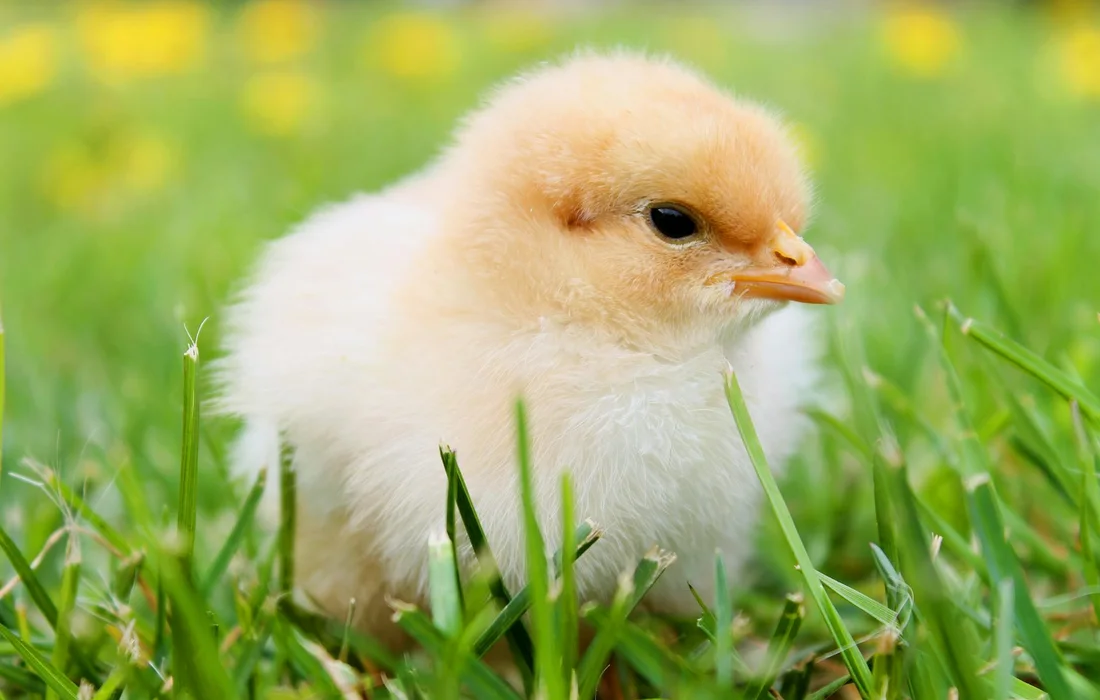
Now, if you’re like me and you’ve watched your chickens peck and scratch, you know a good pasture is worth its weight in golden yolks. Turning a simple grassy area into a thriving “pasture-plus” system is about working with nature, not against it, to keep your flock fed and busy. I reckon it’s the difference between serving a bland cracker and a hearty, home-cooked meal. Let’s walk through three hands-on steps to enrich their dining experience.
Step 1: Manage Your Pasture Like a Buffer
Think of your pasture not as a static lawn, but as a savings account of greenery you dip into. Rotation is the golden rule here, preventing overgrazing and letting plants recover their vigor and nutrients. On my place, I use lightweight, movable pens called “chicken tractors” to guide the feast. I aim for about 50 to 100 square feet per bird in the rotation, depending on how lush the growth is. It’s all part of effective pasture management.
You’ll want to watch for the grass being eaten down to roughly three inches tall before moving the flock along. This method controls parasites naturally and ensures your birds always have fresh, tender shoots and insects to discover. It’s a thrifty practice that builds soil health season after season, something my granddad swore by. Here’s a simple checklist for buffer management:
- Divide your available land into at least three separate paddocks or zones.
- Move your chickens to a new section every 7 to 14 days, or when forage gets short.
- Let each rested area recover for a full 4 to 6 weeks before the birds return.
- In drier seasons, supplement with hay or mulch in the run to encourage bug life.
Step 2: Sow a “Salad Bar” Just for Them
Beyond basic grass, you can actively plant a smorgasbord your chickens will adore. I’ve found that dedicating a small patch to a “chicken garden” boosts their diet’s variety and cuts my feed bill noticeably. I recall one spring I sowed a mix of crimson clover and alfalfa in a spare corner; the protein in those legumes (often 15-20%) had the hens laying eggs with shells so strong you could hardly crack ’em. It’s just one of the many beneficial treats I provide.
Your goal is to create layers of edible plants, from roots to leaves. Choose hardy, fast-growing seeds that can handle a bit of trampling and pecking. Here’s my go-to planting list for a balanced chicken salad bar:
- Legumes: White clover, crimson clover, and alfalfa. They fix nitrogen in the soil and are protein-packed.
- Leafy Greens: Kale, chard, and spinach. These are cold-tolerant and full of vitamins.
- Grains & Grasses: Millet, buckwheat, and perennial ryegrass. They provide carbs and encourage scratching.
- Herbs: Oregano, thyme, and mint. Some folks, myself included, believe they support respiratory health.
Just broadcast these seeds in a prepared bed or right into your pasture rotations in early spring or fall. The chickens will do the harvesting for you, especially when you use millet seeds as feed.
Step 3: Employ Cultivated Scatter-Feeding
This is where we trick our birds into working for their supper, and it’s a powerful tool. Cultivated scatter-feeding means strategically spreading handfuls of whole grains, seeds, or even soldier fly larvae across their pasture to trigger natural foraging behavior. It turns mealtime into a treasure hunt that exercises their bodies and minds. I do this in the late afternoon, so they’re fueled up for roosting.
You’re not just tossing out feed; you’re cultivating their instincts. This practice reduces boredom, cuts down on feather pecking, and ensures even the lower-ranked hens get a fair share. I use a mix of scratch grains, sunflower seeds, and dried mealworms. Here’s how I make the most of it:
- Choose a different area of the pasture each day to spread the goodies. This prevents soil compaction and disease buildup in one spot.
- Use a light hand-maybe a quarter-cup per bird-so they supplement their forage without filling up on just grains.
- Scatter the feed over rougher ground or lightly cover it with leaves or straw. This makes the chickens scratch and dig, which aerates your soil beautifully.
- In the winter, I’ll scatter feed over a bale of hay to keep them active and warm.
Watching your flock bustle and scratch is a sure sign of happy, healthy chickens. By combining smart pasture rotation, intentional planting, and engaging feeding rituals, you create a resilient system that benefits every creature in your care.
Balancing the Buffet: Essential Supplements for Foraging Chickens
Now, I love watching my hens work a pasture, but I learned long ago that a free-range diet isn’t a complete diet. Think of their foraging like a child at a potluck-they’ll fill up on what’s tasty and easy, not necessarily what’s balanced. Your job as steward is to backstop nature’s menu with the nutrients your flock might miss, ensuring they stay robust and productive year-round.
Always Available: Quality Feed & Insoluble Grit
Even my best layers, who range over two acres, get a daily offering of a balanced feed. I reckon of it as their daily multivitamin. That lush pasture is high in vitamins and fiber but can be low in concentrated protein and certain amino acids, especially during molt or peak lay.
I keep a 16-18% protein layer pellet available in a weather-proof feeder at all times. This steady, reliable source of nutrition lets them forage for pleasure and health without sacrificing their core dietary needs, especially when bugs are scarce or the grass gets tough.
Then there’s the one item you cannot skip: insoluble grit. This is not calcium. This is small, hard granite or flint that the bird stores in her gizzard to mechanically grind up her food. No grit, no proper digestion-it’s that simple.
I learned this lesson with a pullet who seemed hungry but was losing condition. Found her feeder full, but the grit hopper was empty. My mistake. She was eating but couldn’t break the food down to use it.
- Provide granite grit in a separate hopper, free-choice.
- Size matters: chick grit for youngsters, adult-sized pieces for grown birds.
- If your land is all soft dirt and mulch, they cannot find this naturally. You must provide it.
The Calcium Corner and Clean Water
Here’s a rule from my grandmother’s coop: keep the calcium separate. Laying hens have a massive, non-negotiable demand for calcium to shell their eggs. Mixing it into their main feed forces every bird-including roosters and non-laying pullets-to consume it, which can harm their kidneys over time. This is why it’s better to provide calcium sources like crushed eggshells separately.
I keep a dedicated “calcium corner” with a hopper of crushed oyster shell or limestone chips. The hens who need it will seek it out instinctively. This self-regulation is a beautiful thing to witness; a hen in production will peck at that oyster shell like it’s candy, while the others leave it be.
And none of this works without the most fundamental supplement of all: clean, fresh water. Foraging is thirsty work. Water drives every metabolic process, from digesting those grasshoppers to forming egg membranes.
- Use waterers that keep out dirt and droppings.
- Scrub them out with vinegar weekly-no soapy residue.
- In winter, a heated base is a lifesaver. Dehydration happens faster than you think.
A foraging flock is a healthy flock, but only when you thoughtfully fill in the gaps nature leaves behind. Providing these pillars of support transforms your pasture from a simple playground into a truly sustainable, nourishing system.
Seeing the Results: Eggs, Health, and Your Wallet
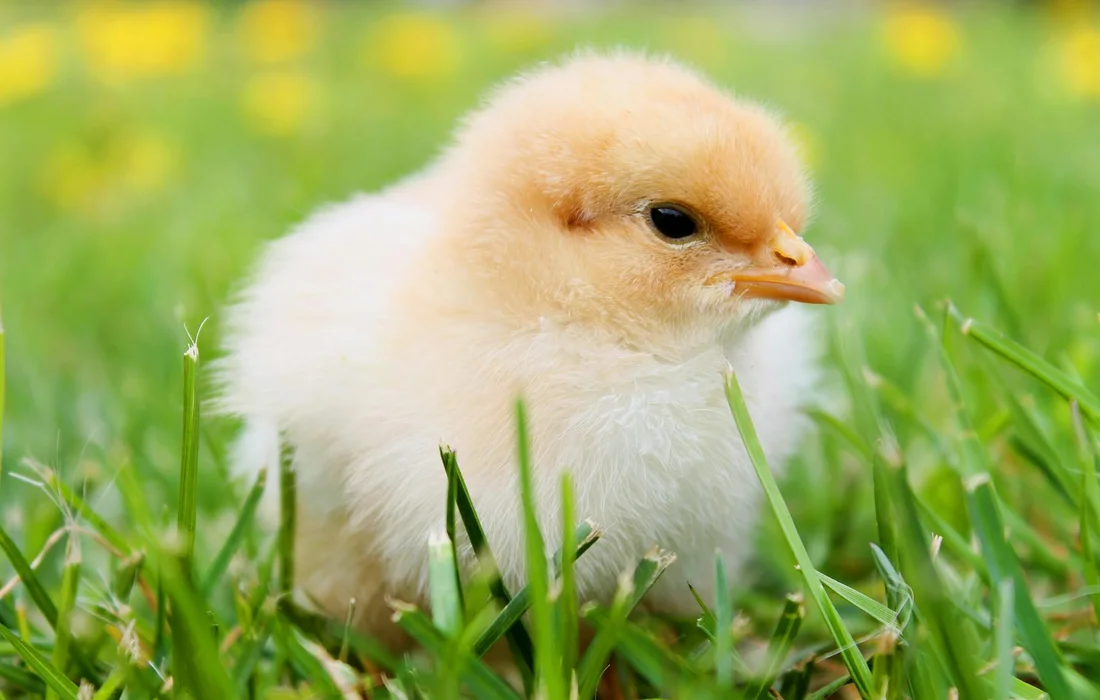
Once your flock gets the hang of ranging, the proof starts piling up in your egg basket and showing in their behavior. It’s more than just a feel-good notion; you can see, taste, and count the difference.
Deep Gold Yolks and Robust Health
Crack open an egg from a hen who’s been working a pasture, and you’ll know immediately. That yolk stands up tall and proud, colored a deep, almost orangey gold. That rich color comes straight from the carotenoids-nature’s pigments-in all the green grass, weeds, and bugs she’s consumed. It’s a direct visual link to her diverse diet.
The benefits run deeper than color. I’ve seen my own hens’ feathers get glossier and their combs stay a brighter red when they’re out foraging daily. They’re getting trace minerals and vitamins from the soil and plants that a bagged feed simply can’t perfectly replicate.
- Natural Parasite Control: Birds that forage eat insects like ticks, larvae, and flies. This isn’t just extra protein; it actively disrupts pest life cycles in your yard. I’ve spent far less on dewormers since my birds got serious range time.
- Stronger Skeletons & Shells: All that movement builds stronger bones. Furthermore, pecking at grit and minerals in the soil aids their digestion and provides calcium sources, leading to remarkably sturdy eggshells.
- Enriched Eggs: Studies, and my own kitchen experience, show these eggs often have higher levels of Omega-3 fatty acids and Vitamin E. You’re not just feeding chickens; you’re nourishing your own family.
Let their instincts work for you. A hen scratching for grubs is also aerating your soil and spreading manure. This constant, natural activity is the best preventative medicine you can provide, leading to a resilient flock with fewer health crises.
The Thrifty Steward’s Bottom Line
Now, let’s talk practical savings, because a homestead runs on thrift as much as it does on sunshine. A foraging chicken is a partner in lowering your feed bill, plain and simple.
In the peak of summer, when the bugs are thick and the greens are lush, my layers might get 25-30% of their daily intake from the land. That’s a quarter of a bag of feed I’m not buying every single week. For a flock of twenty hens, that translates to real dollars staying in your pocket each month.
Here’s how the math works out for a thrifty steward:
- Feed Supplementation, Not Replacement: You’ll still need a quality layer feed as their nutritional backbone. Think of it as their daily multivitamin. But you can confidently offer less when forage is abundant.
- Reduced Kitchen Waste: What you don’t spend on feed, you might save on garbage bags. Suitable kitchen scraps (vegetable ends, stale bread) become a high-value treat, not trash.
- Long-Term Flock Vitality: Healthier birds mean fewer emergency vet visits and medications. Investing in their environment through rotational grazing pays dividends in reduced veterinary costs over the years.
I reckon the most satisfying saving isn’t just monetary. It’s the peace of mind that comes from watching your animals live fully, using the land as their pantry. You’re cultivating a miniature ecosystem that sustains itself in beautiful, cost-effective cycles. The eggs are just the delicious bonus you collect each afternoon.
Closing Questions
How can I safely introduce free-ranging to chickens raised in confinement?
Begin with short, supervised sessions in a secure, enclosed run to let them acclimate and develop foraging skills. Gradually expand their roaming area as they learn to recognize predators and return to the coop, always providing supplemental feed and fresh water.
What are the clear indicators that my flock is successfully foraging and meeting their nutritional needs?
Watch for deep orange egg yolks, glossy feathers, and reduced aggression or boredom-related behaviors. A steady decrease in commercial feed consumption while maintaining healthy weight and consistent egg laying confirms they’re finding quality forage.
Can geese and ducks benefit from similar free-range foraging practices as chickens?
Absolutely, waterfowl naturally forage on grasses, aquatic plants, and insects, which can reduce feed costs and improve health. Ensure they have access to water for dabbling and manage pastures to include wet areas or ponds to support their specific dietary needs.
How do I balance free-ranging with predator protection, especially for smaller flocks?
Employ sturdy, buried fencing to deter diggers and overhead netting or covers to prevent aerial attacks. Use locking coops at night and consider guardian animals or motion-activated lights to enhance security while allowing daytime foraging.
What role does forage play in the diet of other barnyard animals like pigs or cows, and can they complement chicken foraging?
Pigs forage for roots and grubs, turning soil that chickens can later scratch for insects, while cows graze grasses, creating a layered pasture system. Integrating species through rotational grazing can boost overall forage diversity and soil health on the farm.
Are there any common misconceptions about free-range diets that I should be aware of?
One misconception is that foraging eliminates all supplemental feed; however, chickens still require balanced nutrition, especially in winter. Also, free-ranging doesn’t guarantee complete parasite control, so regular health checks and managed rotations remain crucial. In winter, seasonal chicken feeding winter appetite is key to supporting a proper cold-weather diet. Tuning portions and nutrients to winter appetite can help keep your flock healthy.
Shuttin’ the Gate
Lookin’ back over the pasture, the biggest lesson ain’t about a fancy feed chart. It’s about watchin’. Your best tool is your own two eyes, seein’ which patch of clover gets stripped bare first or noticin’ the hen who’s just a bit slower to the scratch. The true secret to a thriving free-range flock is marrying your planned nutrition with your daily observation, always bein’ ready to supplement what the land cannot provide that particular week. Trust the forage, but never leave your stewardship to chance.
I reckon that’s the heart of it. There’s a deep peace that comes from sittin’ on an upturned bucket at dusk, watchin’ your contented birds put themselves to bed, bellies full of grass and goodness. It’s a good life for them, and for you. I’m right glad we could chat about it. Now go on, get back out there to your flock-they’re probably findin’ the best bugs without you. Happy foragin’, y’all.
Further Reading & Sources
- Successful 100% forage diet experiment (long post) | BackYard Chickens – Learn How to Raise Chickens
- Raising Free Range Chickens in Gardens | Purina Animal Nutrition
- Feeding Chickens Without Grain – Cut Your Costs 100% – Abundant Permaculture
Caroline Mae Turner is a lifelong farm girl raised on red clay, early mornings, and the sounds of a bustling barnyard. With hands-on experience caring for everything from stubborn goats to gentle dairy cows and mischievous pigs, Caroline shares practical, tried-and-true advice straight from the farm. Her goal is to help folks keep their animals healthy, well-fed, and living their best barnyard life. Whether you're wrangling chickens or bottle-feeding a baby goat, Caroline brings a warm Southern touch and plenty of real-world know-how to every bucket in the barn.
Forage Options