
Can Chickens Eat Grass? Your Pasture-to-Pantry Guide
Published on: June 4, 2026 | Last Updated: June 4, 2026
Written By: Caroline Mae Turner
Howdy y’all, and welcome back to the barn. If you’re staring at a pile of fresh lawn clippings and wondering if you can just toss ’em to the hens, I hear you-that chore beckons. Your chickens can absolutely eat fresh, growing grass, but those lawn clippings need careful handling to avoid a soured, compacted mess that can make your flock sick.
- A push mower or scythe for cutting
- A rake or pitchfork for spreading, not piling
- Their regular balanced feed (grass is a supplement, not a meal)
- A keen eye for what’s been sprayed or treated
Let’s get this common confusion sorted right quick, so you can get back to the rest of your homestead with confidence.
Why Grass is a Chicken’s Kitchen: Nutritional Benefits & Natural Behavior
To a chicken, a patch of grass ain’t just a lawn; it’s a bustling cafeteria, a pharmacy, and a playground all rolled into one. I’ve spent many an afternoon leaning on the fence, watching my hens methodically work a section of pasture. Their contented clucks and focused pecking tell you everything you need to know. Offering your flock access to fresh greens is one of the simplest acts of good husbandry, fulfilling their bodies and their spirits.
Grass and other forage plants provide vital dietary greens that complement their commercial feed. They’re packed with vitamins A, E, and K, along with a host of trace minerals. The fiber is the real unsung hero, though. It keeps their digestive tract moving smoothly and helps their mighty gizzard grind up grains properly. Letting them forage satisfies a deep, natural instinct to hunt and peck, providing critical mental stimulation that staves off boredom and vice.
My old hen, Bertha, taught me this. Confined during a wet spell, she grew listless. The moment I let her back on the green, she scampered off, tail feathers high, and spent a solid hour hunting bugs and tender blades. Her whole demeanor changed.
- Cost-Saving: Foraged greens can offset your feed bill, especially in spring and summer.
- Weed Control: Chickens are diligent, if selective, lawn crew. They’ll devour many common weeds like chickweed and dandelions.
- Improved Egg Yolk Color: The beta-carotene in fresh grass gives yolks that rich, deep orange color we all love.
The Building Blocks in Every Blade
Think of fresh grass as a living, sunlight-powered multivitamin. While commercial feed provides the consistent protein and energy backbone, pasture adds the nuance. Young, leafy grasses can be surprisingly high in digestible protein, crucial for feather growth during a molt. They also offer a balanced calcium-to-phosphorus ratio, which supports strong eggshells. Perhaps most importantly, the act of grazing in sunlight allows chickens to naturally synthesize vitamin D, which is essential for using that calcium.
Don’t expect grass to replace a complete feed, but do recognize its powerful supplemental role. The values vary, but here’s a glimpse of what common pasture grasses can offer:
| Grass Type | Key Nutritional Note |
|---|---|
| Perennial Ryegrass | High in sugars, highly palatable, quick to establish. |
| Clover (White or Crimson) | Legume; fixes nitrogen, high in protein, bees love it. |
| Orchardgrass | Good yield, stays palatable longer as it matures. |
| Kentucky Bluegrass | Dense sod, drought-tolerant, provides good cover. |
A diverse pasture is your goal, as it ensures a wider spectrum of nutrients and keeps your birds interested in the hunt.
More Than Just Food: The Joy of the Hunt
Grazing is behavioral medicine. A chicken with a job-finding its next bug or blade-is a happy chicken. This natural activity drastically reduces stress-based behaviors like feather picking and cannibalism. Watch them close. They don’t have teeth, so they use their beaks to deftly snip and tear grass, often giving it a quick toss to position it for swallowing. That’s where the gizzard takes over. Chickens forage to self-regulate their intake, choosing greens, seeds, and insects as needed. This self-regulated feeding supports overall health and welfare.
Folks sometimes ask about those “chicken cat grass sticks” sold in stores. They’re fine for a treat, but they’re really just capitalizing on this innate behavior. The real magic happens in the gizzard, a muscular stomach that uses grit to physically grind the fibrous grass into a digestible pulp. Always ensure your birds have access to insoluble grit if they’re foraging; it’s the tool that lets them use the food they find.
The Hidden Dangers in Your Yard: Pesticides, Mold, and Toxic Plants
Now, we must temper our enthusiasm with caution. The modern yard can be a minefield for a foraging chicken. Your responsibility is to scout the land before you turn the flock loose. The greatest threat isn’t usually the grass itself, but what we’ve put on it or what’s grown in it unseen. A quick inspection can mean the difference between a healthy treat and a veterinary emergency.
Start by walking the area. Look for unfamiliar plants, signs of chemical application like granular residue or warning flags, and damp, matted piles of old clippings. Know the common toxic plants in your region-things like nightshade, oleander, or certain ferns. Symptoms of poisoning can include lethargy, tremors, difficulty breathing, or sudden collapse. If you suspect it, remove the birds immediately and call your vet.
Chemical Culprits: What’s On Your Lawn?
Many common lawn chemicals are outright deadly to poultry. Herbicides like 2,4-D and glyphosate, or insecticides like carbaryl and malathion, can cause rapid poisoning. Residues linger on grass blades and are absorbed by the roots. Chickens eat the grass, the bugs that ate the grass, and the dirt, creating multiple exposure pathways. These toxins can then concentrate in their eggs and meat. That’s why chicken diet safety matters—avoiding toxic or contaminated foods is essential. Knowing which foods are safe for chickens helps protect your flock and its eggs and meat.
For a safe homestead, I lean on natural alternatives. A cup of vinegar in a gallon of water can spot-treat weeds. Encouraging beneficial insects handles pests. A thick, healthy lawn outcompetes weeds all on its own. Building healthy soil is the thriftiest and safest pest control program you’ll ever invest in.
When Good Grass Goes Bad: Mold and Fungus
That pile of grass clippings you rained up last week? It can turn dangerous fast. Damp, piled organic matter heats up, creating a perfect breeding ground for molds and fungi like botulism from moldy food. A chicken pecking at moldy clippings can ingest a lethal dose of toxin without you ever seeing the spores.
Always offer grass fresh from the lawn, not from a decomposing pile or the bottom of a mower bag. If it’s slimy, smells sour, or has visible white or gray fuzz, dispose of it in a compost pile far from the coop. When in doubt, throw it out. Fresh and dry is the only safe way to offer clippings as a treat. Your flock’s safety is worth far more than that handful of grass.
Feeding Grass Clippings: A Practical Guide to Do’s and Don’ts
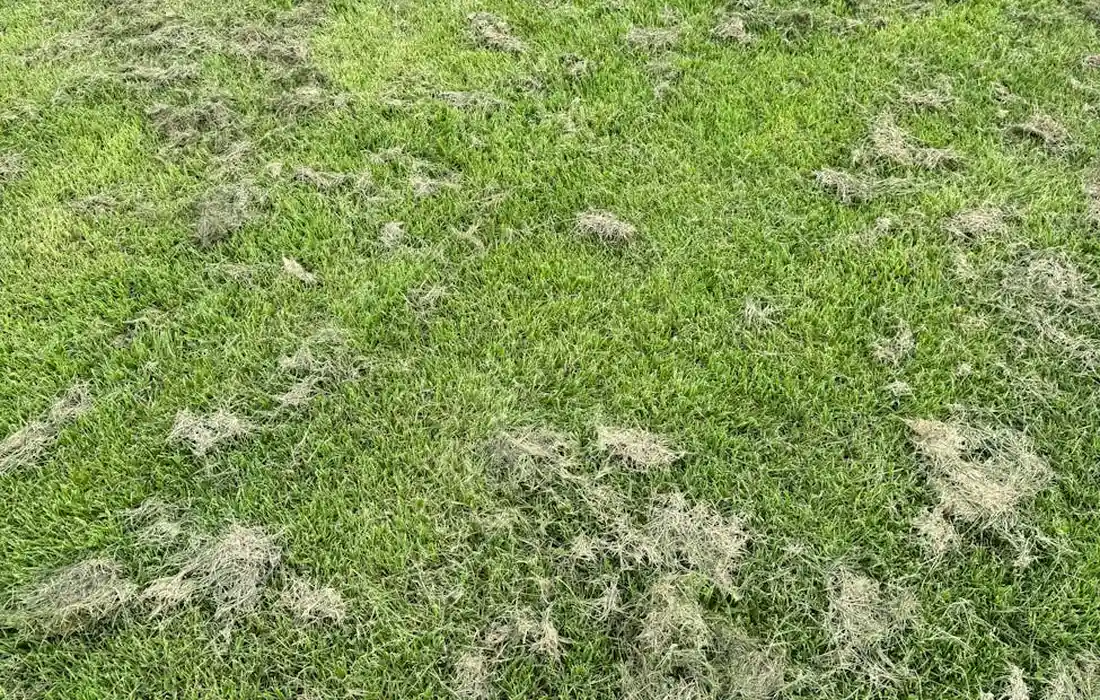
Can chickens eat grass clippings? Yes, but with a heap of caution. I treat clippings like a condiment, not the main course, and getting that ratio wrong is where most folks run into trouble. The answer hinges entirely on how you source and serve them.
You must know your lawn’s history. Clippings from a purely organic, untreated yard are a safe, thrifty treat, while anything from a chemically treated lawn is a hard no. I learned this the hard way years ago when a neighbor’s herbicide drift caused a scare in my flock; now I only mow from my own trusted pasture margins.
Your mower creates another risk. Blades that mulch grass too finely can turn it into a sticky mass that risks impacting a chicken’s crop, leading to a choking hazard or digestive blockage. It changes a simple snack into a potential emergency.
Follow this numbered list for preparing and offering clippings safely:
- Source exclusively from areas free of weed killers, pesticides, and synthetic fertilizers for at least one full season.
- Mow when the grass is dry to avoid wet, clumpy cuttings that spoil fast.
- Let the clippings air out and cool completely after mowing before even thinking about feeding.
- Always disperse them thinly to encourage movement and prevent mold.
- Offer them in the morning or early afternoon, never late in the day, so the birds have time to digest properly.
From Mower to Flock: Safe Handling Steps
Here’s my step-by-step barnyard method for turning lawn waste into a safe flock snack.
- Mow an untreated, chemical-free area. I keep a dedicated “snacking zone” near my garden that never sees sprays.
- Allow clippings to dry and cool to avoid fermentation. I spread them on an old screen door for an hour-heat and moisture are the enemies here.
- Scatter thinly to prevent mold and encourage natural pecking. Toss a few handfuls across the run like you’re seeding a field, which keeps the birds active and foraging.
- Never feed clippings from a bag that has heated or soured. If they smell sour or feel warm, they belong in the compost pile, not your chickens.
The Perils of the Pile: Why Dumping Clippings Fails
Tossing a whole pile of clippings into the run seems efficient, but it’s a recipe for problems. A dense pile compacts quickly, creating a slick, anaerobic mat where harmful molds and bacteria multiply. I’ve cleaned up enough of these foul-smelling messes to know they attract pests and can cause respiratory issues.
This method also upsets their diet. Chickens will often pick through an easy pile and ignore their balanced feed, missing out on crucial proteins and nutrients they need to stay healthy and productive. Grass clippings are mostly fiber and water, not a substitute for a 16-18% protein layer ration.
Scatter-feeding is the only way I recommend. This technique promotes natural behavior, prevents waste, and ensures your birds get a supplemental treat without compromising their primary nutrition. It’s a simple act of stewardship that respects their digestive needs and keeps your coop cleaner.
Managing the Pasture: Safe Foraging and Grazing Systems
Turnin’ your yard into a proper buffet for your flock is about more than just openin’ the coop door. It’s a deliberate act of stewardship that benefits the land and the birds. Think of it as managing a living larder that needs care to keep producin’. Good pasture management starts with givin’ your chickens enough room to express their natural behaviors without lovin’ the plants to death. I reckon five to ten square feet of pasture per bird is a fine start, but more is always better if you have it.
Water is the most overlooked tool in pasture management. A fresh, clean source placed out in the grazing area keeps them from trekkin’ back to the coop constantly, which encourages them to stay out and forage longer. Now, about fences: your two main choices are stationary and mobile. A sturdy, permanent fence defines your main yard, while lightweight electrified netting or a simple chicken tractor are brilliant for creatin’ temporary paddocks. Predator protection is non-negotiable, so bury hardware cloth or use an electric strand low to the ground to discourage diggers. I’ve seen a determined raccoon make short work of flimsy wire, so build for the troublemaker you have, not the one you hope for.
Encouragin’ the right plants turns a simple lawn into a nutrient-dense dining hall. You want a mix that’s hardy, grows back well, and offers varied benefits. Here’s a table of some of my favorite volunteer and seeded plants for a chicken pasture:
| Plant | Why Chickens Love It | Notes from the Barnyard |
|---|---|---|
| Clover (White & Red) | High in protein, easy to establish. | A nitrogen-fixer that improves your soil. The blossoms are a favorite. |
| Grasses (Rye, Timothy) | Tender blades and seed heads. | Provides structure and encourages bug-hunting in the thatch. |
| Dandelion | Every part is edible-leaf, flower, root. | A powerhouse of vitamins; I never spray these gold mines. |
| Plantain (Broadleaf) | Hearty leaves, sought-after seeds. | Thrives in compacted soil, which chickens help create! |
| Chicory | Deep taproot pulls up minerals. | Beautiful blue flowers and incredibly drought-tolerant. |
Setting Up a Chicken Salad Bar: Rotational Grazing
Rotational grazin’ is the secret to havin’ your grass and eatin’ it too. It means dividin’ your space into smaller paddocks and movin’ the flock between them on a schedule. This simple practice solves a heap of problems all at once. By not lettin’ ’em camp out in one spot, you dramatically cut down on parasite larvae build-up in the soil and give plants a crucial recovery period. The grass comes back thicker and more nutritious, and your chickens always have a fresh salad bar waitin’.
Here’s a simple plan I’ve used for a backyard flock of six hens:
- Divide Your Space. Split your available grazing area into at least two, but ideally three or four, sections using temporary netting or movable pens.
- Follow the “Third” Rule. Let the chickens graze a paddock until the grass is eaten down by about one-third of its height. This prevents root damage.
- Move the Flock. Shift your birds to the next fresh paddock. A mobile coop or simple temporary shelter makes this easy.
- Let it Rest. Allow the grazed section to rest and regrow for several weeks before cyclin’ the flock back through. In peak growin’ season, this might be 3-4 weeks.
This system mimics how wild birds move across a landscape, and it keeps everythin’ healthier. I’ve watched worm counts plummet in flocks on rotation compared to those on static dirt runs.
Year-Round Foraging: Adjusting for Seasons
A savvy homesteader knows the pasture’s offerings change with the calendar, and your management should too. Spring’s lush, fast-growin’ grass is a delight, but it can be surprisingly low in fiber and high in water, so always ensure your hens have access to their regular feed to balance their diet. This is also the time their protein needs spike for featherin’ and egg production, so don’t rely on grass alone.
Summer brings heat and often drought. The grass may go dormant and turn brown. This is when your rotational system proves its worth, as rested paddocks hold moisture better. Supplement their forage with kitchen scraps like cucumber ends, or grow a patch of cut-and-come-again greens like kale or Swiss chard just for them. Shade is a critical form of pasture management in summer; a movable sun shelter encourages them to forage even on hot days.
When winter blankets the ground, the fresh greens are gone. This is when I rely on the reserves: I grow fodder like barley sprouts in shallow trays in the barn, and I always put up extra alfalfa hay in the fall to scatter in their run. They spend hours scratchin’ through it, findin’ seeds and dried herbs. It’s not fresh grass, but it keeps their minds and bodies active. Remember, their need for energy to stay warm increases, so their complete feed is the cornerstone of their winter diet.
Beyond the Basics: Grass for Ducks, Geese, and Mixed Flocks

If your homestead sounds like ours, with a cheerful cacophony of clucks, quacks, and honks, you’ve likely noticed not all birds treat a lawn the same. While chickens are opportunistic nibblers, ducks and geese are born grazers, designed by nature to make a serious meal out of tender grasses and weeds. My gaggle of Pilgrim geese can mow a paddock with an efficiency that would make my old tractor jealous.
Their digestive systems are built for this work. Geese, in particular, have strong, serrated bills perfect for shearing grass, and their longer intestines allow for more thorough breakdown of fibrous material. In my experience, a good pasture can supply a goose with nearly half its daily nutritional needs, something your laying hens just can’t manage. Ducks enjoy grass too, but they often mix in more insects and aquatic plants when given the choice. Geese especially benefit from a diet well-suited to their grazing habits.
- For Ducks: They’ll graze readily, but always ensure clean, deep water is nearby. They use water to wash down their food, and dry grass clippings can be a choking hazard without it.
- For Geese: These are your lawn maintenance crew. They prefer young, succulent grasses and can be relied upon to keep areas tidy. They require very little supplemental feed during spring and summer if pasture is lush.
- In a Mixed Flock: This works beautifully. The geese trim the grass, the ducks patrol for slugs, and the chickens scratch and glean behind them, creating a balanced foraging system. Just watch that everyone gets enough commercial feed for their specific needs-geese need lower protein (around 14-16%) than growing meat birds.
A Note on Other Grazers
Now, when you look past the poultry yard to the goat pen or cattle pasture, the story changes entirely. My Jersey cow, Bessie, lives on grass and hay, her rumen acting as a fermentation vat to break down cellulose into usable energy-a process chickens can’t replicate. For her, grass isn’t a supplement; it’s the foundation.
Poultry lack that complex, multi-chambered stomach. They have a gizzard that grinds, but it can’t ferment and extract nutrients from raw fiber like a ruminant can. I always tell new homesteaders to think of grass for chickens as a vitamin-rich salad bar, not the main course like it is for the goats. If you notice digestive issues, a diet-based diagnostic guide can help you pinpoint causes and fixes. It walks you through signs to watch for and practical feed adjustments that restore gut balance. Expecting a hen to thrive on grass alone is like expecting me to thrive on sweet tea-pleasurable, but lacking in substance.
This distinction is key for pasture management, especially when rotating pastures for different animals. Rotating your ruminants and poultry sequentially can be brilliant; the cows eat the long grass, then the chickens follow to spread manure, pick apart patties for bugs, and take their leafy greens from the fresh regrowth. It’s a thrifty, natural cycle that honors each animal’s design.
Closing Questions
Can chickens survive on grass alone?
No, chickens cannot live solely on grass, as it lacks adequate protein and essential nutrients found in complete feed. Grass should be offered as a supplement to support natural foraging and provide vitamins, not as a primary meal.
How should I safely prepare grass clippings for my chickens?
Always use clippings from chemical-free lawns and scatter them thinly to prevent mold and digestive blockages. Never feed clippings that are wet, clumped, or from a decomposing pile, as they can ferment and harm your flock.
In Stardew Valley, do chickens eat grass, and is this accurate to real life?
Yes, in Stardew Valley, chickens can consume grass on the farm, which loosely mirrors real foraging behavior. However, the game oversimplifies nutrition; real chickens require balanced feed alongside grass for optimal health and productivity.
What do Reddit users say about chickens eating grass in Stardew Valley?
On Reddit, players often discuss using grass starters to feed chickens and optimize farm layout. These conversations note the game’s mechanics, but many emphasize that real-world poultry need more diverse diets than portrayed in-game. For backyard flocks, understanding chicken diet basics helps ensure you feed your birds properly. Balancing grains, greens, and protein supports healthy growth and egg production.
Are commercial chicken cat grass sticks a good alternative to fresh grass?
Chicken cat grass sticks are safe, convenient treats that encourage natural pecking behavior. They can be a fun enrichment tool, but they are not a replacement for fresh grass or a nutritionally complete feed due to their limited dietary value.
Can chickens eat raspberries, and how should I offer them?
Yes, chickens can enjoy raspberries as an occasional treat, providing antioxidants and variety. Ensure raspberries are fresh, washed, and given in moderation to prevent overconsumption of sugars, always alongside their regular feed. Mixed berries including blackberries and strawberries can offer similar benefits when fed appropriately.
Shutting the Gate
When all is said and done, your flock’s success on grass comes down to two things: moderation and what’s under that green carpet. The single most important thing you can do is know what’s on your lawn before you ever toss a single clipping; chemicals and chickens are a mix that spells real trouble. A little fresh forage is a wonderful supplement, but it can’t replace a complete, balanced feed.
I reckon the real joy is just watching them do what they were born to do-scratch, peck, and explore. There’s a peace in that sight I wouldn’t trade for anything. Thank y’all for settin’ a spell with me. Now get on out there, enjoy the sunshine with your birds, and take pride in the good, simple life you’re building for them and for yourself.
Further Reading & Sources
- Do chickens eat grass and is it good for them? BHWT
- How to maintain grass with chickens in the backyard?
- Can they eat too much grass? | BackYard Chickens – Learn How to Raise Chickens
Caroline Mae Turner is a lifelong farm girl raised on red clay, early mornings, and the sounds of a bustling barnyard. With hands-on experience caring for everything from stubborn goats to gentle dairy cows and mischievous pigs, Caroline shares practical, tried-and-true advice straight from the farm. Her goal is to help folks keep their animals healthy, well-fed, and living their best barnyard life. Whether you're wrangling chickens or bottle-feeding a baby goat, Caroline brings a warm Southern touch and plenty of real-world know-how to every bucket in the barn.
Forage Options