Goat Diet Solved: The Complete List of Toxic Foods and Healthy Feeds
Published on: June 14, 2026 | Last Updated: June 14, 2026
Written By: Caroline Mae Turner
Howdy y’all, welcome back to the barn. If figuring out what your goats can and can’t eat feels like a chore, I reckon I’ve spent more hours than I can count at that same fence post. The absolute foundation of a healthy goat is a diet built on good forage and balanced grains, while vigilantly keeping common toxins like azalea leaves and moldy feed far away from the pasture.
What you’ll need:
- A sharp eye for identifying plants in your pasture and yard.
- Knowledge of basic feed types: roughage, concentrates, and minerals.
- A willingness to adjust rations based on your herd’s age and job.
Let’s get your feeding routine squared away so you can tend to the rest of your homestead with confidence.
The No-Go List: Common Foods & Plants That Harm Goats
Kitchen Scraps and Processed Foods to Avoid
Y’all’s goats might put on a pitiful face, but some kitchen leftovers are pure poison. I never toss onion peels or garlic scraps into the pen-they can rupture red blood cells. Chocolate and caffeine are strict no-gos, as they overcharge a goat’s heart and nerves something fierce.
- Avocado Skins and Pits: Contain persin, which weakens the heart muscle over time.
- Green Potato Peels: Pack solanine, causing gut upset and neurological tremors.
- Moldy Anything: Fungal toxins from spoiled grain or bread can shut down a liver.
- Salty Snacks: Excess salt imbalances minerals, leading to painful urinary stones.
Stick to safe scraps like carrot tops or melon rinds, and even then, only as a tiny treat.
Poisonous Plants in Pasture and Browse
Walk your fence lines with a critical eye. I’ve seen lambsquarter grow beside deadly nightshade. Rhododendron and azalea are deceptively pretty, but a few leaves can cause drooling, stumbling, and heart failure in goats.
- Learn the Usual Suspects: Wilting wild cherry leaves release cyanide, and lush bracken fern causes thiamine deficiency.
- Dig and Destroy: For perennials like oleander or milkweed, remove the entire root ball to prevent regrowth.
- Quarantine Areas: Use temporary electric fencing to block off patches of hemlock or lantana until cleared.
Keep a pocket guide handy-I’ve worn out my copy of “Poisonous Plants of the Southeast.”
My Personal Barnyard Blunder
I once thought I was being thrifty by dumping a bucket of peach pits into the buck’s pen. Within hours, he was panting and off his feed. Stone fruit pits contain amygdalin, which converts to cyanide during digestion, and my carelessness nearly cost him his life. The vet had us administer a baking soda drench, and we watched him all night. Now, I never feed any fruit without removing the seeds or pits first.
Building the Perfect Plate: A Goat’s Daily Diet Foundation
Hay: The Backbone of Every Meal
Quality hay makes up 60-70% of what my herd eats, year-round. I prefer a mix of grass hay like bermuda for maintenance and alfalfa for milking does. An average adult goat needs 2 to 4 pounds of hay daily, but always keep a rack full to let them nibble naturally.
- Choose Green and Leafy: Good hay smells sweet like cut grass, not dusty or moldy.
- Store High and Dry: Keep bales on wooden pallets under a tarp to ward off moisture and rot.
- Feed Wisely: Use slanted hay feeders to reduce waste by half and keep hay clean.
Test a bale by breaking it open-if it’s brown inside, it’s lost most of its nutrients.
The Power of Pasture and Browse
Goats would rather munch on blackberry brambles than a lawn of fescue. I rotationally graze my herd, moving them every three to five days. Providing at least 200 to 300 square feet of browse per goat controls parasites and encourages natural foraging behavior.
They’ll clear multiflora rose and poison ivy, which saves me backbreaking work. I protect young fruit trees with wire cages, as goats will strip bark when bored. A diverse pasture with shrubs and weeds is healthier than a monocrop grass field.
Grains and Concentrates: A Careful Supplement
I only bring out the grain bucket for does heavy with milk or skinny youngsters needing extra condition. Limit grains to 1% of body weight daily-overfeeding causes bloat and founder, which I’ve treated more than once.
| Goat’s Life Stage | Protein Percentage Needed | Daily Grain Guide |
|---|---|---|
| Dry Doe or Wether | 12-14% | 1/2 cup to 1 lb, only if hay is poor |
| Late Pregnancy & Milking Doe | 16-18% | 1 to 2 lbs, split a.m. and p.m. |
| Growing Kid (after weaning) | 14-16% | Free-choice creep feed until 6 months |
I mix cracked corn, oats, and a pelleted balancer for my ration, but a bagged goat feed from a trusted mill works just as well. Always introduce grains slowly over a week.
Essential Minerals and Supplements for Thriving Goats
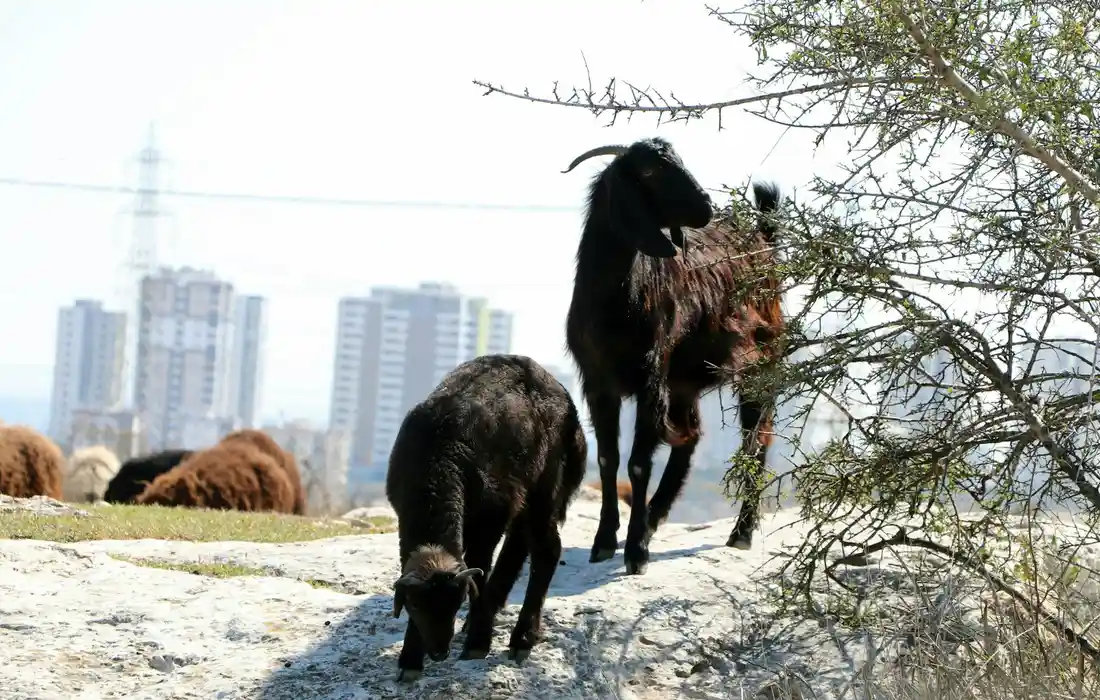
Feedin’ your goats good hay and clean water is the foundation, but think of minerals as the mortar that holds the whole structure together. Without the right balance of minerals, your herd’s health, from bone strength to milk production, is built on shaky ground. I learned this lesson years back when a few of my does had dull coats and poor kid growth, all solved by finally gettin’ their minerals right.
Why a Plain White Salt Block Isn’t Enough
That white salt block hangin’ on the fence is like offerin’ a single crayon to an artist-it’s just one tool, and a limited one at that. Goats require a complex palette of minerals that a plain salt block completely lacks. It doesn’t compare to the full spectrum of goat mineral supplements that provide the necessary nutrients.
Their needs are specific and change with the season, their age, and whether they’re bred or milking. The most critical oversight in a plain salt block is the complete absence of copper, a mineral goats need in higher amounts than sheep or cattle. A copper deficiency can lead to faded coats, poor growth, anemia, and a weakened immune system. Unlike some minerals that are generally safe for various species, copper levels must be carefully managed for goats.
Here’s what a quality goat mineral should provide that a salt block won’t:
- Copper: Essential for blood, nerve, and bone health. I always choose a mineral formulated specifically for goats to ensure safe, adequate levels.
- Selenium: Often deficient in soils nationwide, it’s vital for muscle function and reproduction. Your local extension office can tell you if your area is selenium-deficient.
- Zinc: Crucial for skin health, hoof integrity, and fighting off mastitis.
- Calcium & Phosphorus: Need to be in a proper balance, usually around a 2:1 calcium-to-phosphorus ratio, for strong skeletons and good milk output.
Setting Up a Proper Mineral Station
You can buy the best mineral mix on the market, but if you don’t present it right, your goats won’t consume it properly. It’s about makin’ it easy and appealing for them. Using proper salt and mineral blocks can make a difference.
First, choose loose minerals over hard blocks. Goats have sensitive mouths and prefer the loose texture, and they can consume it much more efficiently. I keep my minerals in a simple, covered feeder stationed in a high-traffic area where the herd loafs, never on the wet ground. A little roof over the feeder keeps rain from turning your investment into a cement block.
Follow this setup for success:
- Location is Key: Place the station in a dry, sheltered spot near their water source or favorite lounging area. Goats are curious and will investigate.
- Use a Proper Feeder: A wall-mounted box with a slanted roof or a covered barrel works wonders. It keeps the minerals clean, dry, and waste-free.
- Offer it Free-Choice: Always keep minerals available. Goats are brilliant at self-regulating their intake based on what their bodies crave.
- Monitor Consumption: Keep an eye on how much they’re eatin’. A sudden spike or drop can be your first clue to a health or dietary issue. In my barn, consumption always goes up right before bad weather and when the does are in late pregnancy.
Remember, minerals are not a garnish. They’re a core ingredient in the recipe for a robust, productive goat. Investin’ in a quality, goat-specific mineral and presentin’ it thoughtfully is one of the smartest, most cost-effective health decisions you’ll make for your herd. It saves you a fortune on vet bills down the road. Just make sure you know what minerals to give and in what amounts.
The Complete Feeding List: Safe Treats and Kitchen Scraps
Now for the fun part-treats and scraps! I reckon this is where many a goat owner gets into a pickle, wanting to share the bounty but worryin’ about causing harm. Think of these extras as the spice of life, not the main course; they should never make up more than 10% of your goat’s daily intake. A handful per goat, per day, is a fine rule of thumb to keep their rumens happy and balanced.
Vegetable Garden Bounty for Goats
After I’ve put up my own harvest, there’s always some garden leftovers. Goats can be mighty helpful clean-up crews! Most veggies are safe, but you must know the exceptions. I always wash ’em to remove any lingering pesticide, even from my own organic plot.
A ripe tomato fruit is a sweet treat, but you must keep the vines and leaves far away from your herd, as they are part of the toxic nightshade family. Here’s a dependable list from my garden gate:
- Leafy Greens: Carrot tops, beet greens, lettuce, kale, and Swiss chard. My Nubians would trample me for a bunch of carrot tops.
- Root Vegetables: Carrots, beets, turnips, and parsnips. I often chop these into chunks to prevent choking.
- Squash & Pumpkins: Every part is safe-fruit, seeds, even the stringy guts. After Halloween, those carved pumpkins make a fantastic enrichment snack.
- Brassicas: Broccoli, Brussels sprouts, cauliflower, and cabbage leaves. Feed these in strict moderation, as they can cause gas.
Avoid potatoes, especially green ones, and never offer onions or garlic in any form. Rhubarb leaves are a firm no as well.
Orchard and Berry Patch Surprises
Fruits are like candy to a goat, full of natural sugars. I save these for special rewards or when I’m needin’ to coax a stubborn doe into the milking stand. Always remove pits and seeds from stone fruits, as they contain cyanide compounds that can build up over time. A few apple seeds won’t hurt, but a bucket of peach pits is a real danger.
- Tree Fruits: Apples (cores are okay, seeds in moderation), pears, peaches, plums, and apricots. Slice them to avoid choking.
- Melons: Watermelon, cantaloupe, and honeydew. Rind and all! This is a superb summer hydrator.
- Berries: Strawberries, blueberries, raspberries, and blackberries. My pygmies will delicately pick these right off the stem.
- Other Vine Fruits: Grapes (cut in half for small breeds), and raisins as a very rare, tiny treat.
Citrus fruits like oranges and lemons are generally safe but often not a favorite due to the strong scent. I’ve seen goats turn their noses up at a lemon wedge more than once. From a goat diet safety standpoint, some plants—like morning glory—are unsafe and should be avoided. This is why citrus and other safe fruits, including pomegranates, are discussed as occasional treats rather than staples.
A Word on Bread and Other Scraps
This is where thriftiness must bow to good sense. While a bit of stale bread won’t poison a goat, it offers little nutrition and can compact in their rumen. I treat bread like I do dessert for the young’uns-a tiny bit on occasion is fine, but it makes for poor nourishment. The same goes for cereals, crackers, and most processed human snacks.
What about other kitchen scraps? Here’s my simple rule from decades at the stove and the barn:
- Good in Tiny Amounts: Plain cooked rice or pasta, oatmeal, unsweetened cereal.
- Proceed with Caution: Dairy products like a bit of leftover yogurt. Some goats tolerate it, others don’t. Introduce slowly.
- Absolutely Not: Anything moldy, processed meats, salty chips, chocolate, coffee grounds, or leftover casseroles with onions and garlic. If you wouldn’t eat it plain and fresh, don’t give it to your goat.
I keep a designated “goat bucket” by the sink for approved veggie peelings and ends. It cuts down on waste and makes for a happy, expectant herd when they hear that bucket rattle in the evening. Feeding scraps is an act of stewardship, not just disposal; always ask if this bite benefits the animal before you toss it over the fence.
Water: The Most Overlooked Nutrient
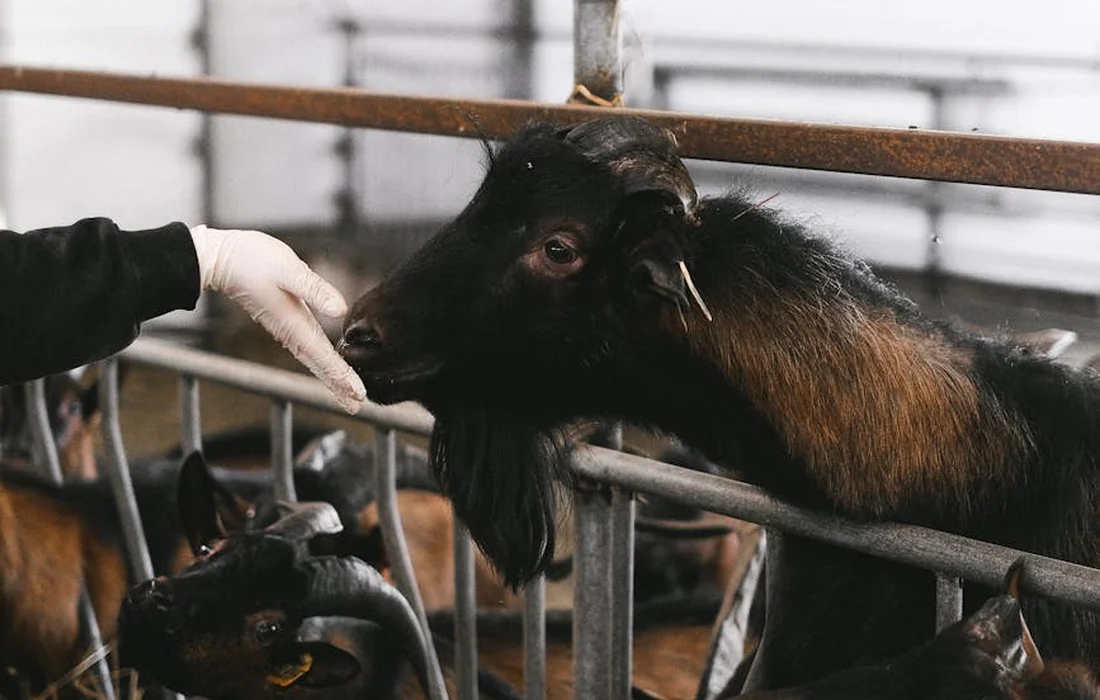
We fuss over protein percentages and mineral ratios, but I’ve seen more health troubles stem from a dirty bucket or an empty trough than a slightly off-balance grain mix. Water ain’t just for thirst; it drives the rumen’s fermentation engine, regulates body temperature, and keeps everything in working order.
Scrimping on clean water is a surefire way to invite urinary calculi in bucks, poor milk production in does, and a general dullness in your herd’s vitality.
Clean, Fresh, and Always Available
My rule is simple: if I wouldn’t take a sip from it, it ain’t fit for my goats. Algae, old feed, and bird droppings turn a water source into a soup of problems.
You need to scrub those buckets or troughs with a brush at least twice a week, more in the scorching summer heat when things grow faster. A splash of apple cider vinegar in the water can help discourage algae and offers a mild probiotic boost, but it’s no substitute for a good scrubbing.
Placement matters more than you might reckon. Set waterers away from their favorite lounging spots and hay racks to minimize bedding and waste from getting kicked in.Goats are notorious for soiling their own drink, so I often raise buckets onto a simple platform or use wall-mounted options to keep things a tad cleaner.
In winter, your chore shifts from cleaning to preventing freezing. Heated buckets are a wise investment for your sanity. I’ve also used the old-fashioned method of swapping out frozen buckets for fresh warm water several times a day-it’s a chore, but it works.Remember, a goat eating more dry hay in winter needs even more water to process it, so ice is a double threat. Check those water sources a minimum of twice daily, without fail.
- Use heavy, tip-resistant rubber tubs or anchored buckets.
- Provide multiple water points if you have a large herd or shy animals.
- During lactation or extreme heat, water needs can double. Watch intake closely.
- A sudden drop in water consumption is often the first sign of illness.
Putting It All Together: A Seasonal Feeding Schedule
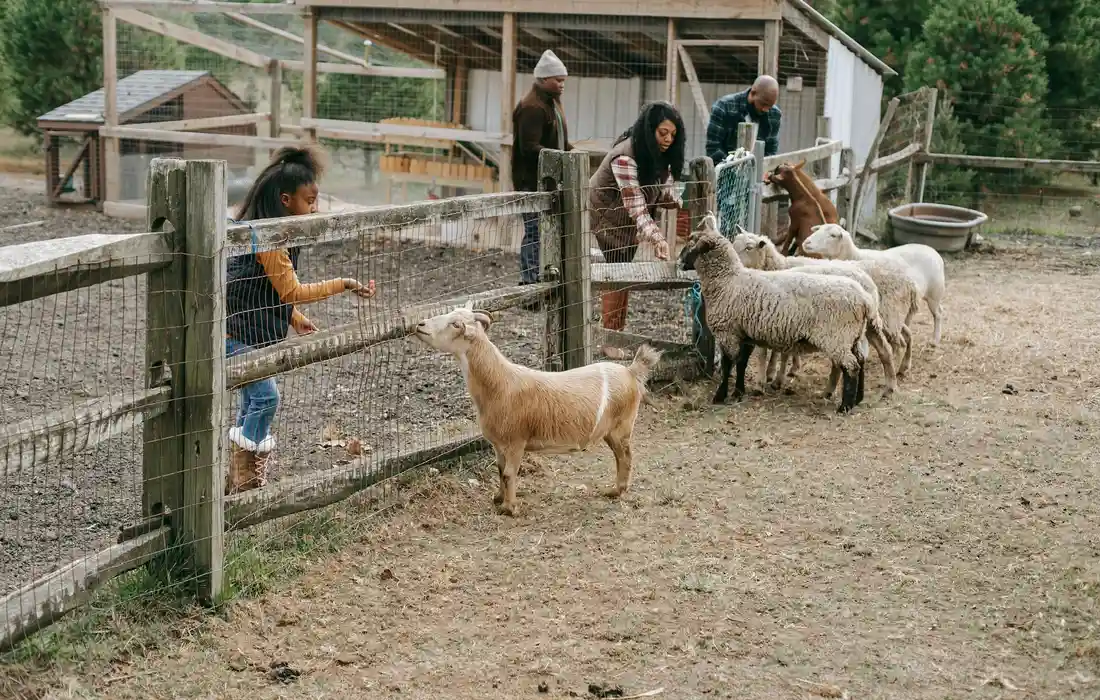
Feeding goats isn’t a “set it and forget it” chore. Their needs shift with the sun’s arc and the pasture’s palette. A savvy keeper adjusts the menu with the seasons, working with nature’s bounty while filling in the gaps. Here’s how I manage the yearly cycle in my own herd.
Spring and Summer on Green Pasture
When the grass is growing faster than my children, pasture is the main course. This is the season of abundance, but it requires active management to keep your goats healthy and your land productive.
I run a tight rotational grazing system, moving the herd every three to five days. This prevents overgrazing, breaks parasite cycles, and encourages dense, nutritious forage regrowth. My pastures are a mix of grasses, clover, and hardy browse like chicory and plantain.
- Primary Feed: High-quality diverse pasture and browse. Goats will selectively eat 60-80% broadleaf plants (weeds, forbs) and only 20-40% grass.
- Mineral Supplement: A free-choice loose mineral formulated for goats, never for cattle. They need the copper. I keep it in a covered feeder to keep rain from turning it into a brick.
- Fresh Water: Clean water is non-negotiable, especially as temperatures climb. I check tanks twice daily.
- Watch For: Pasture bloat on lush, wet clover or alfalfa. I never turn hungry goats onto a legume-heavy field. Baking soda is always freely available as a rumen buffer.
- For Milkers & Growing Kids: Even on good pasture, I provide a small daily portion of a 16% protein grain ration to support milk production and growth-about 1 pound per milking doe and ½ pound per weaned kid.
Fall and Winter in the Dry Lot
When frost silvers the ground and the pasture goes dormant, we switch gears. The goats move to their winter dry lot-a well-drained area with a sturdy shelter, and their diet becomes all about stored forages.
The single most important factor now is hay quality. I feed a mix of grass hay and a legume like alfalfa, aiming for a crude protein content above 12% to maintain body heat and condition. A pregnant doe in winter cannot raise healthy kids on straw.
- Hay First: They get all the high-quality hay they will clean up, usually 4-5 pounds per adult goat daily. I use feeders to reduce waste.
- Concentrate Boost: Grain or pellet rations increase. Dry does and wethers get a maintenance amount. In the last six weeks of pregnancy, I steadily increase a doe’s grain to about 1.5 pounds daily of a 14-16% protein feed, setting her up for a strong lactation.
- Alternative Fibers: To stretch hay and add variety, I’ll feed beet pulp shreds (soaked!) or soy hull pellets. They’re excellent, lower-starch fiber sources.
- Mineral & Water Vigilance: Minerals are consumed more heavily in cold weather. I check levels daily. Water is the biggest winter challenge; I use tank heaters to ensure a constant liquid supply. A dehydrated goat won’t eat.
- The Browse Pile: I save fallen hardwood branches from autumn pruning. A daily offering of maple, ash, or fruit tree branches gives them essential browse behavior and nutrients, keeping them busy and content on long winter days.
Final Goat Feeding Notes
Can goats eat chocolate?
No, goats should never eat chocolate. It contains theobromine and caffeine, which are toxic and can severely overstimulate a goat’s heart and nervous system.
Is avocado safe for goats?
No, avocado is not safe for goats. The skin, pit, and leaves contain persin, a toxin that can damage the heart muscle and lead to respiratory distress. Goats will eat just about anything, but that doesn’t make it safe for them.
Is tomato plant foliage harmful to goats?
Yes, the leaves, stems, and vines of tomato plants are harmful to goats. They are part of the nightshade family and contain toxic solanine and other glycoalkaloids.
Can goats eat bread or grains?
Bread should only be a very occasional tiny treat, as it offers little nutrition. Grains are a careful supplement and should be limited to about 1% of body weight daily to prevent serious digestive issues like bloat.
Can goats eat alfalfa?
Yes, alfalfa hay is an excellent, protein-rich feed, especially for milking does, late-pregnancy does, and growing kids. It should be introduced gradually and fed appropriately to prevent urinary calculi in wethers and bucks.
How to prevent bloat in goats?
Prevent bloat by introducing rich feeds like lush pasture or grains slowly, never turning hungry goats onto a legume-heavy field, and ensuring goats have constant access to roughage. Always keep baking soda freely available as a rumen buffer.
Back to the Pasture
The very best feeding plan is the one you watch over with your own two eyes. Goats are clever and curious, and their health hinges on our simple, daily attention. Your most powerful tools are knowing what’s safe in the feed bucket and being watchful of what they find in the pasture, especially when considering their digestive health.
Thank you for moseying along with me through this feed shed of knowledge. I reckon the greatest joy in this life comes from the quiet confidence of caring for our critters well. Here’s to seeing your herd healthy, your milk pail full, and your heart satisfied with the good, simple work of a homestead. Take care of yourselves, and take care of your goats. Happy grazing, friends.
Further Reading & Sources
- What Do Goats Eat? | PetMD
- r/goats on Reddit: Goat food
- Daily Diet, Treats, & Supplements For Goats – The Open Sanctuary Project
Caroline Mae Turner is a lifelong farm girl raised on red clay, early mornings, and the sounds of a bustling barnyard. With hands-on experience caring for everything from stubborn goats to gentle dairy cows and mischievous pigs, Caroline shares practical, tried-and-true advice straight from the farm. Her goal is to help folks keep their animals healthy, well-fed, and living their best barnyard life. Whether you're wrangling chickens or bottle-feeding a baby goat, Caroline brings a warm Southern touch and plenty of real-world know-how to every bucket in the barn.
Diet Requirements