Your Goat’s Menu: A Practical Guide to Safe and Unsafe Human Foods
Published on: June 15, 2026 | Last Updated: June 15, 2026
Written By: Caroline Mae Turner
Howdy y’all. Standing there with a bucket of kitchen scraps, wondering what won’t upset a goat’s belly is a chore we all know. The farmer’s fix is to view treats like ripe garden tomatoes or apple cores as occasional snacks, never meal replacements, and to ban a few common foods like avocado and anything with caffeine outright.
- A mental list of “always safe” veggies (like carrots and pumpkin).
- A firm rule on “never ever” foods (like chocolate and onions).
- A handful of patience to introduce new foods slowly.
Let’s sort your feed bucket from your trash can, so you can get back to your day with confidence.
Understanding the Goat’s Gut: Rumen Health and Dietary Foundation
Before we talk about treats, we have to understand the engine room. A goat’s stomach is a four-chambered marvel, with the rumen being the main fermentation vat. Think of a healthy rumen like a thriving, warm compost pile-it needs the right balance of fibrous material, moisture, and microbes to break everything down and release nutrients. If you throw in the wrong stuff or upset the balance, the whole system sours.
That’s why a foundation of long-stem fiber from quality grass hay or browse isn’t just good, it’s mandatory. I’ve seen goats with access to mediocre pasture do better than ones with a grain-heavy diet and poor hay. This roughage is what keeps the rumen muscles actively churning and the pH stable, preventing a cascade of issues from bloat to founder.
Beyond hay, we build on that foundation with a few key supports:
- Fresh, Clean Water: Always available. A dehydrated goat is a sick goat.
- Pasture or Browse: Goats are natural foragers, not lawnmowers. They prefer weeds, brush, and tree leaves over grass.
- Minerals, Free-Choice: This is non-negotiable. Offer a loose goat-specific mineral mix. Copper is the big one here-goats need far more than sheep, and a deficiency leads to a poor coat, anemia, and lack of thrift.
- Grain or Pelleted Feed: This is a supplement, not a staple. Reserve it for milkers, pregnant does in their final weeks, and growing kids.
Kitchen Scraps and Garden Surplus: Safe Unusual Foods for Goats
Now for the fun part! Your goats can enjoy a variety of kitchen and garden leftovers, but always as a treat, not a meal replacement. A good rule from my barn is treats should never make up more than 10% of their daily intake. I keep a “goat bucket” by the back door for suitable scraps.
Here’s a list of safe, unusual foods my herd happily cleans up for me:
- Bread: Stale bread is fine in strict moderation. Too much can cause a rumen backlog.
- Pumpkin & Squash: Seeds, guts, and flesh! After Halloween, my goats get all the leftover pumpkins. It’s a favorite.
- Cucumbers & Zucchini: Great hydrating treats in summer, especially if your garden overproduces.
- Root Vegetables: Sweet potatoes (cooked or raw, but never the vines), carrots, turnips, and jicama are all welcomed. Chop large pieces to prevent choking.
- Oddballs: A chunk of fresh ginger root, a few crabapples, or the tough outer leaves of celery. They love the variety.
Fruit scraps like apple cores, banana peels, and melon rinds are generally safe, but go easy due to the sugar. My old Nubian, Bubba, would sell his soul for a watermelon rind, but I limit him to a few pieces a week to keep his digestion smooth.
Introducing any new food requires a steady hand. Start with a handful per goat and watch them for the next 24 hours. Look for signs of bloating, diarrhea, or disinterest in their hay. If all is well, you can occasionally offer that item as a special reward. This careful approach lets their unique rumens adapt without shock.
Toxic Foods and Forage: What Never to Feed Your Goats
Now, let’s talk about the stuff that’ll cause real trouble. Over the years, I’ve seen a goat try to eat a raincoat, so I reckon we can’t assume they know what’s good for ’em. Your job as steward is to be the gatekeeper, because a goat’s curiosity will always outpace its common sense.
The Kitchen Scraps That Spell Disaster
Some human foods are downright poisonous to ruminants. Here’s your absolute “no-fly” list:
- Chocolate & Anything Caffeinated: Contains theobromine and caffeine. These stimulants can cause a wildly racing heart, seizures, and collapse.
- Avocado (Skin, Pit, Flesh, Leaves): Carries a toxin called persin, which damages heart muscle and can lead to sudden death. This one’s a silent killer.
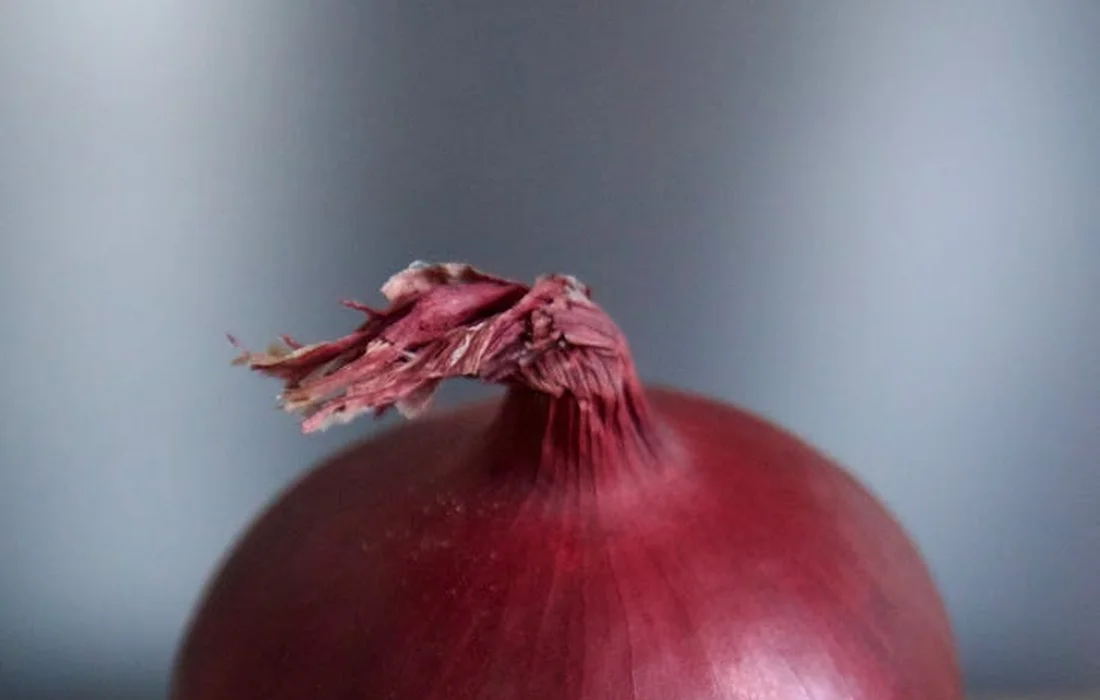
- Onions, Garlic, Chives, Leeks: In large enough amounts, these allium-family plants cause hemolytic anemia, destroying your goat’s red blood cells.
- Green Potatoes & Tomato Leaves/Vines: Contain solanine and related glycoalkaloids. These mess with the nervous system and digestion. Ripe tomato fruit is debated, but I say why risk it when there’s better forage.
- Meat, Bones, or Dairy Products: Goats are herbivores, not scavengers. Their digestive system isn’t built to process animal protein or fats, leading to serious digestive upset.
- Citrus Fruits & Peels in Excess: The oils and compounds can disrupt the delicate rumen balance, killing off the good bacteria they need to ferment hay.
Common Pasture Perils to Know By Sight
Walk your pastures regularly, especially in spring when new growth appears. Familiarity with these plants is your first and best line of defense against accidental poisoning.
- Rhododendron & Azalea: Beautiful but deadly. Even a few leaves can cause vomiting, weakness, and cardiac failure.
- Wild Cherry (Wilted Leaves): The wilting process releases cyanide. A browsing goat can succumb frighteningly fast.
- Nightshades (including deadly nightshade and horsenettle): Packed with those same troublesome alkaloids as green potatoes.
- Bracken Fern: Consumed over time, it causes a debilitating thiamine deficiency and bone marrow damage.
- Oak (Acorns & Young Leaves in Mass): Tannins cause kidney damage and severe digestive issues, particularly in hungry goats with limited browse.
Recognizing Trouble: Signs of Poisoning
A goat off its feed is your first clue. Symptoms can come on sudden or build over days, depending on the toxin. Watch for this combination:
- Sudden lack of coordination or staggering (like a drunkard)
- Excessive bloat, diarrhea, or bloody stool
- Twitching muscles, tremors, or apparent blindness
- Labored breathing or grinding teeth from pain
- Unusual lethargy or collapsing
What to Do in Those Critical First Minutes
Time is of the essence. Don’t panic, but act swiftly and deliberately.
- Remove the Source: Get the goat (and the rest of the herd) away from the suspected plant or feed immediately.
- Call Your Veterinarian: Have your vet’s number saved. Tell them what you suspect the goat ate and describe all symptoms clearly.
- Isolate the Animal: Keep the affected goat quiet and comfortable in a safe, separate pen for observation and to prevent stress from the herd.
- Follow Professional Instructions: Your vet may instruct you to administer activated charcoal if you have it on hand, or prepare you for potential treatments they will provide. Never attempt to treat with homemade remedies.
Keeping a well-stocked livestock first-aid kit, including a bottle of activated charcoal paste, is one of the smartest investments a homesteader can make. I learned that lesson the hard way one spring, and now I never run without it.
Hidden Feed Dangers: Mold, Mycotoxins, and Mineral Pitfalls
Let’s set the feed bucket down for a minute and talk about what can’t be seen. On the homestead, some of the biggest threats to your goats come quietly, hidden in a bale of hay or a scoop of grain. Your eye for detail in the feed room is just as critical as your skill with a hoof trimmer.
When Good Hay Goes Bad: Mold and Spores
That golden hay you worked so hard for can turn into a respiratory nightmare if stored wrong. Mold loves dark, damp places with no air movement. I learned this the hard way one humid summer when a few bales in the back of the loft made my goats cough. Feed that feels warm, smells musty, or shows grayish dust should go straight to the compost, not your goats. Store hay on pallets under a tight tarp or in a barn, and always use the oldest bales first.
The Invisible Threat: Mycotoxins and Aflatoxins
Beyond visible mold lies mycotoxins, poisonous compounds from fungi. Aflatoxin is the most notorious, often found in grains like corn or peanuts after a wet season. It silently attacks the liver. Purchasing feed from a trusted mill that routinely tests for mycotoxins is a non-negotiable practice for responsible stewardship. I never buy bargain-bin grain from an unknown source; the risk is far too high.
Nitrate Poisoning from Stressed Plants
Certain forages, including sorghum, sudangrass, and even some weeds like pigweed, accumulate nitrates during drought or after heavy fertilizer use. When goats consume them, nitrates interfere with blood oxygen. Test suspect forages before grazing, and be especially cautious when turning animals onto new growth after a dry spell. My rule is to wait for a good, soaking rain and then allow several days of growth before grazing.
Oxalates in Garden Greens and Weeds
Those beet tops or lambsquarters you might toss over the fence contain oxalates, which bind to calcium inside your goat. Over time, this can lead to deficiency and urinary stones. These greens are fine as a rare treat, but they must never replace balanced forage or a proper mineral supplement. You should particularly be cautious when feeding any part of beet plants. I limit such snacks to a handful per goat, no more than once a week.
The Copper Tightrope
Goat nutrition walks a fine line with copper. They need more than sheep but can still be poisoned by excess. Deficiency shows as a faded, rough coat and poor immunity, while toxicity causes sudden liver failure. Provide a free-choice mineral supplement formulated specifically for goats, and keep sheep and goat minerals completely separate. There’s a goat mineral supplement guide that covers essential nutrients and toxic levels to help you tailor blends safely. It helps you balance copper and other minerals to avoid deficiency or toxicity. On my farm, I use a loose mineral mix in a weatherproof feeder, and I check it daily.
Smart Storage and Grazing Practices
All these risks tie back to two homestead fundamentals: how you keep your feed and how you manage your land.
- Keep all grains and pellets in metal bins with tight lids to thwart moisture and rodents.
- Practice rotational grazing to prevent goats from selectively eating only the most dangerous plants.
- Never feed sweepings from the feed room floor or visibly spoiled produce.
An ounce of prevention in your storage shed is worth a hundred pounds of cure from the vet.
Quick Guide to Common Feed Contaminants
| Contaminant | Primary Sources | Signs & Risks |
|---|---|---|
| Mold & Fungi | Damp hay, spoiled grain, wet bedding | Coughing, wheezing, reduced feed intake |
| Aflatoxin (Mycotoxin) | Contaminated corn, cottonseed, peanuts | Liver damage, lack of coordination, death |
| Nitrates | Drought-stressed forages, some fertilized grasses | Rapid breathing, bluish gums, collapse |
| Oxalates | Beet greens, spinach, rhubarb leaves | Reduced calcium absorption, urinary stones |
| Copper Imbalance | Wrong mineral mix, contaminated water source | Deficiency: poor coat; Toxicity: jaundice, weakness |
Smart Stewardship: Feeding Practices for Thriving Goats
Howdy, neighbors. Let’s chat about keeping your goats hale and hearty through wise feeding. I’ve spent more dawns in the goat pen than my own kitchen, and I learned that what you pour in the trough shapes their health and your harvest. A thriving goat starts with a mindful routine that respects their delicate digestion above all else.
Your Daily Goat Feeding Routine
Consistency is the cornerstone of rumen health. Follow this order every morning and evening to keep things running smooth.
- Fresh water comes first. A dehydrated goat won’t eat properly, so check those buckets twice a day.
- Provide free-choice grass hay. Each adult goat needs about 4 to 5 pounds daily, always available for nibbling.
- Measure your grains. For a maintenance diet, a 16% protein goat pellet works well; I give my does about 1 pound each, split between feedings.
- Scatter pellets in a long trough so every animal, even the shy ones, gets their fair share.
- Stand and watch them eat. The goat that hangs back is often the one telling you she needs help.
This daily ritual ain’t just about chores; it’s your first line of defense in spotting health troubles early.
How to Monitor Body Condition
Forget the scale alone. You need to get your hands dirty. Every month, I run my palms over their backbone and rib cage. You should feel the ribs with a gentle touch, like finding a penny under a quilt, but never see them poking out.
- Too thin: Boost concentrates by a quarter pound and schedule a fecal check for worms.
- Too fat, with a spongy layer over the ribs: Cut back grain and increase browse or pasture time.
- Just right: Keep your current program steady as she goes.
Adjusting Feed for Life Stages
A one-size-fits-all menu will let you down. Kids, milkers, and bucks have vastly different needs.
Kids From Weaning Onward
After they’re off milk, offer a high-quality creep feed with 18% protein alongside fine-stemmed hay. I’ve found this combo builds strong, lively youngsters ready for pasture life.
Does in Milk
A lactating doe is a furnace. She may need double the calories. Switch to an 18% protein pellet and add alfalfa hay for calcium. My best milkers get up to 2 pounds of grain daily when production peaks.
Bucks in Service
Keep bucks lean and athletic. Too much grain makes them sluggish and can hurt fertility. In the off-season, good hay and a mere half-pound of pellets is all mine need.
Dairy and Meat Safety When Feeding Scraps
Kitchen scraps can save money, but you must think like a steward. Anything your dairy goat consumes can flavor her milk, and anything your meat goat eats builds its final product.
- For dairy goats: Avoid strong-flavored scraps like onions or garlic for a full 48 hours before milking. Never feed meat, dairy, or processed human foods.
- For meat goats: The same health rules apply. Avoid any questionable scraps for at least two weeks before processing to ensure clean, sweet-tasting meat.
I keep a dedicated pail for goat-safe veggie trimmings and offer them as a small afternoon snack, never replacing their core diet.
The Real Danger of Overfeeding Treats
We all love to spoil them, but a goat’s rumen is a finely tuned fermenter. Flooding it with sugary snacks can cause acidosis, shutting down the very microbes that keep your goat alive. That same caution applies to human food safety around holiday treats. Junk food and even pantry items like baking soda should be kept away from goats.
- Limit treats to one small handful per goat, per day.
- Choose wisely: apple slices, carrot tops, or a few plain oats are safer bets.
- Absolutely never feed anything moldy or spoiled. Some molds are deadly, no matter how tough their stomach seems.
I learned this hard lesson watching a favorite doe bloat from gorging on windfall pears; it was a long night of worry and remedies.
Best Practices for Sustainable Goat Keeping
True stewardship looks beyond the feed bucket to the whole picture. Here are the habits that have sustained my herd for years.
- Practice Rotational Grazing: Move your herd to fresh pasture every 7 to 14 days to break parasite cycles and let grass recover.
- Provide Loose Minerals: Always offer a goat-specific loose mineral mix. They require the copper, and a block won’t let them get enough.
- Stay on Top of Hoof Trimming: Trim every 6 to 8 weeks without fail to prevent painful lameness and infection.
- Build Trust Daily: Spend quiet time with your herd. A goat that knows you is easier to handle for every task.
- Time Your Breeding: Plan for kids to arrive when natural forage is abundant, like late spring, to ease the burden on your does.
- Close the Loop: Compost all manure and soiled bedding. In six months, you’ll have black gold for your garden.
Living well with goats means leaving your land richer and your animals healthier than you found them, and it all hinges on the care you show today.
Closing Thoughts for Your Goat’s Safety
Can goats eat chocolate?
No, goats should never eat chocolate. It contains theobromine and caffeine, which are toxic to goats and can cause severe heart and neurological issues.
Is it safe for goats to eat avocado?
No, avocado is not safe in any form for goats. The entire plant contains persin, a toxin that can lead to serious heart damage and sudden death. Goats have been known to eat just about anything, but even they avoid avocados.
Are onions toxic to goats?
Yes, onions and related allium plants are toxic to goats. Consumption can lead to hemolytic anemia, which destroys red blood cells.
Can goats have garlic?
Like onions, garlic is part of the toxic allium family and should be avoided. It poses the same risk of causing anemia in goats.
Can goats eat meat or dairy products?
No, goats are herbivores and cannot properly digest animal proteins or fats. Feeding meat or dairy can cause serious digestive upset and imbalances. It’s essential to know which foods are toxic for goats before feeding them.
Can goats consume caffeine?
No, caffeine is dangerous for goats. It acts as a stimulant that can cause heart palpitations, seizures, and collapse, and is found in coffee, tea, and sodas.
Shutting the Gate
We’ve covered a lot of ground, from kitchen scraps to garden greens. The single most important rule for a healthy goat is this: their diet must be built on a foundation of excellent forage, like browse and hay, with any human food being a rare, measured treat. Goat diet fundamentals show they primarily eat grass and hay and graze in steady patterns. Forage quality and grazing behavior are key to their health. I’ve seen too many folks, myself included years back, think a few extra bread crusts won’t hurt, only to spend the next day watching for signs of bloat. Your goats’ complex digestion is a masterpiece of nature that we must steward, not overwhelm.
I’m right grateful y’all took the time to sit a spell and talk goat husbandry. Now, get on out to your pasture, listen to those contented chews, and enjoy the simple, good work of caring for your herd. There’s peace in that rhythm. Happy grazing, neighbor.
Further Reading & Sources
- What goats (really!) eat – Zoo Atlanta
- What do Goats Eat? – Hanseatic Agri
- What Do Goats Eat? | PetMD
Caroline Mae Turner is a lifelong farm girl raised on red clay, early mornings, and the sounds of a bustling barnyard. With hands-on experience caring for everything from stubborn goats to gentle dairy cows and mischievous pigs, Caroline shares practical, tried-and-true advice straight from the farm. Her goal is to help folks keep their animals healthy, well-fed, and living their best barnyard life. Whether you're wrangling chickens or bottle-feeding a baby goat, Caroline brings a warm Southern touch and plenty of real-world know-how to every bucket in the barn.
Diet Requirements