Mastering Hay and Alfalfa: A Homesteader’s Guide to Feeding Pigs and Guinea Pigs
Published on: June 12, 2026 | Last Updated: June 12, 2026
Written By: Caroline Mae Turner
Howdy y’all. Wrestling with whether that hay bale is better for the pig pen or the guinea pig hutch? Straight from my feed room: guinea pigs must have unlimited grass hay daily to prevent deadly digestive issues, while pigs can enjoy alfalfa as a occasional protein-rich treat, but it should never be their main meal. I learned this lesson the hard way when a bloated piglet taught me about moderation.
What you’ll need:
- Fresh, fragrant grass hay like timothy or orchard grass
- A flake of alfalfa hay or a scoop of alfalfa pellets
- Clean racks or troughs for separate feeding
- A moment to check each animal’s age and condition
Let me walk you through the specifics right quick, so you can get back to milking or mending fence.
The Fibrous Foundation: Why Roughage Rules the Roost
Let me tell you, a proper pile of roughage is worth more than a sack of grain when it comes to keeping your critters hale and hearty. I learned this the hard way years back, watching a pen of growing pigs turn restless and start chewing on their fence boards for lack of something better to grind their teeth on. For pigs and guinea pigs alike, hay isn’t just bedding; it’s the engine of their digestion and the key to their contentment. Their guts are designed for a slow, steady procession of fiber.
Think of it like a steady fire in a wood stove. That fibrous hay keeps everything moving through their system, preventing bloat in pigs and gut stasis in guinea pigs. For my guinea pigs in the barn office, a constant supply of hay means their ever-growing teeth are worn down naturally. Without this fibrous foundation, you’re asking for expensive vet trips and unhappy animals. It’s cheap insurance, I reckon.
Here’s what a daily dose of good hay does for your barnyard friends:
- Promotes healthy digestion and prevents obesity by making them feel full.
- Provides essential mental stimulation and natural foraging behavior.
- Wears down teeth continuously in small pets, avoiding painful overgrowth.
- For pigs on pasture, supplemental hay in winter keeps their bellies full and body heat up.
Hay vs. Alfalfa: Know Your Roughage
Now, not all that comes in a bale is created equal. Choosing between hay and alfalfa is where many folks get tripped up, but it boils down to knowing your animal’s life stage and needs. Picking the right roughage is a act of stewardship, ensuring you’re feeding for health, not just filling the trough. I keep both types in my feed shed, and I’ll show you why.
Defining the Difference: Grass Hay vs. Legume Hay
This is the heart of the matter. Grass hays, like Timothy, Orchard, or Bermuda, are just what they sound like-dried grasses. They’re typically lower in protein, running about 8-10%, and higher in that long-stem fiber we just praised. Legume hays, with alfalfa being the most common, are protein powerhouses, often testing between 15-20% protein and packed with calories. They’re derived from flowering plants like alfalfa and clover.
On my place, I use grass hay as the everyday staple for my adult pigs and all my guinea pigs. It’s their bread and butter. Alfalfa? I treat that more like a supplement or a special feed. I’ll mix a flake of alfalfa into the ration for young, growing piglets or a nursing sow to give them that extra boost, much like a rich gravy on potatoes. For guinea pigs, the rule is even stricter, which leads us to our next point. That ties into the broader question of do pigs eat grass and how grass fits into pig diets. Our do pigs eat grass guide covers this topic in more depth.
The Calcium Conundrum: A Key Distinction for Small Pets
Here’s the kicker with alfalfa: it’s loaded with calcium. While that’s fantastic for building strong bones in a rapidly growing animal, it’s trouble for adult guinea pigs. Their little bodies struggle to process the excess, which can lead to painful urinary stones or bladder sludge. For an adult guinea pig, alfalfa hay is a occasional treat, not a staple. I learned this after helping a neighbor with a poorly guinea pig that had been fed alfalfa non-stop.
Stick with grass hay for your adult guinea pig’s main hay rack. Young, growing guinea pups (under 6 months) and pregnant or nursing sows can benefit from the extra calcium and protein in alfalfa. For pigs, the calcium is less of a direct concern, but the high protein and calorie count mean alfalfa can fatten them up right quick if you’re not careful. I use it sparingly, usually in the coldest winter weeks or for animals that need to gain condition. Balance, as in all things on the homestead, is what keeps the vet away.
Feeding Guinea Pigs: A Delicate Balance of Fiber

Now, y’all, feeding a guinea pig is a whole different ballgame than slopping the hogs. These little critters have a digestive tract that’s a finely-tuned fiber engine, and it stalls without the right fuel. I learned this early on when one of my first sows got sluggish; a vet visit showed her gut had nearly stopped from low roughage. That’s why, in guinea pig care, adhering to a consistent guinea pig feeding frequency schedule—with small, frequent portions spread across the day—is key to keeping their digestion on track and as important as the roughage itself.
Their teeth never stop growing, and chewing long-strand hay is nature’s perfect filing system. Providing constant access to quality hay isn’t just feeding; it’s preventive healthcare for their teeth and tummy. It saves you money and heartache down the road.
The Daily Must-Have: Grass Hay for Vitality
Grass hay should be the bedrock of every adult guinea pig’s diet, piled high and fresh each day. Timothy hay is my go-to, but orchard grass or a nice meadow hay will keep your herd happy and healthy. I always give a sniff test-good hay smells clean and sweet, like a sun-warmed pasture.
You need to be picky about what you bring from the feed store. Opt for hay that’s green, leafy, and free from musty dust that can cause respiratory woes. Here’s what I look for in every bale:
- Protein Level: Grass hays like timothy typically run 8-10% protein, which is ideal for maintaining adult pigs without excess weight.
- Fiber Content: Aim for crude fiber above 30%; this is what keeps their digestion moving like clockwork.
- Stem Structure: Long, coarse stems make them work for it, which is excellent for dental wear.
Feed it freely, in a rack or a pile, so they can forage as they would in the wild. An unlimited supply mimics their natural grazing behavior and prevents boredom from setting in. I use a simple PVC pipe rack in my pens-it’s cheap, easy to clean, and cuts down on waste.
When to Use Alfalfa Hay for Guinea Pigs
Alfalfa hay is legume hay, and it’s rich-sometimes too rich for everyday fare. With protein around 16-20% and calcium levels near 1.5%, it’s a supplement, not a staple for grown pigs. I reckon feeding alfalfa to a healthy adult is like pouring fertilizer directly on a young seedling; it’s just too much of a good thing. For adult rabbits, there are age-specific feeding guidelines for alfalfa hay. These guidelines help determine safe portions for your rabbit’s life stage.
But in certain situations, this rich hay is a godsend. Strategic use of alfalfa hay supports rapid growth and recovery when bodies need building blocks. Here are the specific times I reach for the alfalfa bin:
- Young Pups (Under 6 Months): Their growing bones and muscles require the extra protein and calcium for proper development.
- Pregnant or Nursing Sows: The demands of gestation and milk production drain a mother’s resources, and alfalfa helps replenish them.
- Underweight or Ill Animals: A pig recovering from sickness might need a calorie-dense boost to regain condition, but always under a watchful eye.
For these cases, I mix a handful of alfalfa into their grass hay or offer it as a separate treat a few times a week. Always ensure fresh water is abundant, as the high calcium needs to be flushed through the system to avoid sludge or stones. I keep a small, sealed tub of alfalfa just for these special needs, making that pricier hay last.
Feeding Pigs: Roughage as a Rugged Supplement
Now, I reckon some folks might scratch their heads at the idea of feeding hay to a pig. After all, ain’t they just supposed to eat slop and corn? Well, from my years of listening to the contented grunts from the sty, I can tell you that a wise homesteader sees roughage not as a leftover, but as a tool. Adding good, fibrous roughage to your pig’s diet reinforces their digestive health and taps into their natural rooting and foraging instincts, which makes for calmer, healthier animals. It turns a simple pen into a more enriching home.
Hay in the Hog Diet: Stretch Feed and Satisfy Instincts
I always keep a few bales of grass hay, like timothy or orchard grass, near the pig pasture. It’s not their main meal-that’s still your balanced grower or sow ration-but think of it as the sturdy side dish. Offering a flake of hay in the morning gives those pigs something to nose through, chew on, and manipulate for hours, which dramatically cuts down on boredom-driven behaviors like fence chewing. I’ve watched a single bale keep a group of three growing shoats peacefully busy for a week, stretching my more costly grain feed.
You want to be picky about the hay, though. It must be clean, dry, and free from mold or dust, which can cause respiratory issues. Here’s how I use it right:
- Provide hay in a sturdy rack or on clean ground to minimize waste.
- For a 250-pound market hog, a couple of handfuls a day is a fine supplement.
- Always ensure fresh water is abundant, as the extra fiber increases their need for it.
One fall, I had a Berkshire sow who seemed restless. Throwing a few flakes of grassy hay into her pen transformed her demeanor; she spent her days happily building nests with it. That experience taught me that satisfying a pig’s mind is just as important as filling its belly.
Alfalfa for Pigs: A Powerful Protein Boost
Now, alfalfa is a different beast altogether-it’s legume hay, packed with nutrients. While grass hay is mostly for fiber and entertainment, alfalfa brings a serious protein punch to the trough, often testing between 17% to 20% crude protein. This makes it a superb, natural supplement for young, fast-growing pigs and for nursing sows who are burning calories just to keep milk flowing. You must use it with a mindful eye, as it’s richer than they’re used to. In dairy settings, alfalfa supports cows’ production and condition, but balance is key to avoid risks. Following feeding guidelines helps maximize benefits while minimizing downsides.
I mix alfalfa into my strategy a few key ways:
- For weaner pigs, I’ll chop a bit of leafy alfalfa and sprinkle it over their starter feed to encourage eating and boost growth.
- A lactating sow gets a flake of high-quality alfalfa daily alongside her lactation ration to help meet her soaring protein demands.
- For finishing hogs, I use it sparingly-too much can soften the fat, which might not be ideal for butchering goals.
Introduce alfalfa slowly over a week to let their gut bacteria adjust, or you’ll have a messy pen and unhappy pigs. I recall a season where my early-spring piglets were looking a bit puny; adding a measured alfalfa supplement to their diet put a shine on their coats and a spring in their step within a fortnight. It’s a powerful tool, but like all good things, balance is everything.
Practical Stewardship: Sourcing and Serving Advice
Selecting Quality Hay and Alfalfa for Your Critters
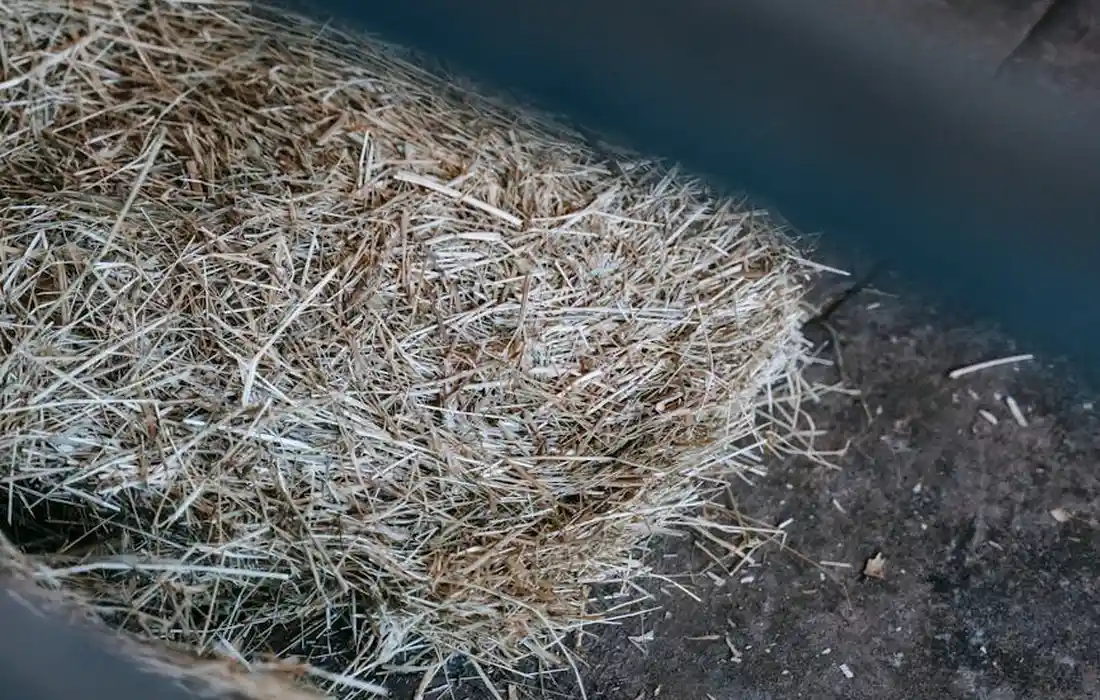
Y’all, not all hay is created equal, and your animals will tell you so with their appetites. I’ve lifted thousands of bales in my day, and the best advice I can give is to use your eyes, nose, and hands. Premium hay for any critter should be clean, leafy, and carry the sweet, fresh scent of a field after cutting, with no hint of mildew or dust.
For your guinea pigs, focus on grass hays like timothy or orchard grass; their delicate systems need that long-strand fiber to keep teeth and guts in working order. If you’re looking for the best hay types for guinea pigs, prioritize grass hays that provide steady fiber. Timothy and orchard grass are reliable starting points for most guinea pigs. With pigs, you have more flexibility, but they truly appreciate the extra protein in good alfalfa. A fine alfalfa hay should be deep green and contain at least 15% crude protein, which is a powerful boost for growing piglets and nursing sows.
When you’re at the supplier, don’t just look at the outside bale. Ask to see a core sample or break a flake open yourself. I learned this after buying a load of hay that was beautifully green on the outside but musty brown within. Checking for consistent color and texture inside the bale is the only sure way to avoid hidden mold and wasted money.
Reckon on storage, too. Keep your hay off a concrete floor on pallets and under a tarp or in a barn to protect it from ground moisture. Proper storage preserves those precious nutrients and ensures your stewardship provides the best for your animals all season long.
Smart Feeding Methods to Reduce Waste
Nothing irks me more than seeing good feed get wasted. Over the years, I’ve found that how you serve is just as important as what you serve. Smart feeding setups save feed, save you work, and keep your animals engaged and healthy.
Follow these three straightforward steps to make your hay and alfalfa go further.
- For Guinea Pigs: Use a hay rack over a litter tray to catch fallout they’ll still eat. Those little fellas are messy eaters, but they’ll often return to the tray for a second pass, so nothing gets truly lost.
- For Pigs: Use a sturdy, low hay feeder or spread hay over clean bedding to encourage natural foraging. Pigs love to root and explore; scattering some hay turns mealtime into enrichment and minimizes what gets trampled unused.
- For Both: Always remove old, soiled hay before adding fresh to prevent spoilage. This one habit stops mold in its tracks and makes your animals eager for the new, tasty stuff you provide.
I use heavy rubber pans for my pigs’ hay and handmade wooden racks for the guinea pigs in the barn. Investing a little time in the right feeder pays for itself many times over in reduced waste and happier herds.
Remember, a clean feeding area is a healthy one. I make it a morning ritual to tidy up from the day before. This daily practice of removal and refreshment is the cornerstone of thrifty, respectful animal care on any homestead.
Recognizing and Avoiding Risks

For Guinea Pigs
Now, let’s chat about those adorable guinea pigs. I’ve raised a fair few in my time, and their dietary needs are specific as a watch. Getting their hay wrong doesn’t just cause a fuss; it can lead to lifelong health problems that are heartbreakin’ to see. You gotta be a careful steward, especially when choosing the right hay for guinea pigs.
- Bladder Stones from High-Calcium Alfalfa: Alfalfa is like rich dessert hay-great for young, growing pups or nursing mamas, but too much for most adults. Their bodies can’t process all that calcium, and it crystallizes into painful stones. I’ve held a piggy through that, and it taught me to keep alfalfa as a treat, not a staple, for grown ones.
- Obesity from Overfeeding Pellets Instead of Hay: We all want to spoil our pets, but a heaping bowl of pellets is the wrong way. Pellets are dense and fattening if overdone. A pudgy guinea pig struggles to move and clean itself. The hay rack should always be fuller than the pellet dish, no question.
- Digestive Stasis from Low-Fiber Diets: This is a quiet killer. Their guts need constant roughage to keep moving. Without it, everything slows to a stop, and they can die fast. I check mine every morning for eager munching on timothy hay. If that appetite for hay falters, I know trouble’s brewin’.
For Pigs
With pigs, you’re dealing with a powerful digestive system that still has its limits. Feeding hay to hogs isn’t about nutrition first; it’s about smart management and avoiding costly mistakes. I learned this the hard way with my first Berkshire gilt.
- Impaction from Low-Quality, Stemmy Hay: Tough, stalky hay is cheap, but it’s like feeding them twigs. A pig’s gut isn’t designed to break that down, and it can wad up inside them. I’ve had to deal with the lethargy and discomfort of impaction-it’s a vet bill you don’t want. Use only soft, leafy hay if you offer it, and always alongside their main feed.
- Reduced Protein Intake if Hay Displaces Needed Grains: Pigs are protein factories. A growing pig needs about 16% protein in its diet to thrive. Hay fills their belly but gives them almost no building blocks. If they eat too much hay, they’ll skip their proper ration, and your growth rates will plummet. It’s a waste of good potential.
- The Simple Waste of Money on Expensive Small-Pet Hay: Here’s some plain talk: buying those little bags from the pet store for a hog is like watering a field with a teacup. It’s gone in a second and costs a fortune. For roughage, use affordable grass hay from a farm co-op or old hay your ruminants picked over. Be thrifty. Your wallet will thank you.
Closing Questions
Can pigs have alfalfa hay as their main feed?
No, alfalfa hay should not be the primary diet for pigs. Its high protein and calorie content can cause rapid weight gain and digestive upset if overfed. Reserve it as a strategic supplement for young, growing piglets or nursing sows to boost nutrition without displacing balanced grains.
How does alfalfa hay differ from grass hay when feeding pigs?
Alfalfa hay is a legume rich in protein and calcium, ideal for temporary boosts in growth or milk production. Grass hay, like timothy, provides essential long-stem fiber for digestive health and mental enrichment without the risk of excess calories. Always prioritize grass hay for daily roughage and use alfalfa sparingly, especially in rabbit diets.
Is alfalfa hay safe for all guinea pigs?
Alfalfa hay is only safe as a staple for young guinea pigs under six months, pregnant, or nursing sows due to their higher calcium and protein needs. For adult guinea pigs, it poses risks like urinary stones from excess calcium and should be offered only as an occasional treat alongside unlimited grass hay.
What are the key benefits of alfalfa hay for young or breeding guinea pigs?
For young, growing guinea pigs and breeding sows, alfalfa hay supports rapid bone and muscle development with its high protein and calcium levels. It aids in recovery and milk production, providing a dense nutritional boost that grass hay cannot match during these critical life stages.
What common concerns about alfalfa hay for guinea pigs are discussed on forums like Reddit?
On platforms like Reddit, experienced owners often warn about overfeeding alfalfa to adult guinea pigs, leading to bladder sludge and obesity. They emphasize strict portion control and stress that unlimited grass hay is non-negotiable for dental and digestive health, sharing personal anecdotes to highlight these risks.
How can I balance hay and alfalfa for both pigs and guinea pigs without waste?
Source high-quality, leafy hay and alfalfa from farm suppliers to avoid mold, and store them properly off damp surfaces. Use separate feeders: racks for guinea pigs to minimize mess, and sturdy troughs or scattered bedding for pigs to encourage natural foraging while preventing overconsumption of alfalfa. Also, for rabbits, the choice between timothy hay and alfalfa depends on age and health. Timothy hay is typically best for adult rabbits, while alfalfa can be better for growing kits or rabbits with higher energy needs.
Back to the Pasture
When all is said and done, the best advice I can give you from my own feed room is simple. The single most important thing is to watch your critters every day, letting their condition and energy guide your hand when you fill the feeder. A one-size-fits-all recipe doesn’t exist in good husbandry. What works for a growing gilt will harm a sedentary guinea pig, and the perfect summer ration might need adjusting come the first hard frost.
I’m right grateful y’all took the time to read this. There’s a deep peace that comes from watching a contented animal graze on good, clean forage. I hope you find that peace in your own barnyard. Now, if you’ll excuse me, I hear the gate latch click-sounds like it’s time for my own evening walk to check on everybody. Take care of yourselves, and take care of your animals.
Further Reading & Sources
- Feeding Alfalfa Pellets to Pigs
- “King of the forage”Alfalfa supplementation improves growth, reproductive performance, health condition and meat quality of pigs
- Feeding Pigs Alfalfa. benefits and drawbacks? (pigs forum at permies)
Caroline Mae Turner is a lifelong farm girl raised on red clay, early mornings, and the sounds of a bustling barnyard. With hands-on experience caring for everything from stubborn goats to gentle dairy cows and mischievous pigs, Caroline shares practical, tried-and-true advice straight from the farm. Her goal is to help folks keep their animals healthy, well-fed, and living their best barnyard life. Whether you're wrangling chickens or bottle-feeding a baby goat, Caroline brings a warm Southern touch and plenty of real-world know-how to every bucket in the barn.
Forage Options