
Feeding Your Rabbits Leafy Greens: The Safe Way with Mustard, Collard, Kale, Spinach & Chard
Published on: June 10, 2026 | Last Updated: June 10, 2026
Written By: Caroline Mae Turner
Howdy y’all, wrestling with which garden greens are safe for your bunnies and how to serve them? You can absolutely feed your rabbits mustard greens, collards, kale, spinach, and Swiss chard, but you must introduce each one slowly and in limited quantities to prevent serious digestive trouble. I learned this the hard way years ago when an eager bunch of kale gave my does a sour stomach, and since then, I’ve stuck to a simple, steady approach.
- What you’ll need:
- Fresh, pesticide-free greens from your garden or market
- A clean knife or scissors for chopping
- A good eye for portion control
- Five minutes for preparation and observation
Let’s walk through this together, and you’ll be confident at the hutch in a jiffy, free to move on to your next chore.
The Foundation of a Rabbit’s Diet
Now, let’s get down to brass tacks about what keeps your bunnies hopping with health. A rabbit’s gut is a delicate engine, and fuelin’ it right is my number one rule after decades in the barn. The cornerstone, and I mean this from the bottom of my heart, is unlimited grass hay. Timothy or orchard grass hay makes up the bulk of what they eat, keepin’ their teeth worn and their digestion movin’. You simply cannot raise thrifty, healthy rabbits without a constant source of good, dusty hay.
Next, you’ve got your quality pellets. I use a plain timothy-based pellet with at least 18% protein for my growin’ youngsters and about 14% for the maintenance adults. Measure these out-a scant quarter cup per five pounds of body weight daily does the trick to prevent obesity. A simple daily pellet portion guide can help tailor amounts to weight and activity. It also includes a quick refusal cue so you know when to stop. But the real joy for you and your rabbit comes with the fresh stuff. Fresh greens are the vitamin-rich supplement, not the main course, and they should be introduced slow as molasses in January to a new rabbit.
My daily routine for my herd always starts with checkin’ their hay racks, then their water bottles, and finally offerin’ a hearty handful of mixed greens per rabbit. Variety is your best friend here to avoid nutrient imbalances. I reckon a good diet is like a sturdy fence: it needs a strong post (hay), secure wire (pellets), and a reliable gate (fresh greens) to work properly. The rabbit daily diet essentials complete nutrition portion guide ties these pieces together into a balanced daily plan. It helps map hay, pellets, and greens to each rabbit’s needs so nutrient balance stays solid.
A Homesteader’s Guide to Safe Rabbit Greens
Navigatin’ the garden for rabbit snacks requires a keen eye. Not all leafy things are created equal, and some generosity can do more harm than good. Always wash greens thoroughly to remove pests and potential chemical residues, even from your own garden. I feed greens in the mornin’ so I can watch for any soft stools before nightfall. Let’s mosey through some specific favorites and how I handle them on my patch. Knowing which ones are safe is just as important as picking fresh ones.
Mustard Greens: The Peppery Powerhouse
These spicy leaves are a bold favorite in my rabbitry, especially the tender young ones. They’re packed with vitamins A, C, and K, but their real benefit is their low calcium content, which is a blessin’ for preventing urinary sludge in adult rabbits. I treat mustard greens as a weekly rotation green, offering a few large leaves per rabbit two or three times a week. I’ve found my French Lops take to the peppery kick more than my smaller Holland lops, who sometimes turn up their noses. Remember, the spicier the green, the more likely it might cause gas in sensitive bunnies, so start with a tiny piece.
Collard Greens: The Sturdy Staple
When my garden collards are thrivin’ through a light frost, I know my rabbits are in for a treat. These are some of the safest, most reliable greens you can grow. They’re sturdy, easy to clean, and their broad leaves are perfect for stuffin’ into enrichment toys. Collards have a fantastic calcium-to-phosphorus ratio, making them a green you can feed more regularly than others-think several times a week. I often remove the thickest part of the central stem for older rabbits to make chewin’ easier. A rabbit can easily have one or two large collard leaves in a sittin’ as part of a mixed salad. They’re definitely on my ultimate list of safe veggies for rabbits.
Kale: Nutrient-Dense in Moderation
Now, kale is a tricky one. It’s a nutritional powerhouse, no doubt, but it’s also high in compounds that can interfere with thyroid function if fed in excess. I’ve seen rabbits gobble it up, but I keep it to a cautious minimum. I treat kale like a potent vitamin supplement, limiting it to one or two curly leaves per rabbit, no more than once a week. I mix it thinly with milder greens like romaine or cilantro. This way, my flock gets the benefits-like vitamin C and iron-without the risks. I never feed it to pregnant does or very young kits.
Spinach: A Treat, Not a Staple
Spinach is the classic example of “too much of a good thing.” It’s loaded with oxalates, which bind to calcium and can lead to kidney stones over time. I learned this lesson early when an old buck of mine developed sludge after I got overzealous with my spinach harvest. Spinach is strictly a once-in-a-while tidbit in my barn, maybe a single leaf per bunny every other week. I save it for when I need a special reward during trainin’. Its high iron content is valuable, but that very trait means it should be a rare guest in the feed bowl.
Swiss Chard: Colorful and Cautious
Those vibrant red and yellow stalks sure make a garden pretty, and rabbits find them mighty temptin’. But chard walks a similar line to spinach, containin’ moderate levels of those problematic oxalates. The colorful stems actually have a higher oxalate concentration than the leaves, so I always remove them before feedin’. I’ll offer a few chard leaves, from the green variety if I have it, as part of a diverse mix every couple of weeks. It’s a wonderful way to add visual variety to their diet, but it’s not a foundation green. My rule is simple: if I’m feedin’ chard or spinach, I don’t feed the other in the same week.
Your Daily Feeding Routine for Rabbit Greens
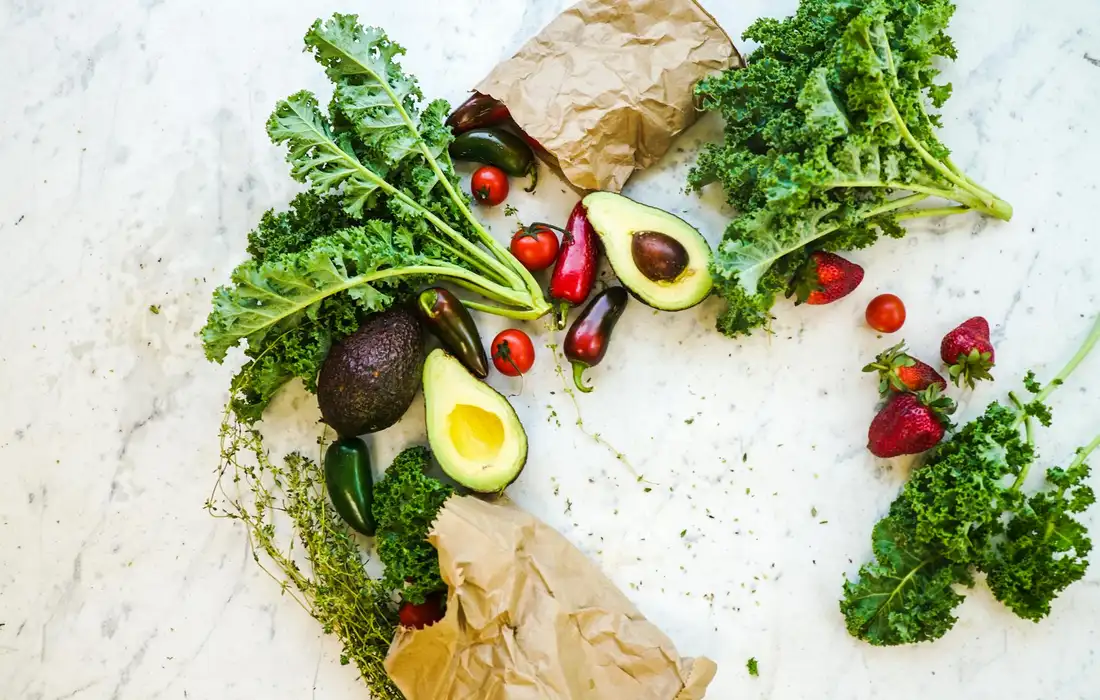
Setting a steady rhythm for feeding greens is just as important as picking the right ones. I reckon it’s like keeping the cows milked on time-consistency keeps everything running smooth and your bunnies in fine fettle. A predictable routine built on modest portions prevents digestive upset and lets you watch for any changes in your rabbit’s health or appetite.
Starting Slow & Steady
If your rabbits are new to fresh greens, you must introduce them like you’d introduce a new chick to the flock-carefully and with plenty of observation. Begin with a single type, like a collard leaf, and offer just a bite or two. This slow start gives their delicate gut flora time to adjust without causing the soft stools that come from too much, too fast. I’ve made the mistake of overeagerness myself, and a day spent cleaning a hutch teaches patience right quick.
- Day 1-3: Offer one or two small leaves of one green (e.g., mustard).
- Day 4-6: If droppings remain firm, slowly increase the amount.
- Week 2: You can begin to introduce a second variety, again in tiny amounts.
Figuring the Right Amount
You wouldn’t feed a grown hog the same ration as a piglet, and the same goes for your rabbits. Greens are a supplement to their main diet of unlimited grass hay. A good barnyard rule is to offer about one packed cup of mixed greens for every four pounds your rabbit weighs, fed once daily. For a standard 6-pound breed, that’s roughly a cup and a half. My older doe, Matilda, gets a bit less kale due to its oxalates, but more of the lower-oxalate mustard and collard tops.
Think of protein content, too. Kale sits around 4.5%, while spinach is nearer 3%. Rotating your greens ensures they get a variety of nutrients without overloading on any one compound, like the calcium in spinach that can bother some rabbits.
The Best Time to Feed
Timing matters. I always serve greens in the late morning or early afternoon. This schedule works for two reasons. First, rabbits are most active in the cooler hours of dawn and dusk, so a midday meal fits naturally. Second, it ensures they’ve been munching on their hay all morning first. Hay must always be the foundation of their diet, as the roughage keeps their gut moving and teeth worn down.
- Morning: Check that unlimited timothy or orchard grass hay is available.
- Late Morning: Provide measured portion of fresh, washed greens.
- Evening: Remove any uneaten greens from the hutch to prevent spoilage.
From Garden to Hutch: Preparation
How you prepare the greens makes a difference for safety and thriftiness. I wash all greens in a cool water bath with a splash of vinegar to loosen any dirt or pests, just like I do for our kitchen salad. Dry them thoroughly in a towel-lined basket; wet greens can cause bloating. Tearing larger leaves into bunny-sized pieces prevents waste and makes eating easier for your critters. For stems, I chop collard and kale stems fine, but tender chard stems can be left on.
A Note from My Feed Room
I’ve kept rabbits for nigh on twenty years, and my routine came from hard-won experience. One summer, I fed kale too heavily, and I noticed chalky urine stains in the hutches-a sign of excess calcium. Beyond pellets, a rabbit’s daily diet thrives on hay and a rotating mix of fresh vegetables. This broader approach keeps their digestion healthy and energy steady. That showed me the value of variety, so now I mix three different greens in each day’s feeding, leaning heavy on the mustard and collards I grow myself. It’s cheaper, it’s sustainable, and I know exactly what my animals are eating.
Building a Sustainable Salad Bar
Your feeding routine extends past the hutch to your garden plan. Planting a dedicated patch of collards and mustard greens can provide months of harvest. By growing your own, you control the pesticides and can practice the kind of land stewardship that feeds your animals and your soil in turn. A simple 4’x8′ bed can yield enough greens for a small rabbitry with plenty left for your own table, making it a thrifty and rewarding part of your daily homestead rhythm.
Sourcing and Preparing Your Bunny’s Greens
Finding good greens for your rabbits isn’t just a trip to the store; it’s a partnership with your land. I’ve always found that the most trustworthy greens come from my own two hands, grown right outside the back door. Let’s walk through how you can source and serve these leaves with confidence and care.
Where to Lay Your Hands on Quality Leaves
You’ve got a few fine options for gathering these greens, each with its own charm. My personal preference is always to grow my own, as it lets me control what my rabbits eat from seed to stem.
- Your Backyard Garden: This is your most thrifty and rewarding path. Mustard, collard, and kale are cold-hardy and produce a lot for little effort. I plant a dedicated “bunny row” in my fall garden.
- Local Farmers’ Markets: Chat with the growers. Ask directly if their crops are grown without pesticides. I’ve found my best kale supplier this way, a fellow who understands animal feed.
- Conventional Grocery Stores: This works in a pinch. Always choose organic spinach and chard when buying from a store, as they often carry higher pesticide residues you don’t want passed on. Wash them like your supper depends on it.
- Foraged Treats: Never forage greens from roadsides or areas sprayed with herbicides. A safe bet is picking young dandelion leaves from your untreated yard-my rabbits go wild for them.
The Right Way to Prep a Rabbit’s Meal
Preparation is where respect for your animal truly shows. A poorly washed leaf can cause trouble, while a thoughtfully prepared bunch promotes health.
First, give every leaf a good bath, no matter its source. I use a clean tub filled with cool water and a splash of white vinegar, swishing the greens for a minute or two to loosen any dirt or tiny critters. Rinse them under fresh running water afterward.
Next, consider the size of your rabbit. For smaller breeds or young bunnies, I tear the leaves into palm-sized pieces. For my larger Flemish Giants, I often give them the whole leaf, stem and all, to encourage natural foraging behavior.
Smart Serving Practices for a Happy Hutch
How you offer these greens is just as important as what you offer. You wouldn’t eat a giant, unfamiliar meal all at once, and neither should your rabbit. The domestic rabbit diet guide covers safe greens and portion sizes to help you feed confidently.
- Start Slow: Introduce any new green one at a time. Give just a leaf or two the first day and watch their droppings for the next 24 hours.
- Mix and Rotate: Don’t get stuck on just kale. I rotate through mustard greens one day, chard the next, which provides a broader range of nutrients and keeps meals interesting.
- Mind the Quantity: These are supplements to a hay-based diet. A general rule is about one packed cup of leafy greens per two pounds of body weight daily, split between two feedings.
- Timing is Everything: I serve greens in the morning after they’ve had their overnight hay munchies. This mimics natural foraging and ensures they still eat the fiber-rich hay they need.
Store any unused, washed greens in a cloth-lined container in your fridge to keep them crisp. A little effort in preparation prevents waste and makes every bite safe for your bunny. I’ve seen the difference it makes in their bright eyes and glossy coats, especially when you know which greens are safe.
Closing Tips
Can rabbits eat leafy greens every day?
Yes, rabbits can have leafy greens daily, but variety and moderation are key to prevent digestive issues. Stick to safer options like collard and mustard greens for regular feeding, while limiting high-oxalate greens like spinach and kale to occasional treats. For a quick guide on safe leafy greens, portions, and feeding guidelines for rabbits, see our leafy greens for rabbits guide. That resource covers safe types and proper serving sizes.
What nutritional benefits do leafy greens offer rabbits?
Leafy greens provide essential vitamins such as A, C, and K, along with minerals that support overall health. However, balance is crucial, as some greens like kale are nutrient-dense but should be fed sparingly to avoid thyroid or calcium imbalances.
How can I source leafy greens for rabbits in bulk on a farm?
Growing your own in a dedicated garden patch is the most thrifty and reliable bulk method for farm settings. Alternatively, connect with local farmers or wholesalers for pesticide-free batches, ensuring a steady supply for your rabbitry without high costs.
Where can I find bulk leafy greens for rabbits near me?
Check local farmers’ markets, agricultural co-ops, or feed stores that sell fresh produce in larger quantities. Building relationships with nearby growers can often lead to discounted bulk purchases tailored for animal feed.
Does Walmart sell bulk leafy greens suitable for rabbits?
Walmart may carry bulk bags of greens like collards or kale, but always choose organic options to minimize pesticide exposure. Thoroughly wash store-bought greens before feeding, as they might have higher residue levels than home-grown varieties.
What are key safety tips when introducing new leafy greens?
Always introduce one green at a time in small amounts to monitor for soft stools or discomfort. Wash all greens thoroughly to remove pests and chemicals, and ensure they are part of a balanced diet centered on unlimited grass hay.
Shutting the Gate
When all’s said and done, the secret to feeding greens isn’t in the picking, it’s in the watching. The single most important habit you can form is to introduce any new green, from spicy mustard to tender chard, in a small, first-time taste test, and then always feed a mixed bouquet rather than a single type by the bushel. My own rabbits taught me that a varied menu prevents trouble and keeps their systems in fine working order, much like rotating crops does for a garden.
I’m right grateful you’ve taken the time to learn alongside me. Now, go enjoy the quiet satisfaction of caring for your flock-there’s pure joy in a contented animal and a well-stocked garden. Happy homesteading, neighbor.
Further Reading & Sources
- Daily Fresh Leafy Greens – San Diego House Rabbit Society
- What Are the Best Vegetables and Leafy Greens for Rabbits?
- r/Rabbits on Reddit: What veggies can I give them daily? Google is confusing
Caroline Mae Turner is a lifelong farm girl raised on red clay, early mornings, and the sounds of a bustling barnyard. With hands-on experience caring for everything from stubborn goats to gentle dairy cows and mischievous pigs, Caroline shares practical, tried-and-true advice straight from the farm. Her goal is to help folks keep their animals healthy, well-fed, and living their best barnyard life. Whether you're wrangling chickens or bottle-feeding a baby goat, Caroline brings a warm Southern touch and plenty of real-world know-how to every bucket in the barn.
Diet Requirements