
Mint and Dill: Your Barnyard Guide to Safe Herbal Treats for Chickens
Published on: June 6, 2026 | Last Updated: June 6, 2026
Written By: Caroline Mae Turner
Howdy y’all, if you’re staring at your herb garden wondering what’s safe for the girls, both mint and dill are perfectly fine for chickens when given as a scattered treat, not a main course. I’ve been tossing handfuls to my flock for seasons, and it’s a fine way to use up trimmings and add variety to their day.
- What you’ll need:
- Fresh or dried mint and dill from your garden or pantry
- A moment to wash herbs if they’re not from your own chemical-free plot
- Your eyes on the coop to see which herbs your birds prefer
Stick with me, and we’ll sort the safe servings from the silly worries so you can get back to mending fences and filling waterers.
Why Herb Safety Matters for Your Flock
Watch a flock free-range, and you’ll see ’em peckin’ and choosin’ plants with a purpose. Herbs ain’t just garnish for your hens; they’re part of that innate foraging wisdom, offerin’ up vitamins, minerals, and natural remedies for what ails ’em. I’ve watched my own birds make a beeline for the oregano patch after a hard rain, instinctively knowin’ it supports their vigor. Respectin’ that natural behavior means we, as stewards, gotta know which greens help and which harm.
Most common kitchen herbs are perfectly safe and mighty beneficial. Your flock will thank you for:
- Oregano & Thyme: Natural antioxidants for immune health.
- Basil & Parsley: Packed with vitamins A and K.
- Sage & Lavender: Calmin’ agents that can discourage pests.
But you must know the bad apples, too. Always avoid feedin’ leaves from nightshades like tomatoes or potatoes, and be wary of large quantities of onion or garlic. This careful know-how is the bedrock of good husbandry-you never want to guess when it comes to your critter’s supper. It’s why we’re takin’ a close look at mint and dill today, two herbs that often cause a stir of questions in the barnyard.
The Full Story on Mint: Safety, Benefits, and Cautions
Let’s settle this right now: mint is safe for your chickens. The rumor of toxicity sprouted from concerns with other livestock, like horses, but for your hens, it’s a welcome treat. Every variety from spearmint to peppermint is fine for feathery friends, so you can plant with confidence. Beyond mint, other herbs like rosemary and sage can be safe for chickens in moderation, giving your flock extra nibble. We’ll dive into the safety of rosemary, sage, and other herbs in the next steps. I’ve been growin’ it near the coop for nigh on twenty years without a single issue tied to the mint itself.
This herb brings a basketful of benefits to the flock. It acts as a gentle digestive aid, soothin’ an upset crop or gizzard. The strong scent makes it a natural insect repellent, discouragin’ mites and lice. Some folks, myself included, believe the aromatic oils offer respiratory support, especially in stuffy coops. Offerin’ a few fresh sprigs is a thrifty, chemical-free way to promote wellness.
Now, even good things need sensible limits. Practice moderation-a handful per flock is plenty, as too much can lead to loose droppings. Never use concentrated essential oils; they’re too potent for poultry. If you add a few leaves to their waterer for freshness, just monitor to ensure they’re still drinkin’ normally. Common sense and watchful eyes are your best tools for any new feed, especially to avoid feeding mistakes that can harm chickens.
Mint Varieties Your Hens Will Love
All mints are safe, but they do bring different flavors and habits to the garden. Here’s a quick look at my top three for the homestead.
| Variety | Flavor Profile | Growth Habit |
|---|---|---|
| Spearmint | Sweet, mild classic mint | Vigorous spreader; great ground cover |
| Peppermint | Strong, sharp cooling taste | Taller stalks; prefers a bit more shade |
| Apple Mint | Fruity, subtle mint flavor | Fuzzy leaves; less invasive than others |
Plant any of these in a container unless you want a mint field-that stuff can run wild if you let it!
How Mint Supports Chicken Health on the Homestead
Beyond just bein’ safe, mint actively contributes to a thrifty, healthy flock. It soothes the gizzard, helpin’ grind down grains. The aroma may deter mites from settlin’ in feathers. I always tuck dried mint in nestin’ boxes to keep ’em fresh and discourage pests. It’s a simple, sustainable practice that honors the animal’s environment and complements other herbs and botanicals such as burdock and buckwheat.
I recall one particular July when the flies were just dreadful. I cut whole bunches of spearmint and peppermint and scattered them on the coop floor. The place smelled like a candy shop, and the hens took to dust bathin’ right in it. By week’s end, I noticed far fewer flies and mites, and the girls seemed perkier in the heat. It became a summer ritual from then on, a little trick from the earth itself.
Dill for Chickens: A Safe and Savory Herb
Let me set the record straight right now: dill is not only safe for your poultry, it’s a downright beneficial addition to their diet. I’ve grown dill right outside the run for my flock for over a decade, and I’ve never seen a single ill effect from them nibbling the fronds or seeds. You can offer it with complete confidence, knowing it’s a non-toxic, savory treat your birds will likely peck at with gusto.
When planting a chicken garden, you’ve got good options. Common dill is the tall, feathery classic that goes to seed readily-my hens adore those aromatic seed heads. For smaller spaces, Fernleaf dill is a compact, bushy variety that’s just as flavorful and easier to manage. Both types thrive with plenty of sun and well-drained soil, making them a thrifty, sustainable source of fresh greens for your feathered crew. They are also safe for chickens to eat, which is crucial when planning your garden.
The health perks for your flock are genuine. Dill brings antioxidants like flavonoids and monoterpenes to the table, which help shore up a chicken’s natural defenses. I’ve always reckoned a diverse diet makes for hardy birds. Furthermore, that same cocktail of compounds is thought to support overall reproductive health. While not a magic bullet, I’ve observed that hens with access to herbs like dill often produce eggs with notably vibrant yolks and robust shells.
Now, we must always respect that every animal is an individual. The risks with dill are minimal but worth a mention. In very rare cases, a bird might have a sensitivity, much like some folks can’t tolerate certain foods. Overdoing it could theoretically lead to digestive upset simply because it’s a new, fibrous food. Rabbits can enjoy dill herb as a safe, occasional addition that may help digestion when offered in moderation. As with any herb, introduce it gradually and watch for signs of sensitivity. Moderation is the cornerstone of good husbandry, so treat dill as a supplement, not a staple.
Dill’s Role in Poultry Nutrition and Egg Production
Think of dill as a brilliant complement to your balanced layer feed, not a replacement. It’s rich in vitamin C, a natural immune booster, and contains calcium, manganese, and iron. These minerals play a role in everything from bone strength to oxygen in the blood. By offering dill, you’re providing a whole-food source of nutrients that works in harmony with their commercial ration.
From my own coop observations, the benefits are tangible. Hens that get occasional dill seem to maintain better feather condition and overall vitality, especially during molting or temperature swings. I’ve kept records on my flock’s eggshell strength for years, using a simple crush test. The shells from my hens who free-range and browse the herb patch consistently withstand more pressure, and I firmly believe the trace minerals in plants like dill contribute to that durability. It’s a small piece of the puzzle, but in farming, those small pieces add up to a healthier, more resilient operation.
Sensible Feeding Practices for Dill
Fresh is truly best when it comes to reaping dill’s full rewards. The essential oils and vitamins are most potent in freshly picked sprigs. I simply snip a few stalks and toss them into the run, letting the chickens peck and play. Dried dill retains some flavor and benefits, but it’s a shadow of its fresh self. If you must use dried, sprinkle a tiny pinch over their feed as an occasional enticement, but aim for the fresh stuff whenever possible.
Watch your flock as you would with any new treat. Signs that a chicken might not tolerate dill well are uncommon but clear. They include:
- Consistently ignoring the herb while others eat it
- Loose or unusually watery droppings after introduction
- Any sign of lethargy or reduced interest in their regular feed
If you notice any of these signs, simply remove the dill from that bird’s diet; she’ll almost certainly right herself quickly with no lasting harm. Good stewardship means observing and adapting to the needs of each creature in your care.
How to Feed Mint and Dill: Practical Homestead Methods
Getting these good herbs to your hens is simpler than pie, and I reckon a few tried-and-true methods beat just tossing greens in the run. The key is to match your method to your flock’s habits and your own daily rhythm on the homestead.
- Offer Fresh Sprigs: Hang whole stems of mint or dill in the run or coop. This encourages natural pecking and play, turning treat time into enrichment. I watch my girls jump for dill flowers like it’s a carnival game.
- Dry for Nesting Boxes: Crumbled, dried herbs mixed into nesting material release a pest-deterring scent and create a calming bed for layers. My grandmother swore by this, and I still tuck a handful in every box refresh.
- Mix Chopped into Feed: Finely chop fresh herbs and stir them thoroughly into their regular mash or pellets. This ensures every bird, even the meek ones, gets a fair share of the goodness.
- Respect the 10% Rule: Herbs are a supplement, not a staple. Whether fresh or dried, they should never make up more than one-tenth of your flock’s daily food intake to keep their nutrition balanced.
Step-by-Step: Introducing New Herbs to Your Chickens
Don’t just dump a bushel basket in and hope for the best. Introducing any new food calls for a mindful eye. Taking it slow prevents waste and lets you spot a picky eater or an unlikely allergy before it becomes a problem.
- Wash a small handful of fresh mint or dill, then offer it to the whole flock. For a dozen birds, one robust stem is plenty to start.
- Place the herbs in a clean, open spot away from their main feeder. This lets you see who’s interested and who’s skeptical without competition.
- Observe your chickens closely for the next day. Look for normal droppings, steady energy, and no signs of digestive upset like pasty vents.
- If the offering disappears and all seems well, you can gradually increase the amount next time, but always within that treat portion limit.
Fresh, Dried, or Frozen? Preparing Herbs for Your Flock
Your choice here depends on the season and your storage space. I’ve put up herbs every which way, and each has its place in the yearly cycle. Fresh-picked is ideal, but a little foresight lets you provide these benefits long after the garden frost has come.
- Fresh: Peak potency and moisture make this the top choice. Chickens adore the texture, but it spoils fast. Use within a day or two of picking.
- Home-Dried: My go-to for longevity. Air-dried herbs retain most benefits, are cheap to make, and store for months. Store-bought dried herbs can be pricey and less potent.
- Frozen: Chopped herbs frozen in water or broth cubes are handy. They keep color and flavor well, but thaw into a soggy mix best blended into wet mashes.
- Air-Drying How-To: Gather clean mint or dill in small bundles, tie the stems with string, and hang them upside down in a warm, dark, airy spot like a shed or pantry. They should be crisp-dry in about a week-then just crumble by hand.
Growing Mint and Dill for Your Chicken Forage Garden
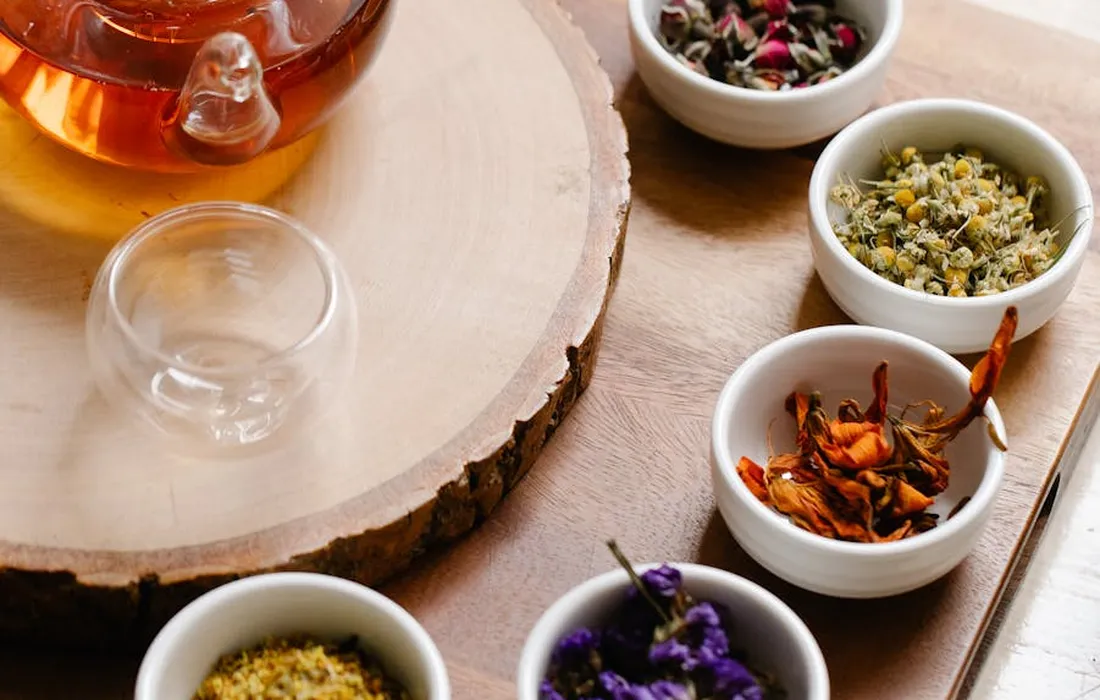
Now, let’s get our hands in the dirt. Setting aside a little patch for these herbs is one of the wisest, most satisfying homestead investments you can make. I’ve always kept a “hen’s herb garden” right outside our main coop run, and the benefits stretch far beyond the plate.
Growing your own forage turns a simple treat into a lesson in sustainable stewardship, saving you coins and trips to the store while you control exactly what your flock eats. It’s the very picture of thriftiness, turning a few seeds and some effort into a continuous supply of fresh, potent greens.
For safety and plant survival, I recommend strategic planting just outside the run fence. This allows for supervised foraging. You can snip handfuls to toss in, or on fine days, let the ladies poke their heads through the wire for a peck. It keeps the plants from being utterly demolished and lets you monitor their intake.
Containing Mint: Planting Tips to Prevent Takeover
Listen close, because this is vital: you must contain your mint, or you will be mowing mint fields where your lawn used to be. I speak from a decade-old mistake that we’re still correcting! Mint is a glorious, vigorous bully of a plant.
- Container Gardening is King: The absolute best method is to plant mint in its own sizable pot. A 5-gallon bucket with drainage holes works perfectly.
- Bordered Beds as a Alternative: If planting in-ground, sink a solid barrier (like a bottomless 10-gallon tub or rigid plastic edging) at least 12 inches deep around the mint patch to curb its running roots.
- Sun and Soil: Mint is wonderfully forgiving. It thrives in partial sun to full sun and enjoys consistently moist, rich soil. It’s not picky, which is why it spreads so well!
Growing Dill for a Continuous Harvest
Dill is a more polite garden guest than mint, but it has its own quirks. It’s a tender annual that bolts quickly in heat, so the secret is to never put all your seeds in one basket.
To keep a steady dill supply from spring until frost, practice succession planting by sowing a new short row or a few pots every two to three weeks. This way, you’ll always have young, feathery fronds ready for harvest.
- Sun Lover: Dill demands full sun-at least six to eight hours of direct light daily-to grow sturdy and flavorful.
- Well-Drained Soil is Non-Negotiable: It despises wet feet. Plant it in loose, well-drained soil. If your ground is heavy clay, raised beds or those same containers are your best friend.
- Let Some Go to Seed: Allow a plant or two to flower and set seed. The yellow umbels attract beneficial insects, and you can collect the seeds for your next planting or for culinary use.
Mint and Dill for Other Barnyard Animals: Quick Notes
Now, I reckon your goats, pigs, and cows might be eyeing those herb bundles with interest. In my decades on the farm, I’ve yet to see a negative reaction from livestock nibbling mint or dill, but I always treat these plants as seasoning, not sustenance. Mint plants can be a safe, tasty option for goats and sheep when used wisely. Understanding mint plants’ safety benefits helps you plan a balanced diet for your herd.
- For your broader barnyard crew-goats, pigs, and cows included-these herbs pose no toxicity threat when offered sparingly.
- Mint and dill are generally safe for most livestock in moderation, adding variety and a dash of natural aroma to their day.
- Herbs must never disrupt their primary ration of quality hay, grain, or pasture; think of them as a bonus, not a base.
Considerations for Goats and Sheep
Goats and sheep can be particular, much like folks at a potluck. I’ve had a doe who’d prance for peppermint but ignore dill entirely, teaching me that individual taste rules the pasture—especially when it comes to herbs for sheep.
- Both mint and dill can be palatable treats; scatter a few leaves in their pen and watch who comes running.
- Always observe your flock’s preferences, as some may adore the flavor while others politely decline.
Considerations for Pigs and Cows
Pigs relish variety in their mash, and cows enjoy a diverse pasture. My old Berkshire sow would clean her trough faster when I stirred in chopped dill, making her meal a special event. Pigs relish variety in their mash, and cows enjoy a diverse pasture. My old Berkshire sow would clean her trough faster when I stirred in chopped dill, making her meal a special event. They often forage for grass and herbs in addition to their regular feed.
- Pigs may enjoy these herbs finely chopped and mixed into their wet mash, which encourages cleaning up every last bit.
- Cows might nibble mint or dill if it’s growing wild in their pasture, but they rarely seek it out like goats do.
Closing Thoughts on Herbs for the Homestead
Will feeding mint or dill change the taste of my chicken’s eggs?
In small, treat-sized amounts, mint and dill are very unlikely to impart any noticeable flavor to the eggs. The strong, distinctive taste of eggs comes primarily from the hen’s main feed. Think of these herbs as a subtle, healthy supplement that supports the hen’s overall wellness rather than a seasoning for her eggs.
How often is “in moderation” when giving these herbs?
For a standard backyard flock, offering a few fresh sprigs of mint or dill 2-3 times a week is a perfect rhythm. This provides variety and benefits without risking nutritional imbalance or digestive upset. Always ensure treats like herbs don’t exceed 10% of their total daily food intake.
What’s the first sign my chicken is benefiting from these herbs?
Beyond their obvious enjoyment, one of the first positive signs is often improved feather condition and vitality, especially during stressful times like molting. You might also notice natural pest loads (like mites) decrease when mint is used in the bedding, contributing to overall flock calm and health.
I have limited space. Which one herb should I grow for my chickens?
If you must choose just one, opt for dill. It’s an annual that’s easier to control than invasive mint, and chickens often go wild for its feathery fronds and seed heads. Dill also attracts beneficial insects to your garden and provides excellent nutritional support for laying hens.
Can I mix mint and dill with other safe herbs for a “salad”?
Absolutely. Creating an herb medley is a fantastic idea. Try mixing chopped mint and dill with other chicken-safe favorites like oregano, basil, or thyme. This not only provides a wider range of nutrients and compounds but also encourages natural foraging behavior as the flock sorts through the variety.
My goat ate some mint meant for the chickens. Should I worry?
No need for immediate concern. Mint is generally safe for goats in small, casual amounts. Just monitor the goat to ensure it shows no signs of digestive discomfort and continues to eat its primary hay or feed as normal. In the future, try to offer species-specific treats separately to better manage each animal’s diet. This includes distinguishing between different types of mint used for goats and other animals.
Back to the Pasture
When it comes to herbs, the golden rule I’ve learned from my own flock is that variety and moderation are your best tools for a thriving coop. The safest way to offer mint, dill, or any garden goodness is as a sporadic treat, not a daily staple, so your birds’ main nutrition always comes from their complete feed. Watch your hens after you introduce something new; their bright eyes, busy scratching, and steady egg production will tell you everything you need to know.
I reckon that’s about all from the fence line today. Thank y’all for settin’ a spell to talk chickens and herbs. Now go enjoy that sunshine, tend your garden, and listen to the quiet, contented clucking of a happy flock. There’s few things better than the smell of mint on your hands and the sight of your hens doing what they do best. Take care, neighbor.
Further Reading & Sources
- Mint Chicken Recipe
- Homemade Treats for Chickens For A Happy, Healthy Flock – Hobby Farms
- Lemon Braised Chicken & Beans with Mint Pesto | The Kitchn
Caroline Mae Turner is a lifelong farm girl raised on red clay, early mornings, and the sounds of a bustling barnyard. With hands-on experience caring for everything from stubborn goats to gentle dairy cows and mischievous pigs, Caroline shares practical, tried-and-true advice straight from the farm. Her goal is to help folks keep their animals healthy, well-fed, and living their best barnyard life. Whether you're wrangling chickens or bottle-feeding a baby goat, Caroline brings a warm Southern touch and plenty of real-world know-how to every bucket in the barn.
Herbal Supplements