Your Goat’s Menu: A Safe Feeding Guide for Fruits and Vegetables
Published on: June 9, 2026 | Last Updated: June 9, 2026
Written By: Caroline Mae Turner
Howdy y’all, wrestling with that heap of carrot tops and apple peels, wondering what’s safe for your curious herd? You can confidently feed most fruits and vegetables as occasional snacks, but the golden rule is always moderation and a firm ban on a few common toxic items like those from the onion and nightshade families. I’ve filled many a treat bucket from my own garden over the years.
What you’ll need:
- A quick reference list of safe and unsafe plants
- Your available kitchen scraps or garden surplus
- A mindful approach to portion size-goats have delicate digestive systems
We’ll have this sorted in no time, so you can get back to the real work of the homestead.
Foundations of a Goat’s Forage-First Diet
You must build your goat’s menu on a solid base of roughage, much like you’d build a barn on a stone foundation. Their rumen, that amazing first stomach, is designed to slowly break down fibrous plants. The core of every meal should be browse from woody shrubs and trees, followed by grass hay and then pasture grass. Fruits and vegetables are just the sprinkles on top, not the cake itself.
Think of that rumen as a bustling community of microbes. They thrive on consistency. Sudden changes or too much sugary food can sour the whole operation faster than milk in the sun. Keeping their diet stable is the single best thing you can do for their health and your vet bill. This ties directly into goat health essentials—identifying and preventing common digestive issues. It helps you spot trouble early. I learned this the hard way with an old Nubian named Gertie.
One autumn, we had a windfall of apples. I thought I was being generous, handing out cores and slices like candy. Within a day, Gertie was off her feed and her belly was tight as a drum. Too many apples too fast gave her a nasty case of bloat, a lesson in moderation I’ve never forgotten. Now, treats are just that-a small handful, not a bucketful.
The Barnyard Bucket: Safe Fruits for Your Herd
Everyday Treats You Can Feel Good About
These fruits are my go-to rewards for good behavior or just for putting a little shine in their day. Offer them washed, raw, and in sensible pieces. Stick to a handful per goat, a few times a week at most, to keep their digestion humming along.
- Apples: A classic. Slice them to avoid choking, and I’ll talk about those seeds in a minute. They offer a nice crunch and vitamin C.
- Bananas: My goats adore them, peel and all. The peel adds extra fiber, and the fruit is soft for older goats.
- Pears: Similar to apples, sweet and hydrating. Just remove the stem and any hard core bits.
- Watermelon: Perfect for a hot day. The red flesh and rind are both safe and full of water to help with hydration.
- Berries: Strawberries, blueberries, raspberries-all are vitamin-packed and usually eaten in one happy gulp.
Special Considerations for Popular Picks
Some favorites need a second look before they hit the feed trough. A little prep work keeps your herd safe.
Grapes are generally fine, but I avoid feeding large bunches with seeds. A few seedless grapes as a treat won’t hurt, but grapeseeds in big amounts can cause issues. I usually cut clusters into smaller, manageable bites.
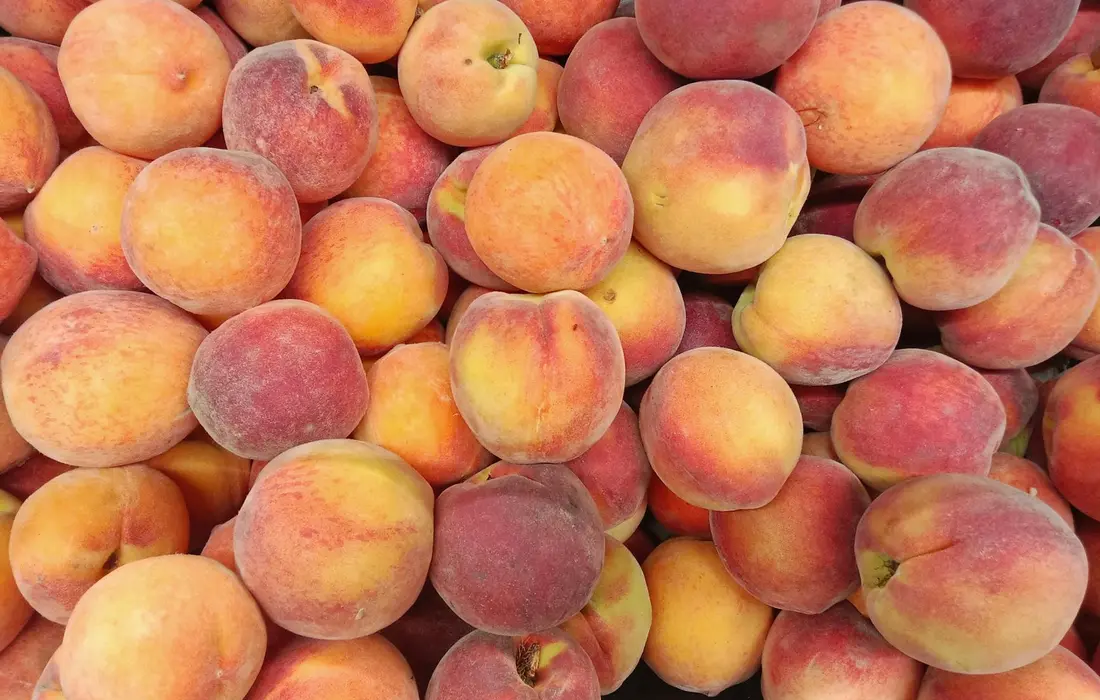
Stone fruits like peaches, plums, and cherries have flesh that’s perfectly safe and sweet. The pit is the problem-it’s a choking hazard and contains compounds you don’t want them chewing. Always pit these fruits first, especially when feeding them to pigs.
Citrus peels like from oranges or lemons aren’t toxic, but they’re bitter and most goats will turn their noses up at them. If they do nibble a bit, it’s not a worry. The juicy fruit inside is the better, sweeter offer.
The Garden Haul: Vegetables Goats Can Enjoy
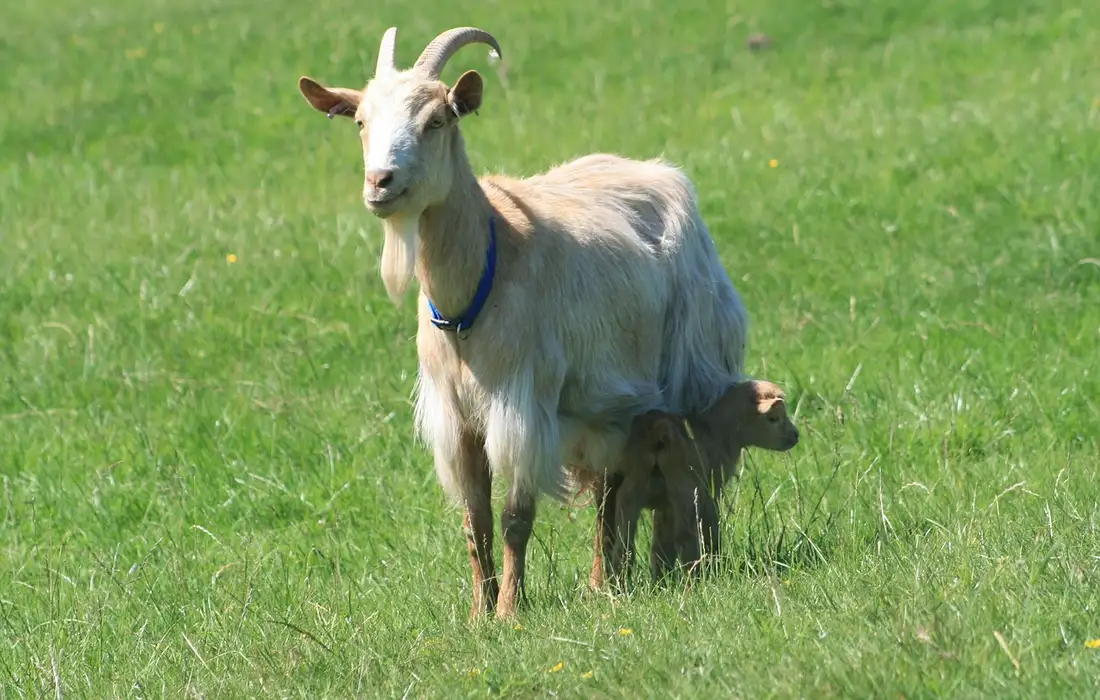
After a good harvest, nothing feels better than sharing the bounty with your curious herd. I’ve spent many an afternoon on the back step, trimming carrot tops for my Nubians while they chatter impatiently. Your garden can be a wonderful supplement to your goats’ diet, turning waste into wholesome treats and strengthening your bond with the herd. Just remember, their primary fuel should always be quality forage like hay or browse; think of veggies as the flavorful garnish on top of a hearty meal.
Leafy Greens and Root Vegetables
Most root vegetables and many greens are a hit at the goat salad bar. They’re packed with vitamins and provide a fun, crunchy texture that keeps goats entertained. Here’s a list of vegetables that are safe for goats to eat, including some reliable choices from my own garden patch:
- Carrots: A classic. The orange roots are sweet and full of beta-carotene, and the green tops are generally safe in moderation. I often give them whole carrots for a long, engaging chew.
- Pumpkins & Squash: Don’t toss those post-Halloween pumpkins! Seeds, flesh, and rind are all edible for goats. I cut them into manageable chunks to prevent choking.
- Cucumbers: These are wonderfully hydrating on a hot day. My goats will munch them like apples, slice by slice.
- Beet Tops: The leafy greens from beets are nutritious, but I feed them sparingly and mixed with other greens. We’ll talk about why in just a moment.
- Sweet Potato Vines: The leaves are a fantastic, palatable forage. I often grow these around the pen for them to browse.
A non-negotiable step is washing all produce thoroughly. Pesticide residue or garden soil can introduce harmful chemicals or bacteria that your goat’s rumen shouldn’t have to process. A quick rinse under the hose has always served me well.
Understanding Plant Compounds: Oxalates and Nitrates
Now, let’s have a quick barnyard chemistry lesson. Some perfectly healthy vegetables contain natural compounds that, in large amounts, can cause trouble. Knowing this lets you feed smartly, not fearfully.
Oxalates are like little thieves in some plants-they bind to calcium and can prevent your goat from absorbing it properly. If a goat eats too many high-oxalate greens over time, it could lead to a calcium deficiency. You’ll find oxalates in:
- Spinach
- Swiss Chard
- Beet Greens
- Parsley
The key is varied, limited feeding. I never make a single high-oxalate green the main event. A handful of beet greens mixed into their regular hay is fine; a whole wheelbarrow full is asking for trouble.
Nitrates are a different concern, usually in leafy greens that have been stressed by drought or over-fertilized. The plant stores excess nitrate, which in an animal’s gut can convert to toxic nitrite. This interferes with blood’s ability to carry oxygen. Watch levels in:
- Kale
- Collard Greens
- Turnip Greens
- Any leafy green that’s wilted or yellowed
My rule of thumb is to feed these greens fresh, from my well-tended garden, and never in gigantic, single-serve piles. Diversity is your best defense; by rotating treats, you ensure no one compound ever builds up to a problematic level in your goat’s system. It’s the same principle as not planting the same crop in the same spot year after year-you keep the soil, and in this case the rumen, in healthy balance.
Absolute No-Gos: Toxic Foods for Goats
Now, let’s talk serious business. While sharing our garden bounty feels neighborly, some common foods are pure poison to a goat’s unique digestion. I’ve seen a curious doe get into things she shouldn’t, and the vet bill and heartache just aren’t worth the risk. Your number one job as a steward is to know these dangers and fence them out, both literally and figuratively.
The Deadly and The Dangerous
This list isn’t about moderation; it’s about complete avoidance. Keep these far from your pasture and paddocks.
- Avocado: Every part-the pit, skin, leaves, and flesh-contains persin, a toxin that can cause heart failure and respiratory distress in goats. I lost a beautiful Nubian years ago to a fallen avocado leaf from a neighbor’s tree, a lesson learned in the hardest way possible.
- Nightshade Plants: The ripe fruit of tomatoes is debated, but the vines, leaves, and flowers are a definite no. Green potatoes and their sprouts are especially toxic, containing solanine. Play it safe and keep the whole plant out of reach.
- Onions & Garlic: In large enough quantities, these can cause anemia by destroying red blood cells. I don’t risk even a little in scraps.
- Rhubarb Leaves: Those big, green leaves are packed with oxalic acid, which can cause kidney failure and a host of other painful issues.
- Chocolate & Caffeine: Seems obvious, but worth stating. The theobromine is toxic to most livestock.
- Wild Cherries, Oak, & Rhododendron: Be mindful of native plants when clearing new browse areas. Wilted cherry leaves release cyanide, and oak acorns/leaves in mass cause toxicity.
When in doubt, lock it out. A goat’s curiosity will always win over its caution, so the fencing and management falls to you.
Mold, Spoilage, and Kitchen Scraps
This is where thriftiness can lead you astray. That moldy bread or slimy squash from the back of the pantry has no place in your goat’s diet.
A goat’s rumen is a finely-tuned fermentation vat. Introducing mold or mycotoxins from spoiled produce can devastate the microbial balance, leading to bloat, diarrhea, or severe poisoning. My rule is simple: if you wouldn’t hesitantly eat it yourself, don’t feed it to your goats, especially moldy hay or grain.
Kitchen scraps require vigilance. While non-toxic veggie peels are often fine, they must be fresh. That compost pile is another common hazard. Goats are master escape artists and will pick through compost if they can. Ensure your compost bin is securely covered or fenced off, because it often contains coffee grounds, onion skins, moldy fruit, and other dangerous scraps. A well-managed compost pile is a homestead asset; a goat-accessible one is a veterinary emergency waiting to happen.
How to Feed Produce the Right Way

You’ve got a basket of kitchen scraps or some extra garden goods, and those curious goat eyes are fixed on you. I reckon we’ve all been there, tempted to spoil our herd. But just like with any critter, there’s a right and a wrong way to share these treats. Feeding produce safely is all about mindful moderation and proper preparation, ensuring your goats stay healthy and happy.
Portion Control and Introducing New Foods
Goats have sensitive digestive systems, bless their hearts. I learned this the hard way years ago when I overdid it with apple slices and spent a long night with a bloated doe. Treats should never replace their core diet of quality hay and minerals. Think of fruits and veggies as the occasional cookie jar, not the main meal, especially when considering proper feeding practices and rumen health.
Here’s my tried-and-true method for introducing any new food to the menu:
- Determine treat limits. A good rule of thumb is no more than a handful of chopped produce per goat, per day. That’s about one to two cups total, depending on the size of your animal.
- Start with a tiny piece. When testing a new fruit or vegetable, offer just a bite-sized portion to one goat. Watch how they handle it.
- Observe for 24 hours. Keep an eye out for any signs of digestive upset, like loose stool, bloating, or a lack of interest in their regular feed. Patience here saves a lot of trouble later.
- Slowly increase variety. Only if your goat shows no adverse reactions over a full day should you consider adding that item to the treat rotation or trying another new one.
I always keep a journal by the barn door to note what I fed and when. This simple habit helps you track what agrees with each animal, as some goats have pickier stomachs than others.
Practical Prep in the Pasture
How you serve these snacks is just as important as what you serve. Tossing a whole watermelon into the pen might seem fun, but it’s a recipe for mess and potential choking. Taking a few minutes for proper prep shows respect for your animals and prevents waste.
Here are the steps I follow every time I bring treats to the pasture:
- Wash all produce thoroughly. You’d be surprised how many pesticides or bits of dirt can linger, even on homegrown items. A quick rinse under the pump never hurt.
- Cut large items down to size. Pumpkins, squashes, and cabbages need to be split open and chopped. This makes it easier for goats to eat and reduces competition.
- Always remove hard pits from stone fruits. Peach, plum, and cherry pits can be a choking hazard and may contain traces of cyanide. It’s not worth the risk.
- Chop everything into manageable pieces. Aim for chunks no bigger than a walnut to prevent choking. Those greedy eaters will thank you.
- Feed in a trough or raised rack, not on the ground. This keeps the food cleaner, reduces parasite pickup, and lets you monitor who’s eating what. I repurpose old baking sheets as makeshift troughs-thrifty and effective.
Remember, a little effort in preparation goes a long way in keeping your herd safe. Good stewardship means thinking ahead for their well-being, every single time.
Recognizing Trouble: Signs of Distress
Even with the best intentions, a curious goat might snatch a bite of something that doesn’t agree with them. Spotting the early warnings is a skill that comes from time spent watching your herd, and it’s your first line of defense. I’ve spent many an evening leaning on the fence, just observing the way my goats move and eat, and that habit has caught more than one problem before it turned serious.
If you suspect a toxic snack, your goat will tell you-you just have to know their language. Look for these clear signals of poisoning or digestive upset:
- Lethargy or Depression: A goat that’s unusually still, lying down alone, or shows no interest in coming for grain is sending a big red flag.
- Bloating: A tight, drum-like belly on the left side is a major emergency. It can come on fast with certain plants.
- Diarrhea: Scours that are watery or oddly colored aren’t just a mess; they’re a sign the gut is in turmoil.
- Staggering or Incoordination: If your sure-footed climber is wobbling or seems dizzy, the nervous system could be affected.
- Loss of Appetite: When a goat turns its nose up at favorite treats, something is deeply wrong inside.
- Signs of Abdominal Pain: This includes teeth grinding, frequent looking at their side, kicking at their belly, or a general stance that just screams discomfort.
The moment you see a cluster of these signs, don’t wait-your local livestock vet needs to be on the phone. Time is the one thing you can’t get back. While you’re calling, have a helper snag a sample of the plant you suspect caused the trouble. Tuck it in a baggie. This simple act has helped my vet more than once to make a quick, accurate diagnosis and get the right treatment flowing faster.
Closing Questions
Can goats eat avocado?
No, goats should never eat avocado. All parts, including the flesh, skin, pit, and leaves, contain persin, a toxin that can lead to heart failure and respiratory distress in goats. Along with other questionable items, you should never feed them avocado.
Can goats eat potatoes?
No, goats should avoid potatoes, especially green ones or those with sprouts. These contain solanine, a compound that is toxic to goats and can cause serious digestive and neurological issues. Like mushrooms, potatoes aren’t safe for goats.
Can goats eat tomato plants?
No, tomato plants are toxic to goats. While the ripe fruit is sometimes debated, the vines, leaves, and flowers are definite hazards and should be kept out of reach to prevent poisoning.
Can goats eat cabbage?
Yes, goats can eat cabbage in moderation as an occasional treat. However, feed it sparingly because it can cause bloating or gas if overconsumed, so always chop it and introduce it slowly.
Can goats eat citrus fruits?
Yes, goats can safely eat the juicy flesh of citrus fruits like oranges and lemons. The peels are not toxic but are often bitter and unappealing, so it’s best to offer the fruit itself in small pieces. However, it’s important to be cautious when feeding any tropical fruits to goats, so always research the specific fruit before introducing it to their diet.
How much fruit can a goat eat?
Fruit should be limited to a small handful per goat, a few times a week at most. Overfeeding can disrupt their digestive system, so always prioritize their core diet of hay and forage.
Shutting the Gate
After all this talk of melon rinds and carrot tops, the heart of the matter is simpler than a morning sunrise. The safest, happiest goat rumen is built on variety, moderation, and your watchful eye-treats are just the spice, not the main meal. I’ve seen a herd thrive on good hay, clean minerals, and the occasional kitchen scrap, but I’ve also nursed a bloated doeling from one too many fallen apples. Your attention is the most vital supplement in their diet.
Now, I reckon y’all have some happy critters to tend to. Go enjoy the sound of contented chewing and the peace that comes from a well-kept barn. It’s what this life is all about. Take care of your land, and it’ll surely take care of you.
Further Reading & Sources
- What Vegetables Can Goats Eat? | Nature’s Best
- what kinda of plants , fruits, and vegetables can goats eat? | The Goat Spot Forum
- Safe & Healthy Goat Treats: Feeding Tips for Happy Herds – Kalmbach Feeds®
Caroline Mae Turner is a lifelong farm girl raised on red clay, early mornings, and the sounds of a bustling barnyard. With hands-on experience caring for everything from stubborn goats to gentle dairy cows and mischievous pigs, Caroline shares practical, tried-and-true advice straight from the farm. Her goal is to help folks keep their animals healthy, well-fed, and living their best barnyard life. Whether you're wrangling chickens or bottle-feeding a baby goat, Caroline brings a warm Southern touch and plenty of real-world know-how to every bucket in the barn.
Diet Requirements