What Garden Plants Can Chickens Eat? The Safe Truth on Gourds, Daylilies, and Morning Glory
Published on: June 5, 2026 | Last Updated: June 5, 2026
Written By: Caroline Mae Turner
Howdy y’all. You’re out there eyeballing those garden trimmings and your eager flock, wondering if you can kill two chores with one stone. Yes, chickens can eat most garden plants, but some common beauties like morning glory can cause real trouble for your birds. I’ve learned it pays to know the difference before you toss anything over the coop fence.
- A good plant identification guide or a sharp memory for what you’ve planted.
- A pair of pruning shears for preparing safe vines and leaves.
- A keen eye on your flock for the first few minutes after introducing a new green.
Having spent many a morning with both my hens and my hoe, I can tell you we’ll get this sorted so you can garden and gather eggs with peace of mind.
Why Foraging Garden Plants is a Double-Edged Sword
I reckon we’ve all felt that surge of pride watching our chickens scratch and peck happily among the garden rows. It feels right, like they’re earning their keep and getting a taste of the good life. Letting your flock forage in the garden taps into their natural instincts and can supplement their diet with fresh vitamins and minerals for free. I’ve seen my own hens’ feathers shine brighter after a summer of nibbling on leafy greens and bugs.
But that idyllic picture can turn sour faster than milk in the sun. What looks like a wholesome buffet to us can hide serious dangers for our feathered friends. Not every plant in your plot is chicken-friendly, and some common ornamentals or even vegetable parts can cause anything from mild upset to tragedy. It’s important to know which vegetables and plants are toxic to chickens before letting them free-range in your garden.
Here’s the quick list of what makes garden foraging so tricky:
- The Good: Free nutrition, mental stimulation, pest control, and less feed expense.
- The Bad: Risk of poisoning from toxic plants, overconsumption of one item unbalancing their diet, and potential for mold or pesticide exposure.
- The Ugly: Your prized lettuce bed reduced to stubs by enthusiastic scratchers.
My rule, learned after a scare with some nightshade berries, is to know every plant in your garden’s path. Supervised foraging or offering harvested plants is always safer than turning them loose in an unknown landscape. It’s about stewardship-caring for your land and your animals with equal respect.
Gourds & Squash: The Cucurbit Family Feast
When autumn rolls around and the vines die back, I always haul a wheelbarrow of leftover gourds and squash straight to the barnyard. This family of plants, from pumpkins to zucchini, is generally a spectacular and safe treat for most livestock. They’re packed with moisture, vitamins, and fiber, making them a thrifty way to use up excess or blemished produce. Cows can safely eat squash and zucchini, just like many other garden vegetables, as long as they’re introduced properly.
Sorting Safe from Unsafe: Common Garden Varieties
Now, not every part of every cucurbit gets a gold star. The flesh of the fruit is almost universally a hit. You can confidently feed your birds the inner meat and seeds from common varieties like pumpkins, acorn squash, butternut squash, spaghetti squash, and zucchini. The seeds even have a mild natural deworming benefit.
Where you need caution is with the leaves, vines, and especially ornamental gourds. Ornamental gourds are often bred for looks, not taste, and can contain higher levels of bitter cucurbitacins that can cause digestive distress. I stick to feeding the classic edible varieties and avoid the overly bitter, decorative types altogether.
- Top Picks for the Flock: Pie pumpkins, butternut squash, and any summer squash like crookneck or pattypan.
- Use Caution: Ornamental gourds (like bumpy gourds or colorful mini-pumpkins not meant for eating). When in doubt, taste a tiny piece yourself; if it’s intensely bitter, don’t feed it.
- Avoid: Leaves and vines in large quantities, as they can be tough and less palatable.
Preparation is Key: How to Serve Gourds to Your Flock
You can’t just toss a whole pumpkin in the run and call it a day. A little prep makes all the difference in safety and enjoyment. Always split gourds and squash open to expose the soft interior and seeds, which makes pecking easy and prevents mold from forming inside. Here’s my simple method:
- Wash it: Rinse off any dirt or garden debris.
- Split it: Use a hatchet or heavy knife to crack it open. For winter squash with hard rinds, I sometimes give it a good whack on a rock.
- Scoop it (Optional): For chickens, you can leave the seeds and stringy pulp-they love it. For a tidier treat, scoop it into a pan.
- Serve Raw or Cooked: Raw is perfectly fine. Cooking softens very hard rinds and can be a warm treat in winter, but never add salt, butter, or spices.
Pigs, bless them, are the ultimate clean-up crew for gourds. You can feed pigs whole, smashed gourds-rind and all-as a succulent part of their ration, but it should only compose about 10-20% of their total diet to keep nutrition balanced. They’ll crunch through the toughest rind with gusto. For pigs, safety guidelines matter: start with small portions and monitor their digestion. Always feed fresh, mold-free pumpkins and avoid spoiled or seasoned gourds.
Daylilies: A Surprising Garden Snack?
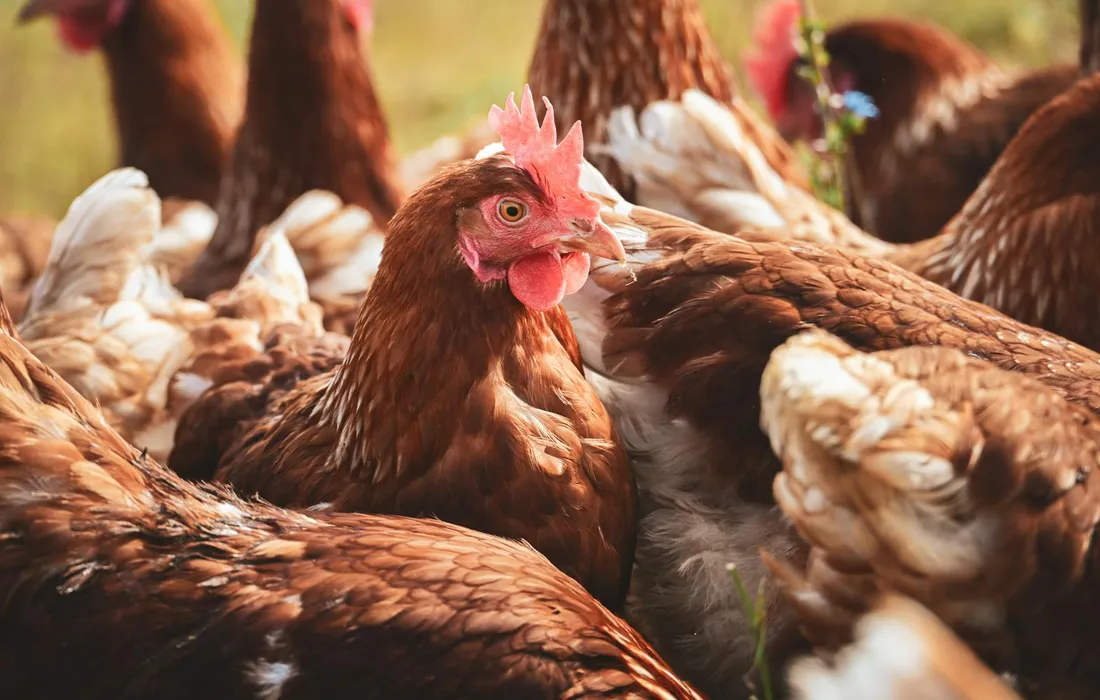
Now, let’s talk about the cheerful daylily, that prolific bloomer lining many a garden path. I’ve watched my hens make a beeline for these for years. The good news? For your flock, the common daylily (Hemerocallis) is generally considered a safe and enjoyable treat. They’re not the same as the deadly true lilies (Lilium species) that are so toxic to cats, and that’s a crucial distinction every gardener with chickens should know.
Hemerocallis for Hens: Flowers, Stems, and Tubers
Every part of the daylily plant offers something for a curious chicken, but some bits are more popular than others. Let’s break it down piece by piece, just like I do when I toss a handful into the run.
The bright orange or yellow flowers are the crowning favorite, acting as a natural attractant that the chickens simply can’t resist. I reckon it’s the color and texture. They’ll peck them right off the stem, fresh or wilted. These blossoms provide a bit of moisture and a fun diversion.
Those tall, green stems and leaves, however, are often left behind unless the chickens are especially hungry or I’ve chopped them up. Chopping the tougher foliage into smaller pieces with garden shears makes it much easier for the girls to eat and reduces waste in your run. It’s a simple step that turns a ignored pile into a scavenged snack.
Now, the tuberous roots are where things get interesting from a homestead-thrift perspective. These small, finger-like tubers are packed with carbohydrates. I’ve dug them up while dividing my plants, rinsed them off, and chopped them into chicken-bite-sized chunks as a starchy, filling occasional feed supplement. The hens scratch and gobble them up. It’s a fantastic way to use the whole plant and add variety to their diet.
A Note of Caution for Other Barnyard Animals
Here’s where your wisdom as a steward of multiple critters comes into play. What’s fine for the chickens can be a real problem for others sharing your land.
You must keep daylily trimmings and spent blooms well away from your cats, as all parts of the plant are highly toxic to them, causing kidney failure. This is non-negotiable. While dogs and chickens seem unaffected, it’s always best to err on the side of caution and prevent other animals from browsing on large quantities of any unfamiliar plant.
My rule of thumb is species-specific feeding. The salad bar that works for the poultry yard should not be considered universal for every mouth on the farm, especially when it comes to pigs and other livestock. Pigs, goats, and cows have entirely different digestive systems and sensitivities. I would never deliberately feed daylilies to my ruminants or pigs, as the research on its safety for them simply isn’t clear or commonplace in trusted husbandry circles. When in doubt, leave it out-their regular, balanced ration is always the safest bet.
Stick to giving these garden treats solely to your chickens, and you’ve turned a common perennial into a source of free, engaging nutrition. This careful, knowledgeable approach is the heart of integrated, sustainable homesteading where nothing useful goes to waste, but no animal is put at risk. It’s especially important when feeding plants any kind of flowers.
Morning Glory: A Vine to Avoid Entirely
Now, let’s talk about a plant that requires a firm hand and a clear boundary. I reckon morning glory is one of the prettiest nuisances to ever climb a fence. Those cheerful trumpet blooms can charm just about anyone. But when it comes to your chickens, this vine is all show and no go-it’s downright dangerous and needs to be kept far from your flock. My rule here is simple: no exceptions, no experiments.
The Toxic Truth of Ipomoea
Morning glory, part of the Ipomoea genus, contains lysergic alkaloids. That’s a fancy term for compounds that can cause serious neurological and digestive upset in birds. The highest concentration is typically found in the seeds, but I don’t trust any part of the plant. I learned this lesson years ago when a particularly vigorous vine crept into the run; I spent a worried afternoon watching my birds after they’d peeked at its leaves. It’s not worth the risk, as even a small amount of seed material can lead to weakness, disorientation, and a very sick chicken.
Recognizing Signs of Plant Poisoning in Poultry
Vigilance is your best tool. If you suspect your birds have gotten into something they shouldn’t have, watch for these signs. Time is of the essence.
- Sudden Lack of Coordination: Stumbling, falling over, or an inability to perch.
- Lethargy and Weakness: A bird that sits puffed up, unwilling to move, with drooping wings.
- Loss of Appetite and Thirst: Ignoring treats and water is a major red flag.
- Diarrhea or Unusual Droppings: Greenish or watery waste can indicate system distress.
- Neurological Twitching: Tremors or odd head movements.
The moment you see a combination of these symptoms, isolate the bird in a quiet, dark crate with water and call your veterinarian immediately. Have a sample of the suspected plant ready if you can.
Managing Garden Borders to Keep Flocks Safe
Prevention is always simpler than treatment. Keeping invasive ornamentals like morning glory out requires a two-pronged approach: a good fence and a busy flock.
- Establish a Physical Barrier: A well-built poultry fence around your garden is your first line of defense. For determined vines, I use a double layer-a tight-weave wire fence for the chickens, and a separate trellis well outside it for any ornamental climbers I choose to keep.
- Employ the “Distraction Garden”: Chickens are curious. Plant a safe, lush border of chicken-friendly herbs like oregano, thyme, and basil just outside their run. A happy chicken with a full crop of tasty, safe greens is less likely to go hunting for trouble on the other side of the fence.
- Regular Patrols and Pruning: Walk your fence lines weekly. Morning glory seeds travel far and sprout easily. Yank any volunteers immediately, roots and all, and dispose of them in the household trash-not the compost.
This isn’t about fighting nature, but about steering it. With clear boundaries and plenty of good options, your garden and your flock can thrive side-by-side without worry. This approach pairs well with a chicken-safe plants garden planning guide that highlights safe plant choices for your flock. Use it to design borders, forage patches, and productive beds.
Golden Rules for Garden Foraging with Chickens
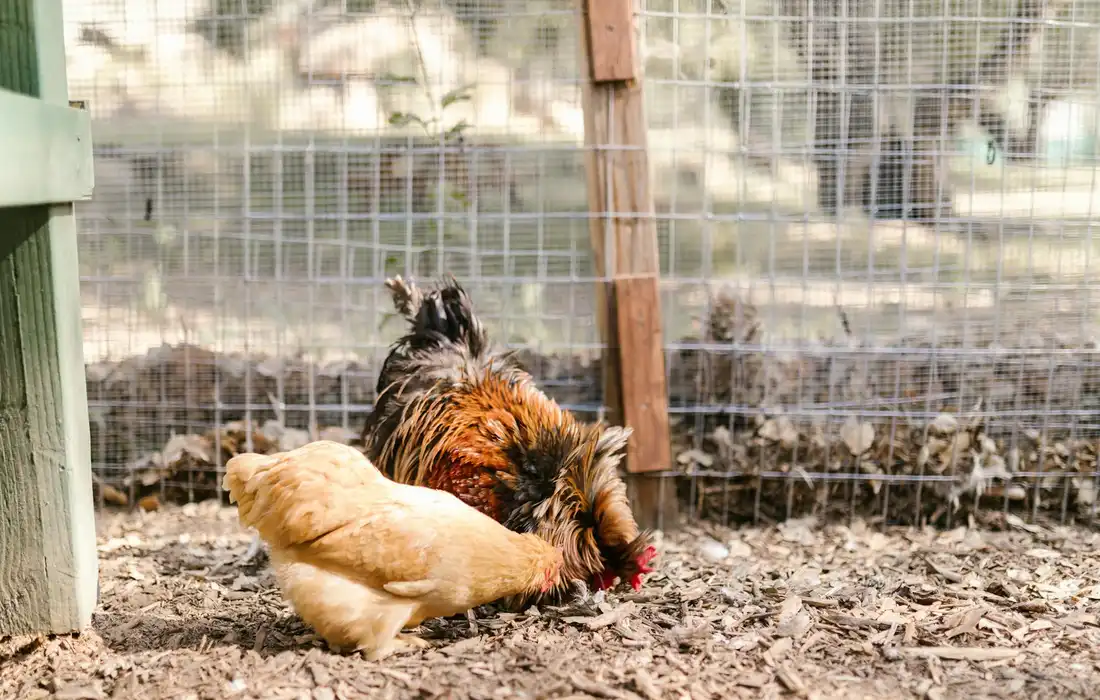
Turnin’ your birds loose in the garden is a bit like sendin’ a group of toddlers into a bakery. Their instincts are good, but their judgment needs a watchful eye. A successful foragin’ flock relies on your guidance more than their own curiosity, and that starts with a few non-negotiable rules. I learned this the hard way years back when my favorite rose bush met an untimely end, a sacrifice to a hen’s relentless scratching.
The “Test and Observe” Protocol
Never introduce a new plant to the whole flock at once. Reckon each bird has its own constitution, much like people. What sits fine with one might trouble another. Here’s my barn-tested method for any new greenery.
- Pick a single plant. Choose a small amount-just a leaf or a flower from the species you’re questionin’.
- Select two testers. Use a couple of your hardier, mature hens, not your prized layers or young pullets.
- Offer it plain. Give them the plant material by itself, not mixed with treats, so you know the cause of any reaction.
- Watch for a full day. Observe their behavior, droppings, and crop function. A lack of enthusiasm for the food is your first clue.
- Wait 48 hours. If they show no signs of distress-lethargy, diarrhea, or avoiding feed-you can consider it likely safe for a larger group.
This cautious approach has saved my flock from more than one dubious snack and taught me that a chicken’s “no thank you” is often wiser than my “maybe.” Their natural wariness is a tool you should use, especially when it comes to giving them sugary treats or any cake.
Building Your Own Safe Plant List
Every homestead is different. Your soil, your microclimate, and even your chicken breeds can change what thrives and what’s tolerated. A generic list from a book is a startin’ point, but your own documented experience is pure gold.
I keep a simple notebook on the shelf by the back door. When a plant passes the test, it gets noted. Here’s what I track for my own records:
- Plant Name (Common & Scientific if I know it)
- Part Offered (leaf, flower, fruit, stem)
- Date Tested
- Flock Reaction (Devoured, Pecked At, Ignored)
- 48-Hour Health Notes (All clear, or details of any issue)
Beyond just safety, this shows you what they love versus what they merely tolerate. Over a single season, you’ll compile a hyper-local foraging guide that’s more valuable than any you could buy, tailor-made for your land and your birds. It turns guesswork into good husbandry. Some folks use a spreadsheet, but my sun-faded notebook with chicken scratch notes feels right.
Closing Questions on Garden Plants & Chickens
Can chickens eat gourds safely?
Yes, chickens can safely eat most common edible gourds and squash like pumpkins, zucchini, and butternut. For pumpkin safety, offer fresh, whole pumpkins and monitor portion sizes. However, avoid feeding ornamental gourds, as they can contain bitter compounds that cause digestive upset.
Are daylilies poisonous to chickens?
No, the common daylily (Hemerocallis) is not poisonous to chickens and can be a fun, safe treat. It is crucial to distinguish them from true lilies (Lilium species), which are highly toxic to other pets like cats.
What makes morning glory dangerous for my flock?
Morning glory vines contain toxic lysergic alkaloids, primarily in their seeds, which can cause severe neurological and digestive issues in poultry. It is safest to exclude all parts of this plant from your chickens’ environment.
How can I quickly tell if a garden plant is unsafe?
Always positively identify a plant before offering it. A key rule is to avoid plants with milky sap, known bitter taste, or those labeled as toxic ornamentals, and when in doubt, apply the “test and observe” protocol with a few hens first.
What’s the safest way to introduce a new plant like daylilies?
Introduce any new plant slowly by offering a small amount to two robust hens and monitor them closely for 48 hours for any signs of illness. Only offer more to the flock if they show no adverse reactions like lethargy or diarrhea.
How do I protect my chickens from toxic plants like morning glory?
Maintain secure physical barriers between your garden and flock, and conduct regular patrols to remove volunteer vines. Planting a tempting border of safe herbs near their run can also distract them from seeking out harmful plants.
Shutting the Gate
After all this plant talk, the simplest rule still holds the most truth. Your best tool isn’t in the shed; it’s your own watchful eye, learning your flock’s habits and trusting your gut when something seems off. A varied diet, anchored in a proper feed, lets your garden treats be the joyful supplement they were meant to be.
I reckon I’ll head back out to the run myself. There’s a handful of daylily blooms near the fence that’ll make for a fine afternoon scratch. I hope y’all find a happy rhythm between your garden’s yield and your flock’s delight. Thanks for settin’ a spell. May your baskets be heavy and your chickens curious.
Further Reading & Sources
- 13 Beneficial Chicken-Friendly Plants To Grow Next To Coops • Insteading
- 15 Plants To Grow That Will Lower Your Chicken Feed Bill
- good and tasty plants for chickens (chickens forum at permies)
Caroline Mae Turner is a lifelong farm girl raised on red clay, early mornings, and the sounds of a bustling barnyard. With hands-on experience caring for everything from stubborn goats to gentle dairy cows and mischievous pigs, Caroline shares practical, tried-and-true advice straight from the farm. Her goal is to help folks keep their animals healthy, well-fed, and living their best barnyard life. Whether you're wrangling chickens or bottle-feeding a baby goat, Caroline brings a warm Southern touch and plenty of real-world know-how to every bucket in the barn.
Forage Options