
Your Goat’s Salad Bar: Common Weeds, Leaves & Smart Foraging
Published on: June 11, 2026 | Last Updated: June 11, 2026
Written By: Caroline Mae Turner
Howdy folks. Staring at the feed bill and wondering how to stretch that bag of pellets? The farmer’s fix is right outside your door: let your goats browse on a bounty of safe weeds and leaves, turning a chore into free nutrition.
What you’ll need:
- A keen eye for what’s growing in your pasture and ditches
- A reliable reference guide or experienced neighbor for plant ID
- A little time to observe your herd’s natural behavior
Managing what your goats forage is simpler than you reckon, once y’all know what to look for.
The Goat’s Natural Diet: Browsing vs Grazing
Now, let’s get straight to what makes a goat a goat. Unlike your dairy cow contentedly mowing the pasture, a goat is a born browser. Understanding this natural instinct is the single biggest key to keeping your goats healthy, thrifty, and out of your flower beds. I reckon I’ve spent more hours watching my Nubians pick through a thicket than I have watching television.
Grazing means eating grass down low, like sheep and cattle do. Browsing means reaching up and out to nibble on leaves, twigs, shrubs, and broad-leaf plants. A goat’s mobile lip and agile tongue are perfect for selectively choosing the tastiest morsels from brush most other livestock won’t touch. They can even forage for wetland plants like cattails, but care should be taken to ensure the safety of what they consume. Their digestive system is designed for this diverse, fibrous, and often woody diet.
I learned this lesson early on. I once turned my herd into a beautiful, green pasture and watched them march straight to the overgrown fence line to strip a blackberry cane. Providing browse isn’t just a luxury; it’s how you work with their biology to prevent boredom and boost nutrition. A goat with access to good browse is a goat with fewer parasite issues and a shinier coat.
Safe and Savory: Common Weeds and Leaves for Goats
Your pasture’s “problems” are your goat’s pantry. Instead of waging chemical war on every weed, see them as free, potent feed. Harnessing this forage is the hallmark of a thrifty steward who respects the animal’s natural cravings. Grazing through cheatgrass and other weeds can be a form of low-cost weed control with real grazing benefits. Just remember the awn risks those grasses pose to goats so you manage rotations accordingly. I always say my goats have trimmed more of my land than my tractor ever has.
Weeds Goats Love
These common invaders are often more nutrient-dense than lawn grass. Let them grow in a controlled area for your herd.
- Broadleaf Plantain: Not the banana-like fruit, but the low-growing weed with ribbed leaves. It’s a mineral-rich snack my goats hunt for.
- Dandelion: Every part is edible-leaf, flower, and root. It’s a natural diuretic and packed with vitamins.
- Chicory: That pretty blue flower on a tall stalk. The leaves are slightly bitter, but goats adore them, and it’s known to aid gut health.
- Ragweed: Now, hold on before you panic. Common ragweed (Ambrosia artemisiifolia) is a superb goat forage, often testing near 20% protein in its prime growth. It’s the pollen that bothers us, not the goats.
- Kudzu: If you’re in the South, you’ve got a feedlot on a vine. My goats will clear a patch faster than I can say “seconds please.”
Always identify plants with absolute certainty, as some look-alikes can be harmful, and avoid areas sprayed with herbicide.
Tree Leaves and Shrubs
This is where browsing truly shines. Goats will naturally prune your trees if you let them. Managing this resource prevents overgrazing of the bark and ensures the trees survive to feed another day. I practice “cut-and-carry” for my favorite trees, bringing branches to the pen instead of letting the goats ring the trunk.
- Blackberry & Raspberry Canes: Thorns don’t bother goats one bit. The leaves are excellent forage, and the berries are a sweet treat.
- Willow: A true goat favorite. Willow branches contain salicin, a natural compound that can have a mild pain-relieving effect.
- Mulberry: The leaves are highly palatable and nutritious. My herd camps under the mulberry tree when the leaves are young and tender.
- Poplar & Aspen: Fast-growing trees whose leaves and tender shoots provide good, quick browse.
- Honeysuckle: The invasive shrub kind. Goats will devour the leaves and vines, helping you control it.
Remember, variety is safety and nutrition. Rotate your browsing areas to prevent over-reliance on one plant and to give the land time to recover. A mixed bag of weeds, leaves, and hay makes for a contented, well-fed goat.
Plants to Avoid: Toxin Risks and Anti-Nutritional Factors

Now, let’s have a serious chat about what notKnowing your poisonous plants is just as important as knowing the good forage, and it’s a cornerstone of responsible animal stewardship.
Common Toxic Weeds and Leaves in Your Pasture
Walk your fence lines with a critical eye. Some of the prettiest plants pose the greatest danger. From my years of tending the herd, I’ve learned to spot these troublemakers fast.
- Wild Cherry (especially wilted leaves): These leaves contain cyanide-producing compounds. A handful of wilted branches after a storm can be fatal quick as lightning.
- Rhododendron & Azalea: Common ornamental shrubs that cause vomiting, weakness, and can lead to coma. Don’t let trimmings fall into the pasture.
- Bracken Fern: This one’s a slow burner. Consumed over time, it causes a thiamine deficiency leading to neurological damage and weight loss.
- Milkweed: Its sticky sap contains cardiac glycosides. Just a few ounces of leaves can disrupt heart function severely.
- Oak (acorns and young leaves in large quantities): The tannins here bind up proteins and can cause kidney damage and nasty digestive upset.
- Nightshades (like jimsonweed): You’ll see dilated pupils, tremors, and incoordination. It’s a scary sight I hope y’all never witness.
How Toxins Work and Signs of Trouble
These plant toxins are sneaky. Some attack the nervous system, others the heart or kidneys. Early recognition is your best defense, so you need to know the warning signs your goat is giving you. Symptoms often include sudden drooling, bloat, stumbling, rapid breathing, or seizures. If you suspect poisoning, time is critical. Get that goat away from the plant, call your vet immediately, and try to identify what they ate. Keep a sample of the plant if you can.
Anti-Nutritional Factors: The Hidden Hitchhikers
Beyond outright toxins, some plants carry “anti-nutritional factors.” These aren’t always instantly poisonous, but they block your goat from absorbing nutrients properly—it’s like serving a full plate of food but gluing the fork to the table; the goodness is there, but they can’t access it, similar to some toxic plants in a goat’s diet.
- Oxalates (found in greasewood, some grasses): Bind with calcium and can lead to kidney stones and weakness.
- Tannins (in oak, black locust): As mentioned, they interfere with protein digestion, stunting growth and milk production.
- Nitrates (in pigweed, lambsquarters under stress): Drought-stressed weeds can concentrate nitrates, which disrupt oxygen in the blood. Always test hay from new sources if you’re unsure.
Building a Safe Forage Environment
Prevention is cheaper than a vet bill and easier on your heart. Here’s how I manage our land to keep the girls safe.
- Pasture Rotation is Key: Moving goats regularly prevents them from over-grazing and being forced to eat less desirable, potentially harmful plants.
- Fence with Purpose: Use sturdy woven wire to keep goats out of wooded areas thick with oak and wild cherry until you’ve cleared the dangerous browse.
- Learn to Identify: Get a good field guide for your region. Walk your property in every season, because plants look different.
- Provide Plenty of Good Stuff: A goat with a full belly of quality hay and mineral is less likely to sample the bad salad bar. I always say, boredom and hunger are a goat’s worst advisors.
A Lesson from the Back Forty
I remember one autumn, a windstorm brought down a wild cherry limb into the paddock. Before I could clear it, my old Nubian doe, Bertha, had nibbled the wilted leaves. Within the hour, she was panting and staggered. We got her to the vet in time with a leaf sample in hand, and she pulled through, but it taught me to patrol after every storm without fail. That moment of vigilance cost me nothing, but ignoring it could have cost Bertha everything. It’s about respecting their nature while protecting them from it.
Nutrition from the Wild: Benefits of Foraged Foliage
There’s a world of difference between a uniform bale of hay and the diverse salad a goat pulls from a hedgerow. Foraged foliage offers a complex, rotating menu of nutrients that a single feed source simply cannot match, acting as nature’s own supplement program. I’ve watched goats meticulously pick through a patch, selecting a bit of this weed and a mouthful of that shrub, instinctively balancing their needs. This biodiversity on the hoof translates to robust health, better parasite resistance, and more vibrant animals overall.
Beyond the feed bucket, this behavior is the heart of sustainable stewardship. Letting your goats harvest their own supper from weeds and brush turns a management chore into a productive advantage, clearing land while cutting your feed bill. It’s the old way, and in my experience, it’s a thrifty path to raising hardier stock.
Key Nutrients in Weeds and Leaves
Don’t let the word “weed” fool you. Many common pasture invaders are powerhouses of specific vitamins and minerals often lacking in cured grasses. Dandelion greens, for instance, are loaded with vitamins A, C, and K, plus potassium and calcium, making them a superb spring tonic for does coming off kidding. Plantain (the broadleaf weed, not the tropical fruit) is another humble hero, offering extra iron and fiber.
Browse-the tender shoots, leaves, and bark of woody plants-is where goats truly shine. Blackberry and raspberry brambles are a favorite here, providing not just tasty leaves but also natural astringents and vitamin C. I’ve used trimmed bramble branches as goat treats for years. Willows and poplars contain compounds akin to aspirin, and I’ve seen my older goats seek them out on stiff, damp mornings.
Let’s break down what these wild foods bring to the table:
- High-Quality Protein: Young weeds like chickweed and lambsquarters can boast protein levels rivaling some legumes, vital for growing kids and milk production.
- Trace Minerals: Deep-rooted weeds pull minerals like selenium, zinc, and copper from the subsoil, depositing them in accessible leaves.
- Digestive Aids & Tannins: Woody browse contains tannins that can help bind proteins in the gut, potentially reducing internal parasite loads-a huge natural benefit.
- Varied Fiber Structure: Unlike the consistent fiber in hay, the mix of stemmy, leafy, and woody fibers promotes optimal rumen function and motility.
Remember, variety is the safeguard. The greatest risk in foraging isn’t from a few toxic plants, but from an overly monotonous diet that lacks nutritional breadth. A goat with access to acres of nothing but kudzu or black locust is in more danger than one sampling a dozen different plants in a brushy lot. Observe, identify, and always provide quality hay as a reliable base. Your goats’ foraging instinct, guided by your mindful management, is one of the finest tools in your husbandry kit. Keep a goat-safe plants comprehensive list handy to know what goats cannot eat. It’s a quick reference to guide safe foraging choices and protect your herd.
Reading the Signs: Healthy Foraging Behavior in Goats
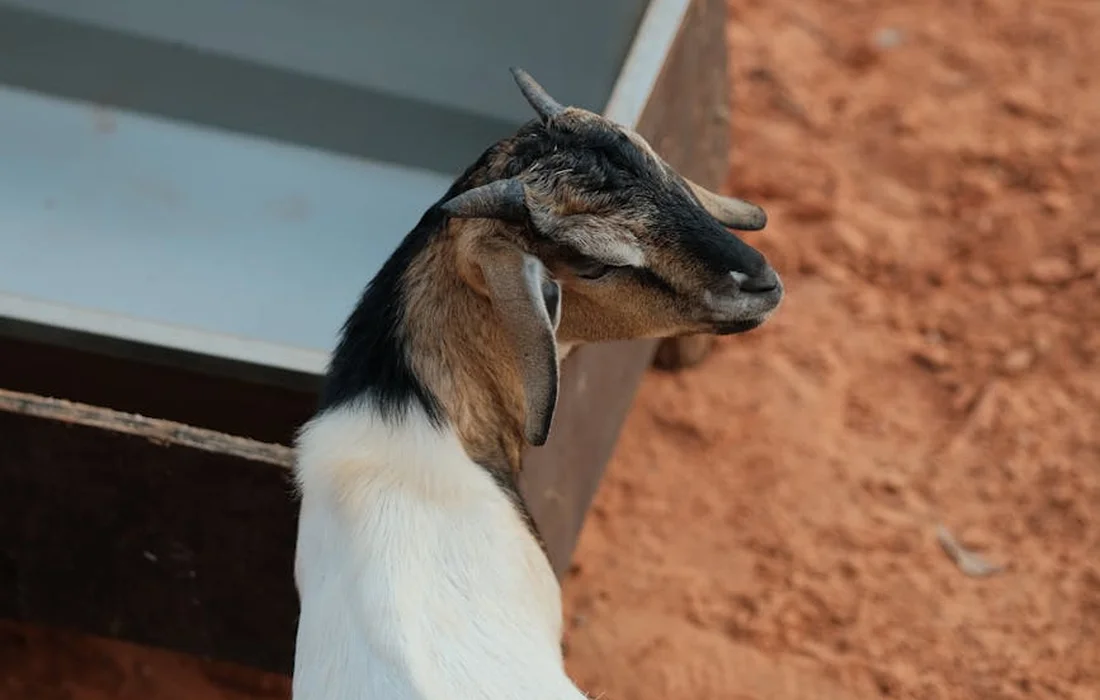
Watching a goat browse is like listening to a conversation in a language of nibbles and head-tilts. A healthy forager is a picture of calm, focused intent. Their ears will be up and alert, swiveling for sounds, but their body is relaxed. You’ll see a steady, meandering pace as they sample a bite here, a taste there, never stripping one plant bare before moving on. This is the golden rule of good browsing they follow instinctively, if we give them the space to do it.
The Posture and Pace of a Contented Browser
Think of a relaxed tourist at a buffet, not a starved prisoner at a mess hall. A goat with a healthy foraging mindset takes its time. It will stand comfortably, often reaching up on its hind legs for a particularly tempting branch, then drop down to investigate a weed at its feet. This up-and-down, side-to-side movement is natural and shows they’re engaging with the full buffet their environment offers. I reckon I’ve spent more hours than I can count leaning on a fence post, just watching that rhythm. It’s peaceful, and it tells you everything is right in their world.
Selective Eating: The “Nose Knows” Principle
Goats are famously picky, and that’s a good thing! They’ll often sniff a plant before they take the first bite. This selective eating is a critical sign of health. They’re using their senses to identify familiar, safe, and nutritious plants. You might see them bypass one type of leafy green entirely to get to the blackberry brambles behind it. This discernment is their first line of defense against toxic plants and a key indicator of a functioning rumen. Understanding rumen function and appropriate feeding practices supports overall goat digestive health. This knowledge helps guide what and how to feed to keep digestion thriving. If a goat starts mouthing or eating everything indiscriminately, it’s a red flag that something’s off-be it hunger, nutrient deficiency, or illness.
The Social Herd Dynamic at Mealtime
Goats are herd animals, and foraging is a social activity. You’ll typically see the herd spread out over an area, but always within sight of each other. A doe might browse with her kids at her side, teaching them what’s good to eat. There’s a quiet communication happening. A healthy foraging group exhibits a loose, spread-out pattern, not a frantic bunch all fighting for the same square foot of pasture. If you see one animal isolated and not eating, or the whole herd bunched up and anxious, it’s time to investigate. Something is spooking them or the available forage is insufficient.
Recognizing Trouble in Their Routine
Changes in behavior are your most powerful diagnostic tool. Here’s what unhealthy foraging can look like:
- Excessive soil or bark chewing: This often points to a mineral deficiency or boredom from lack of forage variety.
- Standing at the fence line bleating constantly: They’re telling you the pickin’s are slim and they’re hungry for better feed.
- Rapid, frantic eating of less-palatable plants: A sign of underfeeding or overcrowding on pasture.
- Lethargy or lying down while others browse: This animal needs a close health check, starting with its temperature.
Your daily observation is the cheapest and most effective medicine you can practice. A shift in how your goat moves through its pasture often comes long before any physical symptom appears. Trust that gut feeling you get when one just doesn’t seem “right” at mealtime. Your eyes, and your goat’s behavior, are the best guides you have.
Working with the Seasons: Foraging Throughout the Year
A goat’s belly is a calendar, and their foraging behavior changes with the sun’s path. Managing their diet isn’t about a single feed bag, but about stewarding the living salad bar nature provides across all twelve months. I’ve learned to work *with* these rhythms, not against them, saving on feed costs and keeping my herd brimming with health.
Spring and Summer Forage
This is the season of plenty, when pastures explode with growth and your goats’ job is to harvest it. The young grasses and broadleaf weeds are tender, packed with protein and easy to digest.
You’ll see their favorites taking over:
- Plantain (the weed, not the fruit): A powerhouse they’ll seek out. It’s a natural mineral supplement.
- Chicory: Those pretty blue flowers mean deep taproots pulling up minerals. Goats devour the whole plant.
- Young Blackberry & Raspberry Canes: They’ll strip the new leaves with gusto, helping you control the thicket.
- Multiflora Rose: A nuisance for many, a delicacy for goats. They’ll meticulously eat the leaves and tender thorns.
The key in these lush months is not just turning them loose, but managing their grazing to avoid waste and parasite buildup. I follow a simple rule: let them graze a area down to about four to six inches, then move them on. This rotation gives pastures time to recover and breaks the parasite cycle. You’ll notice they eat the “dessert” first-the broadleaves and weeds-before moving to the grasses.
Fall and Winter Forage
As the green fades, goats instinctively shift from grazing to browsing. Their digestive systems are perfectly tuned for this transition to woody, fibrous material.
This is when they truly shine as land clearers. Their menu changes:
- Tree Leaves: Fallen oak, maple, and poplar leaves are a fantastic source of fiber and trace minerals. My herd spends hours nosing through leaf piles.
- Bark & Twigs: They’ll strip the tender bark from felled trees or prune lower branches. Pine and cedar are popular for their aromatic oils, which can have deworming properties.
- Standing Dead Weeds: Dried goldenrod, ragweed, and even stubborn thistles become palatable, seed heads and all.
- Winter Hardy Greens: In milder zones, plantain and dandelion rosettes often persist under snow, providing surprise fresh snacks.
Forage alone won’t carry them through deep winter, but it drastically reduces your hay bill and keeps their minds and bodies active. I always offer a free-choice, quality grass hay, but I’ll still turn them out on wooded parcels or old pasture. They’ll find value where we see none, cleaning up brush and fertilizing as they go. It’s a thrifty cycle that honors their natural design.
Goats as Gardeners: Pasture Management through Foraging
I reckon a herd of goats is the closest thing you’ll get to a living, breathing lawn service with a serious opinion on the menu. Their natural foraging behavior, when directed, transforms them from pasture tenants into active land managers who prune, weed, and fertilize in one pass. It ain’t just about turning them loose; it’s about partnering with their instincts for the benefit of your land.
Rotational Grazing Setup
Letting goats graze a single field until it’s dirt is a sure path to parasite problems and poor nutrition. Rotation is the cornerstone of good stewardship. On our place, we move the herd like clockwork, and the improvement in both pasture health and goat vigor was night and day.
The heart of a good system is creating smaller paddocks, often with temporary fencing, that you can move the herd through every few days. This gives heavily grazed areas time to recover deeply, breaking the cycle of worms and encouraging strong, diverse regrowth.
You’ve got options for building these paddocks, and your choice often comes down to your wallet and your wrist.
- Permanent Perimeter: Start with a sturdy, goat-proof permanent fence around your entire pasture area. We used 4-foot woven wire with a strand of electric on top. This is your fortress wall.
- Temporary Interior Lines: Inside that, use polywire or step-in posts to split the space. I favor the polywire on reels with built-in handles-it’s light, fast, and the goats respect it once they get a light tickle.
- Semi-Permanent Cross-Fencing: For a more set-it-and-forget-it approach on larger sections, T-posts and electrified netting make a formidable barrier that’s still movable if needed next season.
Here’s the simple rhythm we follow, and you can adjust the timing by eye.
- Divide your total pasture into at least 4-6 paddocks. Aim for about 200-300 square feet per goat per paddock for a 3-4 day stay.
- Move the herd when they’ve eaten the forage down to roughly 4 inches, but before they start nibbling dirt. This keeps the plants’ energy reserves in the roots.
- Let the rested paddock recover for a minimum of 30 days before grazing it again. In lush growth, that’s fine. In a dry spell, you might need 45 or even 60 days.
- Follow goats with chickens if you have them! Our hens scratch through the dung piles, breaking them up and eating fly larvae, which is about as thrifty and clever a pest control as you’ll find.
Encouraging Natural Foraging in Your Herd
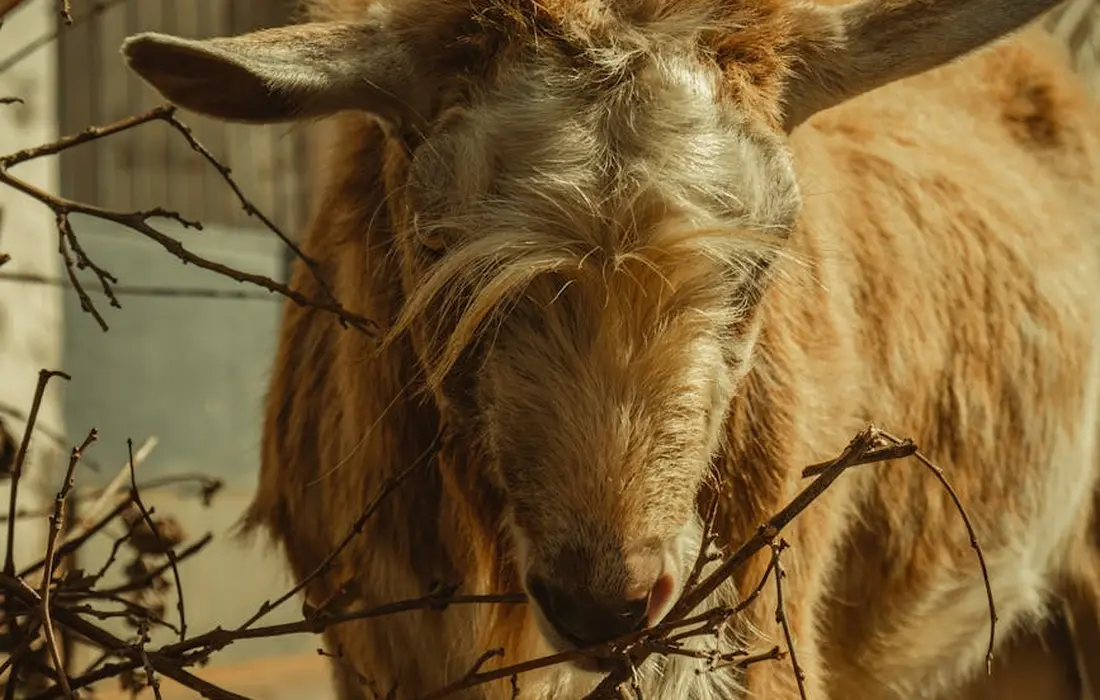
Now, I reckon if you’re reading this, you’re keen to let your goats do what they do best-eat your problem plants. Shifting from a feed-dependent routine to a forage-based one is the heart of thrifty, sustainable goat keeping, and it starts with trusting their instincts. Properly transitioning them to new forage is crucial for a smooth adjustment.
Why Your Land is the Best Feed Store
I learned this lesson after a dry summer years ago when feed prices soared. A well-managed browse pasture can supply over half your herd’s nutritional needs, providing vitamins and minerals that packed feed often misses.
- Goats naturally select plants that meet their dietary needs, like seeking out tannin-rich weeds for parasite control.
- Foraging promotes physical and mental exercise, cutting down on destructive fence-testing and boredom.
- You convert nuisance vegetation into milk and meat, closing the loop on your homestead.
Shaping Your Terrain for Browsing Success
You can’t just turn goats out on a close-cropped lawn and call it foraging. Your goal is to create a living salad bar of safe weeds, leaves, and shrubs that regenerates faster than they can eat it down.
I aim for a mix of perennial and annual plants across at least 250 square feet per goat. Here’s how I set it up:
- Map and Identify: Walk your land. Mark clusters of goat-friendly plants like honeysuckle, kudzu (yes, really), rose bushes, and broadleaf weeds.
- Fence Strategically: Use portable electric netting to create small paddocks. This lets you control their access and protect young saplings.
- Promote Growth: After a rotation, I mow or lightly till overgrazed spots to encourage fresh, tender regrowth that goats love.
Teaching the Herd to Work for Supper
Some goats, especially bottle babies, might stare at a blackberry thicket like it’s a fence. Start by fasting them for a few hours in the morning, then lead them to the browse on a halter, letting them sample leaves from your hand.
- Pair a reluctant goat with your most experienced forager; they’ll mimic the behavior in a day or two.
- Hang freshly cut branches of willow or mulberry in their sleeping area to spark curiosity.
- Gradually reduce their grain ration by half to let hunger drive their exploration.
Steering Clear of Foraging Troubles
Nature provides bounty, but also hazards. A daily walk-through of your pasture, before you let the goats in, is your single best habit for preventing poisoning.
Keep this quick guide handy for common concerns:
| Challenge | Practical Solution |
|---|---|
| Overconcentration on one plant type | Move the herd every 3-5 days to force dietary diversity. |
| Possible mineral gaps | Always provide a free-choice goat-specific mineral block, placed away from browse areas. |
| Parasite pickup from ground forage | Keep forage height above knee-level and rotate pastures to break worm cycles. |
| Toxic plants like nightshade or oak wilt | Learn three harmful plants in your region each season and remove them diligently. |
Remember, your goats are your best teachers. Watch what they eat with gusto, note what they avoid, and you’ll become an expert on your own land’s provisions in no time.
Goat Diet & Foraging: Your Quick Questions Answered
What are common weeds that goats can safely eat?
Goats relish many common weeds like broadleaf plantain, dandelion, and chicory, which are mineral-rich and aid digestion. They can also safely consume ragweed (the plant, not the pollen) and invasive species like kudzu, turning a nuisance into nutritious feed. Always ensure positive plant identification and avoid areas treated with herbicides. These options align with the broader topic of best forage weeds for goats and other nutrient-rich wild plants. Exploring them can help optimize goat nutrition and forage diversity.
What are the signs of good foraging behavior in goats?
Good foraging is characterized by a calm, selective, and varied eating pattern. You’ll observe goats meandering, sampling different plants, and often reaching up to browse, showing they are fully engaged with their environment. A healthy social herd will forage spread out, not bunched up or frantically competing for food.
How does a goat’s foraging behavior benefit pasture management?
Goats act as natural landscapers by controlling invasive brush, brambles, and broadleaf weeds that other livestock often avoid. Their rotational browsing, when managed correctly, helps fertilize the land, promotes diverse plant regrowth, and reduces the need for mechanical clearing or herbicides.
What are the nutritional benefits of common weeds in a goat’s diet?
Common weeds are often more nutrient-dense than grass, providing high-quality protein, essential vitamins (A, C, K), and trace minerals like iron and calcium. This diverse forage supports robust immune function, improves parasite resistance, and contributes to healthier digestion and coat condition.
How can you encourage natural foraging behavior in goats?
Start by providing ample safe browse like willow or mulberry branches and temporarily reducing grain to stimulate their interest. Use rotational grazing on pastures rich with weeds and shrubs, and pair inexperienced goats with seasoned foragers who can teach by example.
What is the difference between browsing and grazing in goats?
Browsing is the natural goat behavior of eating leaves, twigs, and shrubs from above ground level, while grazing is eating grass downward like sheep or cattle. Goats are primarily browsers, using their agile lips and tongues to selectively harvest woody plants and broadleaf vegetation. Understanding goat diet fundamentals shows how grass and hay fit with browse and grazing behavior.
Closing Tips for the Thrifty Steward
Your goats’ instincts are a powerful guide. Observe their preferences, manage your land to provide variety, and always prioritize safety through plant identification. By partnering with their natural foraging behavior, you’ll cultivate healthier animals and more resilient, productive land.
Shuttin’ the Gate
When all’s said and done, the finest tool in your husbandry shed ain’t a fancy mineral feeder or a branded bag of grain. It’s your own two eyes, watchin’ your goats browse and learning the language of their appetites. A goat that’s pickin’ at a new weed with curiosity tells a different story than one avoidin’ a once-favorite patch. That daily observation is your first and best defense.
I reckon that’s the heart of it. We get to partner with these clever creatures, guidin’ their foragin’ instincts toward health and away from harm. It’s a quiet, daily rhythm that roots a person. I hope this yarn helps y’all feel a bit more confident turnin’ your own herd out. Now, if you’ll excuse me, I hear a gate latch rattlin’. Time to take my own advice and walk the fence line. Happy homesteadin’, friends.
Further Reading & Sources
- Why Goats do Best on Weeds and Leaves (and not grass)
- Goat Forage in your backyard – Homestead Lady
- Can Goats Eat Weeds? Complete Guide to Goats as Natural Weed Control | Carefree Goats | Carefree Goats
Caroline Mae Turner is a lifelong farm girl raised on red clay, early mornings, and the sounds of a bustling barnyard. With hands-on experience caring for everything from stubborn goats to gentle dairy cows and mischievous pigs, Caroline shares practical, tried-and-true advice straight from the farm. Her goal is to help folks keep their animals healthy, well-fed, and living their best barnyard life. Whether you're wrangling chickens or bottle-feeding a baby goat, Caroline brings a warm Southern touch and plenty of real-world know-how to every bucket in the barn.
Forage Options