Feeding Cantaloupe to Chickens: Your Safe, No-Waste Treat Solution
Published on: June 30, 2026 | Last Updated: June 30, 2026
Written By: Caroline Mae Turner
Howdy y’all! Yes, your chickens can absolutely eat cantaloupe-the sweet flesh, the seeds, and even the tough rind are all perfectly safe and healthy for them when served correctly. I reckon many of you have stood at the sink with a half-eaten melon, wondering if tossing it to the girls is a help or a hazard. I’ve been there too, and I’m here to tell you it’s a fine way to use up leftovers and give your flock a hydrating snack.
What you’ll need:
- A ripe cantaloupe
- A sturdy knife and cutting board
- About five minutes of your time
Let’s walk through the simple steps so you can hand off that melon with confidence and move on with your day.
1. The Straight Scoop on Cantaloupe Safety for Your Flock
You can rest easy, friend. Fresh, ripe cantaloupe is not only safe for your chickens, it’s a splendid summer treat they’ll go plum crazy for. I’ve watched my hens chase a chunk of it across the run like it was a cricket. The high water content is a blessing on scorching days, and that vibrant orange color comes from beta-carotene, which their bodies convert to vitamin A for strong eyes and healthy feathers.
Think of cantaloupe as a delightful snack, not a staple-it’s a sugary food best offered in moderation to keep your flock’s primary diet of balanced feed front and center.
What Parts of the Melon Are Safe?
Let’s walk through that melon from the inside out, just like we’d prep it on the porch.
- The Flesh (The Main Event): It’s the fleshy, orange heart of the melon we all love. This is the prime part. Packed with vitamins, water, and a sweet flavor, it’s pure joy for your birds. I always salvage the good flesh from the rind after my family’s finished eating.
- The Seeds: Absolutely safe and often a favorite. You don’t need to remove them. They provide a bit of extra fiber and give the hens a fun, pecking activity. It’s a fine, thrifty way to use the whole fruit.
- The Stringy Pulp & Inner Rind: The soft, wet strings and the pale green inner layer just inside the hard shell are perfectly fine for them to eat. My geese, in particular, will meticulously clean every last string off a rind.
- The Tough Outer Rind: Here’s where we get practical. That rock-hard, netted skin is not toxic, but it’s nearly impossible for chickens to eat. I never feed the tough outer rind whole, as it’s a waste and can clutter the run. However, if you run it through a powerful grinder or compost it, those nutrients cycle right back to your garden in a way the hens can eventually access.
2. How to Serve Cantaloupe: Prep Steps for Happy Hens
Offering cantaloupe the right way prevents mess and promotes safety. A simple routine keeps everyone happy.
- Wash It Well: Just like for your own table, give the whole melon a good scrub under running water. This removes any potential dirt or residues from the store or field.
- Cut Into Manageable Pieces: Slice the melon into chunks or wedges. For a standard flock, I aim for pieces roughly the size of my palm. This size is easy for multiple birds to peck at without one hen running off with the whole prize.
- Scrape Out the Goodness: If you’re working with leftover rinds from your kitchen, use a spoon to scrape out the remaining soft pulp and strings. This makes the treat easier for them to eat and reduces waste.
- Serve in a Clean Area: Place the pieces directly on the ground in a clean spot in the run or in a shallow tray. Avoid leaving wet, old melon in the coop where it can stick to feathers and attract pests.
- Remove Uneaten Portions: After a few hours, clean up any soggy leftovers. This simple step of good husbandry prevents fermentation and unwanted insect visitors.
For a flock of a dozen hens, one-quarter of a standard cantaloupe, 2-3 times a week in peak summer, is a generous and safe amount that won’t spoil their appetite for their layer feed. Watch their enthusiasm; it’s a sure sign you’re giving them a treat that honors their natural foraging joy.
3. Why Cantaloupe is a Sunny Summer Boon for Poultry
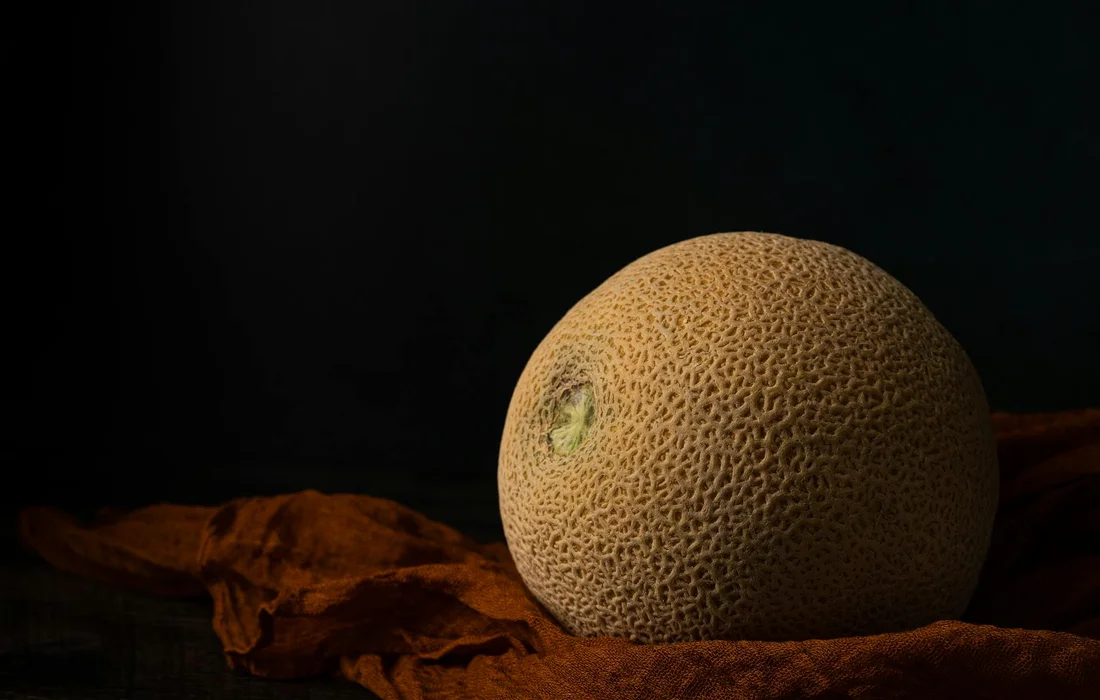
I reckon the first time I tossed a halved cantaloupe into the run on a scorching July afternoon, my girls looked at me like I’d lost my marbles. Ten minutes later, it was a feathery frenzy. Watching them devour the juicy orange flesh and peck diligently at the rind taught me this wasn’t just a treat; it was a seasonal remedy.
When the heat bears down, your flock’s well-being hinges on two things: hydration and nutrient-dense cooling foods. Cantaloupe delivers both in a single, affordable package. This melon is roughly 90% water, making it a superb, natural tool for preventing dehydration and supporting vital organ function when temperatures soar.
The Hydration & Nutrition Double Whammy
Beyond the water bucket, cantaloupe offers a splash of vitamins that directly support poultry health. Think of it as a supplement from the garden, not a replacement for their balanced feed. Chickens also eat other supplemental foods and treats besides their standard feed. When offered in moderation, these extras can diversify their diet and support health.
- Vitamin A: Critical for strong vision, healthy respiratory linings, and robust immune responses. A hen in top condition is a better layer and a hardier bird.
- Vitamin C: While chickens produce their own, extreme heat can tax their systems. This antioxidant acts as a helpful booster, aiding in stress reduction and feather quality.
- Electrolytes: Natural sugars and minerals like potassium help replenish what’s lost through panting, maintaining their delicate electrolyte balance.
I’ve seen listless birds perk up after a cantaloupe session. The quick energy from natural sugars and the flood of hydration can visibly revive a hen struggling with the midday slump.
A Feast for the Body and the Mind
Don’t underestimate the value of entertainment in the coop. Boredom can lead to pecking orders turning nasty. A whole or halved cantaloupe is an enrichment activity.
They’ll peck, scratch, and work for their snack. This natural foraging behavior keeps them occupied and content. I often save the tough rinds after they’ve cleaned out the flesh. Tossed back in, they’ll peck at it for hours, extracting every last bit of moisture and fiber. Turning waste into a prolonged activity is the very definition of thrifty, sustainable husbandry.
Just remember the golden rule of treats: moderation. This sunny boon should complement their layer feed, not crowd it out. A few chunks per bird, a couple times a week during the hot season, is a perfect rhythm. Your flock will thank you with vigor, and you’ll enjoy watching their simple, juicy joy.
4. Smart Feeding: Portion Control and Potential Pitfalls
Keeping Sugar and Spoilage in Check
Now, I reckon y’all know my hens will sprint across the pasture for a piece of sweet melon. That natural sugar gives them a quick burst of energy, much like a child with a cookie. Too much of a good thing, though, and you’ll have plump birds laying fewer eggs and facing health troubles down the road, similar to feeding them sugar or candy. I keep fruit treats, including cantaloupe, to a strict handful per bird, no more than two or three times a week.
Think of it like balancing their feed. Their main layer ration runs about 16-18% protein for steady production. A few ounces of cantaloupe flesh is a lovely supplement, but it shouldn’t replace their core nutrition. If you’re new to keeping chickens, a quick primer on chicken diet basics for your backyard flock will help you plan treats alongside core nutrition. Balancing protein, calories, and safe treats keeps them productive and healthy. For my flock of eight, I’ll chop up one good wedge of the orange flesh and scatter it, making sure every hen gets a bite without gorging. This prevents the sugar from upsetting their delicate digestive balance.
Spoilage is a sneaky foe in the coop. A leftover chunk of melon on a warm afternoon turns slimy faster than you can say “scramble.”
- Always feed treats in the morning or early afternoon so they have hours to peck it clean.
- Remove any uneaten fruit within a couple of hours.
- That damp, rotting sweetness attracts flies, rodents, and can breed harmful mold that no chicken should eat.
My rule is simple: if I wouldn’t eat it myself, it doesn’t belong in the run. I learned this thrifty habit from watching my grandma compost spoiled bits instead of risking her flock’s health.
When the Rind Poses a Problem
That tough, netted skin seems like it would be a fine pecking toy, doesn’t it? The rind itself isn’t toxic, but it presents a couple of practical hurdles. The main concern isn’t the chicken’s digestion-it’s what’s on the rind or how tough it is. Most store-bought melons have been sprayed or waxed, and that residue isn’t fit for your birds. For a quick feeding guide on what chickens and ducks can safely eat from watermelon rind and seeds, covering safe amounts, prep tips, and common pitfalls.
I give every rind a good scrub under cold running water with a stiff brush before I even think about offering it. Even then, I consider my flock. My robust geese might tear into a large piece, but my hens often just scratch at it, leaving a soggy, unfinished mess. To avoid waste and ensure safety, I take a few extra minutes with my knife.
- Scrub the exterior rind thoroughly to remove any dirt or chemical residues.
- Cut away the very hard, outer green skin, leaving just the firmer, pale inner rind.
- Chop that inner rind into small, manageable pieces, no bigger than a dime.
This little bit of prep work turns a potential problem into a safe, fibrous treat that aids their digestion. If the rind is too thick or I’m short on time, I toss it straight to the compost heap. The worms enjoy it, and my garden benefits later. That’s sustainable stewardship in action.
5. Cantaloupe in the Coop’s Circle of Scraps
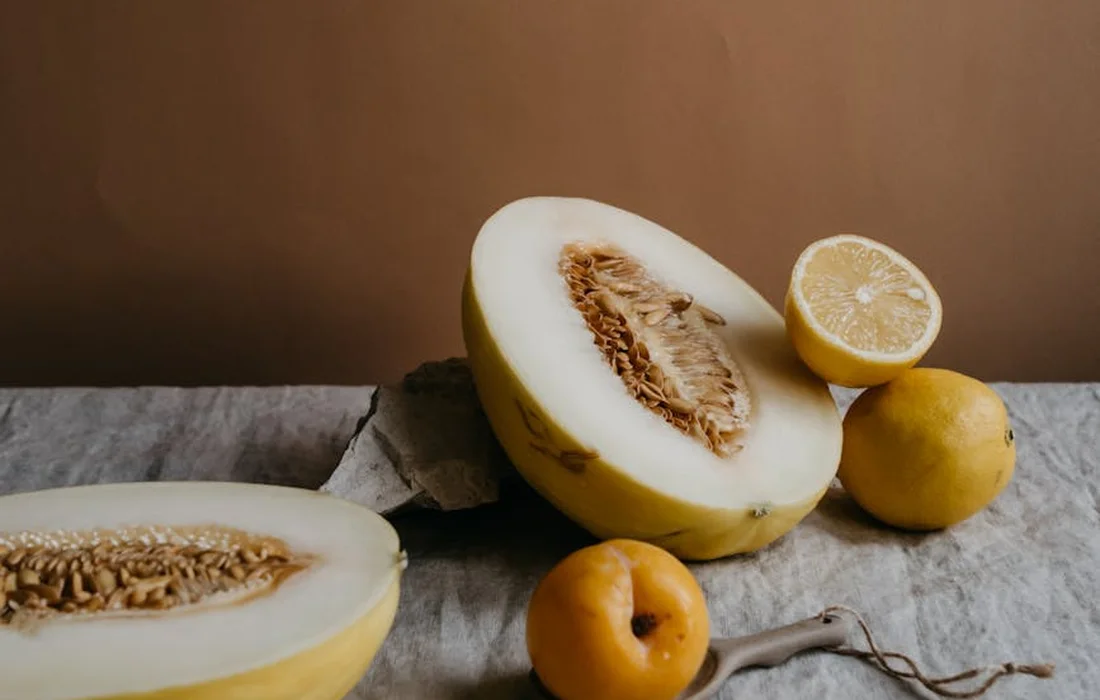
Let’s place that cantaloupe right where it belongs in your homestead’s rhythm-the steady stream of kitchen scraps heading to the hens. Incorporating melon into this cycle embodies the thrifty, waste-not wisdom that good husbandry is built upon. My own scrap bucket has fed generations of flocks, and cantaloupe always earns a top spot when it’s in season.
I recall one blistering August afternoon where the chicks looked downright languid. Tossing out a bowl of chilled cantaloupe chunks sparked a flurry of activity and seemed to perk every bird right up. It was a vivid lesson in using what you have to meet your animals’ needs.
How to Feed It: The Barnyard Method
You want to offer this treat safely and smartly. Here’s my step-by-step approach, honed right in the yard.
- Give it a Good Scrub: Always rinse the whole melon under cool water, scrubbing the rind with a brush. This removes field dirt or any lingering residues, because clean food is a simple kindness.
- Chunk it Right: I cut the fruit into pieces roughly an inch or two across. This size is easy for hens to grab and swallow, preventing any greedy gulps that could lead to trouble.
- Leave the Seeds Be: Those pale seeds are perfectly safe for chickens to eat. My birds often peck the sweet flesh first, then clean up the seeds as a final course.
- Handle the Rind with Sense: The tough, outer netted skin isn’t toxic, but it’s a chore to eat. I’ll chop it into strips and let the flock work on it over a day or two, or add it directly to the compost if it’s too thick.
Balance is the cornerstone of this practice. Fruits like cantaloupe should never replace a quality layer feed, which provides the non-negotiable 16-18% protein for egg production and overall health. Think of treats as the dessert, not the main meal.
The Tangible Benefits for Your Flock
This isn’t just about saving scraps; it’s about adding genuine value to your chickens’ diet.
- Superior Hydration: With a water content near 90%, cantaloupe is a fantastic moisture boost during hot, dry spells when waterers can go ignored.
- Nutrient Nuggets: It’s rich in Vitamin A, which promotes vibrant feathering and sharp eyesight. The Vitamin C offers immune support, though chickens synthesize their own.
- Behavioral Enrichment: Pecking at the soft flesh and seeds mimics natural foraging. A busy bird is a content bird, and it cuts down on boredom-induced vices like feather picking.
I’ve found the best method is to scatter pieces in a clean, grassy area or a shallow tray. This encourages natural scratching and pecking behaviors, which helps aerate your soil and manage pests. It turns treat time into a functional part of your land management.
So, when that summer cantaloupe yields more than your family can eat, let your chickens join the feast. This simple act stretches your grocery dollar, reduces household waste, and showers your flock with a wholesome, hydrating reward. It’s a perfect circle of sensible stewardship.
Closing Questions
Can chickens eat cantaloupe?
Yes, chickens can eat cantaloupe as a safe and enjoyable treat. It provides essential hydration and nutrients, but should always be fed in moderation alongside their primary layer feed. Other types of melons can also be safe for chickens to eat.
Can chickens eat cantaloupe seeds?
Cantaloupe seeds are non-toxic and safe for chickens to consume. They offer a source of fiber and encourage natural pecking behavior, making them a beneficial part of the treat. For a complete look at how chickens eat melons like cantaloupe and honeydew, see our chickens eat melons guide. It covers safe portions, serving tips, and frequency.
Can chickens eat cantaloupe rind?
The inner rind and pulp are edible, but the tough outer skin should be removed or finely chopped to prevent waste. While not poisonous, it can be difficult for chickens to digest if fed whole. It’s important to know what human food chickens can safely eat.
Is cantaloupe safe for chickens?
Fresh, ripe cantaloupe is safe for chickens when washed thoroughly to remove contaminants. Avoid feeding spoiled or moldy pieces to prevent health issues. Additionally, apricots and pears—other stone fruits—are covered in the complete safety guide for feeding chickens.
How should cantaloupe be prepared for chickens?
Wash the melon, cut it into small, manageable chunks, and serve in a clean area. Always remove any uneaten portions within a few hours to maintain coop hygiene.
Are there any risks in feeding cantaloupe to chickens?
Risks include overconsumption of sugar, which can disrupt digestion and egg production, and spoilage that attracts pests. Practice portion control and monitor treat frequency to keep your flock healthy.
Shutting the Gate
So, there you have it-cantaloupe is a fine, frugal treat that my hens have always greeted with a chorus of happy clucks. The most important thing to remember is that all treats, no matter how wholesome, should only ever supplement a complete layer feed; that balance is what keeps your birds laying steady and their feathers shining. I’ve seen a too-generous hand with fruit lead to picky eaters, so I stick to a few small chunks per bird, maybe twice a week in the heat of summer. It’s a lesson learned from watching my own flock: variety is the spice of life, but foundation is everything.
I reckon that’s about all from my porch for today. I’m right grateful you stopped by to chat about our feathered friends. There’s a deep satisfaction in sharing your harvest with your critters, in watching them thrive under a little care and common sense. So go on, enjoy that sweet summer bounty with your flock, and take pride in the good life you’re building for them. Until next time, y’all take care.
Further Reading & Sources
- Can Chickens Eat Cantaloupe? All You Need To Know | BackYard Chickens – Learn How to Raise Chickens
- Can chickens eat cantaloupe peel and seeds?
- Can chickens eat cantaloupes? – Quora
Caroline Mae Turner is a lifelong farm girl raised on red clay, early mornings, and the sounds of a bustling barnyard. With hands-on experience caring for everything from stubborn goats to gentle dairy cows and mischievous pigs, Caroline shares practical, tried-and-true advice straight from the farm. Her goal is to help folks keep their animals healthy, well-fed, and living their best barnyard life. Whether you're wrangling chickens or bottle-feeding a baby goat, Caroline brings a warm Southern touch and plenty of real-world know-how to every bucket in the barn.
Feed Recommendations